Top 9 Castles around Montsenelle
Castles around Montsenelle offer a glimpse into the region's rich history and architectural heritage. This French commune features diverse landscapes, including vast marshes, forest massifs, and hilly sites. The area is home to several historical residences, some dating back to the 11th century. Visitors can explore a variety of castles, from imposing square complexes to 17th-century residences and 18th-century manors.
Best castles around Montsenelle
- The most popular castles is Saint-Sauveur-le-Vicomte, a castle that dates from the 11th century and…
Last updated: August 17, 2026
Château Bel Enault
Highlight • Castle
The garden is listed as a Historic Monument for its exceptional and picturesque character. The garden retains the …
Translated by Google •
Tip by

Saint-Sauveur-le-Vicomte
Highlight • Castle
Translated by Google •
Tip by

Sign up now to discover places like this
Get recommendations on the best single tracks, peaks, & plenty of other exciting outdoor places.
Sign up for free
Church of Our Lady of the Assumption and Surville Manor
Highlight • Castle
Translated by Google •
Tip by

Château de Houesville, known as "Château du Vivier"
Highlight • Castle
The Château de Houesville, …
Translated by Google •
Tip by
Château de Surville
Highlight • Castle
Translated by Google •
Tip by
Sign up for free to discover even more castles around Montsenelle.
Sign up for free
Already have an account?
Start today with a free account
Your next adventure awaits.
Login or Signup
Tips from the Community


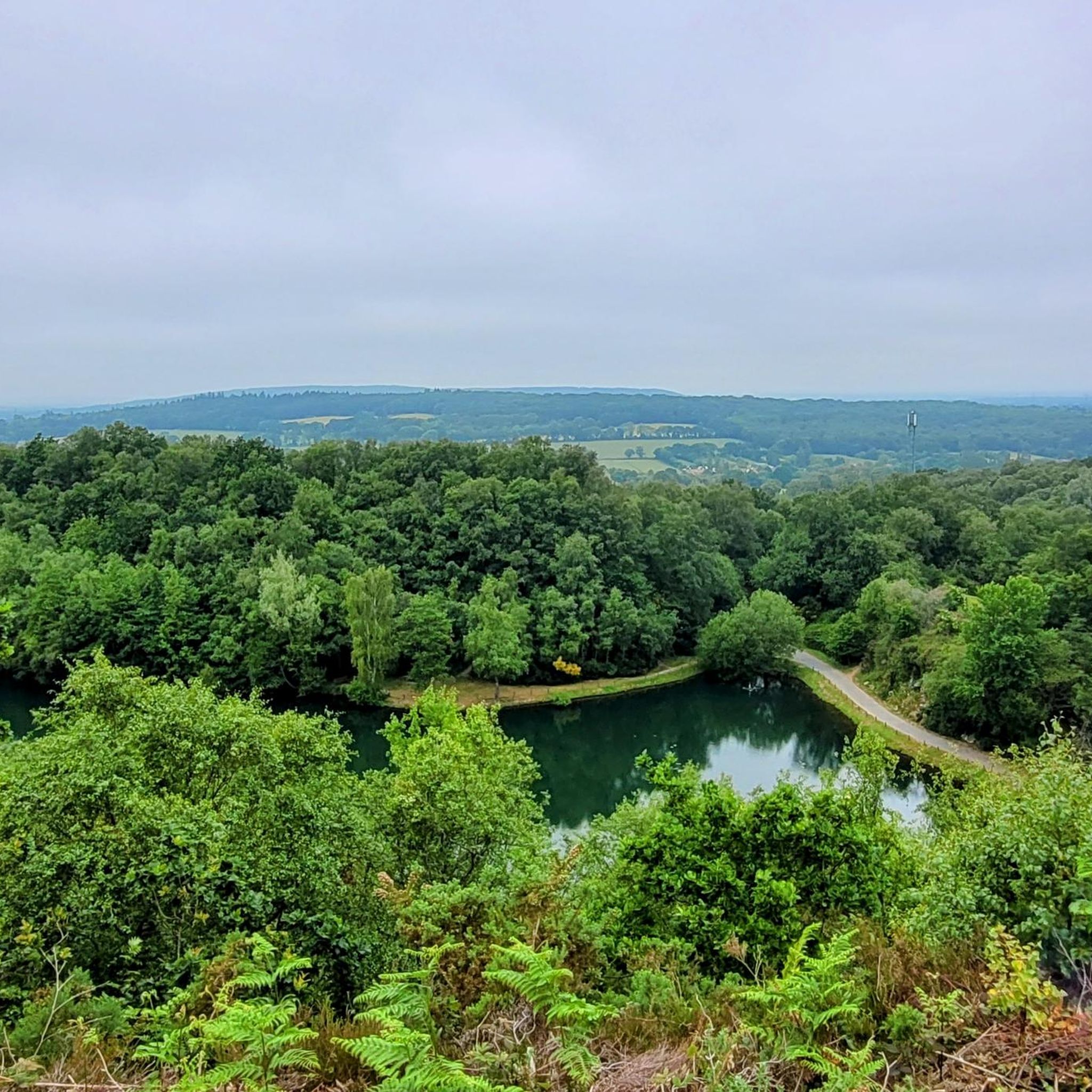
It dates from the 19th century and was built by Pierre-Etienne-Joseph LAFOSSE who, following a dream, decided to create this picturesque garden with canals, a lake with three small islands in the center. Part of the garden was transformed into a valley filled with rocks. A belvedere completes the ensemble, offering a panoramic view of the gardens. In 1897, Bel Esnault was sold and half of the park transformed into pastures. To date, only part of the garden has retained all its structures and remains surprisingly picturesque and rare in Lower Normandy. It was the German command post during D-Day and the first castle liberated after the landing at Utah Beach. @OT Cotentin Bay
0
0

The Château de Saint-Sauveur-le-Vicomte is a castle dating from the 11th century. Sacked twice during the Hundred Years War, it is now in ruins. Although not as impressive as some castles that are still intact, this castle is open to the public and very accessible. It is a wonderful place to visit.
3
0

Located in the center of Cotentin, Saint-Sauveur-Le-Vicomte has vast expanses of marshes, a pretty forest massif and several hilly sites, culminating at Mont de Taillepied.
0
0

During the religious wars which desolated the country in the course of the 16th century, the lords of Houesville and Cosqueville were massacred by the Protestants. In 1599, we find noble in Houesville, Charles Varroc, sieur de Houesville. In the course of the 17th century, one of the members of the Varroc family was Lord of Houesville. This family bore gules six roses argent. In the middle of the 18th century, Pierre Claude de Varroc, knight, lord of Houesville, sold to Thomas Alexandre "a tenement called the Vivier farm, consisting of manable house, cellar, barn, chartery, stable, bakery, courtyard, two gardens and a circuit of land at the end of the larger of the two gardens". When René Nicolas Frigoult married Jacqueline Le Perchois in 1763, the Vivier estate passed into the Frigoult de Liesville family. The central body of the house, of regular plan with a square floor, with two recessed wings, was built in the 18th century; alterations and addition of pavilions carried out in the 19th century. http://www.chateau-fort-manoir-chateau.eu/chateaux-manche-chateau-a-houesville-chateau-du-vivier.html
2
0

The Château de Surville is located 500 m from the seaside, along the dunes (haven of Surville) in a protected site. The 12 hectares of the property extend along the tourist route which goes from Mont Saint-Michel to Cherbourg. Today a hotel; weekend rental. 17 bedrooms with the possibility of sleeping more than 50 people.
1
0
Historic 18th century manor, still an active upscale residence of a horse breeding family, surrounded by horse paddocks and even remnants of a water-filled decorative moat. The Château de Houesville, known as the “Château duVivier”, is a property built by the family of the owner's mother, Jean-Yves Lécuyer, Madame Lécuyer née Frigoult de Liesville. The Haras du Vivier is a horse breeding center created by Jean-Yves, one of the largest trotting farms in France. The estate covers more than 500 hectares, 400 of which are owned around the castle, with around ten employees, around 150 trotters and hundreds of cattle and sheep. The stud farm itself produces the hay, oats, corn and barley that it needs for feeding its animals. https://www.wikimanche.fr/Haras_du_Vivier
2
0

Bel Esnault castle, also called Bellenau castle, is a 17th century residence. The garden is listed as a Historic Monument for its exceptional and picturesque character. The garden retains the spirit of the 19th century, with magnificent specimens of rare trees and landscaped with water gardens, islands and caves.
1
0
Frequently Asked Questions
What types of castles can I explore around Montsenelle?
The Montsenelle area offers a diverse range of castles, from 11th-century fortifications like the ruins of Saint-Sauveur-le-Vicomte, to 17th-century residences such as Château Bel Enault, and 18th-century manors like Château de Houesville. You can also find the magnificent 16th-century Château de Coigny, known for its Renaissance fireplace.
Are there any castles with notable gardens or unique architectural features?
Yes, Château Bel Enault is renowned for its garden, which is listed as a Historic Monument. It features rare trees, water gardens, islands, and caves. The Château de Coigny is also notable for its imposing square complex, moats, and a beautiful monumental ceremonial fireplace from the Italian Renaissance.
Which castles are particularly family-friendly?
Saint-Sauveur-le-Vicomte is a castle dating from the 11th century that is open to the public and very accessible, making it a wonderful place for families to visit. Château Bel Enault, with its picturesque gardens, also offers an engaging experience for families.
Can I visit castles that are still active residences?
Yes, Château de Houesville, known as "Château du Vivier", is an 18th-century manor that remains an active upscale residence. It is surrounded by horse paddocks and remnants of a decorative moat, offering a glimpse into a living historical estate.
What historical significance do the castles in Montsenelle hold?
The castles in Montsenelle offer a deep dive into French history. For example, Saint-Sauveur-le-Vicomte was sacked twice during the Hundred Years War. The Château de Coigny, a 16th-century residence, was once the property of Antoine de Franquetot, a former president of the Parliament of Rouen, and features a significant Renaissance fireplace.
Are there opportunities for outdoor activities near the castles?
Yes, the region around Montsenelle offers various outdoor activities. You can find numerous hiking and cycling routes. For hiking, consider trails like the 'Mont Castre Pond – Ruins of the Old Castle loop'. Cyclists can explore routes such as the 'Voie Verte in Mont Saint Michel' or the 'Greenway to Bolleville loop'. You can find more details on these activities in the hiking guide and cycling guide for Montsenelle.
What kind of natural landscapes can I expect to see around the castles?
Montsenelle is characterized by diverse landscapes, including vast marshes, forest massifs, and hilly sites. Many castles are situated within or near these natural settings, such as Saint-Sauveur-le-Vicomte, which is located in the center of Cotentin with its expansive marshes and forest.
Is there a castle that is particularly accessible for visitors?
The ruins of Saint-Sauveur-le-Vicomte are noted for being very accessible to the public, despite being an 11th-century ruin. This makes it a good option for visitors seeking ease of access.
What do visitors appreciate most about the castles in Montsenelle?
Visitors often appreciate the rich historical context and architectural heritage of the castles. The picturesque gardens of places like Château Bel Enault and the accessible ruins of Saint-Sauveur-le-Vicomte are frequently highlighted. The blend of historical sites, manors, and castle ruins provides a varied and engaging experience.
Are there any castles that also function as hotels or accommodations?
Yes, the Château de Surville, located near the seaside, operates as a hotel. It offers 17 bedrooms and can accommodate over 50 people, providing an opportunity to stay within a historic castle setting.
Can I find any churches or religious sites near the castles?
Yes, the Church of Our Lady of the Assumption and Surville Manor is an interesting site. The initial church building dates back to the 13th and 14th centuries, featuring a frieze that tells the story of the manor's owner and a unique credenza inside.
Most popular routes around Montsenelle
Most popular attractions around Montsenelle

Get inspired with the komoot mobile app


Explore more
Looking for the best castles somewhere else? Discover other guides around Montsenelle:
