Top 6 Castles around Picauville
Best castles around Picauville are found in a region of Normandy characterized by its historical significance and varied natural landscapes, including marshes and woodlands. This area provides insights into centuries of French heritage, from medieval times to later periods. Visitors can explore 6 castles, each offering a unique perspective on the region's past.
Best castles around Picauville
- The most popular castles is Saint-Sauveur-le-Vicomte, a castle dating from the 11th century. Sacked twice during the Hundred Years War, it is…
Last updated: July 1, 2026
Château Bel Enault
Highlight • Castle
The garden is listed as a Historic Monument for its exceptional and picturesque character. The garden retains the …
Translated by Google •
Tip by

Saint-Sauveur-le-Vicomte
Highlight • Castle
Translated by Google •
Tip by

Sign up now to discover places like this
Get recommendations on the best single tracks, peaks, & plenty of other exciting outdoor places.
Sign up for free
Château de Houesville, known as "Château du Vivier"
Highlight • Castle
The Château de Houesville, …
Translated by Google •
Tip by

Waco Glider Memorial and Sébeville Castle
Highlight • Historical Site
Translated by Google •
Tip by

Start today with a free account
Your next adventure awaits.
Login or Signup

Tips from the Community


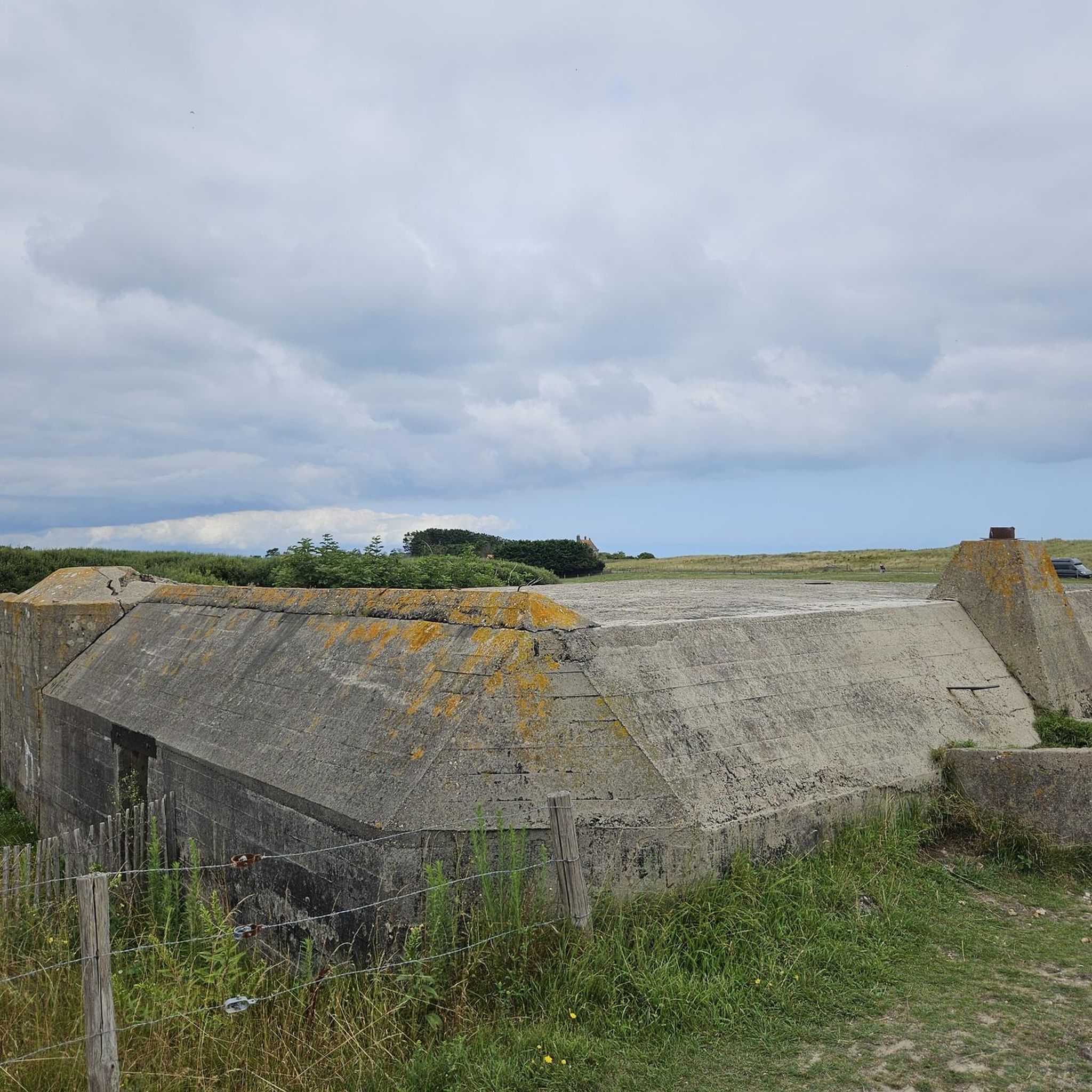
Don't hesitate to take the small path towards the church. Beautiful view of the castle and memorial to the Waco glider that fell on one of its outbuildings.
0
0

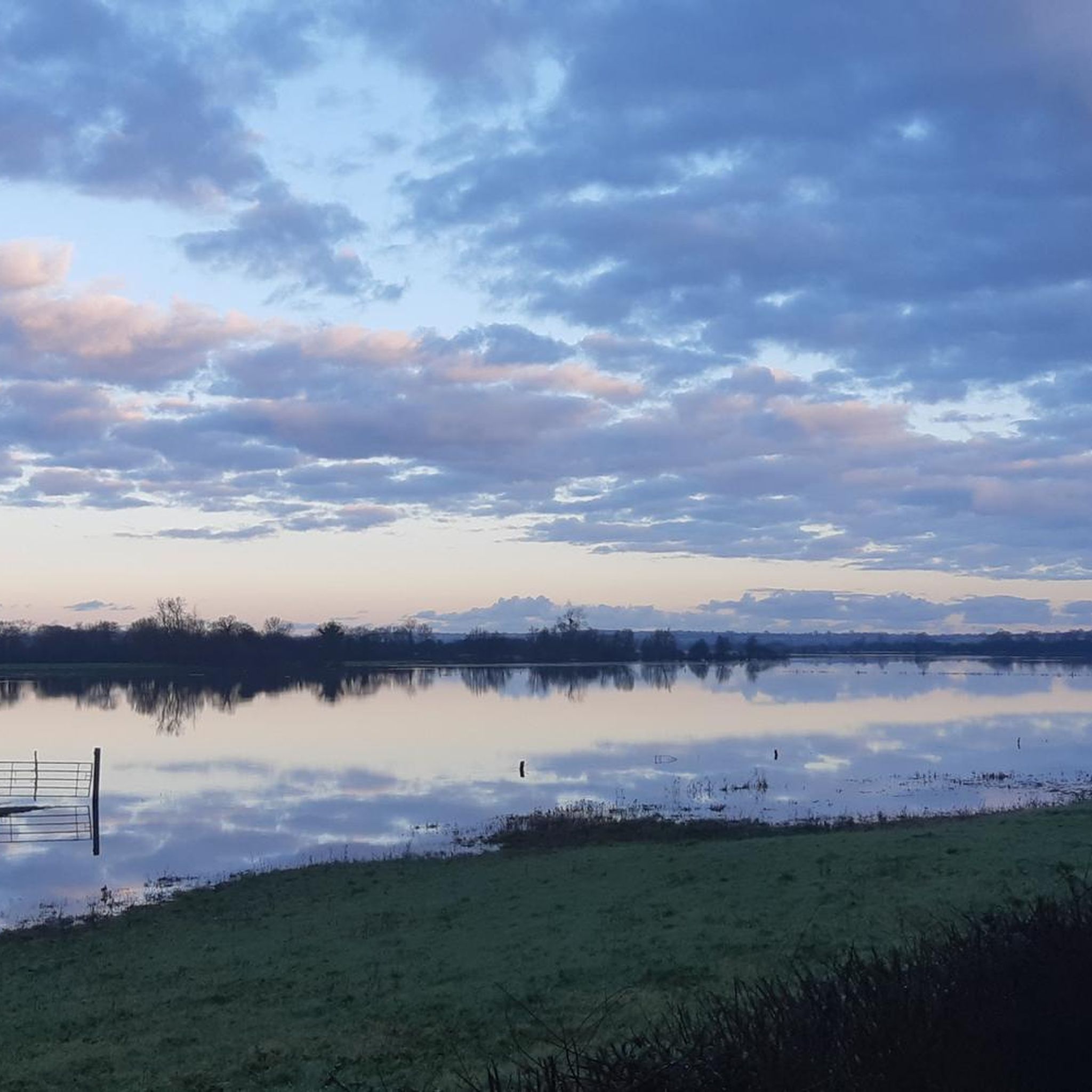
It dates from the 19th century and was built by Pierre-Etienne-Joseph LAFOSSE who, following a dream, decided to create this picturesque garden with canals, a lake with three small islands in the center. Part of the garden was transformed into a valley filled with rocks. A belvedere completes the ensemble, offering a panoramic view of the gardens. In 1897, Bel Esnault was sold and half of the park transformed into pastures. To date, only part of the garden has retained all its structures and remains surprisingly picturesque and rare in Lower Normandy. It was the German command post during D-Day and the first castle liberated after the landing at Utah Beach. @OT Cotentin Bay
0
0

The Château de Saint-Sauveur-le-Vicomte is a castle dating from the 11th century. Sacked twice during the Hundred Years War, it is now in ruins. Although not as impressive as some castles that are still intact, this castle is open to the public and very accessible. It is a wonderful place to visit.
3
0

Located in the center of Cotentin, Saint-Sauveur-Le-Vicomte has vast expanses of marshes, a pretty forest massif and several hilly sites, culminating at Mont de Taillepied.
0
0

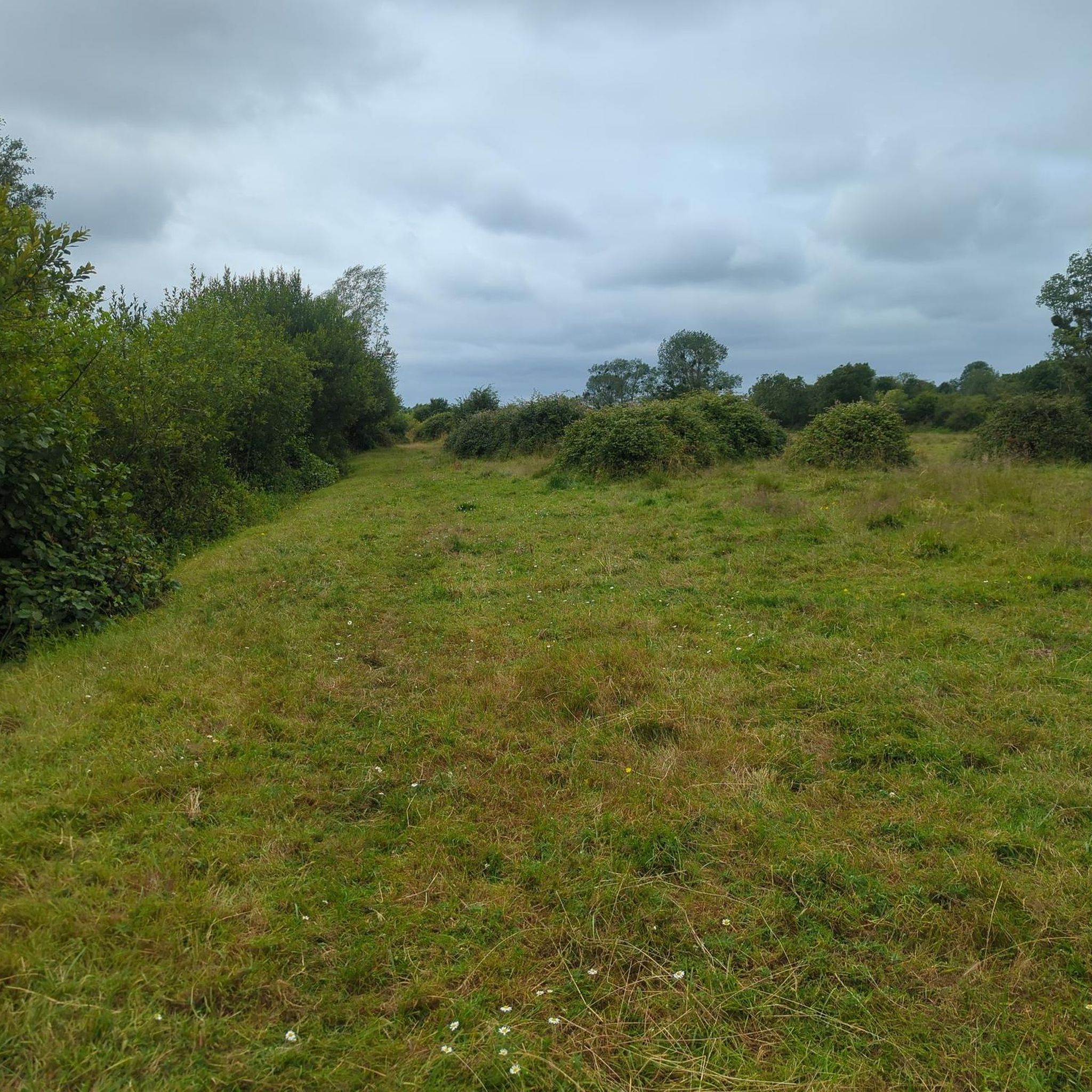
During the religious wars which desolated the country in the course of the 16th century, the lords of Houesville and Cosqueville were massacred by the Protestants. In 1599, we find noble in Houesville, Charles Varroc, sieur de Houesville. In the course of the 17th century, one of the members of the Varroc family was Lord of Houesville. This family bore gules six roses argent. In the middle of the 18th century, Pierre Claude de Varroc, knight, lord of Houesville, sold to Thomas Alexandre "a tenement called the Vivier farm, consisting of manable house, cellar, barn, chartery, stable, bakery, courtyard, two gardens and a circuit of land at the end of the larger of the two gardens". When René Nicolas Frigoult married Jacqueline Le Perchois in 1763, the Vivier estate passed into the Frigoult de Liesville family. The central body of the house, of regular plan with a square floor, with two recessed wings, was built in the 18th century; alterations and addition of pavilions carried out in the 19th century. http://www.chateau-fort-manoir-chateau.eu/chateaux-manche-chateau-a-houesville-chateau-du-vivier.html
2
0

Historic 18th century manor, still an active upscale residence of a horse breeding family, surrounded by horse paddocks and even remnants of a water-filled decorative moat. The Château de Houesville, known as the “Château duVivier”, is a property built by the family of the owner's mother, Jean-Yves Lécuyer, Madame Lécuyer née Frigoult de Liesville. The Haras du Vivier is a horse breeding center created by Jean-Yves, one of the largest trotting farms in France. The estate covers more than 500 hectares, 400 of which are owned around the castle, with around ten employees, around 150 trotters and hundreds of cattle and sheep. The stud farm itself produces the hay, oats, corn and barley that it needs for feeding its animals. https://www.wikimanche.fr/Haras_du_Vivier
2
0

Bel Esnault castle, also called Bellenau castle, is a 17th century residence. The garden is listed as a Historic Monument for its exceptional and picturesque character. The garden retains the spirit of the 19th century, with magnificent specimens of rare trees and landscaped with water gardens, islands and caves.
1
0
Frequently Asked Questions
What are some notable castles to explore near Picauville?
The region around Picauville offers several historically rich castles. You can visit the ruins of Saint-Sauveur-le-Vicomte, an 11th-century castle sacked during the Hundred Years' War. Another option is Château Bel Enault, a 17th-century residence known for its exceptional 19th-century garden. The Château de Houesville, known as "Château du Vivier", is an 18th-century manor that remains an active upscale residence with horse paddocks.
Are there family-friendly castles to visit near Picauville?
Yes, several castles in the area are considered family-friendly. The ruins of Saint-Sauveur-le-Vicomte are open and accessible, offering a chance to explore medieval history. Château Bel Enault, with its unique 19th-century garden featuring rare trees, water gardens, islands, and caves, can also be an engaging visit for families.
What kind of historical events are associated with castles in the Picauville area?
The castles around Picauville are steeped in history. For instance, the Château de l'Isle Marie has roots tracing back to a 9th-century Viking fortress and was home to figures like Marechal de Bellefonds and the d'Aigneaux family, who fought with William the Conqueror. Château de Bernaville served as a German command post during World War II, hosting General Rommel. Saint-Sauveur-le-Vicomte was sacked twice during the Hundred Years' War.
What outdoor activities can I do near these castles?
The Picauville area offers various outdoor activities. You can find numerous hiking trails, such as the 'Fresville Marsh Hunt – Étang du Goulet loop' or the 'Manor known as La Cour loop'. For cyclists, there are road cycling routes like the 'View of the Marais de la Chuque loop'. Mountain biking enthusiasts can explore trails like the 'Guardhouse Mont de Doville – Mount Doville loop'. You can find more details on these activities in the Hiking around Picauville, Road Cycling Routes around Picauville, and MTB Trails around Picauville guides.
Are there hiking trails near the castles?
Yes, there are several hiking trails in the vicinity of Picauville's castles. For example, you can explore the 'Hiking loop from Picauville' which is an easy 6.8 km route, or the 'Sainte-Mère-Église Church – Sainte-Mère-l'Église loop' which is a moderate 8.1 km trail. These trails offer a chance to experience the natural landscapes surrounding the historical sites. More hiking options are available in the Hiking around Picauville guide.
What natural features can I expect to see around the castles?
The region around Picauville's castles is characterized by varied natural landscapes. The Château d'Amfreville, for instance, is uniquely situated on the edge of a marsh, using annual winter floods to fill its moats. The Château de l'Isle Marie is set within a hundred-acre park featuring meadows and woodlands. You'll also find vast expanses of marshes and hilly sites, such as Mont de Taillepied, near Saint-Sauveur-le-Vicomte.
What do visitors enjoy most about the castles in this region?
Visitors appreciate the diverse architectural styles and historical periods represented by the castles, from medieval ruins to 17th and 18th-century manors. The tranquil and romantic settings, often integrated with natural parks and unique gardens, are also highly valued. Many enjoy the deep historical roots, including connections to Viking origins, the Hundred Years' War, and World War II, which offer a captivating glimpse into French heritage.
Is there parking available at the castles?
While specific parking details vary for each castle, many historical sites in rural areas like Picauville typically offer some form of parking, often in nearby villages or designated areas. For example, Saint-Sauveur-le-Vicomte is noted for being very accessible, suggesting visitor facilities are available. It's advisable to check individual castle websites for precise parking information before your visit.
What is the best time of year to visit the castles around Picauville?
The best time to visit the castles around Picauville is generally during the spring (April-June) and autumn (September-October). During these seasons, the weather is typically mild and pleasant for exploring, and the natural landscapes, such as the gardens of Château Bel Enault, are often at their most beautiful. Summer (July-August) is also popular, though it can be warmer and more crowded.
Are there any castles with unique architectural features in the area?
Yes, the region boasts castles with distinctive architectural elements. The Château de l'Isle Marie combines a Neo-Gothic castle with a 17th-century manor featuring an Italianate chapel designed by Mansart. The Château d'Amfreville, originally an 11th-century fortified residence, is notable for its integration with the natural landscape, using annual winter floods to fill its moats.
Can I find cafes or pubs near the castles in Picauville?
While specific cafes or pubs directly adjacent to every castle might be limited due to their historical and often rural settings, you can typically find dining options in the nearby towns and villages. Picauville itself, and other larger villages close to the castles, will offer cafes and pubs where you can refresh yourself after your explorations.
Are there any castles that played a role in World War II history?
Yes, the Château de Bernaville holds significant World War II history. From 1942 to 1944, it served as the German command post for General Wilhelm Falley and hosted General Erwin Rommel during his inspection of the Atlantic Wall on May 17, 1944. Additionally, Château Bel Enault was a German command post during D-Day and was among the first castles liberated after the landing at Utah Beach.
Most popular routes around Picauville
Most popular attractions around Picauville

Get inspired with the komoot mobile app


Explore more
Looking for the best castles somewhere else? Discover other guides around Picauville:
