Top 5 Castles around Sainte-Mère-Église
Best castles around Sainte-Mère-Église are situated in a region renowned for its historical significance, particularly its role in the D-Day landings. The area features a landscape dotted with historic properties and châteaux, offering insights into various periods of French history. These sites provide a blend of architectural heritage and natural surroundings, characteristic of the Normandy countryside. Visitors can explore a range of historic buildings, from elegant residences to fortified structures.
Best castles around Sainte-Mère-Église
- The most popular castles is Château Bel Enault, a castle that is a 17th-century residence. Its garden is listed as a Historic Monument, featuring rare trees, water gardens, islands, and grottoes.
- Another must-see spot is Quinéville Castle, a castle offering palatial views. This castle is now accessible as a hotel and restaurant, providing views towards the beach.
- Visitors also love Château de Houesville, known as "Château du Vivier", an 18th-century manor. It remains an active upscale residence surrounded by horse paddocks and remnants of a decorative moat.
- Sainte-Mère-Église is known for its 17th and 18th-century châteaux, as well as properties with historical gardens. The variety of castles to see and explore includes residences, manors, and sites with significant historical connections.
- The castles around Sainte-Mère-Église are appreciated by the komoot community, with 27 upvotes and 7 photos shared across the highlights.
Last updated: August 25, 2026
Château Bel Enault
Highlight • Castle
The garden is listed as a Historic Monument for its exceptional and picturesque character. The garden retains the spirit of the 19th century, with magnificent specimens of rare trees and landscaped with water gardens, islands and caves.
Translated by Google •
Tip by

Ravenoville Beach and Redoubt
Highlight • Beach
Translated by Google •
Tip by

Sign up now to discover places like this
Get recommendations on the best single tracks, peaks, & plenty of other exciting outdoor places.
Sign up for free
Château de Houesville, known as "Château du Vivier"
Highlight • Castle
The Château de Houesville, known as the “Château duVivier”, is a property built by the family of the owner's mother, Jean-Yves Lécuyer, Madame Lécuyer née Frigoult de Liesville. The Haras du Vivier is a horse breeding center created by Jean-Yves, one of the largest trotting farms in France. The estate covers more than 500 hectares, 400 of which are owned around the castle, with around ten employees, around 150 trotters and hundreds of cattle and sheep. The stud farm itself produces the hay, oats, corn and barley that it needs for feeding its animals. wikimanche.fr/Haras_du_Vivier
Translated by Google •
Tip by
Quinéville Castle
Highlight • Castle
Tip by
Château de Vaugoubert
Highlight • Castle
Translated by Google •
Tip by

Sign up for free to discover even more castles around Sainte-Mère-Église.
Sign up for free
Already have an account?
Start today with a free account
Your next adventure awaits.
Login or Signup
Popular around Sainte-Mère-Église


Other adventures around Sainte-Mère-Église

Tips from the Community

From the 19th century with dovecote, park and lake. The old buildings have disappeared. Then La Rivière farm. As you pass, you notice the wooden and cob cart of the Ferme de Gerville. The castle is private property and cannot be visited.
0
0
It dates from the 19th century and was built by Pierre-Etienne-Joseph LAFOSSE who, following a dream, decided to create this picturesque garden with canals, a lake with three small islands in the center. Part of the garden was transformed into a valley filled with rocks. A belvedere completes the ensemble, offering a panoramic view of the gardens. In 1897, Bel Esnault was sold and half of the park transformed into pastures. To date, only part of the garden has retained all its structures and remains surprisingly picturesque and rare in Lower Normandy. It was the German command post during D-Day and the first castle liberated after the landing at Utah Beach. @OT Cotentin Bay
0
0

During the religious wars which desolated the country in the course of the 16th century, the lords of Houesville and Cosqueville were massacred by the Protestants. In 1599, we find noble in Houesville, Charles Varroc, sieur de Houesville. In the course of the 17th century, one of the members of the Varroc family was Lord of Houesville. This family bore gules six roses argent. In the middle of the 18th century, Pierre Claude de Varroc, knight, lord of Houesville, sold to Thomas Alexandre "a tenement called the Vivier farm, consisting of manable house, cellar, barn, chartery, stable, bakery, courtyard, two gardens and a circuit of land at the end of the larger of the two gardens". When René Nicolas Frigoult married Jacqueline Le Perchois in 1763, the Vivier estate passed into the Frigoult de Liesville family. The central body of the house, of regular plan with a square floor, with two recessed wings, was built in the 18th century; alterations and addition of pavilions carried out in the 19th century. http://www.chateau-fort-manoir-chateau.eu/chateaux-manche-chateau-a-houesville-chateau-du-vivier.html
2
0

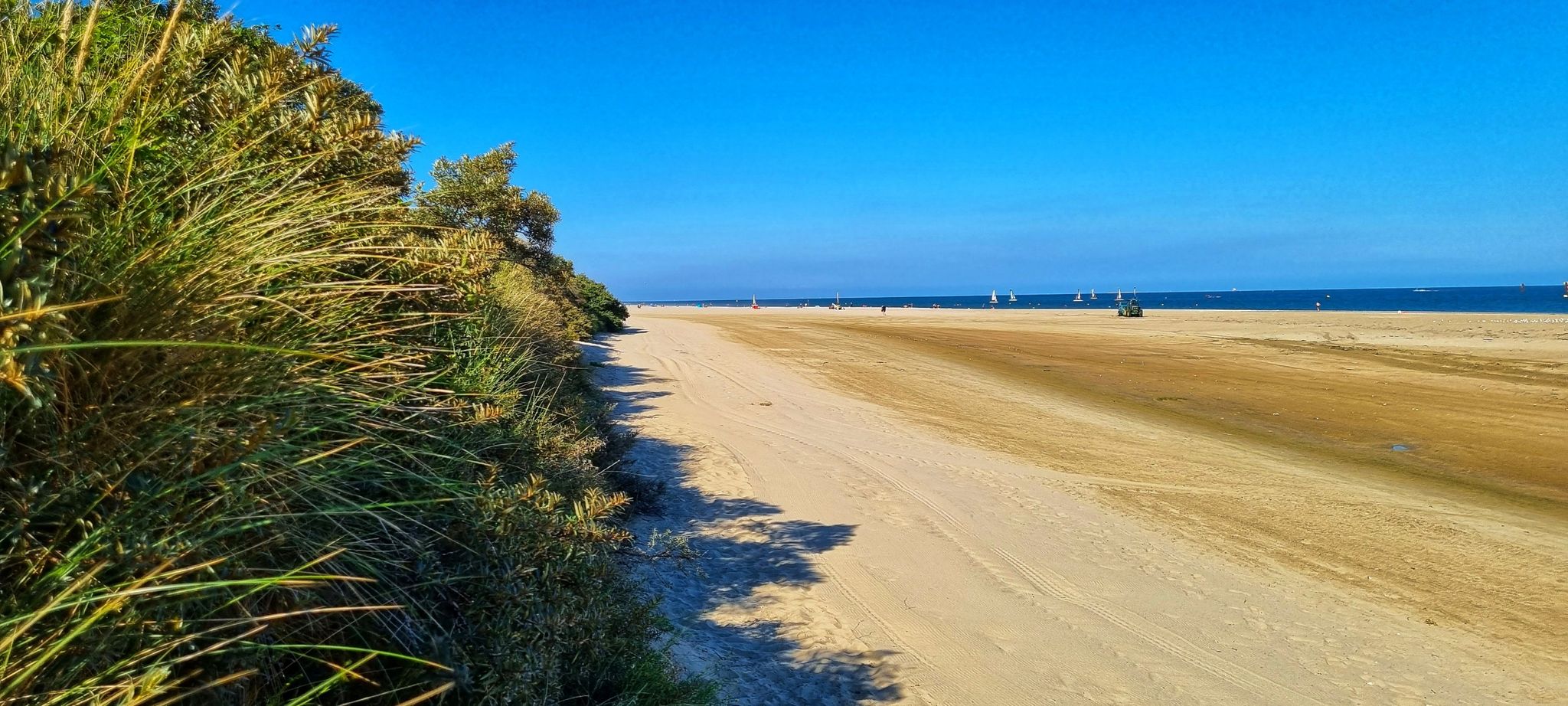
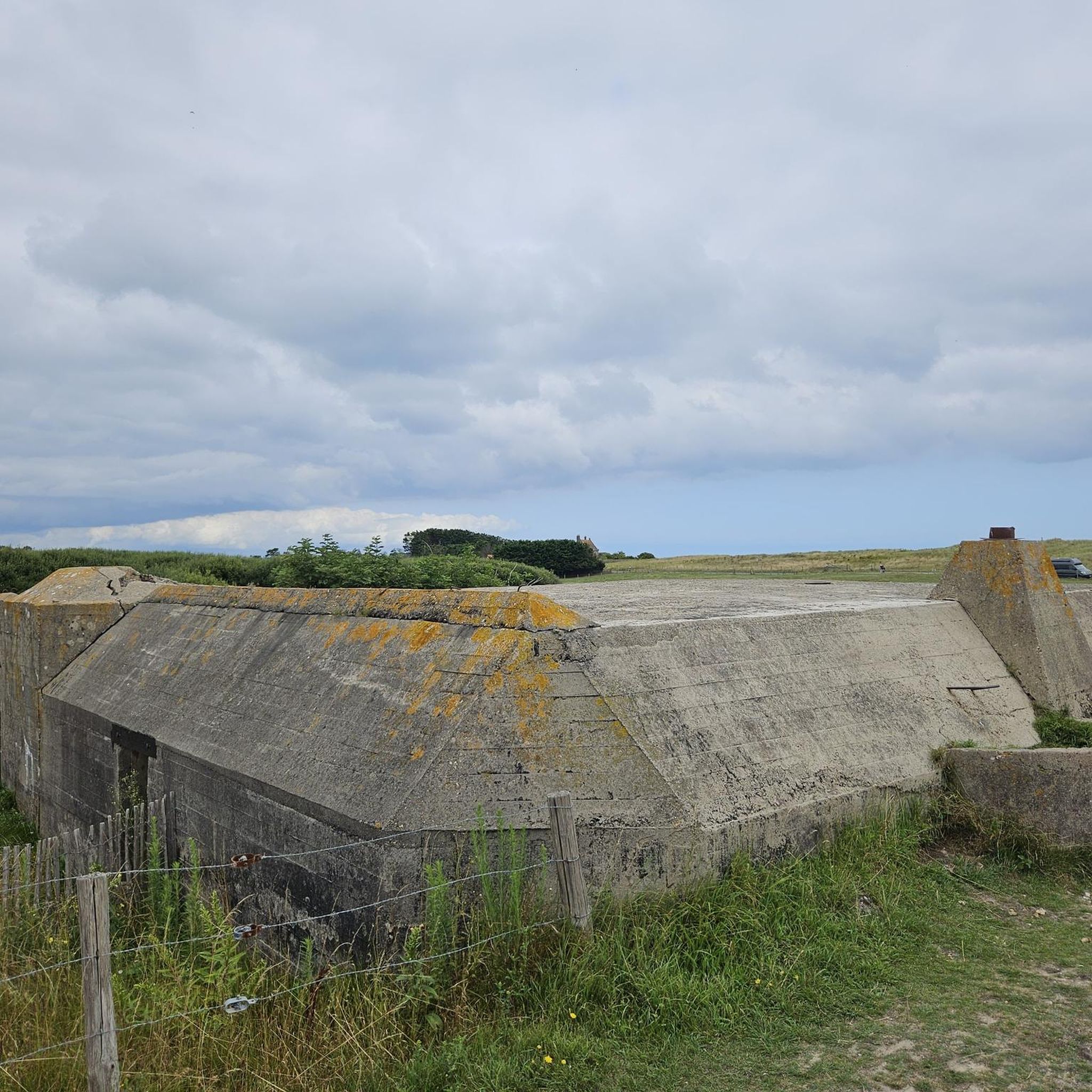
Fort Ravenoville (19th century), built on an old square masonry redoubt dating from 1689. The enclosure as well as the old interior guardhouse have been profoundly modified. The remains of the vast "Widerstandsnest 14" next door date from the Nazi-German Atlantic Wall.
0
0
Historic 18th century manor, still an active upscale residence of a horse breeding family, surrounded by horse paddocks and even remnants of a water-filled decorative moat. The Château de Houesville, known as the “Château duVivier”, is a property built by the family of the owner's mother, Jean-Yves Lécuyer, Madame Lécuyer née Frigoult de Liesville. The Haras du Vivier is a horse breeding center created by Jean-Yves, one of the largest trotting farms in France. The estate covers more than 500 hectares, 400 of which are owned around the castle, with around ten employees, around 150 trotters and hundreds of cattle and sheep. The stud farm itself produces the hay, oats, corn and barley that it needs for feeding its animals. https://www.wikimanche.fr/Haras_du_Vivier
2
0

Bel Esnault castle, also called Bellenau castle, is a 17th century residence. The garden is listed as a Historic Monument for its exceptional and picturesque character. The garden retains the spirit of the 19th century, with magnificent specimens of rare trees and landscaped with water gardens, islands and caves.
1
0
Palatial views through the grand windows a kilometer all the way down to the beach, now accessible as a hotel and restaurant.
0
0
Frequently Asked Questions
What types of historic properties can I explore around Sainte-Mère-Église?
The region around Sainte-Mère-Église offers a variety of historic properties, ranging from elegant 17th and 18th-century residences and manors to sites with significant historical gardens and even properties with direct connections to the D-Day landings. You'll find a blend of architectural heritage and natural surroundings.
Are there any castles with notable gardens or natural features?
Yes, Château Bel Enault (also known as Château de Bellenau) is particularly renowned for its exceptional 19th-century garden. It's listed as a Historic Monument and features magnificent rare trees, water gardens, islands, and grottoes, offering a beautiful experience for nature enthusiasts.
Which castles offer a connection to the D-Day history?
While many sites in the region have D-Day connections, Château Bel Enault was the German command post during D-Day and the first castle liberated after the landing at Utah Beach. Additionally, the Waco Glider Memorial and Sébeville Castle site includes a memorial to a Waco glider that fell on one of its outbuildings. The Château de Franquétot also houses the D Day Collins Museum, providing a direct link to World War II history.
Can I stay overnight at any of the castles or historic properties?
Yes, Quinéville Castle now operates as a hotel and restaurant, offering palatial views. The Château de Grandval in Neuville-au-Plain also provides unique stays within its traditional walls, blending historical charm with modern comfort. Gîte Château de Brix offers holiday rental accommodations in a peaceful setting.
Are there family-friendly castles to visit near Sainte-Mère-Église?
Many of the historic sites are suitable for families. Château Bel Enault, with its picturesque gardens, can be an engaging visit for all ages. The Ravenoville Beach and Redoubt, while not strictly a castle, is a historical site with beach access, making it family-friendly.
What outdoor activities can I do near these castles?
The region offers various outdoor activities. You can find numerous running trails, such as the '2nd Armored Division Monument loop' or the 'Sainte-Mère-l'Église Church loop'. For cycling enthusiasts, there are MTB trails and gravel biking routes, including options like 'Utah Beach loop' or 'Along the beach (Gravel)'. You can explore more routes on the Running Trails around Sainte-Mère-Église, MTB Trails around Sainte-Mère-Église, and Gravel biking around Sainte-Mère-Église guides.
Are there any castles that are still active residences?
Yes, Château de Houesville, known as "Château du Vivier", is an 18th-century manor that remains an active upscale residence. It is surrounded by horse paddocks and remnants of a decorative moat, reflecting its history as a significant horse breeding center.
How far is Tocqueville Castle from Sainte-Mère-Église?
Tocqueville Castle, known for its historical significance and association with Alexis de Tocqueville, is located approximately 36 km (22 miles) from Sainte-Mère-Église. Its proximity to key D-Day sites like Utah Beach makes it an interesting point for those exploring the region's rich history.
What do visitors enjoy most about the castles and historic sites in this area?
Visitors frequently appreciate the blend of historical significance, particularly the D-Day connections, with the natural beauty of the Normandy countryside. The well-preserved architecture, picturesque gardens, and the opportunity to delve into different periods of French history are often highlighted. The peaceful settings and unique accommodations also add to the appeal.
What is the best time to visit the castles and engage in outdoor activities?
The spring and summer months (May to September) generally offer the most pleasant weather for exploring the castles and enjoying outdoor activities like running, mountain biking, and gravel biking. During these seasons, the gardens are in full bloom, and the longer daylight hours allow for extended exploration. However, the historical significance makes these sites interesting year-round.
Are there any castles that offer views towards the coast or beaches?
Yes, Quinéville Castle offers palatial views that extend a kilometer all the way down to the beach, providing a scenic backdrop to its historical charm.
Most popular routes around Sainte-Mère-Église
Most popular attractions around Sainte-Mère-Église

Get inspired with the komoot mobile app


Explore more
Looking for the best castles somewhere else? Discover other guides around Sainte-Mère-Église:
