Attractions and Places To See around Villegusien-Le-Lac - Top 20
Best attractions and places to see around Villegusien-Le-Lac include a prominent artificial lake and historical sites. The area is characterized by the Lac de la Vingeanne, a 199-hectare lake, and the Canal entre Champagne et Bourgogne, which connects major river networks. Historical landmarks such as 16th-century churches and 18th-century châteaux are also present. The region offers a mix of natural landscapes and cultural heritage.
Best attractions and places to see around Villegusien-Le-Lac
- The most popular attractions is Saint-Mammès Cathedral of…
Last updated: May 21, 2026
Saint-Mammès Cathedral of Langres
Highlight • Religious Site
The city was destroyed by the Vandals …
Translated by Google •
Tip by

Door Lanyard Door
Highlight • Other
Translated by Google •
Tip by

Sign up now to discover places like this
Get recommendations on the best single tracks, peaks, & plenty of other exciting outdoor places.
Sign up for free
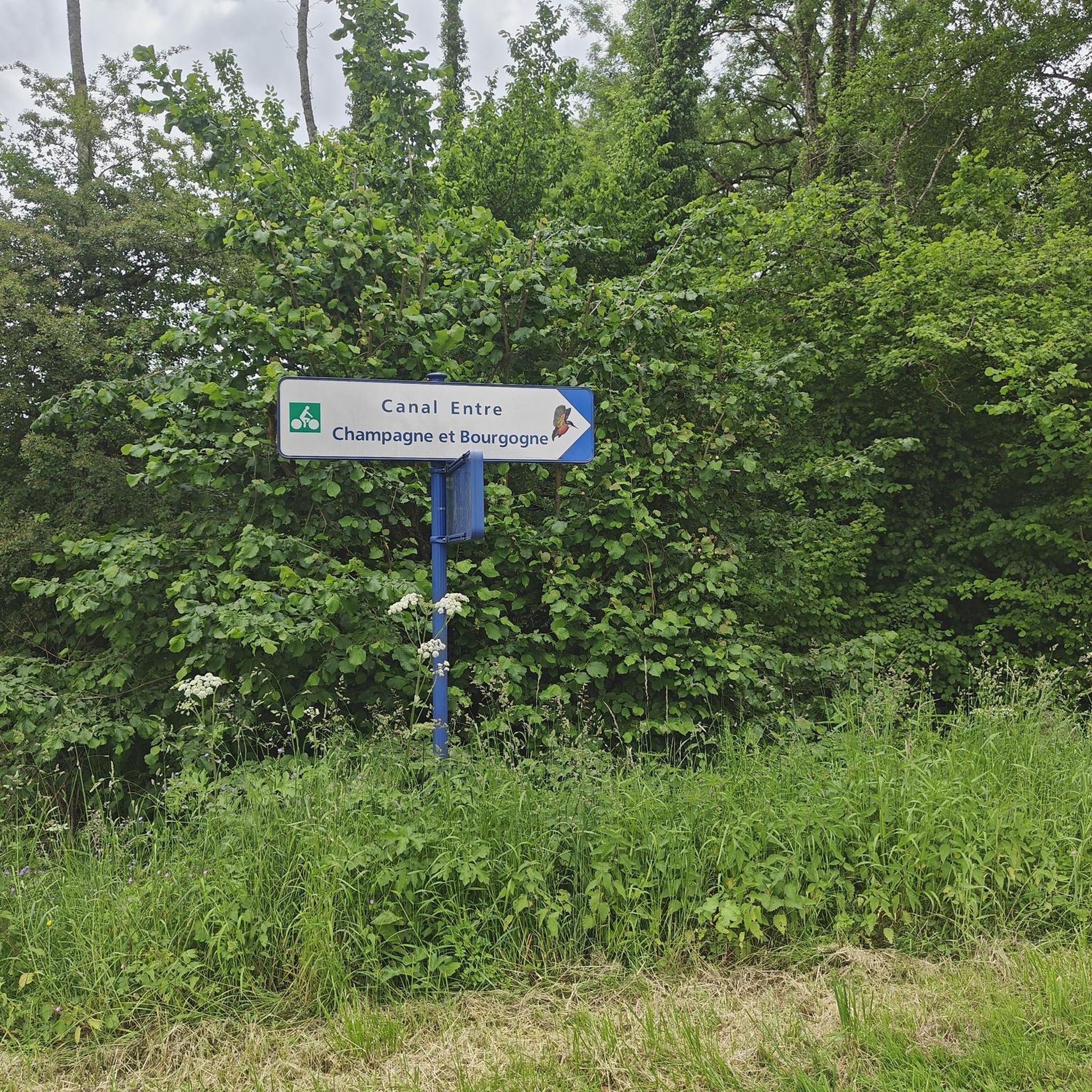
Canal between Champagne and Burgundy
Highlight • River
Translated by Google •
Tip by

Porte des Terreaux
Highlight • Other
Translated by Google •
Tip by
Langres Rack Railway
Highlight • Monument
Translated by Google •
Tip by

Sign up for free to discover even more attractions around Villegusien-Le-Lac.
Sign up for free
Already have an account?
Start today with a free account
Your next adventure awaits.
Login or Signup

Tips from the Community

Until the mid-19th century, the remains of a Gallo-Roman arch, which marked the northern city limit, were still visible. After being integrated into the fortifications at the end of the 3rd century and becoming a city gate, this structure owes its name either to its length or to a legendary king named Longo, whose effigy was mounted on a corbel overlooking the city. Around 1538, a barbican was built in front of the gate to prevent a frontal assault.
2
0

This is the cathedral of Langres.
1
0

Imposing cathedral of a small town steeped in history! Worth seeing from the outside and inside
1
0

The Longe-Porte still has its 17th century guardhouse intact. The barbican of the “Longe-Porte” gate, projecting from the ramparts, allowed for increased control of access to the town of Langres.
5
0
The Train à crémaillère in Langres was the first rack railway in France, connecting the Gare de Langres with the town of Langres, which is situated on a hill. The railway was 1.475 km long and had a maximum gradient of 172 ‰. The railway opened in 1887 with steam traction and was electrified in 1935. The railway was closed in 1971 due to obsolescence. One of the old electric trains has been restored and stands on the Promenade Jules Verne in Langres. The other has been taken to the Musée français du chemin de fer in Mulhouse. The railway was a major attraction for the residents and visitors of Langres, who could enjoy the views over the town and its surroundings.
3
0
Langres Cathedral is dedicated to the 3rd century martyr Mammes of Caesarea. The cathedral is the seat of the Bishop of Langres and is a national monument. The cathedral dates from the 12th century and has a mixture of Romanesque, Gothic and Classical styles. The roof is decorated with colourful tiles and the façade has many details. The cathedral has some remarkable tapestries that are worth seeing. The cathedral is also a place of pilgrimage, as it houses the holy relic of the head of Saint Mammes. The cathedral is 94m long and 23m high. The façade was destroyed by fire and replaced in the 18th century by a three-storey classical façade.
3
0
The Porte des Terreaux is a historic gate in Langres. It is one of the gateways to the fortified city, which is surrounded by a 3.5 km wall. The gate was built in the early 13th century to allow military convoys to bypass the city center. The gate had a double drawbridge and a barbican, a defense structure that was later demolished. The gate also has a mâchicoulis cornice (extension above the entrance), a medieval architectural element.
9
0

The Longe-Porte Gate is a monumental gate which dates back to the first century BC, when it was part of a Gallo-Roman arch. It was then integrated into the city walls and modified several times over the centuries. You can admire its architecture and learn its history thanks to the information panels on site.
4
0
Frequently Asked Questions
What natural attractions can I explore around Villegusien-Le-Lac?
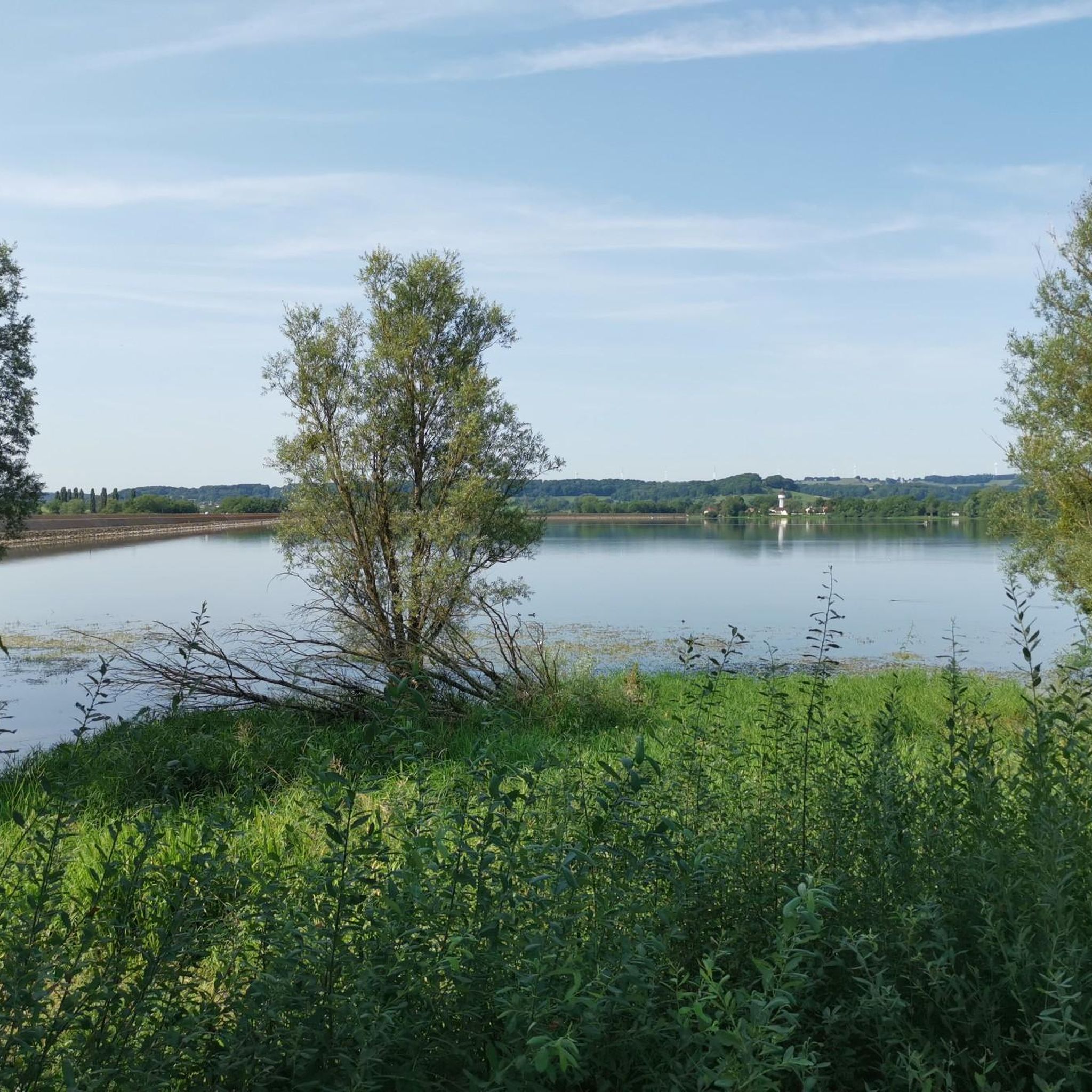
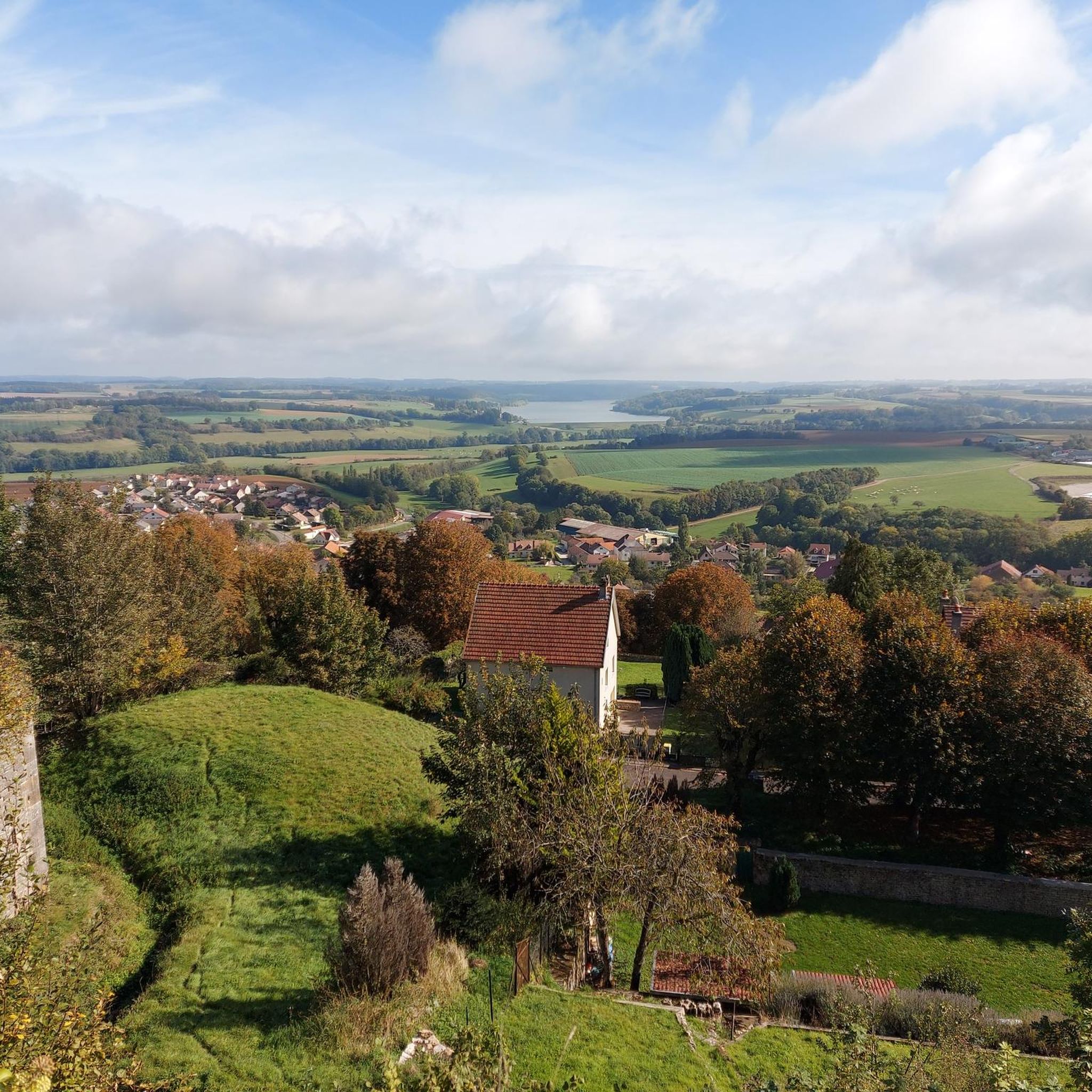
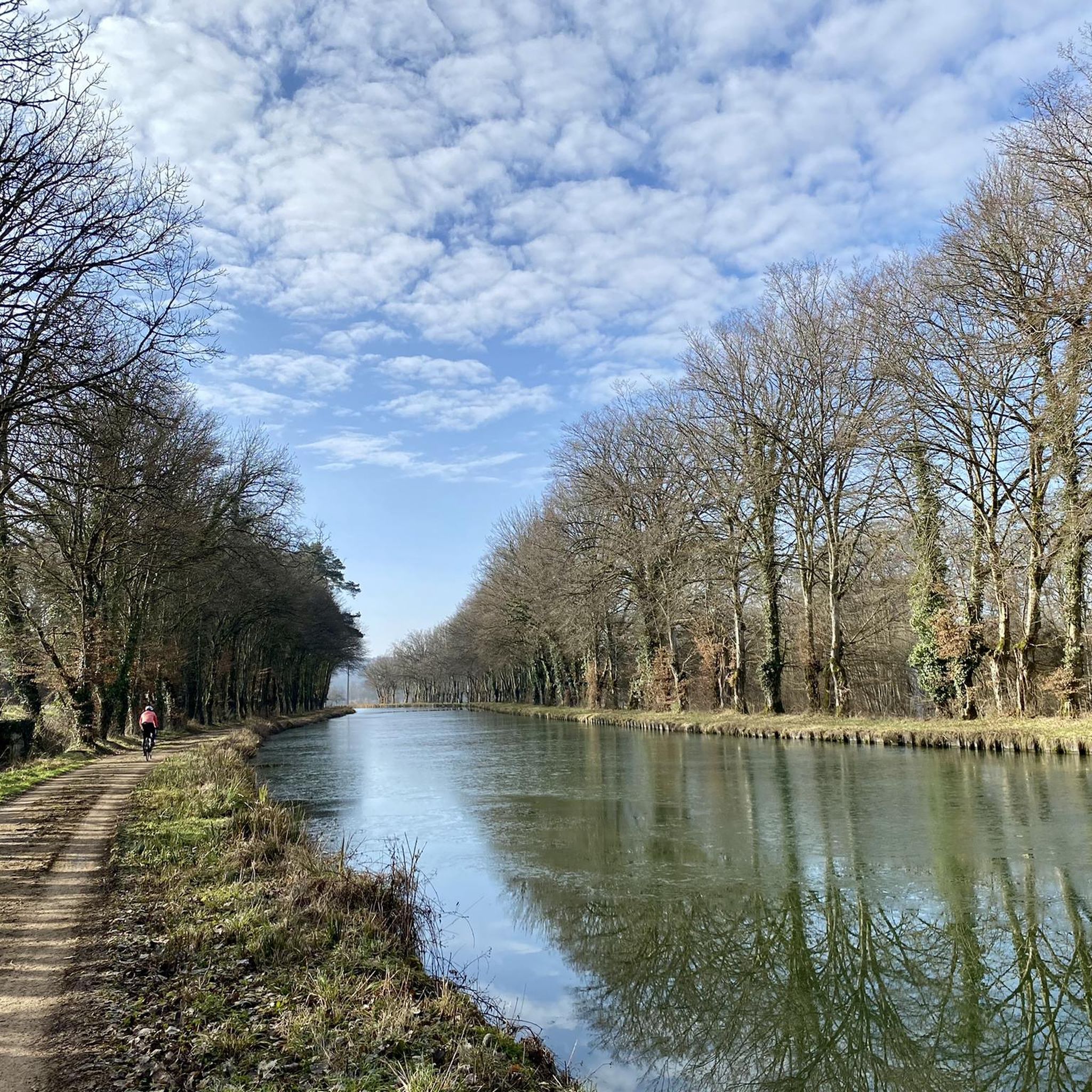
The central natural attraction is the Lac de la Vingeanne, a 199-hectare artificial lake perfect for swimming, fishing, sailing, and birdwatching. You can also explore the Canal between Champagne and Burgundy, which offers scenic towpaths for walking and cycling.
Are there historical sites to visit near Villegusien-Le-Lac?
Yes, the area is rich in history. You can visit the Saint-Mammès Cathedral of Langres, a stunning Burgundian-Romanesque church, and the historic Porte des Terreaux, part of Langres' fortified walls. Closer to Villegusien-Le-Lac, you'll find the 16th-century Église Saint-Denis and the 18th-century Château de Piépape, which offers guided tours in July and August.
What outdoor activities are available around Villegusien-Le-Lac?
The region is ideal for outdoor enthusiasts. You can enjoy hiking and running around Lac de la Vingeanne, with popular routes like the 8 km loop around the lake. The Canal entre Champagne et Bourgogne also provides excellent paths for walking and cycling. For more detailed routes, check out the hiking guide or running guide for the area.
Are there family-friendly attractions in Villegusien-Le-Lac?
Absolutely. The Liez Lake Beach offers a sandy area for swimming (with lifeguards from June to September), a playground, and picnic facilities. The historic city of Langres, with its city walls and the restored Langres Rack Railway display, also provides engaging experiences for families.
Can I go swimming in Villegusien-Le-Lac?
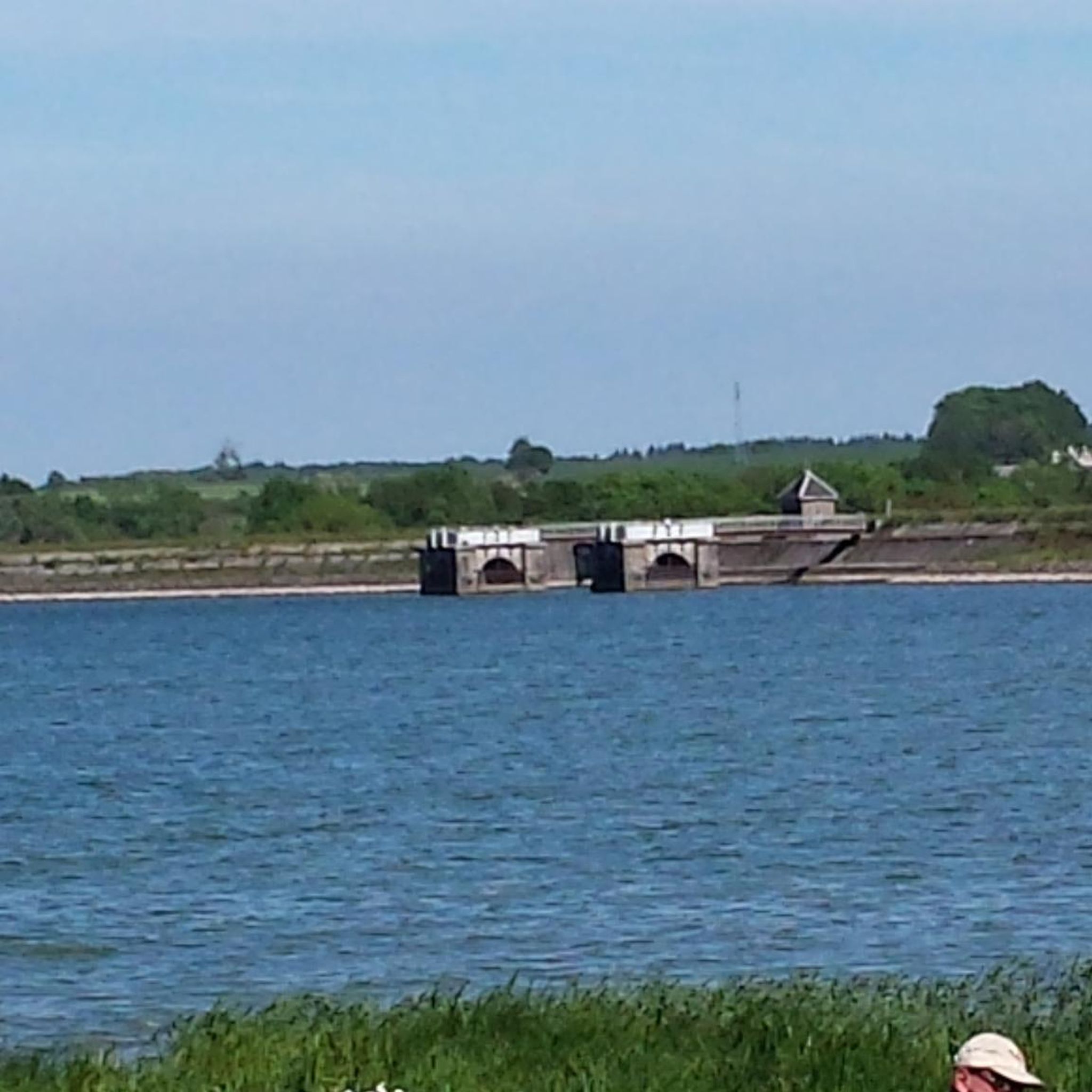
Yes, the Lac de la Vingeanne (also known as Lac de Villegusien) has a sandy beach that is open for swimming from June to September, with lifeguards present. The Liez Lake Beach is another excellent option for swimming, offering a beautiful view of the lake and dam.
What is the best time of year to visit Villegusien-Le-Lac?
The summer months, particularly June to September, are ideal for enjoying water activities at Lac de la Vingeanne, as the beach is open and lifeguards are on duty. July and August also offer the opportunity for guided tours of Château de Piépape. The
What are the options for cycling around Villegusien-Le-Lac?
The area offers several cycling opportunities. You can cycle along the towpath of the Canal between Champagne and Burgundy, which provides a scenic and relatively flat route. There are also road cycling routes available, including loops around the lakes. For detailed routes, refer to the road cycling guide for the region.
What makes the city of Langres a significant nearby attraction?
Langres, located about 15 km south, is a historically fortified city. Its 3.5 km long city walls, featuring twelve towers and seven gates, are a major draw. Key landmarks include the early 13th-century Porte des Terreaux and the impressive Saint-Mammès Cathedral. Visitors often enjoy walking along the ramparts for panoramic views.
Are there any unique historical engineering feats in the area?
Yes, the Canal between Champagne and Burgundy is a significant engineering achievement, connecting major river networks with tunnels and artificial lakes. Additionally, in Langres, you can see a restored train from the Langres Rack Railway, which was the first rack railway built in France.
What do visitors particularly enjoy about the attractions near Villegusien-Le-Lac?
Visitors appreciate the blend of natural beauty and historical depth. Many enjoy the peaceful walks along the fortified walls of Langres and the architectural details of the Saint-Mammès Cathedral. The scenic towpaths of the Canal between Champagne and Burgundy are also highly praised for their tranquility and picturesque views.
Can I observe wildlife, especially birds, around Villegusien-Le-Lac?
Yes, Lac de la Vingeanne is a haven for birdwatching. Various aquatic birds can be observed, and there is an observatory and a dedicated discovery circuit available for this purpose, making it an excellent spot for nature enthusiasts.
Are there any notable churches in the immediate vicinity of Villegusien-Le-Lac?
Beyond the prominent cathedral in Langres, you can visit the Église Saint-Denis in Villegusien, which features a 16th-century choir. In the nearby hamlet of Piépape, the Église Notre-Dame-de-l'Assomption boasts a 12th-century Romanesque choir and a distinctive 32-meter-high cylindrical bell tower. The Église Saint-Loup d'Heuilley-Cotton also has a choir adorned with frescoes and a 15th-century porch tower.
Most popular routes around Villegusien-Le-Lac

Get inspired with the komoot mobile app


Explore more
Still not found the Highlight you’re looking for? See guides of the top attractions in other regions:
