The best mountain hikes around Schlangen
4.0
(2)
17
hikers
7
hikes
Mountaineering routes around Schlangen are characterized by the rolling hills and dense woodlands of the Teutoburg Forest region, offering varied terrain for outdoor exploration. The area features notable elevations such as the Velmerstot Summit and historical landmarks like the Hermannsdenkmal. These routes often traverse forested paths, open heathland, and offer views across the surrounding landscape.
Best mountaineering routes around Schlangen
- The most popular mountaineering route is Ascent to the Velmerstot Summit – Lippische Velmerstot loop from Leopoldstal, a 6.76…
Last updated: June 23, 2026
10.9km
03:09
270m
270m
Moderate mountaineering route. Good fitness required. Easily-accessible paths. Suitable for all skill levels.
4.0
(2)
7
hikers
22.6km
06:33
590m
590m
Hard mountaineering route. Very good fitness required. Easily-accessible paths. Suitable for all skill levels.

Sign up for free
4
hikers
Hard mountaineering route. Very good fitness required. Easily-accessible paths. Suitable for all skill levels.
3
hikers
6.68km
02:03
230m
230m
Moderate mountaineering route. Good fitness required. Mostly accessible paths. Sure-footedness required.
2
hikers
11.4km
03:20
300m
300m
Moderate mountaineering route. Good fitness required. Easily-accessible paths. Suitable for all skill levels.
Get access to more routes and recommendations from other explorers.
Sign up for free
Already have an account?
Our route recommendations are based on thousands of hikes, rides, and runs completed by other people on komoot.
Start today with a free account
Your next adventure awaits.
Login or Signup
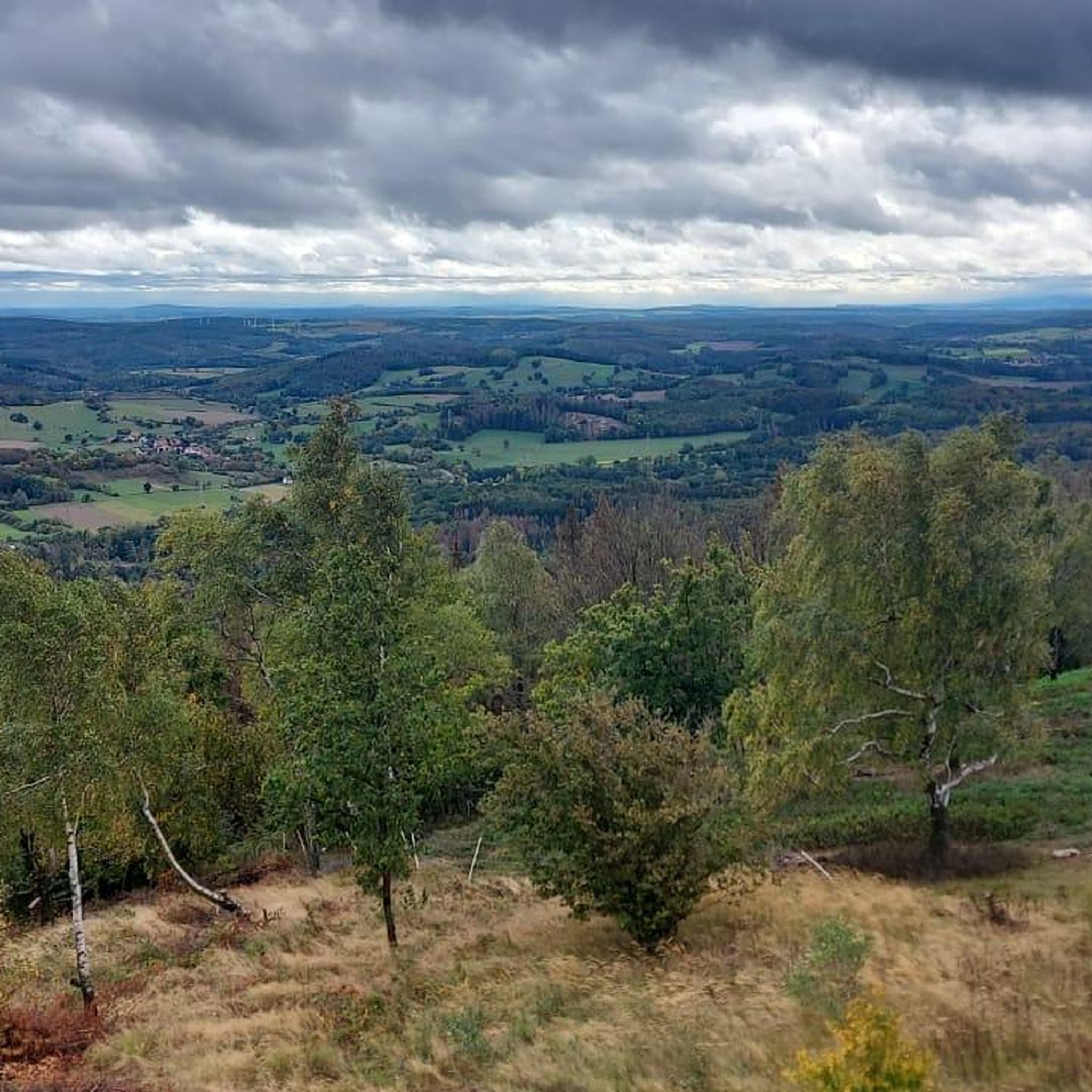
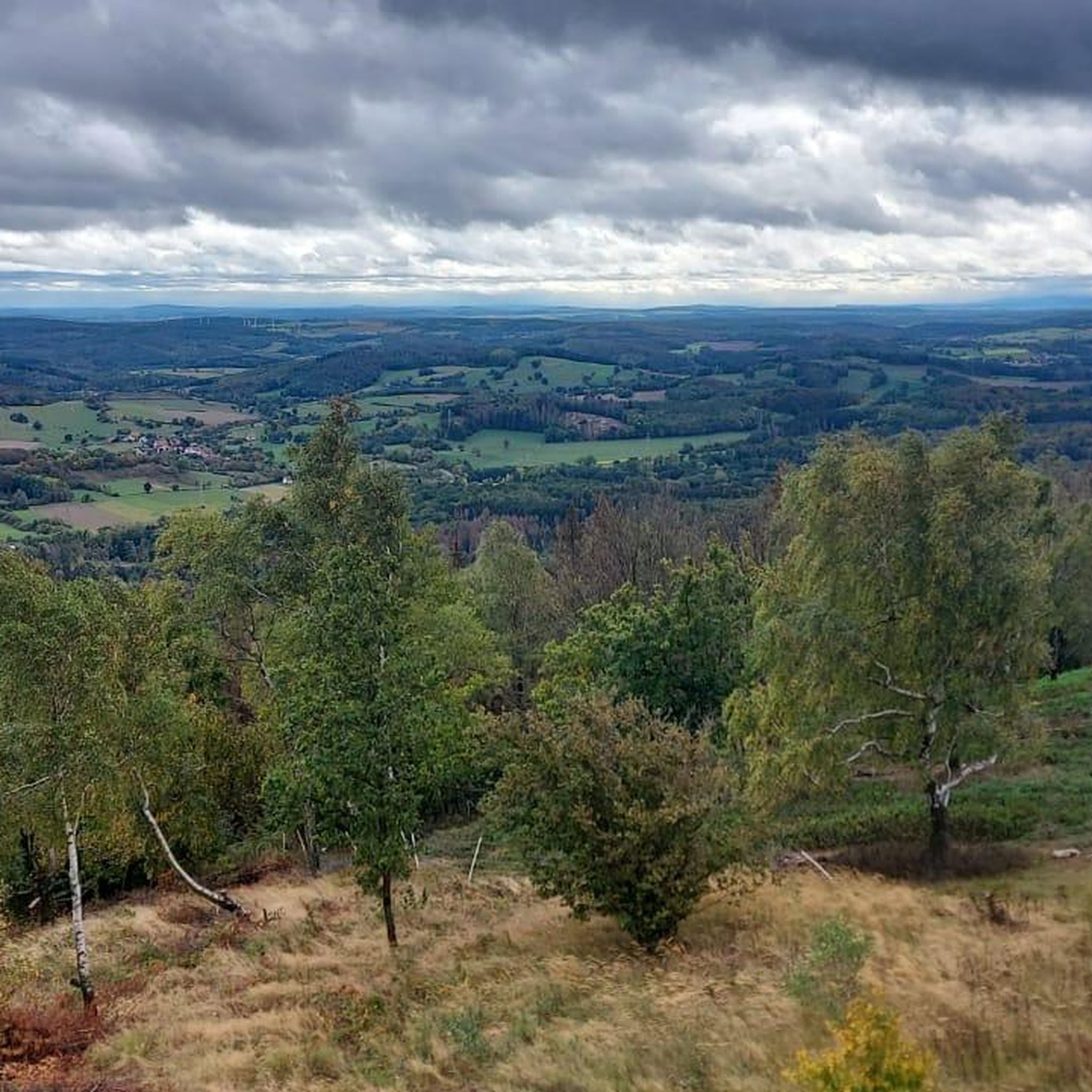
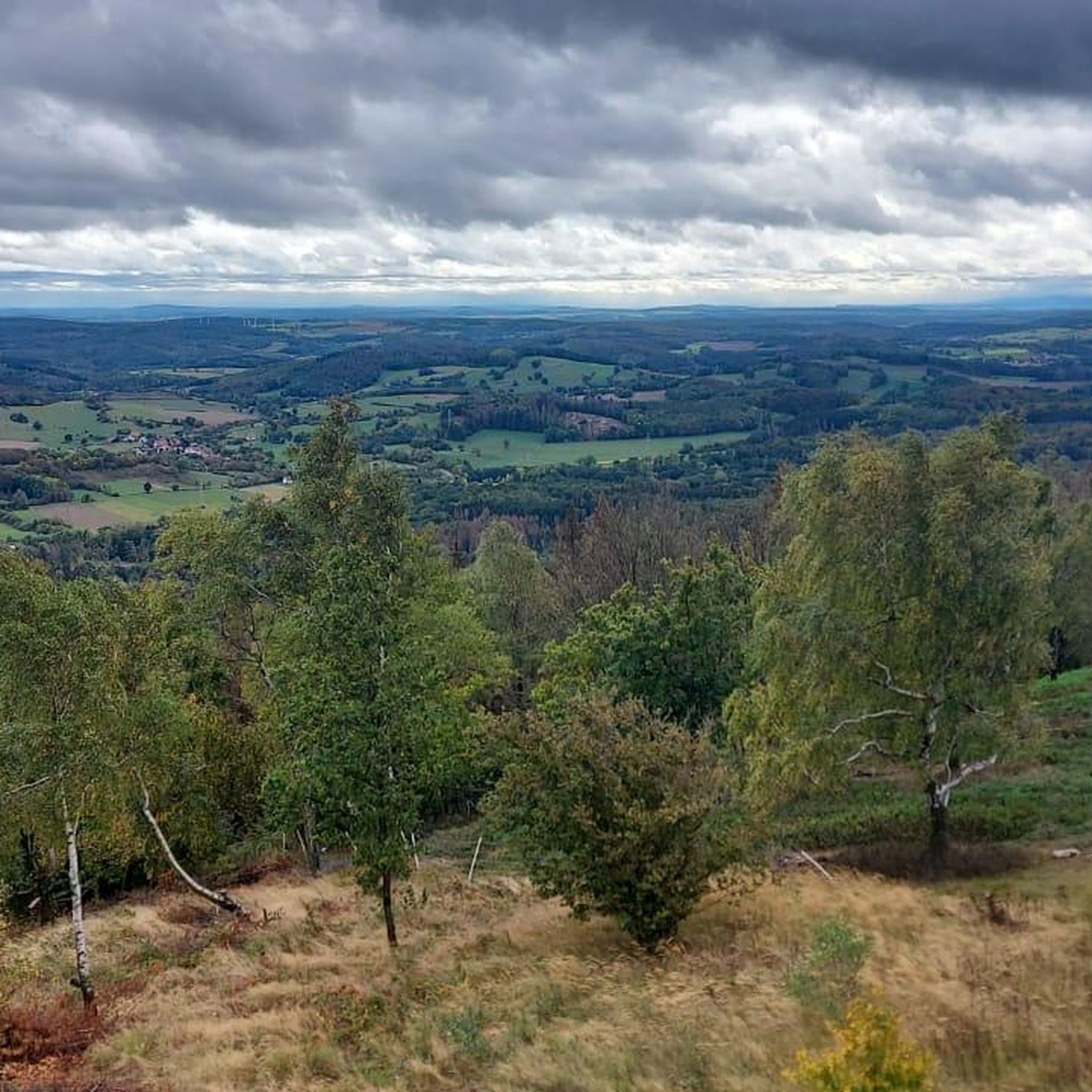
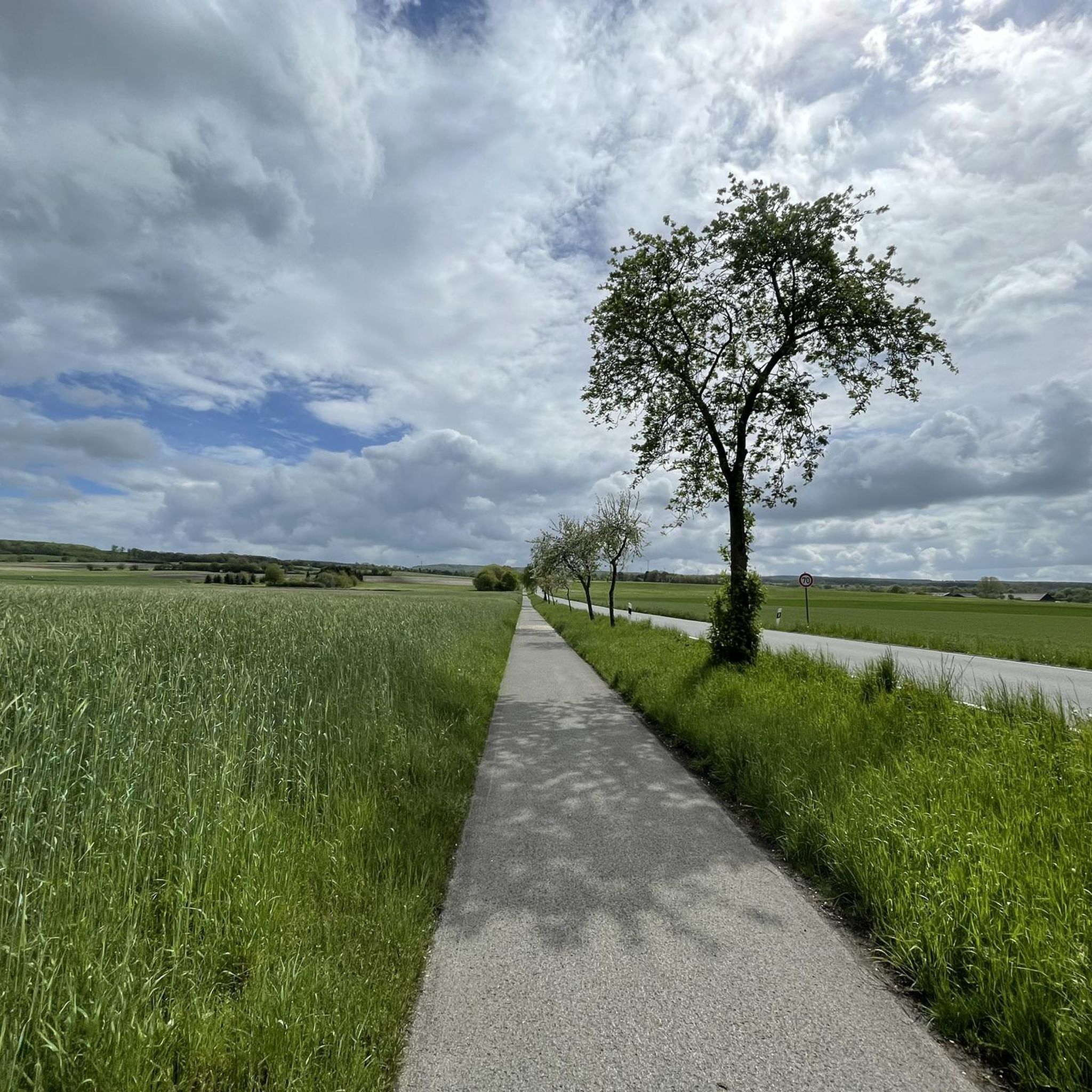

Tips from the Community

Ernst von Bandel was born on May 17, 1800, in Ansbach, Bavaria. He spent his school years in Ansbach and Nuremberg. At the age of 16, his "apprenticeship years" began in Munich at the "Bauschule der Akademie" (School of Architecture of the Academy). Two years later, Bandel already had to earn his own living and the means for his further studies. During this time, the first drawings for a Hermannsdenkmal (Hermann Monument) or an "Arminiussäule" (Arminius Column), as Bandel himself always called it, were created. The Bandel Collection at the Lippische Landesbibliothek (Lippe State Library) contains materials dealing with Ernst von Bandel and the Hermannsdenkmal. These include Bandel's extensive correspondence with various contemporaries, his sketchbook, manuscripts, portraits of Bandel, depictions of the Hermannsdenkmal, and much more. Source: https://www.hermannsdenkmal.de/wissenswertes/der-erbauer-ernst-von-bandel/
0
0


Extreme caution is advised here! Some sharp stones, deep steps, and often rocky ground. In some places (S3), it might be better to push 😟. Great area.
1
0

Watch out! A man is walking past quickly.
0
0


It's worth a visit during the open-air cinema evenings in the summer. A fantastic experience against this unique backdrop. Equipped with a picnic basket, you can really get comfortable long before the film starts.
2
0

The Externsteine, an imposing rock formation about 40 meters high in the Wiembecke valley near Horn-Bad Meinberg, are among the most famous natural and cultural monuments in Germany.
0
0

Nice place to rest and recover
0
0
Frequently Asked Questions
What is the general difficulty level of mountaineering routes around Schlangen?
The mountaineering routes in the Schlangen area offer a range of difficulties. You'll find 5 moderate routes, which are suitable for most hikers, and 2 more challenging difficult routes for experienced mountaineers. The terrain often involves rolling hills and forested paths within the Teutoburg Forest.
Are there any family-friendly mountaineering options near Schlangen?
For families looking for a moderate outing, consider the Ascent to the Velmerstot Summit – Lippische Velmerstot loop from Leopoldstal. This 10.9 km route takes about 3 hours 8 minutes and leads to the Velmerstot Summit, offering panoramic views that can be rewarding for all ages.
Which mountaineering routes are considered more challenging or advanced in the Schlangen region?
For a more challenging experience, the Falkenburg Castle Ruins – Hermannsdenkmal loop from Horn is a difficult 23.2 km path that takes around 6 hours 41 minutes. It explores historical sites like Falkenburg Castle Ruins and the Hermannsdenkmal amidst forested hills, demanding good fitness and stamina.
Are there any circular mountaineering routes available around Schlangen?
Yes, many routes in the area are circular. For example, the Crayfish Pond – Ascent to the Hermannsdenkmal loop from Hochschule für Musik Detmold is an 18.1 km circular trail that guides you through dense forests and past the scenic Crayfish Pond.
What kind of natural landmarks or attractions can I expect to see along the mountaineering routes?
The routes often traverse the diverse landscape of the Teutoburg Forest. You might encounter notable elevations like the Velmerstot Summit, open heathland, and dense woodlands. For specific points of interest, consider exploring highlights like the Bielstein Gorge or the Rocky gorge at the Mordkopf, which are popular nearby attractions.
Are there any historical sites or monuments accessible from the mountaineering trails?
Absolutely. The region is rich in history. The Falkenburg Castle Ruins – Hermannsdenkmal loop from Horn specifically highlights historical sites like the Falkenburg Castle Ruins and the iconic Hermannsdenkmal. You can also find the Crucifixion Relief and Grotto at the Externsteine nearby.
What is the best time of year for mountaineering in Schlangen?
The Teutoburg Forest region, including Schlangen, is generally pleasant for mountaineering from spring through autumn. The dense woodlands offer shade in warmer months, and the rolling hills are beautiful with autumn foliage. Winter mountaineering is possible, but conditions can be more challenging with snow and ice, requiring appropriate gear and caution.
Are there any shorter, moderate mountaineering routes for a quicker outing?
Yes, if you're looking for a shorter, moderate option, the Velmerstot Upland Heath – Lippische Velmerstot loop from Leopoldstal is a good choice. It's about 6.7 km long and typically takes around 2 hours 4 minutes to complete, offering a pleasant experience through the heathland.
What do other mountaineers say about the routes in Schlangen?
The mountaineering routes in Schlangen are highly regarded by the komoot community, with an average rating of 4.0 stars. Users often praise the varied terrain, the beauty of the Teutoburg Forest, and the combination of natural landscapes with historical landmarks.
Are there any routes that include picnic or rest areas?
Yes, the Eisstein Picnic and Rest Area – Kanzel loop from Hiddesen is a moderate 11.4 km route that specifically features a picnic and rest area, making it ideal for a leisurely day out with planned breaks.
How many mountaineering routes are available in the Schlangen area?
There are currently 7 mountaineering routes detailed around Schlangen, offering a variety of experiences for different skill levels within the scenic Teutoburg Forest.
Most popular routes around Schlangen
Most popular attractions around Schlangen

Get inspired with the komoot mobile app


Explore more
Browse the best Mountain Hikes & Routes in other regions.
