Attractions and Places To See around La Chapelle-Du-Lou-Du-Lac - Top 20
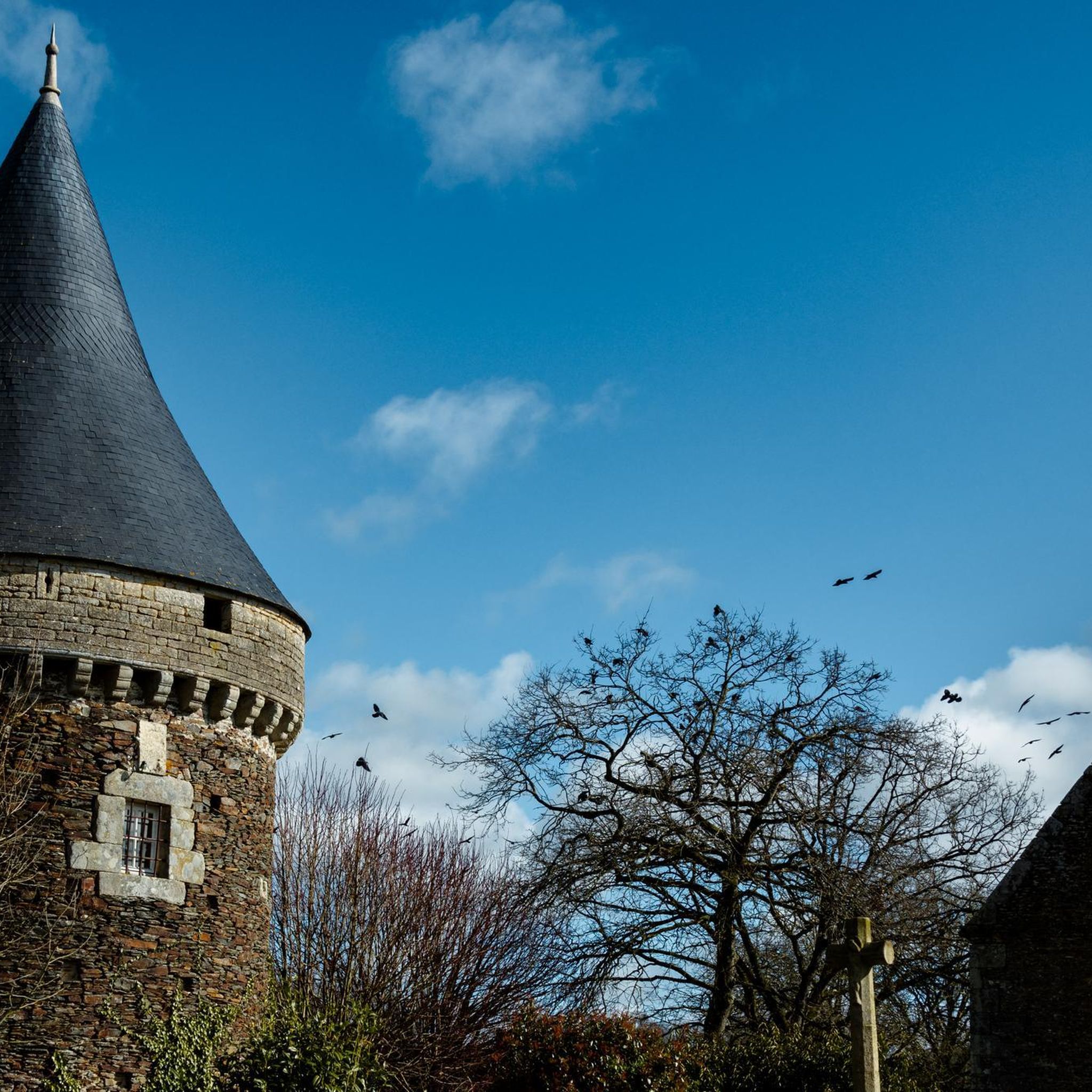
Attractions and places to see around La Chapelle-Du-Lou-Du-Lac include a mix of historical sites, natural features, and cultural landmarks. This commune in Ille-et-Vilaine, Brittany, is characterized by its architectural heritage, including centuries-old churches and castle remnants. The area also features natural elements like a lake, which is an excavation from an ancient shell limestone quarry. It offers a range of points of interest for visitors exploring the region.
Best attractions and places to see around La Chapelle-Du-Lou-Du-Lac
- The most popular…
Last updated: July 1, 2026
Menhir de la Pierre Longue
Highlight • Monument
Translated by Google •
Tip by

Megalithic Alignments of Lampouy
Highlight • Monument
Translated by Google •
Tip by
Sign up now to discover places like this
Get recommendations on the best single tracks, peaks, & plenty of other exciting outdoor places.
Sign up for free
Casse Pond
Highlight • Lake
Translated by Google •
Tip by

Bécherel, Book Town
Highlight • Settlement
Translated by Google •
Tip by

Rophemel Reservoir
Highlight • Other
Translated by Google •
Tip by

Sign up for free to discover even more attractions around La Chapelle-Du-Lou-Du-Lac.
Sign up for free
Already have an account?
Start today with a free account
Your next adventure awaits.
Login or Signup
Popular around La Chapelle-Du-Lou-Du-Lac

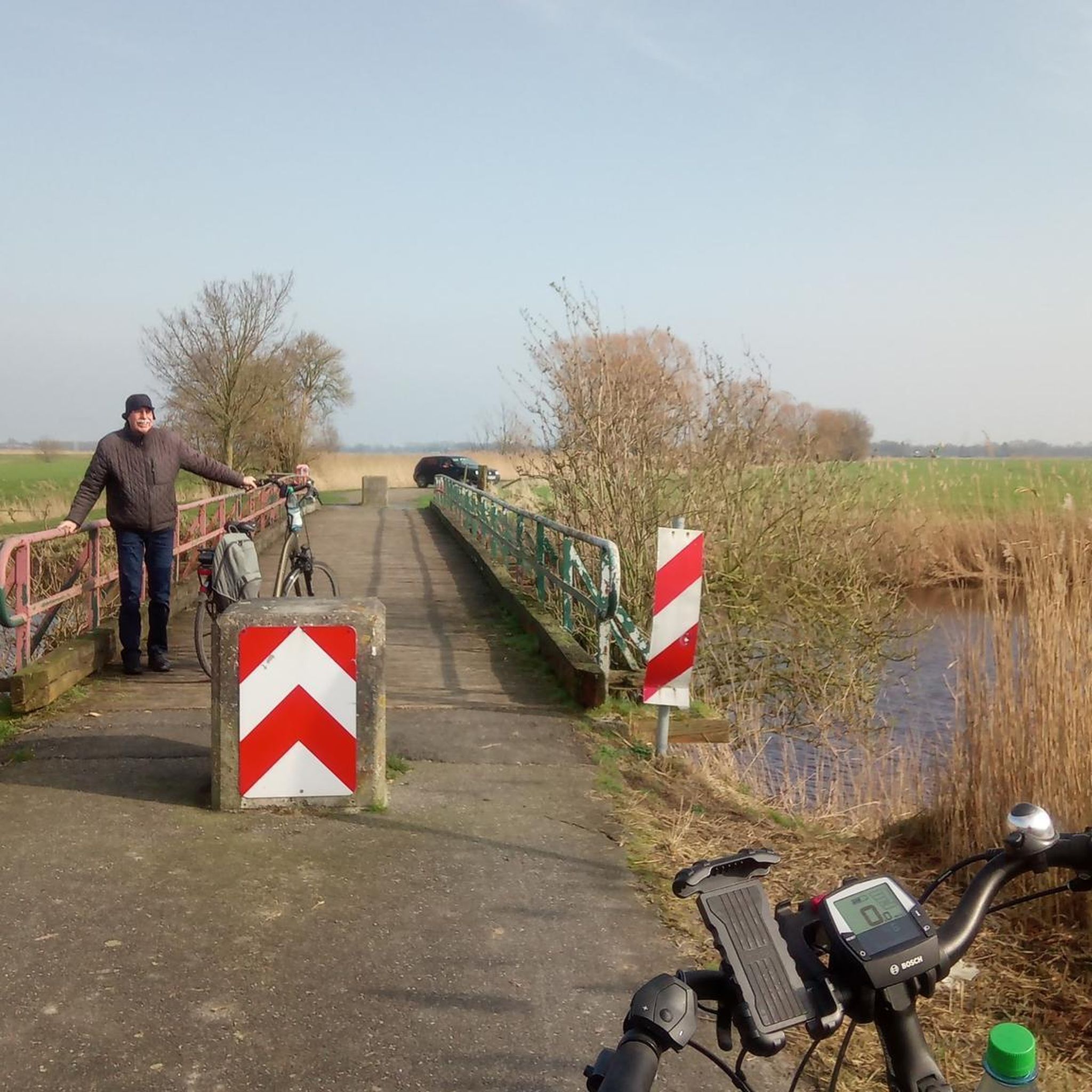



Tips from the Community


megalith which dominates the countryside. excellent downhill single suitable for gravel
0
0

Opposite the standing stone, large field of aligned stones. Be careful in rainy weather, delicate surroundings of the water reservoir
0
0

The Lampouy alignments are a set of five megalithic alignments located in the commune of Médréac
0
0
The menhir is made of quartzite. Its height is 4.28 m, width 2.20 m and thickness 1.18 m. Its elongated and pointed shape would have earned it its name of Pierre Longue. Toppled in 1963, the menhir was erected in 1979. (Wikipedia)
0
0
On the side of the road you can also see the Casse (or Cast) mill. It is an old flour mill located on the Trémelin stream, downstream from a pond. It dates from the 17th century and stopped working in 1900. It was fed by water from several ponds, including that of Trémelin. (mills-sur-le-meu.e-monsite.com)
0
0

City of character and city of the book, former stronghold. Do not miss to walk there. A vertiginous descent leads to the laundry.
0
0

Frequently Asked Questions
What historical and cultural sites can I explore in La Chapelle-Du-Lou-Du-Lac?
The area is rich in history. You can visit the ancient Menhir de la Pierre Longue, a vestige of a Roman road, or the impressive Megalithic Alignments of Lampouy. The commune also features historical churches like the 11th-century Saint-Loup Church and the 15th-century Saint-Catherine Church. Don't miss the remnants of the Château du Lou-du-Lac, with one of its 16th-century towers still standing.
Where can I find natural beauty and serene landscapes in the area?
For natural beauty, explore the Rophemel Reservoir, known for its spacious area, hydroelectric dam, and amenities. The Casse Pond offers a tranquil setting with historical context from the nearby 17th-century Casse mill. The commune's name itself, 'Lou,' derives from an Old Breton word for 'lake,' indicating the presence of a significant natural lake, an excavation from an ancient shell limestone quarry. You can also visit the Jardin Celtique.
Are there hiking trails suitable for different skill levels?
Yes, there are several hiking opportunities. You can find routes like the easy 'Hiking loop from La Chapelle du Lou du Lac' (6.6 km) or more moderate options such as the 'Hiking loop from Saint-M'Hervon' (15.4 km). For a comprehensive overview of trails, check out the Hiking around La Chapelle-Du-Lou-Du-Lac guide.
What kind of outdoor activities can I do near these attractions?
Beyond hiking, the region offers various outdoor activities. You can enjoy running on trails like the 'Running loop from Laubaudière' (10.1 km) or explore road cycling routes such as the easy 'Lannelou Chapel loop from Montauban-de-Bretagne' (43.2 km). Find more options in the Running Trails around La Chapelle-Du-Lou-Du-Lac and Road Cycling Routes around La Chapelle-Du-Lou-Du-Lac guides.
Are there family-friendly attractions in La Chapelle-Du-Lou-Du-Lac?
Many sites are suitable for families. The Megalithic Alignments of Lampouy and Casse Pond are noted as family-friendly. The Rophemel Reservoir offers spacious areas with amenities, making it a comfortable spot for families to relax and enjoy nature.
What do visitors enjoy most about the Rophemel Reservoir?
Visitors appreciate the Rophemel Reservoir for its beauty and spaciousness. It features tables, benches, and shade from many trees, making it ideal for relaxation. It's also a popular spot for anglers, and the area provides drinking water for the Rennes basin.
What is special about Bécherel, the Book Town?
Bécherel, Book Town, located nearby, is a unique medieval village renowned for its numerous bookshops and a monthly book market held on the first Sunday of every month. It's considered a 'City of Character' and offers a 360-degree panorama of the surrounding countryside, making it a wonderful destination for book lovers and history enthusiasts alike.
Can I find ancient megalithic sites in the region?
Yes, the area is home to significant megalithic sites. You can visit the Menhir de la Pierre Longue, a striking monument situated in a cornfield, and the Megalithic Alignments of Lampouy, which consist of a set of five impressive megalithic alignments. These sites offer a fascinating glimpse into the ancient history of the region.
Are there any notable forests or larger natural areas nearby?
While not directly within the commune, La Chapelle-Du-Lou-Du-Lac is a good base for exploring larger natural areas. The renowned Forêt de Paimpont (Paimpont Forest), known for its 'magical' qualities and ancient woodlands, is approximately 25 km away. The beautiful Vallée du Canut is also about 27 km distant, offering more opportunities for nature exploration.
What is the historical significance of Casse Pond?
The Casse Pond is historically significant due to its proximity to the 17th-century Casse mill. This old flour mill, located on the Trémelin stream, operated until 1900 and was fed by water from several ponds, including Casse Pond. It provides a tangible link to the region's agricultural and industrial past.
What are some of the historical architectural highlights in the commune?
The commune boasts several architectural highlights. The Saint-Loup Church, partly constructed in the 11th century and modified in the 16th and 17th centuries, is a listed historical monument housing classified works. The Saint-Catherine Church, dating from the 15th century, is another significant historical building. Additionally, the remaining tower of the 16th-century Château du Lou-du-Lac and its 1657 main building offer insights into the area's noble past.
Most popular routes around La Chapelle-Du-Lou-Du-Lac

Get inspired with the komoot mobile app


Explore more
Still not found the Highlight you’re looking for? See guides of the top attractions in other regions:
