Top 3 Castles around Bagnoles-De-L'Orne-Normandie
Best castles around Bagnoles-De-L'Orne-Normandie include a range of historical architecture, from medieval fortresses to 18th-century residences. The region offers opportunities to explore châteaux with distinct features and compelling histories. Visitors can find well-preserved interiors, extensive grounds, and significant historical monuments. The area's medieval towns and natural landscapes complement these historical sites.
Best castles around Bagnoles-De-L'Orne-Normandie
- The most popular castles is Bonvouloir Tower, a castle and historical site. This Classified Historical Monument, erected in 1485, stands over 26 meters high and is the last vestige of the castle of the same name.
- Another must-see spot is Couterne Castle, a castle and historical site. This 16th-century castle has been continuously owned by the Frotté family since 1542 and features a brick and granite facade with two rounded corner towers.
- Visitors also love Petit Jard Castle, a historical site and former hunting lodge. Dating from the 18th century, it is surrounded by a beautiful area with a pond and an orangery, showcasing brick and stone architecture.
- Bagnoles-De-L'Orne-Normandie is known for its medieval military architecture, stately homes, and 18th-century residences. Visitors can explore a variety of castles, from those with extensive family histories to significant historical ruins.
- The castles around Bagnoles-De-L'Orne-Normandie are appreciated by the komoot community, with more than 48 upvotes and 21 photos shared across various highlights.
Last updated: July 8, 2026
Couterne Castle
Highlight • Castle
Translated by Google •
Tip by

Petit Jard Castle
Highlight • Historical Site
Translated by Google •
Tip by
Sign up now to discover places like this
Get recommendations on the best single tracks, peaks, & plenty of other exciting outdoor places.
Sign up for free
Bonvouloir Tower
Highlight • Castle
Erected in 1485 and more than 26 meters high, it is also known as the "Bonvouloir lighthouse", its situation having enabled many soldiers lost in the vicinity to find their way.
If you see anything other than a simple tower, don't blush. Because its eminently phallic shape is wanted. It is due, according to legend, to the will of Lord Hugues de Tessé to thank the source of Bagnoles for his youth and renewed vigor, as well as his numerous descendants. A legend itself very linked to that of the discovery of the source of Bagnoles.
Indeed, Sire Hugues de Tessé had an old horse, Rapide. The latter, old and worn out, was no longer of any use to him but as he was very attached to him, rather than killing him, he chose to abandon him in the forest of Andaines.
So what was his surprise to find him dashing a month later.
Intrigued, he then gets on it and quickly leads him to the source. He bathes there too, and finds his youth but also his vigor. He thus engendered very numerous descendants.
Translated by Google •
Tip by

Château de La Motte-Fouquet
Highlight • Castle
Translated by Google •
Tip by
Château de Beauvain
Highlight • Castle
Translated by Google •
Tip by
Sign up for free to discover even more castles around Bagnoles-De-L'Orne-Normandie.
Sign up for free
Already have an account?
Start today with a free account
Your next adventure awaits.
Login or Signup
Popular around Bagnoles-De-L'Orne-Normandie
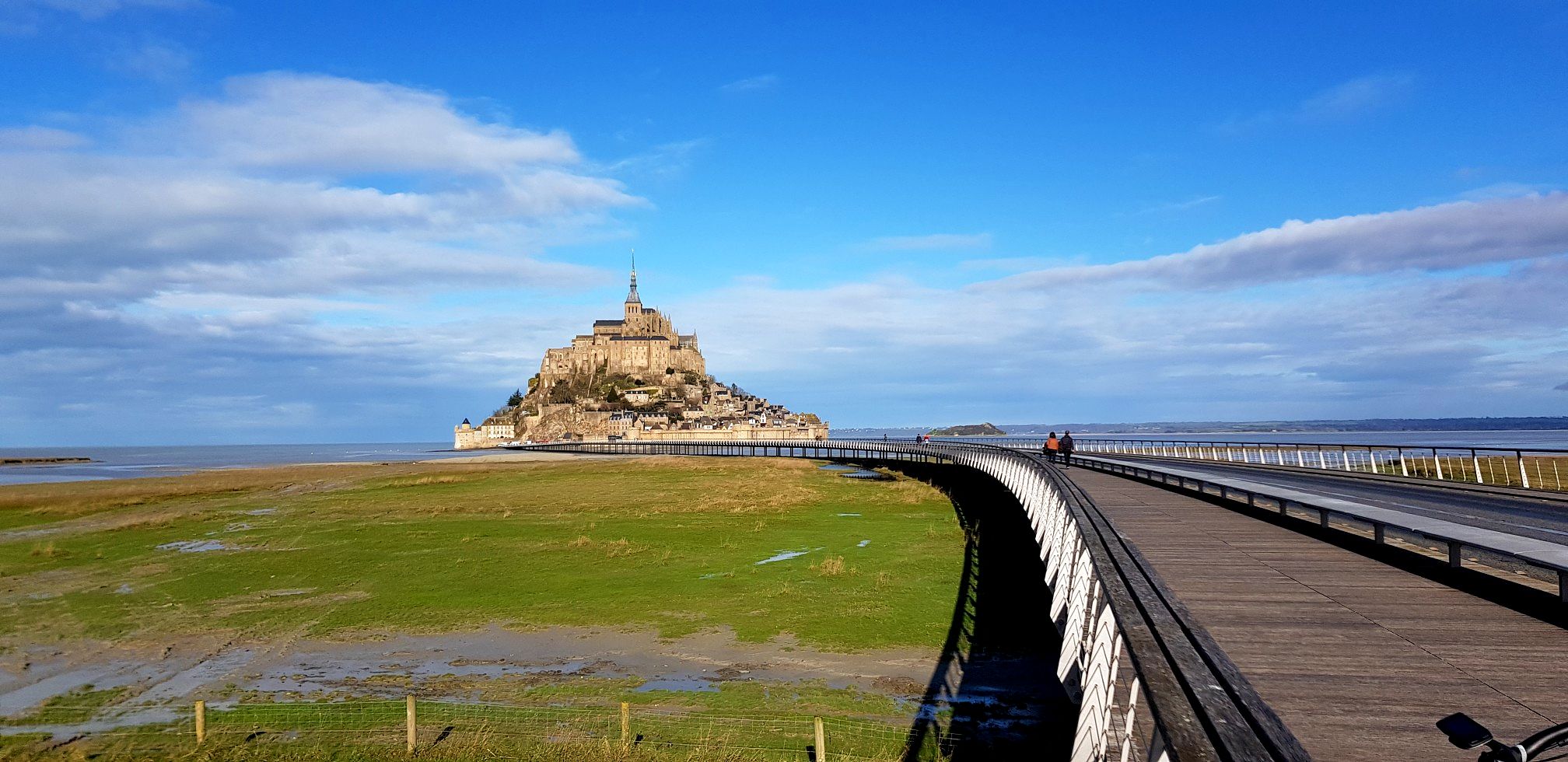
GR 22 to Mont-Saint-Michel – Miquelot's Walk
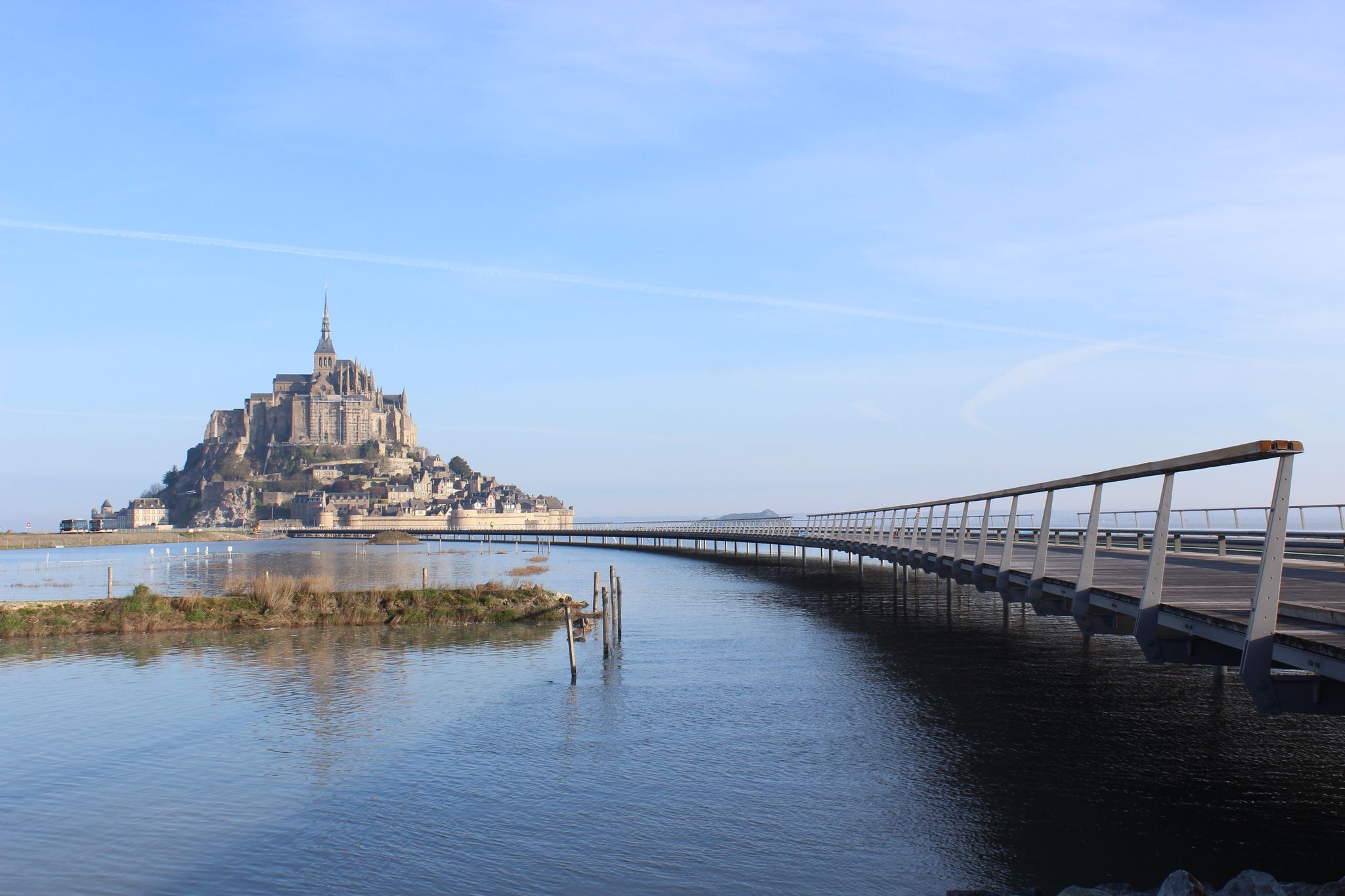
From Paris to Mont-Saint-Michel — La Véloscénie
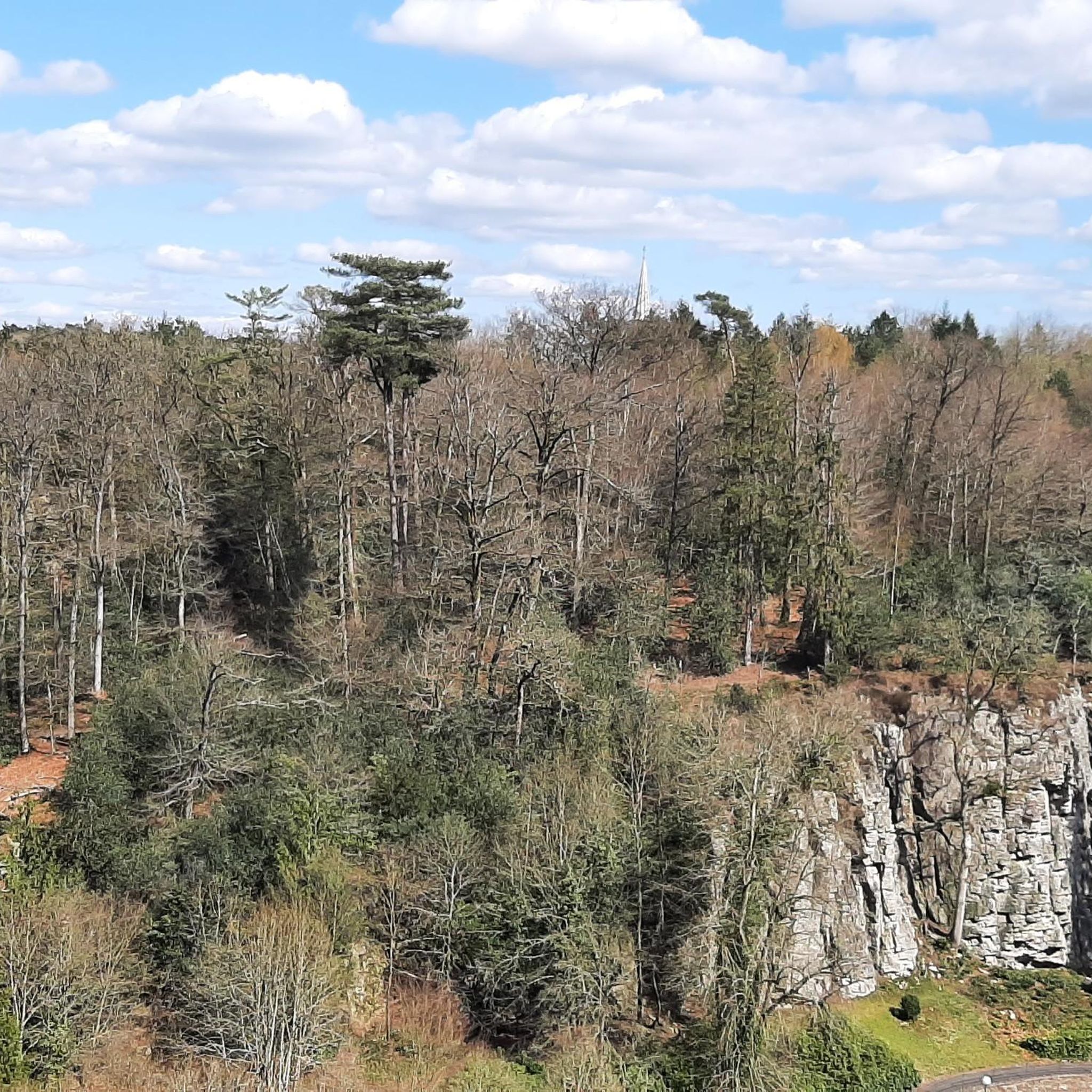
Hiking around Bagnoles-De-L'Orne-Normandie
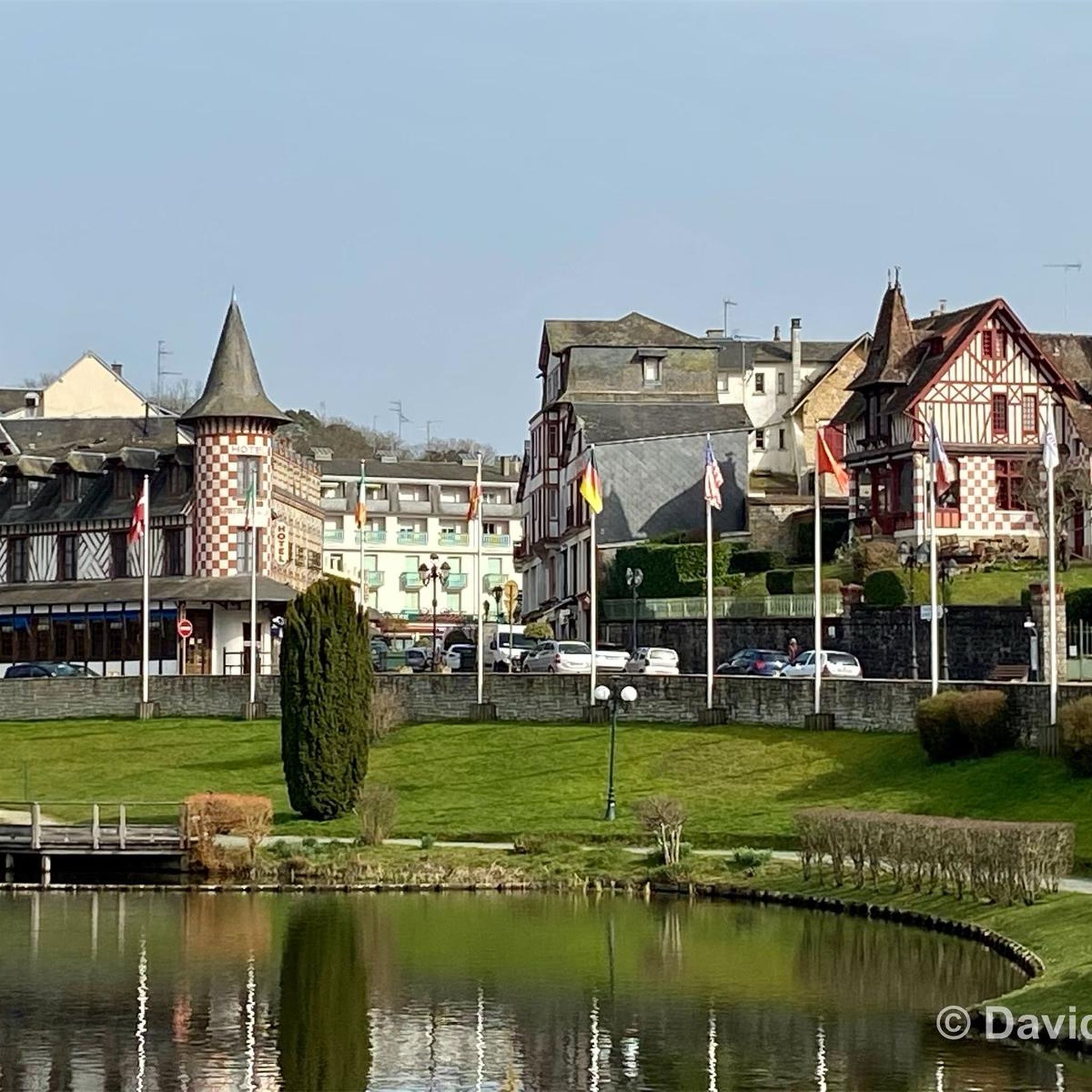
Cycling around Bagnoles-De-L'Orne-Normandie

Running Trails around Bagnoles-De-L'Orne-Normandie
Road Cycling Routes around Bagnoles-De-L'Orne-Normandie
MTB Trails around Bagnoles-De-L'Orne-Normandie

Gravel biking around Bagnoles-De-L'Orne-Normandie
Other adventures around Bagnoles-De-L'Orne-Normandie


Tips from the Community

It's beautiful and well-maintained. The driveway to the west rear gate reminds me of the book "The Great Maulne."
0
0

Beauvain Castle is a 19th century residence built for a royal officer. The castle has a central pavilion, two wings and two turrets which give it a medieval charm. You can admire the architecture and surrounding landscape from the outside, as the castle is not open to the public. Beauvain Castle is a hidden gem that offers a glimpse into the past as you drive past.
2
0
Château de la Motte is a 17th century castle built on the remains of a 15th century tower and a 16th century turret, surrounded by a large park with an orchard, a pond and a chapel. You will be able to admire the architecture and landscape of this former seigniorial estate dating from the 13th century and having rights of high and low justice. The castle is private property, but you can access the park and the chapel, classified as historic monuments.
2
0
The Château du Petit-Jard is a former hunting lodge dating from the 18th century. It is surrounded by a beautiful area with a pond, an orangery, a kennel and a vegetable garden. You can admire the brick and stone architecture of the castle, as well as the neo-Gothic details of the outbuildings. The castle is not open to the public, but you can enjoy the view from outside and explore the nearby La Motte forest.
3
0
Couterne Castle is a 16th century castle which was the home of Jehan de Frotté, chancellor of Marguerite de Navarre. The castle is surrounded by a 20 hectare park with more than 3 km of wooded trails which offer a peaceful and relaxing walk. You can also visit a museum inside the castle which displays 250 objects related to the history of the region, such as costumes, weapons and documents. The museum is open from July to August, from 10:00 a.m. to 12:00 p.m. and from 2:00 p.m. to 6:00 p.m., except Mondays and Sundays. The entrance price is €4 for adults and free for children.
2
0

Very nice and shaded circuit. Viewpoint around the castle. Very little road. We take advantage of the Normandy countryside, these cows and some inhabitants of the fields (rabbits, buzzards). A good moment of peace.
0
0
A magnificent site that improves every year. Spend some time on the surroundings and enjoy the café terrace.
0
0
Frequently Asked Questions
Which castles offer a deep dive into the region's history and architecture?
For a rich historical experience, consider visiting Couterne Castle, a 16th-century stately home continuously owned by the Frotté family since 1542. Its well-preserved interiors and grounds showcase centuries of family history. The Château de Lassay, about 9 miles from Bagnoles, is an excellent example of 15th-century military architecture with eight towers and a working drawbridge. The Château de Carrouges, built between the 14th and 16th centuries, blends fortress austerity with comfortable residence, featuring red brick and granite walls encircled by a moat. Even in ruins, the Château de Domfront offers significant historical context within a medieval town.
Are there any castles with unique features or collections to explore?
Yes, several castles offer unique attractions. Couterne Castle houses an exhibition room with around 250 historical objects and rare 18th-century costumes. The Château de Lassay allows visitors to explore furnished rooms, including an armory and kitchen, and even try operating its working drawbridge. The Château de Vendeuvre, though a bit further, is known for its 'surprise' fountains, a Museum of Miniature Furniture, and a collection of antique dog kennels.
Which castles are suitable for families with children?
Many castles in the region offer engaging experiences for families. The Château de Lassay, with its medieval military architecture and working drawbridge, can be particularly exciting for children. The Château de Vendeuvre, with its 'surprise' fountains and automata, provides an interactive and fun visit. While not open to the public, the exterior of Petit Jard Castle, a former hunting lodge surrounded by a pond and orangery, offers a pleasant setting for a family stroll in the nearby La Motte forest.
Can I find walking or cycling routes near these castles?
Absolutely. The region around Bagnoles-De-L'Orne-Normandie is well-suited for outdoor activities. For example, you can find routes like the 'Couterne Castle – Notre-Dame Chapel of Lignou loop' for cycling, which passes by Couterne Castle. The area also offers numerous gravel biking, cycling, and MTB trails that often incorporate historical landmarks. You can explore more options in the Cycling around Bagnoles-De-L'Orne-Normandie or Gravel biking around Bagnoles-De-L'Orne-Normandie guides.
What is the best time of year to visit the castles in this region?
The spring and summer months (April to September) are generally ideal for visiting the castles, as the weather is pleasant for exploring grounds and gardens. Many castles, like Couterne Castle, have museums or specific sections open during these peak seasons. However, the historical significance and architectural beauty can be appreciated year-round. Some castles may have limited opening hours or closures during the off-season, so it's advisable to check individual castle websites before your visit.
Are there any castles that are less crowded?
While popular sites like Château de Carrouges attract visitors, you might find a more tranquil experience at places like Couterne Castle, which offers a peaceful atmosphere within its 50-acre estate and well-maintained tree-lined avenues. The ruins of Château de Domfront also allow for a more self-paced and less crowded exploration of its historical remains and the surrounding medieval town.
Can I visit castles that are still inhabited or serve a modern purpose?
Yes, the Château de Couterne has been continuously owned by the Frotté family since 1542, offering a unique glimpse into a living history. Additionally, the Neo-Renaissance Château de la Roche Bagnoles, located within Bagnoles de l'Orne, now serves as the town hall. Visitors can take guided tours of its exterior, and some interior rooms like the wedding room and council chamber retain magnificent parquet flooring and woodwork.
What should I wear for a castle visit?
Comfortable walking shoes are highly recommended, as many castles involve exploring extensive grounds, uneven terrain, or multiple floors. Layers of clothing are also advisable, as temperatures can vary between indoor and outdoor areas, and some older buildings may be cooler inside. If you plan to explore the surrounding parks or nearby trails, dress appropriately for outdoor activities.
Are there any castles with viewpoints or scenic surroundings?
Many castles in the region are set in picturesque locations. Couterne Castle is surrounded by a 20-hectare park with wooded trails offering peaceful views of the Normandy countryside. The Château de Lassay features a nearby park and medieval-inspired garden for relaxing strolls. The Château de la Roche Bagnoles is built on a promontory, offering scenic views, and its arboretum, laid out in 1859, provides a beautiful natural setting.
How long should I allocate for visiting a castle?
The duration of a castle visit can vary. For a comprehensive experience at a larger site like Château de Carrouges or Château de Lassay, including guided tours and exploring the grounds, you might need 2-3 hours. Smaller sites or ruins, such as Château de Domfront or Bonvouloir Tower, might take 1-1.5 hours to explore. If you plan to combine a visit with a walk or cycle in the surrounding area, allocate extra time accordingly.
Are there any castles that are not open to the public?
Yes, some castles in the vicinity are private residences and not generally open for public tours. For instance, Château de Beauvain and Château de La Motte-Fouquet are private properties, though their exteriors and parks might be visible from public roads or accessible for walks. Petit Jard Castle is also not open to the public, but you can enjoy the view from outside.
Can I find cafes or pubs near the castles?
Many castles are located near towns or villages where you can find dining options. For example, the Château de Lassay is in Lassay-les-Châteaux, which offers local amenities. The town of Domfront, home to the Château de Domfront ruins, has preserved its medieval character with various establishments. For Bonvouloir Tower, there's a café terrace nearby. It's always a good idea to check local listings for specific options near your chosen castle.
Most popular routes around Bagnoles-De-L'Orne-Normandie
Most popular attractions around Bagnoles-De-L'Orne-Normandie

Get inspired with the komoot mobile app


Explore more
Looking for the best castles somewhere else? Discover other guides around Bagnoles-De-L'Orne-Normandie:
