The best road cycling routes around Forges-Les-Eaux
4.9
(57)
1,696
riders
124
rides
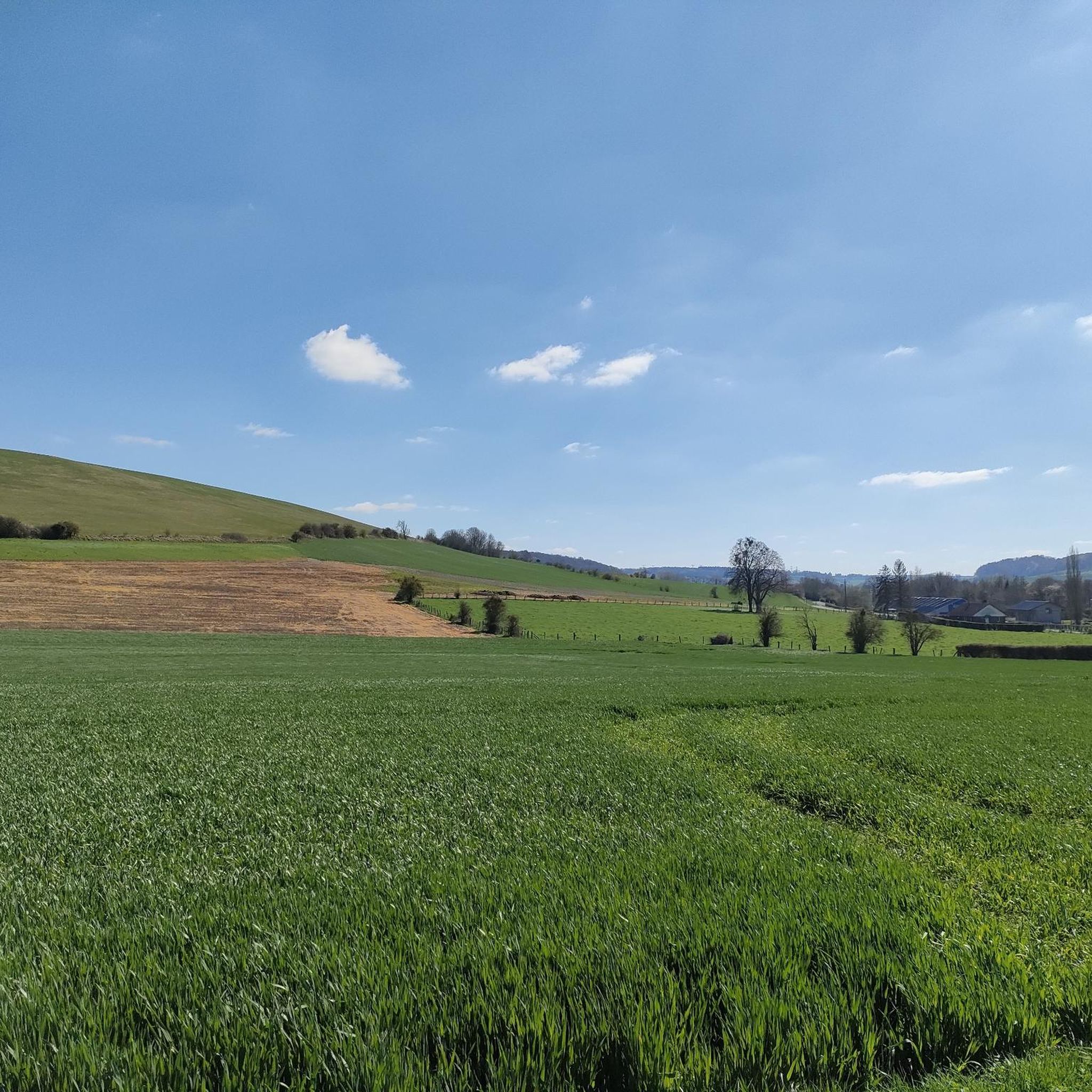
Road cycling routes around Forges-Les-Eaux traverse the verdant landscapes and rolling hills of the Pays de Bray region. The area features a mix of relatively flat dedicated greenways, such as sections of the Avenue Verte London-Paris, and country roads with gentle inclines. Cyclists can expect varied terrain, from old railway lines to routes winding through picturesque villages and alongside rivers like the Andelle and Epte. While many routes are accessible, some segments in the surrounding countryside offer greater elevation changes.
…Last updated: November 2, 2026
4.8
(5)
67
riders
30.6km
01:16
130m
130m
Easy road ride. Mostly well-paved surfaces and easy to ride.
5.0
(3)
46
riders
117km
04:56
710m
710m
Moderate road ride. Good fitness required. Mostly well-paved surfaces and easy to ride.

26
riders
9.16km
00:24
50m
50m
Easy road ride. Mostly well-paved surfaces and easy to ride.
11
riders
57.6km
02:29
440m
440m
Moderate road ride. Good fitness required. Mostly well-paved surfaces and easy to ride.
5.0
(1)
8
riders
58.7km
02:35
500m
500m
Moderate road ride. Good fitness required. Mostly well-paved surfaces and easy to ride.
Get access to more routes and recommendations from other explorers.
Already have an account?
Our route recommendations are based on thousands of hikes, rides, and runs completed by other people on komoot.
Start today with a free account
Your next adventure awaits.
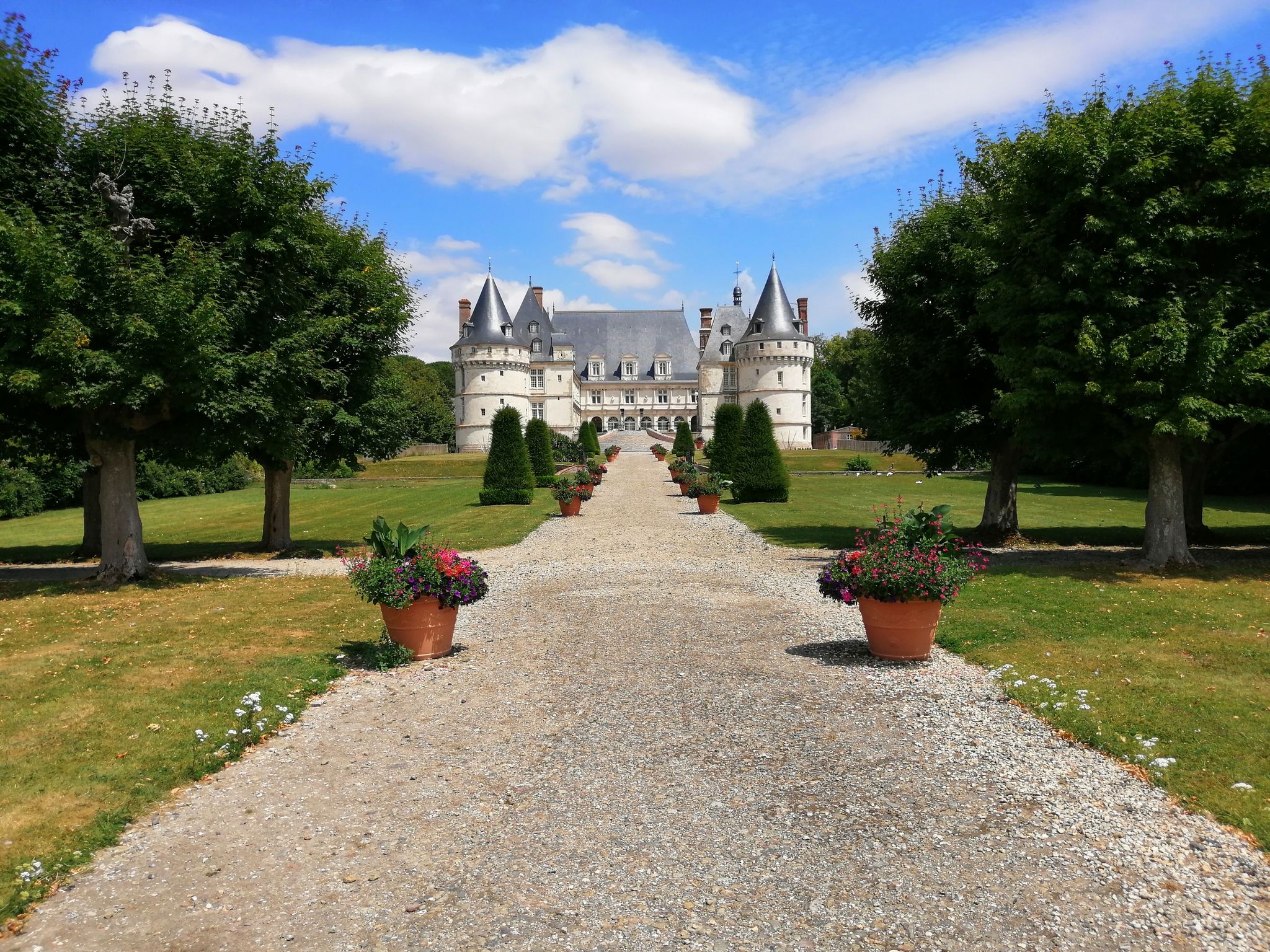
Other adventures around Forges-Les-Eaux

Tips from the Community


Today the sign was unfortunately painted over in white 🥲
0
0

The Notre-Dame church was built from 1170 and the building retains an inscription dated April 26, 1170. The bell tower dates from the 12th century and the choir dates from the 13th century. The church was restored at the end of the 19th century and the beginning of the 20th century. The building is listed as a historical monument by decree of July 19, 1926. Structural disorders made work necessary in the 2010s, approved by the municipal council of the commune in 2018 and a local heritage preservation association founded in May of the same year.
1
0
North-facing church with a Latin cross plan, composed of a nave accompanied by side aisles divided into nine bays and ending with a polygonal chevet with three cut sides. The entrance to the building is through a bell tower-porch.
0
0
Church with an elongated plan. A nave preceded by a bell tower with a polygonal spire surmounting the gable of the main façade, finished with a flat chevet and topped with a long-span slate roof. The elevations are in brick, rendering and stone, with each bay materialized by a semicircular bay and buttresses.
0
0
Nicholas was bishop of Myra (Asia Minor) in the first half of the 4th century. In the 6th century, a church in his name housed his tomb. But, in 1087, sailors from Bari seized his relics and took them to their city, which became the center of his cult. At the same time, the knight Aubert, from Port, near Nancy, brought back a relic of the saint from a trip to Bari. In this locality, which later took the name of Saint-Nicolas-de-Port, several churches were built successively until the beautiful current basilica where many pilgrims would come, following the example of Jeanne-la-Lorraine. When American Protestants, jealous of Catholic festivities, wanted to copy the Christmas celebrations where Saint Nicholas distributed gifts to children, they created the fictional character of Saint Claude ("Santa Claus").
0
0
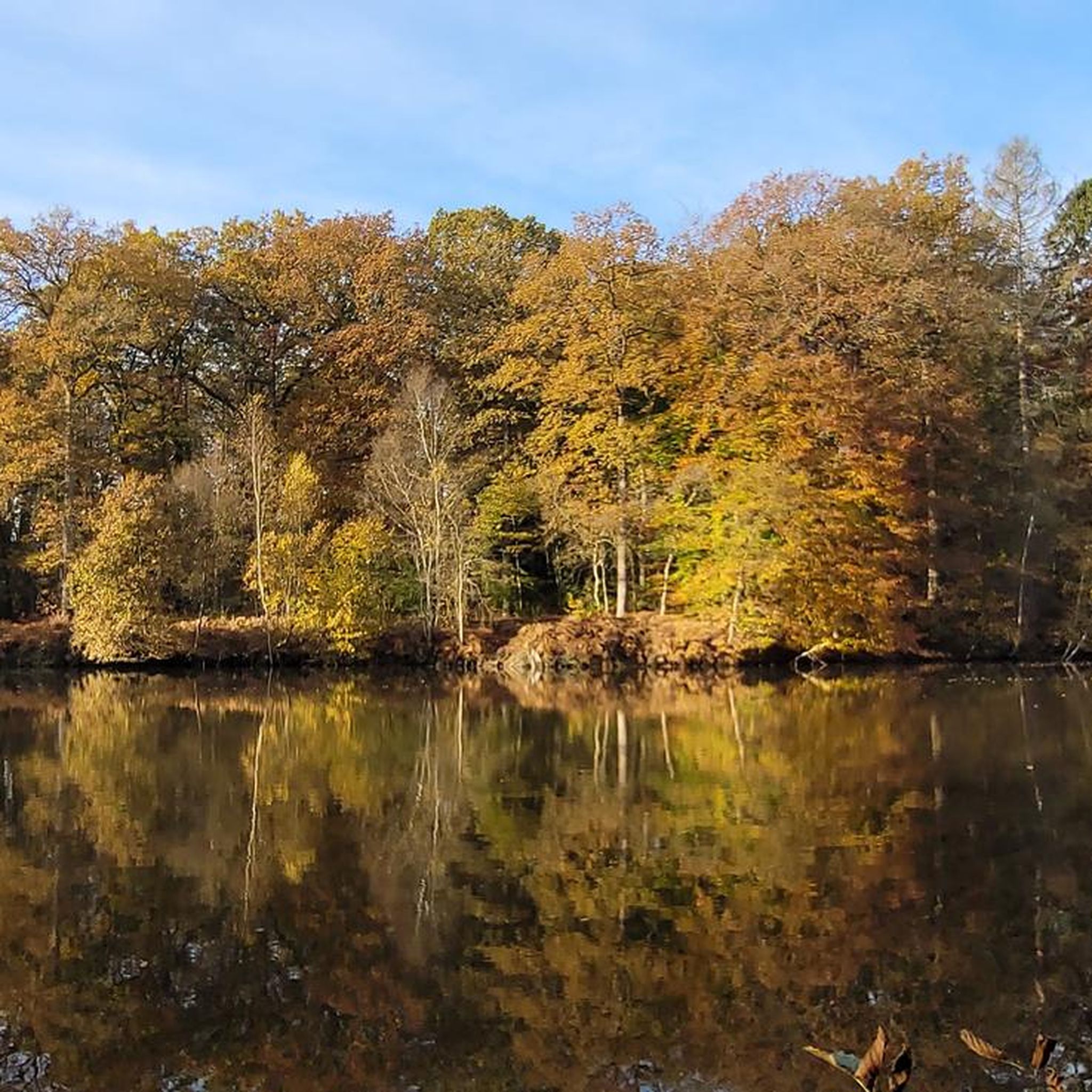
At a recent city council meeting, the city decided to rename this park Michel Lejeune after the former mayor of Forges who died two years ago. Michel Lejeune particularly liked this place, which was long called Mondory, after a 17th century theater actor.
0
0

The war memorial of François POMPON, the famous animal sculptor (born in Saulieu 1855-1933) represents a Latin cross and a Gallic rooster with open wings, elements sculpted from the same Burgundy stone. It is this monument that will save him from poverty and that will allow him in 1922 to create his polar bear and to be able to live from his sculpture. He had come to Cuy-Saint-Fiacre because he worked as a practitioner for René de Saint-Marceaux, after having been that of Rodin, of Camille Claudel. The monument is classified as a historical monument in 2022 and labeled as a rural heritage of departmental interest.
0
0
Frequently Asked Questions
How many road cycling routes are available around Forges-les-Eaux?
There are over 100 road cycling routes around Forges-les-Eaux, offering a wide variety of options for different preferences and skill levels. These routes traverse the verdant landscapes and rolling hills of the Pays de Bray region.
What kind of terrain can I expect on road cycling routes in Forges-les-Eaux?
You can expect varied terrain, from relatively flat dedicated greenways like sections of the Avenue Verte London-Paris, to country roads with gentle inclines. Routes often wind through picturesque villages and alongside rivers such as the Andelle and Epte. While many routes are accessible, the surrounding countryside also offers segments with greater elevation changes for those seeking more challenge.
Are there options for different skill levels, including beginners and advanced cyclists?
Yes, the area caters to all skill levels. You'll find over 20 easy routes, more than 70 moderate routes, and about 10 routes considered difficult. This includes leisurely rides on greenways and more challenging segments in the hilly countryside.
Are there any long-distance or multi-day road cycling routes in the region?
Yes, Forges-les-Eaux is a pivotal point on the renowned Avenue Verte London-Paris, offering long stretches of paved paths ideal for longer tours. You can cycle approximately 50 km from Forges-les-Eaux to Dieppe. Additionally, the "Véloroute des Thermes" connects Forges-les-Eaux to Rouen, spanning about 54 km through charming country roads.
What scenic natural features can I see while road cycling around Forges-les-Eaux?
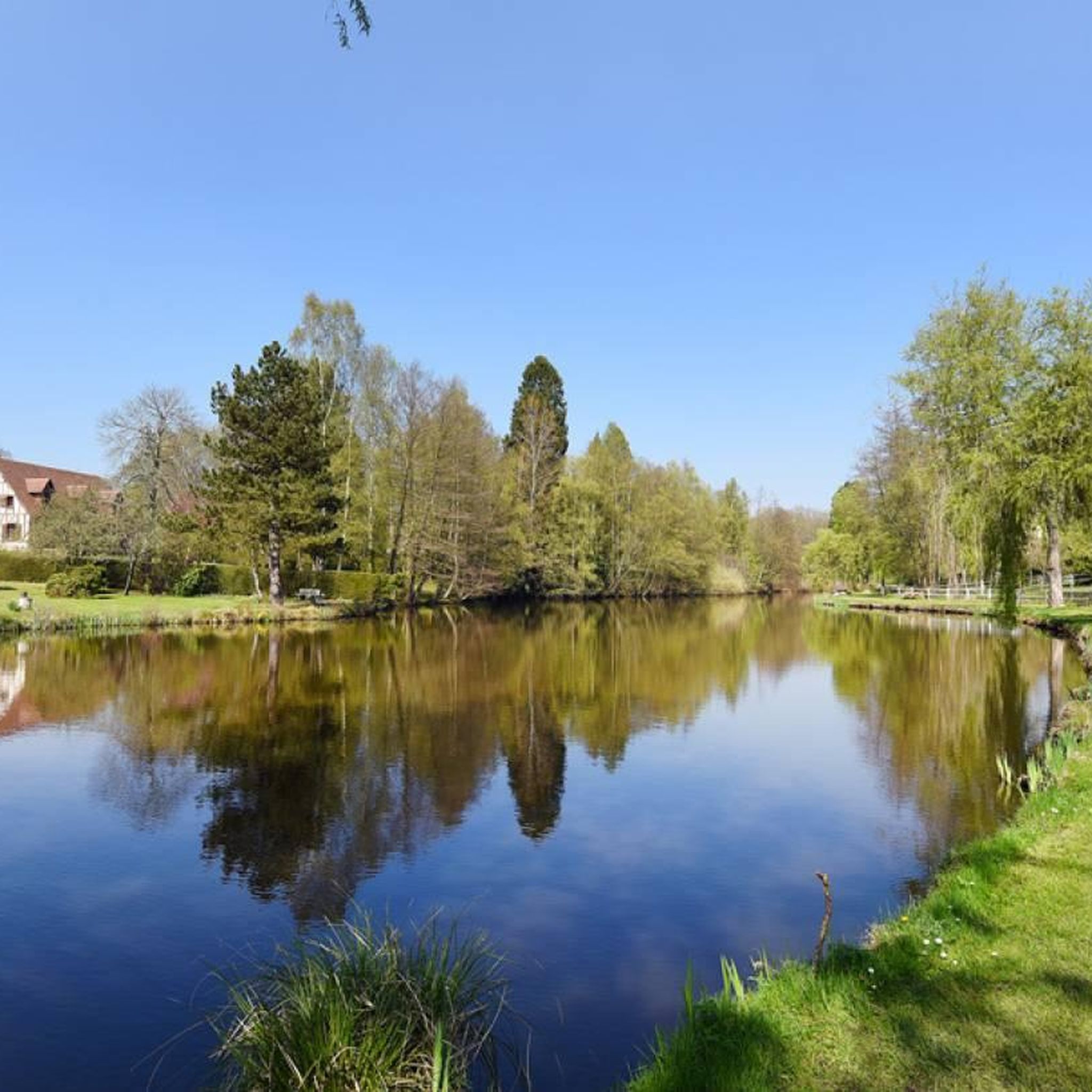
The region is rich in natural beauty. You can cycle through the verdant landscapes and rolling hills of the Pays de Bray. Routes often pass by the tranquil Lakes of Andelle, offering serene spots and views. The area is also characterized by a dense network of springs and streams, including the unique ferruginous springs that gave the town its spa identity.
Are there historical or cultural points of interest along the road cycling routes?
Yes, many routes offer glimpses into the region's heritage. You can explore the town's spa history, well-preserved architecture, and historic sites. The L'Epte loop, for instance, follows the River Epte and passes by forests and châteaux. The town itself, Forges-les-Eaux, has a blend of rustic charm and spa town heritage.
Can I find circular road cycling routes in the area?
Absolutely, many routes around Forges-les-Eaux are designed as loops. Examples include the 60.4 km Gournay-en-Bray – Forges-les-Eaux loop, the 43.5 km L'Epte loop, and the 29.8 km L'Andelle loop. Komoot also features popular loops like the Town of Neufchâtel-en-Bray loop from Serqueux and the Mondory Park loop from La Bellière.
Are there any family-friendly road cycling routes in Forges-les-Eaux?
Yes, the area offers several family-friendly options. The 16-kilometer La Rosière circuit is an easy ride with panoramic views of the Normandy countryside, suitable for families. Many sections of the Avenue Verte are also relatively flat and safe for family outings. For an easy ride, consider the Town of Neufchâtel-en-Bray loop from Serqueux.
What is the best time of year for road cycling in Forges-les-Eaux?
The region is generally pleasant for cycling from spring through autumn. The verdant landscapes are particularly beautiful during these seasons. While specific weather conditions vary, the mild climate of Normandy makes it enjoyable for outdoor activities for much of the year.
What do other road cyclists enjoy the most about road cycling in Forges-les-Eaux?
The area is highly rated by the komoot community, with an average score of 4.8 stars from over 40 reviews. Reviewers often praise the diverse terrain, from dedicated greenways to scenic country roads, and the picturesque landscapes of the Pays de Bray. The variety of routes catering to different abilities is also frequently highlighted.
Are there facilities for cyclists, such as bike parking or accommodation?
Yes, Forges-les-Eaux is cyclist-friendly. Accommodations like the Domaine de Forges Continental Hotel provide amenities such as secure bike parking, local maps, and laundry facilities. The town's connection to major cycling routes like the Avenue Verte means it's well-equipped to welcome cyclists.
Where can I find more information about local cycling loops and tourist attractions?
For more details on local cycling loops and tourist information, you can visit the official tourism websites. The Forges-les-Eaux Tourism website provides information on various bike loops, and the Seine-Maritime Tourism site offers broader insights into the region's attractions.
Most popular attractions around Forges-Les-Eaux

Get inspired with the komoot mobile app


Explore more
Browse the best Road cycling routes in other regions.
