The best road cycling routes around Wingersheim-Les-Quatre-Bans
4.5
(153)
3,782
riders
331
rides
Road cycling routes around Wingersheim-Les-Quatre-Bans traverse a rural commune in the Bas-Rhin department of northeastern France. The area is characterized by its agricultural heritage, featuring extensive hop fields and tarred agricultural roads. Cyclists will find varied terrain within the Zorn region and the Kochersberg area, offering a mix of flat sections and gentle rolling hills. This landscape provides accessible outdoor recreation opportunities on minor roads with light traffic.
Best road cycling routes around Wingersheim-Les-Quatre-Bans
- The most popular road cycling route…
Last updated: May 14, 2026
4.0
(3)
82
riders
Easy road ride. Great for any fitness level. Mostly well-paved surfaces and easy to ride.
3.0
(3)
47
riders
52.6km
02:18
400m
400m
Moderate road ride. Good fitness required. Mostly well-paved surfaces and easy to ride.

Sign up for free
4.3
(6)
34
riders
28.9km
01:10
150m
150m
Easy road ride. Great for any fitness level. Mostly well-paved surfaces and easy to ride.
16
riders
80.1km
03:38
790m
790m
Moderate road ride. Good fitness required. Mostly well-paved surfaces and easy to ride.
12
riders
32.9km
01:26
120m
120m
Easy road ride. Great for any fitness level. Mostly well-paved surfaces and easy to ride.
Get access to more routes and recommendations from other explorers.
Sign up for free
Already have an account?
Our route recommendations are based on thousands of hikes, rides, and runs completed by other people on komoot.
Start today with a free account
Your next adventure awaits.
Login or Signup
Tips from the Community

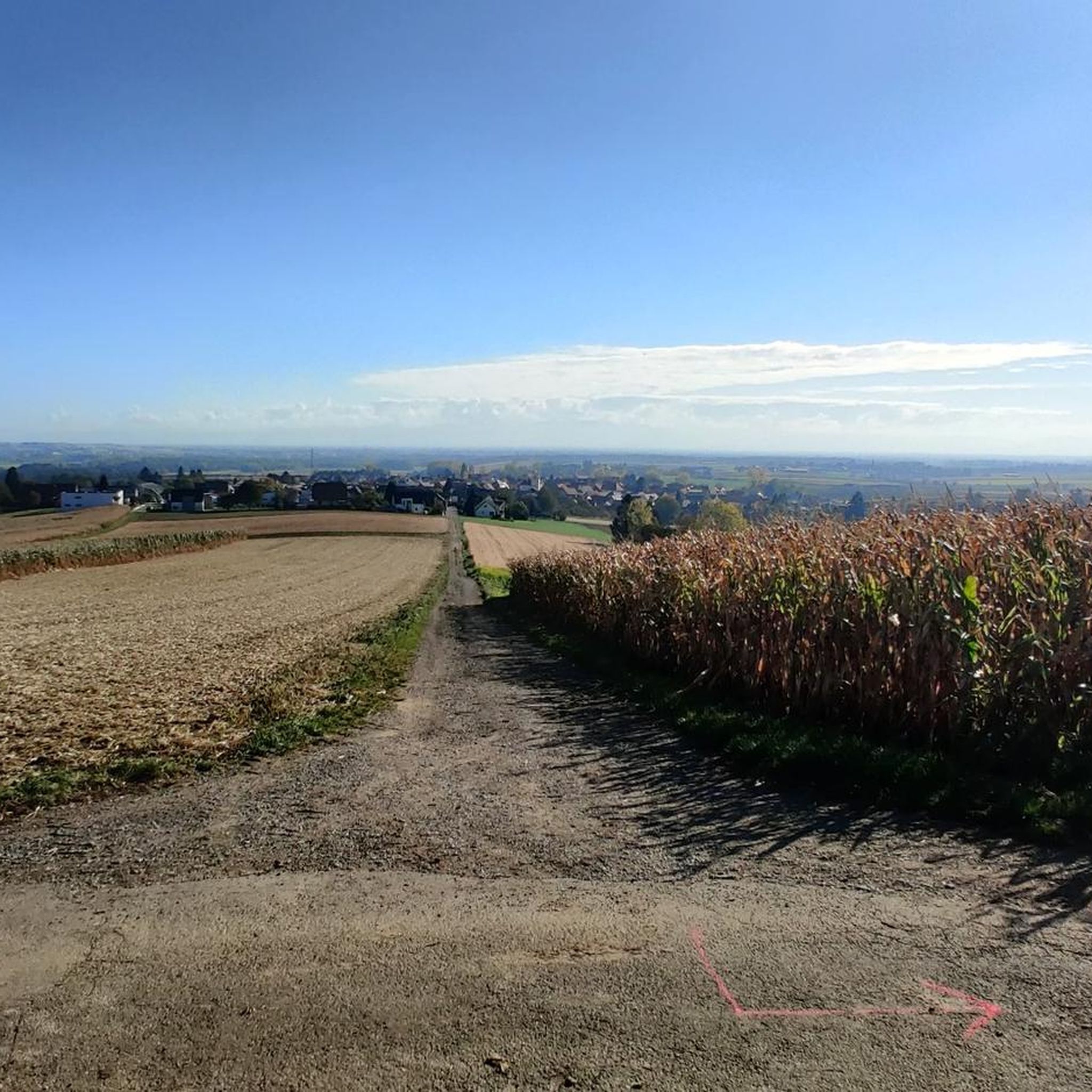
It's pretty, it's practical, it allows you to ride in peace and quiet and to ride fast (flat) but it's not very exciting...
0
0

Saverne was already a Roman military post in the 4th century. From the 15th century until the French Revolution, Saverne was the residence of the powerful bishops of Strasbourg. The Château de Rohan, which boasts the longest neoclassical façade of any building in France, still bears witness to this.
1
0

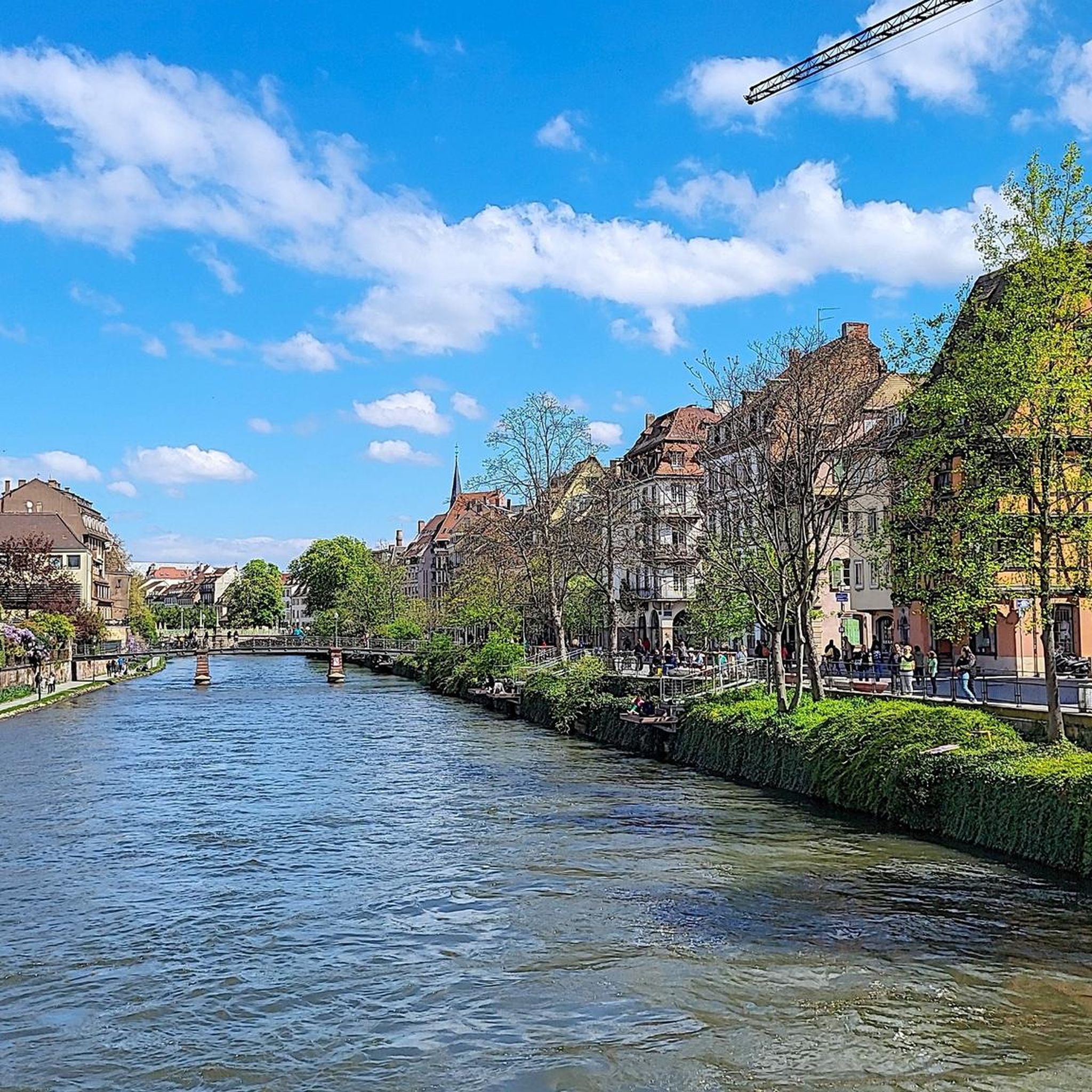
Right in front of the Art Museum.
1
0
Neo-Renaissance palace from the 1880s.
1
0


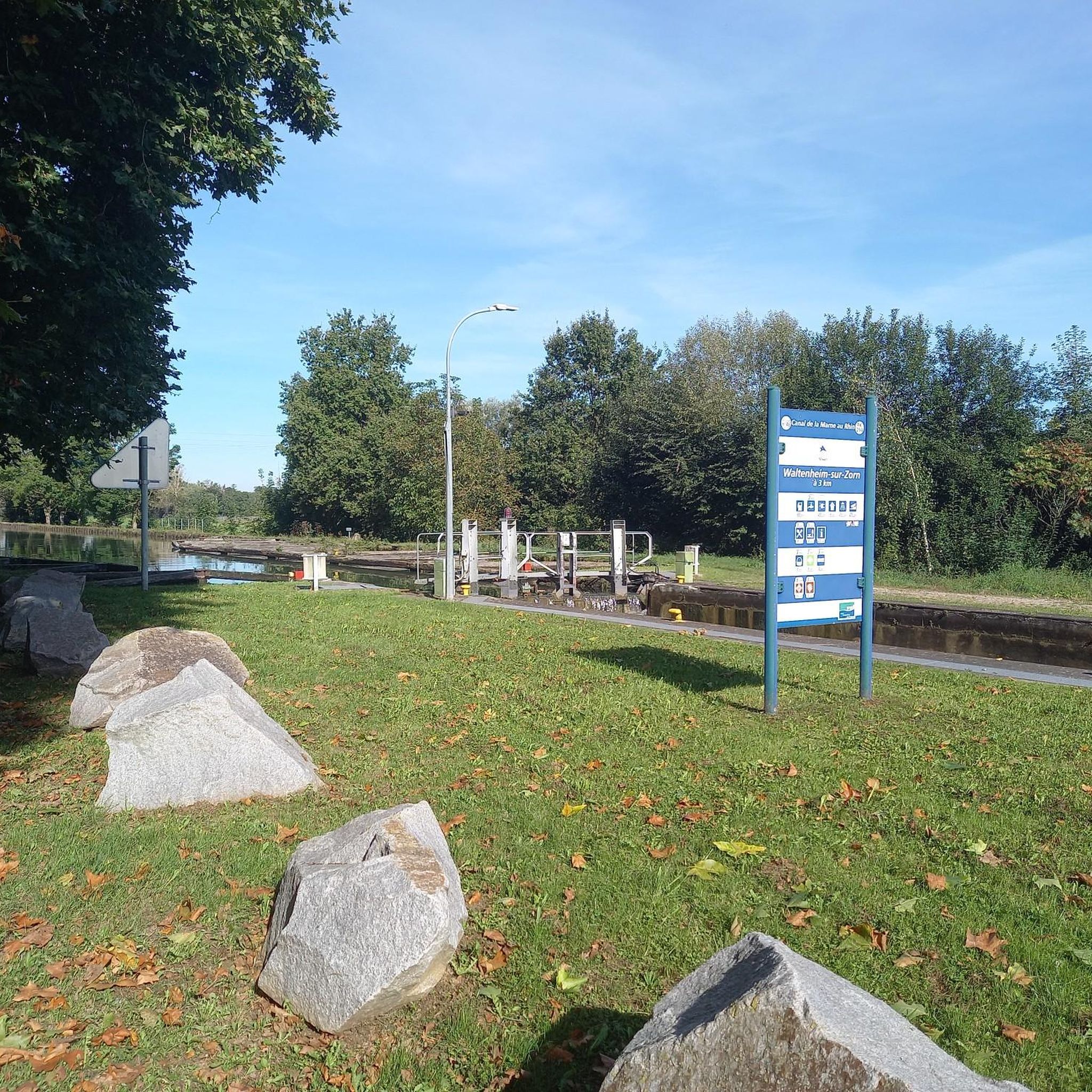
Lock for ships still in operation
0
0

Sights: The former abbey church of St. Peter and Paul, founded around 720, belonged to one of the oldest monasteries on the Upper Rhine. In its early years, this was led by Saint Pirminius, among others. The church is one of the most artistically valuable and stylistically diverse in Alsace. It has a Carolingian crypt (8th century), Romanesque chapels (11th century), a choir and a transept in the transitional style to Gothic (late 12th century), a purely Gothic nave (13th century) and a classicist façade with a tower (1768). The remains of the monastery building (chapter house, one wing of the cloister) are of Gothic style (13th century). The furnishings are very rich (medieval gravestones and the Adelphus carpets from around 1470 with depictions of the life and miraculous work of St. Adelphus of Metz in the chapels; baptismal font, pulpit, Adelphus shrine, organ, Holy Sepulchre in the nave). The portals and rose windows are also remarkably designed and decorated. Archaeological remains of other buildings of the monastery complex can be seen to the north of the church. The now Protestant church of St. Adelphus was built between 1200 and 1225 in the transitional style from Romanesque to Gothic. It impresses with its powerful west facade and its simple interior. The choir of the church, which until then contained the reliquary and the Adelphus carpets depicting the life of St. Adelphus of Metz, was demolished in the 19th century and replaced by a flat wall. The Herrenstein Castle (ruin) was built at the beginning of the 13th century by the Counts of Dagsburg. In the 16th century it was converted into a fortress by the Alsatian military architect Daniel Specklin. Former synagogue, built in 1875, and Jewish cemetery, established in 1877
2
0
The Palais du Rhin, formerly the Imperial Palace, on the Place de la République in Strasbourg, was built between 1884 and 1889 and is one of the city's most striking buildings. The entire complex represents one of the most complete examples of German monumental architecture of the late 19th century.
2
0
Frequently Asked Questions
How many road cycling routes are available in Wingersheim-Les-Quatre-Bans?
There are over 330 road cycling routes in and around Wingersheim-Les-Quatre-Bans. This includes a wide variety of options, from easy loops to more challenging rides, ensuring there's something for every skill level.
What kind of terrain can I expect on road cycling routes in Wingersheim-Les-Quatre-Bans?
The region offers varied terrain, characterized by its rural setting and agricultural heritage. You'll find tarred agricultural roads and minor roads with light traffic, traversing the Zorn region and the Kochersberg area. Expect a mix of flat sections and gentle rolling hills, with some routes featuring significant elevation gain, particularly those extending further into the Bas-Rhin department.
Are there easy road cycling routes suitable for beginners or families?
Yes, Wingersheim-Les-Quatre-Bans offers a good selection of easy road cycling routes. Approximately 90 routes are classified as easy, providing gentle paths suitable for beginners or families looking for a relaxed ride. An example of an easy route is the European Parliament – View of St. Paul's Church loop from Mittelhausen, which offers pleasant views.
What are some notable attractions or landmarks I can see along the road cycling routes?
As you cycle through the area, you can appreciate the distinctive hop-growing landscapes, as Wingersheim-Les-Quatre-Bans is known as the 'Hop Capital.' You might also pass through charming small villages with traditional Alsatian architecture and historic churches. Specific points of interest include the Villa Meteor, the Vendenheim Swing Bridge, and the Wingersheim lock. The Along the Canal – Wingersheim lock loop from Donnenheim route passes by the Wingersheim lock.
Are there any circular road cycling routes in the area?
Many of the road cycling routes in Wingersheim-Les-Quatre-Bans are designed as loops, allowing you to start and finish in the same location. For instance, the Canal de la Marne au Rhin – European Parliament loop from Mommenheim is a popular circular route that follows the scenic canal.
How long are the road cycling routes typically?
Route lengths vary significantly. You can find shorter loops, such as the Saarkanal loop from Donnenheim which is about 37.8 km, or longer, more challenging rides like the Saverne – Saverne loop from Mommenheim, which spans over 82 km. The average duration for routes is around 2-3 hours, but longer rides can take upwards of 3.5 hours.
What is the best time of year for road biking in Wingersheim-Les-Quatre-Bans?
The region is generally pleasant for road cycling from spring through autumn. The hop fields are particularly picturesque during the growing season. While specific winter conditions are not detailed, the area's rural roads are typically best enjoyed in milder weather. Always check local weather forecasts before heading out.
Can I access road cycling routes using public transport?
Wingersheim-Les-Quatre-Bans is located approximately 23 km northwest of Strasbourg, which is a major hub with extensive public transport connections. Cyclists can often connect to the regional cycling network from Strasbourg, making it possible to reach routes in the Wingersheim-Les-Quatre-Bans area. Check local public transport options for carrying bikes.
What do other road cyclists enjoy most about road cycling in Wingersheim-Les-Quatre-Bans?
The area is highly rated by the komoot community, with an average score of 4.5 stars from over 150 reviews. Reviewers often praise the appealing rural setting, the distinctive hop-growing landscapes, and the network of accessible tarred agricultural roads that offer a pleasant and safe cycling experience away from heavy traffic.
Are there challenging road cycling routes for advanced cyclists?
Yes, for more experienced cyclists seeking a challenge, there are routes with significant elevation gain and longer distances. While the region is known for its gentle rolling hills, some routes, such as the Saverne – Saverne loop from Mommenheim, offer over 770 meters of elevation gain, providing a more demanding ride. There are 31 routes classified as difficult.
Where can I find parking for road cycling routes in Wingersheim-Les-Quatre-Bans?
Given the rural nature of Wingersheim-Les-Quatre-Bans and its constituent villages (Wingersheim, Gingsheim, Hohatzenheim, and Mittelhausen), you can typically find parking in or near these villages, especially at public spaces or designated parking areas. Many routes start from these locations, making them convenient access points.
Most popular routes around Wingersheim-Les-Quatre-Bans
Most popular attractions around Wingersheim-Les-Quatre-Bans

Get inspired with the komoot mobile app


Explore more
Browse the best Road cycling routes in other regions.
