Attractions and Places To See around Fronteira - Top 7
Best attractions and places to see around Fronteira, a municipality in the Alto Alentejo region of Portugal, offer a blend of historical, cultural, and natural sites. The area is characterized by its serene Alentejo plains and a rich heritage, including significant historical events. Visitors can explore ancient landmarks, religious sites, and natural points of interest within this region.
Best attractions and places to see around Fronteira
- The most popular attractions is Alter do Chão Castle, a castle that was…
Last updated: November 1, 2026
Alter do Chão Castle
Highlight • Castle
It is classified as a National Monument.
Translated by Google •
Tip by

Ribeira Grande Bridge
Highlight • Bridge
It was built right next to a temporary bridge.
Translated by Google •
Tip by
Sign up now to discover places like this
Get recommendations on the best single tracks, peaks, & plenty of other exciting outdoor places.
Montalvo Suspension Bridge
Highlight • Bridge
This bridge predates the Lisbon bridge.
Originally, the roadway was made of pine wood. Currently, it is made of metal.
Translated by Google •
Tip by
Sulfúrea Thermal Baths in Cabeço de Vide
Highlight • Rest Area
Showing Translation
Tip by
Alentejo Dirt Road
Highlight • Trail
Tip by

Sign up for free to discover even more attractions around Fronteira.
Already have an account?
Start today with a free account
Your next adventure awaits.
Popular around Fronteira
Tips from the Community

The Ponte da Ribeira Grande is a historic stone bridge near Fronteira in the Portuguese region of Alentejo. It crosses the Ribeira Grande river and features ten round arches made of granite masonry. The bridge was part of the important road connection between Fronteira and Alter do Chão and is considered one of the landmarks of the municipality. In December 2022, it was significantly damaged by severe flooding. A comprehensive restoration is scheduled to begin in October 2026, after which the bridge will be reserved for pedestrians. A new road bridge is planned as a replacement.
1
0
The Ponte Suspensa de Montalvo is a historic suspension bridge in the Portuguese region of Alentejo, in the vicinity of Fronteira and Avis. Its construction with steel cables and a suspended bridge deck is reminiscent of the famous Ponte 25 de Abril in Lisbon, but it is significantly older. Originally, the roadway consisted of pine wood, which was later replaced by a metal structure.
1
0

The dirt roads and trails of Alentejo, Portugal, offer extraordinary natural routes. The best-known sections are along the Rota Vicentina (the Fishermen's Trail and the Historical Way) and on the dirt tracks of the rural hinterland between Évora and the Atlantic coast.
0
0
As Termas da Sulfúrea, located in Cabeço de Vide (Portalegre district, Alto Alentejo), are famous for possessing a unique natural mineral water in Portugal, with therapeutic properties used since Roman times. The current complex combines health, classic thermalism, and modern wellness programs.
1
0

The Termas da Sulfúrea in Cabeço de Vide (Fronteira, Portalegre) operate from March 16 to November 15. They use hyperalkaline sulfurous waters (pH 11.55) indicated for rheumatological, respiratory, and skin diseases. Practical Information and Opening Hours Thermal Season: From March 16 to November 15. Opening Hours: Every day from 08:00 to 12:30 and from 16:30 to 19:00. Telephone Contact: +351 245 634 112. Characteristics and Therapeutic Indications Water Type: Sulfurous, hyposaline, hyperalkaline, and with a high silica content. Spring Temperature: Emerges at 19ºC. Main indications: Osteoarticular diseases, rheumatism, respiratory tract (asthma, rhinitis), and skin conditions (psoriasis, eczema).
9
0
The Termas da Sulfúrea in Cabeço de Vide (Fronteira, Portalegre) are open from March 16 to November 15. They use hyperalkaline sulfurous waters (pH 11.55) indicated for rheumatological, respiratory, and skin diseases.
10
0
A suspension bridge that looks very similar to the "25 de Abril" bridge. This bridge predates the Lisbon bridge. Originally, the roadway was made of pine wood. Currently, it is made of metal.
17
0

The Castle of Alter do Chão, in Alentejo, is located in the parish of Alter do Chão, in the town and municipality of the same name, district of Portalegre, in Portugal. In the historic center of the town, this castle is representative of 16th century medieval architecture, when it cooperated with the neighboring Castle of Alter Pedroso in the defense of this region. Alter do Chão Castle has been classified as a National Monument since 1910.
6
0
Frequently Asked Questions
What historical sites can I explore in Fronteira?
Fronteira offers a rich history to explore. You can visit the ruins of the Seda Castle, which has a long history dating back to Lusitanian tribes and Roman occupation. The area also features the Alter do Chão Castle, a magnificent medieval castle classified as a National Monument. Don't miss the Ribeira Grande Bridge, a historical site, and the Antiga Estação Ferroviária de Fronteira, known for its decorative tile panels.
Are there any ancient ruins or megalithic monuments near Fronteira?
Yes, the region around Fronteira has evidence of ancient human occupation. You can find approximately 30 cromlechs and dolmens of the Megalithic Necropolis of Herdade Grande, as well as engraved rocks at Herdade dos Pintos. The Seda Castle also has roots dating back to Lusitanian and Roman times.
What religious buildings are notable in Fronteira?
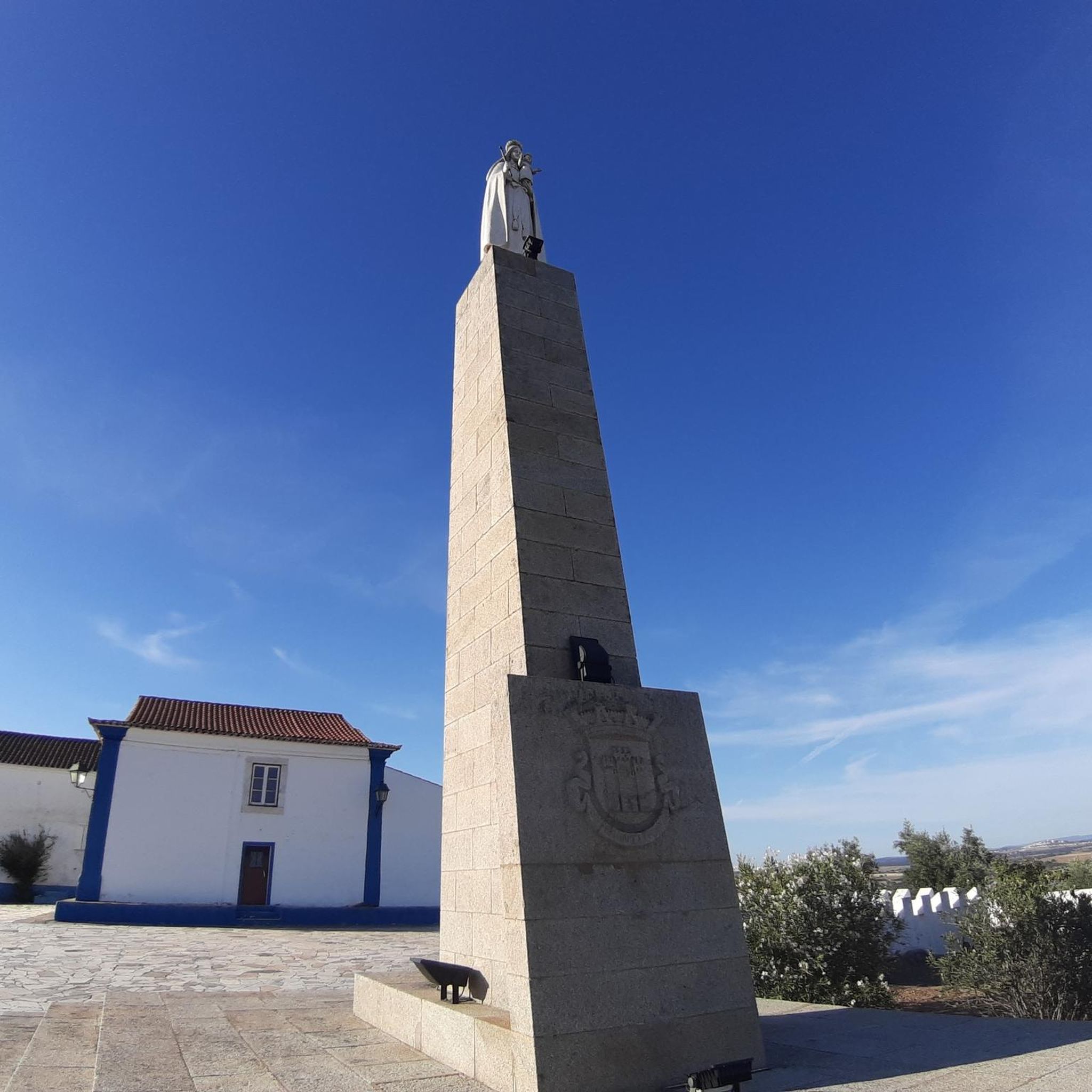
The Sanctuary of Our Lady of Vila Velha is a significant religious building and viewpoint dedicated to the patron saint of Fronteira. Other notable churches include the Igreja Matriz de Fronteira (Church of Nossa Senhora da Atalaia), known for its imposing facade and sacred art, and the Igreja da Misericórdia.
Can I find natural attractions or outdoor recreation spots in Fronteira?
Absolutely! Fronteira boasts the Praia Fluvial de Fronteira, a river beach perfect for recreational activities. The Centro Ecoturístico da Ribeira Grande offers beautiful natural landscapes, opportunities for sports and leisure, and even an astronomical observatory.
Are there opportunities for cycling near Fronteira's attractions?
Yes, the area around Fronteira is great for road cycling. You can find various routes, including challenging ones like the 'Castelo de Vide – Climb to Porto da Espada loop' or 'Cabroeira Climb loop'. For more details and route options, you can explore the Road Cycling Routes around Fronteira guide.
What are some family-friendly attractions in the Fronteira area?
Families can enjoy visiting the Alter do Chão Castle, which is classified as family-friendly. The Sanctuary of Our Lady of Vila Velha also welcomes families and offers a splendid viewpoint. The Praia Fluvial de Fronteira and the Centro Ecoturístico da Ribeira Grande provide excellent outdoor recreational opportunities for all ages.
What is the significance of the Battle of Atoleiros in Fronteira?
The Battle of Atoleiros, which took place in 1384, was a pivotal event in Portuguese history. It played a crucial role in maintaining Portuguese independence. You can learn more about this significant battle at the Centro Interpretativo da Batalha dos Atoleiros in Fronteira.
Where can I see traditional Portuguese architecture or art in Fronteira?
The Igreja Matriz de Fronteira (Church of Nossa Senhora da Atalaia) showcases impressive Mannerist paintings and gilded altarpieces. The Antiga Estação Ferroviária de Fronteira preserves beautiful decorative tile panels (azulejos) depicting rural scenes, offering a glimpse into the region's architectural and artistic heritage.
What unique historical structures like bridges can I see?
Fronteira is home to the Montalvo Suspension Bridge, which predates Lisbon's '25 de Abril' bridge and originally featured a pine wood roadway. Additionally, the Ribeira Grande Bridge is another historical structure, and the Ponte Romana de Fronteira stands as a testament to the region's ancient past.
What is the best time of year to visit Fronteira for sightseeing?
The Alto Alentejo region, where Fronteira is located, generally experiences hot summers. For comfortable sightseeing and outdoor activities, spring (April to June) and autumn (September to October) are often ideal, offering pleasant temperatures and beautiful landscapes.
Are there any castles to visit in the wider Fronteira municipality?
Beyond the Alter do Chão Castle and Seda Castle, you can also explore the ruins of Castelo de Cabeço de Vide in the nearby Cabeço de Vide parish. This medieval castle once defended Alto Alentejo and offers panoramic views over the village and the Alentejo plains.
What do visitors particularly enjoy about the attractions around Fronteira?
Visitors appreciate the blend of historical and natural beauty. The Alter do Chão Castle is highlighted for its magnificent medieval architecture. The Sanctuary of Our Lady of Vila Velha is loved for its beautiful setting and splendid viewpoint. The unique Montalvo Suspension Bridge also captures interest with its distinctive design.
Most popular routes around Fronteira

Get inspired with the komoot mobile app


Explore more
Still not found the Highlight you’re looking for? See guides of the top attractions in other regions:
