Attractions and Places To See around Santo Tirso - Top 20
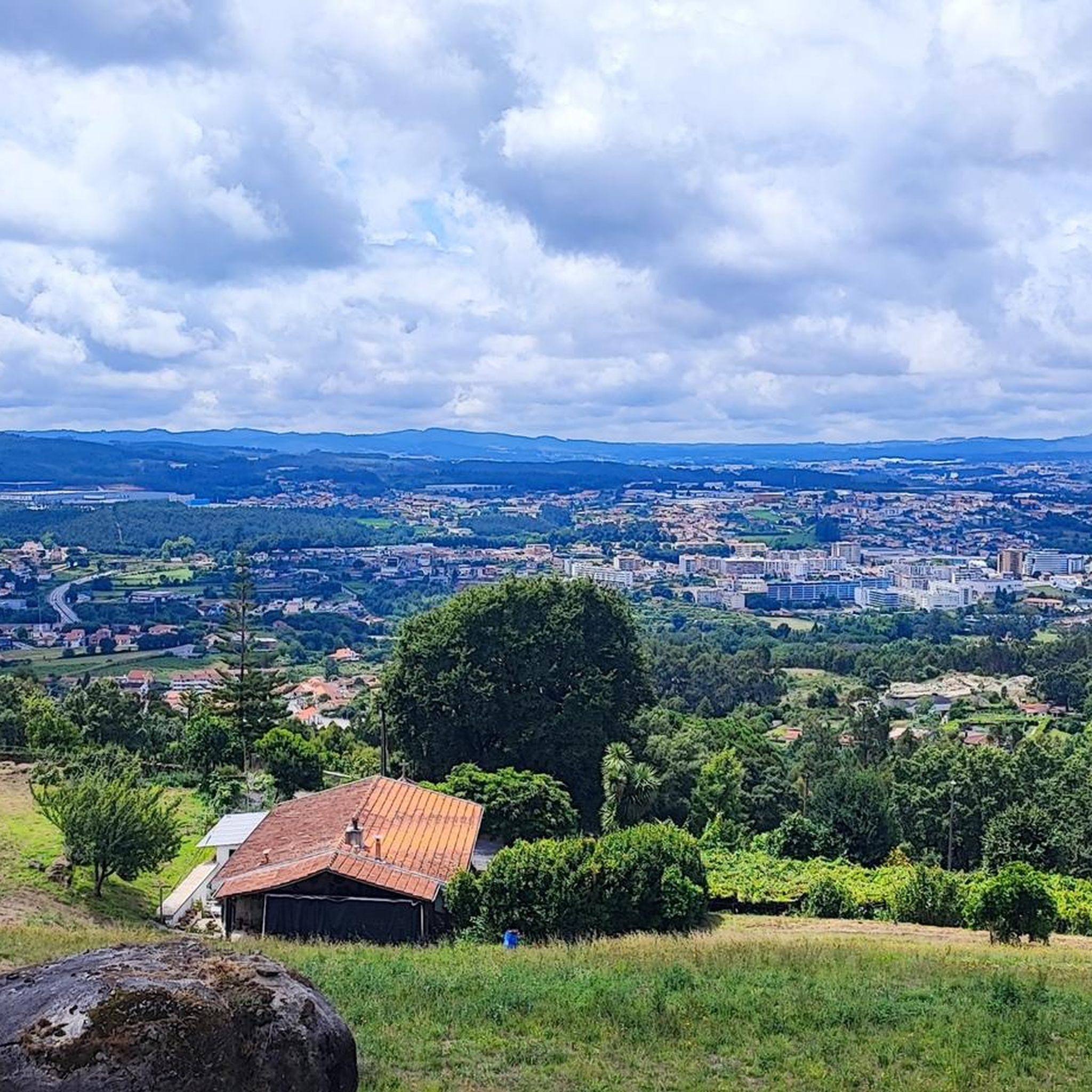
Best attractions and places to see around Santo Tirso, a city in the Porto District of Portugal, offer a blend of historical landmarks, natural features, and cultural sites. The region is characterized by its position along the Ave River and its surrounding green landscapes. Visitors can explore ancient sites, serene parks, and contemporary art installations within the urban and natural environment.
Best attractions and places to see around Santo Tirso
- The most popular attractions is Palace of the Dukes of Braganza, a castle that served as the former residence of the first Dukes of Braganza. This imposing medieval estate is located in the historical center and is well-preserved.
- Another must-see spot is Guimarães Castle Park, a historical site featuring a mighty castle complex. This 10th-century castle is a national monument and offers views of the surrounding area.
- Visitors also love Oliveira Square, Guimarães, a historical site in the beautiful historic center. This square is surrounded by rustic stone buildings and features landmarks like the Padrão do Salado and the Church of Nossa Senhora de Oliveira.
- Santo Tirso is known for its historical sites, natural parks, and cultural experiences, including contemporary sculpture. The area provides a variety of attractions to see and explore, from ancient ruins to riverside walks.
- The attractions around Santo Tirso are appreciated by the komoot community, with more than 100 upvotes and over 120 photos shared by visitors.
Last updated: August 31, 2026
Palace of the Dukes of Braganza
Highlight • Castle
Tip by

Oliveira Square, Guimarães
Highlight • Historical Site
Tip by
Sign up now to discover places like this
Get recommendations on the best single tracks, peaks, & plenty of other exciting outdoor places.
Sign up for free
Guimarães Castle Park
Highlight • Castle
Translated by Google •
Tip by

Church of the Consolation and the Holy Steps
Highlight • Religious Site
Translated by Google •
Tip by

Church of Our Lady of Mount Carmel - Lar de Santa Estefânia
Highlight • Religious Site
Tip by
Sign up for free to discover even more attractions around Santo Tirso.
Sign up for free
Already have an account?
Start today with a free account
Your next adventure awaits.
Login or Signup
Tips from the Community

A site well worth seeing. It looks more impressive from a distance than up close.
1
0
Beautiful view of the church.
1
1

A detailed plan of the complex with explanations can be found here: https://campanha.cmjornal.pt/portugal-monumental/
1
0
The Nonnenkloster Lar de Santa Estefânia is located in the complex of the Church of Nossa Senhora do Carmo. Find the location here: https://explorial.com/de/sights/guimaraes-igreja-nossa-senhora-do-carmo-de/
2
0
Largo da Oliveira Square owes its name to an ancient olive tree that once stood on this site. The still existing fence, with a small replacement tree, bears the year 1342. Surrounded by pretty, typically northern Portuguese houses, the square is the ideal starting point for exploring the city's streets on foot. The square also boasts several interesting landmarks: to the west, a curious little Gothic chapel, Padrão do Salado, dating from the time of King D. Afonso IV, which commemorates the Battle of Salado. There, in 1340, Portuguese and Castilian forces jointly defeated the forces of the Moorish king of Granada. Directly behind it lies the Church of Nossa Senhora de Oliveira (also known as the Colegiada). It is the first Gothic monument built in the Minho region. On the right side of the square, you can still see the former medieval town hall, with a stone sculpture that, according to tradition, represents Guimarães. Below, Gothic arcades lead to Largo S. Tiago, one of the city's most characteristic squares. https://www.visitportugal.com/de/NR/exeres/9FD0C908-905C-4119-8821-A155EC3C4CEB
2
1

The Church and Convent of Our Lady of Mount Carmel (in Portuguese: Igreja e Convento de Nossa Senhora do Carmo), whose construction began in 1685. Originally dedicated to Saint Teresa (in Portuguese: Santa Teresa), it was designed in the Baroque style. Don't forget to take a look at the upper part, which you can reach via a staircase on the right side of the entrance.
2
1
The Palace of the Dukes of Braganza was commissioned by Dom Afonso around 1420—the year of his second marriage to Constança de Noronha. Dom Afonso was the illegitimate son of King João I and acquired the titles of 8th Count of Barcelos, 2nd Count of Neiva, and 1st Duke of Braganza! It is considered a unique architectural example on the Iberian Peninsula!
2
0
Guimarães Castle is the most visited medieval castle in Portugal and one of the most beautiful and important castles in the country. It has been recognized as a National Monument since 1881, a UNESCO World Heritage Site since 2001, and one of the 7 Wonders of Portugal since 2007!
1
0
Frequently Asked Questions
What historical sites can I visit in Santo Tirso?
Santo Tirso is rich in history. You can explore the ancient Mosteiro de Santo Tirso, a Benedictine monastery dating back to 978. Other significant historical sites include the well-preserved Bronze Age citadel-village of Castro do Monte Padrão with its interpretation center, and the pre-Roman settlement of Citânia de Sanfins. The Igreja de São Pedro de Roriz also has origins from the 8th century.
Where can I find natural parks or green spaces for relaxation in Santo Tirso?
For nature lovers, Santo Tirso offers several serene green spaces. The Parque Urbano da Rabada, nestled along the Ave River, features oak and cork oak trees, a lake, and walking paths. Another excellent option is the Parque Urbano Sara Moreira, known for its harmonious blend of urban and natural elements. You can also enjoy the recently inaugurated "Passeio das Margens do Ave" along the Ave River.
Are there any waterfalls or thermal spas in the Santo Tirso area?
Yes, the region boasts natural attractions like the Fervença Waterfalls, which are 15-meter-high cascades on the Leça River, accessible via a scenic trail. For those seeking relaxation and wellness, the Termas das Caldas da Saúde provides facilities for thermal cures and even houses an exhibition of early 20th-century spa treatment instruments.
What cultural or art experiences does Santo Tirso offer?
Santo Tirso is a hub for culture and art. The Museu Internacional de Escultura Contemporânea showcases over 50 outdoor contemporary art pieces (Rota das Esculturas) integrated into the town's parks and squares. You can also visit the Museu Municipal Abade Pedrosa, located in a wing of the monastery, which displays artifacts from local archaeological sites. Don't miss the annual Festas de São Bento, a major religious festival with traditional customs, music, and performances.
Are there family-friendly attractions around Santo Tirso?
Many attractions in and around Santo Tirso are suitable for families. The Palace of the Dukes of Braganza and Guimarães Castle Park are historical sites that offer engaging experiences for all ages. Additionally, the Parque Urbano da Rabada provides a children's playground and ample space for outdoor activities. The outdoor sculptures of the Museu Internacional de Escultura Contemporânea can also be an interactive and fun experience for kids.
Where can I find panoramic viewpoints in Santo Tirso?
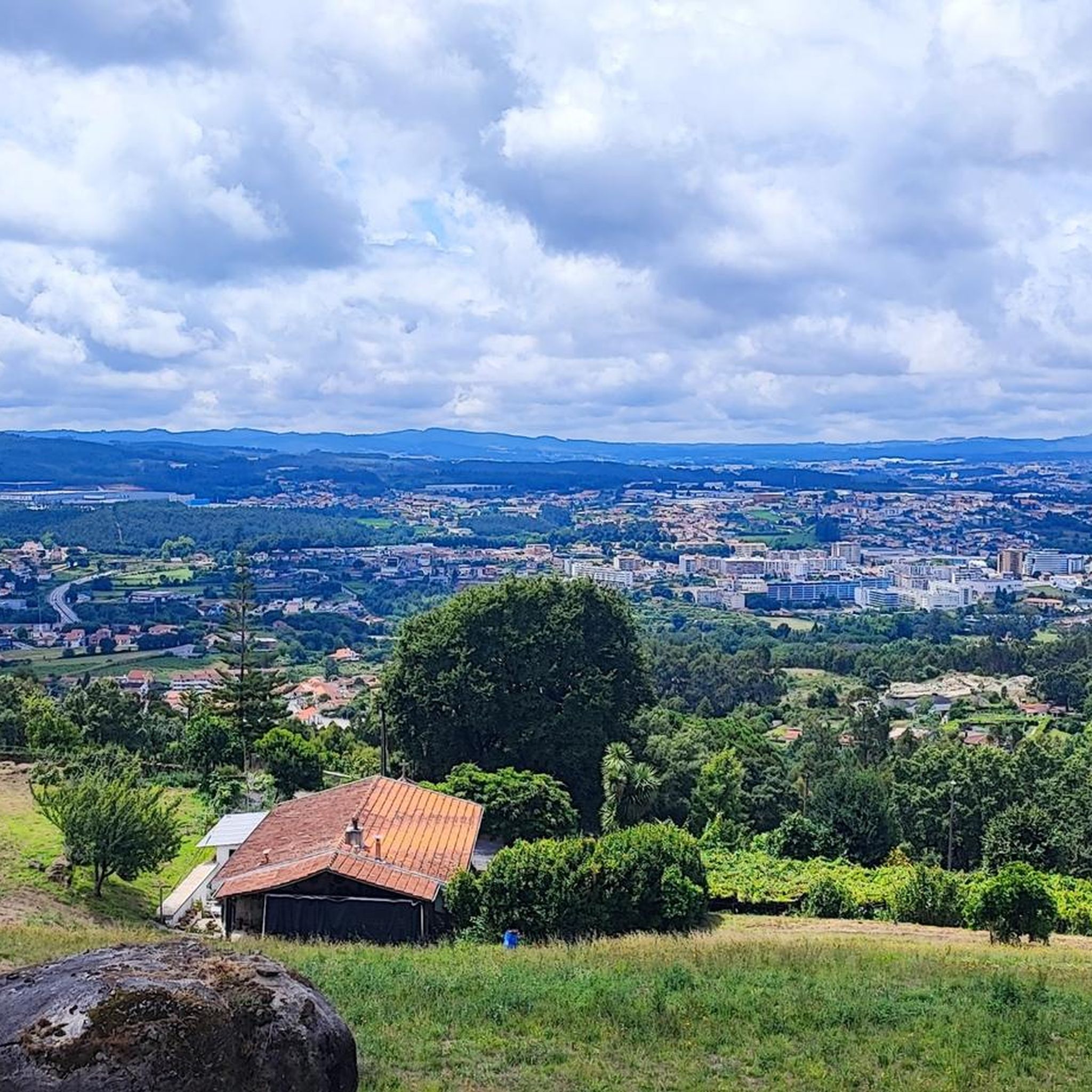
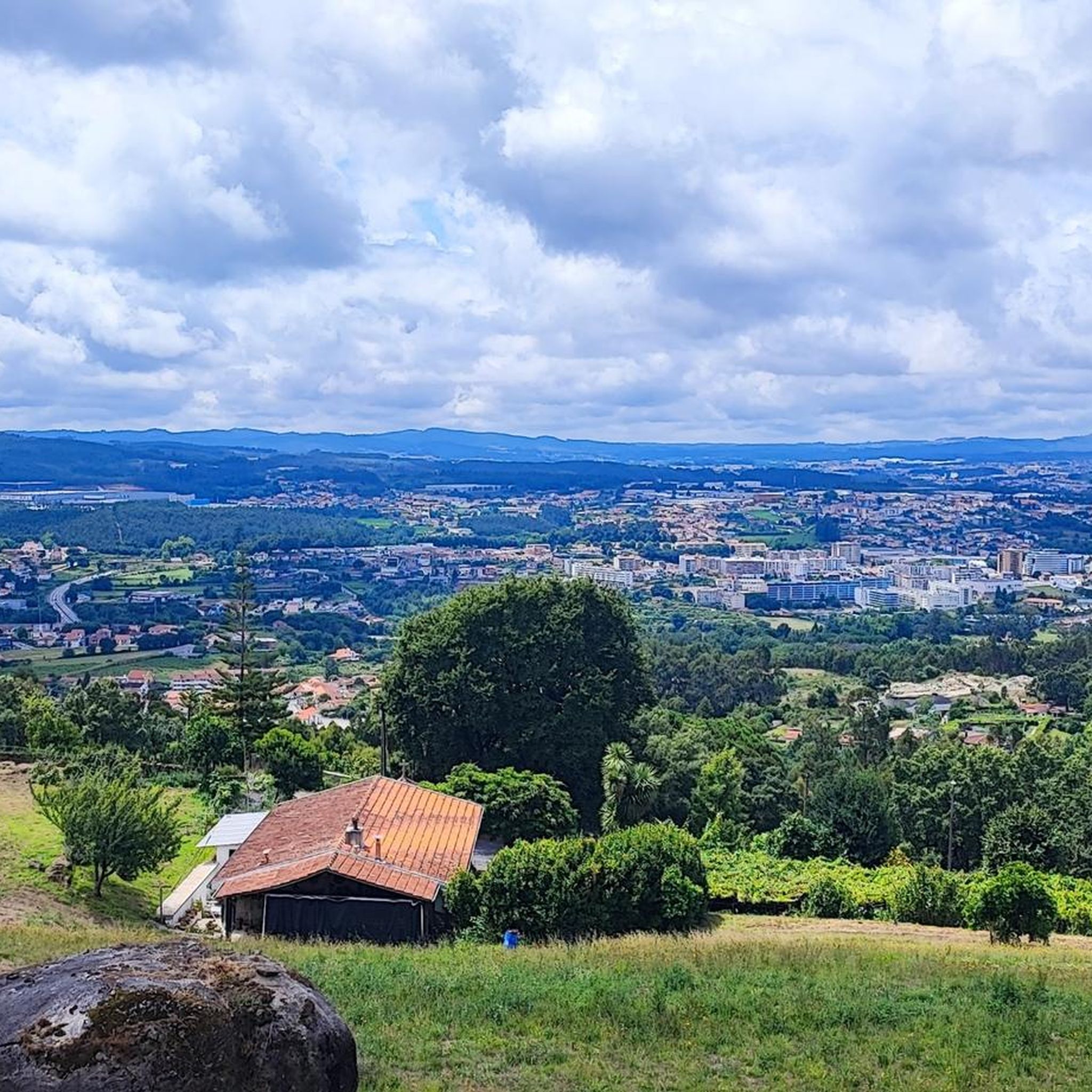
For breathtaking panoramic views, head to the Santuário de Nossa Senhora da Assunção atop Monte de Nossa Senhora da Assunção. From here, you can enjoy expansive vistas of Santo Tirso, the Ave Valley, and even the Atlantic Ocean on clear days.
What outdoor activities can I do near these attractions?
The area around Santo Tirso offers various outdoor activities. You can find numerous routes for road cycling, touring cycling, and hiking. For detailed routes and guides, explore the Road Cycling Routes around Santo Tirso, Cycling around Santo Tirso, and Hiking around Santo Tirso guide pages.
Are there hiking trails near Santo Tirso's attractions?
Yes, there are several hiking trails available. A popular option is the Fervença Waterfalls – Leça River Waterfalls loop, with routes starting from Carreira or Refojos de Riba de Ave. Another moderate trail is the Parque da Cidade de Famalicão loop from Santo Tirso. You can find more hiking options and details on the Hiking around Santo Tirso guide page.
What is the best time of year to visit Santo Tirso for outdoor activities?
While specific weather data isn't provided, generally, spring (April-June) and early autumn (September-October) offer pleasant temperatures for outdoor activities like hiking and cycling in Portugal, avoiding the peak heat of summer and the cooler, wetter winter months. The Nossa Senhora da Assunção holiday on August 15th and the Festas de São Bento in July are vibrant times to experience local culture.
What do visitors enjoy most about the attractions around Santo Tirso?
Visitors frequently appreciate the blend of historical richness and natural beauty. The well-preserved medieval estates like the Palace of the Dukes of Braganza and the mighty Guimarães Castle Park are highly rated. The charming historic center of Guimarães, particularly Oliveira Square with its rustic stone buildings, is also a favorite. The community has shared over 120 photos and given more than 100 upvotes, highlighting the visual appeal and enjoyable experiences.
Can I find unique local food or products in Santo Tirso?
Yes, Santo Tirso is known for its gastronomy. Be sure to try the "Jesuítas" at Moura Confectionery, a famous triangular sweet pastry made from puff pastry and sugar. Additionally, the Mosteiro de Singeverga, a Benedictine monastery, is renowned for producing the traditional Singeverga liqueur.
Most popular attractions around Santo Tirso

Get inspired with the komoot mobile app


Explore more
Still not found the Highlight you’re looking for? See guides of the top attractions in other regions:
