Top 5 Castles around Santiago Do Cacém
Best castles around Santiago Do Cacém are found in the Alentejo Litoral region of Portugal, an area characterized by its historical significance and diverse landscapes. This region features ancient castles perched on hills, offering commanding views over the Alentejo plain and the coast. Visitors can explore remnants of various historical periods, from Roman to Moorish influences. The area provides insights into a rich past, making it a destination for those interested in history and natural beauty.
Best castles around Santiago…
Last updated: May 20, 2026
Fort of Pessegueiro
Highlight • Historical Site
Translated by Google •
Tip by

Castle and Main Church of Santiago do Cacém
Highlight • Castle
Translated by Google •
Tip by

Sign up now to discover places like this
Get recommendations on the best single tracks, peaks, & plenty of other exciting outdoor places.
Sign up for free
Castle of Sines
Highlight • Castle
Translated by Google •
Tip by

View of Capela da Nossa Senhora das Salvas, Sines Harbor, and Castelo
Highlight • Viewpoint
Translated by Google •
Tip by

Start today with a free account
Your next adventure awaits.
Login or Signup
Popular around Santiago Do Cacém

Triathlon 360 – my journey around the world
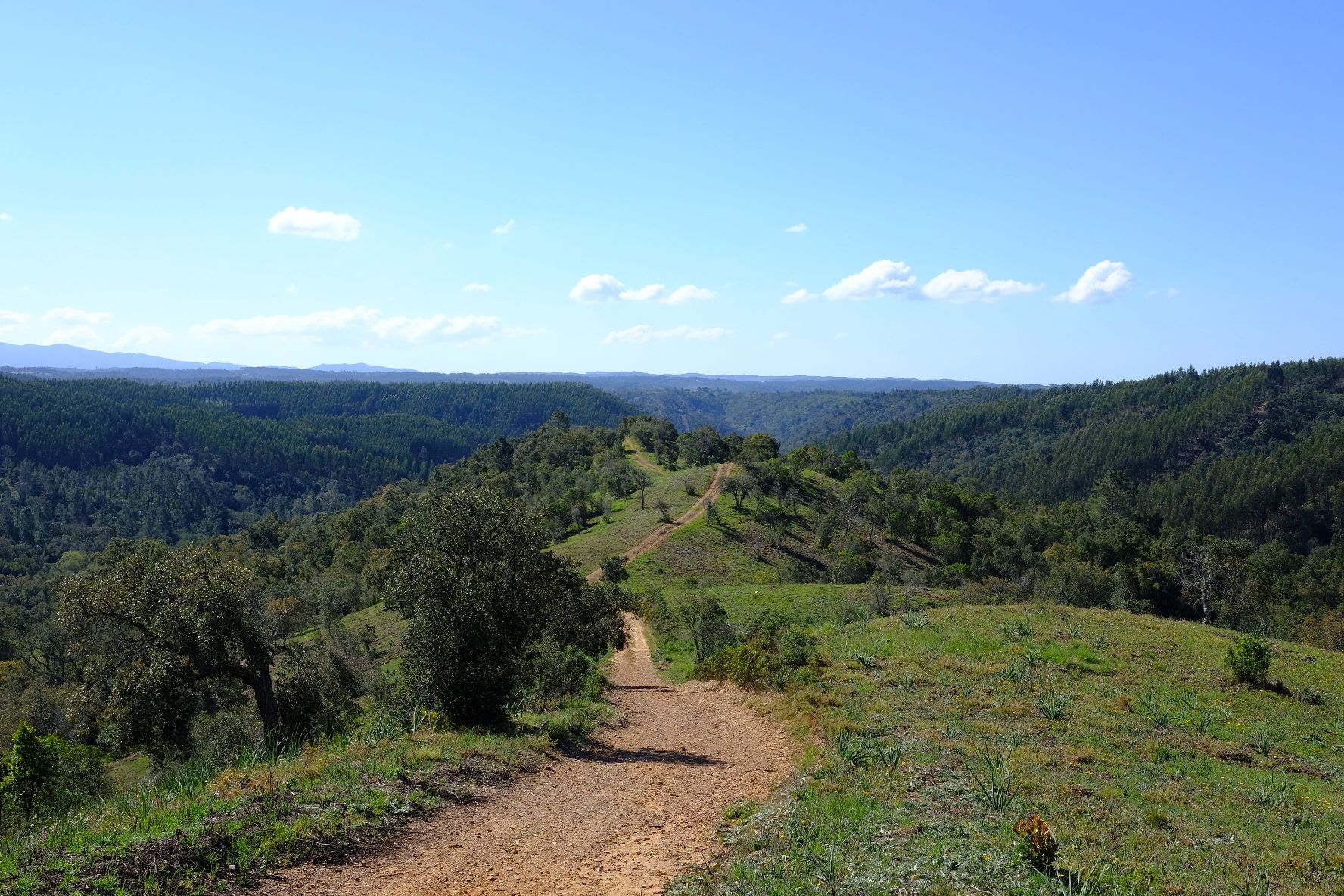
Caminho Histórico – Discover Portugal's beauty and history
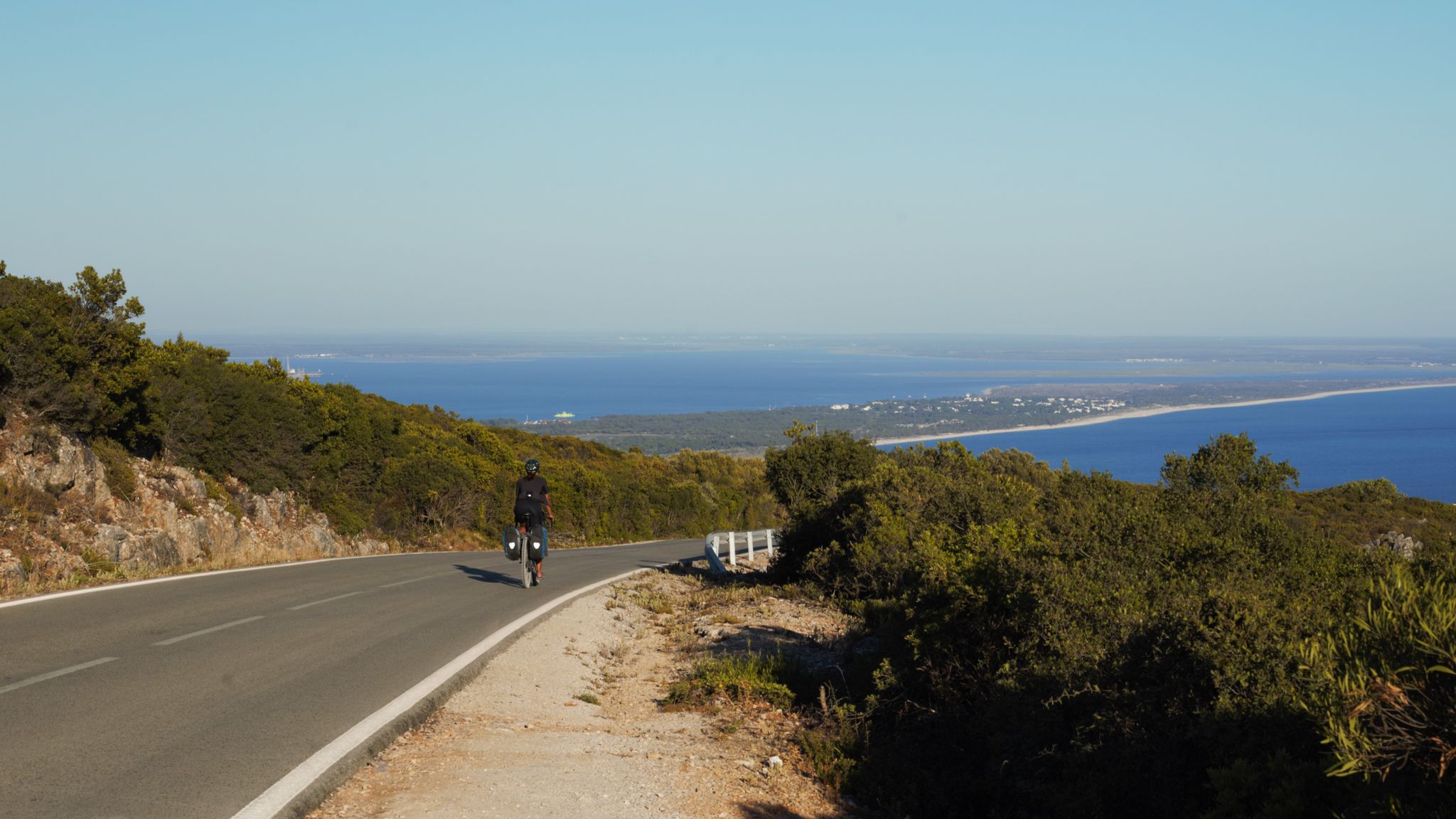
The breaking waves – cycle along the Atlantic coast of Portugal
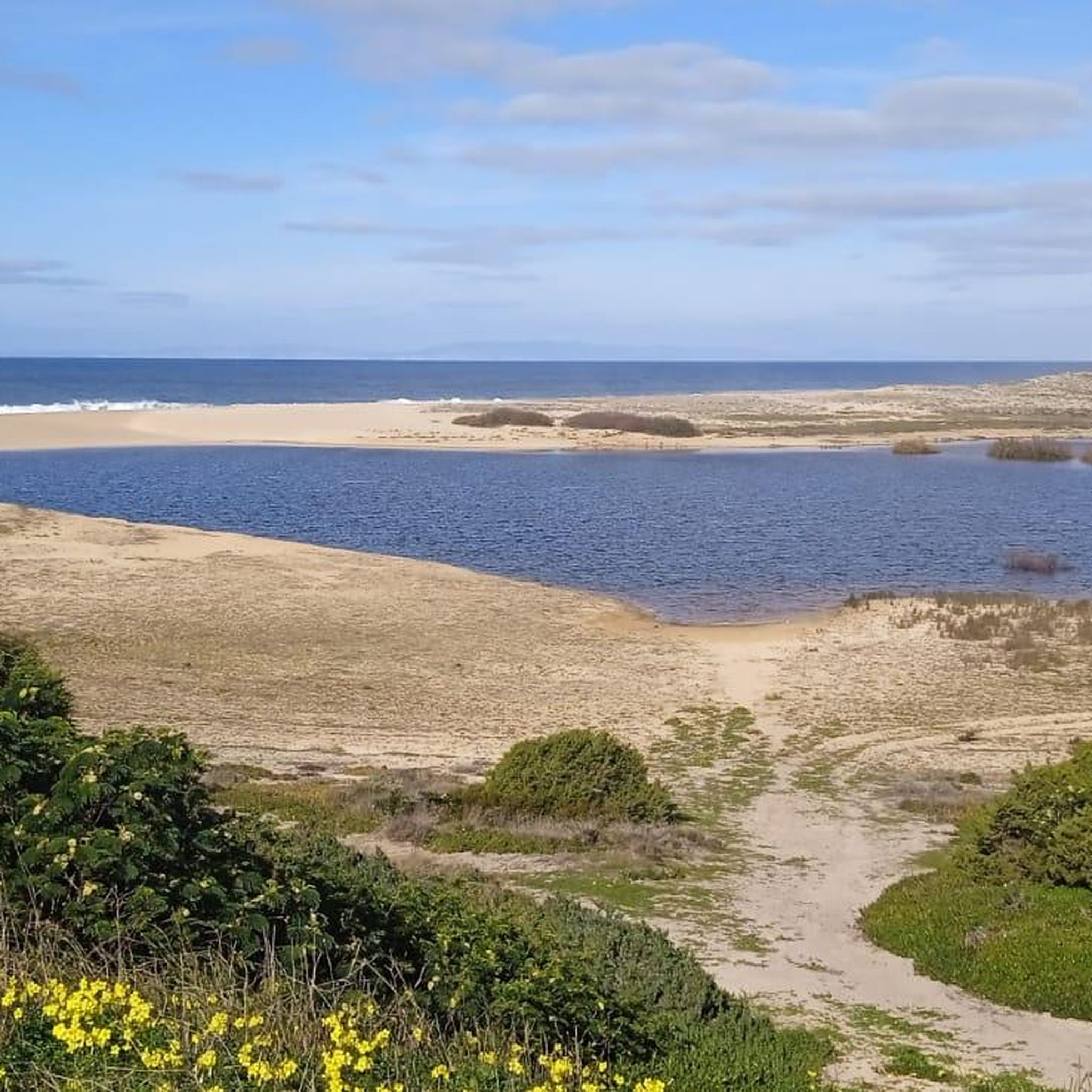
Hiking around Santiago Do Cacém
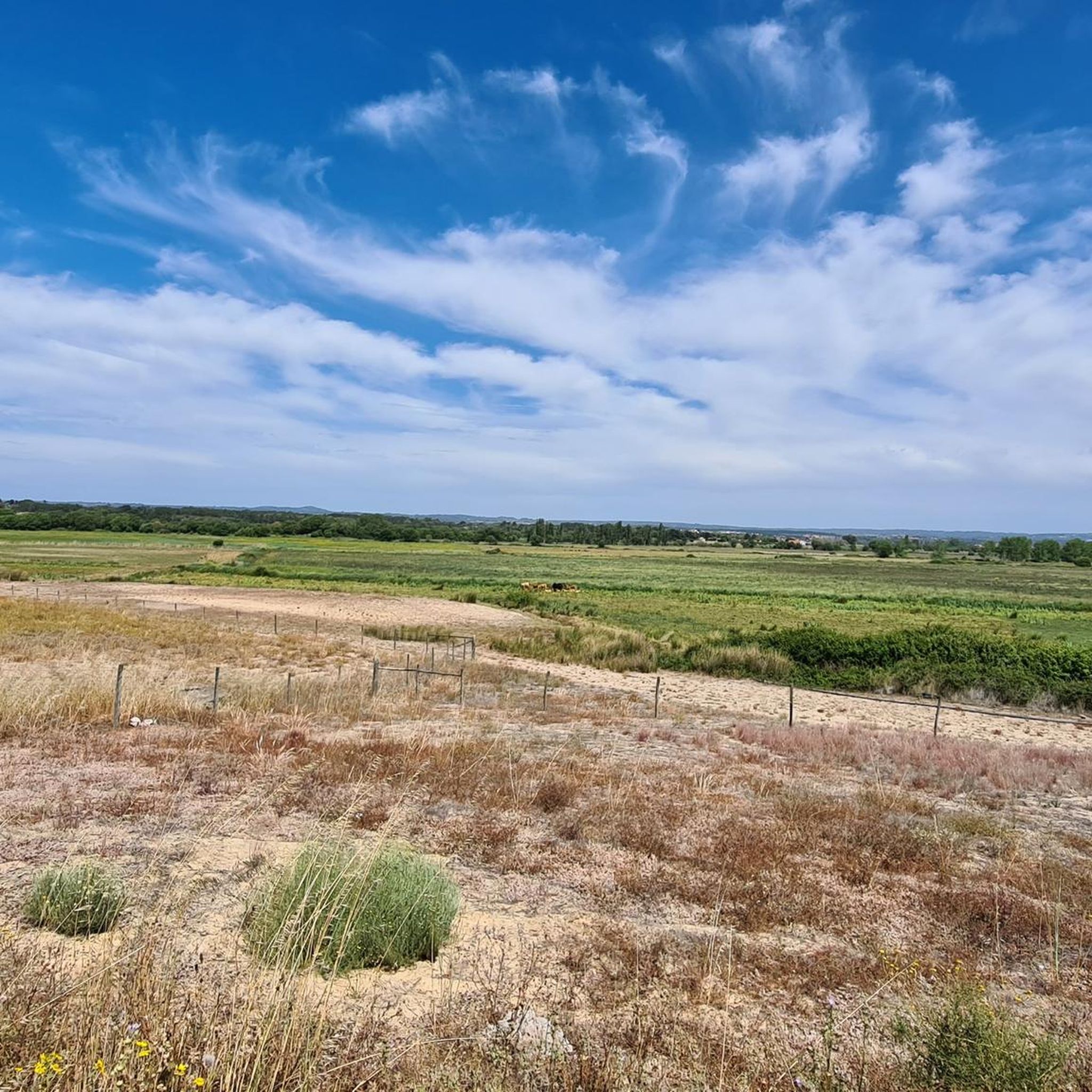
Road Cycling Routes around Santiago Do Cacém
Cycling around Santiago Do Cacém
Running Trails around Santiago Do Cacém

Gravel biking around Santiago Do Cacém
MTB Trails around Santiago Do Cacém
Other adventures around Santiago Do Cacém


Tips from the Community

During the summer months, it's possible to visit the island. Unfortunately, access to the Fort of Nossa Senhora da Queimada is not possible. There's a sign in front of the fortress stating its opening hours.
2
0

The Fort of Santo Alberto do Pessegueiro, also known as the Fort of Pessegueiro Island or the Fort of Ilha de Fora, is located on the Alentejo coast, on the island of Pessegueiro, in the parish of Porto Covo, municipality of Sines, district of Setúbal, in Portugal. It crossed fires, on the mainland, with another maritime fort: the Fort of Nossa Senhora da Queimada do Pessegueiro, also known as the Fort of Praia do Pessegueiro or the Fort of Ilha de Dentro, in a dominant position over Pessegueiro beach. Both were part of a larger project to defend the Costa Vicentina, which included an artificial port sheltered by a stone breakwater that would connect the island of Pessegueiro to the bordering islet of Penedo do Cavalo and this islet to the mainland. They are currently located in the area of the Southwest Alentejo and Costa Vicentina Natural Park.
4
0

You have a beautiful view of the beach from above
7
1
As one of Portugal’s busiest fishing harbors during the middle ages, the inhabitants of Sines decided to build a castle to defend their ships and the town against enemy navies and pirates. The castle dates back to the 15th century and still stands in its entirety. Although it was built smaller than average to adapt to the landscape it was built on, the castle boasts a large history, including being home to Estêvão da Gama, father of Vasco da Gama.
6
0
Sines Castle is a medieval fortress built on a cliff that has been occupied since the Paleolithic period. It was very useful for defense and is now one of the best viewpoints over the bay. In the 14th century, the small bourgeois village of Sines demanded administrative autonomy from King Dom Pedro I in relation to Santiago do Cacém. The monarch, interested in the strategic importance of the land in protecting this coastal area from pirates, granted Sines a charter. But on one condition: the construction of a defensive fence. The castle was built during the first half of the 15th century. Its area is relatively small, half a hectare, which may be explained by the fact that at the time the castle was built, the village already occupied an area too large to be completely surrounded. The most famous mayor of Sines was Estêvão da Gama, father of Vasco da Gama, who carried out works on the fortress. Assuming that Estêvão already occupied this position in 1469, the probable year of the navigator's birth, this must be the birthplace of Vasco da Gama. The castle underwent restoration work, completed in November 2008, at the same time as the inauguration of the Sines Museum and Vasco da Gama's House. It has been a Monument of Public Interest since 1933 (decree no. 22737 of 24 June)
6
0
With good access, Sines is an excellent place to live and visit... Vasco da Gama beach is a cove protected from winds and sea currents, excellent for families with children...
11
0
Castle with spectacular views over Vasco da Gama Beach...
6
0

Beautiful castle complex above the city with a great view of the area.
5
1
Frequently Asked Questions
What is the historical significance of the castles around Santiago do Cacém?
The castles in the Santiago do Cacém area, particularly the Castle and Main Church of Santiago do Cacém, are deeply rooted in the region's history. The main castle stands on a site first occupied by the Alans, Visigoths, and Moors, playing a pivotal role during the Reconquista. It changed hands multiple times before becoming Portuguese possession in 1217 and was rebuilt by the Order of Santiago. Other structures like the Fort of Pessegueiro were built to defend the coast from piracy, highlighting the area's strategic importance over centuries.
Are there good viewpoints near the castles in Santiago do Cacém?
Yes, many castles in the region offer excellent panoramic views. The Castle and Main Church of Santiago do Cacém, perched atop a hill, provides superb wide views over the Alentejo plain, the town, and even the Sines Cape and the ocean. Similarly, the Castle of Sines, though only walls remain, offers great views over Vasco da Gama Beach. The View of Capela da Nossa Senhora das Salvas also provides a viewing platform for the beach, harbor, and castle.
What outdoor activities can I do near the castles?
The region around Santiago do Cacém offers various outdoor activities. You can find numerous hiking trails, including routes like the 'Rio da Figueira Urban Park – Municipal Garden loop' or the 'View of Santiago do Cacém loop'. For cyclists, there are cycling routes such as the 'Costa de Santo André Beach – View of the Sines Coastline loop'. Mountain biking enthusiasts can explore MTB trails like the 'Senhora do Livramento loop'.
Are there family-friendly castles to visit in the area?
Yes, several castles and historical sites are suitable for families. The Castle of Sines is considered family-friendly, offering views over Vasco da Gama Beach, which is protected from winds and currents. The Forte de São Clemente (Vila Nova de Milfontes) is also listed as family-friendly, located directly on the Rio Mira with a path to the beach.
What is the best time of year to visit the castles around Santiago do Cacém?
Visiting the castles is generally pleasant during spring (April-May) and autumn (September-October) when the weather is mild and comfortable for exploring. Summer can be quite hot, especially for outdoor activities, while winter offers a quieter experience but with cooler temperatures and a higher chance of rain. The panoramic views from the castles are enjoyable year-round, weather permitting.
Can I find cafes or amenities near the castles?
Yes, particularly near the more central castles. The Castle and Main Church of Santiago do Cacém is located in Santiago do Cacém town, where you can find cafes and restaurants. For coastal forts like the Fort of Pessegueiro, amenities might be found in nearby villages or towns, often with options for a stop with a great view.
Is parking available near the castles?
Parking is generally available near the castles. For the Castle and Main Church of Santiago do Cacém, you can typically find parking within the town. For other sites like the Castle of Sines, there is good access and parking options in Sines. It's advisable to check local signage for specific parking regulations.
Are there any dog-friendly options for visiting castles or nearby trails?
While specific castle interiors might have restrictions, the outdoor areas and surrounding trails are often dog-friendly. Many hiking and walking trails around Santiago do Cacém, such as those listed in the hiking guide, are suitable for walks with dogs. Always ensure your dog is on a leash and follow local regulations regarding pets in historical sites.
What natural features can I expect to see when visiting the castles?
The castles in this region are often situated to take advantage of natural landscapes. From the Castle and Main Church of Santiago do Cacém, you can see the vast Alentejo plain and the distant ocean. Coastal forts like the Fort of Pessegueiro offer views of the Atlantic coast and nearby islands. The Forte de São Clemente is located directly on the Rio Mira, providing river and beach views.
Can I access the castles by public transport?
Santiago do Cacém itself is accessible by public transport, including buses, which can take you to the town where the main castle is located. For other castles or forts further afield, public transport options might be more limited, and a combination of bus and a short walk or taxi might be necessary. It's recommended to check local bus schedules for specific routes to smaller towns or coastal areas.
What makes the <a href="https://www.castles.nl/santiago-cacem-castle" target="_blank" rel="noopener">Santiago do Cacém Castle</a> unique?
The Castle and Main Church of Santiago do Cacém is unique for its ancient origins, built over earlier Moorish fortifications, and its strategic hilltop location offering extensive panoramic views. Its architectural design features ten square towers and cubic turrets, and it has a rich history of changing hands during the Reconquista. The fact that its interior was repurposed as a town cemetery in the 19th century also adds to its distinct character.
Most popular routes around Santiago Do Cacém
Most popular attractions around Santiago Do Cacém

Get inspired with the komoot mobile app


Explore more
Looking for the best castles somewhere else? Discover other guides around Santiago Do Cacém:
