The best walks and hikes around Azambuja
4.5
(84)
336
hikers
29
hikes
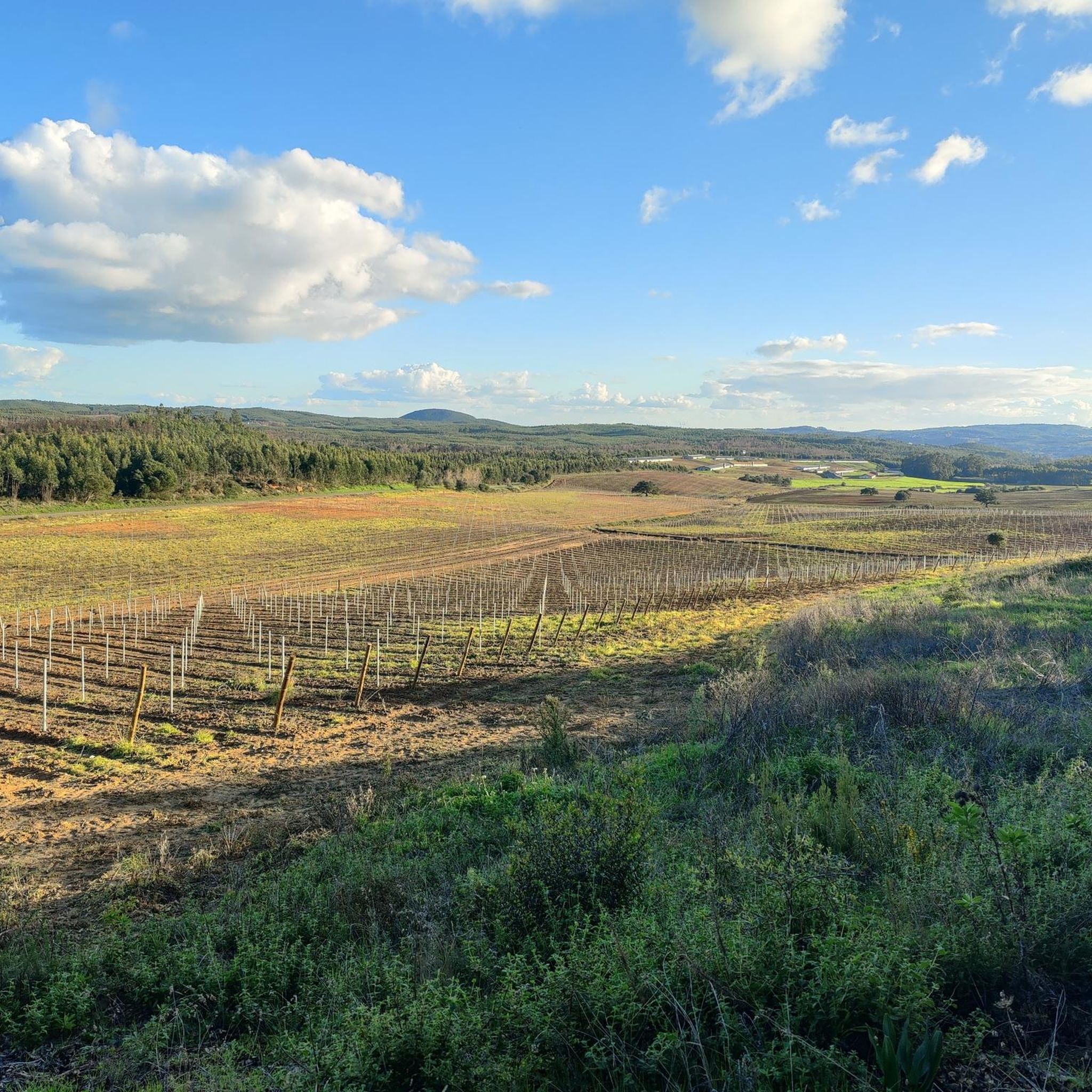
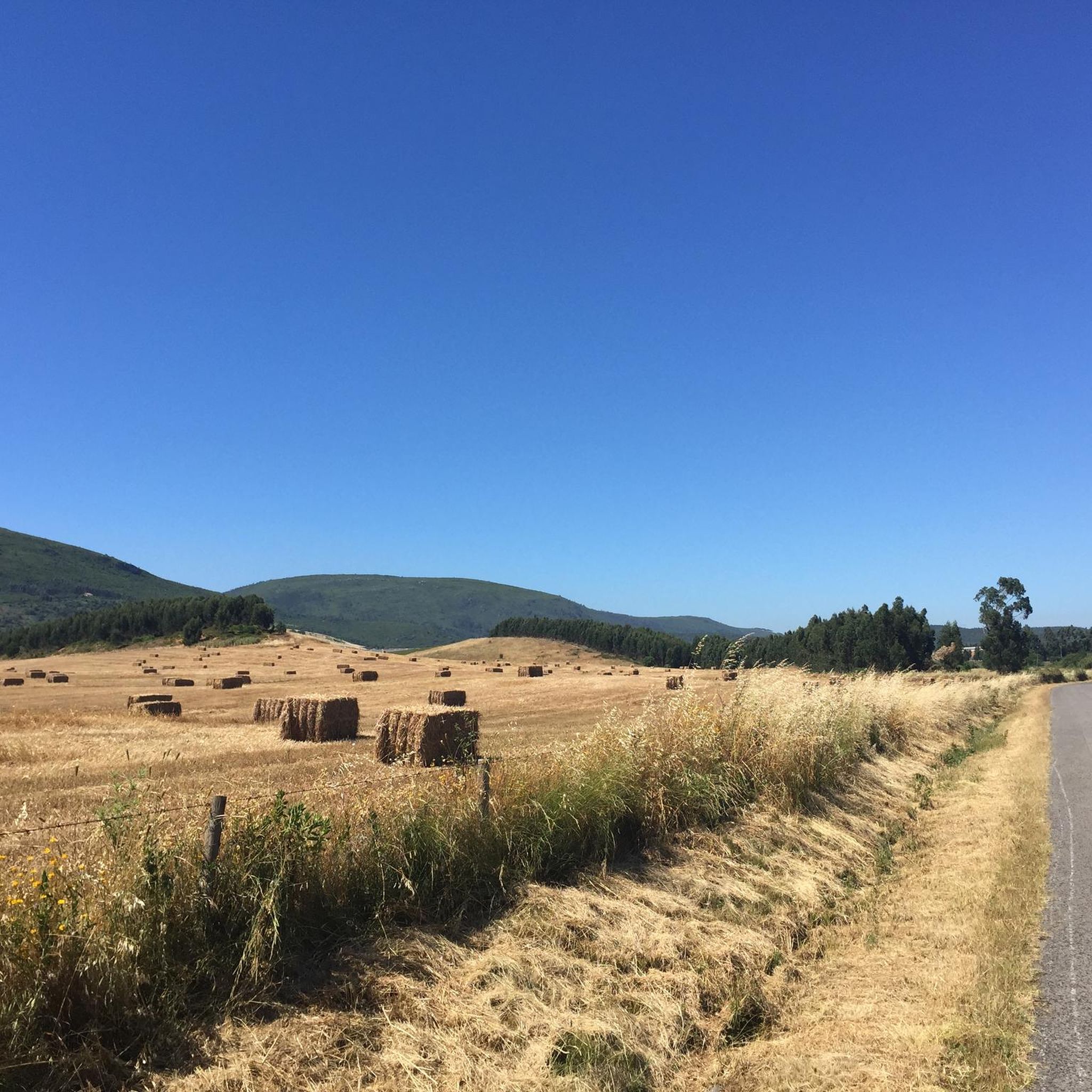
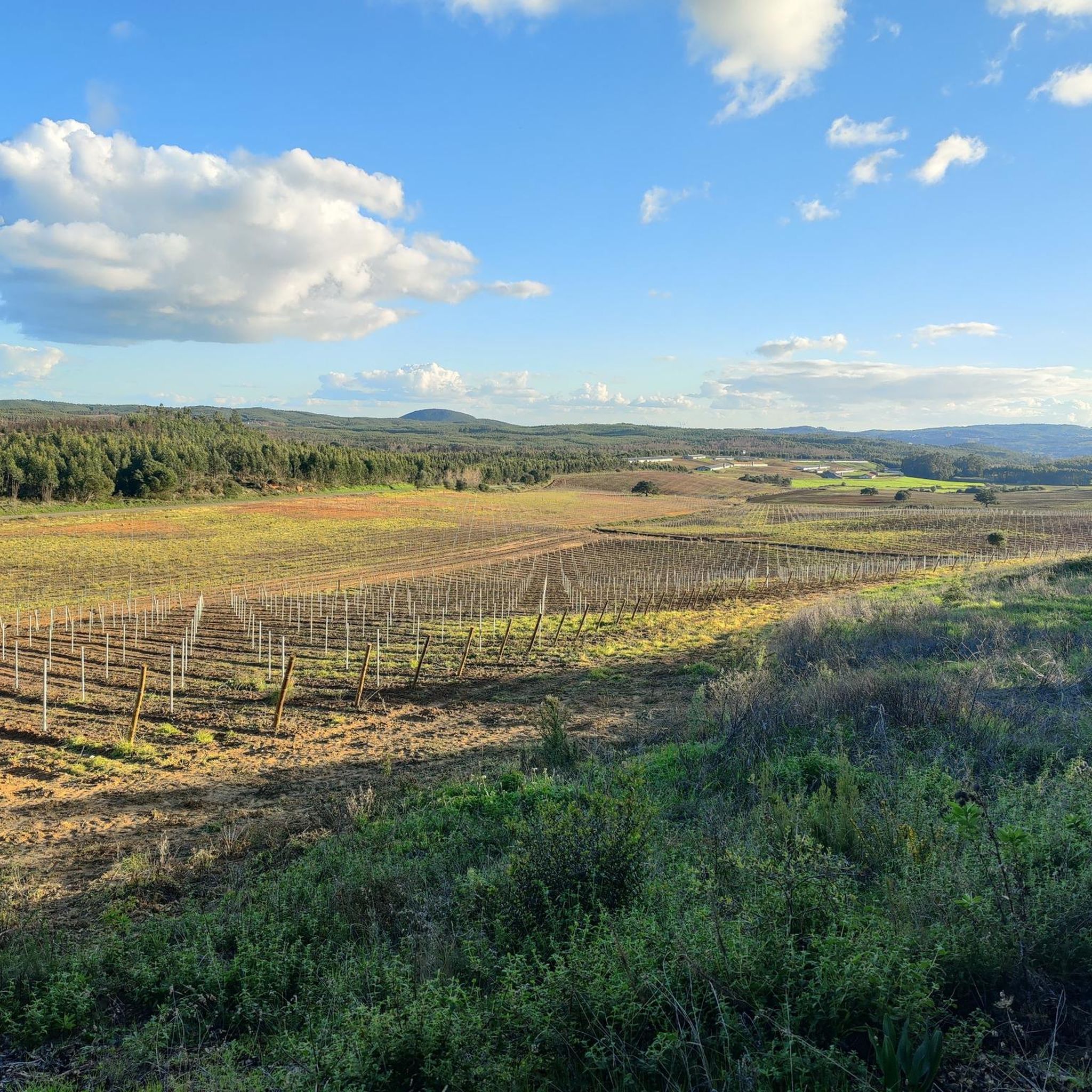
Hiking around Azambuja offers a diverse landscape for outdoor exploration. The region features a mix of river valleys, rolling hills, and agricultural plains, providing varied terrain for hikers. Notable areas include the Serra de Montejunto, which presents more elevated routes, and the flatter areas along the Tagus River. These physical features contribute to a range of hiking experiences, from gentle riverside paths to more challenging ascents.
Best hiking trails around Azambuja
- The most popular hiking route is Route of the…
Last updated: June 24, 2026
4.5
(14)
69
hikers
10.2km
03:20
450m
450m
Hike the moderate 6.4-mile Rota dos Moinhos in Serra de Montejunto, featuring windmills and expansive views.
4.8
(11)
67
hikers
4.88km
01:21
80m
80m
Moderate hike. Great for any fitness level. Mostly accessible paths. Sure-footedness required.

Sign up for free
4.6
(5)
23
hikers
8.54km
02:45
350m
350m
Moderate hike. Good fitness required. Easily-accessible paths. Suitable for all skill levels.
4.0
(4)
9
hikers
6.71km
01:56
150m
150m
Hike the easy Ota Karstic Canyon Trail, a 4.2-mile route with 505 feet of elevation gain, offering views from Cabeço Pardal.
4.5
(6)
12
hikers
Easy hike. Great for any fitness level. Easily-accessible paths. Suitable for all skill levels.
Get access to more routes and recommendations from other explorers.
Sign up for free
Already have an account?
Our route recommendations are based on thousands of hikes, rides, and runs completed by other people on komoot.
Start today with a free account
Your next adventure awaits.
Login or Signup
Tips from the Community

The area of the springs, on the Ota River, was once a leisure area for the local population, including the local bathing area in the summer. This site remained natural for a long time after the EPAL was installed, but at a certain point, the intensification of agriculture with the use of chemical fertilizers and pesticides, intensive livestock farming, and urban sewage made the flow from upstream a polluting threat to EPAL's water intakes, and EPAL paved several dozen meters of the river course near the site where it is installed with reinforced concrete.
1
0
At this location at the top of the Serra de Montejunto, also known as "Torre" due to the various antennas that were installed there, is the Chapel of Our Lady of the Snows, which may have been built in the 13th century and remodelled and expanded during the 16th century and later. Inside, the altars covered with 17th century tiles and the altarpiece of the main altar, from the 18th century, stand out. Next to the Chapel of Our Lady of the Snows, are the ruins of what is considered to be the first Dominican Convent in Portugal, built in the 12th century and abandoned after the extinction of the religious orders, and is currently in ruins. Also nearby are the ruins of the Royal Ice Factory, classified as a National Monument. Here, in the 18th century, the Dominican monks took advantage of the climatic and geological conditions and opened large tanks connected by narrow passages, one part for the production of ice and the other for its preparation, storage and conservation. The ice was later transported to Lisbon, to supply the court and the café at Terreiro do Paço, later known as Martinho da Arcada (Fernando Pessoa's Café)
2
0

The Nossa Senhora das Neves Chapel, located at the top of the Serra de Montejunto, has been a place of pilgrimage since the medieval period, prior to the construction of the first Dominican monastery in the 13th century.
1
0
The Ota River has its source in the Montejunto mountain range. It flows through the Ota area and empties into the Alenquer River, which in turn meets the Tagus River near Vila Nova da Rainha. At this point the river is close to the village of the same name, Ota.
1
0
Point where you can observe the region in Serra de Ota. The route is also frequented by mountain bikers, and can be covered without any major difficulties on foot.
0
0
The karst landscape of Montejunto, in the extreme southwest of the Estremenho Limestone Massif, displays deep valleys, lages, gravel pits and lapiás, formed by aquatic erosion over geological eras. Freezing of water in rock fissures results in gravel deposits.
2
0
The Serra de Montejunto Forest Watch Station can be accessed via a pastoral trail from the picnic park. It offers a beautiful panorama of the region north of the Serra.
3
0
The Serra de Montejunto picnic area is next to the Interpretation center and a little further from the campsite. Nearby there is a small bar and toilets.
3
0
Frequently Asked Questions
How many hiking trails are available around Azambuja?
There are over 25 hiking routes in the Azambuja region, offering a diverse range of experiences. These include 7 easy trails, 17 moderate options, and 4 more challenging routes, ensuring there's something for every hiker.
Are there any easy hiking trails suitable for beginners or families in Azambuja?
Yes, Azambuja offers several easy trails perfect for beginners or family outings. An example is the Ota Karstic Canyon Trail, an easy 6.7 km route. Another gentle option is the Vala River – Horses on Private Property loop from Salvaterra de Magos, which is 7.7 km and also rated easy.
What kind of terrain can I expect on hikes in Azambuja?
The terrain around Azambuja is quite varied. You'll find a mix of river valleys, agricultural plains, and rolling hills. The Serra de Montejunto area offers more elevated routes, while paths along the Tagus River tend to be flatter. This diversity provides options from gentle riverside walks to more challenging ascents.
Are there any circular hiking routes in Azambuja?
Yes, many routes in Azambuja are circular, allowing you to start and end at the same point. For instance, the Trilho da Quinta da Serra — circular route in Serra de Montejunto is a moderate 4.9 km loop. Another circular option in the same area is the Trail of the Carreiro dos SS — circular route in the Serra de Montejunto, which is 8.5 km.
What are some interesting natural landmarks or points of interest to see while hiking in Azambuja?
The region boasts several natural attractions. You can explore various lakes such as Paúl de Manique do Intendente or Lagoa de Alcoentre. For panoramic views, consider visiting viewpoints like the Serra de Montejunto Watchtower or reaching summits like the Top of the eastern side of Montejunto mountain.
What do other hikers enjoy most about hiking in Azambuja?
The hiking routes in Azambuja are highly rated by the komoot community, with an average score of 4.5 stars from over 70 reviews. Hikers often praise the varied terrain, from river plains to the hills of Serra de Montejunto, and the well-maintained paths that offer diverse experiences for all ability levels.
Is Azambuja a good destination for winter hiking?
Azambuja generally experiences mild winters, making it suitable for hiking year-round. While some higher elevation trails in Serra de Montejunto might be cooler, the lower-lying river paths and agricultural routes remain accessible and enjoyable. Always check local weather forecasts before heading out.
Are there any specific trails that offer historical or cultural sights?
The Route of the Windmills is a notable trail that combines natural beauty with historical elements. This 10.2 km route offers views of the surrounding countryside and features historic windmills, providing a glimpse into the region's past.
What is the best time of year to hike in Azambuja?
Spring (March to May) and Autumn (September to November) are generally considered the best times for hiking in Azambuja. During these seasons, the weather is typically mild and pleasant, with comfortable temperatures and less rainfall, making for ideal conditions to explore the diverse landscapes.
What should I wear for hiking in Azambuja?
Given the varied terrain and potential for both sun exposure and cooler conditions, especially in elevated areas like Serra de Montejunto, it's advisable to wear layers. Comfortable hiking shoes with good grip are essential. Don't forget sun protection, a hat, and sufficient water, particularly during warmer months.
Are there any trails that pass by water features like rivers or lakes?
Yes, the region's landscape includes river valleys and lakes. Many trails run alongside the Tagus River, offering pleasant riverside walks. Additionally, you can find routes that pass by natural lakes such as Lagoa de Alcoentre or the Cabeço de Meca Quarry Lake, providing scenic water views.
Most popular attractions around Azambuja

Get inspired with the komoot mobile app


Explore more
Browse the best Hikes in other regions.
