The best walks and hikes around Batalha
4.5
(395)
1,569
hikers
15
hikes
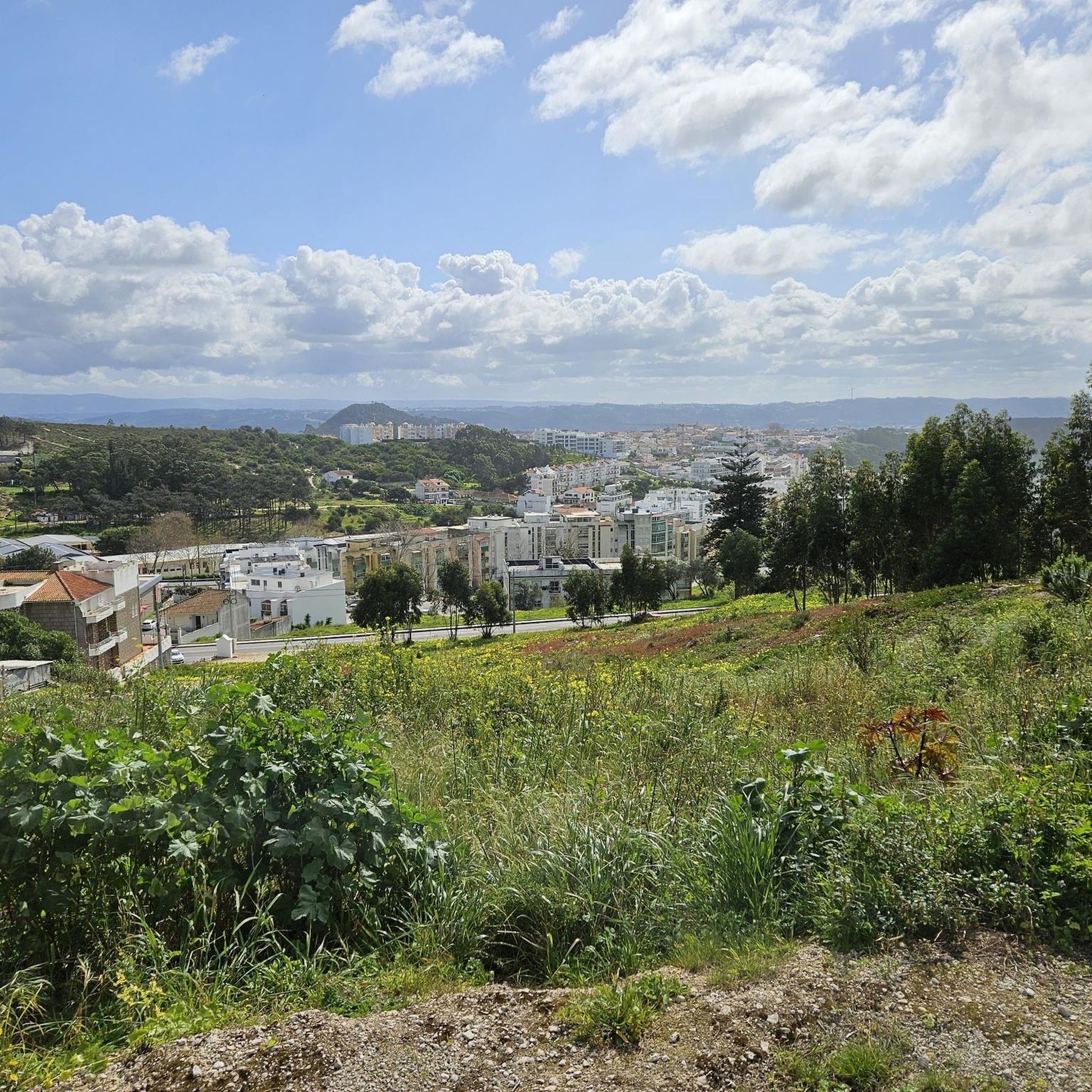
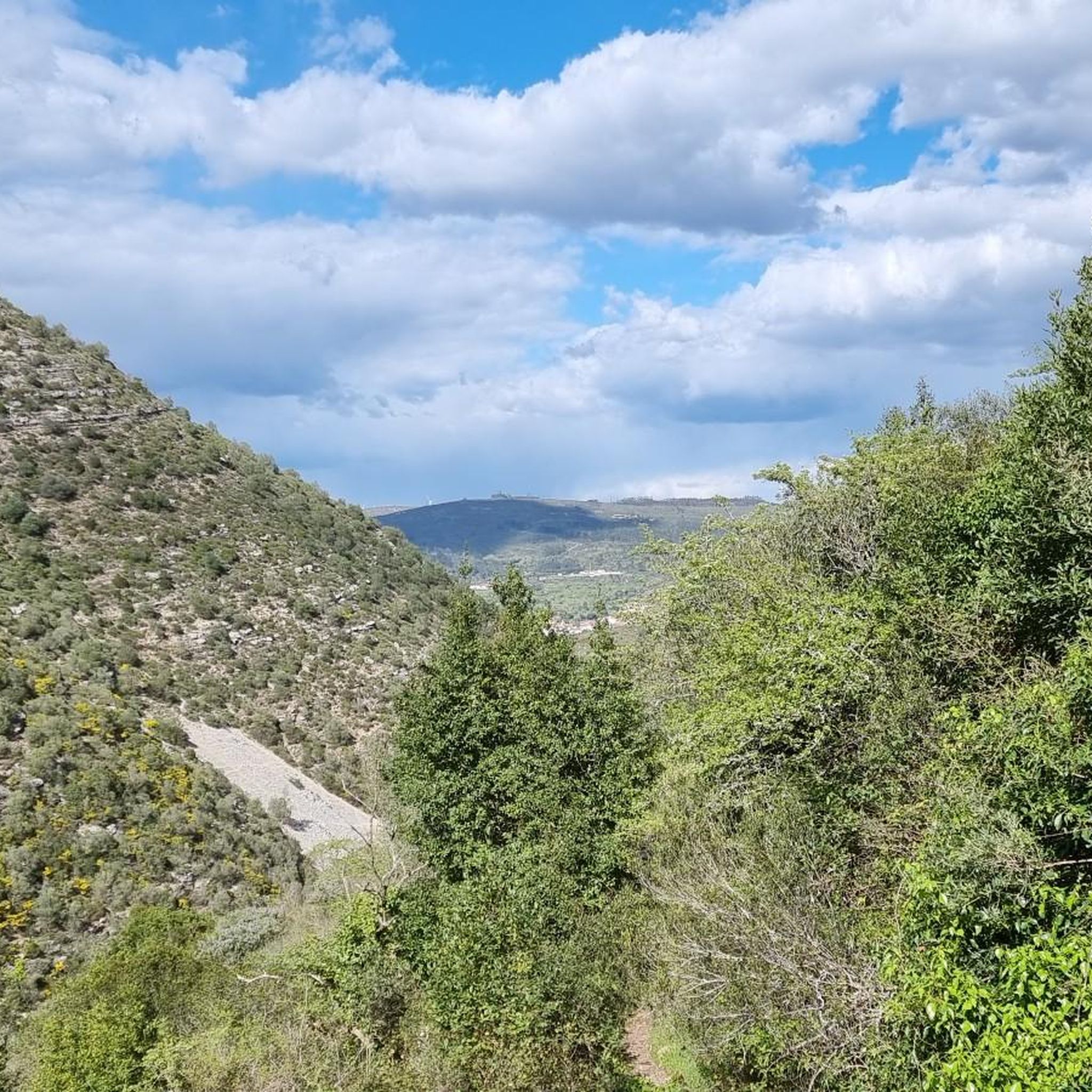
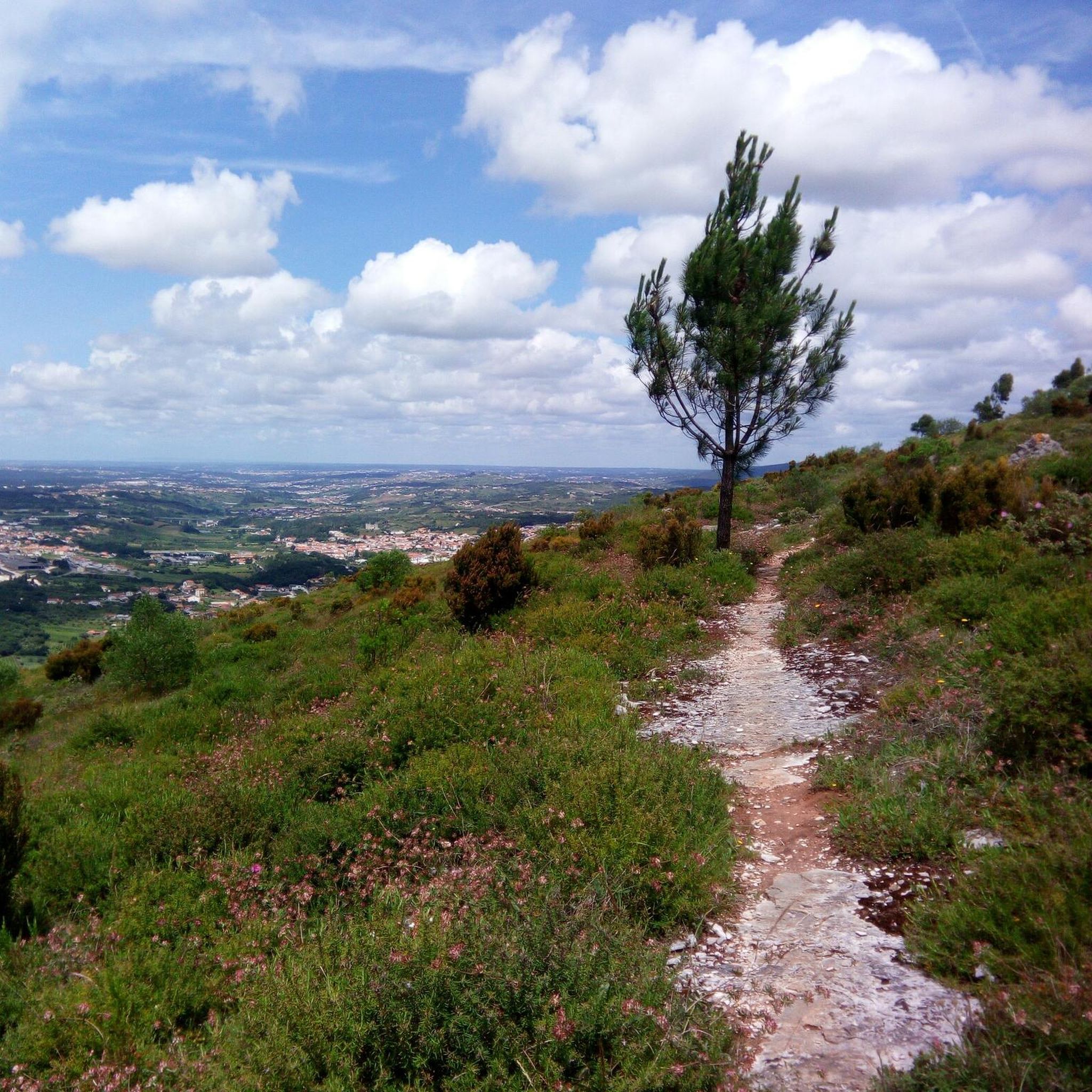
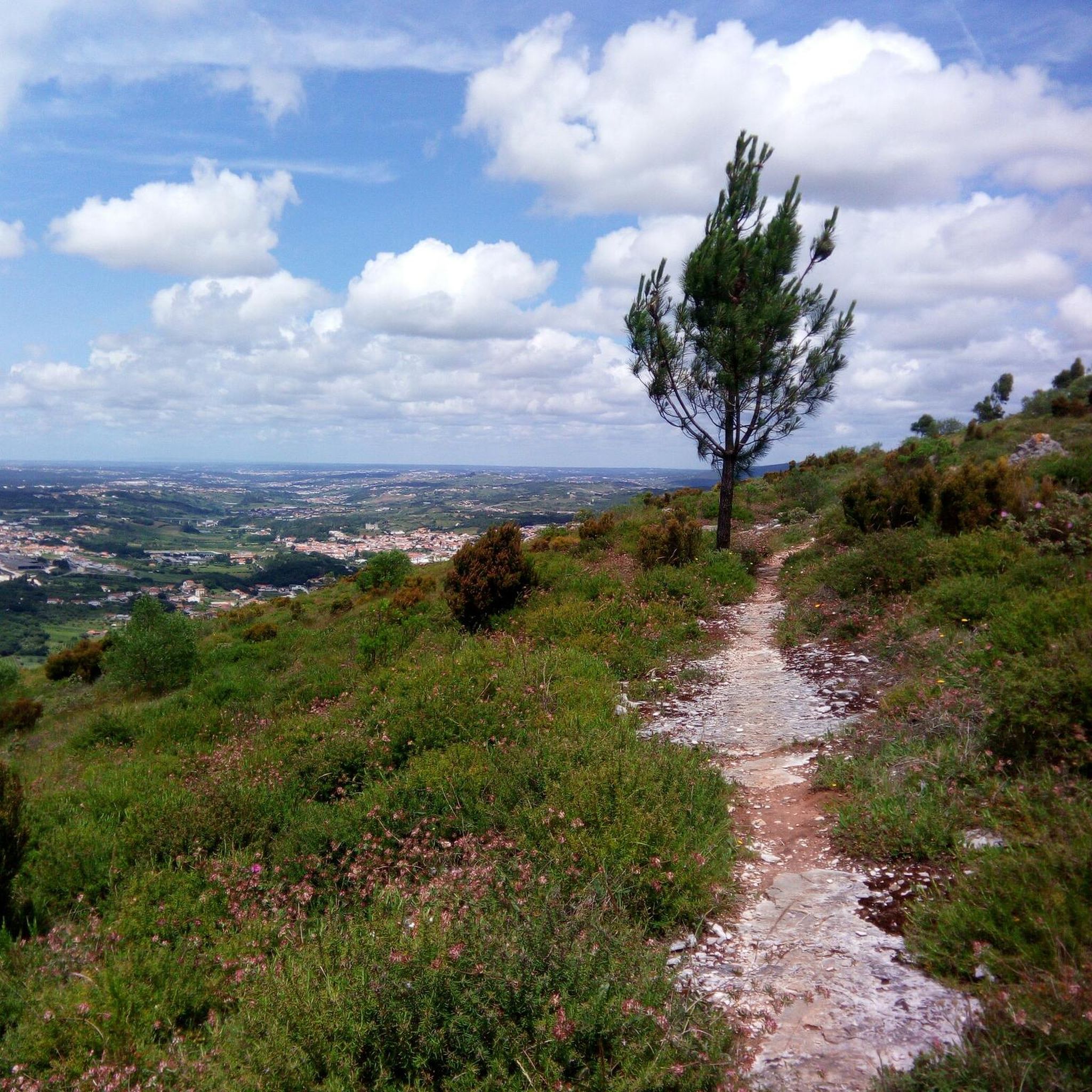
Hiking trails around Batalha traverse a diverse landscape characterized by the karstic features of the Serras de Aire e Candeeiros Natural Park. The region features dramatic limestone formations, ancient woodlands, and river valleys. Hikers can explore areas with unique geological elements, including natural caves and impressive rock pavements, alongside open meadows and dense forests.
Best hiking trails around Batalha
- The most popular hiking route is Vale dos Ventos – Pia da Ovelha Cave loop from Reguengo do Fetal, a…
Last updated: August 18, 2026
4.7
(13)
46
hikers
5.70km
01:58
260m
260m
Hard hike. Great for any fitness level. Sure-footedness, sturdy shoes and alpine experience required.
3.5
(4)
21
hikers
6.62km
01:53
150m
150m
Easy hike. Great for any fitness level. Easily-accessible paths. Suitable for all skill levels.

Sign up for free
5.0
(3)
6
hikers
Hard hike. Great for any fitness level. Sure-footedness, sturdy shoes and alpine experience required.
5.0
(1)
2
hikers
4.61km
01:23
140m
140m
Easy hike. Great for any fitness level. Easily-accessible paths. Suitable for all skill levels.
8
hikers
Easy hike. Great for any fitness level. Easily-accessible paths. Suitable for all skill levels.
Get access to more routes and recommendations from other explorers.
Sign up for free
Already have an account?
Our route recommendations are based on thousands of hikes, rides, and runs completed by other people on komoot.
Start today with a free account
Your next adventure awaits.
Login or Signup

Tips from the Community

Although the tour is quite short, it thrilled us. On warm days (it was 32 degrees for us) the tour was sweaty. Currently, the authorities have closed the path, a short section of 15 meters has slipped. However, the spot can be easily and safely bypassed.
1
0

The magnificent entrance portico of the Igreja de Santa Maria da Vitória is unique in the history of Portuguese art, a work by the Master Huguet (1402–1438). It features an elaborate iconographic ensemble comparable only to the great porticoes of European cathedrals: six apostles on each side, virgins, martyrs, popes, monks, angel figures, God, and the four evangelists...
1
0
The church is a three-aisled basilica in the shape of a Latin cross with eight bays and a single-nave transept. Upon entering the Church of Santa Maria da Vitória through the main portal, it is hard to miss the strong impression of majesty and grandeur conveyed by its interior. This grandeur (over 80 meters long, 22 meters wide, and 32.5 meters high) is understandably due to the ambitious project of King John I: a monumental building project that expressed the assertion of his power and the meaning of the monastery as a royal pantheon rather than a monastic vocation, especially since the Dominican community was never large enough to justify such a grandeur. The two-story choir with its stained-glass windows, the oldest of which date from the early 16th century, represents an innovation in Portuguese Gothic architecture. http://www.mosteirobatalha.gov.pt/pt/index.php?s=white&pid=227&identificador=bt1313_pt
1
0
The Royal Cloister (Claustro Real), located on the north side of the church, measures 50 x 50 meters. The north and west wings were designed by Afonso Domingues, the south and east wings by Huguet; each has seven bays. These are separated by buttresses terminating in pointed pinnacles. Despite the different styles of the two architects, it forms a harmonious whole. At the beginning of the 16th century, the delicate tracery was added to the arcade arches. Resting on slender columns, it features branches and garlands and is one of the earliest examples of Manueline architecture, named after King Manuel I, a Portuguese special form of Late Gothic. In the center of the tracery-decorated arches is a small armillary sphere, the personal symbol of King Manuel I. https://de.wikipedia.org/wiki/Mosteiro_da_Batalha
1
0
Before exiting the monastery is another cloister ('Claustro de D. Afonso V.'), two-story and 43 meters long. Here, several rooms were used for everyday purposes: a kitchen, pantry, firewood and olive oil storage, a wine press, and simple bathrooms. The upper floor housed bedrooms, the library, and a writing room.
1
0
The Chapel of the Founders is located to the right of the main facade. It was not included in the original plan of the monastery and owes its existence to the decision of King John I to create a family pantheon. Construction was completed around 1433/34. It is a space of great historical and artistic significance. Originally quadrangular in plan, it transforms in the center into an octagon, covered by a complex star vault that becomes a true canopy glorifying King John I and Queen Philippa of Lancaster, who are buried in a large tomb. On the lid of this largest Gothic arch of the 15th century in Portugal, the two recumbent kings are depicted hand in hand, covered by canopies with their coats of arms. On the back wall, on the south side, are the tombs of the children of these kings from the second quarter of the 15th century, the "famous generation", as Camões called them. From right to left: tomb of Infante and Regent Dom Pedro and his wife Isabel de Urgel, Duchess of Coimbra; of Henry the Navigator and Master of the Order of Christ (with a recumbent statue); of Infante Dom João, Master of the Order of Santiago, and his wife Isabel; of King Ferdinand, Master of the Order of Aviz, who died a saint during the captivity of Fez. The three tomb chests commissioned by King Charles I date from the early 20th century and are located on the west side of the chapel. Here are buried, from left to right: King Afonso V, grandson of John I; King John II, son of Afonso V; and finally Crown Prince Afonso, son of John II, who died prematurely in 1491 in a riding accident in the Santarém region.
2
0
After the revolution of 1383, Portugal found itself in a difficult conflict with the neighboring Kingdom of Castile. The battle was decided in 1385 when the Castilian and Portuguese armies clashed at the Battle of Aljubarrota. The Castilians outnumbered and were better armed. As a military leader, Nuno Álvares Pereira loyally stood by his patron, John of Avis. The Portuguese achieved a resounding victory, which is attributed in particular to the strategic genius of Nuno Álvares Pereira. With this victory, the Castilian claims to Portugal were permanently repelled. John of Avis was proclaimed king by the Cortes, as John I of Portugal, thus establishing the second Portuguese dynasty, the House of Avis. Nuno Álvares Pereira became a national hero, and the grateful king showered him with honors and material possessions.
2
0

Here you can stroll around, admire everything and enjoy
1
0
Frequently Asked Questions
What kind of landscape can I expect when hiking around Batalha?
Hiking around Batalha primarily features the unique karstic landscape of the Serras de Aire e Candeeiros Natural Park. You'll encounter dramatic limestone formations, ancient woodlands, and river valleys. The terrain often includes impressive rock pavements, gorges, and natural caves, alongside open meadows and dense forests, offering a diverse natural experience.
Are there any trails with waterfalls or unique water features near Batalha?
Yes, the Pia do Urso Nature Park, located near Batalha, is known for its pristine waterways and cascading waterfalls. Trails within this park lead past these natural water features and tranquil ponds. Additionally, the Source of the Lis River is a notable natural monument in the region, recognized for its surprising volume of water emerging from the earth, especially during winter and early spring.
Are there easy hiking options suitable for beginners or families in Batalha?
Absolutely. Batalha offers several easy hiking routes perfect for beginners or families. For example, the São Mamede loop from Pia do Urso is an easy 3.9-mile (6.3 km) path that winds through the natural park, showcasing forests and geological formations. Another accessible option is the Jurassic Viewpoint loop from Murada, which is 4.6 miles (4.6 km) and also rated as easy.
Can I find trails that pass by historical or cultural landmarks?
Yes, Batalha's hiking trails often blend natural beauty with cultural insights. The Rota dos Moinhos trail, for instance, takes you through picturesque landscapes featuring historic windmills. The Caminho da Cruz leads to hilltop chapels and traditional wayside shrines. For a mix of history and nature, consider the Igreja Matriz da Batalha – Cloister of D. Afonso V loop from Batalha, which starts directly from the town and passes by significant religious buildings.
Are there any circular hiking routes in the Batalha area?
Many of the hiking routes around Batalha are designed as loops, allowing you to start and end at the same point. Examples include the São Mamede loop from Pia do Urso, the Jurassic Viewpoint loop from Murada, and the Vale dos Ventos – Pia da Ovelha Cave loop from Reguengo do Fetal, which offers views of the region's limestone landscape.
What is the best time of year to go hiking in Batalha?
Batalha offers hiking opportunities year-round. Spring and autumn generally provide the most pleasant weather with mild temperatures, ideal for exploring. Winter can be a unique time to visit, especially to see the Source of the Lis River at its fullest. Summers can be warm, so early morning or late afternoon hikes are recommended during this season.
What other attractions or points of interest can I visit near the hiking trails?
Beyond the trails, Batalha is rich in cultural and natural attractions. You can visit the impressive Main Portal of the Igreja de Santa Maria da Vitória in Batalha itself. The nearby town of Fátima is home to significant religious sites like the Sanctuary of Fátima and the Chapel of the Apparitions. The region's karstic landscape also features numerous caves and unique geological formations to explore.
Is Batalha a good destination for dog-friendly hikes?
Many natural areas and trails in Batalha, particularly within the Serras de Aire e Candeeiros Natural Park, are generally dog-friendly. It's always advisable to keep dogs on a leash, especially in protected areas, to respect wildlife and other hikers. Ensure you carry enough water for your pet, particularly on longer routes.
What makes the Serras de Aire e Candeeiros Natural Park special for hikers?
The Serras de Aire e Candeeiros Natural Park is a prime example of a karstic landscape, making it special for hikers. It's renowned for its dramatic limestone cliffs, numerous caves, gorges, and impressive limestone pavements. The park also offers sweeping panoramic views, ancient woodlands, and open meadows, supporting unique flora and fauna. Hikers can discover millions of years of geological activity and rich biodiversity.
What do other hikers enjoy the most about hiking in Batalha?
The hiking routes in Batalha are highly rated by the komoot community, with an average score of 4.5 stars from over 330 reviews. Reviewers often praise the region's unique karstic landscapes, the variety of trails catering to different skill levels, and the opportunity to explore both natural wonders like caves and historical sites. The well-maintained paths and stunning panoramic views are frequently highlighted.
Are there options for parking near the trailheads in Batalha?
Yes, for many popular trailheads and natural parks around Batalha, you will find designated parking areas. For instance, routes starting from Pia do Urso or Reguengo do Fetal typically have accessible parking. It's always a good idea to check specific route details on komoot for precise parking information before you head out.
How many hiking trails are there in Batalha?
There are over 15 hiking trails around Batalha, offering a variety of experiences from easy strolls to more challenging treks. These routes traverse diverse landscapes, including the karstic features of the Serras de Aire e Candeeiros Natural Park, ancient woodlands, and river valleys.
Most popular attractions around Batalha

Get inspired with the komoot mobile app


Explore more
Browse the best Hikes in other regions.
