The best road cycling routes around Castanheira De Pera
4.4
(45)
1,292
riders
62
rides
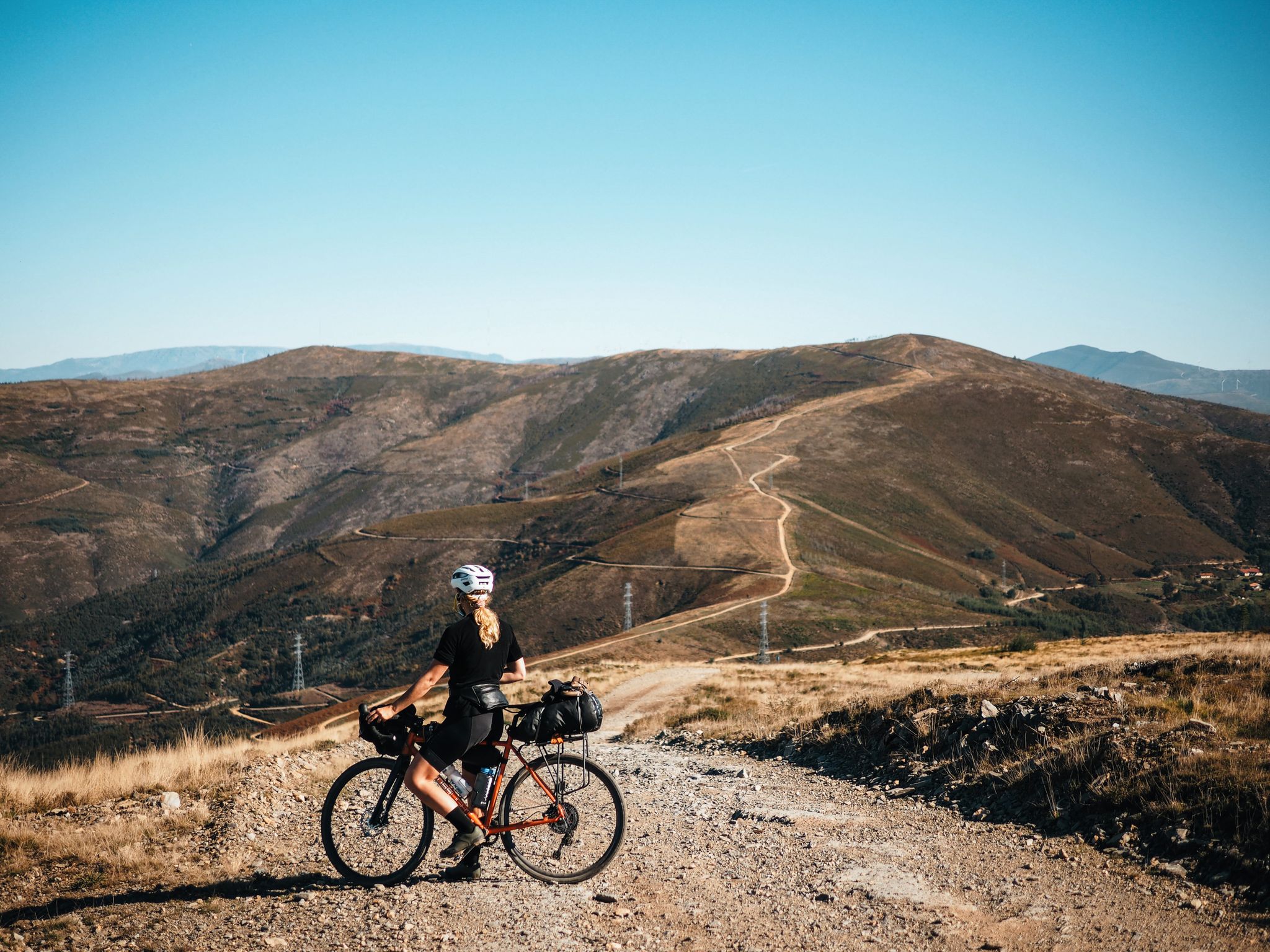
Road cycling routes around Castanheira De Pera are situated in central Portugal's Leiria District, offering diverse landscapes for cyclists. The region is defined by its mountainous terrain, particularly the Serra da Lousã, which provides challenging ascents and varied topography. Cyclists can navigate through dense greenery, historic Schist Villages, and past tranquil river beaches. This combination of natural features creates a dynamic environment for road cycling.
Best road cycling routes around Castanheira De Pera
- The most popular road cycling route is…
Last updated: August 31, 2026
5.0
(2)
113
riders
53.9km
03:19
1,400m
1,400m
This difficult 33.5-mile road cycling route to Alto do Trevim offers significant elevation gain and panoramic views in Serra da Lousã.
9
riders
43.0km
02:28
950m
960m
Hard road ride. Very good fitness required. Mostly well-paved surfaces and easy to ride.

Sign up for free
170
riders
99.4km
05:28
2,030m
2,030m
Hard road ride. Very good fitness required. Some segments of this route may be unpaved and difficult to ride.
3.9
(21)
125
riders
69.6km
03:17
780m
780m
Moderate road ride. Good fitness required. Mostly well-paved surfaces and easy to ride.
50
riders
59.3km
02:40
590m
590m
Moderate road ride. Good fitness required. Some segments of this route may be unpaved and difficult to ride.
Get access to more routes and recommendations from other explorers.
Sign up for free
Already have an account?
Our route recommendations are based on thousands of hikes, rides, and runs completed by other people on komoot.
Start today with a free account
Your next adventure awaits.
Login or Signup

Other adventures around Castanheira De Pera

Tips from the Community

The Ponte Real (or Ponte Velha) over the Ceira River is located in the village of Góis, being one of the historical ex-libris of the region. This medieval-style bridge, later reformed, is an important tourist attraction, crossing the Ceira River, a left-bank tributary of the Mondego River, which originates in the Serra do Açor. Location: Center of the village of Góis, facilitating pedestrian access. Characteristics: Imposing structure with stone arches, typical of crossing constructions from the monarchical period. Surroundings: The Ceira River, near this area, offers river beaches highly sought after during the summer, standing out for the quality of the water and tranquility. History: It is part of the built heritage from the Manueline/medieval period of the region.
1
0

"Terreiro das Bruxas" is a place in the middle of nature for resting after a hike and for picnics; it has restrooms and drinking water.
0
0

There are two beautiful avenues under different trees.
1
0

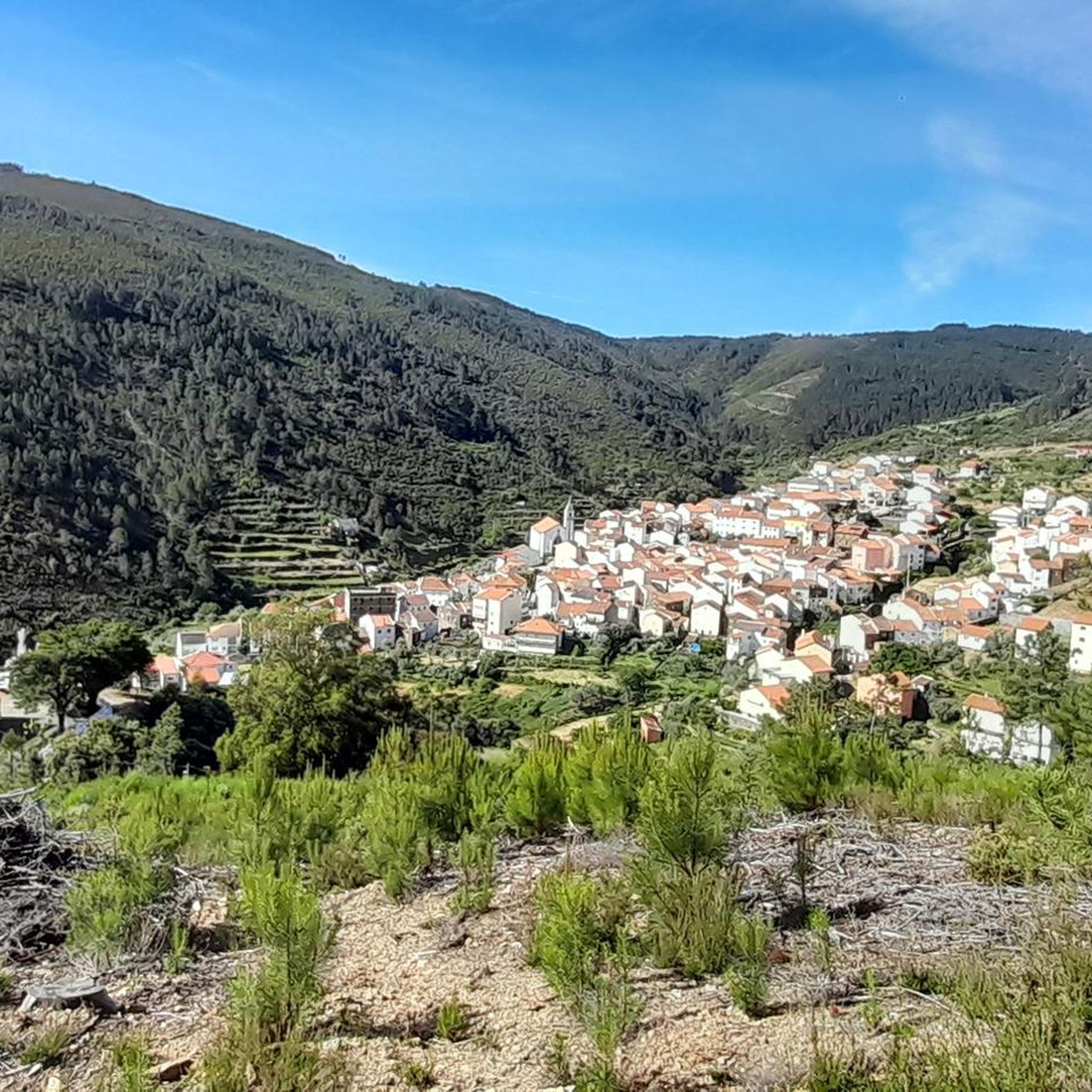
Candal is part of the so-called "Serra da Lousã", an area characterized by lush nature and breathtaking landscapes. This village is a typical example of the "aldeias de xisto" (schist villages), built entirely with local stone, which integrate harmoniously into the surrounding environment. Candal offers an atmosphere of peace and tranquility, with its traditional houses, waterways and paths surrounded by vegetation.
1
0
Castanheira de Pêra is nestled in a mountainous and wooded territory, dominated by pine and eucalyptus forests, known for its natural and landscape richness. The municipality is especially appreciated for its numerous river beaches and natural pools, fed by the watercourses that cross it.
0
0
Coentral is a small village nestled in a mountainous and wooded landscape, a typical example of inland villages, where nature reigns supreme and life flows at a more tranquil pace. This area is characterized by unspoiled natural beauty, with dense pine and eucalyptus forests, deep valleys and waterways. The village itself retains the charm of traditional architecture, with stone houses that blend harmoniously into the landscape.
0
0

Very good cafe, opens early, always fresh home-made pastries, delicious coffee. Prices are pleasing, staff is friendly.
0
0

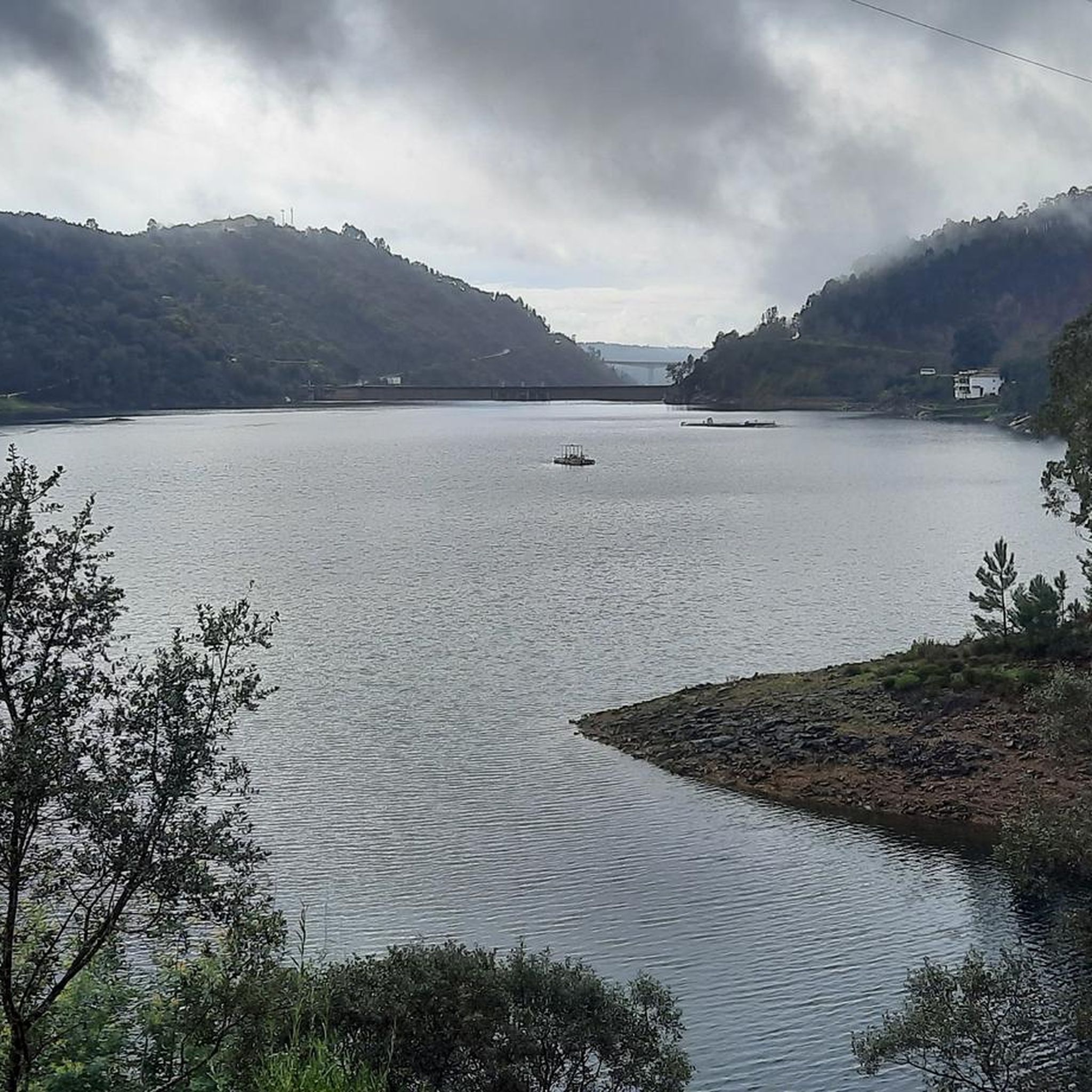
From the opposite bank you can see the river beach of Palheiros and its beautiful pedestrian/cycling bridge. Quiet and familiar place where you can enjoy the landscape.
1
0
Frequently Asked Questions
How many road cycling routes are available in Castanheira De Pera?
Castanheira De Pera offers a wide selection of road cycling routes, with over 60 options available. These routes cater to various skill levels, including 3 easy, 29 moderate, and 32 difficult trails, ensuring there's something for every road cyclist.
Are there routes suitable for beginners or less experienced road cyclists?
While the region is known for its challenging terrain, there are a few easier road cycling routes available. For those seeking a less strenuous ride, it's advisable to look for routes with minimal elevation gain and shorter distances, often found closer to the river valleys rather than the mountainous Serra da Lousã.
What kind of challenging road cycling routes can I find in the region?
The Serra da Lousã provides numerous challenging routes with significant climbs. For instance, the CIMA PR09: Alto do Trevim - Lousã route is a difficult 53.9 km trail featuring a substantial ascent to Alto do Trevim. Another demanding option is the Talasnal Schist Village – Candal Schist Village loop from Lousã, which spans over 100 km and includes significant elevation changes.
Are there any circular road cycling routes around Castanheira De Pera?
Yes, the region features several circular road cycling routes. A popular option is the Loop tour from Castanheira-de-Pêra, a difficult 43.0 km path that starts and ends in the town. Another notable loop is the Talasnal Schist Village – Candal Schist Village loop from Lousã, offering a longer, challenging ride through picturesque villages.
What are some notable viewpoints or scenic spots along the cycling routes?
Many routes offer spectacular views, especially in the Serra da Lousã. Locations like Penedos Altos Viewpoint provide panoramic vistas of the surrounding countryside. Additionally, routes often pass through enchanting Schist Villages and along river valleys, offering diverse scenic beauty.
Can I find routes that pass through the famous Schist Villages?
Absolutely. The region is dotted with charming Schist Villages, and several road cycling routes are designed to pass through them. The Talasnal Schist Village – Candal Schist Village loop from Lousã is a prime example, taking you through these historic settlements. Other villages like Ferraria de São João, Gondramaz, and Casal de São Simão are also accessible by bike, offering a glimpse into local culture and traditional architecture.
Are there any routes that include river beaches or waterfalls?
Yes, some routes will bring you close to the region's beautiful natural water features. While not directly on every road cycling path, you can find routes that offer detours to places like Praia das Rocas or Poço Corga River Beach. The area also boasts scenic waterfalls such as Pedra Ferida Waterfall and Serra da Lousã Waterfall, which can be explored as nearby attractions.
What do other road cyclists enjoy the most about road cycling in Castanheira De Pera?
The area is highly rated by the komoot community, with an average score of 4.4 stars from over 40 reviews. Cyclists often praise the challenging climbs of the Serra da Lousã, the scenic passages through historic Schist Villages, and the diverse terrain that combines natural beauty with cultural immersion.
Is it possible to find cafes or accommodation along the road cycling routes?
Yes, especially when routes pass through or near the various Schist Villages and towns like Castanheira De Pera itself. These locations often have local cafes, restaurants, and guesthouses where cyclists can refuel and find accommodation. Planning your route with these stops in mind is recommended.
What is the best time of year for road cycling in Castanheira De Pera?
The region is generally pleasant for cycling for much of the year. Spring and autumn offer milder temperatures, which are ideal for tackling the longer climbs. Summers can be warm, especially in July and August, so early morning or late afternoon rides are preferable. Winters are generally mild but can bring some rain, so checking the weather forecast is always a good idea.
Are there any specific rules or permits required for cycling in Portugal?
In Portugal, cyclists must generally adhere to standard road traffic regulations. Helmets are mandatory for cyclists under 16 years old, and recommended for all. Lights and reflective clothing are required when cycling at night or in poor visibility. No specific permits are typically needed for general road cycling on public roads, but always be mindful of local signage, especially in protected natural areas.
Are there any family-friendly road cycling options in the area?
While many routes in the Serra da Lousã are challenging, families looking for gentler rides might find suitable options on flatter sections closer to the river valleys or within the towns. It's best to look for routes categorized as 'easy' or 'moderate' with shorter distances and less elevation gain. The region's river beaches and walkways can also offer pleasant, traffic-free alternatives for family outings.
Most popular attractions around Castanheira De Pera

Get inspired with the komoot mobile app


Explore more
Browse the best Road cycling routes in other regions.
