Attractions and Places To See around Góis - Top 20
Attractions and places to see around Góis, a village in Central Portugal's Coimbra district, offer a blend of historical landmarks and natural landscapes. Nestled between the Lousã and Açor mountain ranges and bathed by the Ceira River, the region provides opportunities to explore traditional Portuguese heritage. Visitors can discover ancient schist villages, river beaches, and mountainous terrain.
Best attractions and places to see around Góis
- The most popular attractions is Talasnal Schist Village, a settlement that is one of the best-known and most sought-after shale villages. Its size, layout, and restored houses make it a postcard of Lousã.
- Another must-see spot is Lousã Castle, a castle built in the 11th century and located in the Serra da Lousã. It offers an excellent view from its tower and serves as a starting point for trails through schist villages and forests.
- Visitors also love Senhora da Piedade River Pool, a river bath. This spot provides a beautiful landscape and is comfortable for resting.
- Góis is known for its historical landmarks such as the 16th-century Ponte Real and the Góis Mother Church, as well as natural features like the Ceira River beaches and the mountainous Serra da Lousã. The region offers a variety of attractions, from ancient schist villages to panoramic viewpoints.
- The attractions around Góis are appreciated by the komoot community, with more than 100 upvotes and over 130 photos.
Last updated: August 26, 2026
Talasnal Schist Village
Highlight • Settlement
Translated by Google •
Tip by

Lousã Castle
Highlight • Castle
Translated by Google •
Tip by

Sign up now to discover places like this
Get recommendations on the best single tracks, peaks, & plenty of other exciting outdoor places.
Sign up for free
Chiqueiro Village
Highlight • Settlement
Two steep streets wind between the dark slate houses, rustic and without plaster, except for the small chapel.
Translated by Google •
Tip by

Fraga da Pena Waterfall
Highlight • Waterfall
Translated by Google •
Tip by
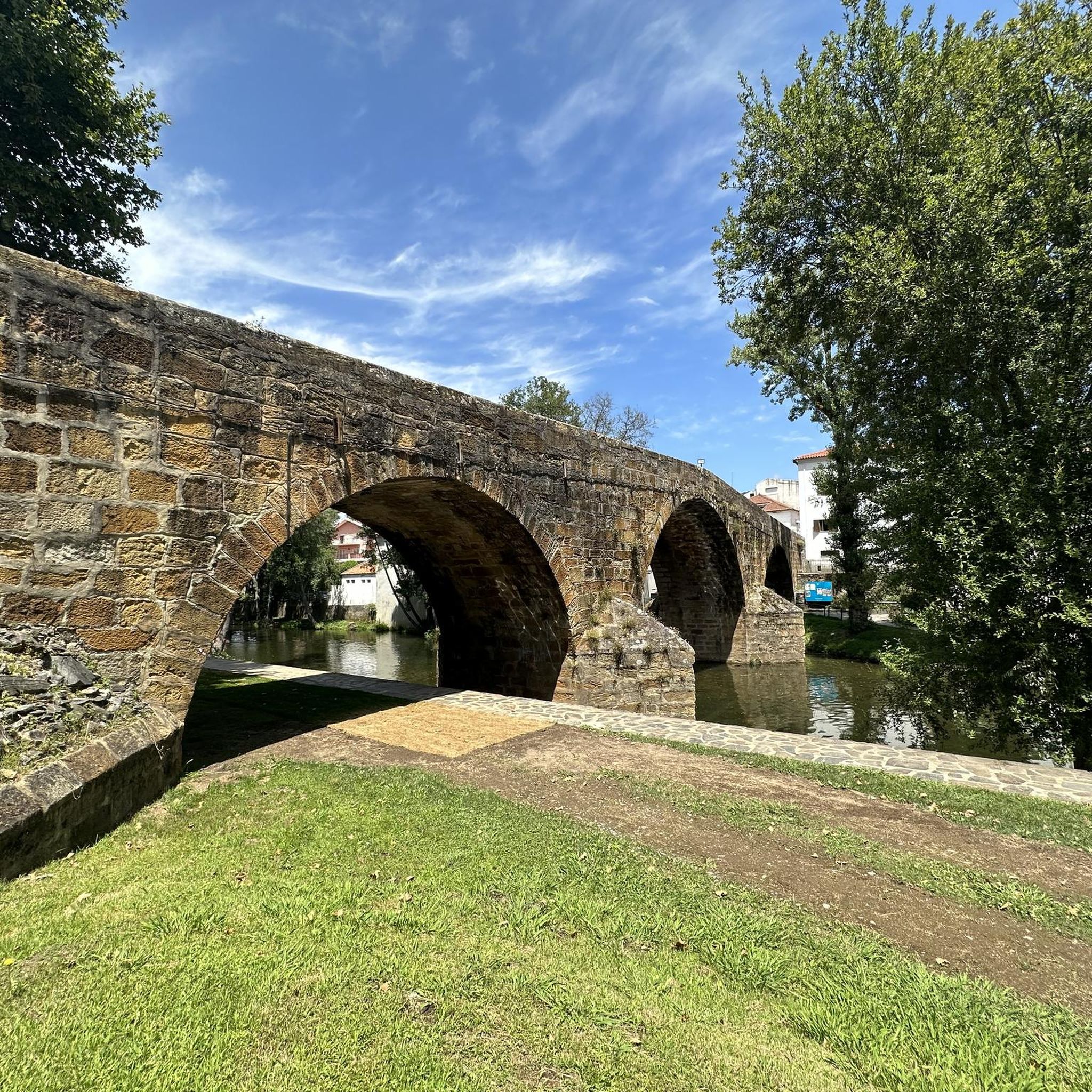
Royal Bridge over the Ceira River
Highlight • Bridge
Location: Center of the village of Góis, facilitating pedestrian access.
Characteristics: Imposing structure with stone arches, typical of crossing constructions from the monarchical period.
Surroundings: The Ceira River, near this area, offers river beaches highly sought after during the summer, standing out for the quality of the water and tranquility.
History: It is part of the built heritage from the Manueline/medieval period of the region.
Showing Translation
Tip by

Sign up for free to discover even more attractions around Góis.
Sign up for free
Already have an account?
Start today with a free account
Your next adventure awaits.
Login or Signup

Tips from the Community


The Ponte Real (or Ponte Velha) over the Ceira River is located in the village of Góis, being one of the historical ex-libris of the region. This medieval-style bridge, later reformed, is an important tourist attraction, crossing the Ceira River, a left-bank tributary of the Mondego River, which originates in the Serra do Açor. Location: Center of the village of Góis, facilitating pedestrian access. Characteristics: Imposing structure with stone arches, typical of crossing constructions from the monarchical period. Surroundings: The Ceira River, near this area, offers river beaches highly sought after during the summer, standing out for the quality of the water and tranquility. History: It is part of the built heritage from the Manueline/medieval period of the region.
1
0
The Fraga da Pena Waterfall, located in the Serra do Açor Protected Landscape, is a geological feature crossed by the Barroca de Degraínhos, creating a series of successive waterfalls. The waterfall is 19 meters high. Along its banks are some ancient specimens of the Portuguese oak (Quercus robur) and the chestnut tree (Castanea sativa), as well as the strawberry tree (Arbutus unedo), the thorny Daphne gnidium, and the adernos (Phillyrea latifolia and P. angustifolia).
2
0

Hidden among the dense greenery of the Serra da Lousã, the Castle has stood since the 11th century, guarding the right bank of the Arouce River. Entry is free, as is parking, and the surroundings are pure enchantment. From here, there are trails that wind through schist villages, cross magical forests and reveal breathtaking viewpoints. A perfect starting point for those who enjoy running between history and nature.
2
0
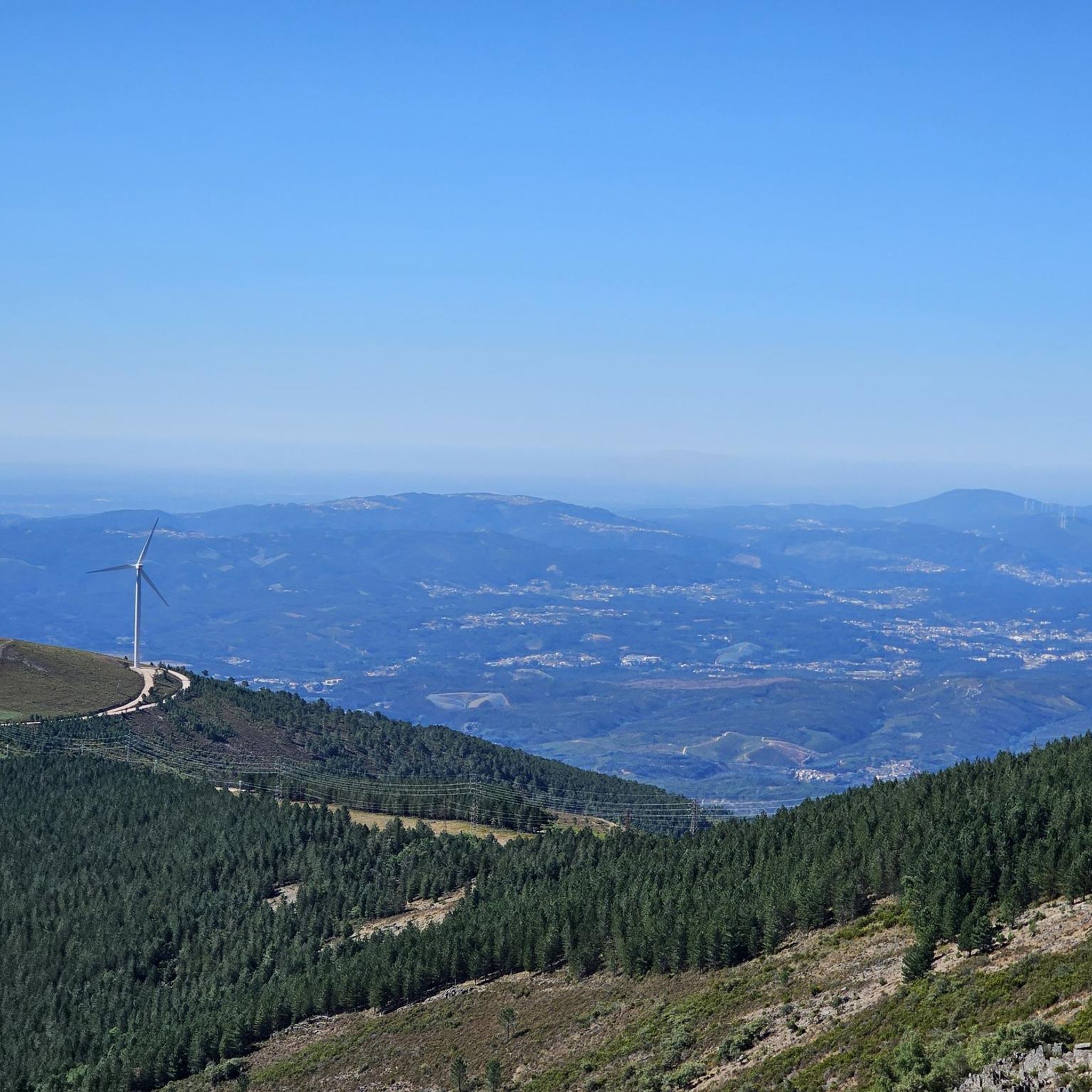
Among the pine forests of the mountains, Chiqueiro appears like a time capsule: a tiny village where life still rhymes with silence and sheep. Only one couple lives there, in harmony with their flock and with the nature that surrounds everything. Two sloping streets wind between houses made of schist darkened by time, all bare of plaster, except for the little white chapel, which shines like a whisper of faith among the stones.
2
0
In the heart of the protected landscape of the Serra do Açor, Fraga da Pena is a natural spectacle sculpted by time. The Barroca de Degraínhos creates a succession of waterfalls, culminating in an impressive 19-metre cascade that descends in crystal clear veils over the rock.
4
0
Hidden among pine forests, the village of Chiqueiro seems suspended in time. With just a couple of inhabitants and their large flock, it maintains a simplicity that nature embraces. Two steep streets wind between the dark slate houses, rustic and without plaster, except for the small chapel.
4
0

Arouce Castle, better known as Lousã Castle, can be visited free of charge. For the excellent view, it's worth climbing the tower.
2
0
Frequently Asked Questions
What natural attractions can I explore in and around Góis?
Góis is rich in natural beauty. You can enjoy the refreshing waters of the Ceira River at various river beaches like Peneda (White Island Beach), Pego Escuro, and Canaveiras. The region is also home to the mountainous Serra da Lousã and Serra da Neve, offering stunning landscapes and viewpoints such as the Gois Naturally Viewpoint. Don't miss the dramatic Portas do Ceira gorge, a natural treasure popular for extreme sports, or the beautiful Fraga da Pena Waterfall in the Serra do Açor Protected Landscape.
What historical landmarks should I visit in Góis?
The historic center of Góis offers several notable landmarks. The 16th-century Ponte Real (Royal Bridge) is a significant structure, alongside the 18th-century Chapel of São Sebastião. The Góis Mother Church, dating back to the 16th century, houses the impressive Renaissance tomb of Dom Luís da Silveira. Other historical buildings include the Old Hospital of Góis (1560) and the Town Hall, located within a 17th-century manor house.
Can you tell me more about the traditional Schist Villages near Góis?
Góis is home to four enchanting Schist Villages: Pena, Aigra Nova, Aigra Velha, and Comareira. These villages preserve a unique rural charm with their characteristic schist architecture. Talasnal Schist Village, though not directly in Góis, is a well-known and sought-after example in the wider region, celebrated for its restored houses and picturesque layout. Aigra Nova features the Schist Traditions Ecomuseum, while Aigra Velha is the highest of Góis's Schist Villages, offering insights into traditional life.
Are there family-friendly activities or attractions in Góis?
Yes, Góis offers several family-friendly options. The river beaches along the Ceira River, such as Senhora da Piedade River Pool, are perfect for cooling off and relaxing. The Cerejal Picnic Area provides a pleasant park setting for family outings. Exploring the charming Schist Villages can also be an engaging experience for all ages, offering a glimpse into traditional Portuguese heritage. Many of the easier walking trails are also suitable for families.
Are there good hiking or walking trails around Góis?
Absolutely. The region around Góis is excellent for hiking. You can explore the Schist Villages Path of Góis (PR9 GOI – Trilho do Baile), a 14.7 km circular trail that passes through villages like Povorais and Aigra Velha. The Ceira Boardwalk offers pleasant riverside walks. For more challenging routes, the Serra da Lousã and Serra da Neve provide diverse terrain. You can find many more options, including running trails, in the Running Trails around Góis guide.
What kind of outdoor sports can I do near the attractions in Góis?
Beyond hiking, Góis is a great base for various outdoor sports. The mountainous terrain is ideal for mountain biking, with numerous trails available. You can find detailed routes in the MTB Trails around Góis guide. Road cycling is also popular, with scenic routes like the one from Serpins that passes the Royal Bridge over the Ceira River. Explore options in the Road Cycling Routes around Góis guide. The Portas do Ceira gorge is known for extreme sports.
Where can I find the best panoramic views in Góis?
For breathtaking panoramic views, head to the Gois Naturally Viewpoint, which offers expansive vistas of the region's mountains. The Penedos de Góis, rugged rock formations within the Serra da Lousã, also provide stunning perspectives, including the notable 'Lion Rock' in Pena and 'Penedo Abelha' (Bee Boulder). The Góis Swing, located at the viewpoint within the Castle gardens, is another popular spot for scenic photos of the town, river, and surrounding mountains.
What are the famous Schist Villages in the Góis area?
The Góis municipality is home to four charming Schist Villages: Pena, Aigra Nova, Aigra Velha, and Comareira. Pena is known for the Poço da Lontra Waterwheel Mill and a centenary chestnut tree. Aigra Nova features the Schist Traditions Ecomuseum, while Aigra Velha is the highest of Góis's Schist Villages. Comareira is often called the 'viewpoint village' due to its scenic location.
What is the best time of year to visit Góis?
Góis is enjoyable throughout the year, but the best time depends on your preferred activities. Summer is ideal for enjoying the river beaches and cooling off in the Ceira River. Spring and autumn offer pleasant temperatures for hiking and exploring the natural landscapes and Schist Villages, with vibrant foliage or blooming flowers. Winters are generally mild, suitable for those who prefer cooler weather and quieter trails.
Are there any castles or ancient ruins near Góis?
While Góis itself has historical landmarks like the Ponte Real and the Mother Church, a prominent nearby castle is Lousã Castle. Built in the 11th century, it's located in the Serra da Lousã and offers an excellent view from its tower. The region also has ancient remnants like the Pedra Letreira, a large schist slab with Bronze Age engravings, indicating a long history of human inhabitation.
What local crafts and gastronomy can I experience in Góis?
Góis offers a taste of traditional Portuguese culture through its gastronomy and craftsmanship. You can savor local delicacies such as ham soup, Tibornada (cod with potatoes and cabbage), Ceira-style trout, and Sinhel kid. Sweet treats include Gamelinhas (honey, chestnut, walnut, and cinnamon pies) and Góis sweet cake. Local artisans create tin work, miniatures of agricultural tools, wooden spoons, shale houses, tapestries, and embroidery.
What do visitors enjoy most about the attractions around Góis?
Visitors particularly enjoy the blend of historical charm and natural beauty. The peaceful atmosphere of the Schist Villages, the refreshing river beaches, and the stunning mountain views are frequently praised. Many appreciate the well-preserved historical sites like the Ponte Real and the Mother Church. The opportunity for outdoor activities, from hiking through picturesque landscapes to relaxing by the river, also receives high acclaim from the komoot community.
Most popular attractions around Góis

Get inspired with the komoot mobile app


Explore more
Still not found the Highlight you’re looking for? See guides of the top attractions in other regions:
