The best running trails around Oliveira Do Hospital
4.0
(4)
234
runners
31
runs
Jogging around Oliveira Do Hospital provides access to diverse landscapes at the foot of the Serra da Estrela mountains. The region is characterized by river valleys, rolling hills, and extensive olive groves, offering varied terrain for running. Numerous well-marked trails traverse natural features and historic sites, including ancient Roman roads and schist villages. This network of paths caters to different fitness levels, from gentle riverside runs to more challenging mountain ascents.
Best jogging routes around Oliveira Do Hospital
- The most…
Last updated: July 1, 2026
20
runners
10.0km
01:25
420m
420m
This difficult 6.2-mile (10.0 km) jogging route through Serra do Açor offers river views, terraced valleys, and the Foz d'Égua river beach.
8
runners
57.0km
08:32
2,990m
3,050m
This difficult 35.4-mile circular jogging route in Serra da Estrela Natural Park features 9815 feet of elevation gain and stunning mountain

Sign up for free
18
runners
34.1km
05:00
1,610m
1,610m
Hard run. Very good fitness required. Mostly paved surfaces. Suitable for all skill levels.
12
runners
14.0km
02:09
720m
720m
Hard run. Very good fitness required. Mostly paved surfaces. Suitable for all skill levels.
10
runners
13.3km
01:44
370m
370m
Hard run. Very good fitness required. Mostly paved surfaces. Suitable for all skill levels.
Get access to more routes and recommendations from other explorers.
Sign up for free
Already have an account?
Our route recommendations are based on thousands of hikes, rides, and runs completed by other people on komoot.
Start today with a free account
Your next adventure awaits.
Login or Signup
Tips from the Community

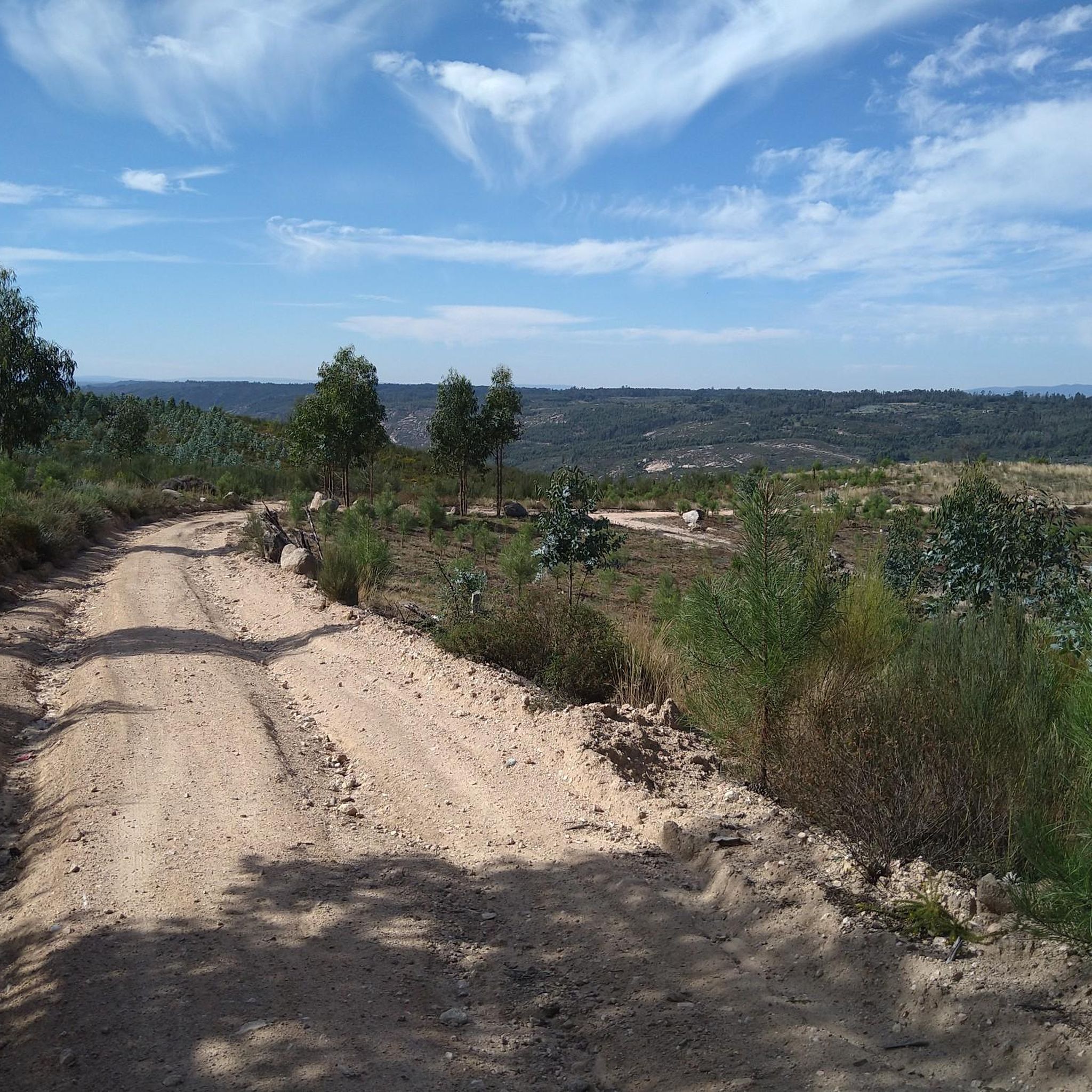
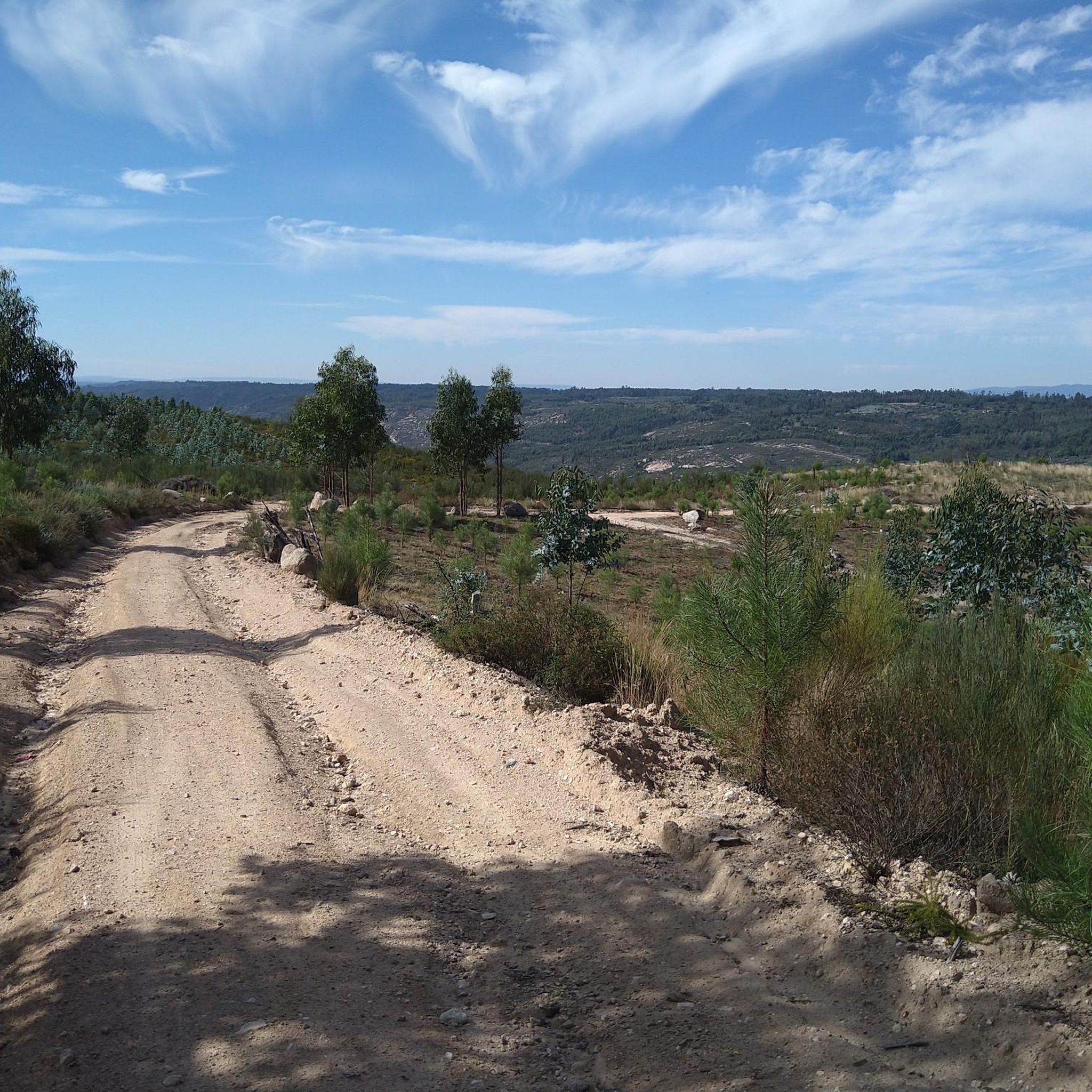
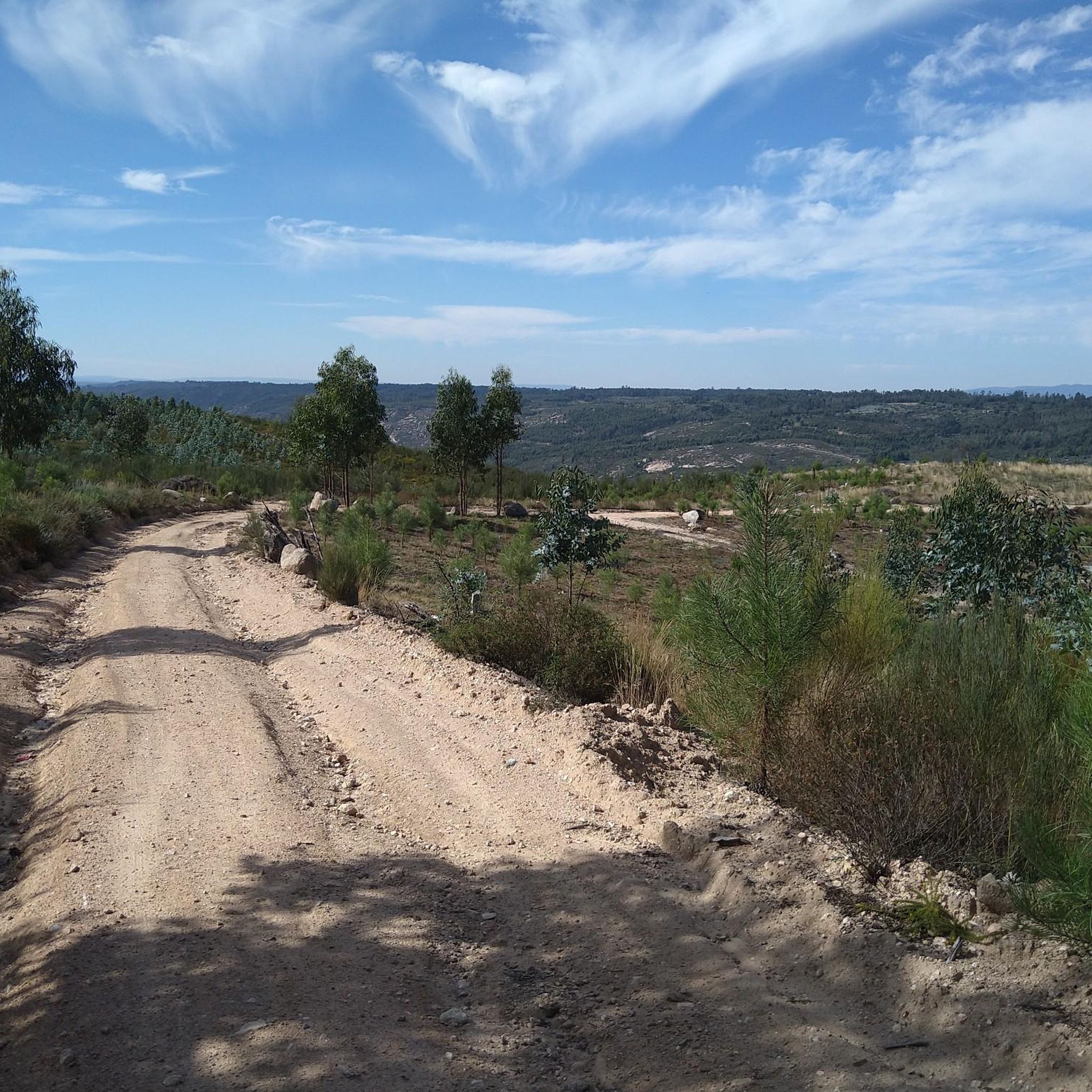
Bridge built over the Cavalos River, with a deck approximately 50 m long and 3 m wide. It probably forms part of the same road link as the Roman road of Pedra da Sé, serving as a connection between the Roman civitas of Bobadela and that of Viseu. It has only one arch with a perfect semicircular span, and the pavement that forms part of the deck is the result of intervention after the time of construction. It has been classified as a Property of Public Interest (IIP) since 1990, by Decree No. 163 of July 17, 1990.
1
0

Both Piódão and Foz d'Égua are accessible by car. But it's worth hiking the trail that connects them. It takes about 45 minutes, downhill from Piódão to Foz d'Égua (remember that the return is a slight climb). It's worth crossing the restored suspension bridge in Foz d'Égua before returning to Piódão. The Foz d'Égua pool is a popular spot for a dip in its very cold waters. Dipping your feet in the icy water of the stream is always very pleasant after a hike, immersing yourself in nature. I did it and recommend it. 👍🥾
1
0

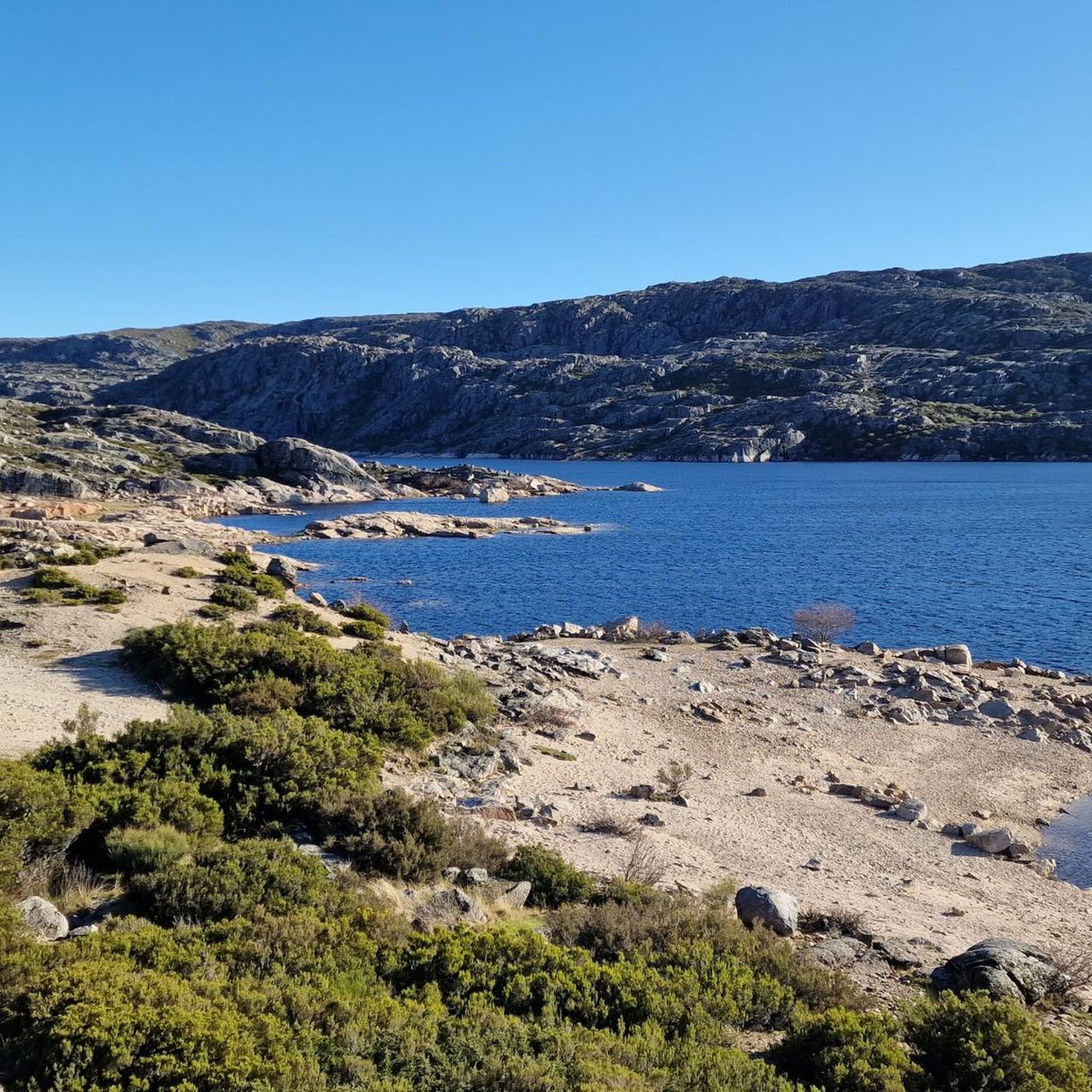
The Serra da Estrela Natural Park is something truly special. This 1,000-square-kilometer park, spread across six municipalities, was the first and currently the largest protected natural park in Portugal. It is home to the highest point on the Portuguese mainland, the country's only ski slope, the source of two important rivers, and a fascinating, alpine-like landscape formed by glaciers.
5
1
At exactly 1993 meters above sea level, Torre is the highest point in mainland Portugal, where the only ski resort is located. The landscape on the upper plateau of the Serra da Estrela is like a sprinkling of granite rocks over low scrub and patches of snow and ice, which the sun threatens to melt soon in the summer and which always returns the following winter. In winter, it sometimes becomes inaccessible.
6
0

Small but very pleasant river beach (without sand) on the course of the Rio de Cavalos.
2
0
The Roman Bridge of Sumes, with its round arch, is a stone masonry structure measuring approximately 6.4 metres. It stands over the Cavalos River, in a natural setting, punctuated by enormous granite rocks and crisscrossed by dirt paths. This is where the fantastic Trilho dos Gaios begins (or ends), winding along the Cavalos River between several waterfalls and lush vegetation.
2
0

Monte do Colcurinho is an imposing peak of about 1,242 meters in the Serra do Açor, Portugal. It offers spectacular views that extend from the Serra da Estrela to much of central Portugal. In addition to its natural beauty, it is an important religious site, with a sanctuary dedicated to Nossa Senhora das Necessidades, a destination for annual pilgrimages. It is a place that combines breathtaking nature and deep spirituality.
0
0

Nestled in the Açor mountains, near Piódão, the river beach of Foz d’Égua is an enchanted corner that comes alive in the summer. Where the Piódão and Chãs d’Égua streams meet, a natural pool is formed, surrounded by rustic bridges, old mills and shale everywhere.
3
0
Frequently Asked Questions
How many running routes are available in Oliveira do Hospital?
There are over 30 dedicated running routes around Oliveira do Hospital, catering to various preferences and fitness levels. These include easy riverside paths, moderate trails through olive groves, and challenging mountain ascents.
What kind of terrain can I expect on the jogging trails in Oliveira do Hospital?
The terrain in Oliveira do Hospital is quite varied. You'll find routes traversing tranquil river valleys, rolling hills dotted with extensive olive groves, and more challenging mountainous sections as you approach the Serra da Estrela Natural Park. Many trails incorporate ancient Roman roads and paths through charming schist villages.
Are there any easy or beginner-friendly running routes in the region?
Yes, while many routes offer a challenge, there are options suitable for beginners. The region's river valleys, such as those along the Alva and Alvoco rivers, often provide flatter, more accessible paths. Look for trails near river beaches like Avô River Beach or Alvoco das Várzeas River Beach for gentler runs.
What are some scenic natural features I can see while running in Oliveira do Hospital?
The region boasts stunning natural beauty. You can run alongside picturesque river valleys, through lush forests, and past panoramic viewpoints in the foothills of the Serra da Estrela. Notable natural attractions include the Fraga da Pena Waterfall, Poço da Broca de Serapitel, and various river beaches like Lapa dos Dinheiros River Beach and Foz d'Égua.
Are there any historical landmarks or points of interest along the running trails?
Absolutely. Oliveira do Hospital has a rich history. Many trails pass through charming schist villages and areas with Roman heritage, such as the Roman ruins in Bobadela. You might also encounter the ancient Roman road or the unique Ponte das Três Entradas (Three Entrance Bridge) on your run. The Lapa da Orca Dolmen is another historical site worth exploring.
What do other runners say about the trails in Oliveira do Hospital?
The running routes in Oliveira do Hospital are highly rated by the komoot community, with an average score of 4.0 stars from 4 reviews. Runners often praise the diverse landscapes, from tranquil river valleys to challenging mountain sections, and the well-marked paths that offer a blend of natural beauty and cultural immersion.
Are there any circular running routes in Oliveira do Hospital?
Yes, many of the trails in the region are circular, allowing you to start and end at the same point. For example, the 'Pelas Várzeas do Alvôco' is a well-known circular route offering stunning landscapes. You can also find loops like the Monte Colcurinho loop from Vale do Torno, which is a longer, more challenging option.
What is a good challenging running route for experienced runners?
For experienced runners seeking a significant challenge, the Oh Meu Deus 50k Trail is an excellent choice. This difficult 35.4-mile (57.0 km) path traverses varied and demanding terrain, including mountainous sections and forested areas, offering substantial elevation changes.
Can I find routes that combine running with exploring local villages?
Definitely. The region is known for its charming schist villages. Routes like 'The Schist Path - In the Footsteps of the Hermit' pass through villages such as Aldeia das Dez, São Sebastião da Feira, and Santa Ovaia, allowing you to experience both natural scenery and local culture during your run.
Is there a good running route that follows a river?
Yes, the river valleys of the Alva and Alvoco offer picturesque routes. A popular choice is the Peoples of the Piódão Riverbanks Trail (PR2), which provides beautiful views along the riverbanks and is a great way to enjoy the serene waterscapes.
What is the best time of year to go running in Oliveira do Hospital?
The region is beautiful year-round, but spring and autumn generally offer the most pleasant running conditions with milder temperatures and vibrant natural colors. Summers can be warm, especially at midday, making early mornings or late afternoons ideal. Winters are cooler but can be beautiful, particularly in the higher elevations of Serra da Estrela.
Most popular routes around Oliveira Do Hospital
Most popular attractions around Oliveira Do Hospital

Get inspired with the komoot mobile app


Explore more
Browse the best Running Trails & Routes in other regions.
