Attractions and Places To See around Mêda - Top 19
Best attractions and places to see around Mêda, Portugal, include a variety of historical sites, cultural landmarks, and scenic trails. This region offers 19 distinct places to explore, from ancient villages to significant museums. The landscape is characterized by its historical depth and natural beauty, particularly where rivers meet and ancient art is preserved. Visitors can discover a blend of man-made heritage and natural viewpoints.
Best attractions and places to see around Mêda
- The most popular attractions is Côa Museum, a historical site that provides insight into Paleolithic art. Its design mimics the region's metamorphic rocks, and it houses Portugal's largest library dedicated to rock art.
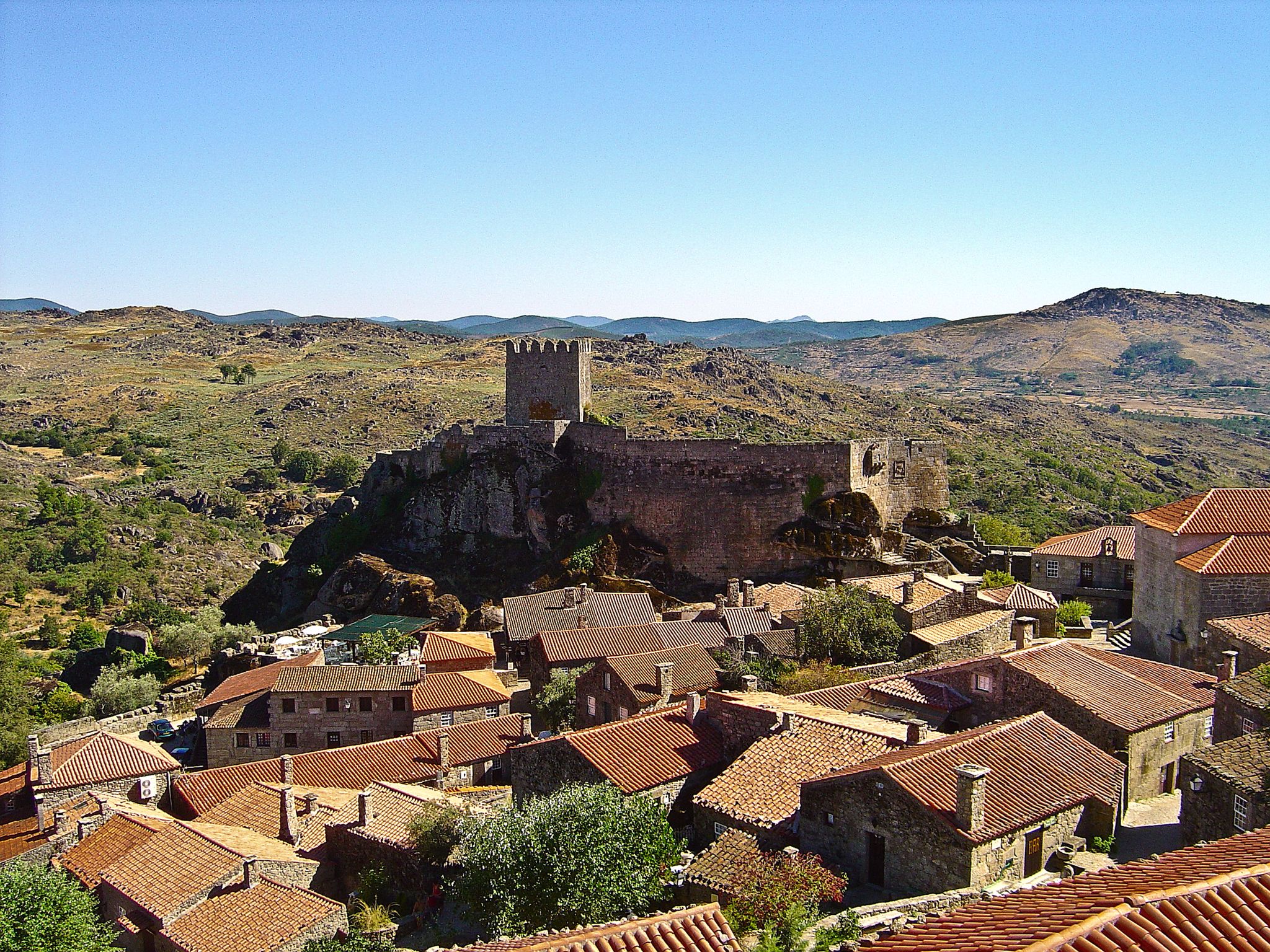
- Another must-see spot is Historic Village of Marialva, a historical settlement with a castle and religious buildings. Visitors can explore cobblestone streets, a keep, and the Church of Santiago, experiencing centuries of history.
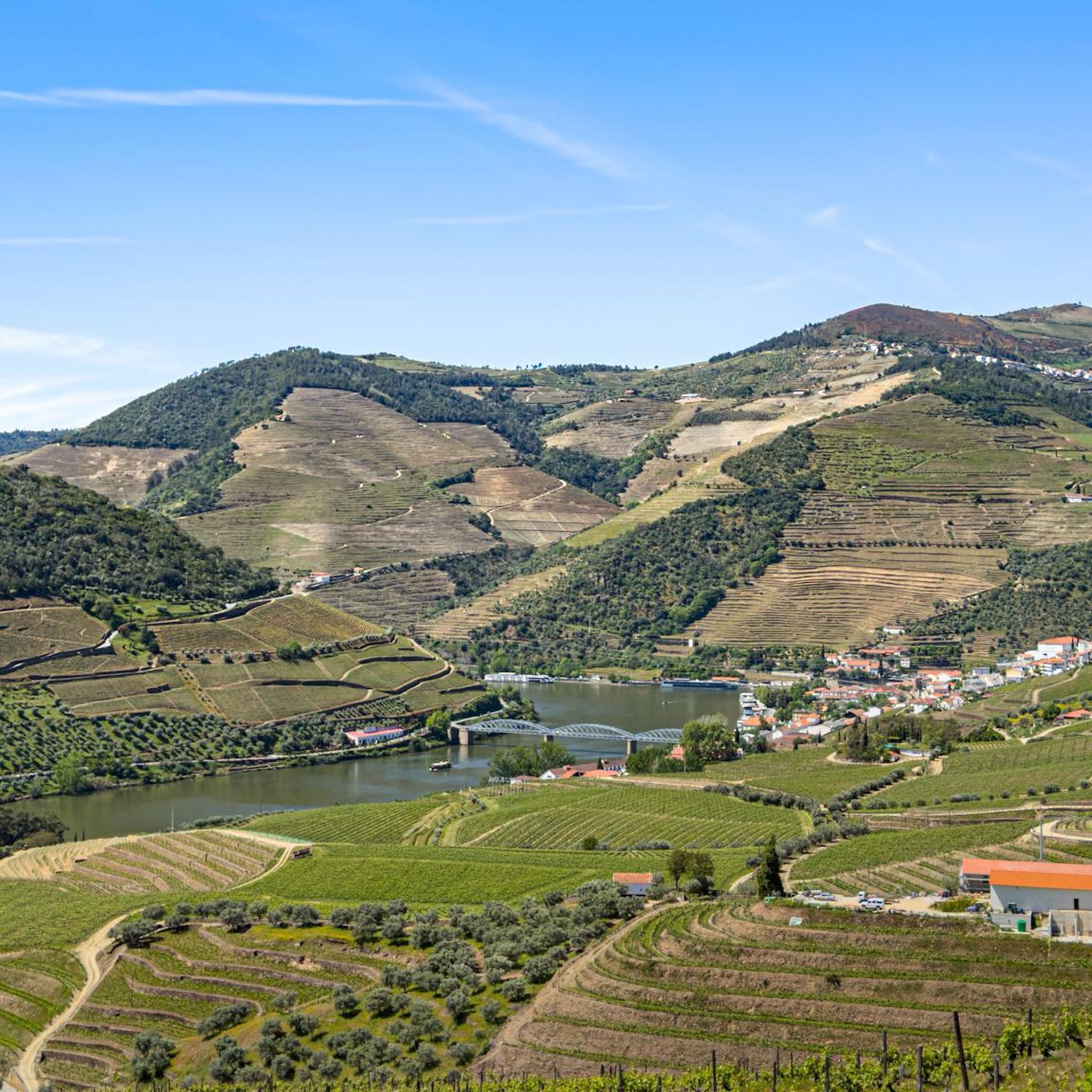
- Visitors also love End of N222 in Almendra, a trail offering fantastic views along the Douro River. This route passes by a monument and a museum featuring early human rock drawings.
- Mêda is known for its historical sites, scenic viewpoints, and trails. The area provides a variety of attractions to see and explore, catering to interests in history, culture, and outdoor activities.
- The attractions around Mêda are appreciated by the komoot community, with 12 upvotes and 9 photos shared by visitors.
Last updated: May 20, 2026
Côa Museum
Highlight • Historical Site
Translated by Google •
Tip by

Historic Village of Marialva
Highlight • Historical Site
Translated by Google •
Tip by

Sign up now to discover places like this
Get recommendations on the best single tracks, peaks, & plenty of other exciting outdoor places.
Sign up for free
End of N222 in Almendra
Highlight (Segment) • Trail
Tip by

Moreira de Rei
Highlight • Historical Site
Beneath the old Romanesque church lies a proto-Christian necropolis, witness to centuries of faith. Between worn walls, Roman pavements, and Visigothic memories, the town preserves, in stone and silence, the grandeur of a past that has never ceased to pulse.
Translated by Google •
Tip by
São Gabriel Viewpoint
Highlight • Viewpoint
Panoramic views encompass:
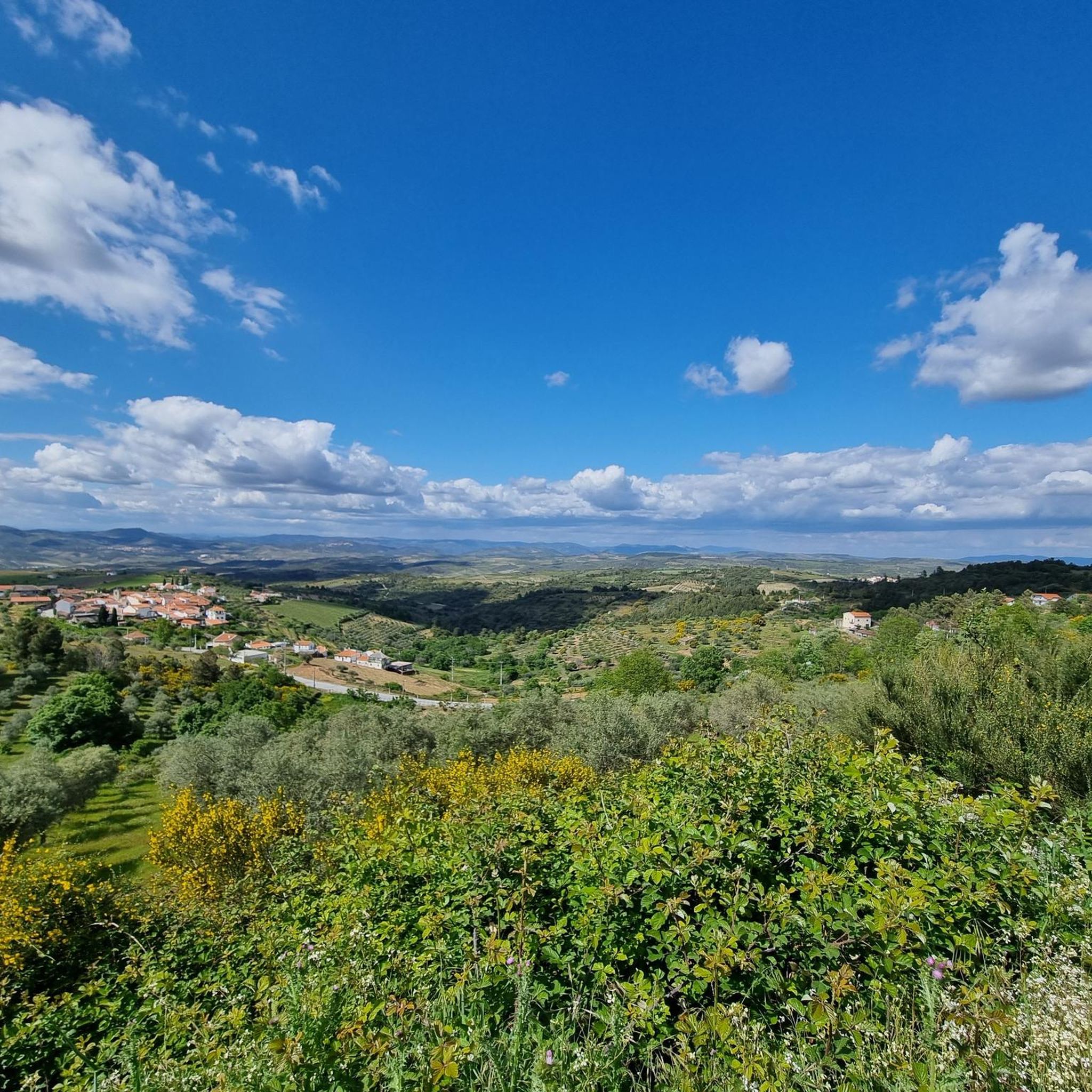
The Côa Valley and the Douro River.
Municipalities such as Torre de Moncorvo, Mêda, Trancoso, Pinhel, Figueira de Castelo Rodrigo, and Freixo de Espada à Cinta.
Spanish territories such as Urros, Peredo dos Castelhanhos, and the Castilian Plateau.
The Serra da Marofa, Castelo Melhor, Almendra, and even the Historic Village of Castelo Rodrigo.
Translated by Google •
Tip by
Sign up for free to discover even more attractions around Mêda.
Sign up for free
Already have an account?
Start today with a free account
Your next adventure awaits.
Login or Signup

Tips from the Community

Next to the viewing platform is a small 19th-century chapel, built of granite and situated on a schist outcrop. The interior is simple with a granite altar and a tile panel depicting the Annunciation, donated in 1951 by Maria Vitória Albuquerque Soares.
2
0
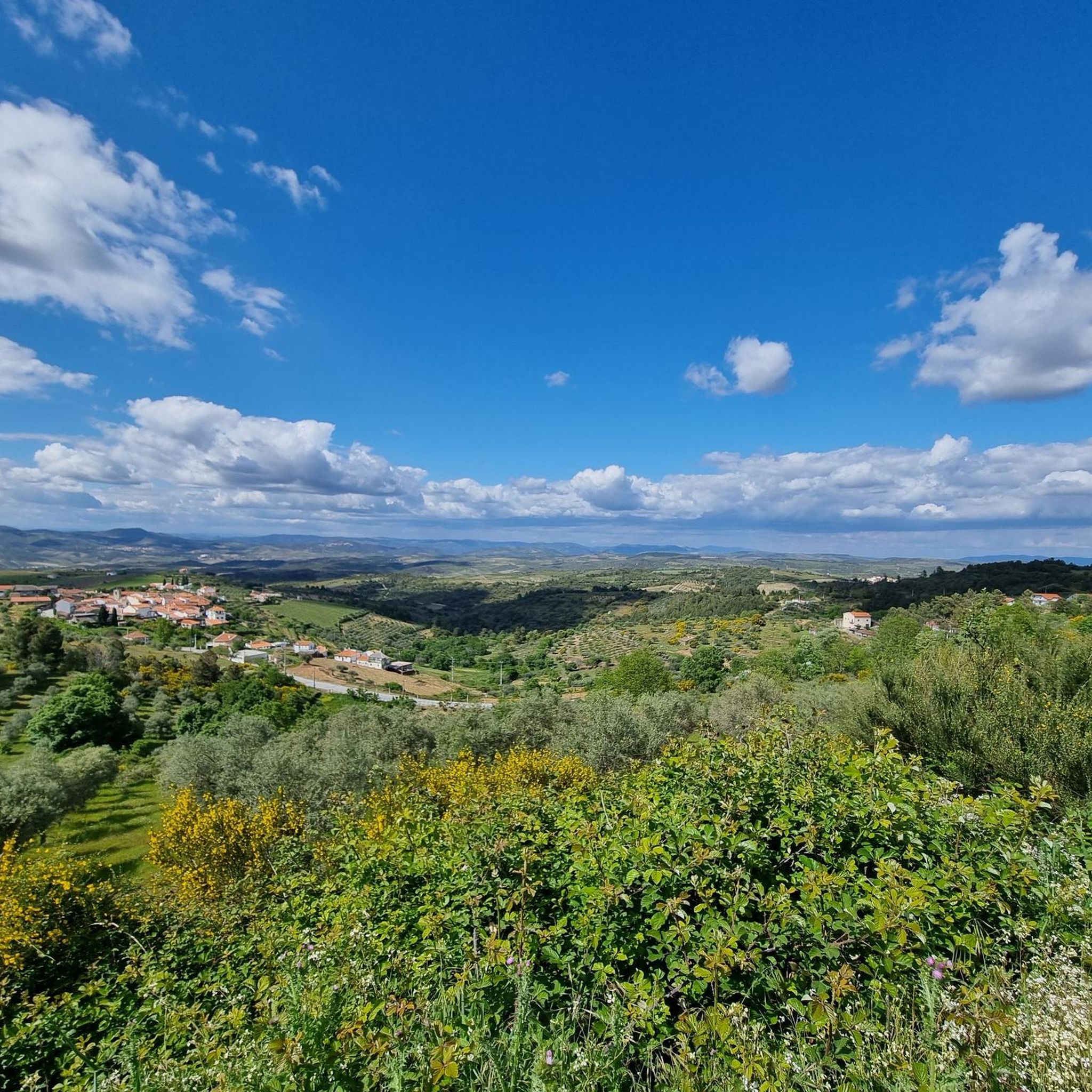
The São Gabriel Viewpoint, located in Castelo Melhor, within the municipality of Vila Nova de Foz Côa, is one of the most spectacular panoramic points in northern Portugal. Panoramic views encompass: The Côa Valley and the Douro River. Municipalities such as Torre de Moncorvo, Mêda, Trancoso, Pinhel, Figueira de Castelo Rodrigo, and Freixo de Espada à Cinta. Spanish territories such as Urros, Peredo dos Castelhanhos, and the Castilian Plateau. The Serra da Marofa, Castelo Melhor, Almendra, and even the Historic Village of Castelo Rodrigo.
2
0

Amid granite boulders and echoes of ancient battles, Moreira de Rei rises, an eagle's nest crowned by ruins that still whisper stories of fleeing kings, noblemen, and armies that passed through here. A good example is its name, which dates back to the time when Moreira welcomed King Sancho II on his way to exile from Toledo. Beneath the old Romanesque church lies a proto-Christian necropolis, witness to centuries of faith. Between worn walls, Roman pavements, and Visigothic memories, the town preserves, in stone and silence, the grandeur of a past that has never ceased to pulse.
2
0
Marialva is a jewel among Portugal's Historic Villages. High above, the castle watches over centuries of conquests and legends, while within the walls still echo the memory of kings, fairs, and battles. Strolling its cobblestone streets is like traveling back in time: from the keep to the Church of Santiago, every detail tells a story. Outside the walls, vineyards and flavors of Beira Alta complete the landscape: roast kid, sheep's cheese, and sweets that preserve the taste of tradition. Here, the village is experienced as much on foot as at the table.
3
0
From a distance, the building resembles a large outcrop emerging from the ground, and its facade is composed of mineral pigments in concrete, mimicking the natural irregularities of the region's metamorphic rocks. The Côa Museum does not replace a visit to the rock art sites in the Côa Valley Archaeological Park, but it is a gateway that allows visitors to discover the artistic richness of the Côa and Douro valleys. Furthermore, the museum houses the largest library in Portugal dedicated to rock art. 😊
12
0
The Côa Museum opened on July 30, 2010, and is located on one of the slopes where the Douro and Côa rivers meet. Designed by architects Camilo Rebelo and Tiago Pimentel, the museum is one of the largest in Portugal. Its design is inspired by the notion that "Paleolithic art in the Côa Valley is perhaps the earliest manifestation of 'Land art.'"
13
0

Coa Valley is the largest Paleolithic open-air museum in the world. The museum provides a nice insight with replicas and screens
7
0

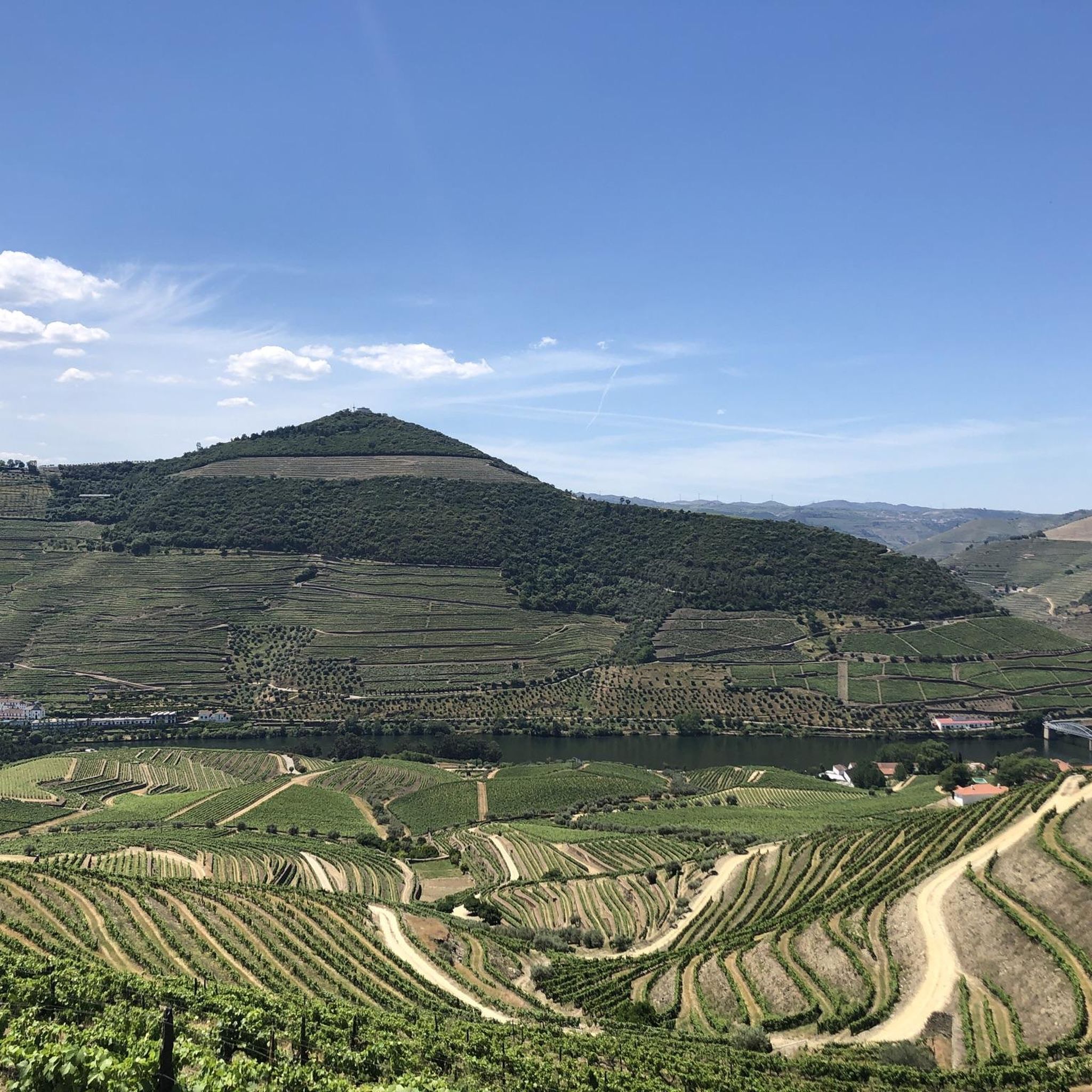
Final kilometers of N222 going along Rio Duoro. Monument at the start of N222 and Cafe in Almendra. Protected area to both sides of the road, fantastic views. Route also passes by museum with early human rock drawings.
0
0
Frequently Asked Questions
What historical sites can I explore around Mêda?
The region around Mêda is rich in history. You can visit the Historic Village of Marialva, a settlement with a castle and ancient churches, offering a journey back in time through its cobblestone streets. Another significant site is Moreira de Rei, known for its castle ruins, Romanesque church, and proto-Christian necropolis, preserving centuries of history.
Are there any family-friendly attractions in the Mêda area?
Yes, the Côa Museum is a great family-friendly option. It provides fascinating insights into Paleolithic art with replicas and screens, and its design mimics the region's natural rock formations. It serves as an excellent gateway to understanding the artistic richness of the Côa and Douro valleys.
Where can I find scenic viewpoints or natural beauty spots near Mêda?
For breathtaking panoramic views, head to the São Gabriel Viewpoint in Castelo Melhor. From here, you can see the Côa Valley, the Douro River, and several municipalities, including Spanish territories. Another scenic spot is the End of N222 in Almendra, which offers fantastic views along the Douro River and passes by a monument and a museum featuring early human rock drawings.
What outdoor activities can I do near Mêda's attractions?
Mêda offers various outdoor activities. You can find numerous hiking trails, including easy loops like the "Côa Museum – Stairway to Douro loop" or the "Prazo Archaeological Site loop." For cycling enthusiasts, there are challenging touring bicycle routes such as the "Trancoso Historic Town Centre – Historic Village of Marialva loop." Mountain biking is also popular, with routes like the "Historic Village of Marialva loop from Mêda." You can explore more options on the hiking guide, MTB trails guide, and cycling guide for Mêda.
Are there easy hiking trails near Mêda's attractions?
Yes, there are several easy hiking trails available. For instance, near the Côa Museum, you can find the "Côa Museum – Stairway to Douro loop" which is an easy 3.1 km route. Another easy option is the "Prazo Archaeological Site loop from Freixo de Numão," spanning about 5.3 km. These trails are perfect for a relaxed outdoor experience. More details can be found in the hiking guide for Mêda.
What is the best time to visit Mêda for sightseeing and outdoor activities?
The region's historical sites and natural viewpoints can be enjoyed year-round. For outdoor activities like hiking and cycling, spring (April-May) and autumn (September-October) generally offer the most pleasant weather with milder temperatures, ideal for exploring. Summer can be quite hot, while winter might be cooler and wetter, though still suitable for cultural visits.
What kind of rock art can be seen or learned about in the Mêda region?
The Mêda region is renowned for its Paleolithic rock art, particularly in the Côa Valley. The Côa Museum serves as a primary hub to learn about this ancient art, housing Portugal's largest library dedicated to rock art and providing insights into the world's largest Paleolithic open-air museum. The End of N222 in Almendra also passes by a museum featuring early human rock drawings.
What do visitors enjoy most about the attractions around Mêda?
Visitors particularly appreciate the historical depth and natural beauty of the region. The Côa Museum is praised for providing a great insight into Paleolithic art with replicas and screens. The Historic Village of Marialva is loved for its well-preserved medieval atmosphere, allowing visitors to feel like they are traveling back in time. The scenic views along the Douro River, such as those from the End of N222 in Almendra, are also highly valued.
Are there any specific cycling routes that include historical villages near Mêda?
Yes, several cycling routes incorporate the region's historic villages. For example, the "Historic Village of Marialva loop from Mêda" is a moderate 22.1 km mountain bike route. For touring cyclists, there's a challenging 60.6 km route called "Trancoso Historic Town Centre – Historic Village of Marialva loop from Mêda." These routes allow you to combine physical activity with cultural exploration. More options are available in the cycling guide for Mêda.
What are some lesser-known or 'hidden gems' to discover near Mêda?
While not entirely hidden, the village of Moreira de Rei offers a unique glimpse into the past, with its ancient castle ruins, Romanesque church, and a proto-Christian necropolis, often overshadowed by more prominent sites. Its rich history, including welcoming King Sancho II, makes it a fascinating, quieter stop for those interested in deep historical exploration.
Can I find cafes or places to eat near the main attractions in Mêda?
Yes, you can typically find cafes and local eateries in the villages and towns near the attractions. For instance, near the End of N222 in Almendra, there is a cafe right in Almendra. The Historic Village of Marialva also offers local establishments where you can taste traditional Beira Alta cuisine, including roast kid, sheep's cheese, and regional sweets.
Most popular routes around Mêda
Most popular attractions around Mêda

Get inspired with the komoot mobile app


Explore more
Still not found the Highlight you’re looking for? See guides of the top attractions in other regions:
