The best walks and hikes around Kessel
4.4
(150)
818
hikers
44
hikes
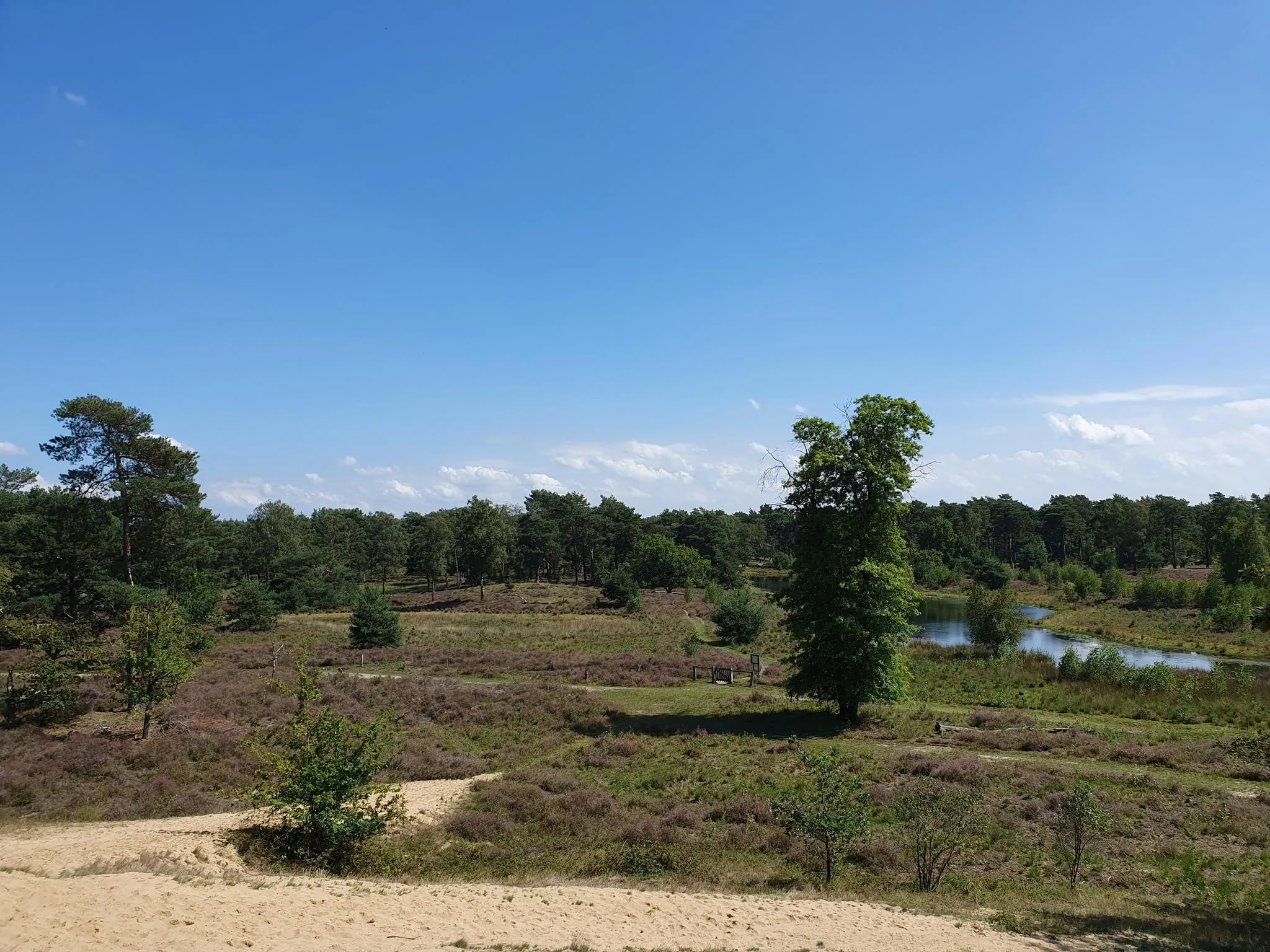
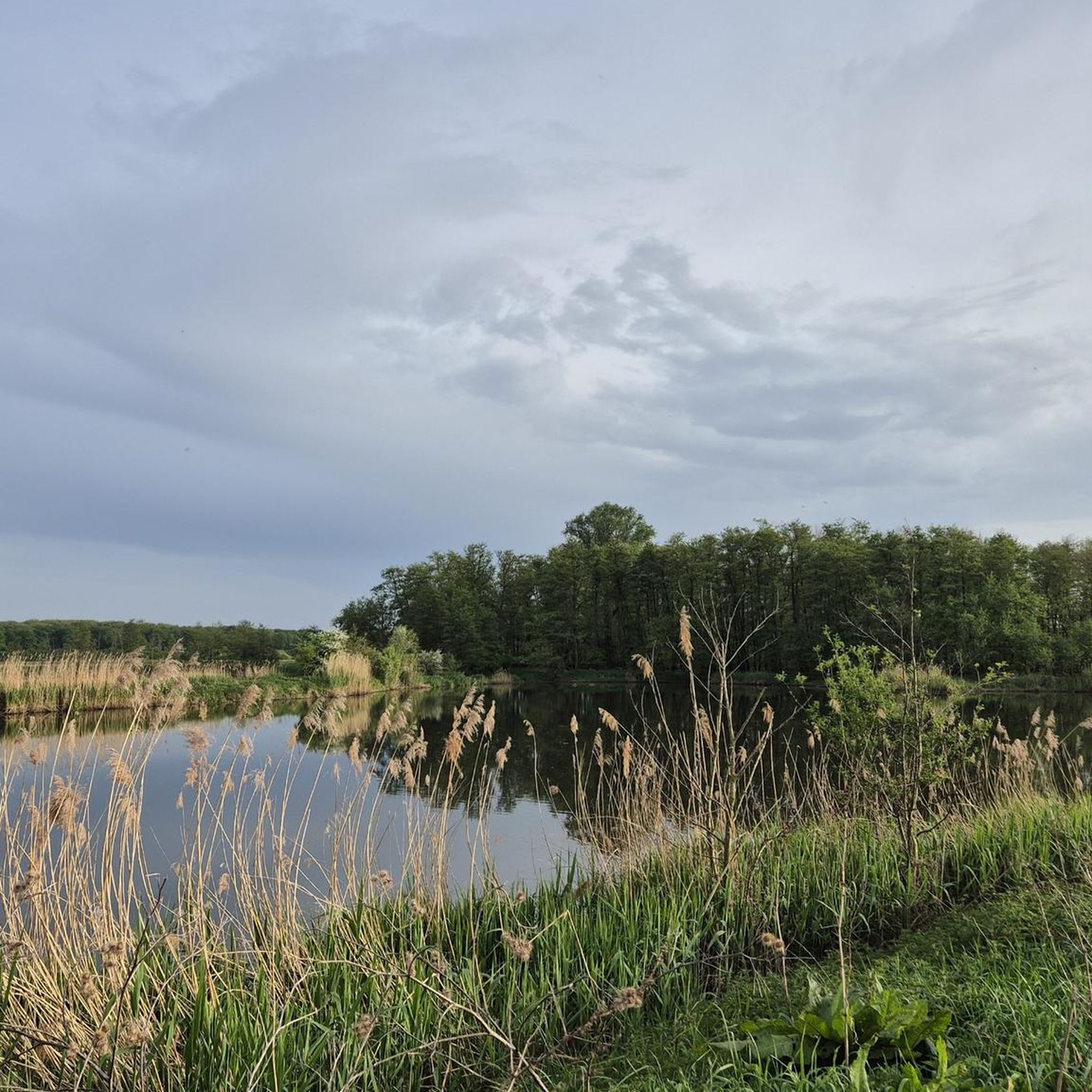
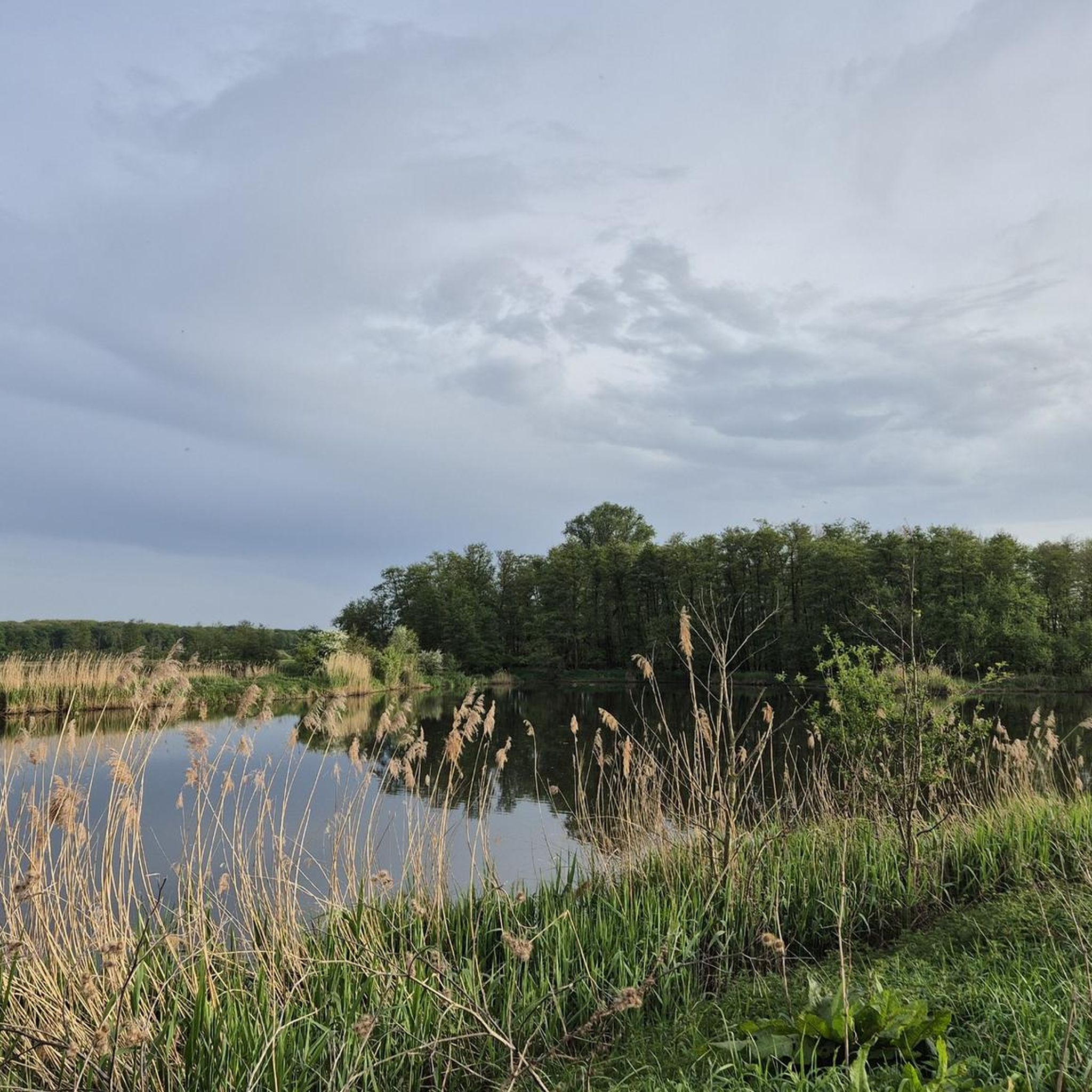
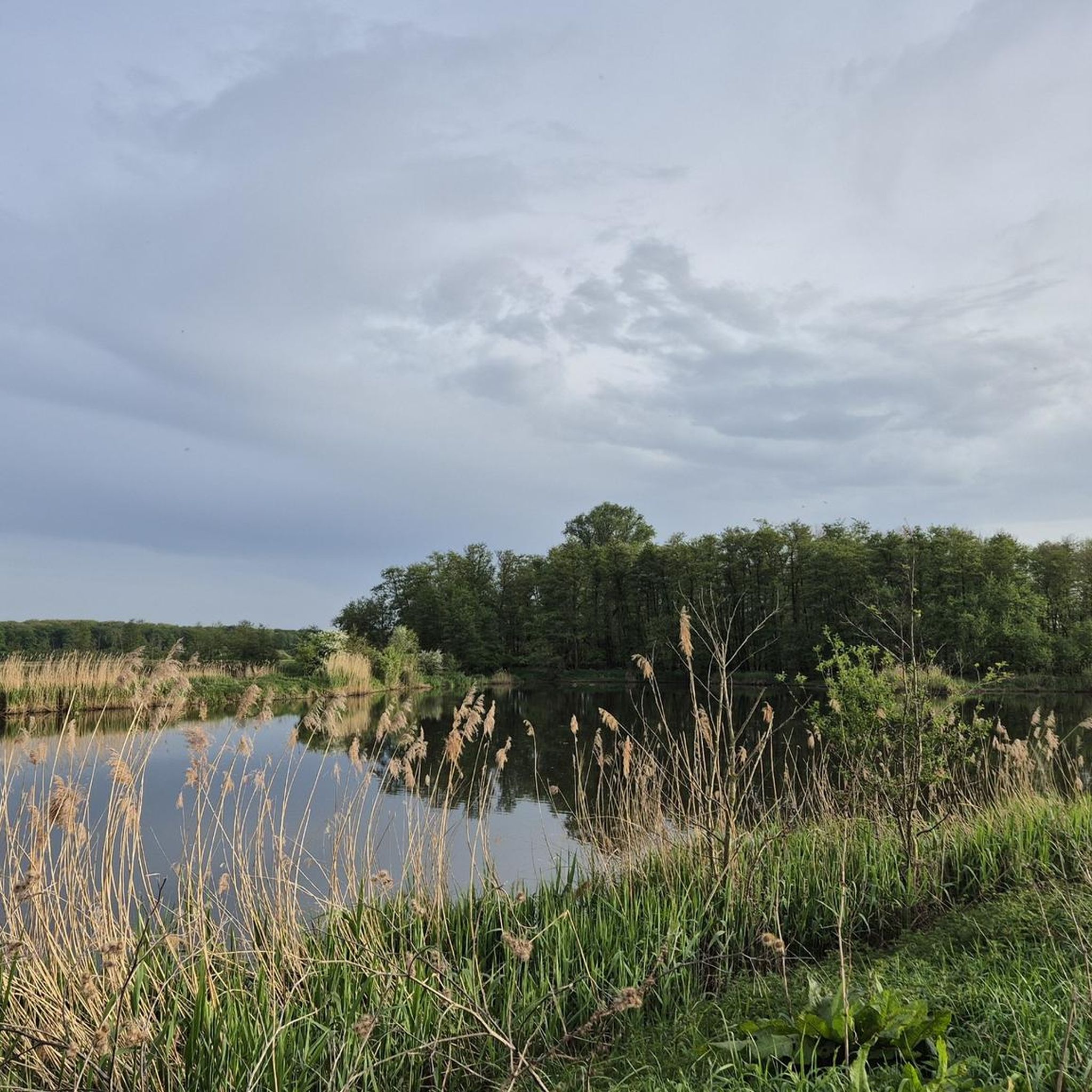
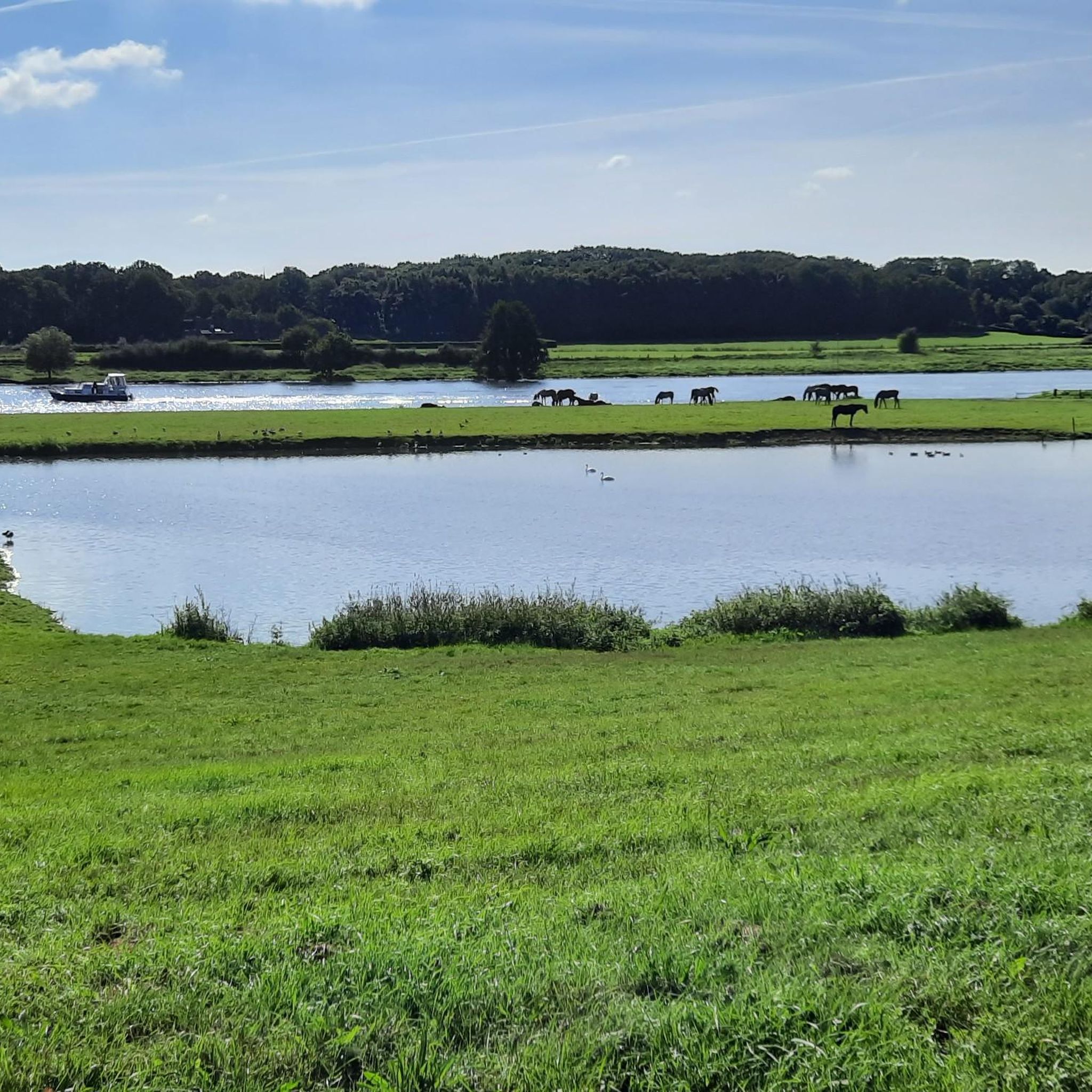
Hiking around Kessel offers a diverse landscape characterized by the meandering Meuse (Maas) river, extensive forests, and tranquil nature reserves. The region features low-lying terrain, with minimal elevation changes, making it accessible for various activity levels. Trails often follow riverbanks, pass through wooded areas like the Elmpter Schwalmbruch Nature Reserve, and connect picturesque villages. This area provides a network of paths suitable for exploring the natural and historical features of the Dutch-German border region.
Best hiking trails around Kessel
- The…
Last updated: October 7, 2026
4.6
(49)
205
hikers
Moderate hike. Good fitness required. Easily-accessible paths. Suitable for all skill levels.
4.6
(10)
42
hikers
Moderate hike. Good fitness required. Easily-accessible paths. Suitable for all skill levels.

4.8
(13)
57
hikers
9.14km
02:20
30m
30m
Moderate hike. Good fitness required. Easily-accessible paths. Suitable for all skill levels.
5.0
(3)
29
hikers
5.39km
01:23
20m
20m
Easy hike. Great for any fitness level. Easily-accessible paths. Suitable for all skill levels.
4.7
(6)
58
hikers
3.18km
00:49
10m
10m
Easy hike. Great for any fitness level. Easily-accessible paths. Suitable for all skill levels.
Get access to more routes and recommendations from other explorers.
Already have an account?
Our route recommendations are based on thousands of hikes, rides, and runs completed by other people on komoot.
Start today with a free account
Your next adventure awaits.

Other adventures around Kessel

Tips from the Community

The Maasboulevard has been beautifully adapted to modern times.
0
0

Ruins of the former Nolissenhof chapel. The building dates from the 17th century and has been a national monument since 1969.
0
0

An insect hotel is an artificial shelter and nesting place for various insect species. It is usually made from natural materials such as wood, bamboo, reeds, and pine cones, with small openings where insects can settle. Insect hotels are often placed in gardens, parks, and nature reserves to help insects find a suitable habitat. Insects play an important role in nature. Bees and bumblebees, in particular, are essential for the pollination of flowers and plants. Without these pollinators, many plants would not be able to reproduce. Other insects, such as ladybugs and lacewings, help control harmful insects by, for example, eating aphids. In this way, insects contribute to a healthy ecosystem. In recent years, the number of insects has declined in many places. This is due to factors such as urbanization, the use of pesticides, and the loss of natural habitats. As a result, insects have fewer and fewer places to nest and overwinter. Insect hotels offer a solution to this by creating additional shelters in areas where they are no longer present. An insect hotel consists of different compartments, each suitable for different insect species. For example, hollow bamboo tubes are used by solitary bees to lay their eggs in. Pine cones and straw provide shelter for other insects. This variety allows multiple insect species to use the same hotel.
2
0
The Saint Lambert Chapel is a small historic chapel in the village of Beesel in the province of Limburg. The chapel is dedicated to Lambert of Maastricht, a bishop from the 7th century who was later canonized. He was Bishop of Maastricht and was venerated in many parts of the Low Countries during the Middle Ages. The origins of the chapel date back to the Middle Ages. According to historical sources, a small church or chapel already stood on this site around the 11th or 12th century. This served as one of the first religious buildings in the area. At that time, churches were important centers for village life because people gathered there for religious services, meetings, and important events. Over the centuries, the chapel has been renovated and restored several times. The building visible today largely dates from later periods but still contains elements that refer to its medieval origins. Due to this long history, the chapel is an important historical monument in Beesel. The Saint Lambert Chapel is a relatively small stone building with a simple architectural style. The walls are made of brick and the roof has a traditional shape often found in chapels in Limburg. The chapel has small windows and a simple entrance. This austere architectural style suits the chapel's purpose: a quiet place for prayer and reflection. The chapel is named after Saint Lambertus, who played an important role in the spread of Christianity in the region around Maastricht. Many churches and chapels in Limburg bear his name. For the inhabitants of Beesel, the chapel was for a long time a place where people could pray, light candles, and hold religious services.
0
0

At the edge of the forest, you pass the St. Lambertus Chapel, built in 1845. From around 1350, a hall church stood here, which collapsed in 1830. The land from the Meuse River, from which this church was built, was used to build a small chapel in 1845. A larger brick chapel was added in 1896.
1
0
De Keverberg Castle is the beating heart of the town. Rebuilt from ruins a few years ago, it is now the most modern castle in the Netherlands. 👌
4
0

Good view of the town of Kessel.
3
0

Nice bench for a break with a view.
1
0
Frequently Asked Questions
What is the typical terrain and difficulty level for hiking in Kessel?
Hiking in Kessel is characterized by its low-lying terrain, with minimal elevation changes, making it accessible for various activity levels. The landscape features meandering riverbanks along the Meuse (Maas), extensive forests, and tranquil nature reserves. You'll find a good mix of easy strolls and moderate day hikes. Out of over 50 available routes, 37 are classified as easy, and 15 as moderate.
What natural features or landmarks can I expect to see while hiking in Kessel?
Kessel offers a diverse range of natural beauty and historical landmarks. You can explore the serene Elmpter Schwalmbruch Nature Reserve, known for its tranquil forests. The region is also defined by the vast Maasplassen, a network of lakes and ponds, and the picturesque Meuse river. Historical sites like De Keverberg Castle are also prominent features along many routes.
Are there family-friendly hiking options in Kessel?
Yes, Kessel is well-suited for family hikes. The predominantly low-lying terrain and numerous easy routes make it ideal for all ages. Many trails pass through charming villages and offer scenic views without significant physical demands. Consider routes like the View of the Meuse at Neer – View of the Maas River loop from Beesel, which is an easy 6.1 km path.
Can I bring my dog on the hiking trails in Kessel?
Generally, dogs are welcome on most hiking trails in Kessel, especially in the natural areas and along riverbanks. It's always recommended to keep your dog on a leash, particularly in nature reserves like the Elmpter Schwalmbruch, to protect local wildlife and ensure a pleasant experience for all hikers. Please check local signage for any specific restrictions.
When is the best time of year to go hiking in Kessel?
Kessel's temperate climate makes it suitable for hiking throughout much of the year. Spring (April-May) offers blooming landscapes, while autumn (September-October) provides beautiful fall foliage. Summer (June-August) is also popular, though trails can be busier. Winter hiking is possible, especially on the less challenging routes, but be prepared for cooler temperatures and potentially muddy conditions.
Are there any circular hiking routes available in Kessel?
Yes, many of the hiking routes in Kessel are circular, allowing you to start and end at the same point. A popular example is the De Keverberg Castle – Weerdbeemden Nature Reserve loop from Kessel, which is a moderate 13.7 km path leading through varied terrain and past historical sites.
What do other hikers enjoy the most about hiking in Kessel?
The hiking experience in Kessel is highly rated by the komoot community, with an average score of 4.4 stars from over 130 reviews. Hikers often praise the diverse scenery, which includes the tranquil river landscapes, dense woodlands, and charming villages. The well-maintained paths and accessibility for various skill levels are also frequently highlighted.
Are there any gorges or unique geological features to explore near Kessel?
While Kessel itself is known for its riverine and forest landscapes, there are interesting geological features nearby. You can find several gorges in the wider region, such as the Sand Pit in Galgenvenn or the Jammerdal in Wandelpark Tegelen. These offer a different kind of natural exploration compared to the flatter Kessel area.
Are there opportunities for longer, more challenging hikes in Kessel?
While Kessel is primarily known for its easy to moderate routes due to its low-lying terrain, you can find longer moderate hikes that offer a good challenge. For instance, the De Keverberg Castle – Kessel–Beesel ferry service loop from Kessel covers 14.6 km and takes approximately 3 hours 44 minutes, combining historical landmarks with scenic river views for a more extended outing.
What kind of wildlife might I encounter while hiking in Kessel?
The diverse habitats around Kessel, including forests, wetlands, and river areas, support various wildlife. You might spot different bird species, small mammals like squirrels and rabbits, and potentially deer in the quieter wooded areas. The nature reserves, such as Elmpter Schwalmbruch, are particularly good for wildlife observation.
Are there any historical sites or cultural points of interest along the trails?
Yes, Kessel's trails often weave through areas rich in history. The prominent De Keverberg Castle is a significant landmark featured on several routes. You might also encounter charming villages with historical churches, like the Sint Lambertus Chapel, offering glimpses into the region's past as you hike.
Is public transport available to reach hiking trails in Kessel?
Kessel is a village located on the river Maas, and while local bus services connect it to larger towns, specific public transport links directly to trailheads might be limited. It's advisable to check local bus schedules if you plan to rely on public transport. Many hikers prefer to drive to Kessel and utilize available parking in or near the village center to access the trails.
Most popular attractions around Kessel

Get inspired with the komoot mobile app


Explore more
Browse the best Hikes in other regions.
