Top 20 Castles around Maasbracht
Best castles around Maasbracht are situated in the Limburg province, a region characterized by its historical sites and the Maas river. This area, encompassing Maasgouw and Peel En Maas, offers a rich cultural landscape with numerous castles. The geography includes riverine environments and park-like settings, providing diverse backdrops for these historical structures. The region is known for its blend of ancient heritage and natural beauty.
Best castles around Maasbracht
- The most popular castles is Daelenbroeck Castle, a castle that dates back to the early 14th century, originally built as a residential and hunting lodge. It is known for its historical significance and modern amenities, including a 4-star hotel and excellent cuisine.
- Another must-see spot is Hillenraad Castle, a square moated castle dating from the 14th century. This protected national monument features a main building with four corner towers, a bailey, and a palace park.
- Visitors also love Montfort Castle, a historical site and one of the oldest and largest castles in the Netherlands. Although partly in ruins, its grandeur is still evident, and it offers guided tours and a castle terrace.
- Maasbracht is known for its moated castles, historical ruins, and fortified structures. The region offers a variety of castles, from well-preserved sites with modern facilities to impressive ruins set in natural landscapes.
- The castles around Maasbracht are appreciated by the komoot community, with more than 535 upvotes and over 270 photos shared by visitors.
Last updated: May 9, 2026
Hillenraad Castle
Highlight • Castle
Translated by Google •
Tip by

Historic Center of Stevensweert
Highlight • Historical Site
In 2007, the reconstruction of a small part of the fortifications began based on historical maps of a bastion, a rave line and the associated north side of Stevensweert.
Translated by Google •
Tip by

Sign up now to discover places like this
Get recommendations on the best single tracks, peaks, & plenty of other exciting outdoor places.
Sign up for free
Daelenbroeck Castle
Highlight • Castle
Translated by Google •
Tip by

Montfort Castle
Highlight • Castle
Translated by Google •
Tip by
Ohé en Laak Castle
Highlight • Castle
Laak consists entirely of ribbon development, located along a road that runs parallel to the Maas. Ohé has both a section with ribbon development and a part with concentrated development.
From 1925 to 1934, the Juliana Canal was constructed, which forms an additional barrier between the island and the mainland. A few bridges provide the connection.
Translated by Google •
Tip by

Sign up for free to discover even more castles around Maasbracht.
Sign up for free
Already have an account?
Start today with a free account
Your next adventure awaits.
Login or Signup
Popular around Maasbracht



Tips from the Community

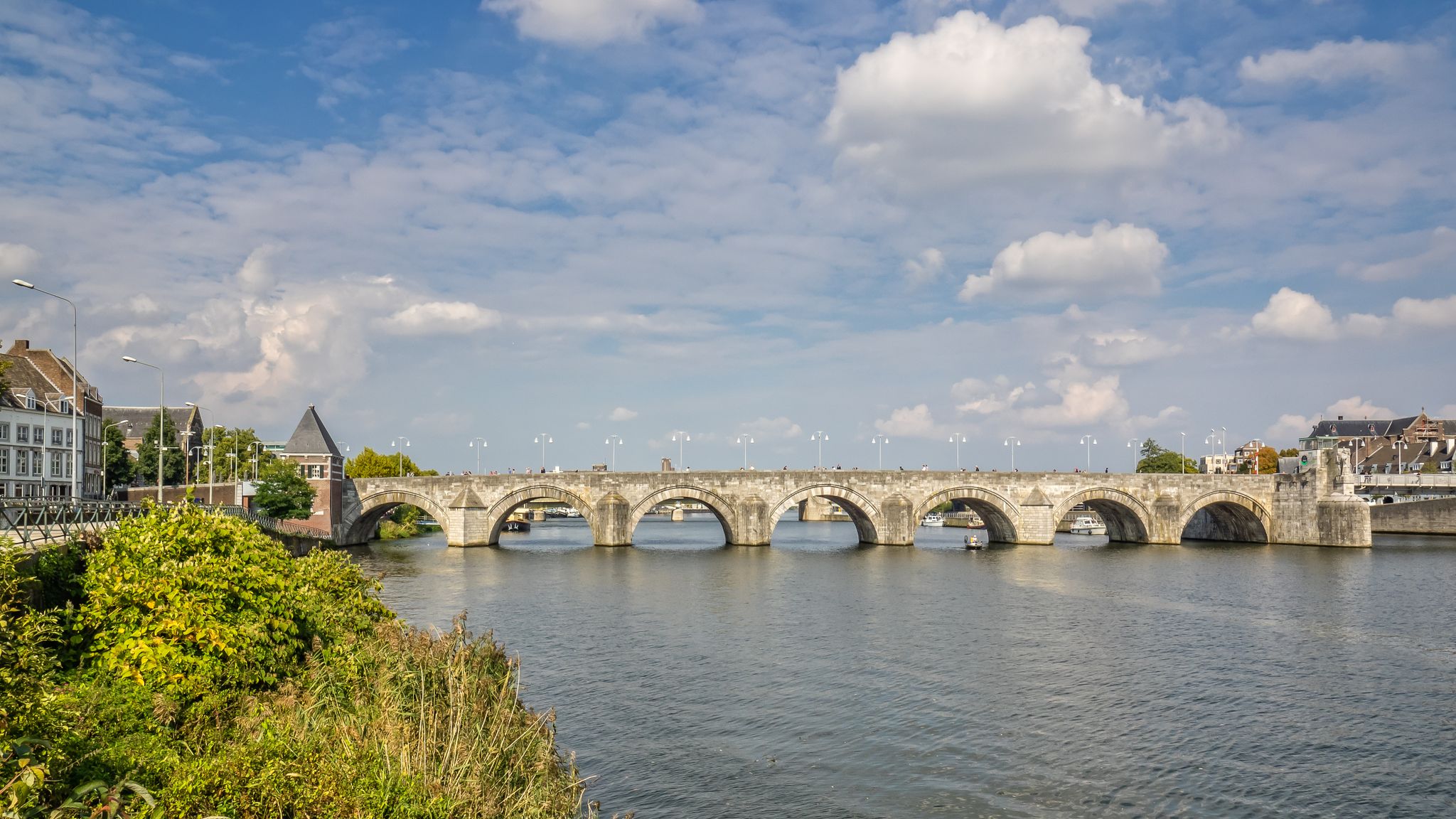
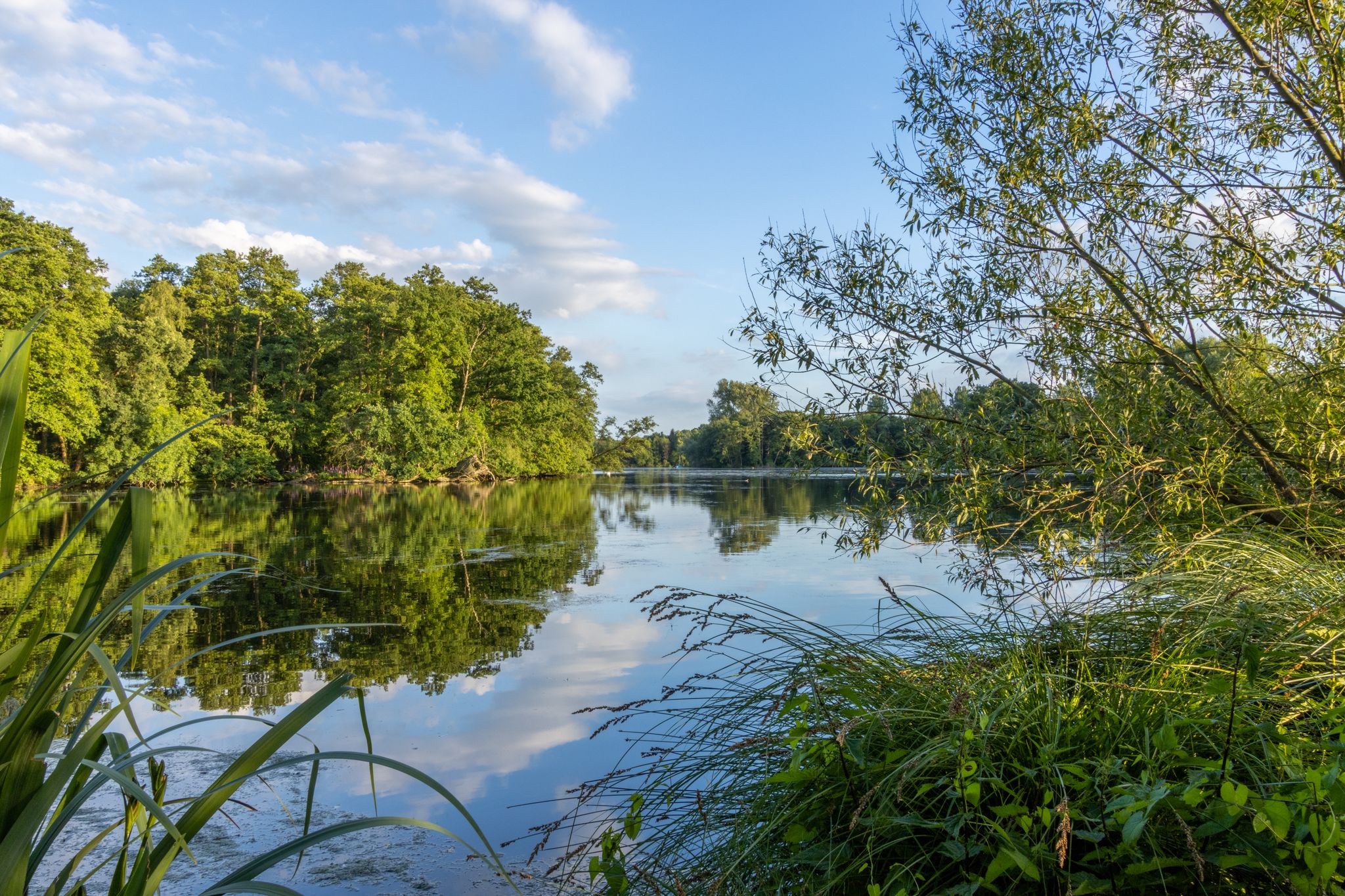
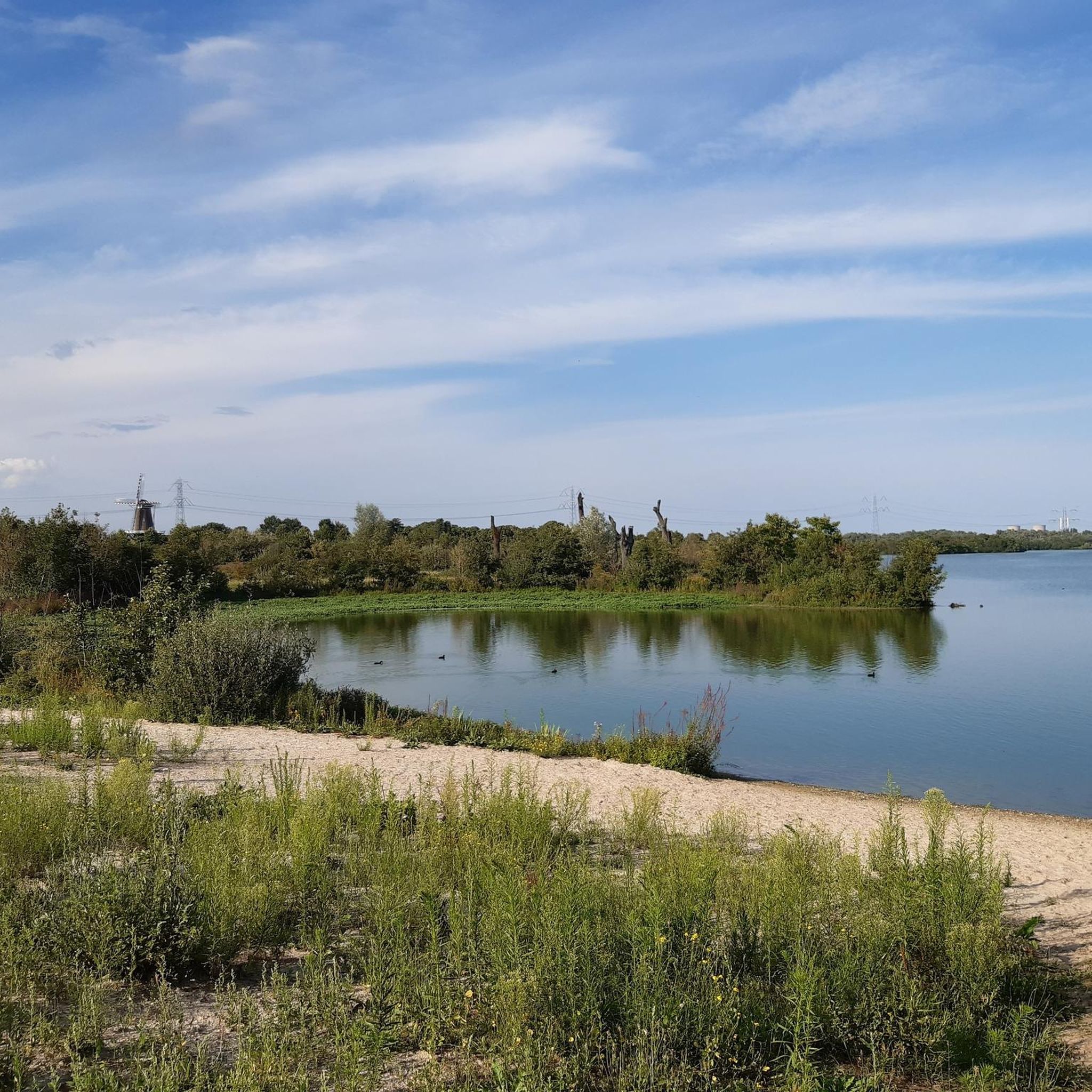
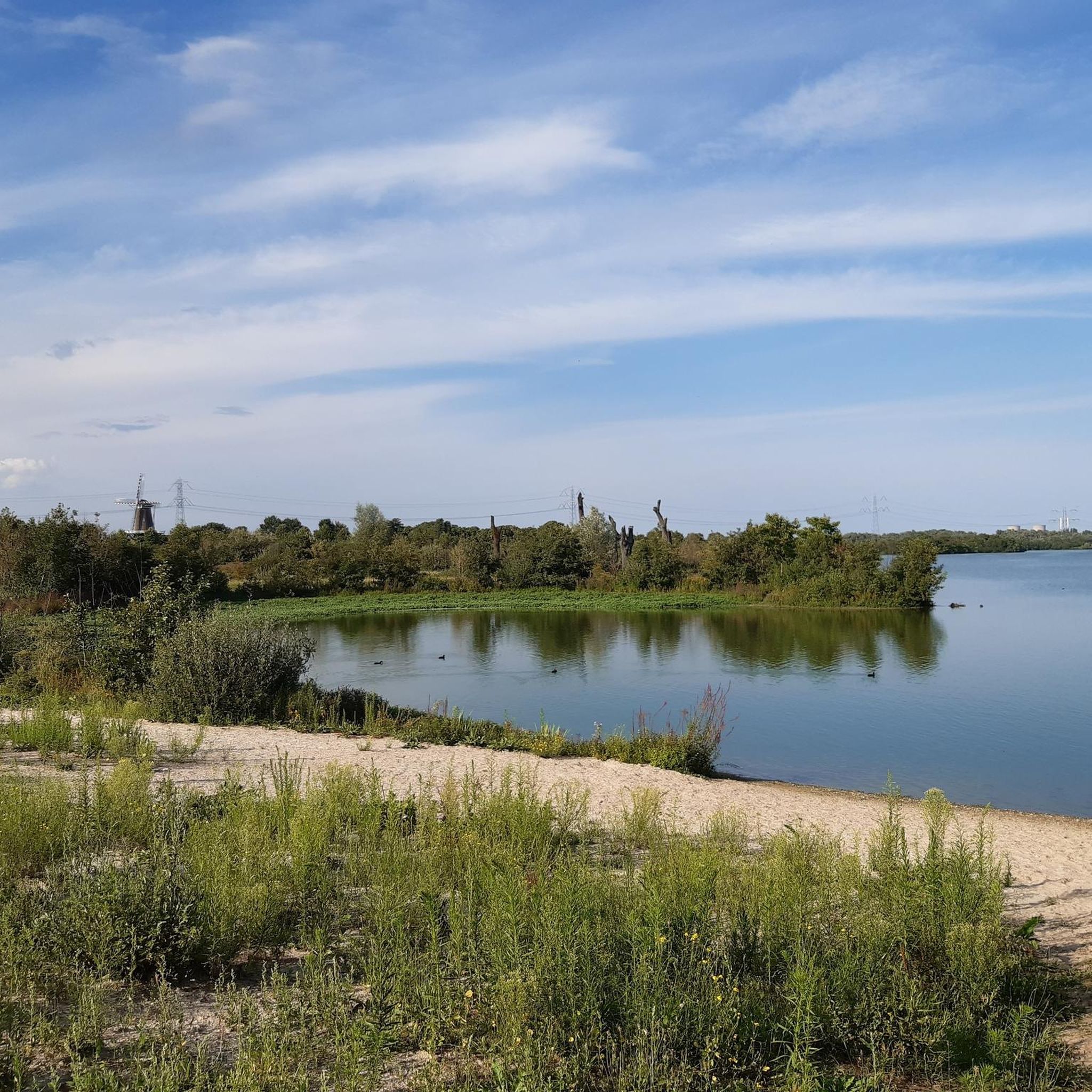
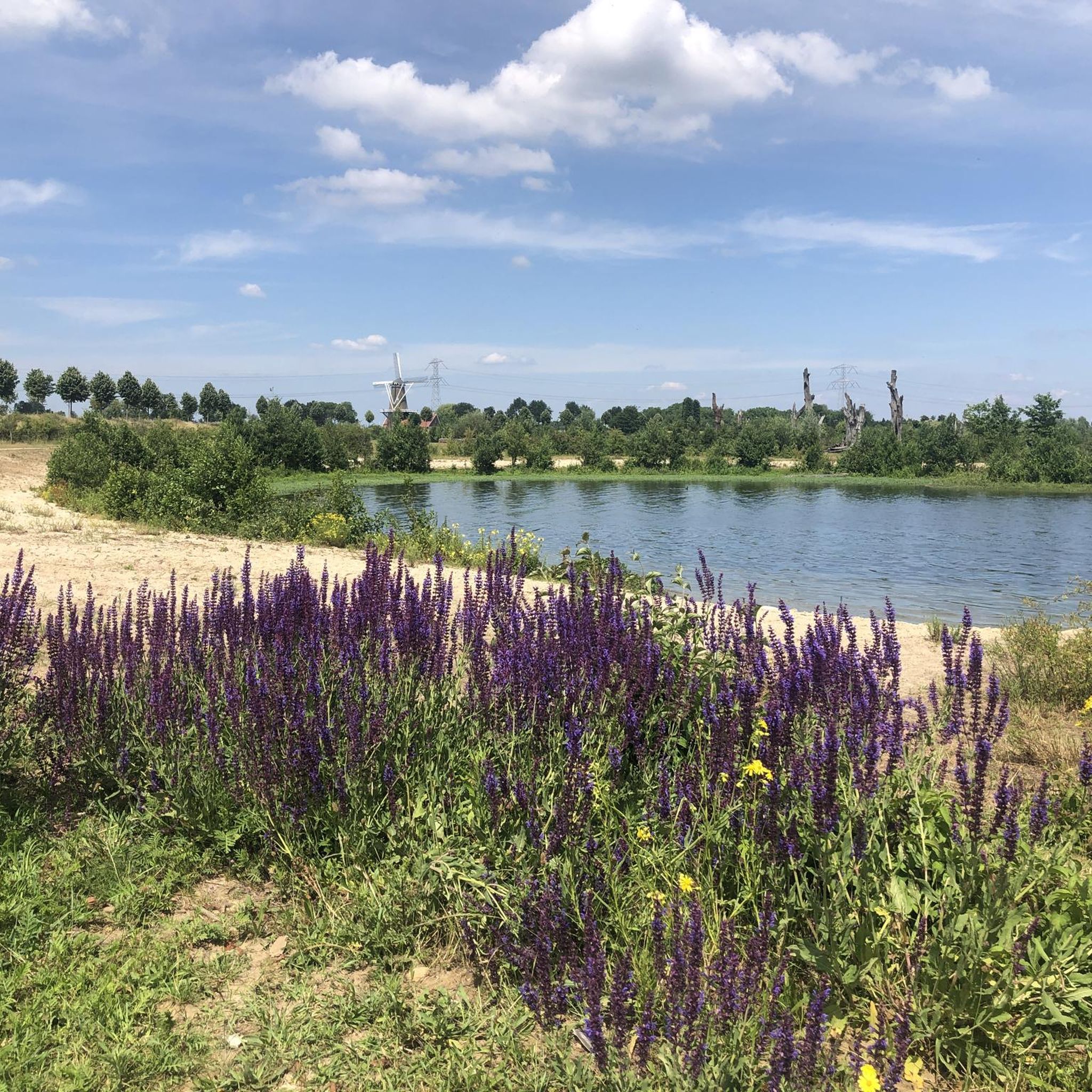
Ohé en Laak is located together with Stevensweert on the Island in the Maas, a (former) island between two river arms of the Maas, just west of the town of Echt at an altitude of approximately 26 meters. The old right arm is the Oude Maas. Due to sand and gravel excavations at various places on the island, several lakes have been created around the village, including the Dilkensplas, the Schroevendaalse plas, the Teggerse plas and most recently the Molenplas. Since the twentieth century, these have been used for water recreation and as a nature reserve, which is why the place attracts many tourists. There is a small marina. Laak consists entirely of ribbon development, located along a road that runs parallel to the Maas. Ohé has both a section with ribbon development and a part with concentrated development. From 1925 to 1934, the Juliana Canal was constructed, which forms an additional barrier between the island and the mainland. A few bridges provide the connection.
7
0

During the Eighty Years' War, the original village of Stevensweert was expanded into a fortified town by the Spanish in 1633. An earthen wall with seven bastions and five ravelins was built. Part of Stevensweert is under town protection. The fortifications can still be seen in the city's unique street pattern. Be sure to take a look at the Stevensweert-Ohé en laak regional museum. In 2007, the reconstruction of a small part of the fortifications began based on historical maps of a bastion, a rave line and the associated north side of Stevensweert.
17
0
Today's Stevensweert arose in the early Middle Ages on an island in the Meuse, with the eastern branch being the Old Meuse. This domain initially belonged to the County of Loon and since 1243 to the Oberg. From 1253 it belonged to the Ambt Montfort. In 1543 Obergelre came to the Habsburg Monarchy and thus became Spanish Obergelr. The late Gothic sculptor Jan van Steffeswert was probably born here at the end of the 15th century. The original village was converted into a fortress town in 1633 by the Spanish general Francisco de Moncada. An earthen wall with seven bastions and five rave lines was built around the place. In 1702, Stevensweert was besieged by the states, causing severe damage to the castle and the fortress becoming state property. From 1716 Stevensweert finally came into state hands and belonged to Staatsober-Gelre. Stevensweert has retained its heptagonal perimeter and geometric street pattern to this day. The original fortification wall was destroyed in 1874. In 1882 the island bridge was built over the Oude Maas, connecting the island to the mainland. In 1922 the Roermond - Sittard tram line was completed and Stevensweert received a tram stop. Five trams ran in both directions every day and a journey to Roermond station took 24 minutes. In 1937 the tram line was broken up and bus services took over passenger transport. With the construction of the Juliana Canal (1925-1934), Stevensweert was again on an elongated island, which was only connected to the shore by a few bridges and therefore always still had a more or less isolated situation. After the Second World War, gravel extraction was added, which created a number of puddles. In 2007, the reconstruction of a small part of the fortifications began based on historical maps of a bastion, a rave line and the associated north side of Stevensweert.
13
0

The fortified town of Stevensweert has everything to be counted among the most beautiful villages in Limburg: history, beauty, atmosphere and located in a beautiful part of the Netherlands. The biggest attraction of Stevensweert is the village center itself. This is one of the most picturesque villages you will find in Limburg. Specific buildings worth mentioning are the former town hall, which now houses the Streekmuseum Stevensweert/Ohé en Laak, the eighteenth-century St. Stephen's Church and the striking former Reformed Church. This monumental building now serves as a wedding location and a place where events are organized, such as concerts.
8
1

A nice place with gastronomy surrounded by water.
3
1

Montfort Castle dates back to 1260 and for centuries was one of the largest castles in the Netherlands. It was built by Hendrik van Gelre on a ridge in the water-rich Vlootbeek valley.
6
0
The castle has acted as a film set several times. For example for the feature film "Sjors en Sjimmie en het Zwaard van Krijn" (1977), by Henk van der Linden. The castle also played a role in a short feature film "The Legend of the Lady Without a Head" based on a legend about the wife of Wilhelm van Vlodrop, Cecilia van Hamal.
8
0
In summer you can not only sit in the courtyard, but also on a beautiful terrace right by the water. The castle is called Daelenbroeck Castle and is located in Herkenbosch.
13
0
Frequently Asked Questions
What are some unique castles to visit near Maasbracht?
The region offers a variety of unique castles. For a blend of ancient history and modern design, consider De Keverberg Castle in Kessel, known as the most modern castle in the Netherlands. Daelenbroeck Castle, originally a 14th-century hunting lodge, now features a 4-star hotel and excellent cuisine. Limbricht Castle, dating back to the 11th century, offers audio tours and tells the story of Entgen Luijten, the 'last witch of the Netherlands'.
Are there any castle ruins I can explore around Maasbracht?
Yes, Montfort Castle is one of the oldest and largest castles in the Netherlands, now partly in ruins but still impressive. You can explore its remnants, take guided tours, and enjoy its castle terrace. Huys ter Horst Castle also offers picturesque ruins nestled within a park-like landscape, perfect for walking.
Which castles near Maasbracht are family-friendly?
Several castles offer family-friendly experiences. Montfort Castle is listed as family-friendly and offers guided tours. The Historic Center of Stevensweert, which includes fortifications, is also noted as family-friendly. While not all castles explicitly state 'family-friendly' in their descriptions, many provide open grounds or park settings suitable for families to explore, such as Huys ter Horst Castle.
Can I bring my dog to the castles around Maasbracht?
While specific dog policies vary by castle, many outdoor areas and castle parks in the Limburg region are dog-friendly, usually requiring dogs to be on a leash. For example, the park-like landscape around Huys ter Horst Castle is suitable for walks. It's always best to check the specific castle's website or contact them directly before your visit to confirm their pet policy.
What outdoor activities, like hiking or cycling, can I do near these castles?
The region around Maasbracht is excellent for outdoor activities. You can find numerous hiking and cycling routes that pass by or connect to various historical sites. For hiking, explore options like the 'Premium-Hiking Trail Molenplas' or routes around the 'Konik horses at Molenplas'. For cycling, consider routes like 'Thorn, the little white town' or those along the Maas River Dike. You can find more details and routes in the Hiking around Maasbracht and Cycling around Maasbracht guides.
What is the best time of year to visit the castles near Maasbracht?
The spring and summer months (April to September) generally offer the most pleasant weather for exploring castles and their surrounding grounds, with lush landscapes and warmer temperatures. However, some castles, like Montfort Castle, have castle terraces that are open in good weather, suggesting that visits outside peak season can also be enjoyable if the weather permits. Always check individual castle opening times, as some may have seasonal variations.
Are there castles near Maasbracht that offer food or accommodation?
Yes, some castles offer amenities like food and accommodation. Daelenbroeck Castle features a 4-star hotel and excellent cuisine. Limbricht Castle offers modern amenities including a terrace for local beers and stylish rooms for overnight stays. Elsloo Castle, while its main building is gone, has a restaurant and a boutique hotel in its charming economic buildings.
How can I reach the castles near Maasbracht using public transport?
Public transport options to castles in the Limburg region can vary. While some castles might be accessible via regional bus services, many are located in more rural settings, making a car the most convenient option. For specific routes, it's recommended to check local public transport websites or use a journey planner for the exact castle you wish to visit. Parking facilities are generally available at or near most major castle attractions.
Are there any castles with a focus on history or unique stories?
Absolutely. Limbricht Castle offers an audio tour that delves into its 11th-century past, including the intriguing story of Entgen Luijten, the 'last witch of the Netherlands'. Brüggen Castle, just across the border in Germany, showcases medieval defense architecture with its knife tower and casemates. Daelenbroeck Castle has a rich history dating back to the early 14th century, with various noblemen leaving their mark.
What natural features can I see around the castles near Maasbracht?
The castles around Maasbracht are often set amidst beautiful natural landscapes. De Keverberg Castle offers a magnificent panorama of the Maas river. Huys ter Horst Castle is nestled within a park-like setting, ideal for walking. Elsloo Castle features a romantic castle park. Montfort Castle is located in the green Vlootbeek valley, popular with hikers. The area also includes riverine environments and the Maasplassen, offering diverse natural backdrops.
Are there any castles that are particularly well-preserved or restored?
While many castles have undergone restoration, De Keverberg Castle in Kessel is notable for its blend of ancient roots and contemporary design, making it a unique and well-maintained destination. Hillenraad Castle is a square moated castle that has been a protected national monument since 1970, consisting of a main building with four corner towers, a bailey, and a palace park, showcasing its well-preserved structure.
Can I visit castles that are still inhabited or privately owned?
Some castles, like Hillenraad Castle, are privately owned and generally not open to the public, though you can often admire them from the exterior. Other castles, such as Daelenbroeck Castle, have been converted into hotels or event venues, allowing public access to certain areas like restaurants or for overnight stays, blending private ownership with public hospitality.
Most popular routes around Maasbracht
Most popular attractions around Maasbracht

Get inspired with the komoot mobile app


Explore more
Looking for the best castles somewhere else? Discover other guides around Maasbracht:
