The best walks and hikes around Margraten
4.5
(4575)
19,824
hikers
350
hikes
Hiking around Margraten offers diverse landscapes in the South Limburg region of the Netherlands. The area is characterized by its rolling countryside, a significant change from the typically flat Dutch terrain, providing varied and engaging routes. Hikers can explore the scenic Margraten plateau, which offers beautiful vistas without extensive elevation changes, making it accessible for various fitness levels. The region also features the unique marlstone geology of Mergelland, along with forests and valleys.
Best hiking trails around Margraten
- The most popular hiking route is View of 's-Gravenvoeren – Path Along the Voer loop from Noorbeek, a 6.4 miles (10.3 km) trail that takes 2 hours 49 minutes to complete, offering views along the Voer river.
- Another top favourite among local hikers is Between the meadows – Half-timbered Houses in Veurs loop from Noorbeek, a moderate 8.2 miles (13.2 km) path. This route winds through meadows and past traditional half-timbered houses.
- Local hikers also love the Beautiful hiking trail – Gerendal Valley loop from Margraten, a 4.9 miles (7.9 km) trail leading through the picturesque Gerendal Valley, often completed in about 2 hours 6 minutes.
- Hiking around Margraten is defined by rolling hills, diverse forests, and scenic valleys, with options for both easy walks and more challenging routes. The network offers options for different ability levels, from gentle strolls to moderate climbs.
- The routes in Margraten are highly rated by the komoot community with an average score of 4.5 stars from over 4000 reviews. More than 18000 hikers have used komoot to explore Margraten's varied terrain.
Last updated: July 4, 2026
4.7
(146)
551
hikers
10.3km
02:49
160m
160m
Moderate hike. Good fitness required. Easily-accessible paths. Suitable for all skill levels.
4.8
(147)
520
hikers
12.4km
03:30
260m
260m
Moderate hike. Good fitness required. Mostly accessible paths. Sure-footedness required.

Sign up for free
4.4
(130)
518
hikers
Easy hike. Great for any fitness level. Easily-accessible paths. Suitable for all skill levels.
4.7
(134)
434
hikers
7.85km
02:06
90m
90m
Moderate hike. Good fitness required. Easily-accessible paths. Suitable for all skill levels.
4.7
(104)
345
hikers
Moderate hike. Good fitness required. Easily-accessible paths. Suitable for all skill levels.
Get access to more routes and recommendations from other explorers.
Sign up for free
Already have an account?
Our route recommendations are based on thousands of hikes, rides, and runs completed by other people on komoot.
Start today with a free account
Your next adventure awaits.
Login or Signup
Popular around Margraten
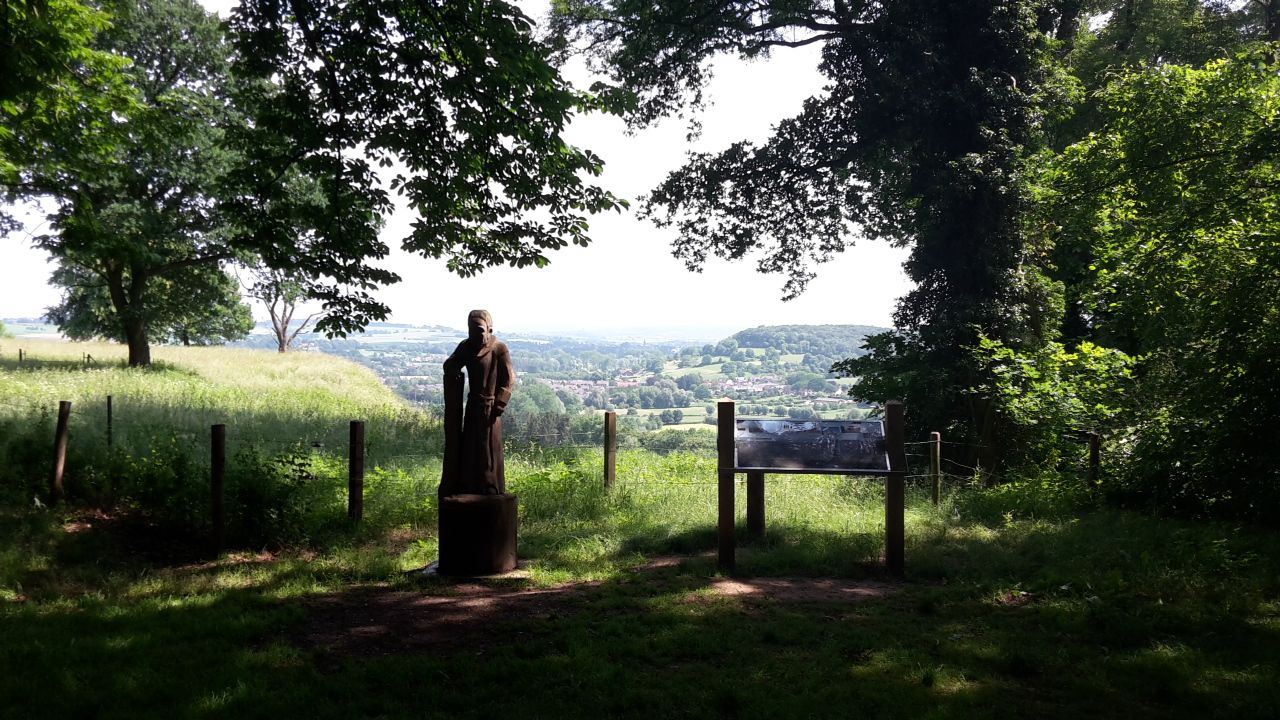
Via Coriovallum – a pilgrimage in the Dutch region of South Limburg
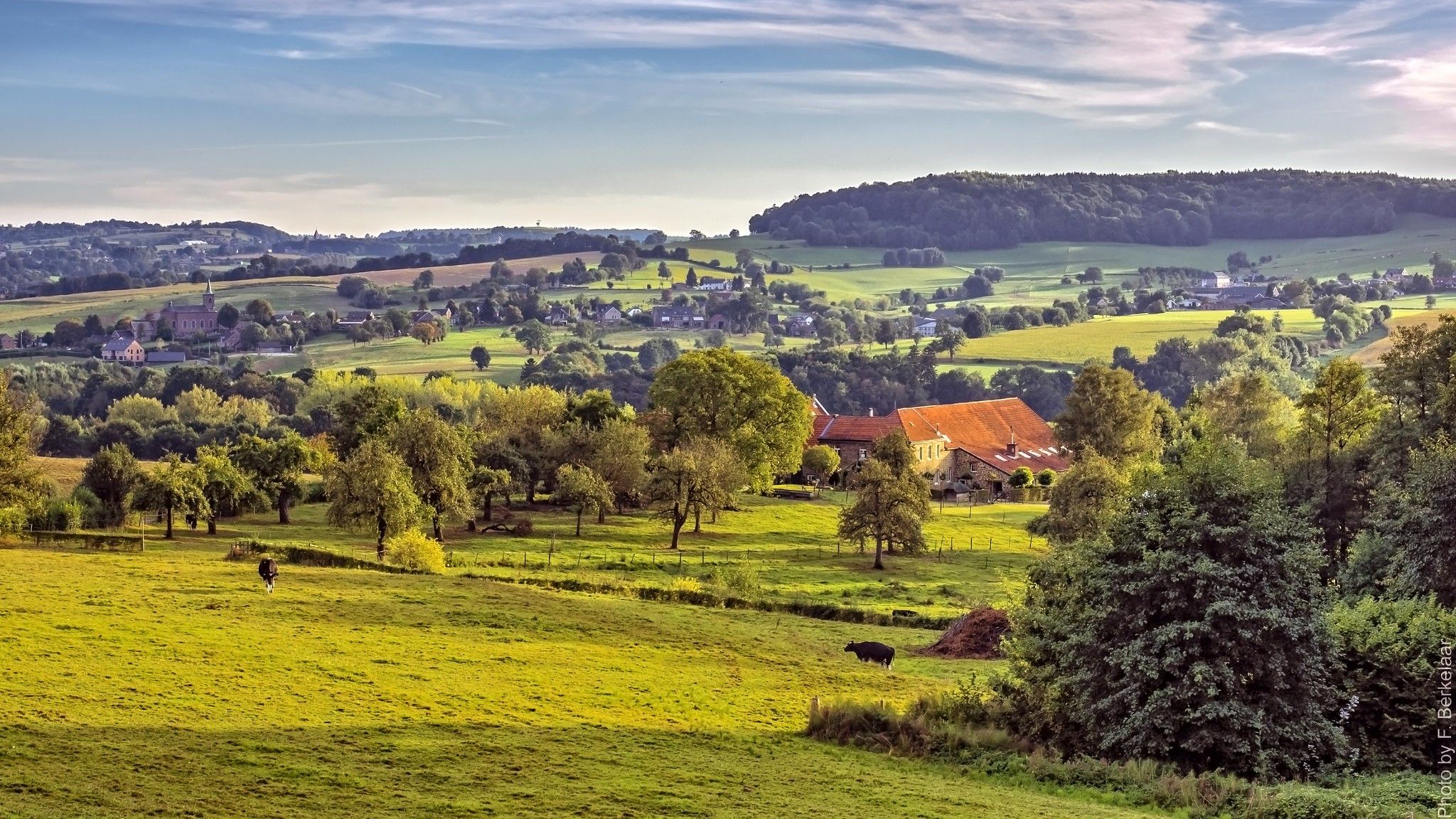
Pilgrim's Way part 2 — s-Hertogenbosch to Maastricht
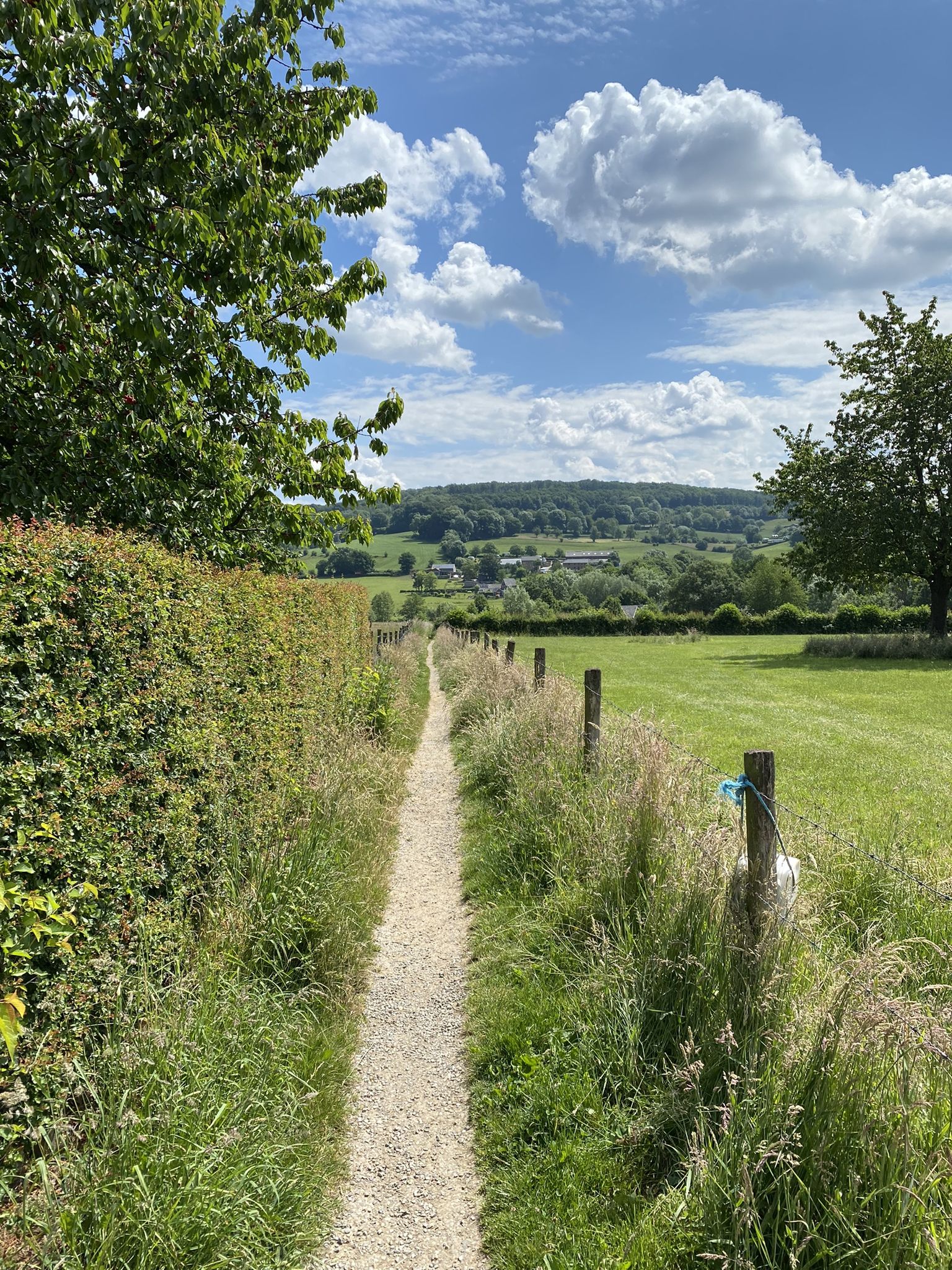
Train your calves in the rolling hills - 10 trailruns in Limburg
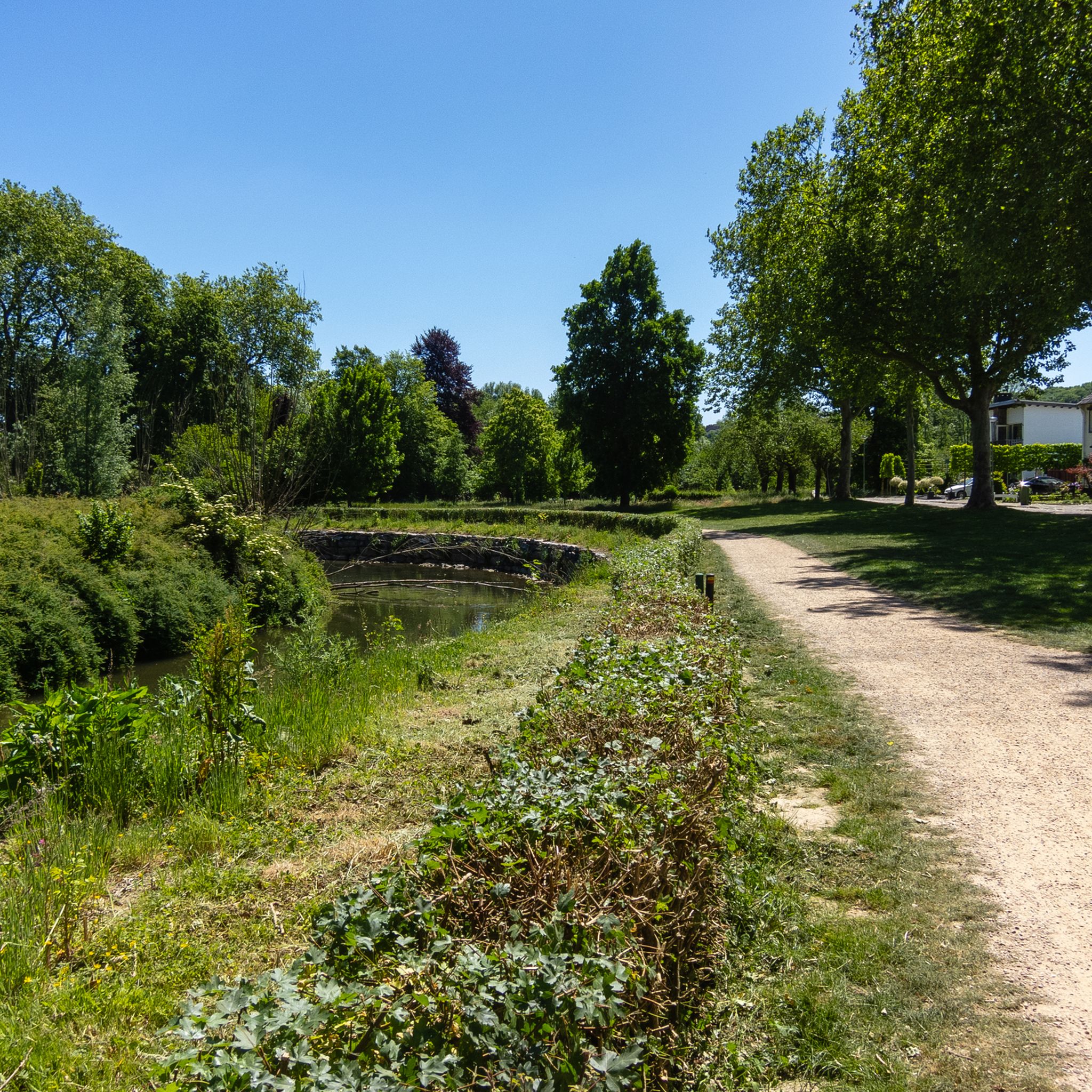
Cycling around Margraten
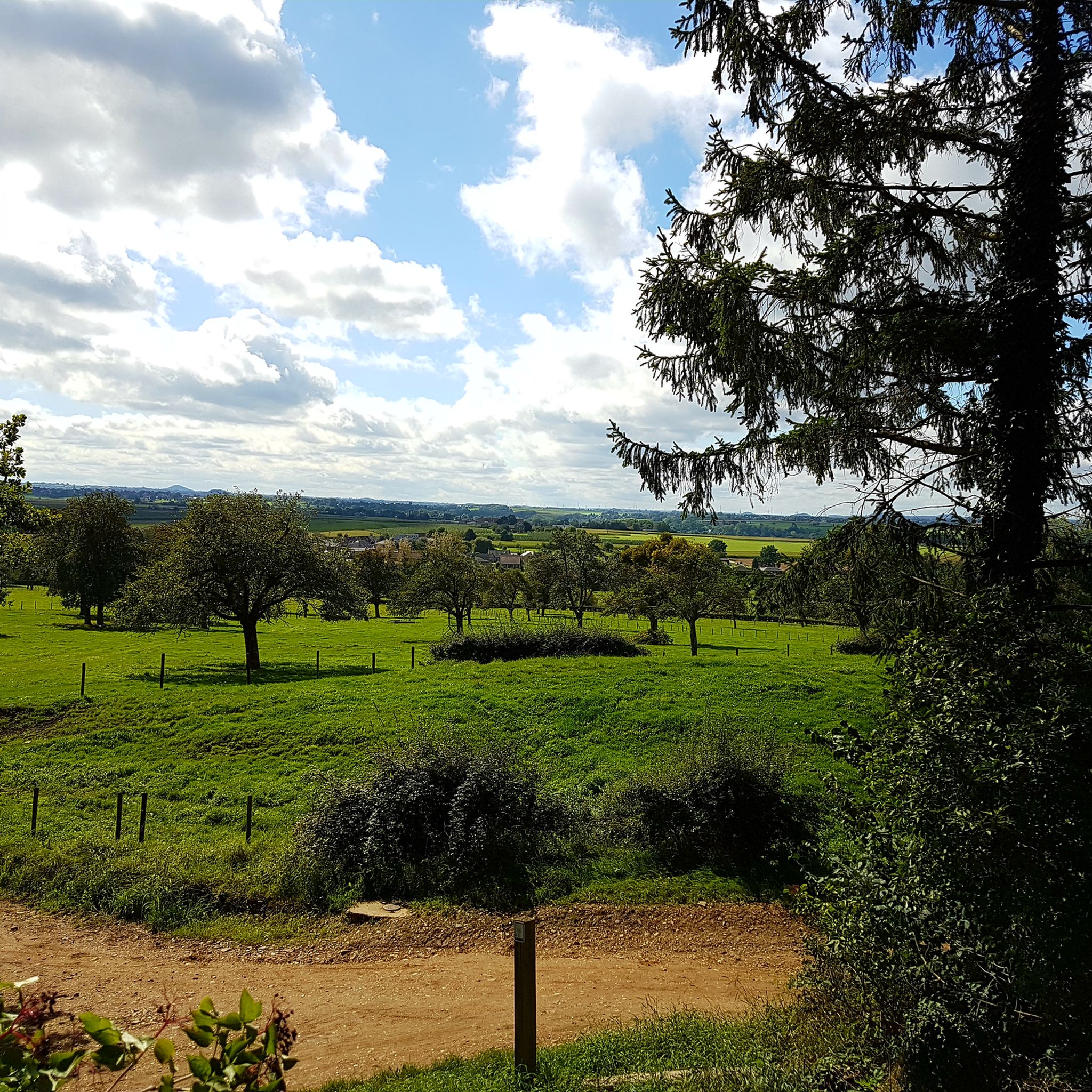
MTB Trails around Margraten
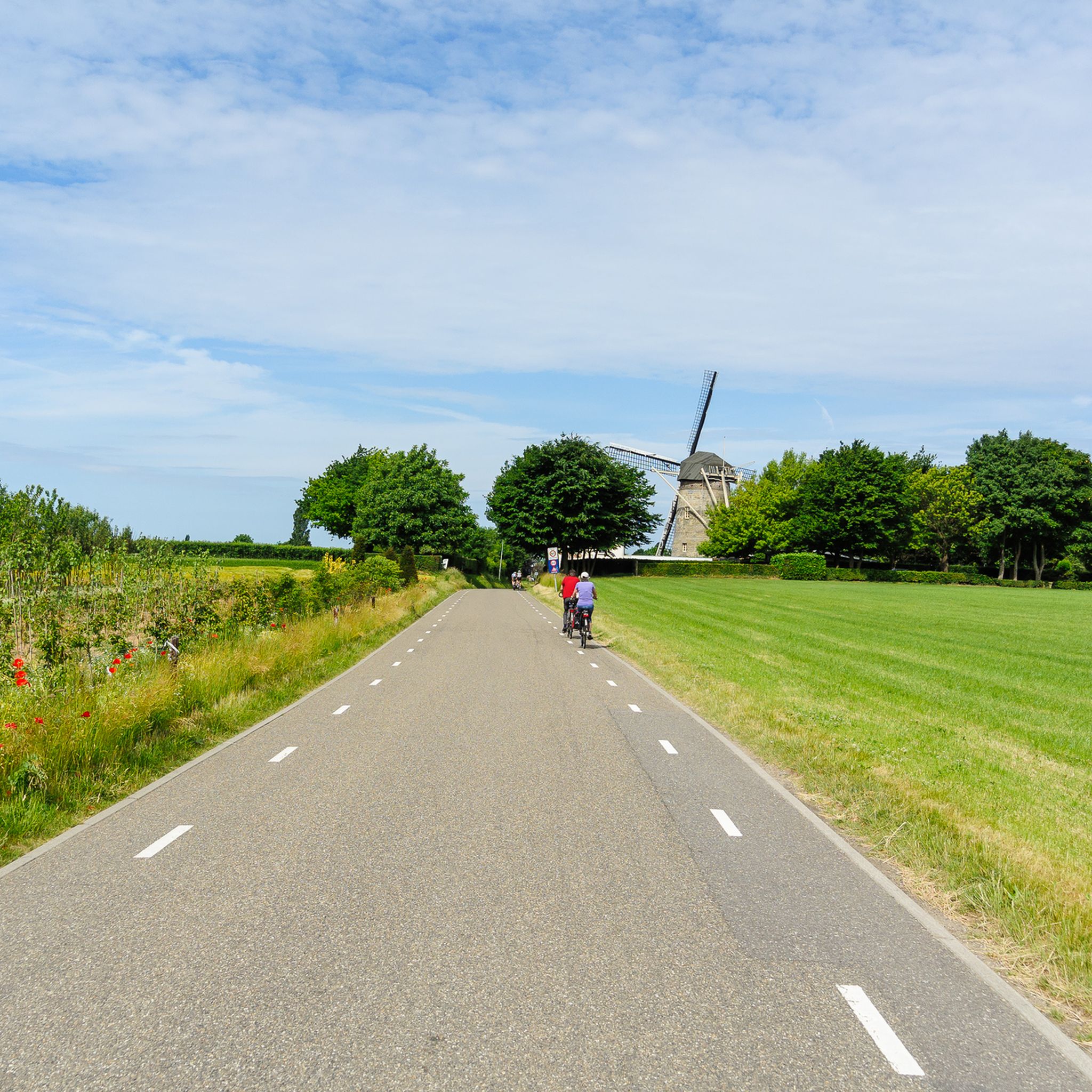
Road Cycling Routes around Margraten
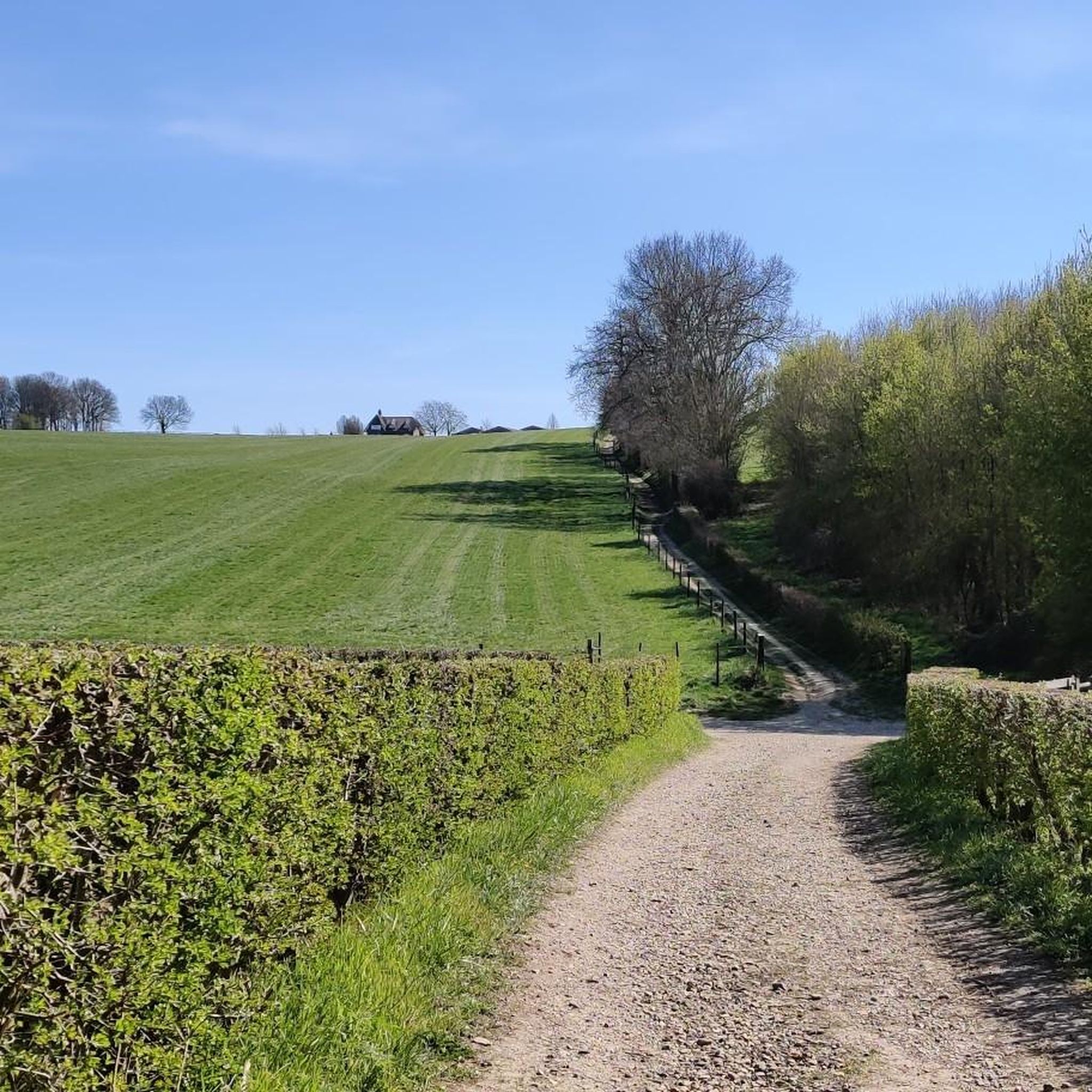
Running Trails around Margraten
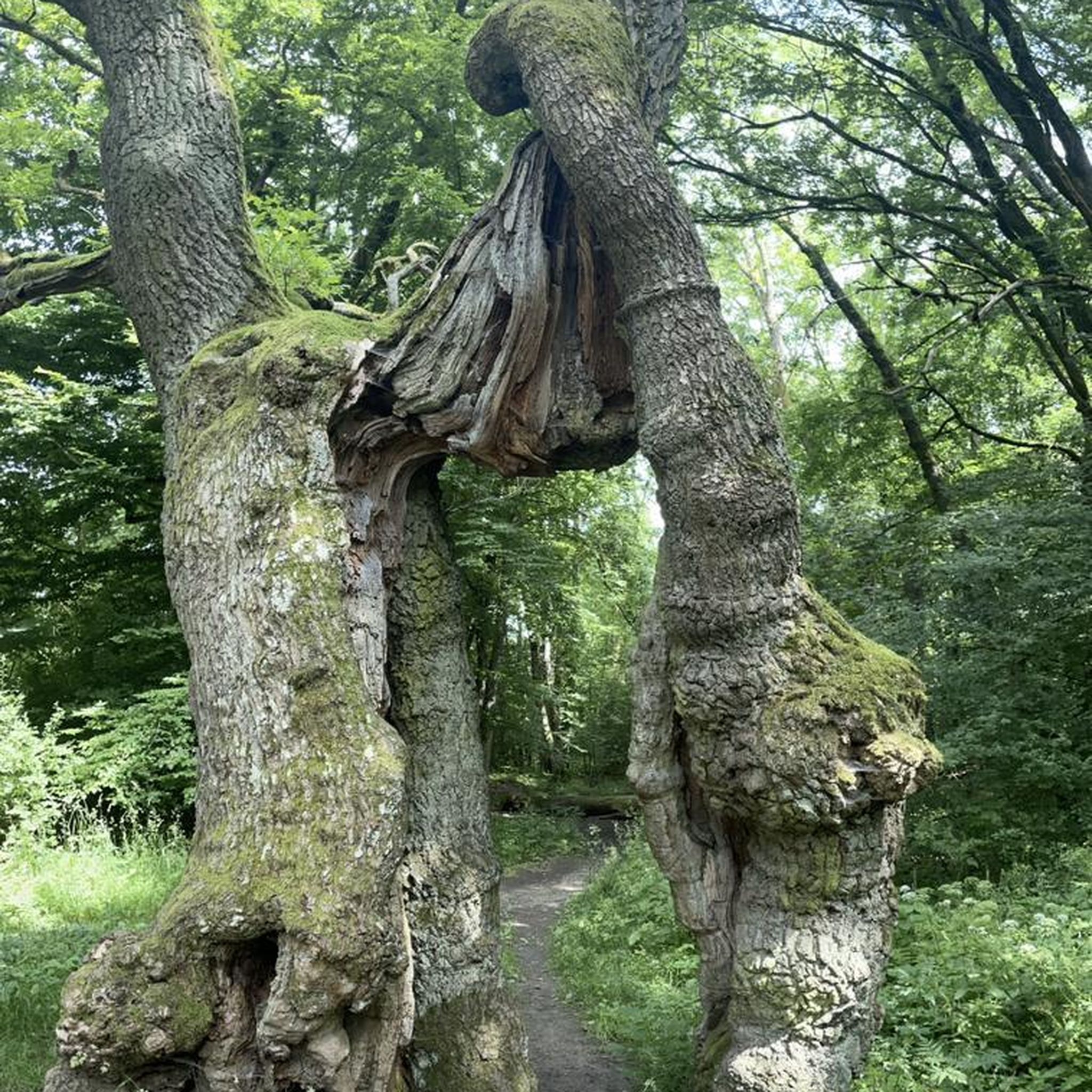
Gravel biking around Margraten

Mountain Hikes around Margraten
Other adventures around Margraten


Tips from the Community

Beautiful forest. Beautiful stairs. Beautiful running.
0
0

Nowhere in Flanders will you find such a beautiful collection of half-timbered houses as in the hamlet of Veurs in Voeren. All these houses are mainly from the 18th and early 19th centuries and have for the most part been restored to their original condition. You will feel like you have traveled back a century in time as you wander around here.
4
0


Saint Brigid, also known as Brigitte of Kildare, was born in the year 436 to Irish parents. Her father was chief of Leinster, an estate west of Dublin, and her stepmother belonged to the royal family of the O’Connors. According to most sources, her natural mother was a charming housemaid. Even as a little girl, she was noted for her exceptional beauty and also radiated an impressive piety. Therefore, she was given the Celtic name for light: Brighid or Bride. It is reflected in the English word bright, which means bright or shining. As a young woman, she was asked in marriage by many noblemen, but to the great despair of her father, who was bent on expanding his territory, she repeatedly declined. From a young age, she wanted to dedicate herself entirely to the new doctrine of Christianity that was emerging in Ireland at the time. When she was struck by an eye disease that disfigured her beautiful face, her suitors declined, and her father granted her an "oak forest estate" where she could live as a recluse. This place is called Çill-Dra', which means something like "hermitage under the oak." Soon, several young women joined her, likely to escape the yoke of the then-common practice of arranged marriages. This community of recluses was commissioned by Bishop Machilas, nephew of St. Patrick, to further Christianize Ireland and mainland Europe. Saint Brigid can thus be considered the founder of the first female monastic order in Western Europe. She died at an advanced age around the year 520. Her feast day is February 1st. Many legends surround Saint Brigid, often interwoven with ancient Celtic sagas. One of them tells of her presence at the birth of Christ in the stable in Bethlehem. Mary is said to have entrusted her with the care of Jesus for a time. The stable contained not an ox, but a cow, which Brigid milked. With this milk, she saved the Holy Family from starvation. For this reason, Brigid is sometimes called the "foster mother" of Christ or the "Mother of God of the North." It is also why she is usually depicted with a cow and is the patron saint of cattle herders. She is specifically invoked against livestock diseases. Text by Manu Brouwers, Stichting Heem & Groen Noorbeek Source and more information at https://www.kerkgebouwen-in-limburg.nl/kerken/noorbeek/brigida
4
0
Noorbeek has been a place of pilgrimage for Saint Brigid or Saint Briej since 1634. Farmers come there to ask for help from Brigid, patron saint of cattle, among other things, to protect their livestock—and thus their lives and income—from disease. Yet, our village saint of Noorbeek (and you really can't miss her) and simultaneously the female patron saint of Ireland, is not originally Catholic. Although she is known as the founder of the Kildare Monastery in Ireland (and nurse of the poor with the help of her cow), the stories told about her are often a Christianization of the stories of the Celtic goddess Brigid, also known as Brigantia and Brighde. In that Celtic tradition, she is an exalted goddess, daughter of the Dagda (the Father of the Gods), associated with spring, fertility, poetry, medicine, and blacksmithing. And February 1st is known as Imbolc, one of the four major festivals of the pre-Christian Celtic calendar associated with the fertility of the earth. When you think of her feast day, you might also think of snowdrops.
4
0
Strictly speaking, this highlight is dedicated to the Chapel of St. Brigid, which lies in front of the churchyard on the east side; In practice, however, there are photos of both the chapel and the church behind it, which is also dedicated to St. Brigid, the village saint and patron saint of Ireland. And that St. Brigid's Church is located on the bend in the main road to Mheer. Opposite the east side is the village square, and on the left is a road leading to the Voer region. The church is situated on a hill, supported by a marlstone retaining wall. The church is a three-aisled basilica, begun in Romanesque style but rebuilt in phases in Gothic style. It is one of the few village churches in South Limburg that has preserved some of its medieval atmosphere and retained its main 15th-century forms. According to the parish archives, St. Brigid's Church was a branch church of the parish church in 's Gravenvoeren (Belgium) until 1614. This church, which in turn was a separation from the church of St. Martin's Voeren, was donated to the Our Lady Minster of Luxembourg City in 1083 by Conrad I of Luxembourg, lord of the land of Daehlem. Originally, the parish also included Mheer, which separated in 1626. From 1616 until the order's dissolution in 1773, the Jesuits of Maastricht held the right of collation of the church and the right of tithing, which they had inherited from the Our Lady Minster in Luxembourg. It is known that the church was plundered by soldiers of William of Orange in 1568. Source: The Dutch Monuments of History and Art. The Province of Limburg / South Limburg. Third installment: Margraten, Mheer and Noorbeek, A.G. Schulte - National Heritage Agency, Zeist and Waanders Publishers, Zwolle, 1991. ISBN 90-6630-248-8. On February 3, 2021, a fire broke out, causing extensive damage to the sacristy, the chancel, and the organ. Source and more information: https://www.kerkgebouwen-in-limburg.nl/kerken/noorbeek/brigida
4
0
The church building is situated on a church hill surrounded by a churchyard. It is surrounded by a marlstone retaining wall. On the east side of the church is the St. Brigid Chapel. In the churchyard are 25 stone grave crosses dating from 1608-1765. A statue of the Sacred Heart by August Falise stands near the churchyard. Around the year 1000, the oldest church, built on an artificial hill, already stood on this site. Unhewn natural stone remains in the base of the tower, believed to date from the 11th/12th century. The tower may also have served as a defensive tower, a fortified building where villagers could retreat in case of danger.
4
0

Veurs (Sint-Martens-Voeren) is one of the places in the Voer region where the highest concentration of traditional half-timbered buildings has been preserved. The hamlet is known for: 18th- and early 19th-century half-timbered farmhouses, built with wooden posts and cross-beams, filled with loam, lime, brick, or flint, often whitewashed, with dark wooden beams visible. This combination—wood, loam, and flint—is typical of the Voer region and rarely found elsewhere in Flanders.
11
0
Frequently Asked Questions
How many hiking trails are available around Margraten?
There are over 300 hiking routes around Margraten, offering a wide variety of options for all skill levels. You can find everything from easy strolls to more challenging climbs.
What kind of terrain can I expect on hikes in Margraten?
Margraten is known for its unique rolling countryside, a significant change from the typically flat Dutch landscape. You'll encounter diverse terrain including the scenic Margraten plateau, the marlstone geology of Mergelland, dense forests, and picturesque valleys. Some trails, like those around St Pietersberg Mountain, can feature steeper inclines and rocky sections.
Are there any easy hiking routes suitable for beginners or families in Margraten?
Yes, Margraten offers many easy routes. Over 170 of the available trails are classified as easy, making them perfect for beginners or family outings. These often feature gentle elevation changes and well-maintained paths through fields and orchards.
What are some notable natural features or landmarks I can see while hiking in Margraten?
The region boasts several interesting natural features and landmarks. You can explore the unique marlstone caves, such as the Thier des Vignes Flint Caves, or discover quarries like the Trichterberggroeve Limestone Quarry. The Marl Cliff along the Geul is another striking natural sight. Many routes also pass through charming villages and vineyards.
Are there any circular hiking routes in Margraten?
Yes, many of the hiking trails in Margraten are circular loops. For example, the Beautiful hiking trail – Gerendal Valley loop from Margraten is a popular 7.9 km circular route through a picturesque valley. Another option is the Groeve de Hel – Riesenberg Vineyard loop from Savelsbos, which is 8.6 km long.
What do other hikers say about the trails in Margraten?
The hiking trails in Margraten are highly regarded by the komoot community, with an average rating of 4.5 stars from over 4000 reviews. Hikers often praise the diverse landscapes, the well-maintained paths, and the stunning panoramic views from the rolling hills.
Can I combine hiking with visiting historical sites in Margraten?
Absolutely. Several hiking routes in Margraten lead past or around the poignant American Cemetery Margraten, allowing you to combine natural exploration with a meaningful remembrance of World War II history. Some paths also weave through villages with traditional half-timbered houses.
Are there any routes that feature water or lakes?
While Margraten is not primarily known for large lakes, some routes incorporate water features. For instance, the Meadow path through the meadows along the Gulp – Beautiful section along the Gulp loop from Reijmerstok follows the Gulp river. You can also find highlights like the Pond with fountains and sculptures in Gulpen in the broader region.
What is the best time of year to go hiking in Margraten?
Margraten offers beautiful hiking opportunities throughout the year. Spring brings blooming orchards and wildflowers, while autumn showcases vibrant fall foliage across the rolling hills. Summer is ideal for longer days, and even winter can be charming with crisp air and unique views, though some paths might be muddy.
Are there any challenging hikes for experienced hikers in Margraten?
Yes, for those seeking a more demanding experience, Margraten offers 19 difficult trails. The St Pietersberg Mountain Trail, for example, is known for its steeper inclines and rocky terrain, providing a good challenge for experienced hikers.
Are there any routes that offer panoramic views?
The South Limburg Hills and the Margraten plateau are defining characteristics of the region, providing stunning panoramic views. The Bemelerberg Hill is particularly noted for offering expansive vistas of the surrounding countryside from its peak.
Can I find routes that pass through forests or nature reserves?
Yes, the region around Margraten features diverse natural areas. You can explore dense forests within the De Dellen Nature Reserve, which offers well-marked trails. The broader area also includes a mix of deciduous trees and ancient pine forests, providing varied woodland experiences.
Most popular routes around Margraten
Most popular attractions around Margraten

Get inspired with the komoot mobile app


Explore more
Browse the best Hikes in other regions.
