The best walks and hikes around Dongen
4.6
(371)
2,145
hikers
155
hikes
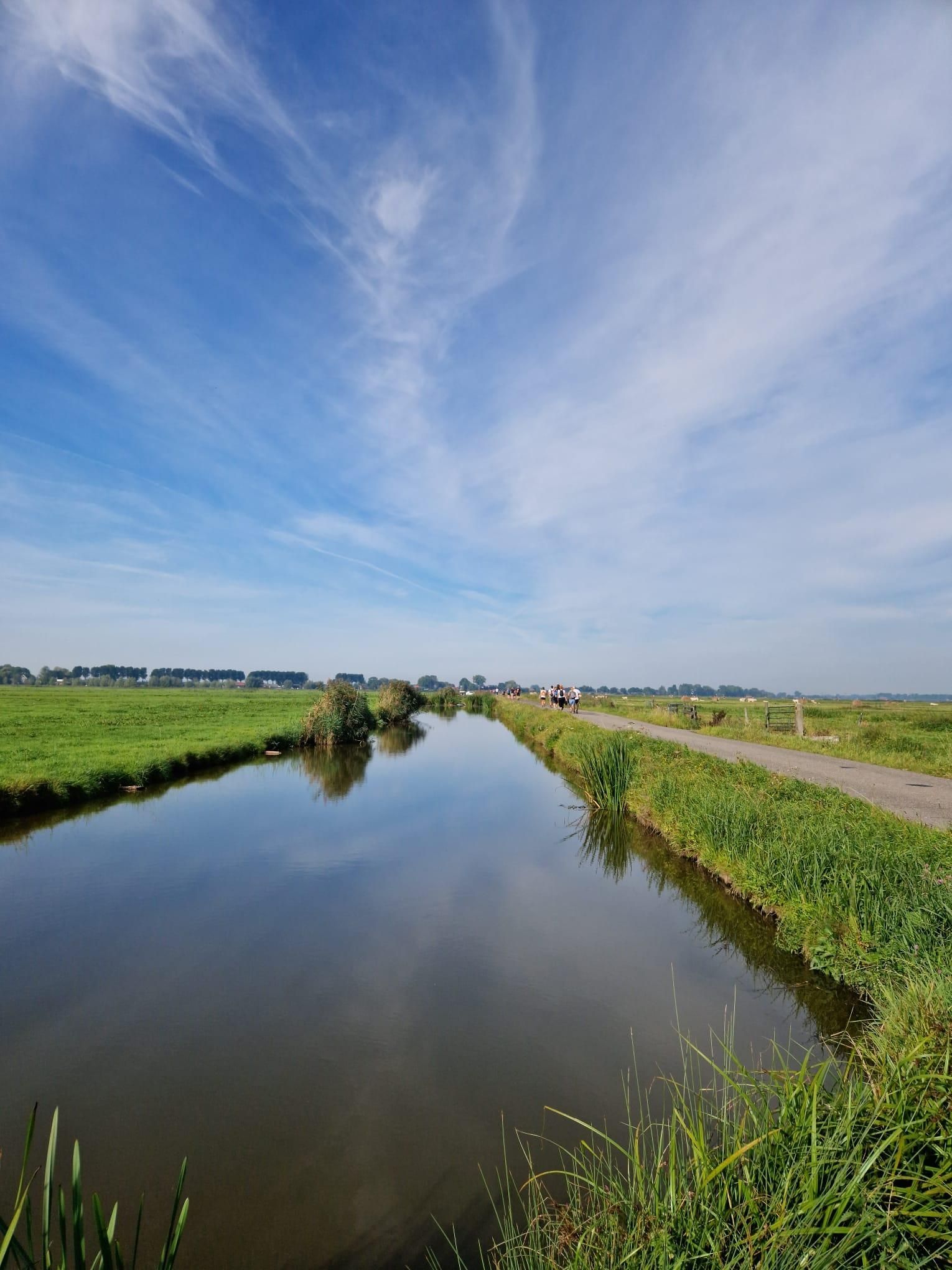
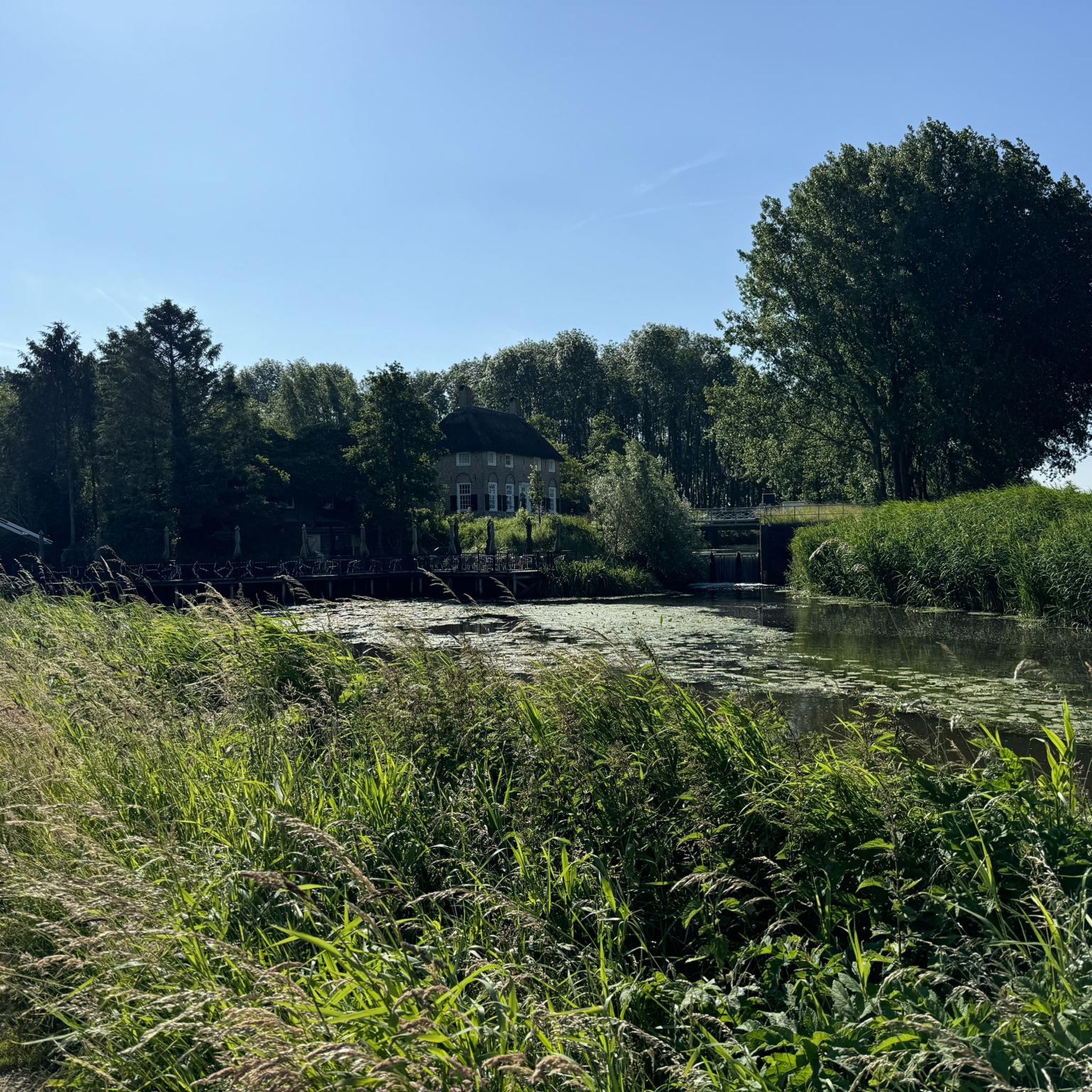
Hiking around Dongen offers diverse landscapes, from dense woodlands to varied countryside and scenic fens. The region is characterized by its network of well-marked trails that traverse forests, meadows, and nature reserves. The small Donge river contributes to the natural setting, while areas like the Boswachterij Dorst provide views of the Surae-vennen. This municipality in the southern Netherlands provides options for various levels of outdoor enthusiasts.
Best hiking trails around Dongen
- The most popular hiking route is View of the…
Last updated: October 11, 2026
4.7
(56)
150
hikers
Easy hike. Great for any fitness level. Easily-accessible paths. Suitable for all skill levels.
4.3
(30)
124
hikers
16.6km
04:12
20m
20m
Moderate hike. Good fitness required. Easily-accessible paths. Suitable for all skill levels.

4.4
(42)
131
hikers
9.27km
02:20
10m
10m
Moderate hike. Good fitness required. Easily-accessible paths. Suitable for all skill levels.
4.4
(16)
80
hikers
Hard hike. Very good fitness required. Easily-accessible paths. Suitable for all skill levels.
4.7
(16)
74
hikers
Easy hike. Great for any fitness level. Easily-accessible paths. Suitable for all skill levels.
Get access to more routes and recommendations from other explorers.
Already have an account?
Our route recommendations are based on thousands of hikes, rides, and runs completed by other people on komoot.
Start today with a free account
Your next adventure awaits.



Tips from the Community

Scottish Highlanders help Natuurmonumenten manage their nature reserves. This also applies to Huis ter Heide. You can encounter them in various places - and sometimes you won't. The Scottish Highlander is an iconic cattle breed from Scotland, immediately recognizable by its long, curved horns and thick, shaggy coat. These animals are excellently adapted to cold, wet climates and are known for their calm temperament. To prepare for the scarce winter months, Highlanders eat heartily in the summer and autumn. This way, they start winter well-fattened. With their grazing, they ensure that the landscape remains open and varied, with many birds, butterflies, and special plants. Source and more info: https://www.natuurmonumenten.nl/dieren/schotse-hooglander
1
0
Scottish Highlanders help Natuurmonumenten manage their nature reserves. This also applies to Huis ter Heide. You can encounter them in various places - and sometimes not. The Scottish Highlander is an iconic cattle breed from Scotland, immediately recognizable by its long, curved horns and thick, shaggy coat. These animals are excellently adapted to cold, wet climates and are known for their calm temperament. To prepare for the scarce winter months, Highlanders eat their fill in the summer and autumn. This way, they start winter well-fattened. With their grazing, they ensure that the landscape remains open and varied with many birds, butterflies, and special plants. Source and more info: https://www.natuurmonumenten.nl/dieren/schotse-hooglander
1
0
Scottish Highlanders help Natuurmonumenten manage their nature reserves. And this also applies to Huis ter Heide. You can encounter them in various places - and sometimes not. The Scottish Highlander is an iconic cattle breed from Scotland, immediately recognizable by its long, curved horns and thick, shaggy coat. These animals are excellently adapted to cold, wet climates and are known for their calm temperament. To prepare for the scarce winter months, Highlanders eat themselves full during the summer and autumn. This way, they start the winter well-fattened. With their grazing, they ensure that the landscape remains open and varied with many birds, butterflies, and special plants. Source and more info: https://www.natuurmonumenten.nl/dieren/schotse-hooglander
1
0
Scottish Highlanders help Natuurmonumenten manage their nature reserves. And that also applies to Huis ter Heide. You can encounter them in various places - and sometimes not. The Scottish Highlander is an iconic cattle breed from Scotland, immediately recognizable by its long, curved horns and thick, shaggy coat. These animals are excellently adapted to cold, wet climates and are known for their calm temperament. To prepare for the scarce winter months, Highlanders eat their fill in the summer and autumn. This way, they start the winter well-fattened. With their grazing, they ensure that the landscape remains open and varied with many birds, butterflies, and special plants. Source and more info: https://www.natuurmonumenten.nl/dieren/schotse-hooglander
1
0
Het Moerven is a vast fen in the middle of the nature of Landgoed Huis ter Heide. A wooden boardwalk runs directly over the water of the Het Moerven. The Het Moerven is located in a chain of fens (such as Leikeven and Galgenven) and borders the well-known deep blue lake 't Blauwe Meer.
1
0
For those who like to see things from afar. The stronger the eyes and/or lens, the clearer the image of the village, even in photos.
3
0
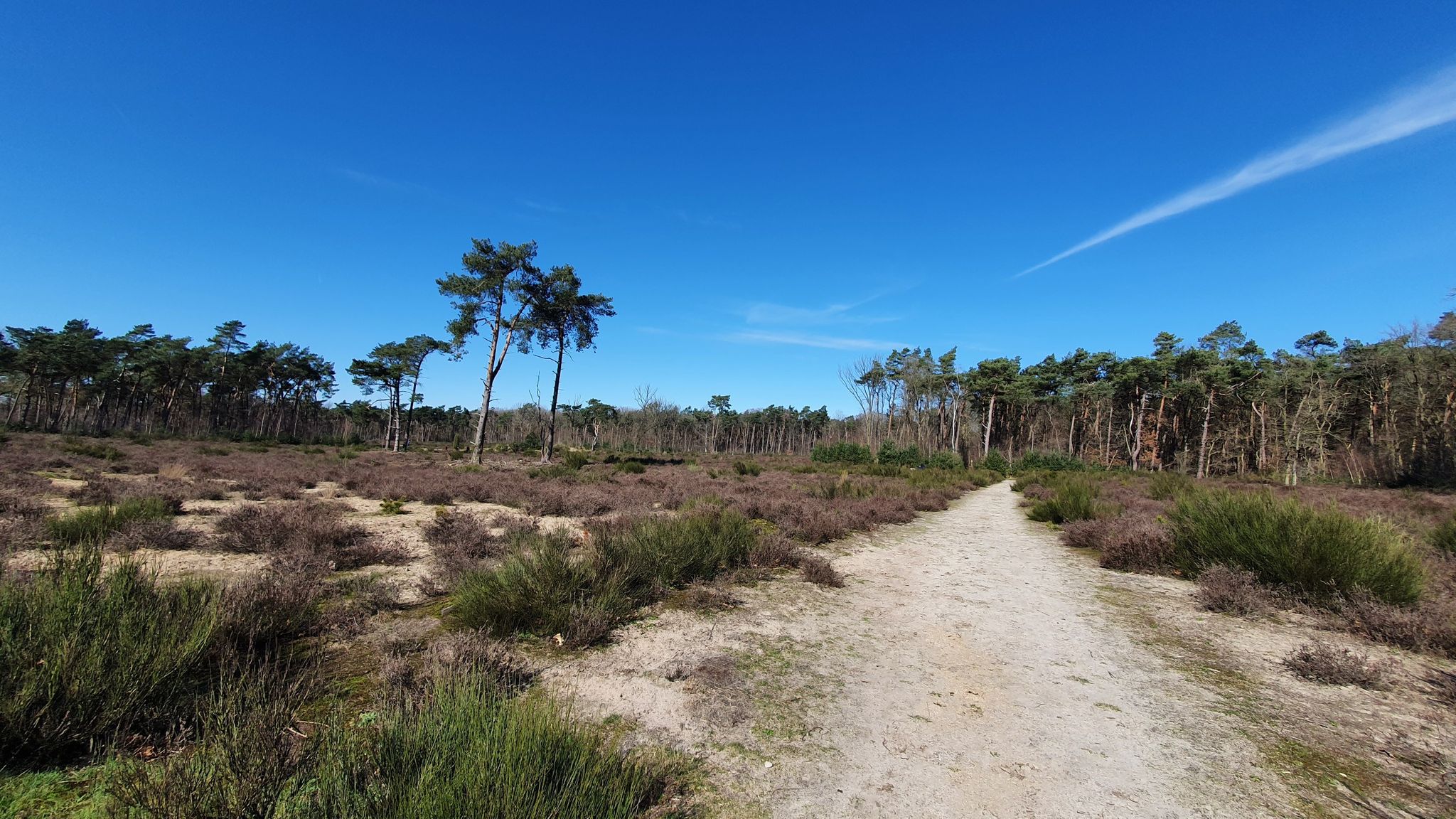
Huis ter Heide bij de Moer is not far from Tilburg, yet it is an oasis of tranquility here. It is a versatile area with forest, heathland and fens. In 1976, Huis ter Heide came into the hands of Natuurmonumenten. What was once a forestry estate with mainly production forest, grew over fifty years into a rich and vibrant nature reserve. The uniform coniferous forest made way for a diverse natural forest where plants and animals are given ample space again. The pine marten once again moves like an acrobat through the treetops, and the badger has also returned to the area. In the southern part, an extensive fen area developed. 24 fens have been dug here, which together form a valuable habitat for all sorts of amphibians and birds. Thanks to an ecoduct with the Loonse en Drunense Duinen, the landscape connection has been restored, and animals can move safely and find new habitats and conspecifics. Source and more info at https://www.natuurmonumenten.nl/natuurgebieden/huis-ter-heide
2
0
Huis ter Heide near de Moer is not far from Tilburg, yet it is an oasis of tranquility here. It is a versatile area with forest, heathland, and fens. In 1976, Huis ter Heide came into the possession of Natuurmonumenten. What was once a forestry estate with mainly production forest has grown into a rich and vibrant nature reserve over fifty years. The uniform coniferous forest has made way for a varied natural forest where plants and animals are once again given ample space. The pine marten is once again moving like an acrobat through the treetops, and the badger has also returned to the area. A vast fen area has developed in the southern part. 24 fens have been dug here, which together form a valuable habitat for all sorts of amphibians and birds. Thanks to a nature bridge with the Loonse en Drunense Duinen, the landscape connection has been restored, and animals can move safely and find new habitats and conspecifics. Source and more info at https://www.natuurmonumenten.nl/natuurgebieden/huis-ter-heide
2
0
Frequently Asked Questions
How many hiking trails are available in Dongen?
Dongen offers a wide variety of hiking opportunities, with over 150 trails recorded on komoot. These routes cater to all levels, from easy strolls to more challenging treks through diverse landscapes.
What kind of landscapes can I expect to see while hiking in Dongen?
Dongen's hiking trails showcase a rich tapestry of landscapes. You'll find dense woodlands, expansive meadows dotted with wildflowers, and scenic fens like the Surae-vennen. The region also features varied countryside and is influenced by the small Donge river, contributing to its natural charm.
Are there easy hiking trails suitable for beginners or casual walkers in Dongen?
Yes, Dongen has plenty of easy options. Over 120 of the trails are rated as easy, perfect for beginners or those looking for a relaxed walk. These routes often meander through pleasant woodlands and open countryside.
Are there any challenging hikes in Dongen for experienced trekkers?
For those seeking a more demanding experience, Dongen does offer some challenging routes. The Huis ter Heide Forest Path – Huis ter Heide Nature Reserve loop from Dongen is a difficult 17.9-mile (28.8 km) trail that takes about 7 hours 15 minutes to complete, leading through the Huis ter Heide Nature Reserve.
Can I find circular hiking routes in Dongen?
Yes, many of the trails in Dongen are circular, allowing you to start and end at the same point. An example is the Kronkelpad Waspik – Dongedijk loop from Dongen, a moderate 5.8-mile (9.3 km) path that winds through varied countryside.
Are dogs allowed on the hiking trails in Dongen?
While specific rules can vary by nature reserve, many trails in Dongen are dog-friendly. For example, the Dog Off-Leash Area – Loonse en Drunense Duinen is a nearby highlight where dogs can roam freely. It's always best to check local signage for specific regulations regarding leashes.
What are some notable natural attractions or viewpoints along the trails?
Hikers can enjoy several natural highlights. The View of the Surae Fens – Dorst Forest loop from Dongen offers scenic views of the Surae-vennen (fens) within the Boswachterij Dorst. The Huis ter Heide Nature Reserve also provides beautiful natural surroundings.
What do other hikers say about the trails in Dongen?
The hiking routes in Dongen are highly regarded by the komoot community, boasting an average rating of 4.5 stars from over 300 reviews. Hikers often praise the well-marked paths, the tranquility of the woodlands, and the diverse natural beauty of the area.
Are there any historical routes or landmarks to explore while hiking in Dongen?
Dongen's region research mentions a 'Kasteelroute' that passes by ancient ruins and castles, offering a glimpse into the area's history. While not directly listed in the top routes, exploring the local area may reveal such historical points of interest.
What is the best time of year to go hiking in Dongen?
Dongen offers pleasant hiking experiences throughout much of the year. Spring brings wildflowers to the meadows, while autumn transforms the woodlands with vibrant colors. Summer is ideal for longer days, and even winter can be beautiful for a crisp walk, especially through the dense forests.
Are there any trails that go through dense forests in Dongen?
Absolutely. Dongen is known for its dense woodlands. Trails like the 'Dongense Boswandeling' and routes through 'bosgebied de Duiventoren' offer immersive experiences within thick forests, providing shade and scenic views.
Are there any family-friendly hiking options in Dongen?
Many of Dongen's easier trails are suitable for families. The diverse landscapes, including woodlands and meadows, provide engaging environments for children. Look for shorter, less strenuous circular routes that offer natural points of interest to keep younger hikers entertained.
Most popular attractions around Dongen

Get inspired with the komoot mobile app


Explore more
Browse the best Hikes in other regions.
