The best cycling routes around Geertruidenberg
4.3
(135)
1,356
riders
63
rides
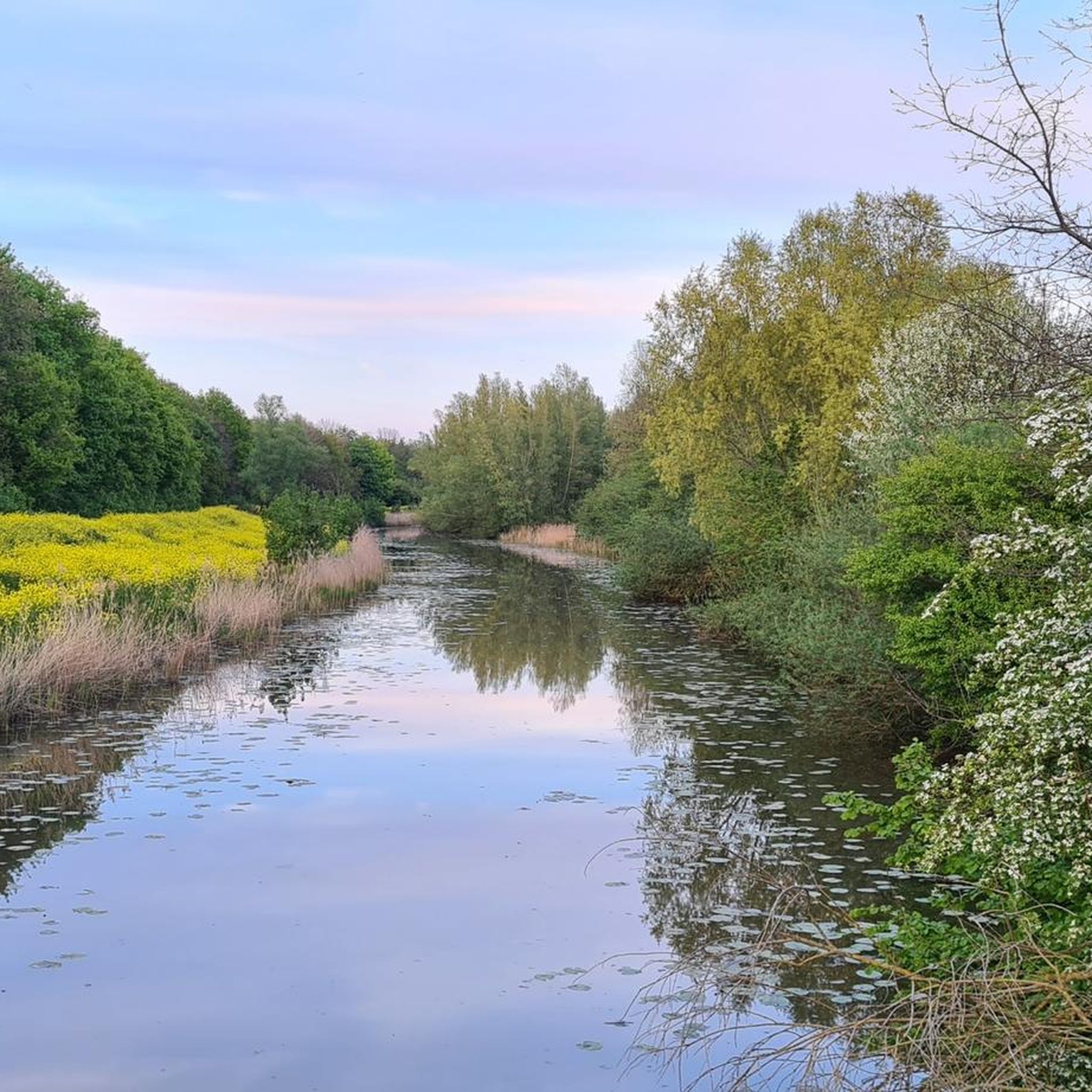
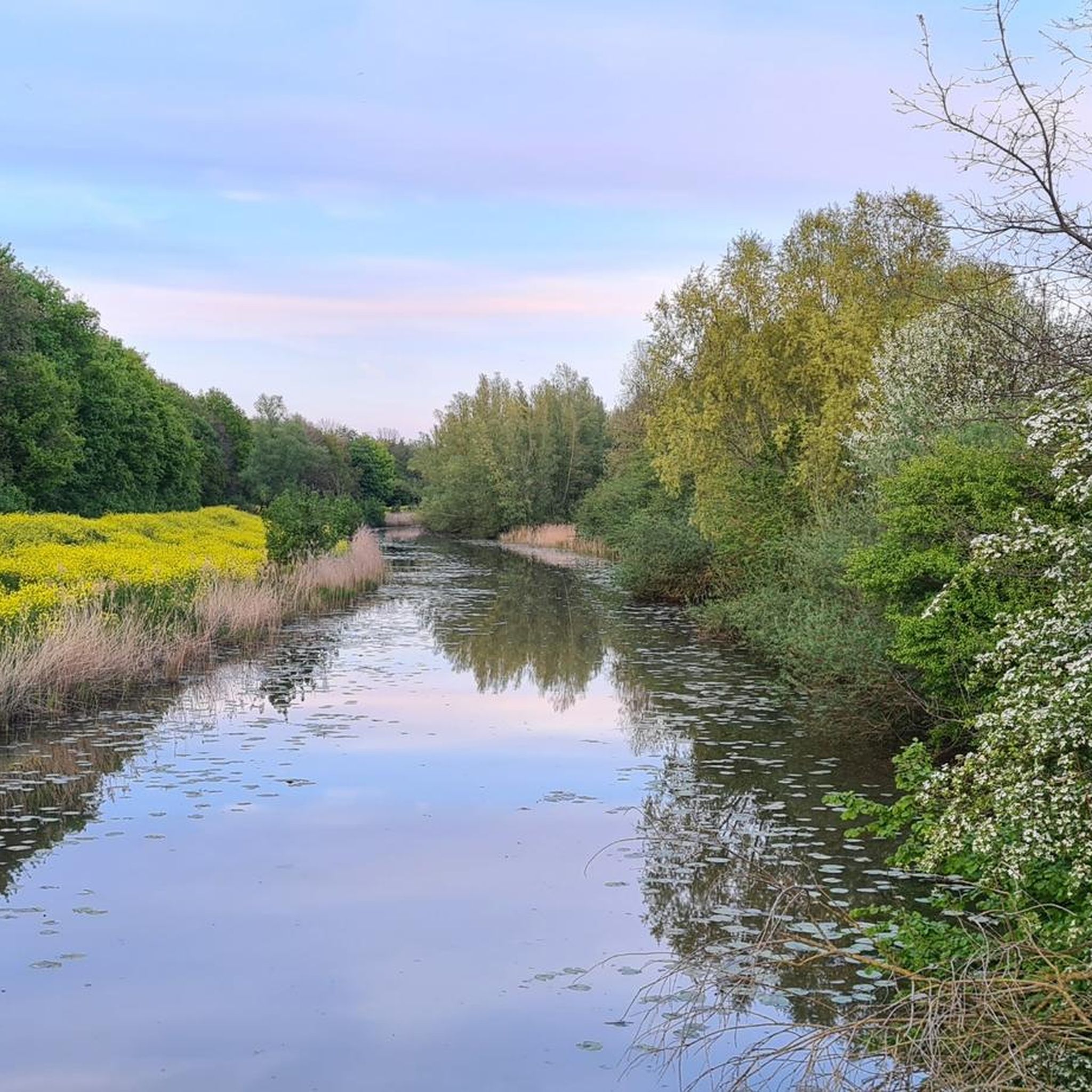
Touring cycling around Geertruidenberg is characterized by its flat, watery landscape, serving as a gateway to National Park De Biesbosch. This unique freshwater tidal area features wild willow flood forests, creeks, and diverse wildlife. The region's terrain frequently includes dikes, waterways, and open meadows alongside rivers, with some areas offering forests primarily of Scots pines. Geertruidenberg itself is a historic fortified town, providing a blend of natural and cultural exploration opportunities.
Best touring cycling routes around Geertruidenberg
- The most popular…
Last updated: August 29, 2026
4.6
(49)
275
riders
50.6km
02:57
60m
60m
Moderate bike ride. Good fitness required. Mostly paved surfaces. Suitable for all skill levels.
78
riders
Easy bike ride. Great for any fitness level. Mostly paved surfaces. Suitable for all skill levels.

Sign up for free
3.6
(8)
57
riders
Easy bike ride. Great for any fitness level. Mostly paved surfaces. Suitable for all skill levels.
4.5
(2)
49
riders
Moderate bike ride. Good fitness required. Mostly paved surfaces. Suitable for all skill levels.
4.2
(6)
52
riders
21.7km
01:17
30m
30m
Easy bike ride. Great for any fitness level. Mostly paved surfaces. Suitable for all skill levels.
Get access to more routes and recommendations from other explorers.
Sign up for free
Already have an account?
Our route recommendations are based on thousands of hikes, rides, and runs completed by other people on komoot.
Start today with a free account
Your next adventure awaits.
Login or Signup
Popular around Geertruidenberg


Tips from the Community

Unfortunately, the sturgeon was removed from its pedestal on August 9, 2026
0
0

Delicious homemade waffles and lovely host and hostess
0
0

The Biesbosch was originally polder land, but after a storm surge, the area transformed into an inland sea. Water from the Maas and Waal rivers transformed it into a freshwater delta. Sand and river silt formed sandbanks, which were particularly suitable for rushes. Hence the name 'Biesbosch'. When the Haringvliet inlet was later closed off, the large differences between high and low tides disappeared. Nature was given free rein, and the area became wilder. Today, sea eagles and ospreys breed here again. A truly special sight!
1
0

The design of almost all the bridges over the canals in Biesbosch is standard – nothing particularly special. However, most offer a nice view of the water.
1
0

Flood disaster on the night of January 31 – February 1, 1953 Prince Bernard, Gerben Sonderman (aviator), and Mayor Prinssen on the steps of the town hall, February 10, 1953. 2019 marks the 66th anniversary of the catastrophic flood that struck the southwest Netherlands. Dikes breached in many places, and within moments, large parts of Zeeland, North Brabant, and South Holland were underwater. More than 1,800 people died, and over 100,000 residents lost their homes. The disaster continues to deeply impact the identity, culture, and development of Dutch society to this day. Sadly, the disaster also affected our village. Dozens of houses in Raamsdonksveer were destroyed or severely damaged (Boterpolder, Sandoel, and Keizersdijk). More than 75% of the built-up and undeveloped areas of Raamsdonksveer were flooded. Approximately 2,000 residents were forced to evacuate their homes during the disaster. Fortunately, no one drowned in our village. However, a resident of Raamsdonksveer, Mr. Sjef Pols, of Sandoel 41, died of cardiac arrest at 3:00 PM on February 1st during rescue efforts and while carrying sandbags in the immediate vicinity of his home. Possibly near the barn belonging to Berende, located opposite his home and Staps bakery at Sandoel 43. Mr. Pols is honored on the memorial wall of the Flood Museum in Ouwerkerk. On February 10th, Prince Bernhard visited our village by helicopter. Photos of our village in the first days after the disaster were shared throughout the Netherlands and the world.
0
0

It feels like you're abroad. Visit the boat exhibition until October 7, 2025, from 1:30 PM, free of charge.
0
0
Idyllic spot, just check in advance if it's open.
0
0

Lovely Gravel Stretch, suitable for gravel and normal bikes
0
0
Frequently Asked Questions
How many touring cycling routes are available around Geertruidenberg?
There are over 60 touring cycling routes around Geertruidenberg, offering a wide variety of options for different preferences and fitness levels. These routes are highly rated by the komoot community.
What is the typical terrain like for touring cycling in Geertruidenberg?
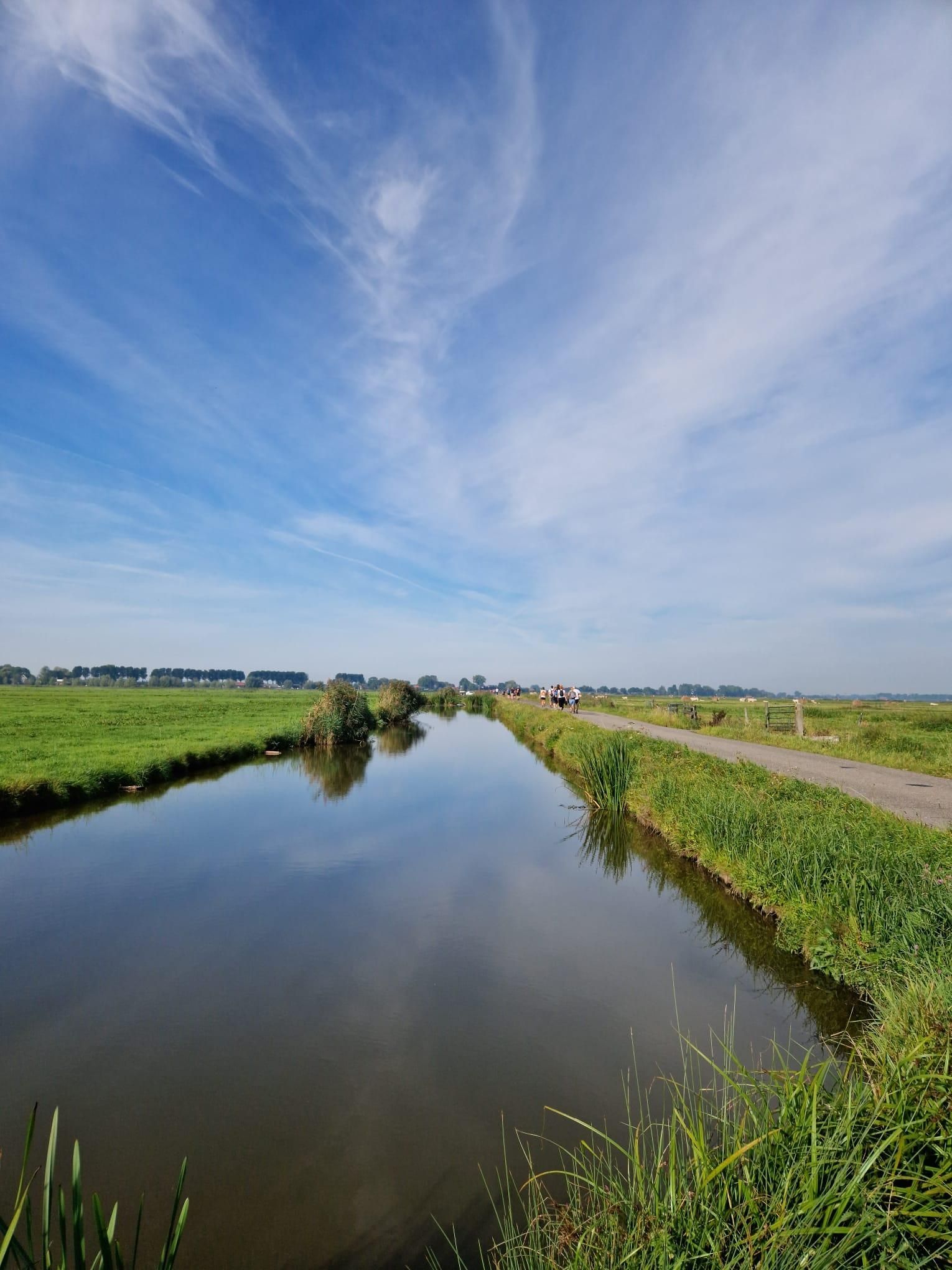
The terrain around Geertruidenberg is predominantly flat, characterized by its watery landscape. You'll frequently cycle along dikes and waterways, through open meadows, and alongside rivers. The region also serves as a gateway to National Park De Biesbosch, where you can explore wild willow flood forests and creeks. Some areas, like Boswachterij Dorst, feature forests primarily of Scots pines.
What do other touring cyclists enjoy most about cycling in Geertruidenberg?
The touring cycling routes around Geertruidenberg are highly rated by the komoot community, with an average score of 4.4 stars from over 100 reviews. Cyclists particularly appreciate the unique freshwater tidal landscape of National Park De Biesbosch, the charm of historic fortified towns, and the extensive network of well-maintained dikes and waterways. Many also enjoy the blend of natural beauty and cultural exploration opportunities.
Are there touring cycling routes suitable for beginners or families in Geertruidenberg?
Yes, Geertruidenberg offers many easy touring cycling routes perfect for beginners and families. For example, the Kromgat Waterway – St. John's Basilica Oosterhout loop from Geertruidenberg is an easy 9.7-mile (15.6 km) trail. Another great option is the Cycle Path Along the Kromgat – Sint Bavokerk Raamsdonk loop from Raamsdonk, which is also rated easy.
Are there any challenging touring cycling routes for experienced cyclists?
Yes, for more experienced cyclists seeking a challenge, there are a few difficult routes. One notable option is the Terheijden Gravel Path – Vrachelse Heath loop from Geertruidenberg. This 31.7-mile (51.1 km) path features gravel sections and leads through the Vrachelse Heath, offering a more demanding ride.
What natural features or landmarks can I expect to see along the touring cycling routes?
You'll encounter a rich variety of natural features and landmarks. The most prominent is the expansive National Park De Biesbosch, with its unique freshwater tidal area, wild willow flood forests, and diverse wildlife. Routes often run along picturesque dikes, waterways like the Oude Maasje and Amer River, and through serene meadows. You can also explore historic fortifications such as Fort Altena and Fort Sint Gertrudis, and even spot windmills.
Are there historical sites or cultural attractions to explore while cycling?
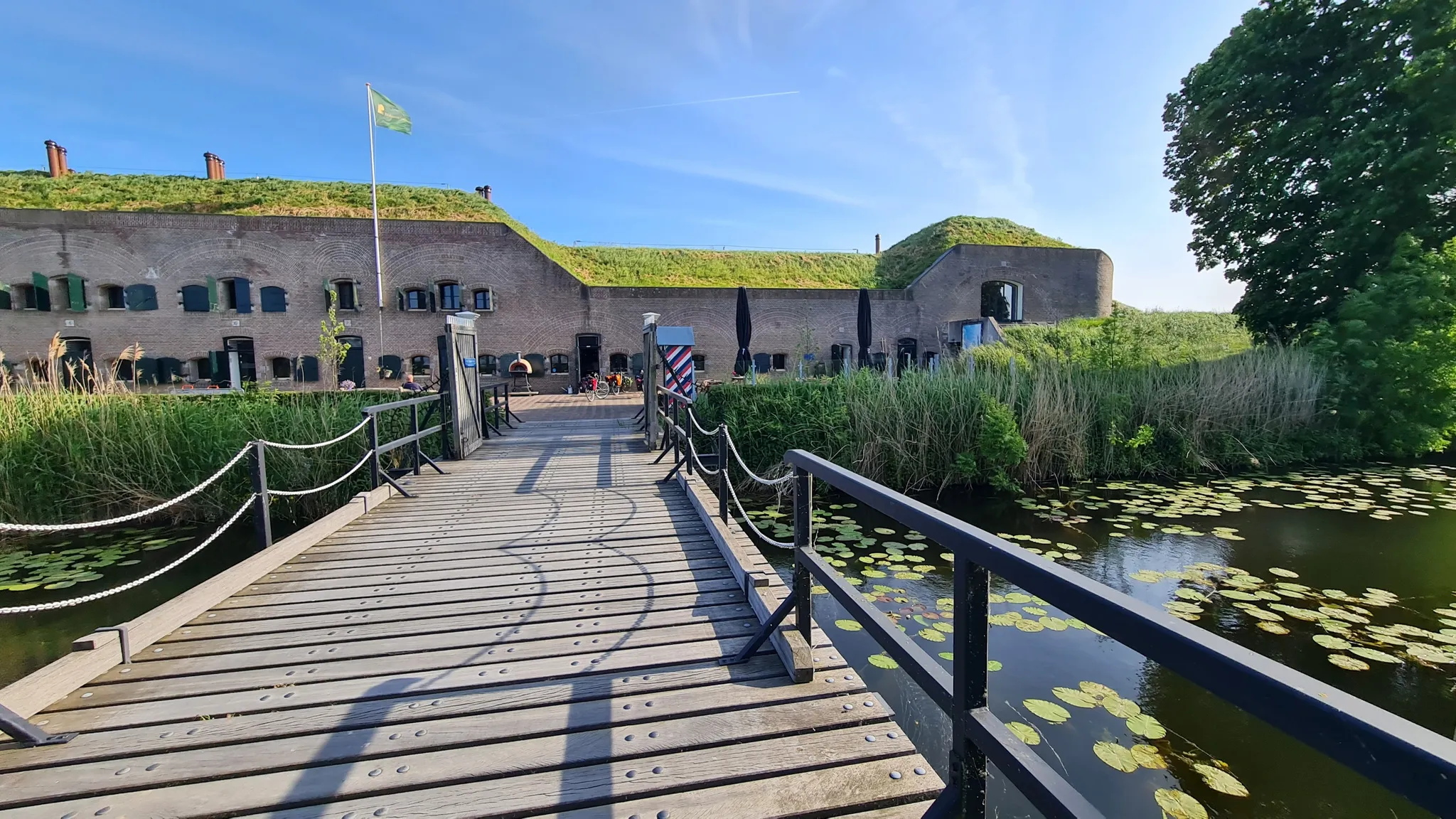
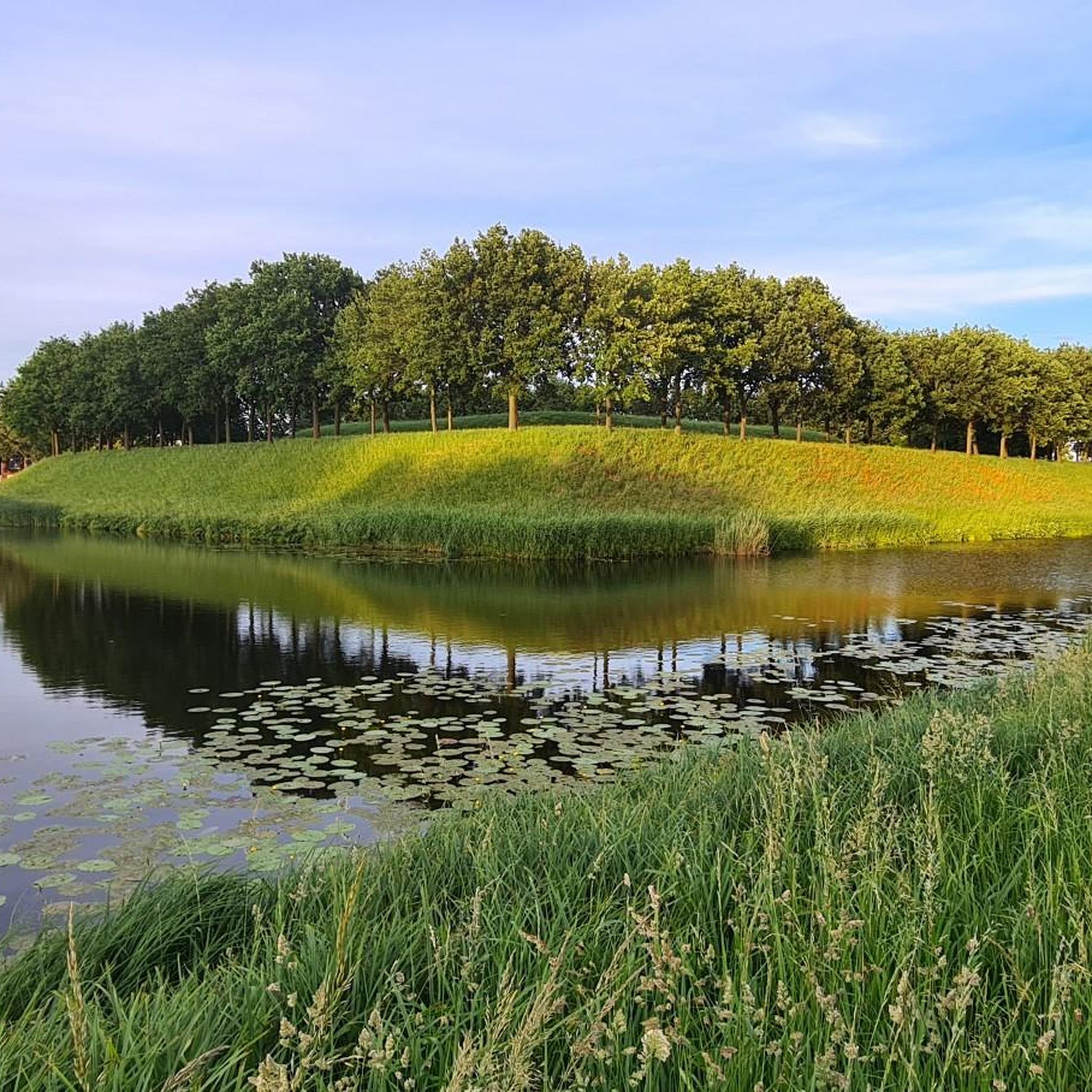
Absolutely. Geertruidenberg itself is a historic fortified town with the oldest city rights in the Earldom of Holland. You can cycle through its beautifully preserved monuments, including moats, bastions, and ravelins, and visit the historic market square with its monumental buildings like the Geertruids Church. Nearby fortified towns like Woudrichem also make excellent cycling destinations. You might also pass by castles such as Dussen Castle.
Can I find circular touring cycling routes in Geertruidenberg?
Yes, many touring cycling routes in Geertruidenberg are designed as loops, allowing you to start and end at the same point. An example is the popular Biesbosch National Park – Windmill loop from Geertruidenberg, which is a moderate 31.4-mile (50.6 km) circular route exploring the national park.
Is public transport available to access touring cycling routes in Geertruidenberg?
Geertruidenberg is generally accessible by public transport, which can help you reach starting points for various routes. For specific route access, it's advisable to check local bus schedules. Additionally, some routes within the Biesbosch incorporate ferries, which are a unique form of public transport for cyclists across waterways.
Where can I park my car when starting a touring cycling route?
Parking is generally available in and around Geertruidenberg, especially near the town center or designated starting points for popular routes. Many routes originate from Geertruidenberg itself, making it convenient to park your car there. For routes entering National Park De Biesbosch, there are often visitor centers or specific parking areas provided.
What is the best season for touring cycling in Geertruidenberg?
The best seasons for touring cycling in Geertruidenberg are typically spring (April to June) and early autumn (September to October). During these months, the weather is generally mild and pleasant, with less extreme temperatures and often less rain than in winter. The natural landscapes, especially in De Biesbosch, are particularly vibrant in spring and offer beautiful colors in autumn.
Are there places to eat or stay along the touring cycling routes?
Yes, Geertruidenberg and the surrounding towns offer various options for refreshments and accommodation. The historic market square in Geertruidenberg has pleasant spots for a break, with cafes and restaurants. Along longer routes, you'll find opportunities in villages and towns, and some unique spots like Fort Bakkerskil, which has been transformed into a B&B, offer a chance to stay overnight.
Are touring cycling routes in Geertruidenberg suitable for dogs?
While many outdoor areas in the Netherlands are dog-friendly, specific rules may apply to nature reserves like National Park De Biesbosch regarding dogs being on a leash or restricted from certain areas to protect wildlife. It's always best to check local regulations for each specific route or park section you plan to visit with your dog to ensure a pleasant and compliant experience.
Most popular routes around Geertruidenberg
Most popular attractions around Geertruidenberg

Get inspired with the komoot mobile app


Explore more
Browse the best Cycling routes in other regions.
