Top 20 Lakes around Schermer
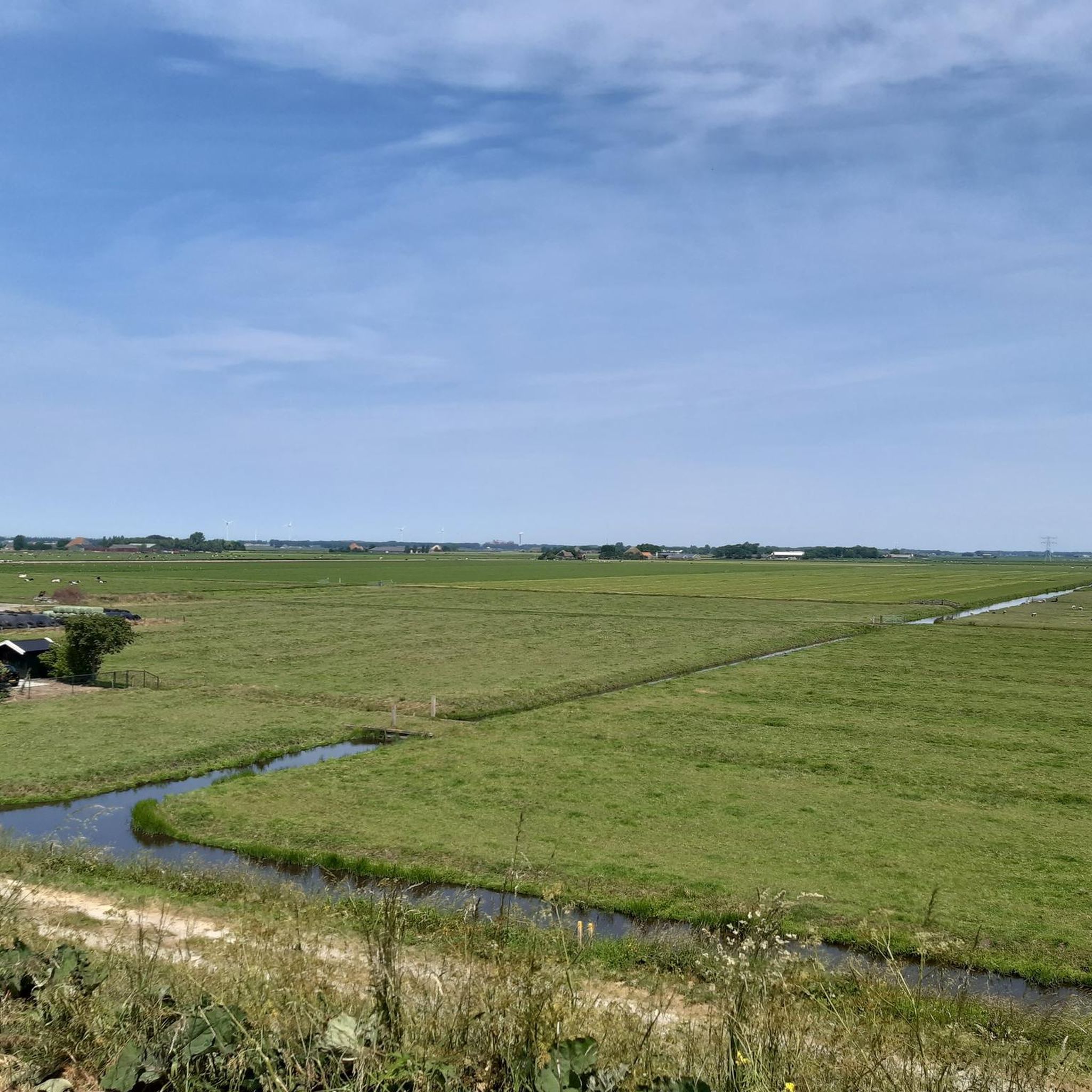
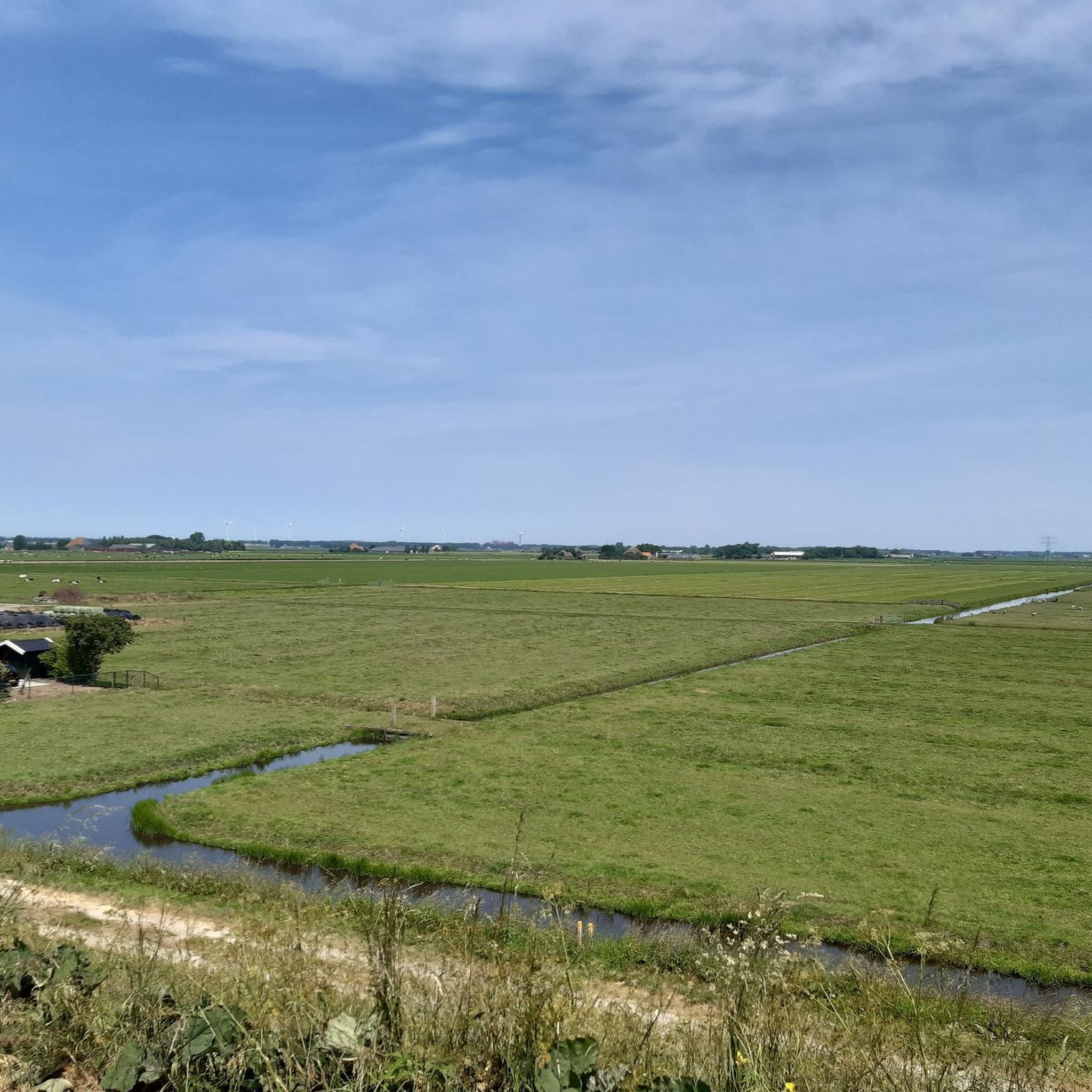
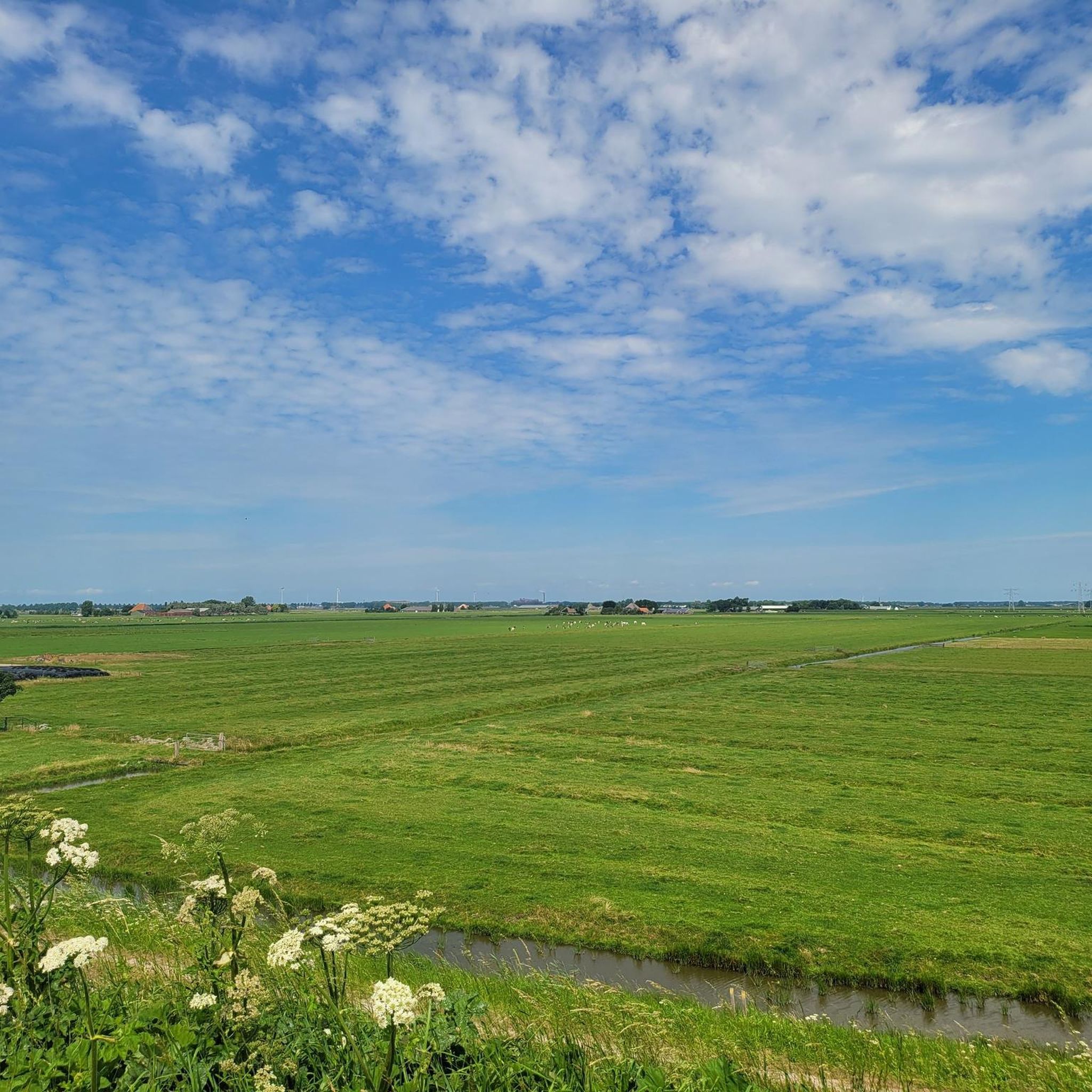
Lakes around Schermer are primarily a result of the region's extensive land reclamation history, transforming a large lake into fertile polder land during the Dutch Golden Age. This area, once a significant body of water, now features a landscape shaped by human ingenuity and water management. The polder landscape offers unique perspectives on how water is managed and integrated into the environment. Visitors can explore areas where water plays a functional role in the ecosystem and for drinking water supply.
…Last updated: May 19, 2026
Highland cattle and horses in the Noordhollands Duinreservaat
Highlight • Natural
Translated by Google •
Tip by

De Kwal Water Outlet
Highlight • Structure
Translated by Google •
Tip by

Sign up now to discover places like this
Get recommendations on the best single tracks, peaks, & plenty of other exciting outdoor places.
Sign up for free
Infiltration Area in the Dunes of Castricum
Highlight • Lake
Translated by Google •
Tip by

Zomerdel Lake (Geestmerambacht)
Highlight • Lake
Translated by Google •
Tip by

Dune Ponds at the Noordhollands Duinreservaat
Highlight • Lake
Translated by Google •
Tip by

Sign up for free to discover even more lakes around Schermer.
Sign up for free
Already have an account?
Start today with a free account
Your next adventure awaits.
Login or Signup
Popular around Schermer
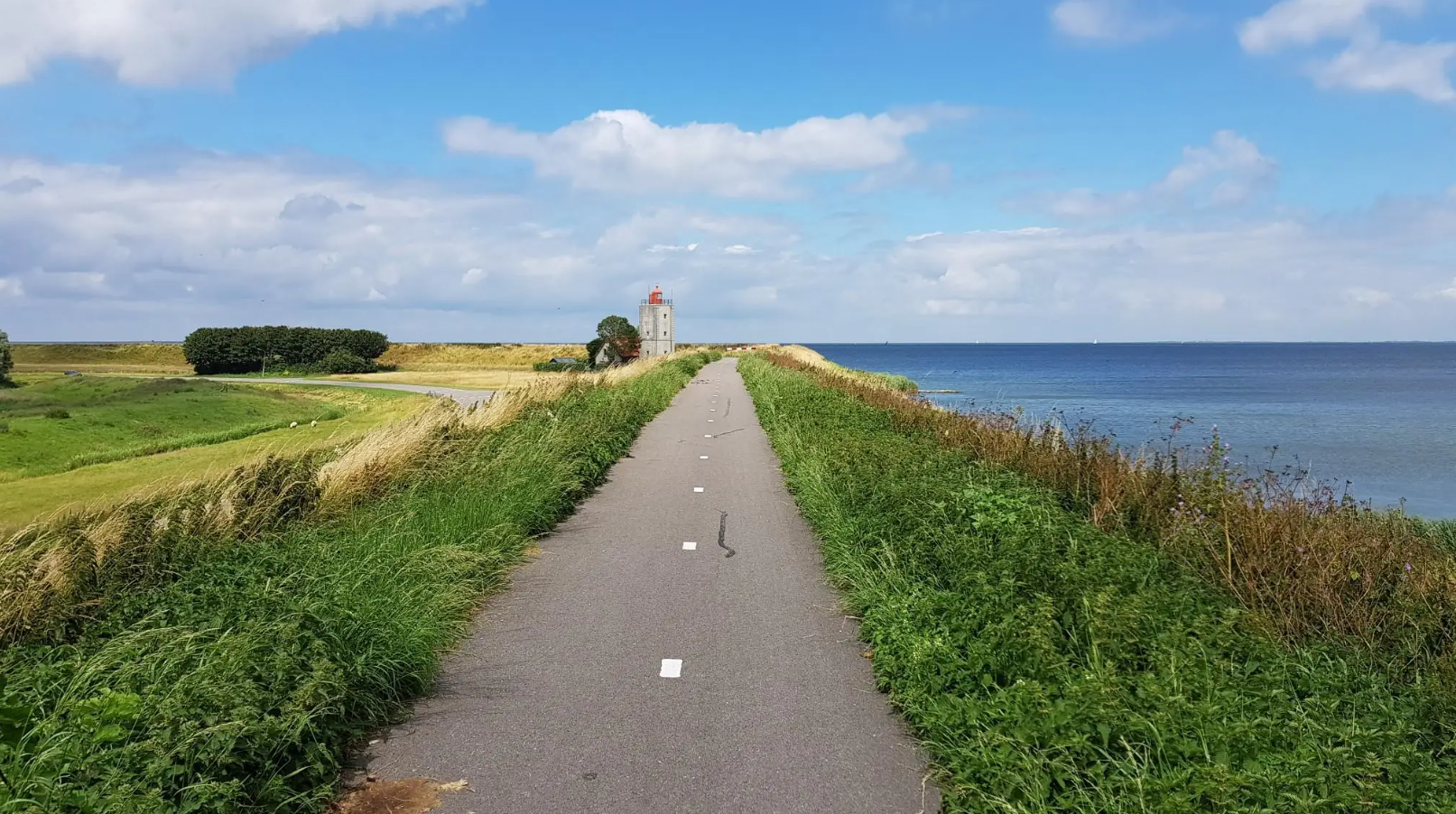
Hiking around West-Friesland – Westfriese Omringdijk (SP 09)
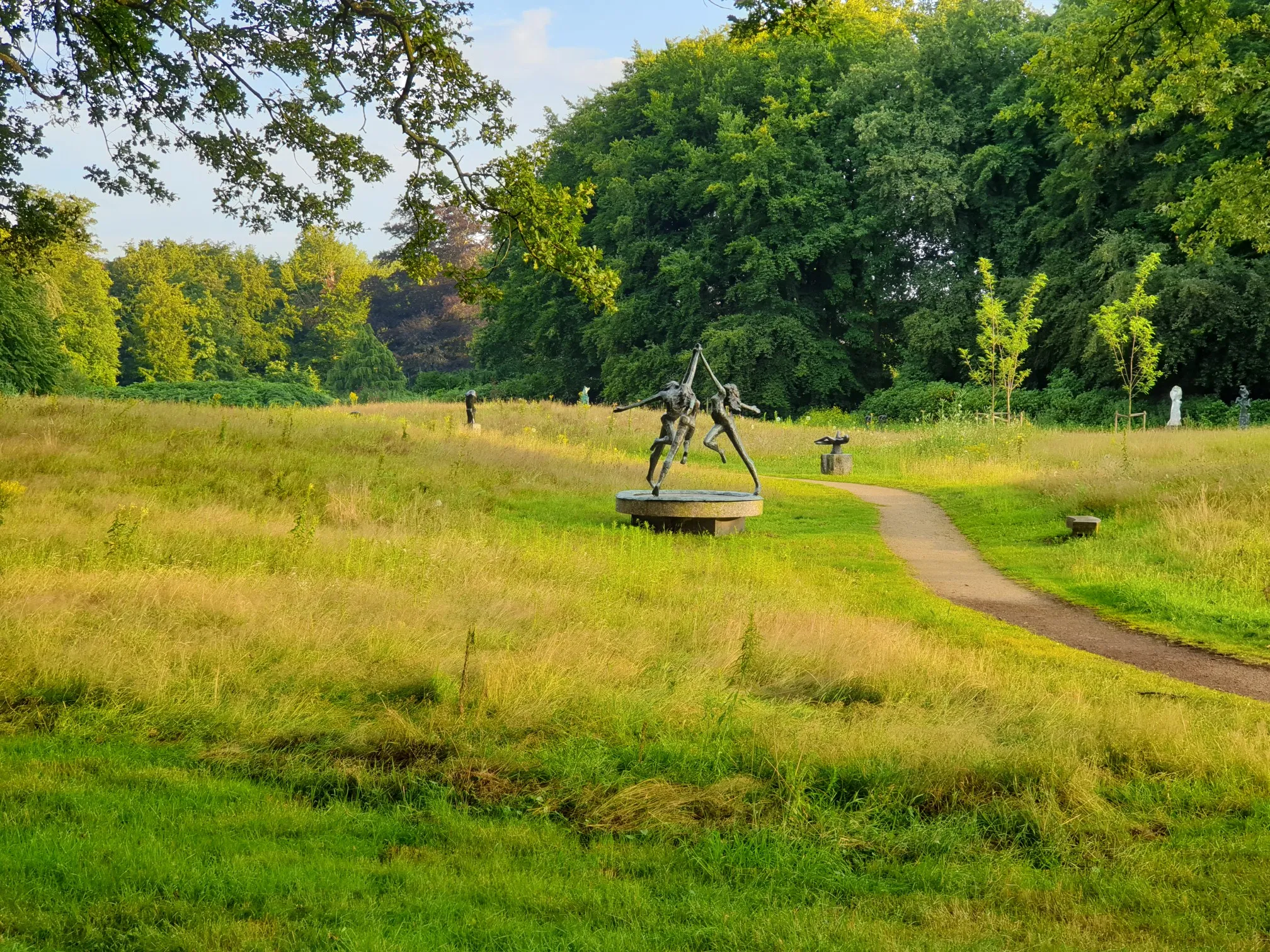
Nature & Culture – 15 Hikes along art in the wild
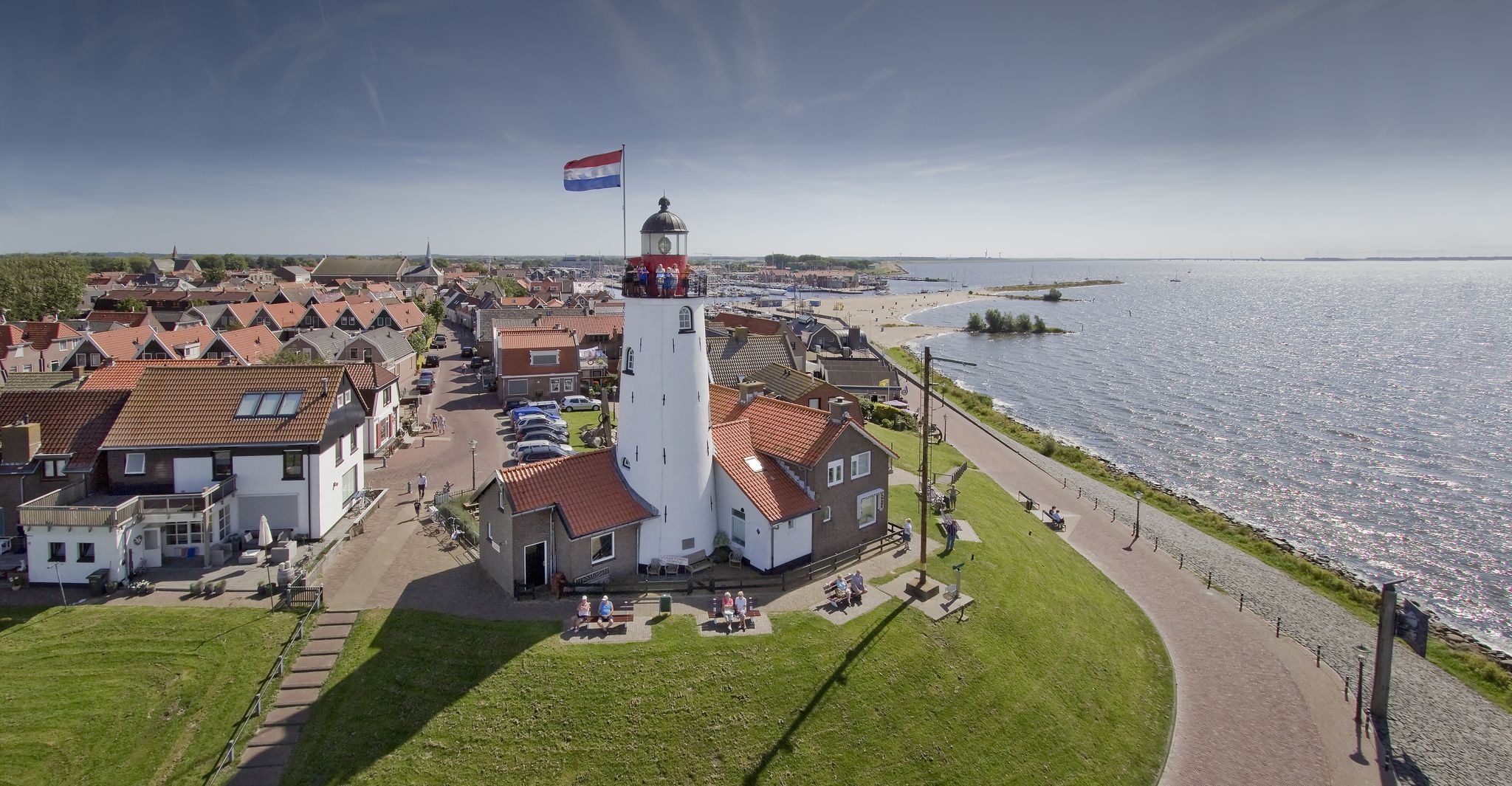
Cycling where there once was sea – water country in the Netherlands
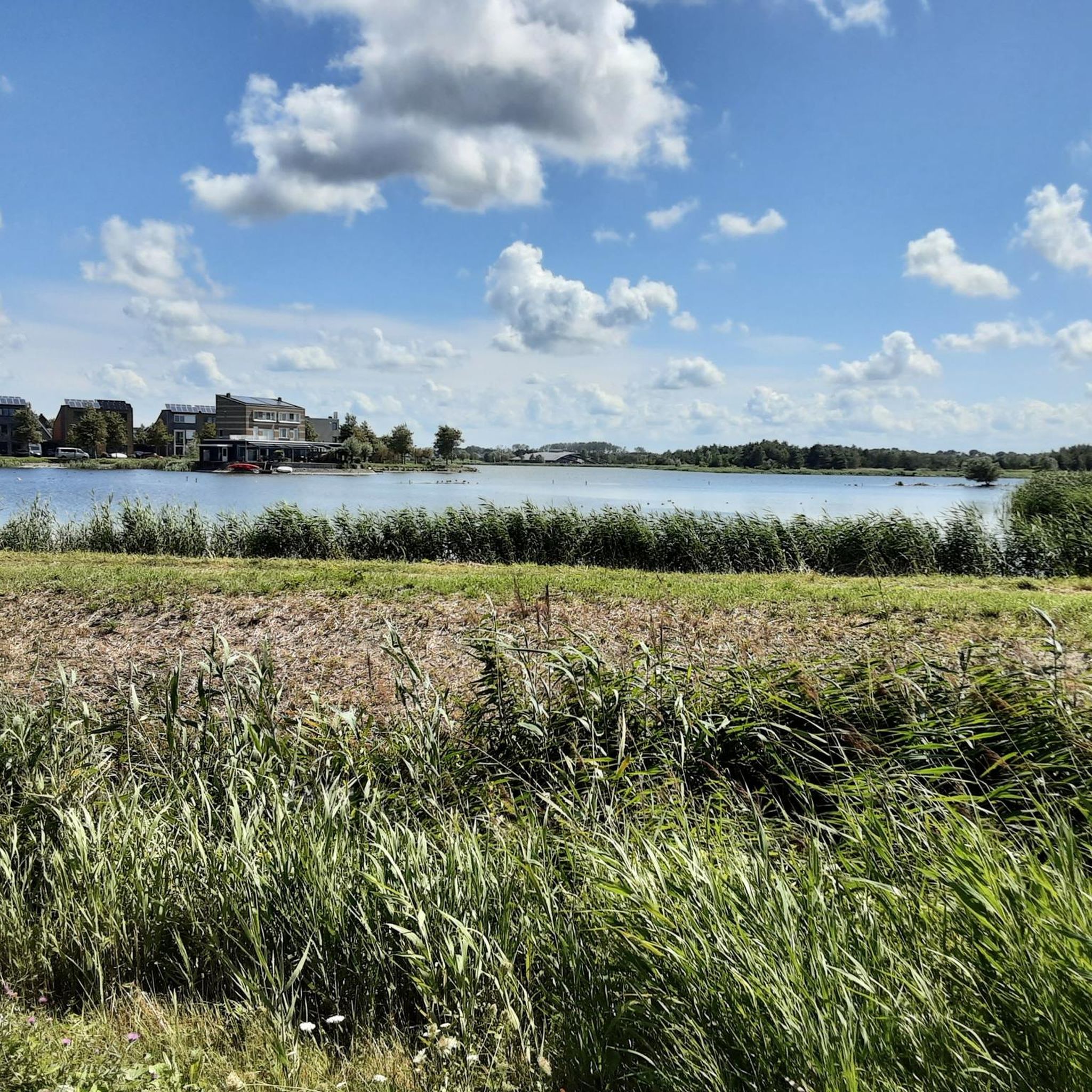
Hiking around Schermer
Road Cycling Routes around Schermer
Cycling around Schermer

Gravel biking around Schermer
Running Trails around Schermer
MTB Trails around Schermer
Other adventures around Schermer


Tips from the Community

beautiful landscape
0
0

The water that is pumped into the dunes at De Kwal comes from the IJsselmeer. The water is pumped from the IJsselmeer at Andijk, purified, and transported to Heemskerk via a 52 km long pipe. There it is filtered again and is allowed to enter the dunes at 'de kwal'. There the water slowly seeps into the soil and is naturally freed of bacteria and viruses. After at least 30 days, the clean water is pumped up from a depth of 40 metres, freed of iron and lime and the drinking water is suitable for consumption. 800 litres per second Every second, the daily consumption of 6 people flows out of 'de kwal'. That is approximately 800 litres of water per second (2850 m3 per hour). On an annual basis, this amounts to 25,000,000,000 litres of water.
0
0

Picturesque landscape, there is a lot to discover on, in and next to the water.
0
0

A beautiful water-rich landscape that also functions as a drinking water supply.
0
0

Source in the dune reserve. Always bubbling. The water treatment of North Holland
0
0

Access to the dune area requires a valid ticket. This is available at the vending machine at the entrance to area.
0
0

Very beautiful landscape protection area with bony oak forests and extensive dunes. Many small idyllic paths and several lakes. Wild horses 🐎 and highland cattle 🐂 live relatively freely here. The latter were in the middle of our path 😅we voluntarily avoided them. It's great that the dog is allowed in the entire area. I always notice that this is regulated differently from community to community.
2
0

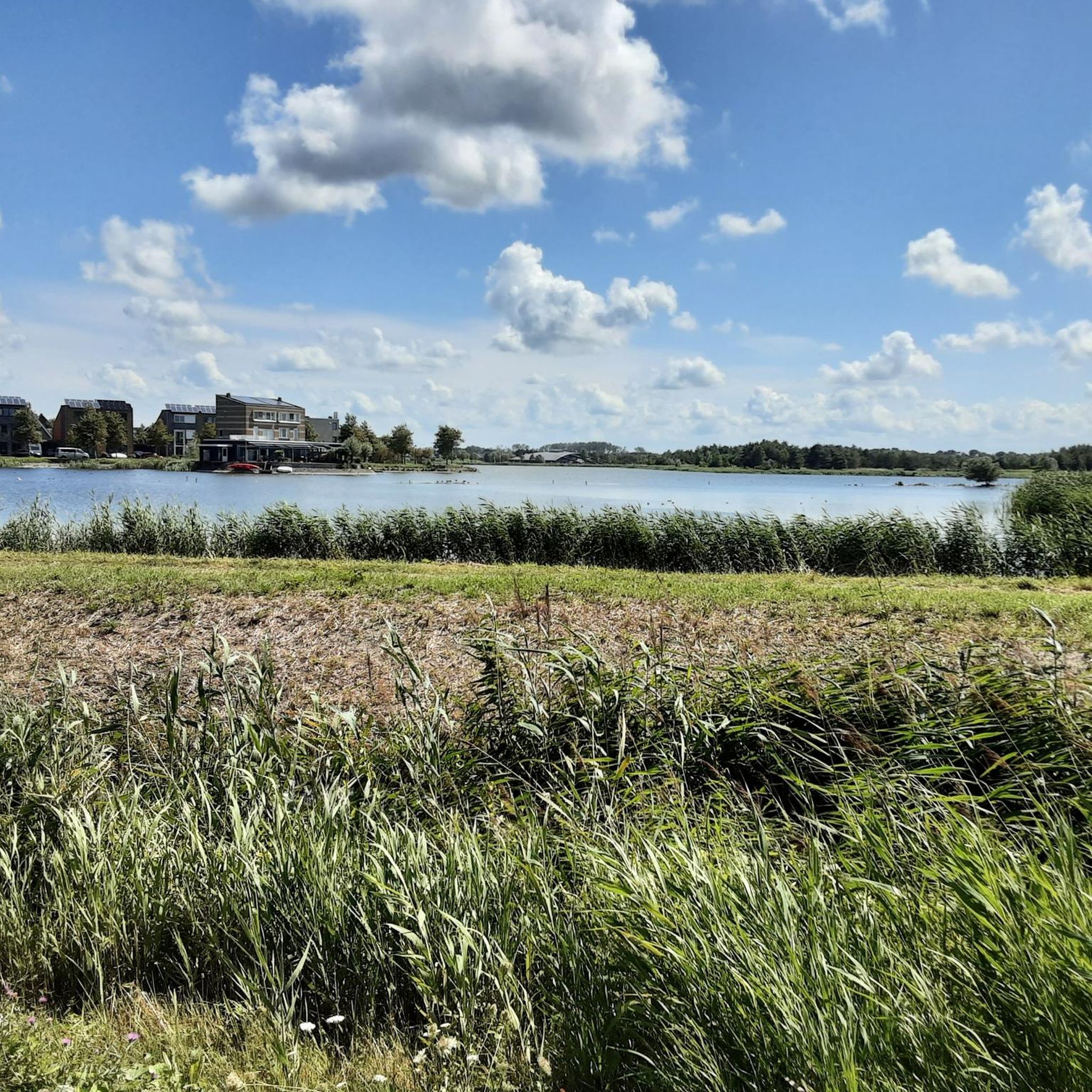
Good view of the lake, great bike paths around the lake.
1
0
Frequently Asked Questions
What kind of 'lakes' can I expect to find around Schermer?
The Schermer region was historically a large lake that was reclaimed and transformed into fertile polder land during the Dutch Golden Age. Therefore, the 'lakes' you'll find are primarily man-made features related to water management, such as infiltration areas for drinking water supply, or recreational lakes within the polder landscape. These areas showcase the region's unique relationship with water and human ingenuity.
Are there any lakes around Schermer that are important for drinking water supply?
Yes, the region features significant areas dedicated to water management. For example, the Infiltration Area in the Dunes of Castricum is a beautiful water-rich landscape that functions as a crucial drinking water supply for nearby towns. Another impressive facility is De Kwal Water Outlet, where large amounts of water are pumped from the IJsselmeer into the dunes for purification and distribution as drinking water.
Which lakes offer recreational opportunities for visitors?
For recreational activities, Zomerdel Lake (Geestmerambacht) is a popular choice. This area is well-suited for cycling, walking, and picnicking, providing a tranquil environment for leisure.
Are there family-friendly spots among the lakes around Schermer?
Many areas around Schermer are family-friendly. Infiltration Area in the Dunes of Castricum, De Kwal Water Outlet, and Zomerdel Lake (Geestmerambacht) are all noted as family-friendly. Additionally, the Noordhollands Duinreservaat, where you can spot Highland cattle and horses, offers natural beauty suitable for families.
Can I go swimming in any of the lakes near Schermer?
Yes, Zomerdel Lake (Geestmerambacht) is known to have a swim spot, making it suitable for those looking to take a dip and enjoy the water.
What kind of wildlife can I expect to see near the water areas?
In natural areas like the Noordhollands Duinreservaat, which features ponds and dune landscapes, you can encounter a variety of wildlife. This includes Highland cattle and horses, as well as many different species of birds and interesting plants.
Are there hiking trails available near the lakes and water features?
Absolutely. The polder landscape and surrounding areas offer numerous hiking opportunities. You can find various routes, such as the 'Nature & culture – Sculpture garden near Grootschermer' or the 'Trekvogel Trail in Eilandspolder'. For more options, explore the hiking guide for Schermer.
What cycling opportunities are there around the water areas in Schermer?
The flat polder landscape is excellent for cycling. You can enjoy routes like the 'J.C.J. van Speijk Lighthouse – Egmond aan Zee loop from Castricum' or explore the 'Schoorl Sand Dunes'. For more detailed routes, check out the gravel biking guide for Schermer or the MTB trails guide.
Is there parking available at the recreational lakes?
Yes, for recreational areas like Zomerdel Lake (Geestmerambacht), parking facilities are available, making it convenient for visitors to access the area.
What is the best time of year to visit the lakes around Schermer?
The polder landscape and its water features can be enjoyed year-round. Spring and summer offer pleasant weather for cycling, walking, and picnicking, with lush greenery. Autumn brings beautiful colors, and even winter walks can be scenic, especially if you enjoy the quietude of the landscape.
What makes the Schermer region's relationship with water unique?
Schermer's uniqueness stems from its history as a large lake that was entirely reclaimed. This transformation into a polder during the Dutch Golden Age highlights an extraordinary feat of engineering and water management. The area now functions as a testament to human ingenuity, where water is carefully managed for agriculture, drinking water supply, and recreation, rather than existing as traditional natural lakes.
Most popular routes around Schermer
Most popular attractions around Schermer

Get inspired with the komoot mobile app


Explore more
Still not found your perfect lake around Schermer? Check out the guides of these regions to see even more beautiful places.
