The best road cycling routes around Wervershoof
4.9
(17)
546
riders
35
rides
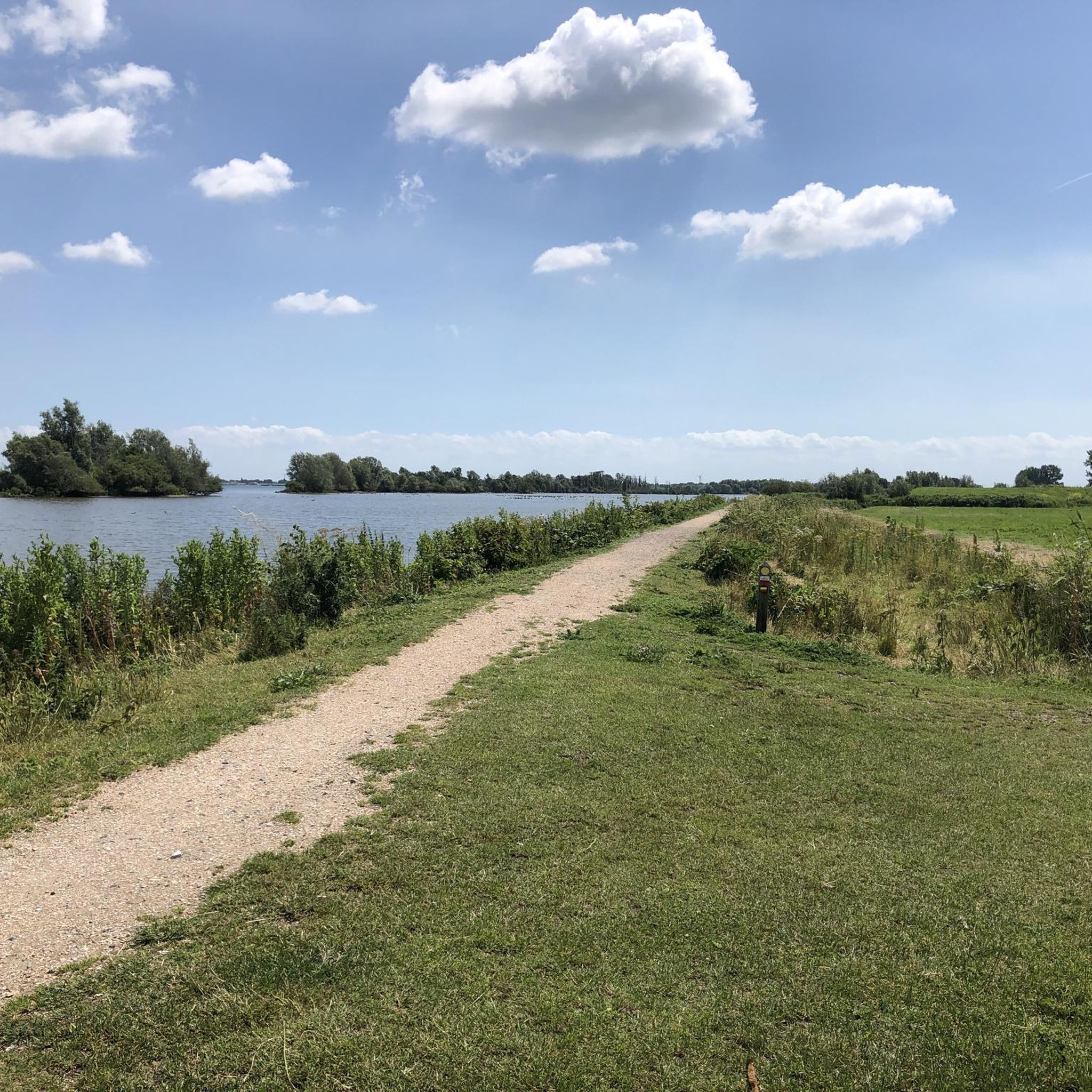
Road cycling routes around Wervershoof are characterized by flat polder landscapes, extensive dikes, and open water views. The region offers a network of paved roads and dedicated cycle paths, with minimal elevation changes. This makes it suitable for road cyclists seeking routes with consistent gradients and scenic vistas across the Dutch countryside.
Best road cycling routes around Wervershoof
- The most popular road cycling route is Medemblik Marina – Langereis Pathway loop from Wervershoof, a 30.9 miles (49.8 km) trail…
Last updated: July 4, 2026
4.6
(9)
211
riders
34.7km
01:20
30m
30m
Easy road ride. Great for any fitness level. Mostly well-paved surfaces and easy to ride.
29
riders
45.5km
01:57
40m
40m
Easy road ride. Great for any fitness level. Mostly well-paved surfaces and easy to ride.

Sign up for free
25
riders
24.4km
00:56
20m
20m
Easy road ride. Great for any fitness level. Mostly well-paved surfaces and easy to ride.
30
riders
Easy road ride. Great for any fitness level. Mostly well-paved surfaces and easy to ride.
5.0
(2)
22
riders
38.8km
01:41
30m
30m
Easy road ride. Great for any fitness level. Mostly well-paved surfaces and easy to ride.
Get access to more routes and recommendations from other explorers.
Sign up for free
Already have an account?
Our route recommendations are based on thousands of hikes, rides, and runs completed by other people on komoot.
Start today with a free account
Your next adventure awaits.
Login or Signup
Other adventures around Wervershoof

Tips from the Community

The name Andijk comes from "aan de dijk" (on the dike), where several neighborhoods were located on the Noorderdijk. This piece of dike was located under the territory of the villages of Lutjebroek, Grootebroek, and Bovenkarspel, part of the town of Grootebroek, one of the West Frisian 'rural towns'. Over time, several neighborhoods arose on or near the dike, namely: from west to east: de Bangert, de (Kerk)buurt, and Munnikij in the banne of Lutjebroek, Geuzebuurt and Broekoord in the banne of Grootebroek, and de Kathoek and het Veld in the banne of Bovenkarspel. In 1667, the Protestants in Andijk built their own church ('Buurtjeskerk') in the Kerkbuurt. The Catholic Andijkers at that time fell under the station of Wervershoof, but had two hidden churches, one on the Bangert and one on Broekoord. These were replaced around 1805 by a new Catholic church in Wervershoof. During the French occupation, Andijk became an independent municipality by imperial decree of October 21, 1811, per January 1, 1812 (after an earlier attempt at secession in 1795/1796 had come to nothing). Wervershoof also fell under this new municipality, but it separated again in 1817 to become its own municipality. During the storm surge of 1916, the dike almost broke, which resulted in a plan being designed to overhaul the village. The dike was widened and the dike canal was filled in, as a result of which the houses built against the dike were demolished. To make way for new houses, new roads were constructed, starting with the current dike road, at the foot of the renovated dike. In addition, the roads Kleingouw, Molenweg, Hoekweg, Middenweg, and de Knokkel were constructed in the polder. After the Second World War, new residential areas were built, especially along the Middenweg and the Kleingouw, such as "Fruittuinen" and "Mantelhof". On January 1, 2011, the municipality of Andijk merged with the municipalities of Wervershoof and Medemblik. Together they form the new municipality of Medemblik. The last mayor of the municipality of Andijk was Astrid Streumer.
0
0

Radboud Castle is located directly on the harbor of Medemblik and was built around 1288 by order of Floris V as a fortress to keep the region under control. Two wings, several towers and parts of the contours of the original castle are still visible, giving you a good idea of the medieval layout. An interesting stop during your walk, especially for those interested in the history of West Friesland and the role of castles in the landscape.
0
0

Delicious coffee with apple pie at a café with terrace at the drawbridge
1
0
Molen De Herder in Medemblik, in the Kop van Noord-Holland, is a beautifully restored smock mill that still grinds grain and represents a unique piece of Dutch heritage.
0
0

Beautiful mill at the northwest corner of the old town
2
0

De Herder is an octagonal stilt mill with a sugar cane roof. The mill once processed grain.
2
0

The Sint-Werenfridus Church is a Roman Catholic church at Dorpstraat 73 in Wervershoof in the Dutch province of North Holland. The church was built between 1874 and 1875. The architect Theo Asseler designed a three-aisled cruciform church in neo-Gothic style.
1
0
Frequently Asked Questions
What kind of terrain can I expect on road cycling routes around Wervershoof?
The road cycling routes around Wervershoof are characterized by flat polder landscapes, extensive dikes, and open water views. You'll find a network of paved roads and dedicated cycle paths with minimal elevation changes, making for consistent gradients.
How many road cycling routes are available in the Wervershoof area?
There are over 35 road cycling routes around Wervershoof listed on komoot. These routes offer a variety of distances and experiences across the flat Dutch countryside.
Are there easy road cycling routes suitable for beginners or families in Wervershoof?
Yes, Wervershoof is ideal for beginners and families. Out of the 36 available routes, 32 are classified as easy, offering gentle gradients and scenic paths through polder landscapes and along dikes. An example is the Drommedaris Enkhuizen – Church of Kerkebuurt Andijk loop from Zuiderzee.
Can I find challenging road cycling routes near Wervershoof?
The Wervershoof region is predominantly flat, offering minimal elevation changes. While there are 4 moderate routes, there are no routes classified as difficult. Cyclists looking for significant climbs might find the area less challenging, but the open landscapes and coastal winds can still provide a good workout.
What are the typical distances for road cycling routes in Wervershoof?
Routes vary in length, with many options ranging from 30 to 50 kilometers. For instance, the Medemblik Marina – Langereis Pathway loop from Wervershoof is nearly 50 km, while the Church of Kerkebuurt Andijk – Koepoort, Enkhuizen loop from Wervershoof is about 31 km.
Are the road cycling routes in Wervershoof typically circular?
Many of the road cycling routes in Wervershoof are designed as loops, allowing you to start and end at the same point. This is convenient for cyclists who drive to the area. Examples include the Radboud Castle – Medemblik Marina loop from Wervershoof and the Dike worker – Dutch Steam Engine Museum loop from Wervershoof.
What kind of scenic viewpoints or attractions can I expect along the routes?
The routes offer picturesque views of polder landscapes, dikes, and open water, including the IJsselmeer. You can also pass by historical sites and charming towns. Notable attractions include the Drommedaris and the Drawbridge in Enkhuizen, the Old Inner Harbor in Medemblik, and the IJsselmeer itself.
What is the best season for road cycling in Wervershoof?
The best season for road cycling in Wervershoof is typically from spring to early autumn (April to October). During these months, the weather is generally mild, with longer daylight hours and less chance of rain, making for pleasant rides through the open landscapes.
Are there places to stop for refreshments or cafes along the road cycling routes?
Yes, as the routes often pass through or near charming Dutch towns and villages, you'll find opportunities for cafe stops. Many towns along the dikes and polders offer welcoming spots to refuel and enjoy local treats.
What do other road cyclists say about the routes in Wervershoof?
The road cycling routes in Wervershoof are highly rated by the komoot community, with an average score of 4.8 out of 5 stars from 18 reviews. Cyclists often praise the well-maintained paths, the serene polder scenery, and the ease of navigation.
Where can I typically park my car when starting a road cycling route in Wervershoof?
Many routes are loops that start and end in Wervershoof or nearby towns like Medemblik or Enkhuizen. You can usually find public parking facilities in these town centers, often near marinas or main squares, which serve as convenient starting points for your ride.
Are there any natural reserves or lakes to explore near the road cycling paths?
Yes, the region is rich in natural beauty. You can cycle past the vast IJsselmeer, the tranquil De Weelen, and even the Koopmanspolder Nature Reserve, offering diverse natural landscapes to enjoy during your ride.
Most popular attractions around Wervershoof

Get inspired with the komoot mobile app


Explore more
Browse the best Road cycling routes in other regions.
