The best walks and hikes around Wormerland
4.4
(285)
1,661
hikers
60
hikes
Hiking around Wormerland offers access to a unique landscape characterized by historical peat meadows and a network of waterways. The region is predominantly flat, featuring low elevation gains across its trails. This marshy environment, particularly the Wormer- and Jisperveld, is a Natura 2000 area known for its expansive meadows, numerous ditches, and hundreds of small islands. The terrain is shaped by centuries of peat extraction, creating a distinctive open landscape ideal for walking.
Best hiking trails around Wormerland
- The most…
Last updated: October 12, 2026
4.2
(83)
330
hikers
Easy hike. Great for any fitness level. Easily-accessible paths. Suitable for all skill levels.
4.5
(38)
177
hikers
Easy hike. Great for any fitness level. Easily-accessible paths. Suitable for all skill levels.

4.3
(34)
149
hikers
11.6km
02:55
10m
10m
Moderate hike. Good fitness required. Easily-accessible paths. Suitable for all skill levels.
4.4
(25)
82
hikers
7.11km
01:48
10m
10m
Easy hike. Great for any fitness level. Easily-accessible paths. Suitable for all skill levels.
3.9
(9)
90
hikers
Easy hike. Great for any fitness level. Easily-accessible paths. Suitable for all skill levels.
Get access to more routes and recommendations from other explorers.
Already have an account?
Our route recommendations are based on thousands of hikes, rides, and runs completed by other people on komoot.
Start today with a free account
Your next adventure awaits.

Tips from the Community

Very nice
0
0

Check in advance whether any ferries are closed. At ‘t Schouw (Landsmeer-Ilpendam) this was the case, meaning a considerable detour. As a result, we arrived much later at our destination Holysloot. But that is certainly recommended! What a great experience that was.
0
0

Did you go or are you going?
0
0

It's no wonder the windmills of Zaanse Schans are a must-see for anyone visiting the Netherlands, almost always at the top of the to-do list. Along with the windmills of Kindedijk, they are the only place where you can admire these mighty giants from bygone eras up close and in such variety. Unfortunately, this also has its downsides. Mass tourism has long since taken hold. The result? Overcrowded parking lots, high entrance fees, masses of people, crushes, and often long queues at the entrances to the various craft workshops and windmills. A harsh judgment? Perhaps. Especially since we, too, are part of the problem that has found its way here. Zaanse Schans is a mix of kitsch, commercialism, genuine craftsmanship, scenic beauty, and so on. But if you're interested in windmills and prefer a more relaxed experience, you're better off visiting Kinderdijk. It's overrun with tourists. 🏠 ... 🏠 🏠 We recommend that everyone... 1. Book your admission ticket for the windmill museums in advance online. This will save you from long queues. 2. Be sure to check the opening hours/days of the individual windmills online. They are not always all open and operating at the same time. 3. Choose your visit day carefully. Weekends are a nightmare. If the weather is nice, the trip will be a disaster. During the week, or in less than ideal weather, it's not nearly as crowded. 4. As is typical for such destinations, parking is scarce. It quickly becomes a chaotic mess of arriving cars searching for a parking spot. 5. Bringing your own food in a backpack is a good idea. Everything has its price, and there are no food stalls further along the windmill trail. Having enough to drink is invaluable. 6. At the end of the day, when everyone wants to go home, there's a long queue for the toilets near the entrance. Everyone has to go one last time before heading home! The barcode on the entry ticket has to be scanned before the barrier lets you into the restroom. Unfortunately, the system doesn't work perfectly, which can be frustrating, especially for parents with children. So it's best to plan your bathroom break a little earlier rather than right before closing time. By the way, as far as we know, there's only this one restroom facility near the entrance!
0
0

Even from the bridge, you have a fantastic view of the windmills. Even more wonderful is the delicious smell of chocolate in the air during your visit.
1
0

Beautiful town center with church
0
0

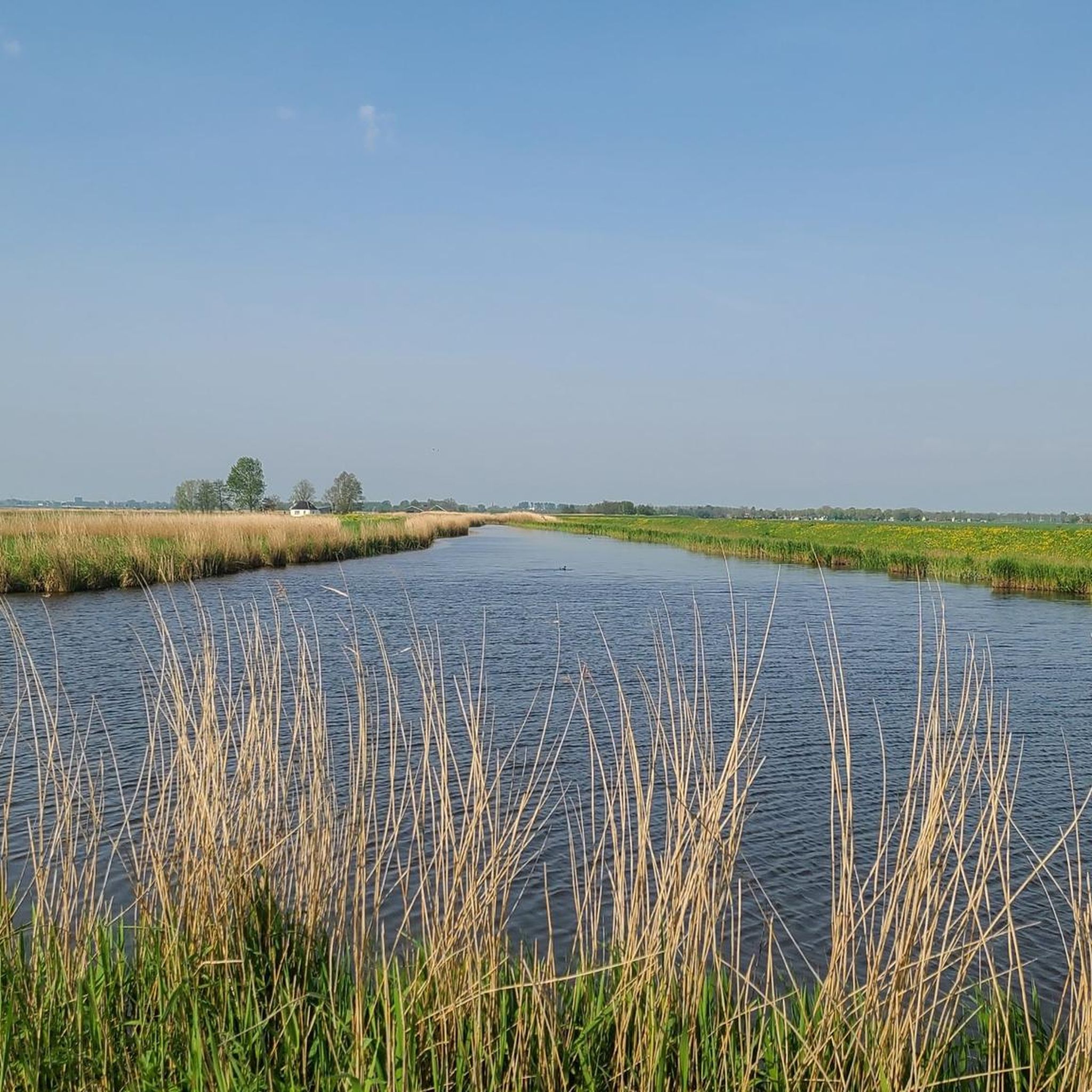
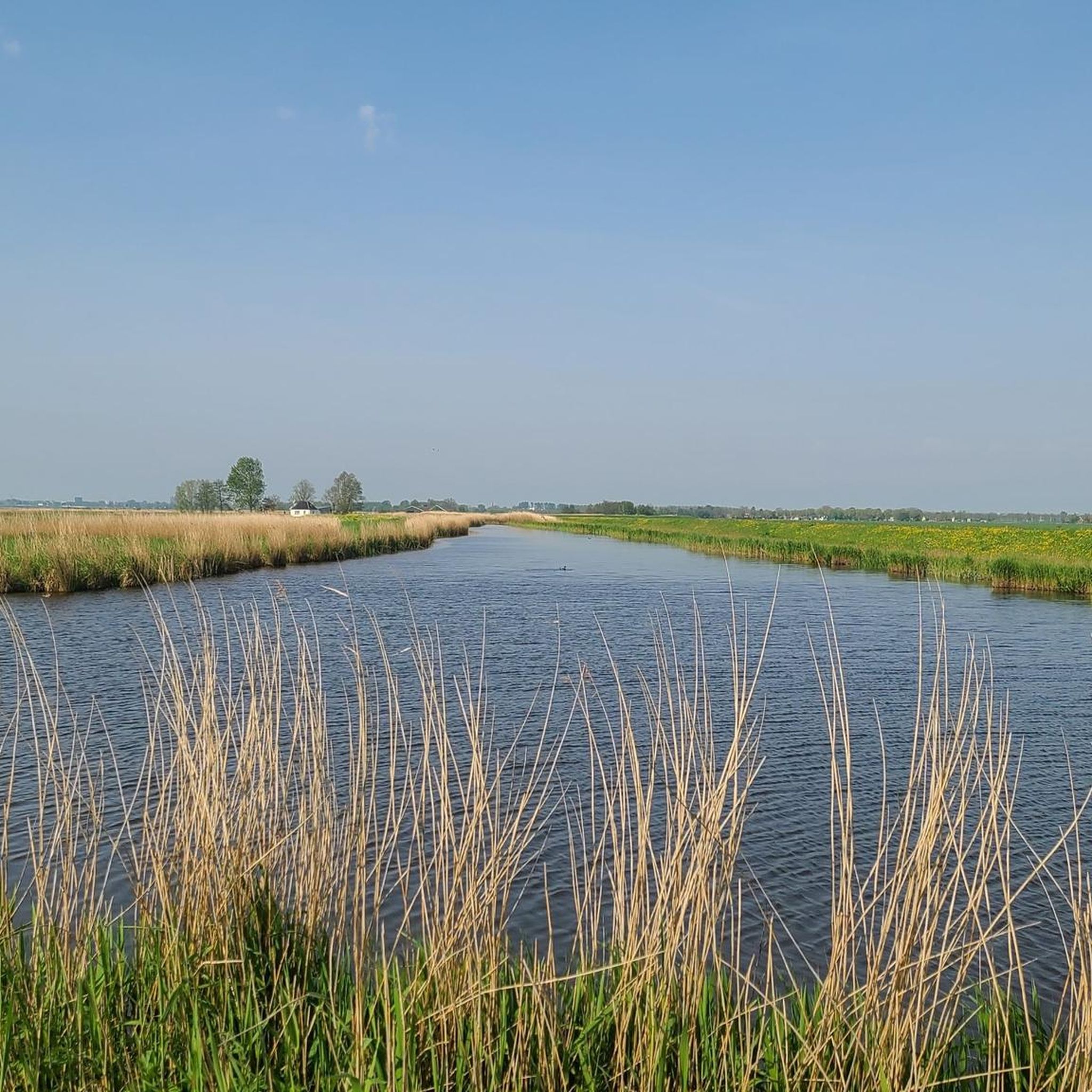
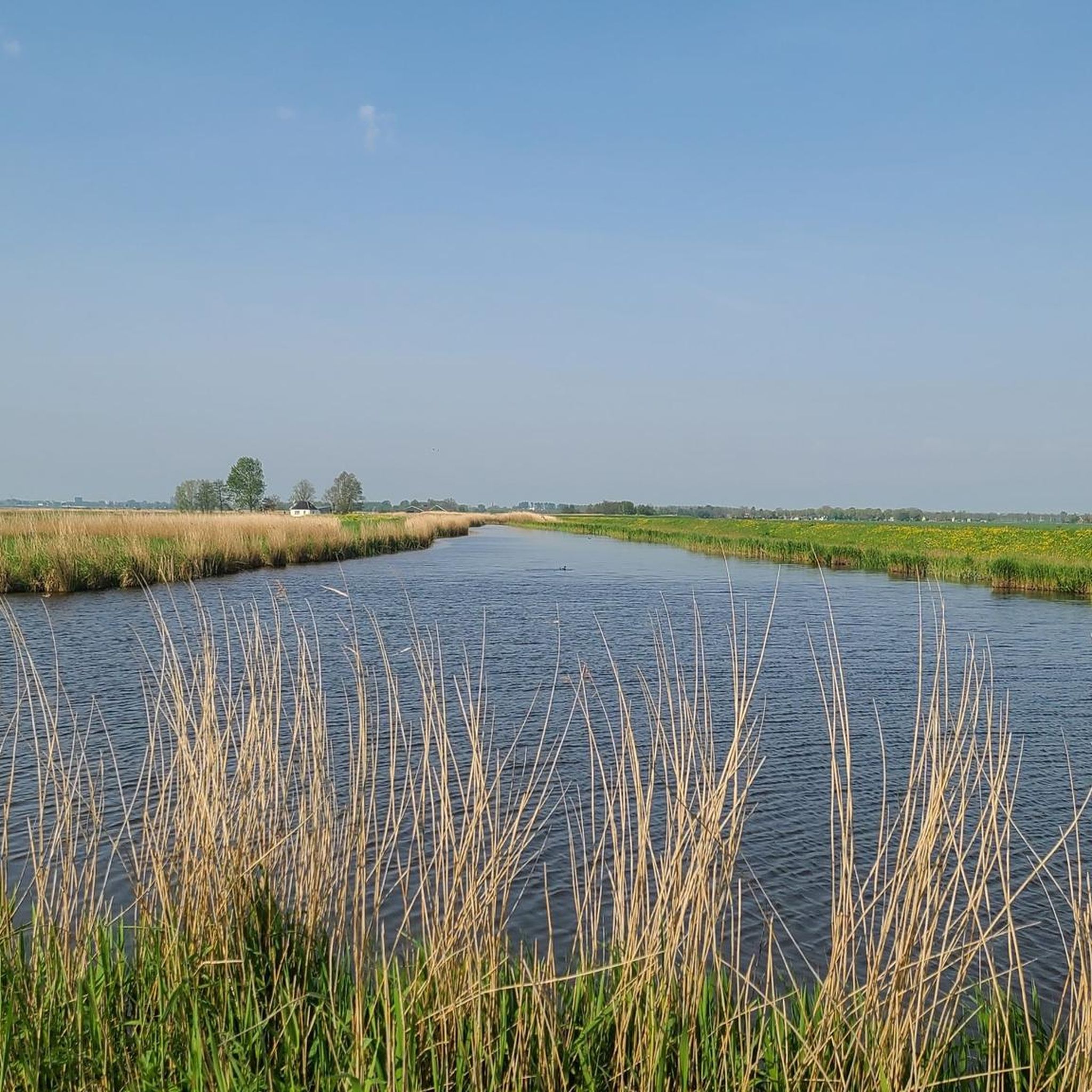
A charming wooden bridge at the Poelsluis, located in the rural area near Wormerveer. From this bridge you have a beautiful view of the calm water and the surrounding reed beds. An atmospheric place for a short break during a walk or bike ride through the green landscape.
0
0

Frequently Asked Questions
What kind of terrain can I expect when hiking in Wormerland?
Wormerland is characterized by its unique historical peat meadow landscape. You can expect predominantly flat terrain with low elevation gains, featuring a maze of shallow farm ditches, expansive meadows, and hundreds of islands. The area, especially the Wormer- and Jisperveld, is marshy, shaped by centuries of peat extraction, creating a distinctive open environment.
Are there many hiking options in Wormerland for different skill levels?
Yes, Wormerland offers a good variety of hiking options. With over 60 routes available, you'll find trails catering to various ability levels, including 48 easy, 10 moderate, and 2 difficult routes. The komoot community has highly rated these trails, with an average score of 4.4 stars.
What are some notable natural features or landmarks I can see on a hike in Wormerland?
The most prominent natural feature is the Wormer- and Jisperveld, a Natura 2000 area known for its rich birdlife and unique peat meadow landscape. You'll encounter numerous ditches, reed collars, and old mills. Many routes also offer views of the iconic Windmills at Zaanse Schans. Other nearby attractions include the Historic Center of Monnickendam and the Oostzanerveld Nature Reserve.
Are there any circular hiking routes in Wormerland?
Yes, many of the hiking trails in Wormerland are circular, allowing you to start and end at the same point. For example, the popular The Zaan – Poelsluis Bridge loop from Wormer- en Jisperveld & Kalverpolder is an easy 3.8-mile loop that explores the polder landscape along the Zaan river.
What is the best time of year to go hiking in Wormerland?
The best time for hiking in Wormerland is generally from spring to autumn. The famous Laarzenpad (Boots Path) through the Wormer- and Jisperveld is typically open from July 15th to October 15th, offering panoramic views and opportunities for birdwatching. During these months, the weather is usually pleasant for exploring the open peat meadows.
Are there family-friendly hiking trails in Wormerland?
Given the predominantly flat terrain and low elevation gains, many of Wormerland's trails are suitable for families. The easy routes, which make up the majority of the trails, are ideal for walks with children. The open landscape provides a tranquil environment to experience nature together.
Can I bring my dog on the hiking trails in Wormerland?
While the region's open landscape is generally welcoming, specific regulations for dogs can vary by trail or nature reserve. It's always recommended to keep dogs on a leash, especially in Natura 2000 areas like the Wormer- and Jisperveld, which are important bird habitats. Please check local signage for any specific restrictions.
Are there any trails that offer views of the Zaanse Schans windmills?
Absolutely! Several routes provide excellent views of the iconic Zaanse Schans windmills. A great option is the Windmills of Zaanse Schans – Zaanse Schans loop from Wormer, a 4.8-mile trail that offers direct views of this cultural landscape.
What do other hikers enjoy most about hiking in Wormerland?
The area is highly rated by the komoot community, with an average score of 4.4 stars from over 200 reviews. Hikers often praise the unique, open peat meadow landscape, the tranquility, and the opportunities for birdwatching. The well-maintained trails and the views of traditional Dutch scenery, including windmills and waterways, are also frequently highlighted.
Are there any long-distance hiking options in Wormerland?
While many routes are shorter, there are options for longer walks. For instance, the Zaanse Schans Windmills – Zaanse Schans loop from Polder Westzaan is a moderate 7.2-mile trail that allows for a more extended exploration of the polder landscape and windmills.
Is public transport available to reach hiking trailheads in Wormerland?
Wormerland is part of a well-connected region in the Netherlands. While specific public transport details for every trailhead are not provided in this guide, the area is generally accessible by local bus services. It's advisable to check local transport schedules for the most convenient connections to your chosen starting point.
Are there places to eat or stay near the hiking trails in Wormerland?
Wormerland and its surrounding villages offer various amenities. While this guide doesn't list specific establishments, you can often find cafes, pubs, and accommodation options in the towns and villages that many hiking routes pass through or are close to. Exploring these local spots can be a pleasant addition to your hiking experience.
Most popular routes around Wormerland
Most popular attractions around Wormerland

Get inspired with the komoot mobile app


Explore more
Browse the best Hikes in other regions.
