The best running trails around Marklohe
4.1
(12)
238
runners
40
runs
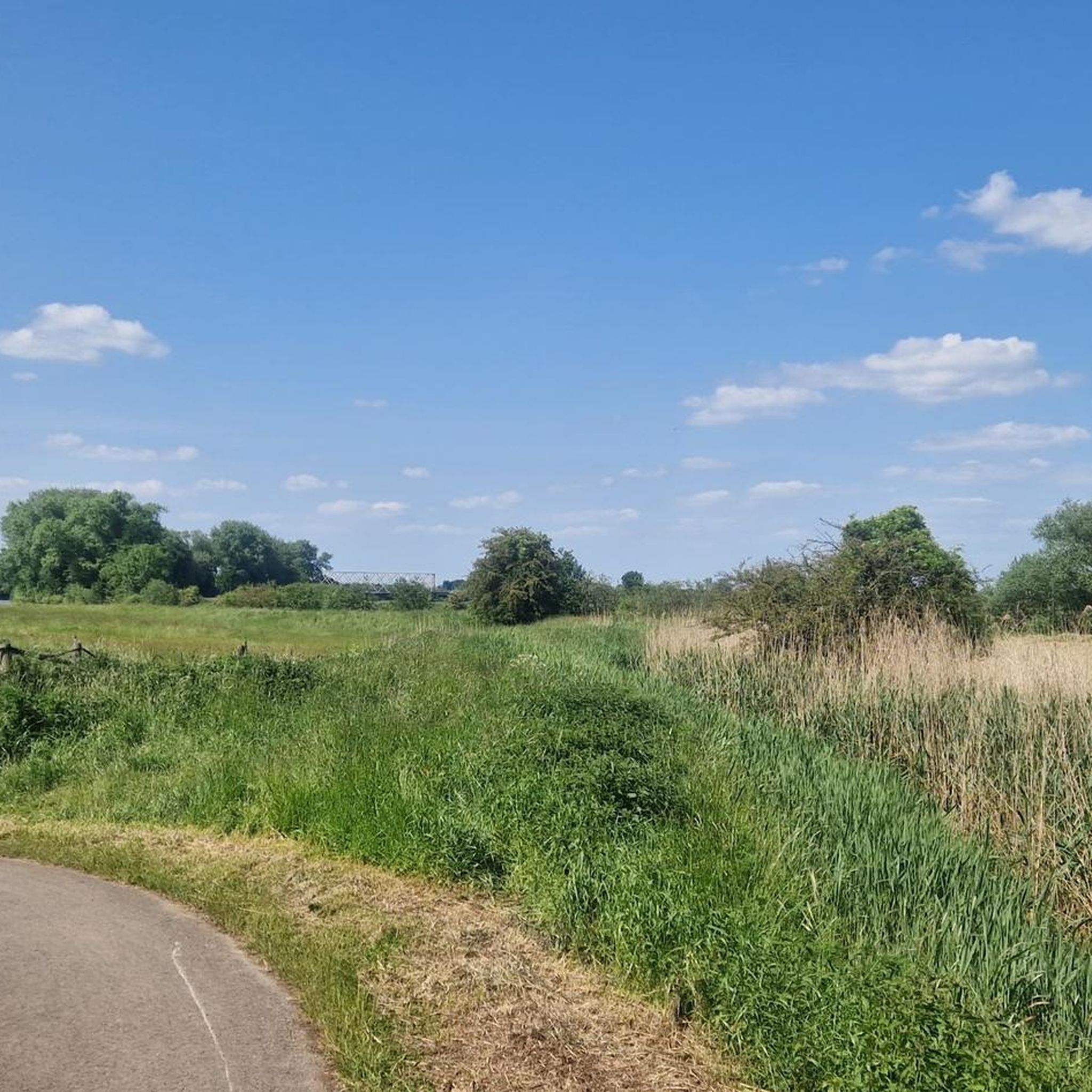
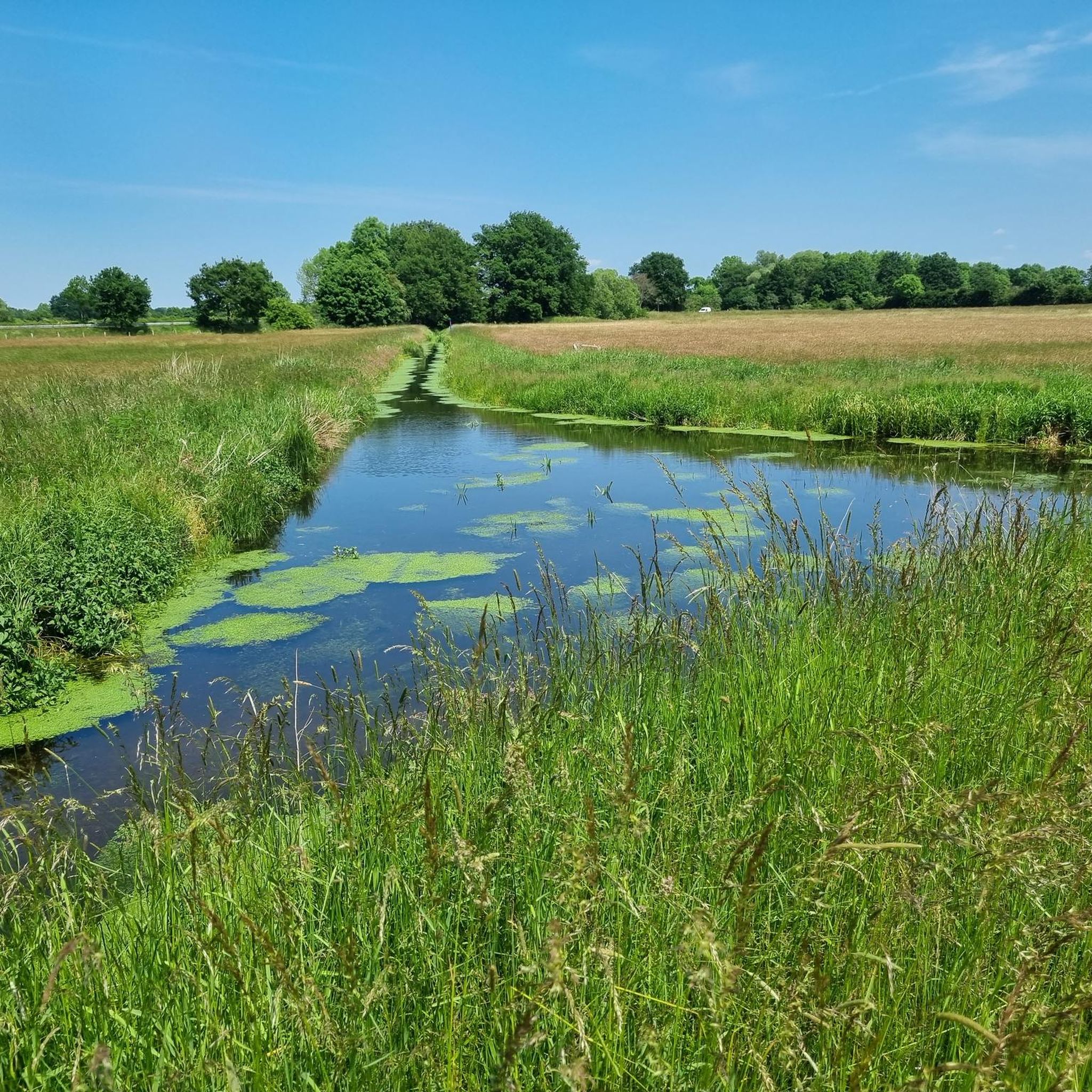
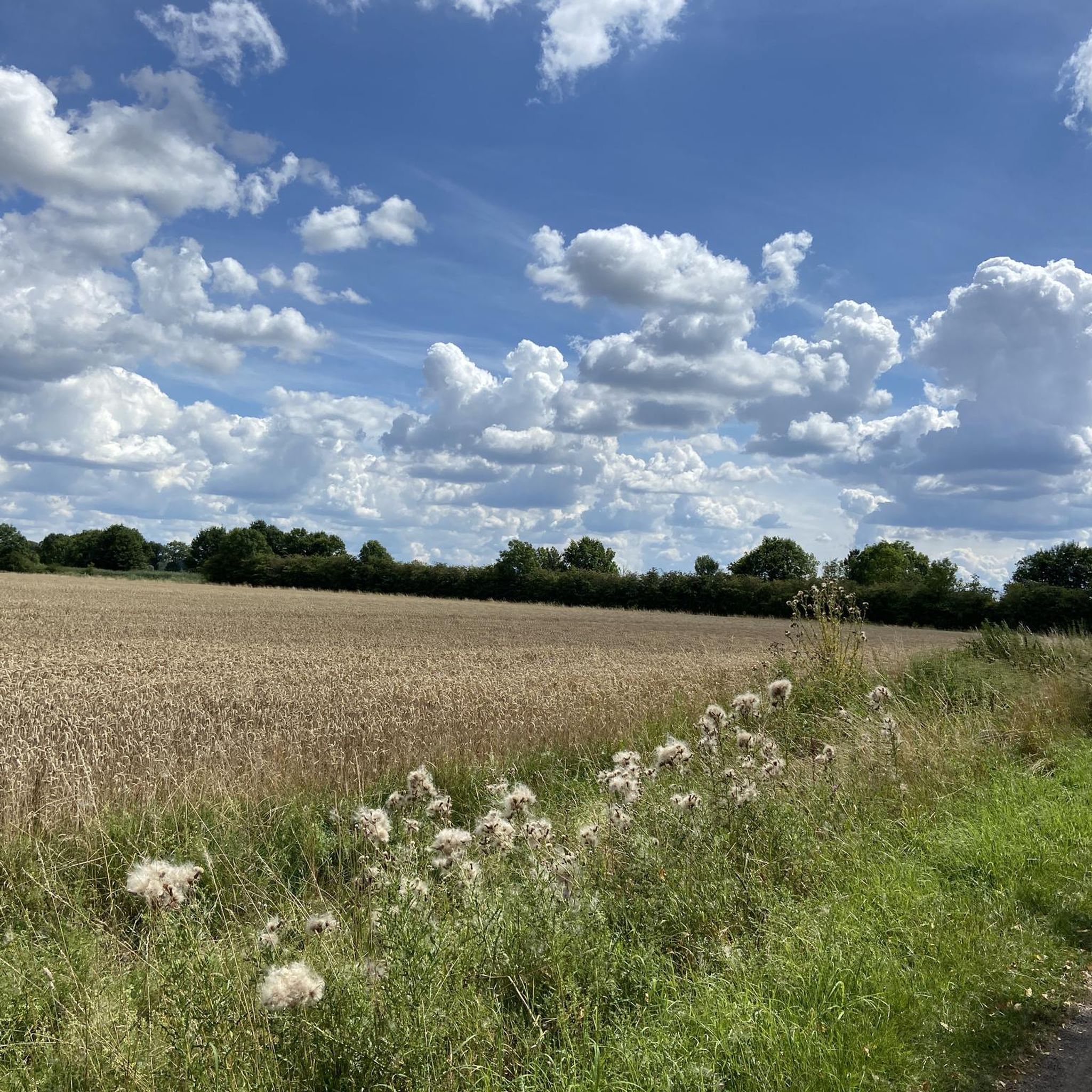
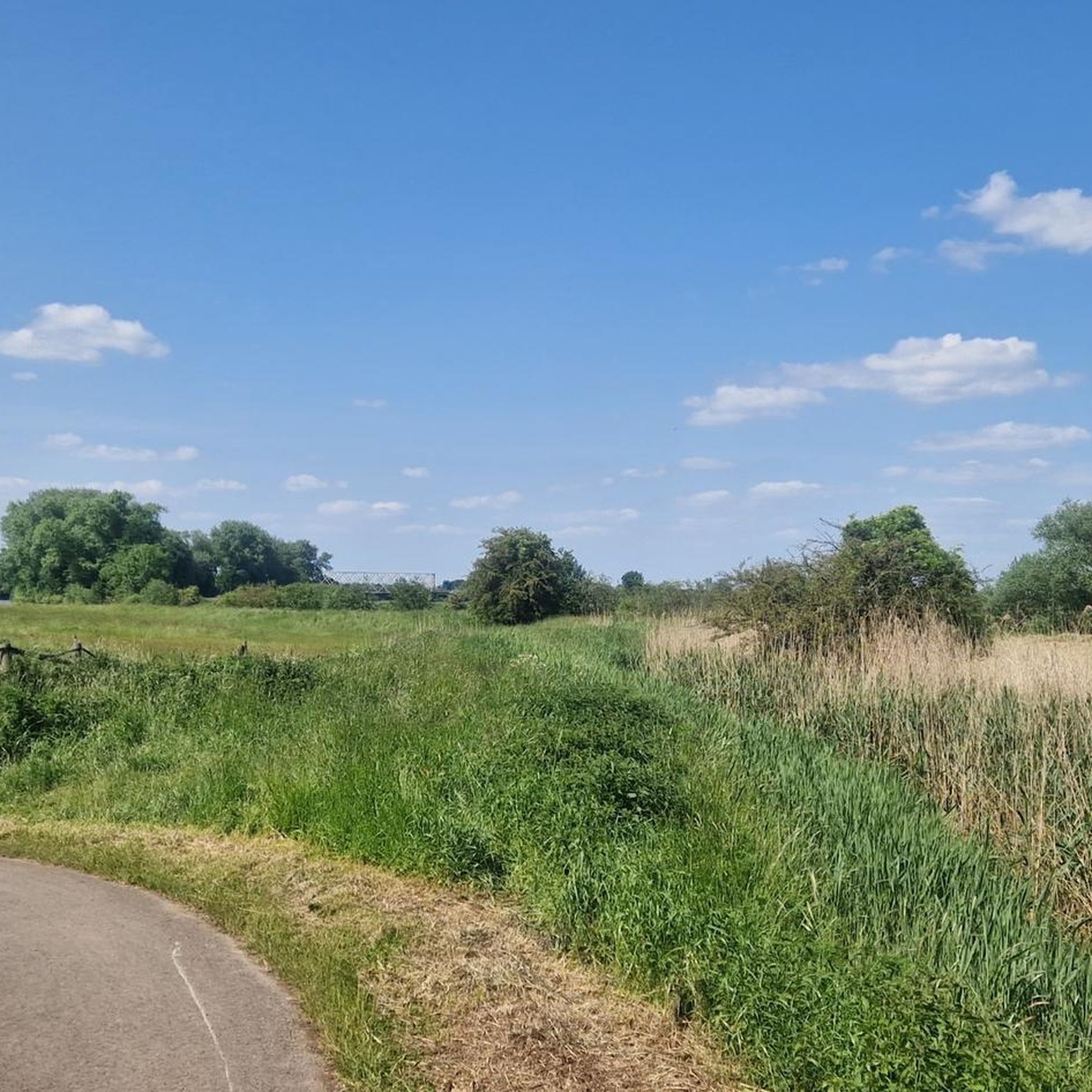
Jogging around Marklohe offers opportunities to explore the flat to gently rolling terrain characteristic of the North German Plain. The region is shaped by the Weser River, providing scenic routes along its banks and through its lowlands. This landscape composition makes for comfortable running conditions, with expansive views of the natural environment.
Best jogging routes around Marklohe
- The most popular jogging route is View of Lake Rolle loop from Marklohe, a 11.2 miles (18.0 km) trail that takes 2…
Last updated: November 25, 2026
5.0
(4)
16
runners
18.0km
02:00
60m
60m
Hard run. Very good fitness required. Mostly paved surfaces.
18
runners
16.5km
01:47
60m
60m
Hard run. Very good fitness required. Mostly paved surfaces.

13
runners
9.45km
01:03
60m
60m
Moderate run. Good fitness required. Mostly paved surfaces.
9
runners
12.9km
01:25
30m
30m
Moderate run. Good fitness required. Mostly paved surfaces.
8
runners
3.73km
00:24
10m
10m
Easy run. Mostly paved surfaces.
Get access to more routes and recommendations from other explorers.
Already have an account?
Our route recommendations are based on thousands of hikes, rides, and runs completed by other people on komoot.
Start today with a free account
Your next adventure awaits.

Tips from the Community

The oldest house in Nienburg is located at Kleine Kirchstraße 2, directly next to St. Martin's Church. It was built around 1490-1500 and is part of the original development around the church.
2
0

Open on Friday and Saturday. Delicious cake.
0
0

Nienburg's oldest house stands at Kleine Kirchstraße 2, right next to St. Martin's Church. It was built around 1490-1500 and is part of the original development surrounding the church. Its slightly crooked appearance is not without reason, as naturally grown oak beams had to be used for economic reasons at the time, and so the inhabitants quite naturally lived on a sloping floor. This is still visible from the outside today, as the house's basic structure has been preserved. Also, almost nothing has changed in the surrounding area. The unique location next to the chancel of St. Martin's Church prevented any alterations. In and around the house, one can easily imagine oneself transported back to a time over 500 years ago. At that time, castles were being replaced by urban fortresses, and Nienburg became the strongest fortress in the Middle Weser region. It was the time of Copernicus, Columbus, Riemenschneider, Dürer, and Leonardo da Vinci, who was competing with Michelangelo in Italy and had just completed what is now the world's most famous painting, the Mona Lisa. Humanity still believed it lived on a flat surface and could only feel somewhat safe behind fortress walls. Source: https://www.pension-st-martin.de/Wie-alles-begann
1
0
The glacial erratics from Småland in Nienburg/Weser are impressive relics of a natural history dating back tens of thousands of years. These large, often smoothly polished boulders originally came from the southern Swedish region of Småland and were transported to northern Germany by mighty glaciers during the last Ice Age. As the ice sheet slowly moved south, it tore rocks from the Scandinavian bedrock and carried them over long distances. When the ice melted, these so-called erratics were left behind in the landscape – far from their place of origin. Such glacial erratics, which can be geologically clearly attributed to Sweden, can also be found in Nienburg. Their composition, such as granite or gneiss, as well as characteristic structures, allow conclusions to be drawn about their Småland origin. They thus vividly illustrate the immense forces of the Ice Age and demonstrate how profoundly glaciers shaped the landscape we see today. The glacial erratics are silent witnesses to history, forging a connection between the Nienburg region and Scandinavia. Beyond their geological significance, these erratics also play a cultural and design role. In Nienburg, they are deliberately used as striking elements in the cityscape and green spaces, serving simultaneously as a starting point for environmental education and the preservation of historical memory.
1
0

The town hall is one of the oldest and most impressive buildings in the city. The first town hall tower, featuring a bell, was built in 1614. It received its current form in 1778/79 and was renovated in 2012.
3
0

Also great and interesting is the Lower Saxony Police Museum at Lange Str. 20.
3
1

Cool plug easy to drive
1
0

Small harbor on the Weser. To go around by bike and then head north towards Drakenburg.
3
0
Frequently Asked Questions
How many running routes are available around Marklohe?
Marklohe offers a diverse network of over 40 running routes, catering to various fitness levels and preferences. These trails are highly rated by the komoot community, with an average score of 4.2 stars.
Are there easy jogging routes suitable for beginners or a relaxed run?
Yes, Marklohe has several easy jogging routes. For a shorter, more relaxed run, consider the Running loop from Oyle, which is just under 4 kilometers and features minimal elevation changes.
What kind of terrain can I expect on the running trails in Marklohe?
The running trails in Marklohe are primarily characterized by the flat to gently rolling terrain of the North German Plain. Many routes follow the scenic Weser River and its lowlands, offering comfortable running conditions with expansive natural views.
Are there any circular running routes in the Marklohe area?
Many of the running routes around Marklohe are designed as loops, providing a convenient way to start and finish at the same point. An example is the moderate Lemker Marsch loop from Marklohe, which is about 13 kilometers long.
Can I find running routes that pass by interesting landmarks or natural features?
Absolutely. The region offers routes that combine natural beauty with points of interest. For example, the difficult Nienburg Market Square – Nienburg Town Hall loop from Marklohe takes you through Nienburg's historic areas, allowing you to see charming half-timbered houses and the idyllic market square. You might also encounter natural monuments like the Drakenburg Marsh Nature Reserve or the Die Rolle lake on other routes.
Are there any running trails suitable for families with children?
While specific 'family-friendly' designations aren't always explicit for running, the numerous easy and moderate routes with flat terrain along the Weser River or through local parks are generally suitable for families. Look for shorter loops with minimal elevation for a comfortable experience with children.
What do other runners say about the trails in Marklohe?
The running routes in Marklohe are highly regarded by the komoot community, boasting an average rating of 4.2 stars from over 10 reviews. Runners often praise the scenic views along the Weser River, the well-maintained paths, and the variety of routes available for different skill levels.
Are there running routes with cafes or places to stop for refreshments nearby?
Yes, some routes offer convenient access to refreshments. The Ahburs Schüne Farm Café loop from Marklohe is a moderate 9.5-kilometer trail that leads through the countryside and passes by a farm café, perfect for a post-run treat.
Can I bring my dog on the running trails in Marklohe?
Many natural trails and paths in the Marklohe region are generally dog-friendly, provided dogs are kept on a leash and owners clean up after them. It's always advisable to check local signage for any specific restrictions in nature reserves or protected areas.
What is the best time of year to go running in Marklohe?
Marklohe offers enjoyable running conditions throughout much of the year. Spring and autumn provide pleasant temperatures and beautiful scenery. Summer can be great, especially along the shaded river banks, while winter running is possible, though some paths might be affected by weather conditions. The diverse natural experiences of the nearby Steinhuder Meer Nature Park also vary seasonally.
Are there any challenging running routes for experienced runners?
Yes, for experienced runners seeking a challenge, Marklohe offers several difficult routes. The View of Lake Rolle loop from Marklohe is a demanding 18-kilometer trail that provides a robust workout through the local landscape.
Most popular attractions around Marklohe

Get inspired with the komoot mobile app


Explore more
Browse the best Running Trails & Routes in other regions.
