Top 20 Natural Monuments around Valkenburg
Best natural monuments around Valkenburg are found in the southern Limburg province of the Netherlands. This region features a unique blend of geological history and picturesque landscapes. The area is characterized by rolling hills, forests, and meandering rivers, offering diverse natural attractions. Valkenburg's natural monuments provide insights into ancient geological formations and human history.
Best natural monuments around Valkenburg
- The most popular natural monuments is Scheveningen Water Tower, a man-made monument that is located in the dunes near Scheveningen.…
Last updated: August 19, 2026
Scheveningen Water Tower
Highlight • Monument
Translated by Google •
Tip by

Hortus Botanicus Leiden
Highlight • Natural
Translated by Google •
Tip by

Sign up now to discover places like this
Get recommendations on the best single tracks, peaks, & plenty of other exciting outdoor places.
Sign up for free
Buitensluis and Monument at the Old Rhine Estuary
Highlight • Monument
Translated by Google •
Tip by

Waalsdorpervlakte Memorial
Highlight • Monument
Translated by Google •
Tip by

Duivenvoorde Castle
Highlight • Castle
Translated by Google •
Tip by

Sign up for free to discover even more natural monuments around Valkenburg.
Sign up for free
Already have an account?
Start today with a free account
Your next adventure awaits.
Login or Signup
Tips from the Community

The cultivation and trade of extremely valuable tulips began in the Netherlands after Carolus Clusius brought tulips from Turkey to Europe in 1593. During the Dutch Golden Age, tulip bulbs became an object of speculation. In the 1630s, prices for tulip bulbs rose to comparatively extremely high levels before the market collapsed abruptly in early February 1637 (= the first relatively well-documented speculative bubble in economic history). (Source: Wikipedia) THE TULIP: It came to Europe from Persia and Turkey in the 16th century. The Netherlands, especially Leiden, became the center of tulip cultivation. The "Semper Augustus" became particularly valuable because a virus caused it to have unique red and white flame patterns on its petals. During the tulip mania around 1643, it was recorded as the most expensive tulip in the world (Collection of the Norton Simon Art Foundation, USA). It is unknown who bred the Semper Augustus, as it is a historical, now extinct specimen. However, it became a symbol of the Dutch "tulip mania" (nl = tulpenwoede, tulpengekte) in the 17th century. At its peak in 1637, one bulb of this variety fetched 10,000 guilders, exactly the price of a house on a canal. In 1624, there were only 12 of this variety. (Source: Book "Leidener Runde und Rembrandt Route" by Leiden City Marketing)
2
0
🌿🌱After the founding of Leiden University in 1575, it seemed sensible to establish a "hortus medicus," a herb garden where medical students could study medicinal plants. This marked the beginning of a development that continued at the LUMC Academic Hospital and the Bio Science Park. The "Hortus Botanicus Leiden" was established in 1590, making it the oldest botanical garden in the Netherlands. 🌷Carolus CLUSIUS, a Hortulanus from Vienna, was the first director of the garden in 1593. He oversaw its design and cultivated the first large tulip collections in Europe. These form the basis of the nearby Keukenhof in Lisse, the "Garden of Leiden." ☘In the 19th century, Philipp Franz von SIEBOLD introduced around 700 previously unknown plants from Japan and China. (Source: Book "Leidener Runde and Rembrandt Route" by the Leiden City Marketing)
2
0

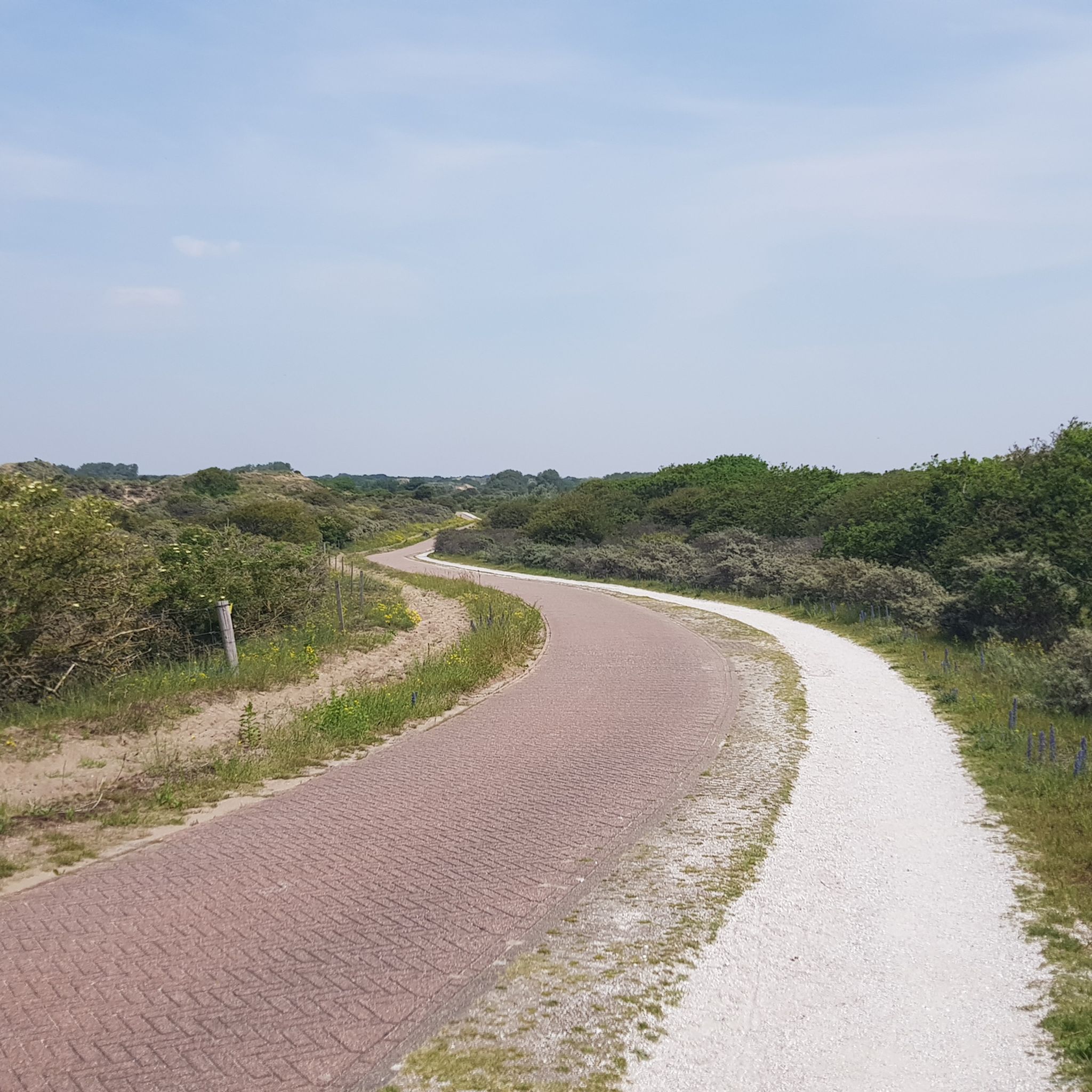
Here you see the characteristic Scheveningen Water Tower, located in the dunes near Scheveningen (Pompstationsweg 327, The Hague)
6
0

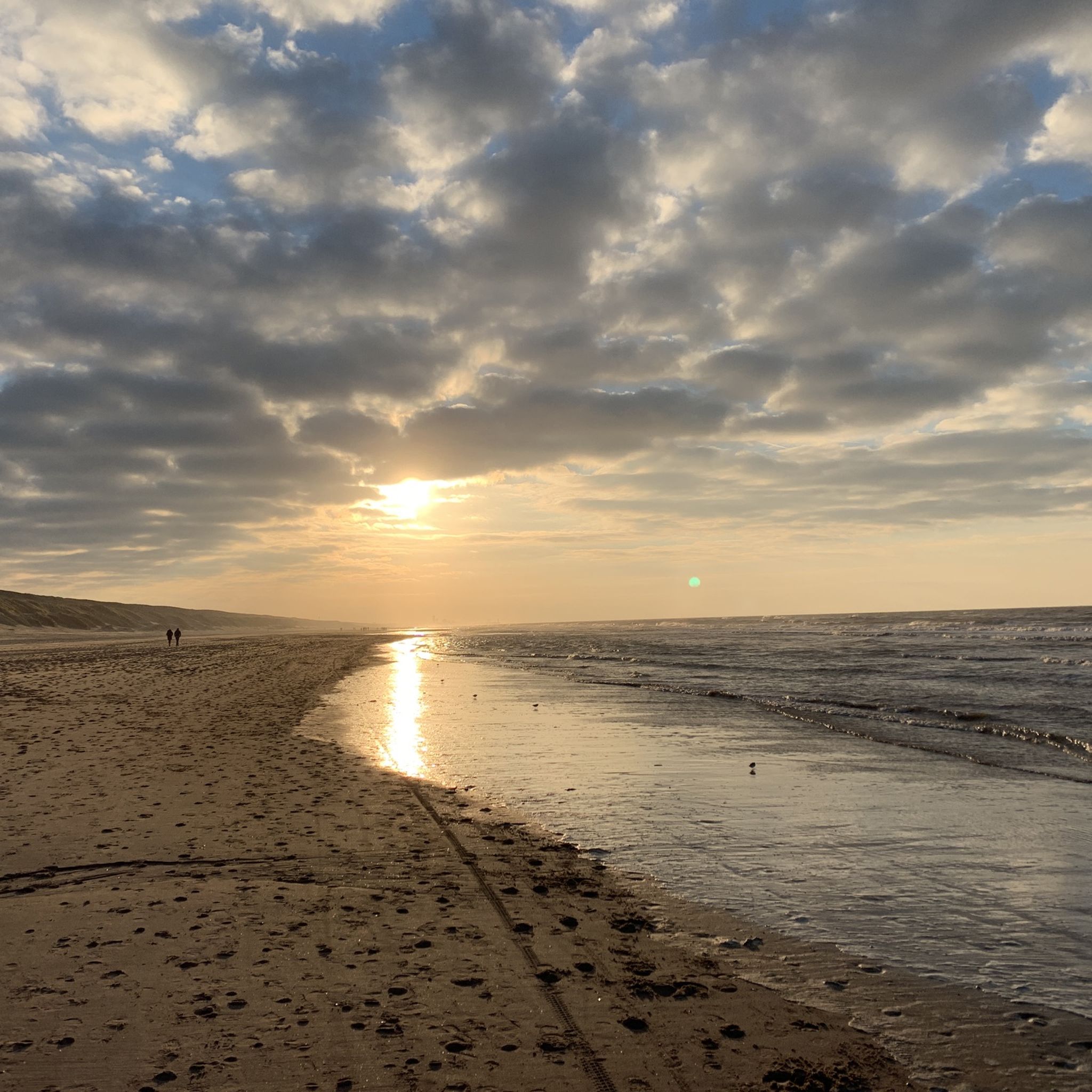
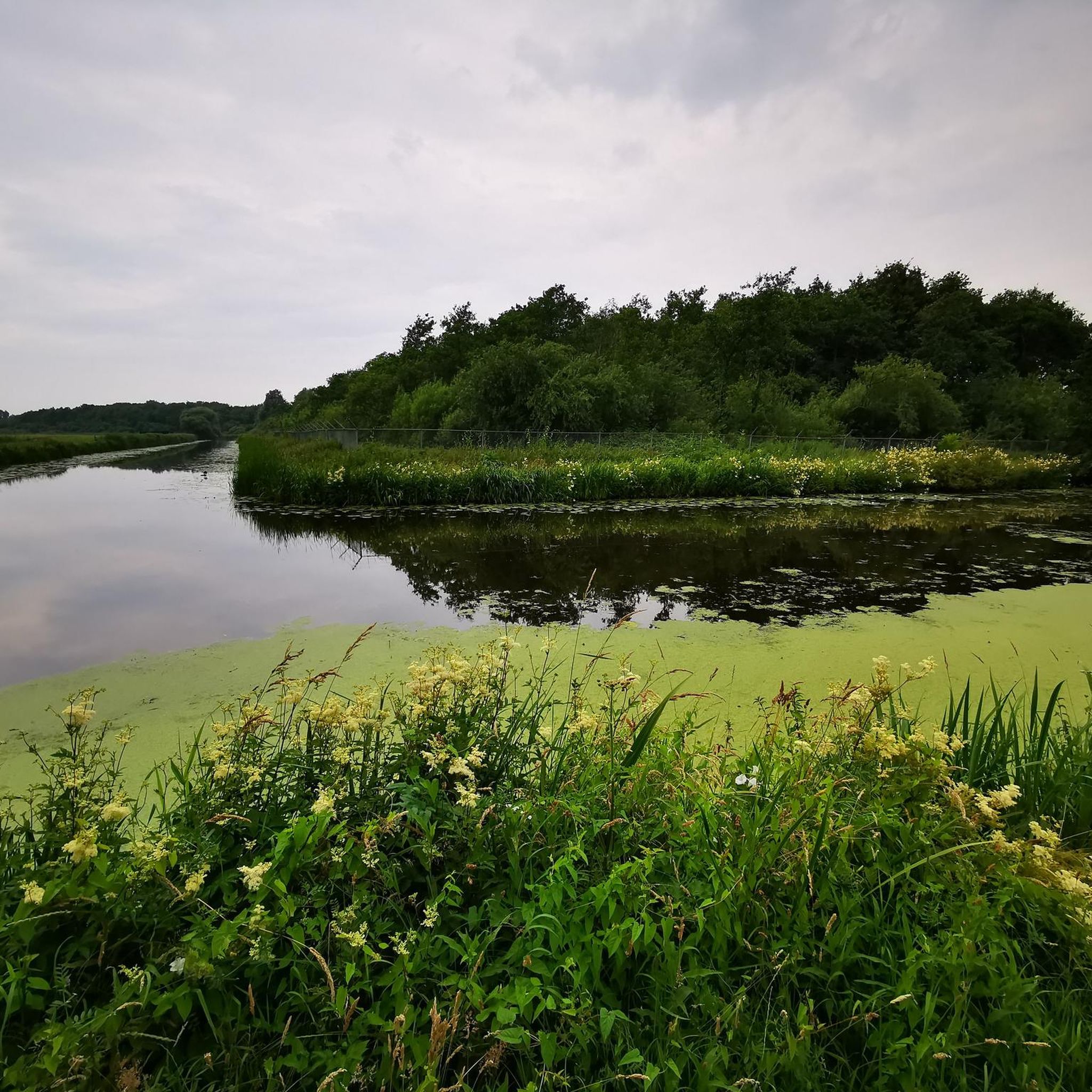
Beautiful view of the spot where the Oude Rijn flows into the sea. The wind, currents, and tides change the view every day.
1
0
The water tower is located in the Oostduinen dunes near Scheveningen, near Pompstationsweg. It is a national monument. Designed in the Eclectic style by architect Bert Brouwer and civil engineer Theodor Stang, it was built in 1874 by the Hague Dune Water Company.
5
0

What is particularly striking here is the simplicity and austerity of the memorial site.
3
0

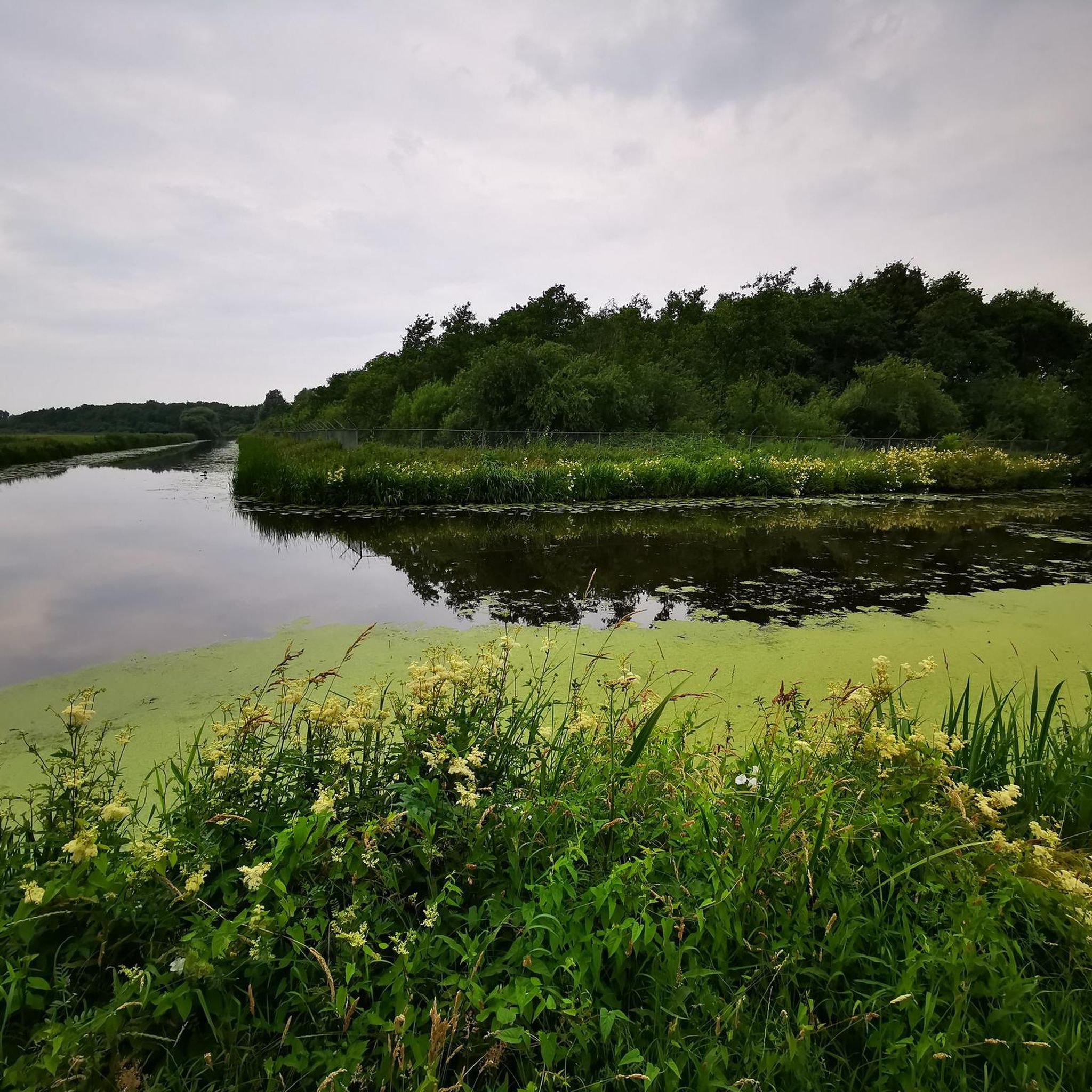
Nice flora and fauna, the park/estate plus castle offer a special beautiful atmosphere.
1
0

After the foundation of Leiden University in 1575, it was deemed desirable to create a 'hortus medicus': a garden in which medical students could study medicinal plants. The start of a development that has continued in the Academic Hospital LUMC and the Bio Science Park. Hortus Botanicus Leiden was founded in 1590, making it the oldest botanical garden in the Netherlands.
4
0
Frequently Asked Questions
What are the primary natural monuments to explore in Valkenburg?
Valkenburg is renowned for its unique blend of geological and historical natural monuments. Key attractions include the extensive Marlstone Cave Systems (such as the Gemeentegrot and Velvet Cave), the picturesque Geul Valley and Heuvelland with its rolling hills, and the ancient Prehistoric Flint Mines.
What makes the natural landscape around Valkenburg unique?
The landscape around Valkenburg is distinctive for the Netherlands, characterized by the South Limburg Heuvelland (Hilly Landscape). This region features rolling hills, lush forests, and the meandering Geul River, which is the fastest-flowing river in the country. These formations are part of the foothills of the Ardennes and Eifel mountains, offering rare panoramic views and diverse ecosystems.
Do Valkenburg's natural monuments have historical significance?
Absolutely. The Marlstone Cave Systems, though largely human-excavated, reveal ancient geological history and served as quarries, shelters during wars, and even housed a Cold War bunker. The Velvet Cave, for instance, is connected to Valkenburg Castle and features medieval murals. The Prehistoric Flint Mines are among the oldest archaeological national monuments in the Netherlands, dating back 5,500 years to early human tool-making.
Are there family-friendly natural attractions in Valkenburg?
Yes, several natural monuments offer engaging experiences for families. MergelRijk, part of the marlstone cave system, provides an interactive journey with 3D cave paintings, sand sculptures, and opportunities for children to search for fossils and learn about dinosaurs. The Geul Valley and Heuvelland also offer gentle trails suitable for family walks amidst nature.
What outdoor activities can I do near Valkenburg's natural monuments?
The hilly landscape of the Geul Valley and Heuvelland is ideal for outdoor enthusiasts. You can enjoy extensive hiking and cycling through forests and along the Geul River. For more specific routes, explore options like Road Cycling Routes around Valkenburg, Running Trails around Valkenburg, or Cycling around Valkenburg.
What is the best time of year to visit Valkenburg's natural monuments?
The Marlstone Cave Systems maintain a stable cool temperature of around 12°C year-round, making them a comfortable visit in any season, including hot summers or cold winters. For exploring the outdoor beauty of the Geul Valley and Heuvelland, spring and autumn offer pleasant temperatures and vibrant scenery, though summer is also popular for hiking and cycling.
Can I explore the marlstone caves independently, or do I need a guide?
While some parts of the marlstone cave systems are accessible, many of the significant sites like the Gemeentegrot and Velvet Cave are best explored with guided tours. These tours provide historical context, point out notable features like charcoal drawings and sculptures, and ensure visitor safety. You can find more information about the Gemeentegrot at Visit Zuid-Limburg.
Are there any natural monuments that are wheelchair accessible?
Accessibility can vary. While the rugged terrain of the Heuvelland and the narrow passages of some older cave sections might pose challenges, some parts of the larger cave attractions, like the Gemeentegrot, offer train tours which may be more accessible. It's advisable to check directly with specific attractions for their current accessibility options.
What kind of geological formations can I expect to see in Valkenburg?
Valkenburg's geology is dominated by marlstone, a soft limestone rich in fossils and shells from a prehistoric sea dating back 75 million years. This unique rock has shaped the region's underground networks and allowed for intricate human carvings. Above ground, you'll see the rolling hills and valleys characteristic of the Heuvelland, formed by ancient geological processes.
Where can I learn more about the prehistoric flint mines?
The Prehistoric Flint Mines at Plenkertstraat offer a fascinating glimpse into Neolithic-era mining. While partially visible, they represent one of the oldest archaeological national monuments in the Netherlands. Information panels on-site provide details about how early humans extracted flint for tools and weapons, showcasing an important piece of the region's ancient past.
What do visitors enjoy most about Valkenburg's natural monuments?
Visitors frequently appreciate the unique combination of natural beauty and rich history. The cool, mysterious atmosphere of the marlstone caves, with their ancient carvings and historical significance, is a major draw. The scenic beauty of the Geul Valley and Heuvelland, offering panoramic views and excellent opportunities for hiking and cycling, is also highly valued by the komoot community.
Most popular attractions around Valkenburg

Get inspired with the komoot mobile app


Explore more
Extend your search for the best caves by checking out these guides of the top ones around Valkenburg:
