Top 20 Natural Monuments around Wassenaar
Best natural monuments around Wassenaar include expansive dunes, lush green spaces, and pristine coastlines. The region is characterized by its diverse natural landscapes, offering opportunities for outdoor exploration. Key natural areas include the Meijendel nature reserve, Wassenaarse Slag beach, and the De Horsten royal estate. These locations provide varied terrain for walking and enjoying the natural environment.
Best natural monuments around Wassenaar
- The most popular natural monuments is Scheveningen Water Tower, a man-made monument located in the dunes near…
Last updated: August 19, 2026
Scheveningen Water Tower
Highlight • Monument
Translated by Google •
Tip by

Hortus Botanicus Leiden
Highlight • Natural
Translated by Google •
Tip by

Sign up now to discover places like this
Get recommendations on the best single tracks, peaks, & plenty of other exciting outdoor places.
Sign up for free
Buitensluis and Monument at the Old Rhine Estuary
Highlight • Monument
Translated by Google •
Tip by

Waalsdorpervlakte Memorial
Highlight • Monument
Translated by Google •
Tip by

Benthuizer Lake
Highlight • Lake
Translated by Google •
Tip by

Sign up for free to discover even more natural monuments around Wassenaar.
Sign up for free
Already have an account?
Start today with a free account
Your next adventure awaits.
Login or Signup
Popular around Wassenaar

Tarmac, trails and flow – Europe's best road to trail runs
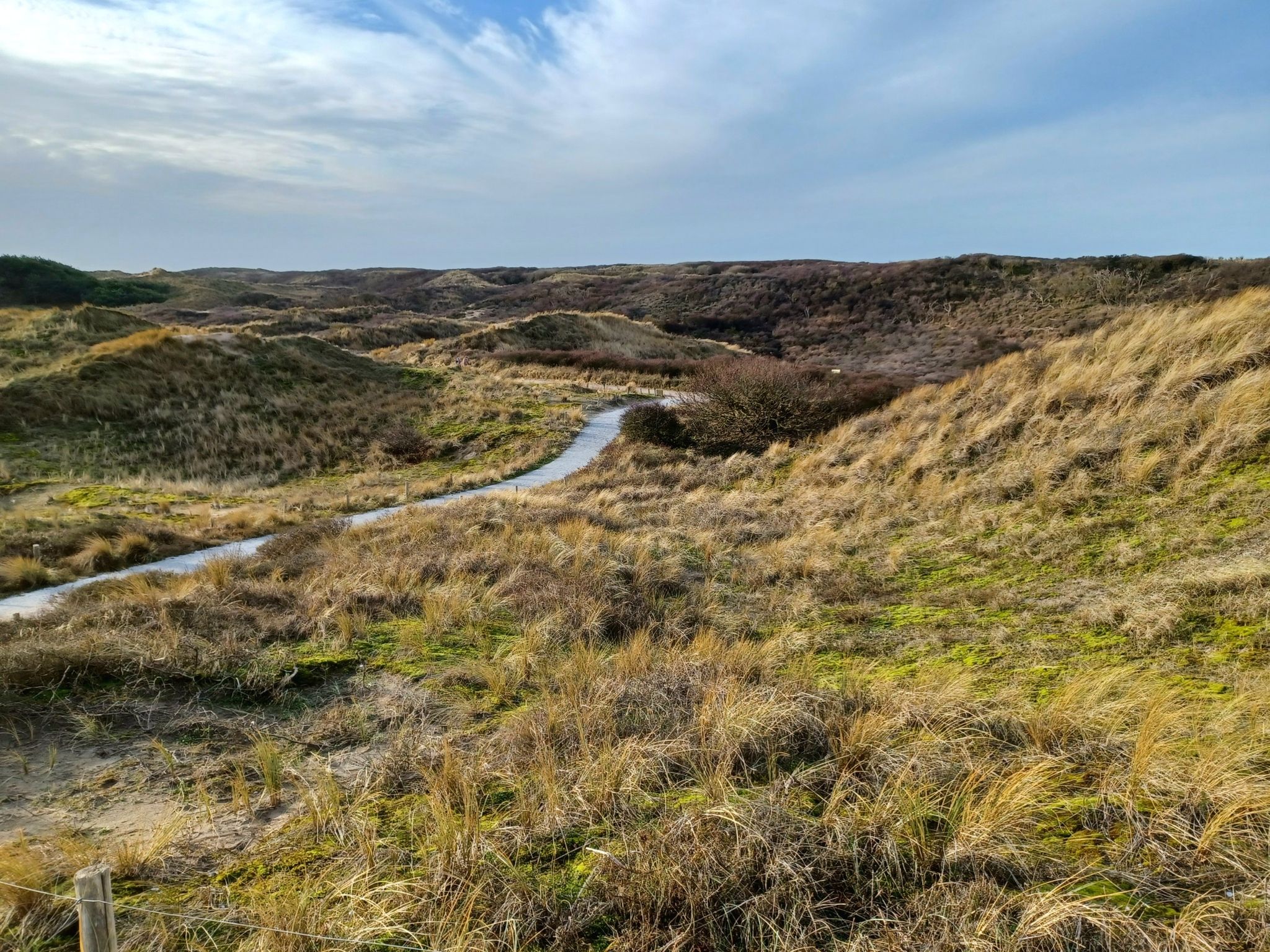
Smulling in the beach tent all year round - 5x hiking in South Holland
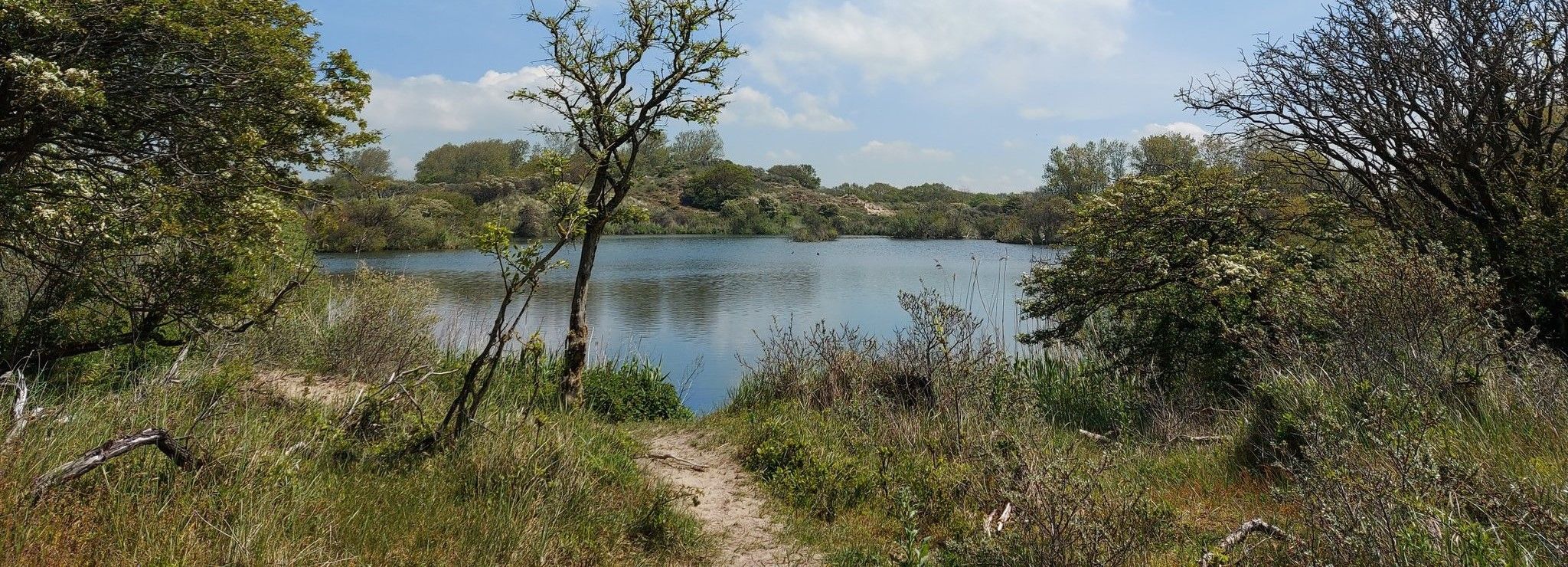
Strolling and feasting – the best pancake hikes in the Netherlands
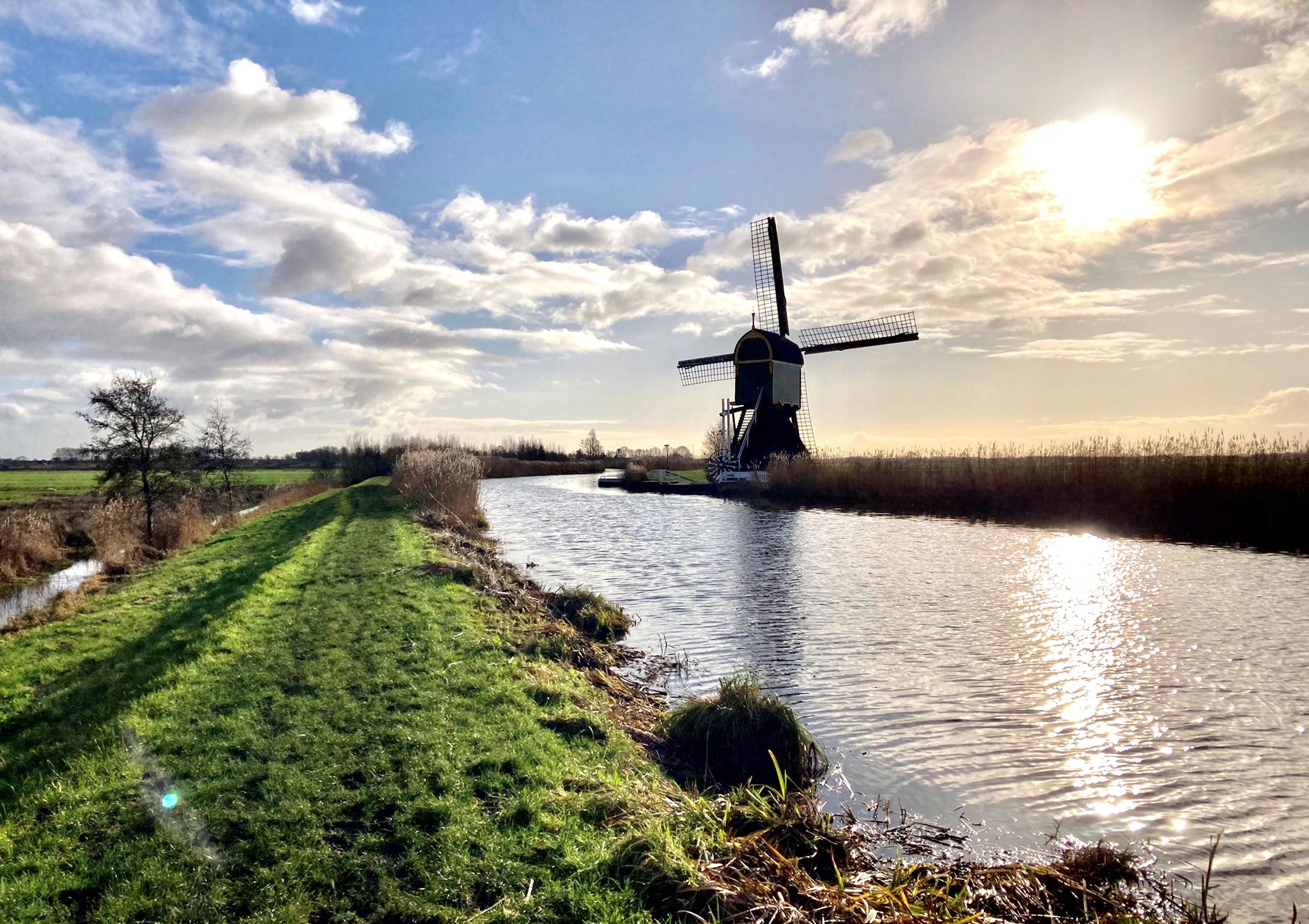
From the German border to the Dutch coast – Marskramerpad (LAW 3)
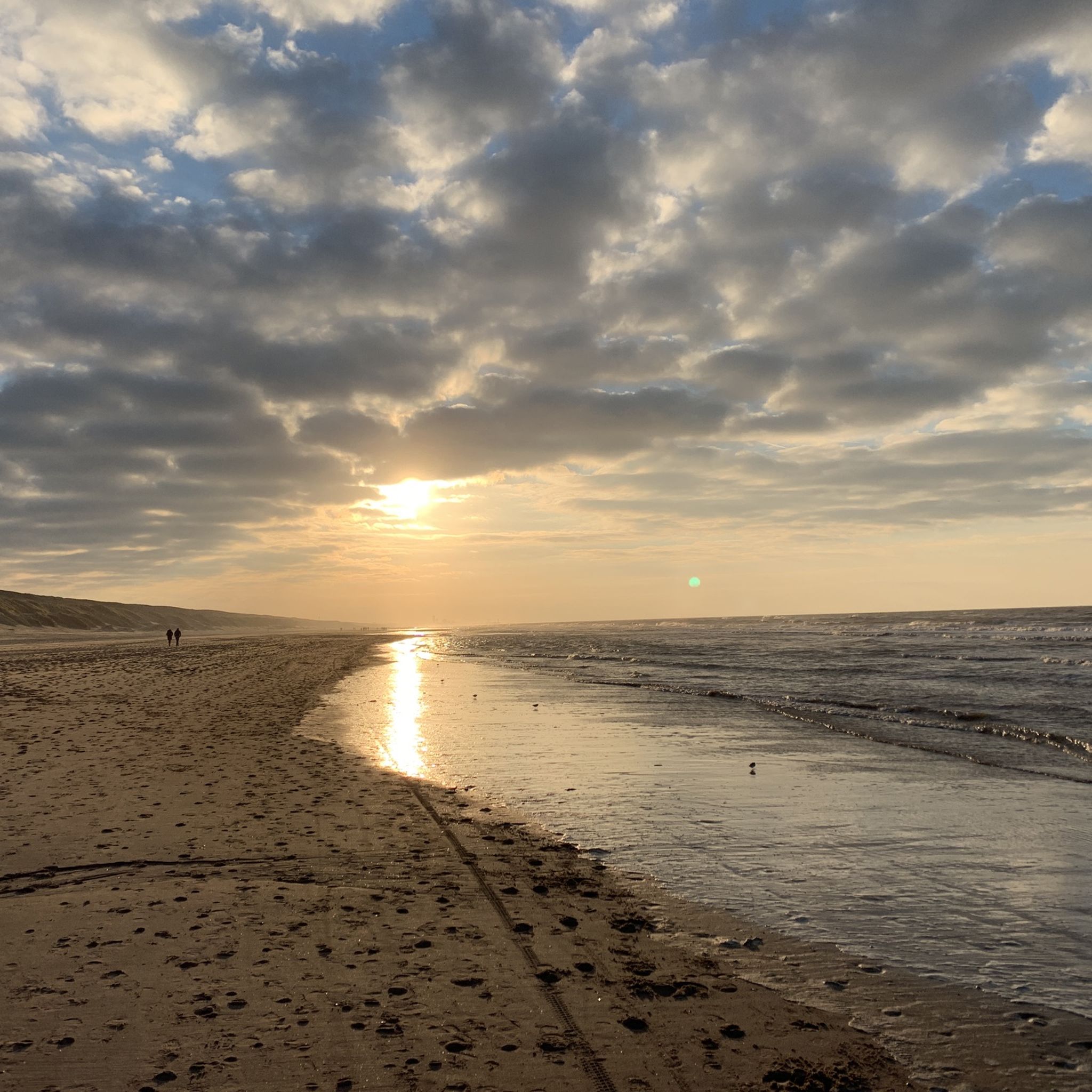
Hiking around Wassenaar
Road Cycling Routes around Wassenaar
Cycling around Wassenaar
Running Trails around Wassenaar
MTB Trails around Wassenaar
Gravel biking around Wassenaar
Other adventures around Wassenaar


Tips from the Community

The cultivation and trade of extremely valuable tulips began in the Netherlands after Carolus Clusius brought tulips from Turkey to Europe in 1593. During the Dutch Golden Age, tulip bulbs became an object of speculation. In the 1630s, prices for tulip bulbs rose to comparatively extremely high levels before the market collapsed abruptly in early February 1637 (= the first relatively well-documented speculative bubble in economic history). (Source: Wikipedia) THE TULIP: It came to Europe from Persia and Turkey in the 16th century. The Netherlands, especially Leiden, became the center of tulip cultivation. The "Semper Augustus" became particularly valuable because a virus caused it to have unique red and white flame patterns on its petals. During the tulip mania around 1643, it was recorded as the most expensive tulip in the world (Collection of the Norton Simon Art Foundation, USA). It is unknown who bred the Semper Augustus, as it is a historical, now extinct specimen. However, it became a symbol of the Dutch "tulip mania" (nl = tulpenwoede, tulpengekte) in the 17th century. At its peak in 1637, one bulb of this variety fetched 10,000 guilders, exactly the price of a house on a canal. In 1624, there were only 12 of this variety. (Source: Book "Leidener Runde und Rembrandt Route" by Leiden City Marketing)
2
0
🌿🌱After the founding of Leiden University in 1575, it seemed sensible to establish a "hortus medicus," a herb garden where medical students could study medicinal plants. This marked the beginning of a development that continued at the LUMC Academic Hospital and the Bio Science Park. The "Hortus Botanicus Leiden" was established in 1590, making it the oldest botanical garden in the Netherlands. 🌷Carolus CLUSIUS, a Hortulanus from Vienna, was the first director of the garden in 1593. He oversaw its design and cultivated the first large tulip collections in Europe. These form the basis of the nearby Keukenhof in Lisse, the "Garden of Leiden." ☘In the 19th century, Philipp Franz von SIEBOLD introduced around 700 previously unknown plants from Japan and China. (Source: Book "Leidener Runde and Rembrandt Route" by the Leiden City Marketing)
2
0

Here you see the characteristic Scheveningen Water Tower, located in the dunes near Scheveningen (Pompstationsweg 327, The Hague)
6
0

Beautiful view of the spot where the Oude Rijn flows into the sea. The wind, currents, and tides change the view every day.
1
0
The water tower is located in the Oostduinen dunes near Scheveningen, near Pompstationsweg. It is a national monument. Designed in the Eclectic style by architect Bert Brouwer and civil engineer Theodor Stang, it was built in 1874 by the Hague Dune Water Company.
5
0

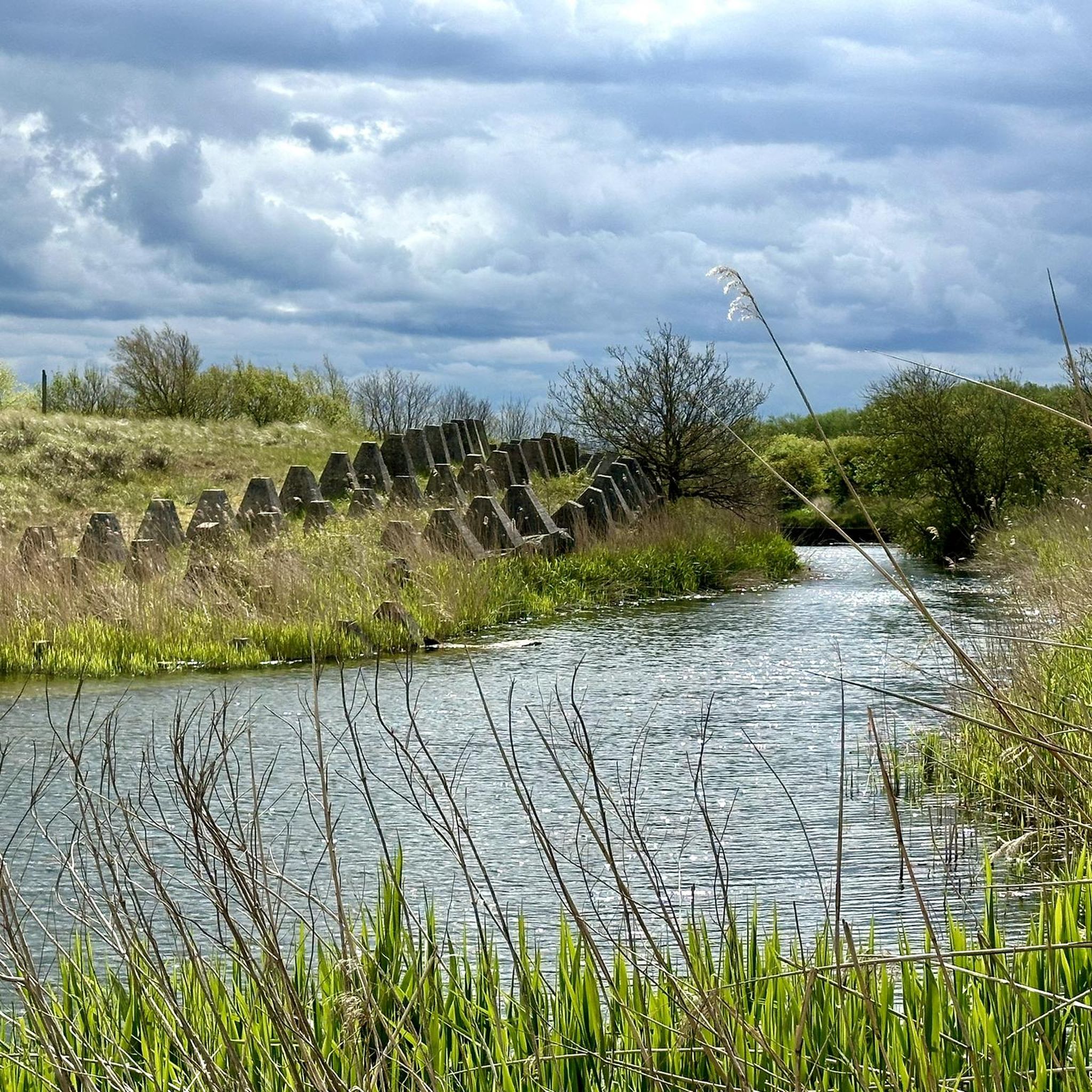
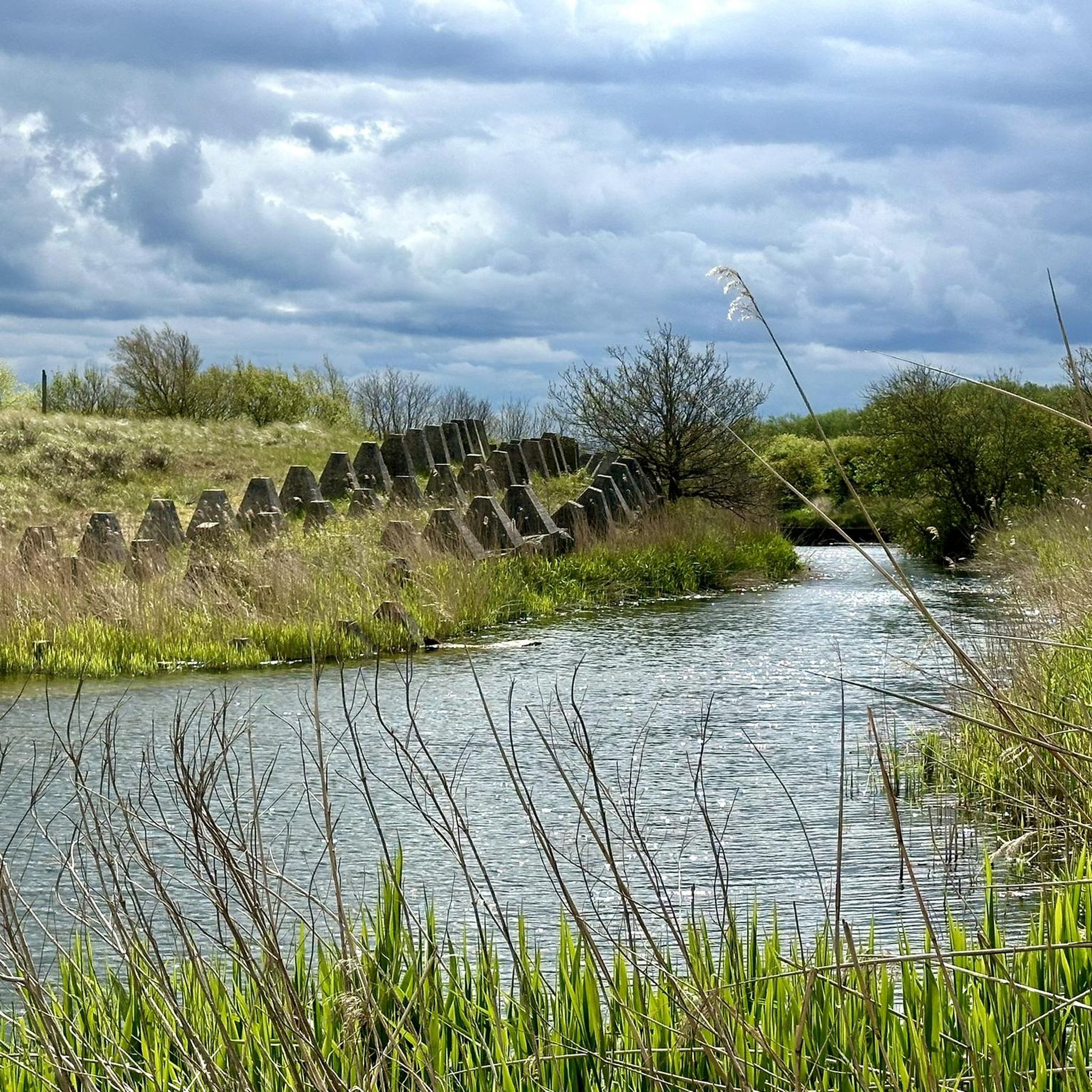
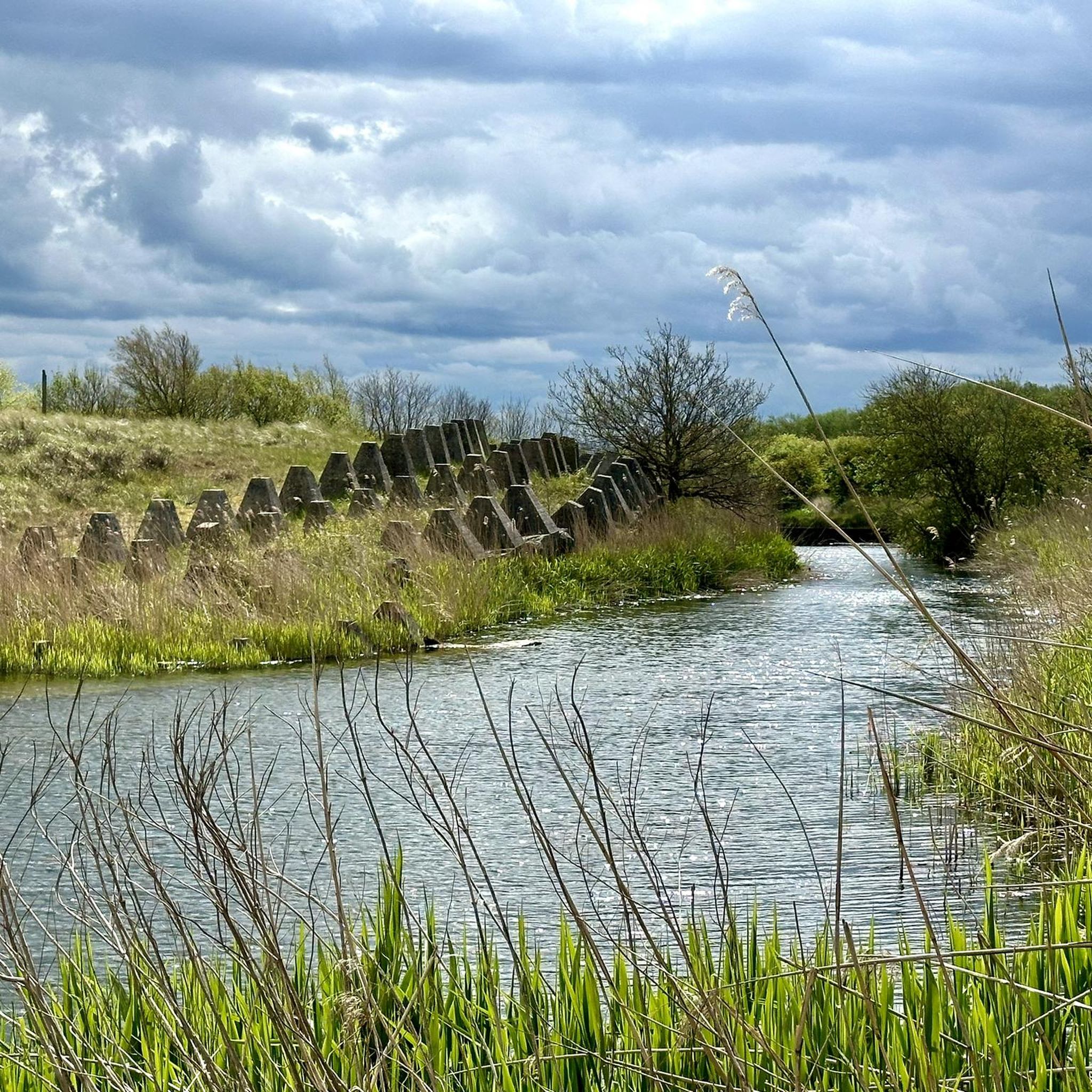
What is particularly striking here is the simplicity and austerity of the memorial site.
3
0

After the foundation of Leiden University in 1575, it was deemed desirable to create a 'hortus medicus': a garden in which medical students could study medicinal plants. The start of a development that has continued in the Academic Hospital LUMC and the Bio Science Park. Hortus Botanicus Leiden was founded in 1590, making it the oldest botanical garden in the Netherlands.
4
0

Interesting highlight also with information board about the history of the place
2
0
Frequently Asked Questions
What are the most popular natural monuments around Wassenaar?
Visitors frequently enjoy the diverse natural monuments in the region. Among the most popular are the De Horsten Royal Estate, known for its historical landscape and serene walks, and the Seringeberg Lookout – De Horsten Estate, which offers scenic views over the forest. The Scheveningen Water Tower, a historic man-made monument nestled in the dunes, is also a popular spot.
Are there family-friendly natural monuments in Wassenaar?
Yes, several natural monuments around Wassenaar are suitable for families. The De Horsten Royal Estate is a great option, offering opportunities for leisurely walks through its expansive grounds. Additionally, the Meijendel nature reserve provides well-marked paths and a visitor center, making it accessible for families to explore the dunes and spot wildlife.
What kind of natural features can I expect to see in Wassenaar's natural monuments?
Wassenaar's natural monuments boast a rich variety of features. You'll find expansive rolling dunes, lush woodlands, serene valleys, and shallow lakes, particularly within the Meijendel nature reserve. The Wassenaarse Slag offers pristine coastlines and quiet beaches, while the De Horsten Royal Estate features a large, artfully designed lake with islands and towering trees.
What historical or cultural sites are integrated with the natural monuments?
The region beautifully blends natural beauty with historical significance. The De Horsten Royal Estate is a prime example, offering walks through a historical landscape that was once a royal domain. The Scheveningen Water Tower, a national monument built in 1874, is another notable historical structure located within the dunes.
What outdoor activities can I do near these natural monuments?
The natural monuments around Wassenaar are perfect for various outdoor activities. You can enjoy hiking and running through the diverse landscapes of the Meijendel nature reserve. For cycling enthusiasts, there are gravel biking routes that take you through the dunes and along the coast. Explore more options for hiking at Hiking around Wassenaar, running at Running Trails around Wassenaar, and gravel biking at Gravel biking around Wassenaar.
Are there specific hiking trails near Wassenaar's natural monuments?
Yes, the Meijendel nature reserve, a significant natural monument, offers numerous hiking opportunities. Popular routes include 'Meijendel' (moderate, 8.5 km), 'An oasis of peace in Kijfhoek and Bierlap' (moderate, 9.9 km), and 'Wandering through Meijendel - Indulging in the beach tent all year round' (moderate, 11.8 km). You can find more hiking trails in the area by visiting the Hiking around Wassenaar guide.
What is the best time to visit the natural monuments in Wassenaar?
The natural monuments around Wassenaar can be enjoyed year-round. Spring is particularly vibrant in Meijendel, with the largest population of nightingales. Summer is ideal for enjoying the Wassenaarse Slag beach. Autumn offers beautiful foliage in areas like De Horsten and Clingendael Park, while winter provides tranquil, crisp walks through the dunes and forests.
What wildlife can be observed in the Meijendel nature reserve?
Meijendel is a haven for wildlife. It's home to over 250 species of birds, including the largest population of nightingales in the Netherlands, especially during spring. You might also spot deer, foxes, rabbits, and even Scottish Highlanders roaming the diverse dune landscape.
Is access to De Horsten Royal Estate still restricted or ticketed?
No, access to De Horsten Royal Estate no longer requires a ticket. As of July 1, 2021, the previous ticketing system was discontinued, allowing visitors to explore this beautiful landscape park freely.
Are there any natural monuments with good viewpoints in the area?
Yes, the Seringeberg Lookout – De Horsten Estate is a notable viewpoint offering scenic vistas over the surrounding forest. Within the Meijendel nature reserve, various elevated dunes provide panoramic views of the diverse dune landscape and the sea.
What makes Wassenaarse Slag a unique beach experience?
Wassenaarse Slag offers a serene and natural beach experience, distinguishing it from more bustling coastal areas. Framed by rolling dunes, it provides a quiet atmosphere ideal for relaxation, sunbathing, swimming, or leisurely strolls. Its proximity to the Meijendel nature reserve also allows for combining a beach visit with a walk or cycle through the dunes.
Are there any natural monuments that also serve a practical purpose?
Yes, the Meijendel nature reserve plays a crucial role beyond its natural beauty. The water bodies within Meijendel are vital for filtering and cleaning drinking water for the surrounding communities, a system that has been in place since the 1850s. Additionally, the Scheveningen Water Tower, while a monument, features a drinking water tap for visitors.
Most popular routes around Wassenaar
Most popular attractions around Wassenaar

Get inspired with the komoot mobile app


Explore more
Extend your search for the best caves by checking out these guides of the top ones around Wassenaar:
