Attractions and Places To See around Walsham-Le-Willows - Top 20
Best attractions and places to see around Walsham-Le-Willows include a blend of historical landmarks, cultural sites, and scenic natural features. The village, situated in Suffolk, offers a rural landscape with opportunities for outdoor activities. Visitors can explore numerous well-preserved buildings and sites, along with dedicated walking trails. The area provides a variety of experiences for those interested in history, culture, and nature.
Best attractions and places to see around Walsham-Le-Willows
- The most popular attractions is Knettishall Heath Nature Reserve, an other natural site that covers about 430 acres, including woodland, riverside meadows, and large areas of heath. It is known for its resident wildlife and offers a visitor welcome and cafe van in season.
- Another must-see spot is Gravel Track by Livermere Lake, a trail featuring various types of terrain. Visitors can expect a mix of forest turns and sections requiring attention to navigation.
- Visitors also love Peddars Way Trail, a 46-mile long-distance hiking and cycling trail. This trail follows ancient Roman routes and is notable for its wildlife, history, and expansive arable landscapes.
- Walsham-Le-Willows is known for its historical landmarks, natural attractions, and walking trails. The region offers a variety of attractions to see and explore, from ancient churches to heathlands and long-distance paths.
- The attractions around Walsham-Le-Willows are appreciated by the komoot community, with 10 upvotes and 11 photos shared across the highlights.
Last updated: August 16, 2026
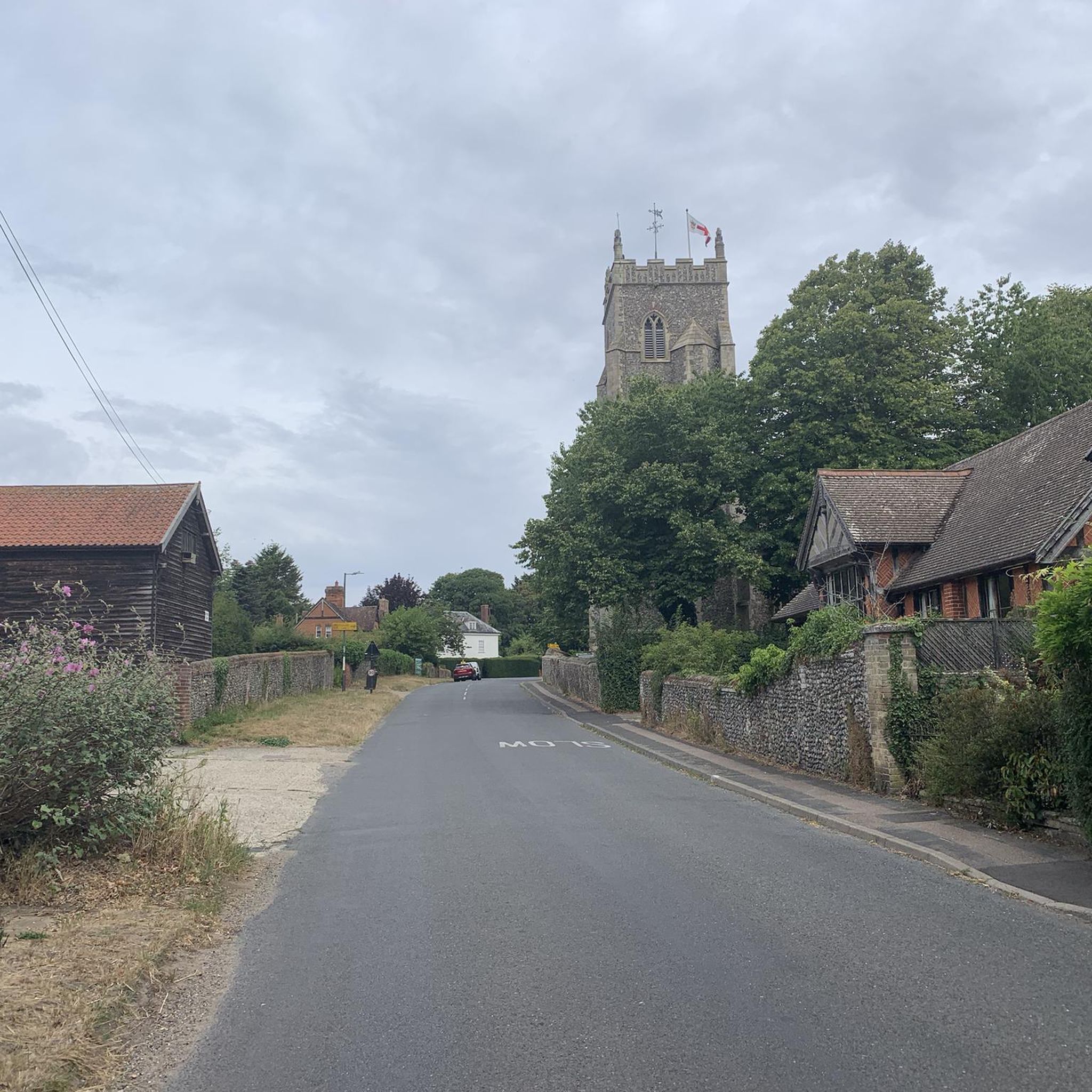
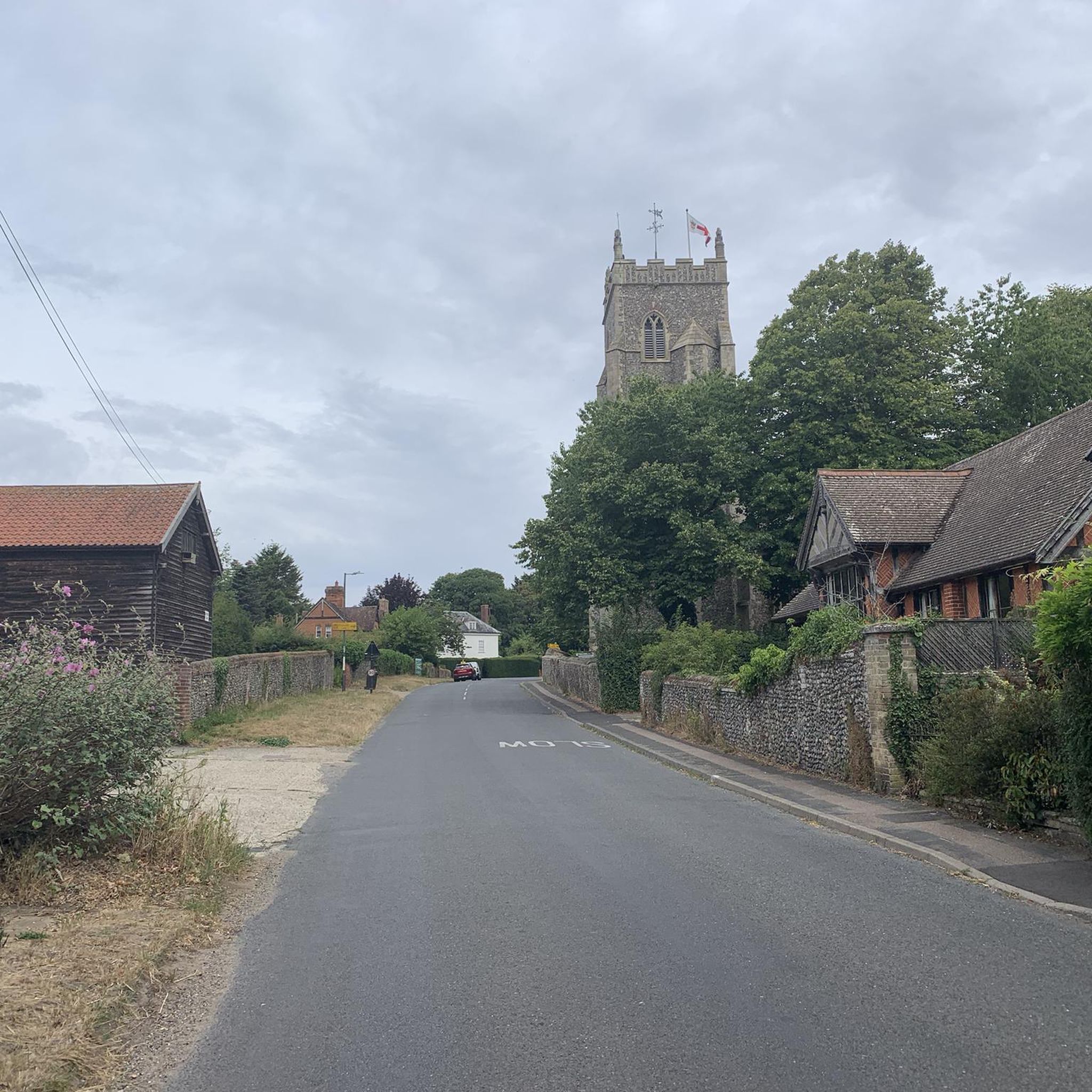
St Mary's Church, Woolpit
Highlight • Historical Site
The church of The Blessed Virgin Mary in Woolpit is one of the great medieval churches of Suffolk, a county blessed with some of the finest country churches in England. Like so many other Suffolk villages Woolpit owes its superb church to the wealth of the medieval wool trade, but there was a church on this spot centuries before Suffolk wool merchants gained their wealth.
The earliest record of a church at Woolpit comes from AD 1005 when the Earl of the East Angles gave the church and manor here to the Shrine of St Edmund at Beodricsworth (Bury St Edmunds). The church remained the property of the Abbey until the Dissolution of the Monasteries. The Woolpit church originally sent 10 marks worth of tithes to support the monks of Bury, but at some point in the medieval period this sum claimed by the crown.
The monks of St Edmundsbury Abbey were furious, and determined to seek reparation. Two monks disguised themselves as Scottish pilgrims and without permission left the abbey and made the long journey to Rome, where they sought and obtained a Papal charter affirming their right to the money.
They were attacked and robbed on their return journey, but one of the monks hid the charter in his mug, and so preserved it. The pair's belongings had been stolen, so they had no choice but to beg their way back to the abbey. The Papal charter did the trick, however, and Woolpit's tithe once more went to help maintain sick monks.
Shortly before 1087, a new church was built at the behest of Abbot Baldwin. The only remaining feature of this Norman building is the priest's door in the south wall of the chancel.
The double-hammerbeam angel roof
OUR LADY OF WOOLPIT
Woolpit became a destination for pilgrims during the medieval period, when it held a richly decorated statue of Our Lady in its own chapel. No trace of this chapel now survives but it was probably on the north side of the chancel, where the vestry now stands.
Alternatively, it may have stood at the east end of the south aisle. Pilgrims began arriving at least as early as 1211 when the Bishop of Norwich ordered that their offerings be given to St Edmundsbury Abbey.
The Shrine of Our Lady of Woolpit became extremely popular during the 15th and 16th centuries. Henry VI visited twice, and Queen Elizabeth of York, wife of Henry VII, ordered that a pilgrimage be made on her behalf in 1501. In 1538 Henry VIII ordered that Catholic images be destroyed, and it seems likely that the statue was pulled down at that time. in 1551 the Court of Augmentation ordered that the chapel itself be pulled down and the material sold.
A curious scene took place at Woolpit during the tumult of the English Civil War. The incumbent rector was John Watson, and when he was ordered to accept the new Puritan style of worship he refused. He was removed from his living, and the Earl of Manchester sent armed men to enforce the order. The village split into two factions, and a furious melee broke out in the church. The rector was removed, and retired to Norfolk where he died shortly after.
St Mary's is worth visiting for its superb double-hammerbeam roof, decorated with carved figures of angels. Iconoclast William Dowsing did his best to destroy the angels in 1644. His deputy found 80 'superstitious Pictures' some of which he destroyed and others he ordered to be taken down. Many of the angel's heads were defaced but these were sensitively restored in the 19th century.
Other highlights include beautifully carved medieval bench ends decorated with a wide variety of carved figures. These figures probably survived because the Puritans considered them heraldic symbols rather than religious. Eye-catching figures include griffins and a very mournful looking dog.
Another highlight is a finely crafted south porch dating to 1430-1455. Over the porch arch is a parvise, a small chamber possibly used for storing important documents. The porch roof is vaulted with exceptionally detailed lierne vaulting and decorated bosses.
The eagle lectern is a rare early Tudor relic, made around 1520 and one of just 20 surviving examples made to accept a chained Bible. A local tradition suggests that Elizabeth I gave the lectern to the church, though there is no proof of this. The queen did visit nearby Haughley Park in 1600 and sent one of her knights to visit Woolpit on her behalf. It is certainly possible that he gave the parishioners money that was used to buy the lectern.
The screen is 15th century, though the gates are Jacobean. The screen is painted and gilded and retains the medieval beam made to hold the rood, or crucifix. The base of the screen is painted with figures of saints including St Withburga, St Edmund, St Etheldreda, and St Felix. The face of St Felix is actually a portrait of Henry Page, the serving rector at the time of the Victorian restoration. Over the arch is a beautifully vaulted painted dedication board, decorated with figures of angels.
The large east window is a beautiful example of Decorated Gothic style, with reassembled fragments of medieval glass in the upper lights.
Each end of the chancel choir stalls has a bench end with an intricate figure of a Green Man. Set against the wall is a fascinating carving of a woodwose, a wild man of the woods figure found throughout East Anglia.
Most of the building is Perpendicular Gothic, dating from the mid-15th century but the chancel and south aisle are 14th century. The tower and spire were added in the 1850s by architect Richard Phipson after the medieval originals were damaged by lightning. This is actually the third tower; the first was damaged in a thunderstorm in 1602 and the second was blown down in a hurricane in 1703.
Tip by

Thelnetham Windmill
Highlight • Historical Site
Still milling flour today, you can visit the mill and take a tour on select days each year for a small entry fee. Even if you pass by when the tours aren’t running, the windmill is still a beautiful site and harks of times gone by.
Tip by

Sign up now to discover places like this
Get recommendations on the best single tracks, peaks, & plenty of other exciting outdoor places.
Sign up for free
Peddars Way Trail
Highlight • Trail
Mostly following ancient Roman routes, the trail has the characteristic straight trajectory that’s associated with this era.
The Peddars Way is for you if you love wildlife, history and the great British Countryside, which it has all three in spades. Explore ancient castles and ruins, look out for wildlife among glacial wetlands and coastal marshes and enjoy the expansive arable landscape that’s so typical of this county.
Tip by

Gravel Track by Livermere Lake
Highlight • Trail
Tip by

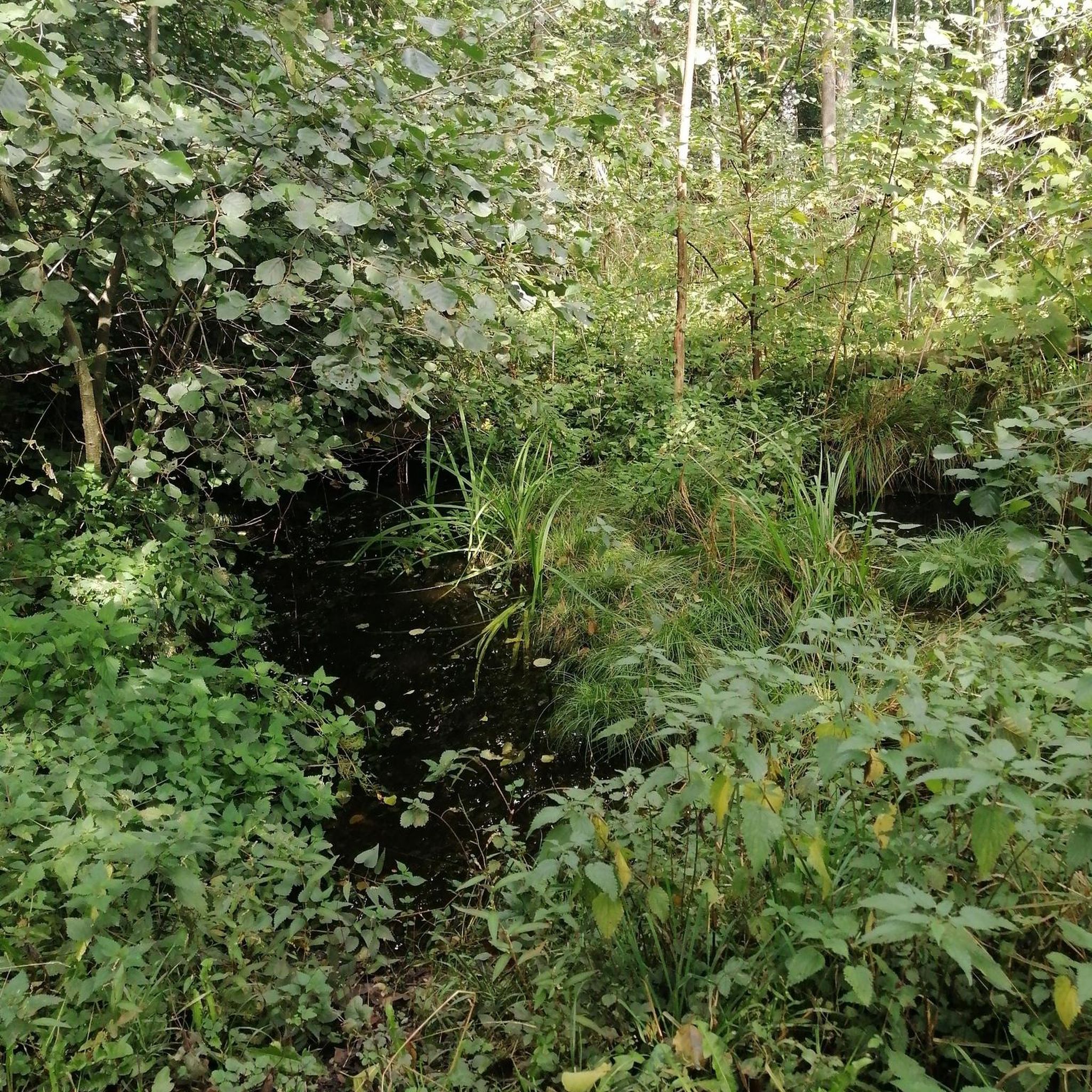
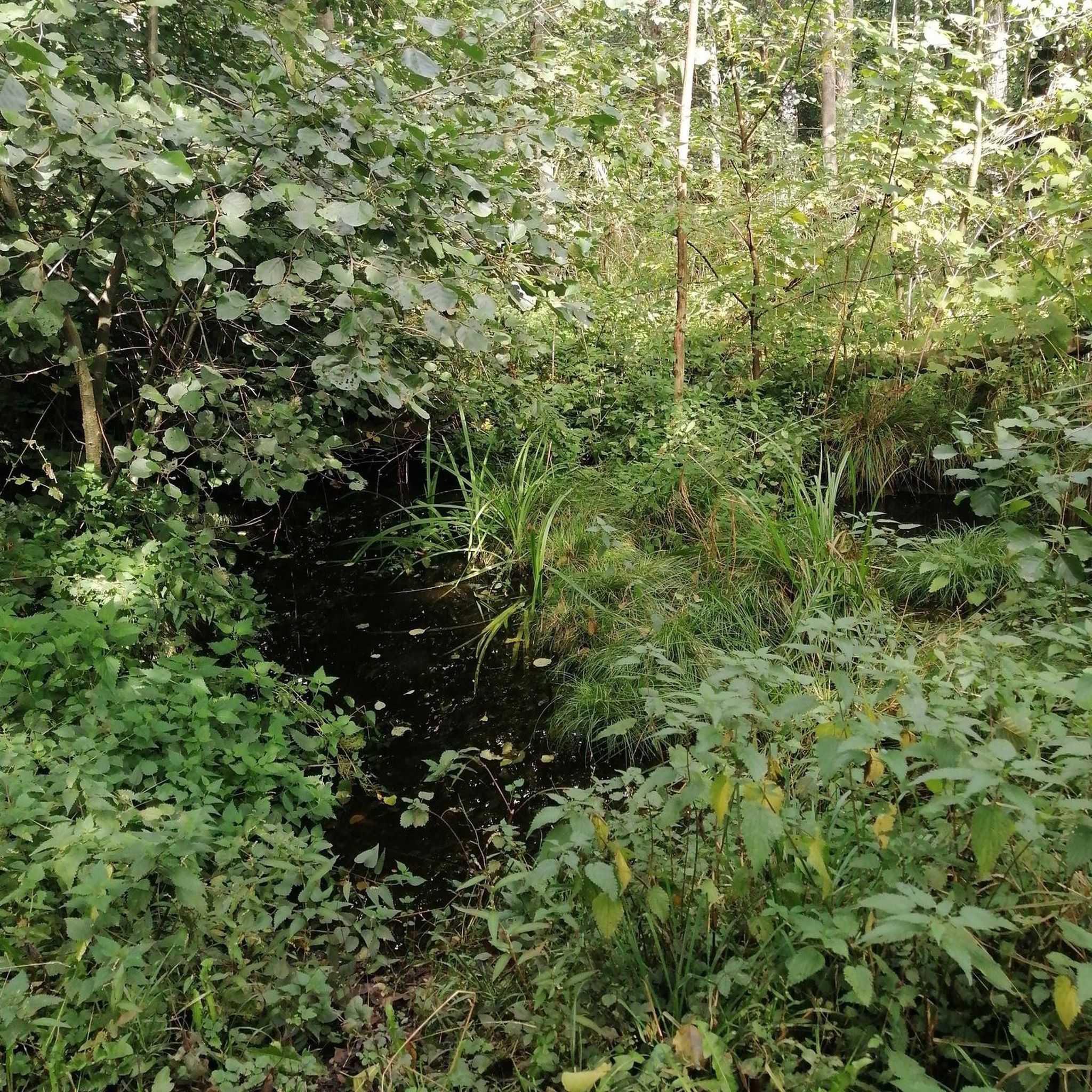
Wortham Ling
Highlight • Forest
Keep an eye out for the heath’s resident wildlife, from its green woodpeckers and large rabbit population to the secretive adder which can sometimes be seen sunbathing in a coil. Yellow hammers also forage here and the plantlife, from lichens to sorrel, is just as varied.
Tip by
Sign up for free to discover even more attractions around Walsham-Le-Willows.
Sign up for free
Already have an account?
Start today with a free account
Your next adventure awaits.
Login or Signup

Tips from the Community


Lots of different types of terrain to learn, pay attention to some of the forest turns not all are obvious, few lift your bike over log sections, one built for short people section but fun, watch your head;-). Beware of a couple of very bust main road crossings!!! This time of year give yourself time, lights and toes and fingers need warmth. Shout out to 'Wolf Way' for the route;-)
0
0


Local landmark on the Norfolk / Suffolk border, visible from some distance away.
0
0

15th century double-hammerbeam angel roof The church of The Blessed Virgin Mary in Woolpit is one of the great medieval churches of Suffolk, a county blessed with some of the finest country churches in England. Like so many other Suffolk villages Woolpit owes its superb church to the wealth of the medieval wool trade, but there was a church on this spot centuries before Suffolk wool merchants gained their wealth. The earliest record of a church at Woolpit comes from AD 1005 when the Earl of the East Angles gave the church and manor here to the Shrine of St Edmund at Beodricsworth (Bury St Edmunds). The church remained the property of the Abbey until the Dissolution of the Monasteries. The Woolpit church originally sent 10 marks worth of tithes to support the monks of Bury, but at some point in the medieval period this sum claimed by the crown. The monks of St Edmundsbury Abbey were furious, and determined to seek reparation. Two monks disguised themselves as Scottish pilgrims and without permission left the abbey and made the long journey to Rome, where they sought and obtained a Papal charter affirming their right to the money. They were attacked and robbed on their return journey, but one of the monks hid the charter in his mug, and so preserved it. The pair's belongings had been stolen, so they had no choice but to beg their way back to the abbey. The Papal charter did the trick, however, and Woolpit's tithe once more went to help maintain sick monks. Shortly before 1087, a new church was built at the behest of Abbot Baldwin. The only remaining feature of this Norman building is the priest's door in the south wall of the chancel. The double-hammerbeam angel roof OUR LADY OF WOOLPIT Woolpit became a destination for pilgrims during the medieval period, when it held a richly decorated statue of Our Lady in its own chapel. No trace of this chapel now survives but it was probably on the north side of the chancel, where the vestry now stands. Alternatively, it may have stood at the east end of the south aisle. Pilgrims began arriving at least as early as 1211 when the Bishop of Norwich ordered that their offerings be given to St Edmundsbury Abbey. The Shrine of Our Lady of Woolpit became extremely popular during the 15th and 16th centuries. Henry VI visited twice, and Queen Elizabeth of York, wife of Henry VII, ordered that a pilgrimage be made on her behalf in 1501. In 1538 Henry VIII ordered that Catholic images be destroyed, and it seems likely that the statue was pulled down at that time. in 1551 the Court of Augmentation ordered that the chapel itself be pulled down and the material sold. A curious scene took place at Woolpit during the tumult of the English Civil War. The incumbent rector was John Watson, and when he was ordered to accept the new Puritan style of worship he refused. He was removed from his living, and the Earl of Manchester sent armed men to enforce the order. The village split into two factions, and a furious melee broke out in the church. The rector was removed, and retired to Norfolk where he died shortly after. St Mary's is worth visiting for its superb double-hammerbeam roof, decorated with carved figures of angels. Iconoclast William Dowsing did his best to destroy the angels in 1644. His deputy found 80 'superstitious Pictures' some of which he destroyed and others he ordered to be taken down. Many of the angel's heads were defaced but these were sensitively restored in the 19th century. Other highlights include beautifully carved medieval bench ends decorated with a wide variety of carved figures. These figures probably survived because the Puritans considered them heraldic symbols rather than religious. Eye-catching figures include griffins and a very mournful looking dog. Another highlight is a finely crafted south porch dating to 1430-1455. Over the porch arch is a parvise, a small chamber possibly used for storing important documents. The porch roof is vaulted with exceptionally detailed lierne vaulting and decorated bosses. The eagle lectern is a rare early Tudor relic, made around 1520 and one of just 20 surviving examples made to accept a chained Bible. A local tradition suggests that Elizabeth I gave the lectern to the church, though there is no proof of this. The queen did visit nearby Haughley Park in 1600 and sent one of her knights to visit Woolpit on her behalf. It is certainly possible that he gave the parishioners money that was used to buy the lectern. The screen is 15th century, though the gates are Jacobean. The screen is painted and gilded and retains the medieval beam made to hold the rood, or crucifix. The base of the screen is painted with figures of saints including St Withburga, St Edmund, St Etheldreda, and St Felix. The face of St Felix is actually a portrait of Henry Page, the serving rector at the time of the Victorian restoration. Over the arch is a beautifully vaulted painted dedication board, decorated with figures of angels. The large east window is a beautiful example of Decorated Gothic style, with reassembled fragments of medieval glass in the upper lights. Each end of the chancel choir stalls has a bench end with an intricate figure of a Green Man. Set against the wall is a fascinating carving of a woodwose, a wild man of the woods figure found throughout East Anglia. Most of the building is Perpendicular Gothic, dating from the mid-15th century but the chancel and south aisle are 14th century. The tower and spire were added in the 1850s by architect Richard Phipson after the medieval originals were damaged by lightning. This is actually the third tower; the first was damaged in a thunderstorm in 1602 and the second was blown down in a hurricane in 1703.
1
0

Would be worth a visit on an open day! - https://thelnethamwindmill.org.uk
0
0

Not 100% sure the cut through from Ampton to Gt Livermere is a legit cycle trail. I was chased off by a very grumpy gamekeeper who told me it was a footpath not a bridleway.
2
0

Stunning church with wonderful carved wooden gargoyles and angels inside and beautiful graveyard outside
0
0
Frequently Asked Questions
What historical landmarks can I explore in Walsham-Le-Willows?
Walsham-Le-Willows is rich in history, featuring numerous well-preserved buildings. Key historical sites include the 15th-century St Mary's Church, known for its impressive double-hammerbeam angel roof and medieval bench ends. You can also see The Guildhall, dating back to around 1500, and Hall House from the late 17th century. The village also has a remarkable number of listed buildings, many of which are timber-framed houses from before 1700. For a unique historical insight, the Former Nuclear Bomb Depot on Summer Road, a Cold War facility, is also present.
Are there any natural attractions or nature reserves near Walsham-Le-Willows?
Yes, the area offers several natural attractions. Knettishall Heath Nature Reserve is a significant natural site covering about 430 acres, featuring woodland, riverside meadows, and heathland, known for its resident wildlife. Another option is Wortham Ling, a patch of lowland heath ideal for rambling and spotting wildlife like green woodpeckers and adders. The village itself is surrounded by tranquil rural landscapes, ancient hedges, and country gardens.
What walking trails are available in and around Walsham-Le-Willows?
Walsham-Le-Willows is an excellent base for walking. The village offers several dedicated trails such as the Historic Trail, Hartshall Lane Walk, Hundred Lane Walk, Orchid Walk, and Three Windmills Walk, which highlight local history and nature. You can also explore hiking routes around Walsham-Le-Willows, including moderate options like the 'Wildflower Meadow – The Grundle Forest Path loop from Stanton'. A section of the Peddars Way Trail, a 46-mile long-distance path, is also accessible nearby.
Are there cycling routes near Walsham-Le-Willows?
Yes, the area provides various cycling opportunities. You can find several cycling routes around Walsham-Le-Willows, including easy loops like the 'Bike loop from Walsham-le-Willows' (19 km) and 'St. Mary's Church, Gislingham – The Forge, Thornham loop from Walsham-le-Willows' (27 km). For mountain biking enthusiasts, there are also MTB trails around Walsham-Le-Willows, such as the 'Wortham Ling – The Forge, Thornham loop from Diss'.
What cultural experiences can I find in Walsham-Le-Willows?
Beyond its historical sites, Walsham-Le-Willows has a vibrant community and cultural presence. The Vajrasana Retreat Centre at Potash Farm serves as the retreat hub for the London Buddhist Centre, offering a unique spiritual dimension. Annually, the village hosts the Walsham Open Gardens event every August Bank Holiday weekend, allowing visitors to explore local gardens, enjoy live music, art, and craft stalls. The Horticultural Society also holds a show each year, celebrating local produce.
Are there any family-friendly attractions or activities in the area?
Yes, several attractions are suitable for families. Knettishall Heath Nature Reserve and Wortham Ling are both marked as family-friendly, offering open spaces for exploration and wildlife spotting. The various walking trails around the village, such as the Historic Trail and Orchid Walk, provide gentle routes for families to enjoy the countryside together. The Walsham Wild Wood project also contributes to local natural education.
What is the best time of year to visit Walsham-Le-Willows?
The best time to visit Walsham-Le-Willows largely depends on your interests. The summer months, particularly around the August Bank Holiday weekend, are ideal for experiencing local events like the Walsham Open Gardens. During this season, the cafe van at Knettishall Heath Nature Reserve is also operational. The tranquil rural landscape is enjoyable for walking and exploring throughout the warmer months, though the village's charm and historical sites can be appreciated year-round.
Can I find places to eat and drink in Walsham-Le-Willows?
Yes, Walsham-Le-Willows maintains a community feel with local amenities. The village has a couple of popular pubs where you can enjoy a meal or a drink. There are also local shops, such as Rolfe's of Walsham (a butcher) and Wattisfield Wines, providing local produce and provisions.
What architectural features are notable in Walsham-Le-Willows?
Walsham-Le-Willows is known for its distinctive architecture. Besides St Mary's Church, the village boasts 66 listed buildings, with many timber-framed houses predating 1700. You can observe the mock Jacobean cottages built by John Martineau for estate workers, which are considered a unique architectural feature. The Guildhall, originally built around 1500, now serves as a row of three cottages, showcasing its historical adaptation.
Are there any unique or 'hidden gem' attractions in the area?
Beyond the main highlights, the Former Nuclear Bomb Depot on Summer Road offers a glimpse into Cold War history, featuring igloo-type storage buildings and watchtowers. The Vajrasana Retreat Centre provides a unique spiritual and cultural experience. Exploring the numerous Grade II listed timber-framed houses throughout the village also reveals hidden architectural gems around every corner. For nature lovers, the tranquil Mill Lane offers a quintessential East Anglian experience with its gently undulating terrain and expansive skies.
What do visitors particularly enjoy about the attractions near Walsham-Le-Willows?
Visitors frequently appreciate the blend of historical landmarks, natural beauty, and outdoor activities. For instance, Knettishall Heath Nature Reserve is loved for its diverse landscape and wildlife, with tips mentioning the possibility of seeing ponies grazing early in the morning. The Peddars Way Trail is valued for its rich history, wildlife, and expansive arable landscapes. The overall rural setting and well-preserved historical sites contribute to a charming and engaging visitor experience.
Most popular routes around Walsham-Le-Willows

Get inspired with the komoot mobile app


Explore more
Still not found the Highlight you’re looking for? See guides of the top attractions in other regions:
