The best road cycling routes around Bezirk Winterthur
4.5
(1019)
12,889
riders
383
rides
Road cycling routes around Bezirk Winterthur offer diverse terrain across rolling hills, river valleys, and extensive forests. The region, part of the canton of Zurich, Switzerland, features a varied topography with elevations like Schauenberg and numerous green spaces such as the Eschenberg woods. Cyclists can navigate well-maintained paths alongside the Töss and Thur rivers, providing a dynamic backdrop for rides. This landscape provides a range of challenges, from gentle riverside paths to routes with significant elevation gain.
Best road cycling…
Last updated: October 1, 2026
4.6
(35)
189
riders
34.1km
01:41
500m
500m
Moderate road ride. Good fitness required. Mostly well-paved surfaces and easy to ride.
4.5
(23)
484
riders
62.2km
02:42
520m
520m
Moderate road ride. Good fitness required. Mostly well-paved surfaces and easy to ride.

4.9
(31)
399
riders
57.4km
02:31
450m
450m
Moderate road ride. Good fitness required. Mostly well-paved surfaces and easy to ride.
4.6
(47)
288
riders
32.6km
01:23
260m
260m
Easy road ride. Great for any fitness level. Mostly well-paved surfaces and easy to ride.
4.6
(28)
229
riders
54.4km
02:48
770m
770m
Moderate road ride. Good fitness required. Some segments of this route may be unpaved and difficult to ride.
4.9
(23)
243
riders
66.3km
02:59
670m
670m
Moderate road ride. Good fitness required. Some segments of this route may be unpaved and difficult to ride.
4.7
(45)
646
riders
75.3km
03:23
740m
740m
Moderate road ride. Good fitness required. Mostly well-paved surfaces and easy to ride.
4.8
(12)
163
riders
30.6km
01:23
270m
270m
Moderate road ride. Great for any fitness level. Some segments of this route may be unpaved and difficult to ride.
4.7
(20)
156
riders
Moderate road ride. Good fitness required. Mostly well-paved surfaces and easy to ride.
4.3
(4)
144
riders
61.9km
02:43
540m
540m
Moderate road ride. Good fitness required. Mostly well-paved surfaces and easy to ride.
Get access to more routes and recommendations from other explorers.
Already have an account?
Our route recommendations are based on thousands of hikes, rides, and runs completed by other people on komoot.
Start today with a free account
Your next adventure awaits.
Popular around Bezirk Winterthur
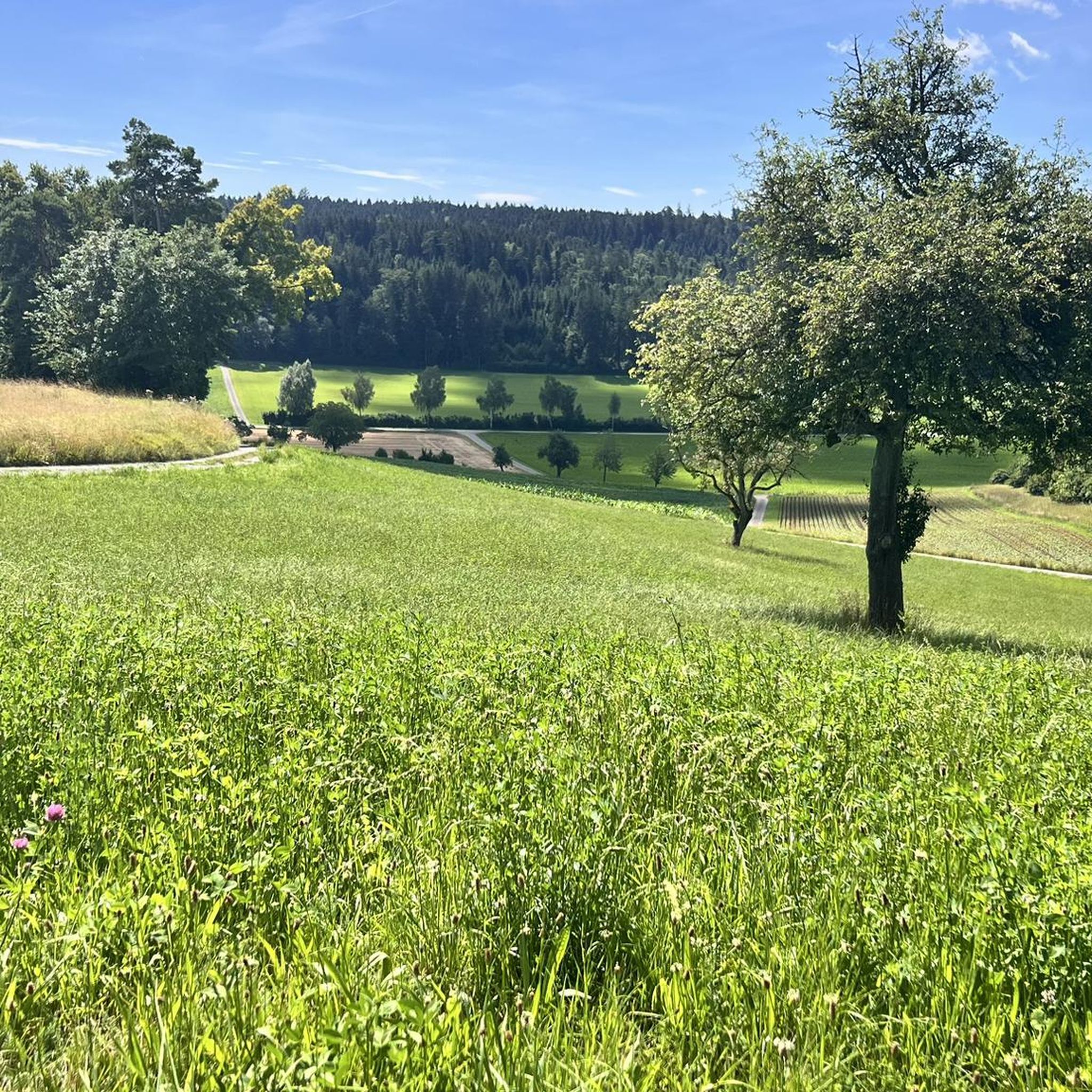
Road Cycling Routes around Wiesendangen
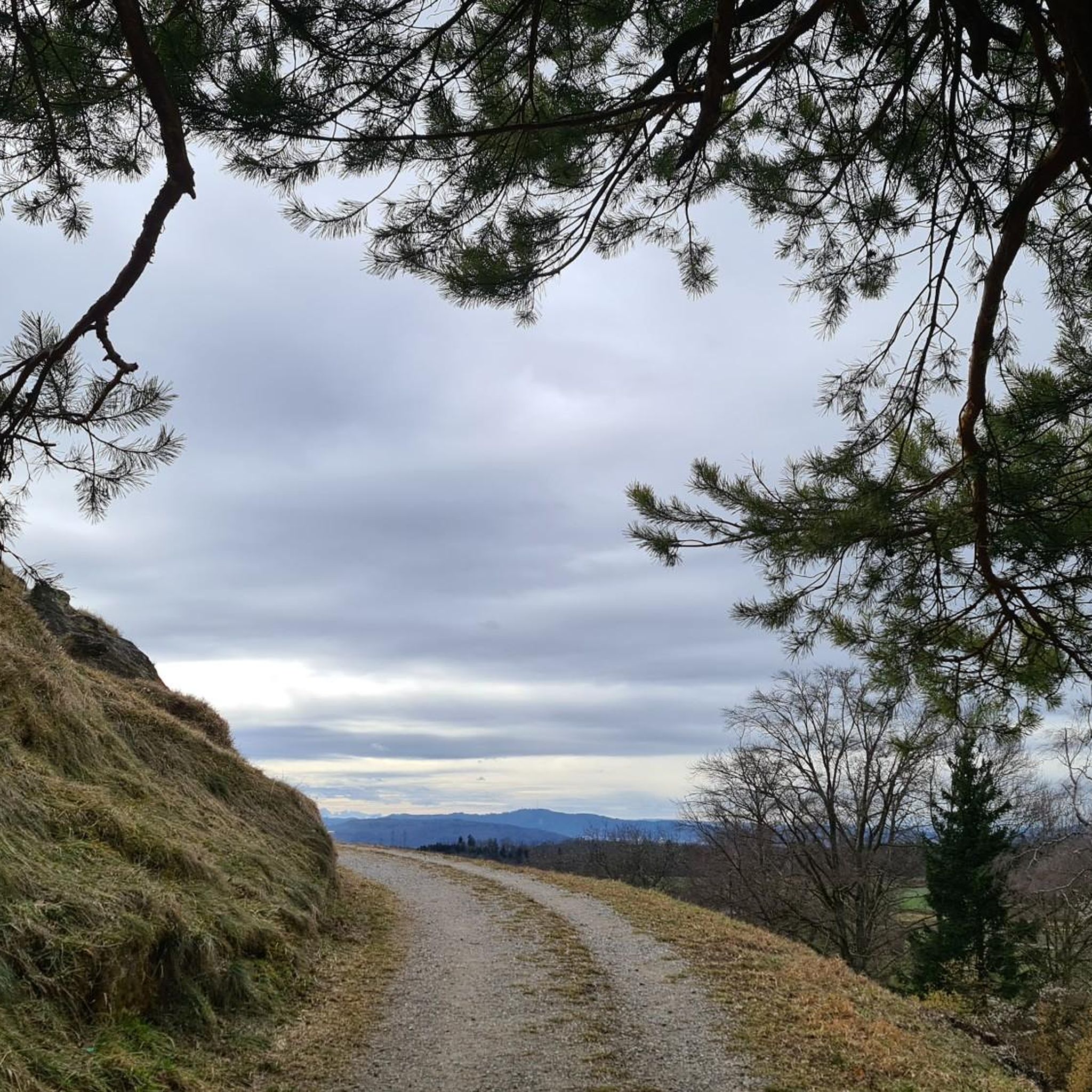
Road Cycling Routes in Dättnauerberg
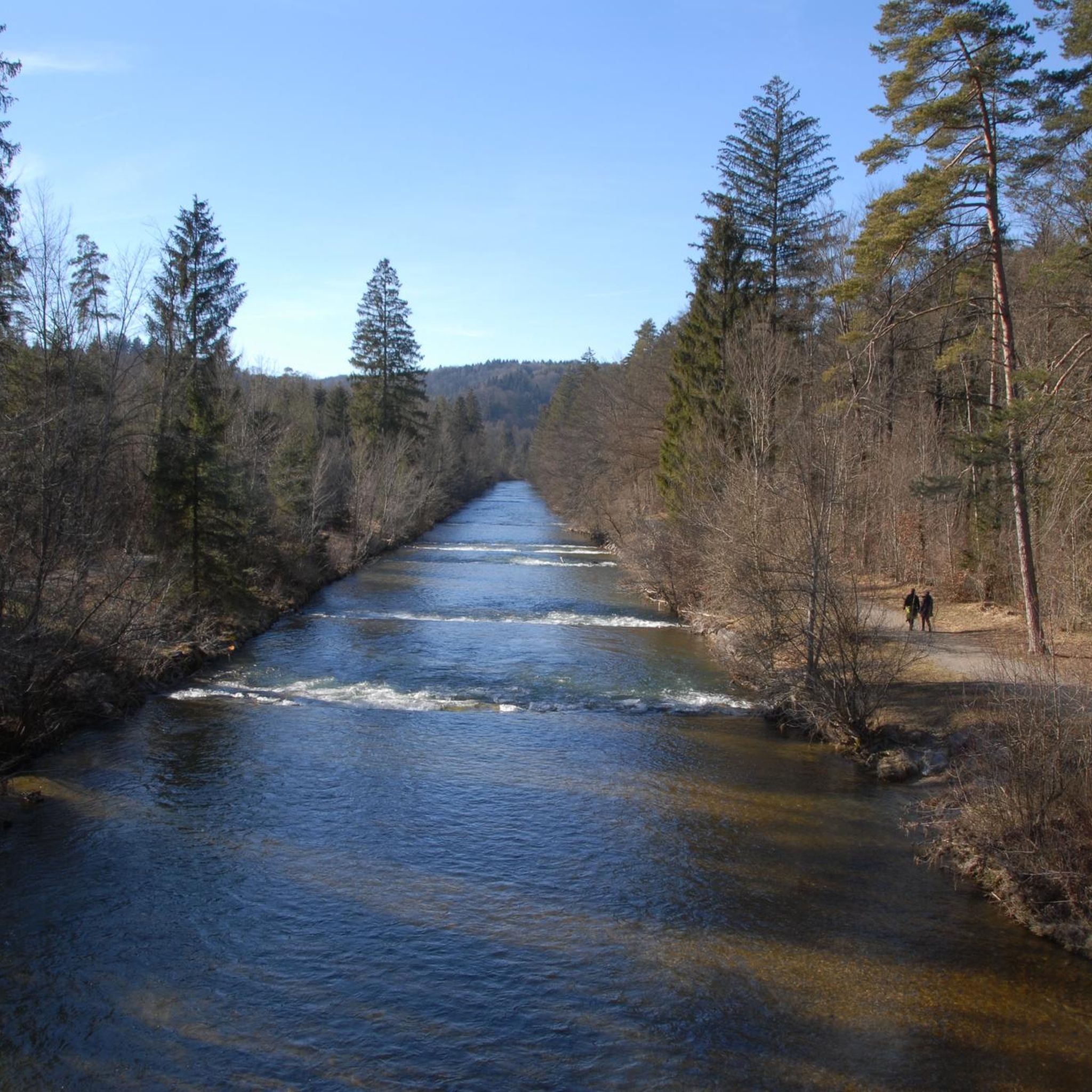
Road Cycling Routes in Eschenbergwald
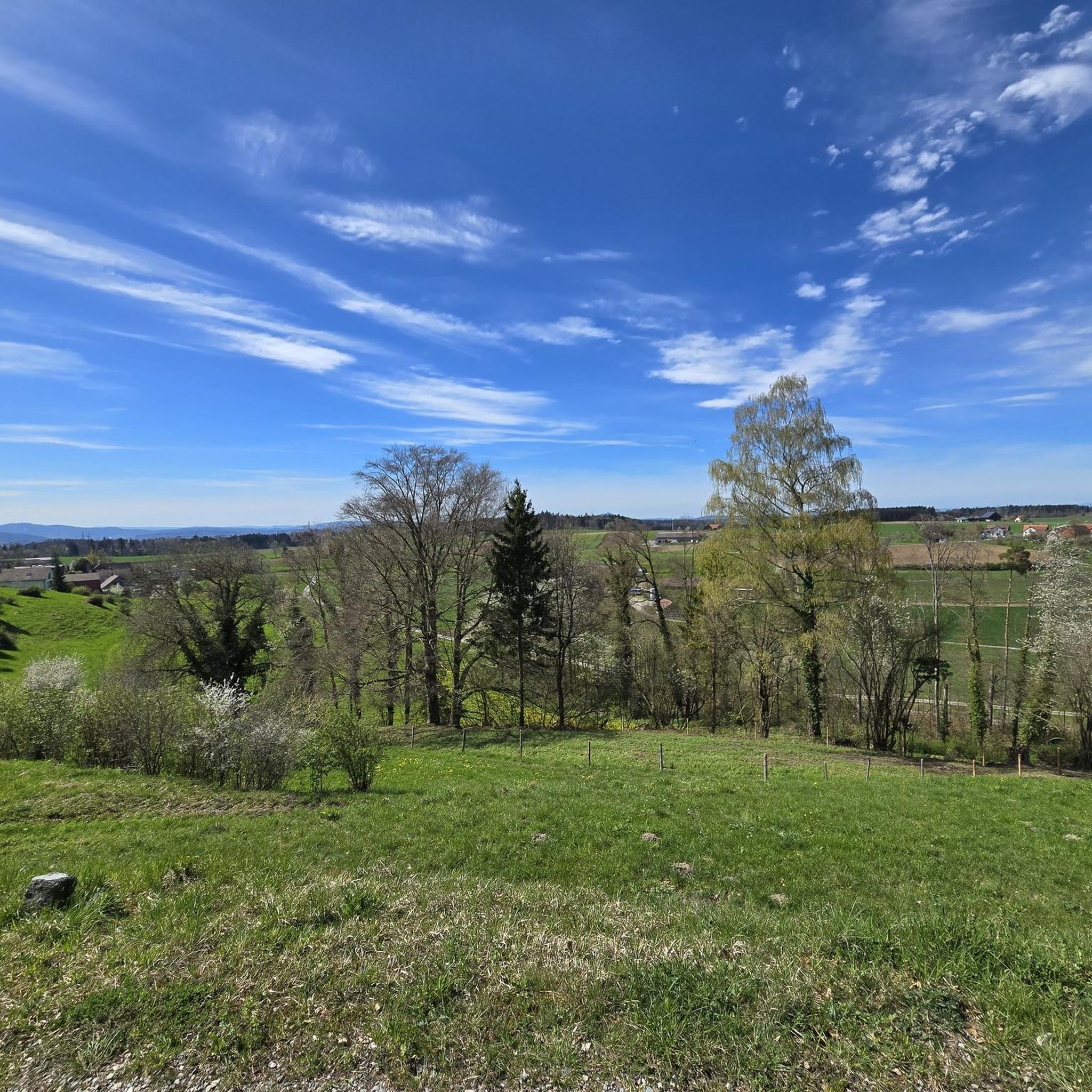
Road Cycling Routes around Brütten
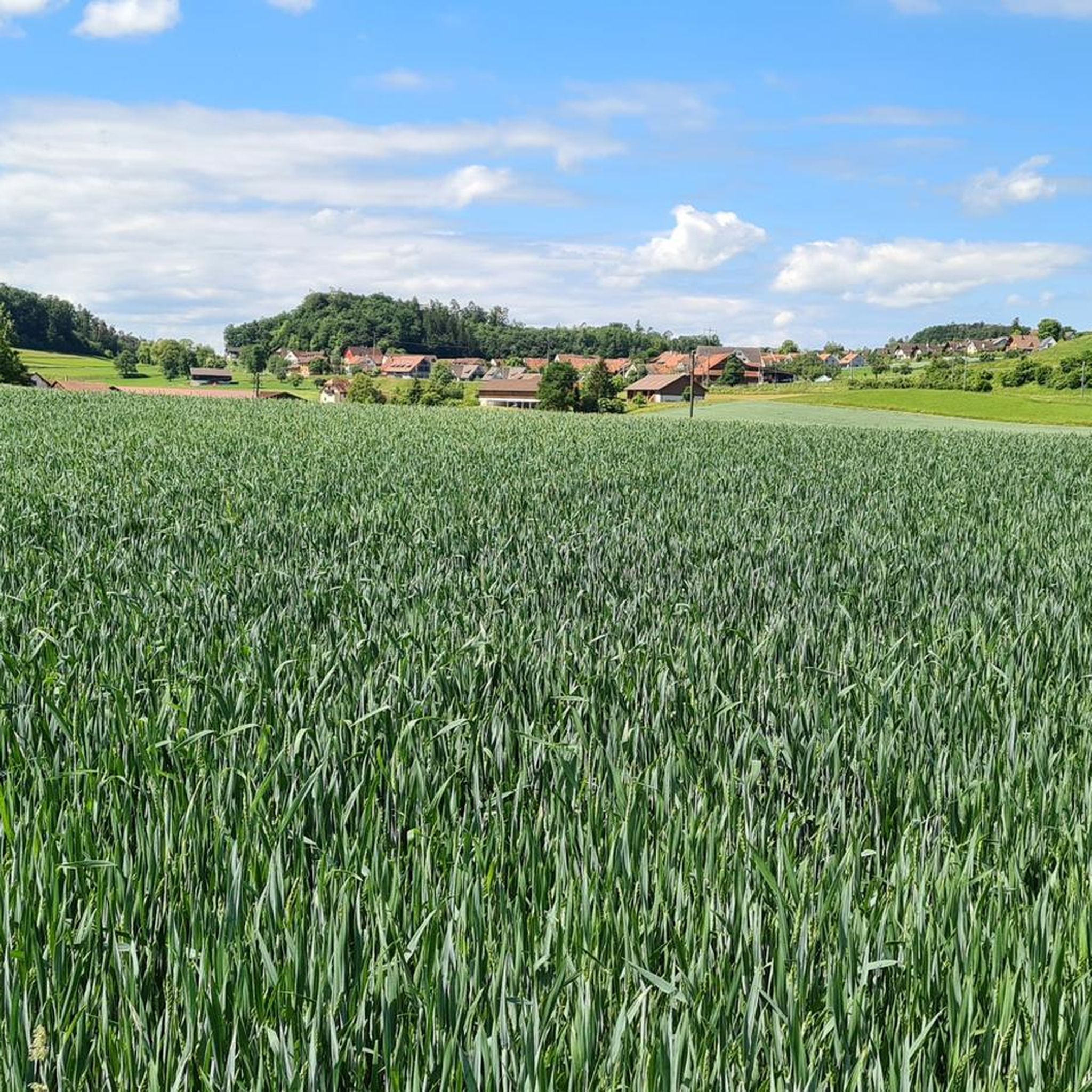
Road Cycling Routes around Dinhard
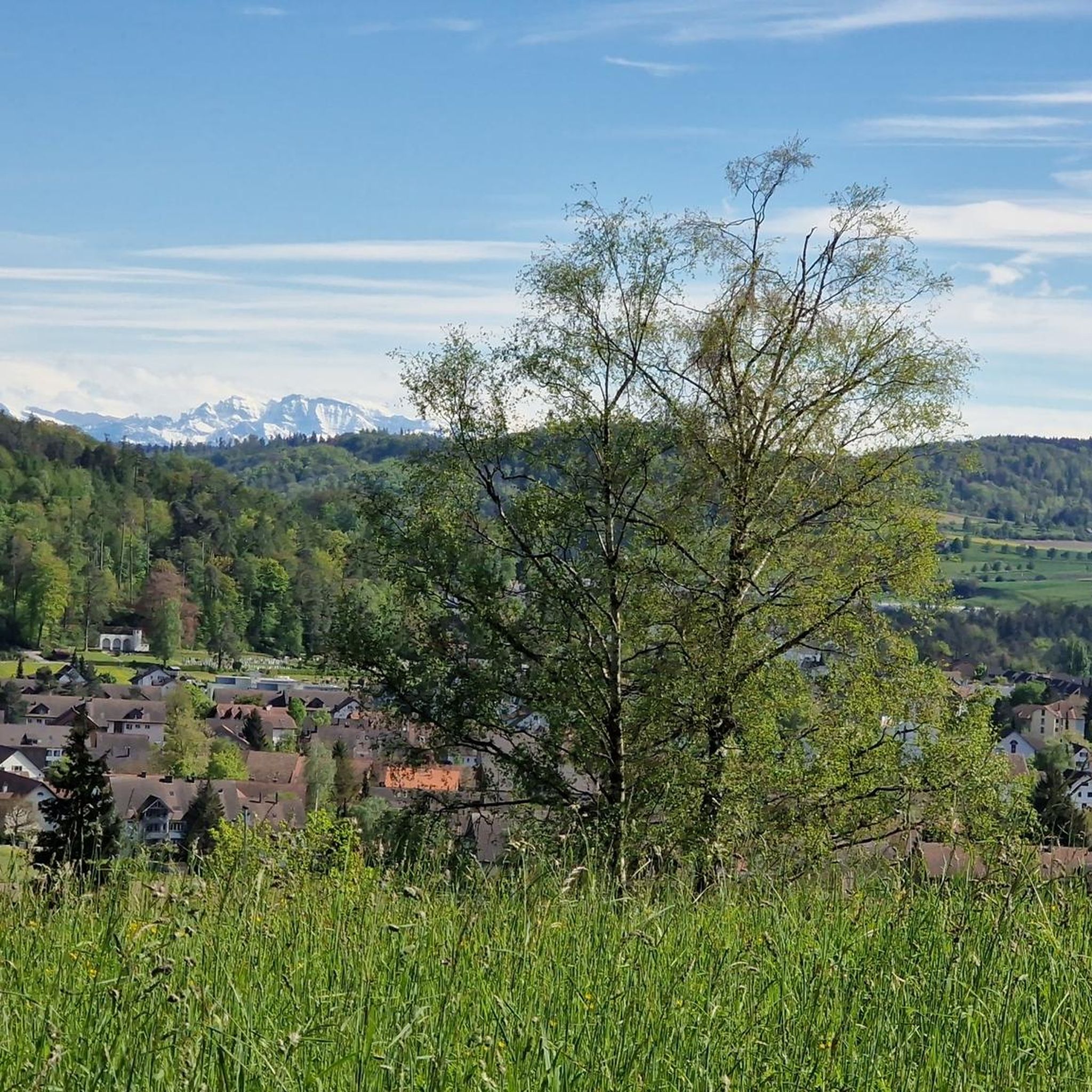
Road Cycling Routes around Neftenbach
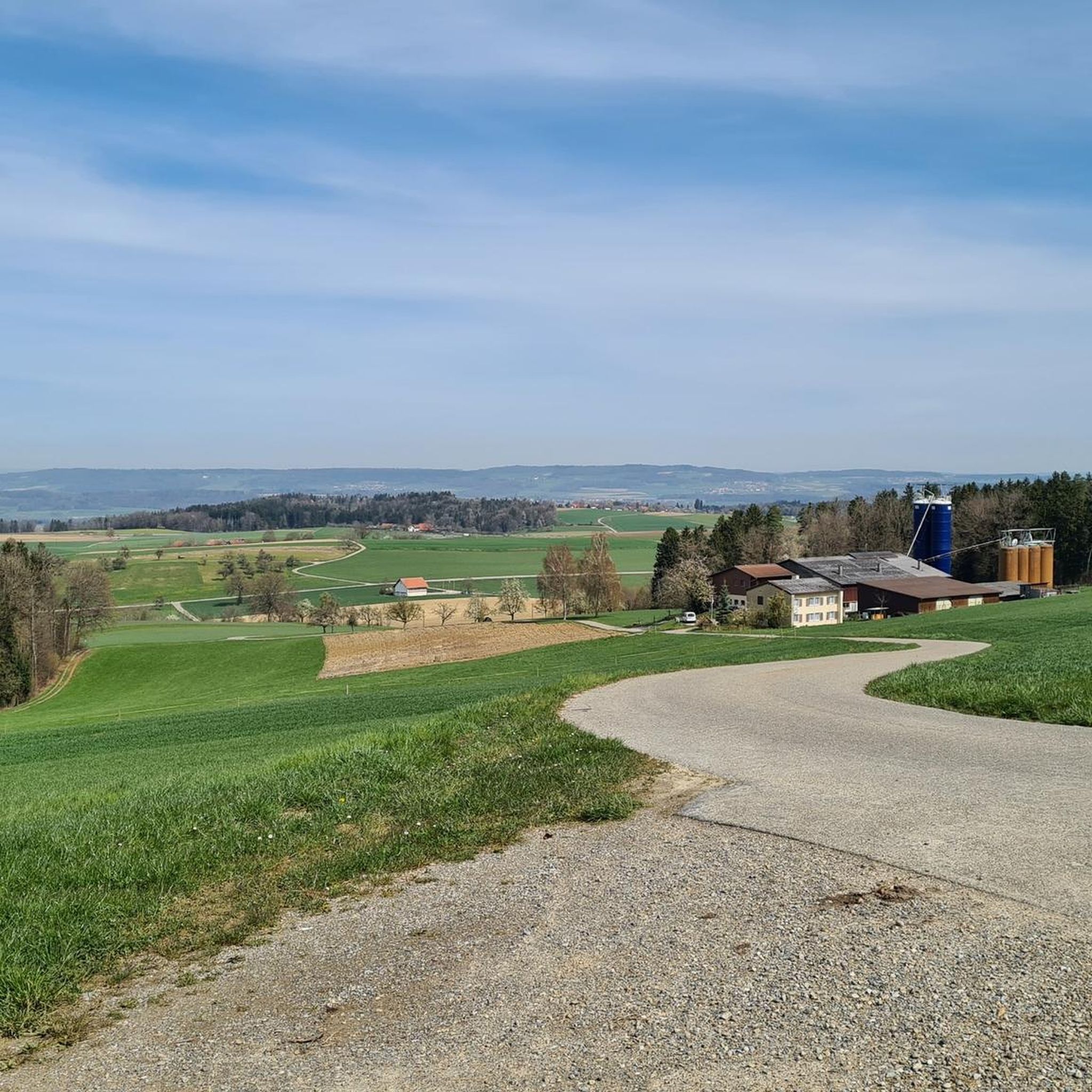
Road Cycling Routes around Hagenbuch
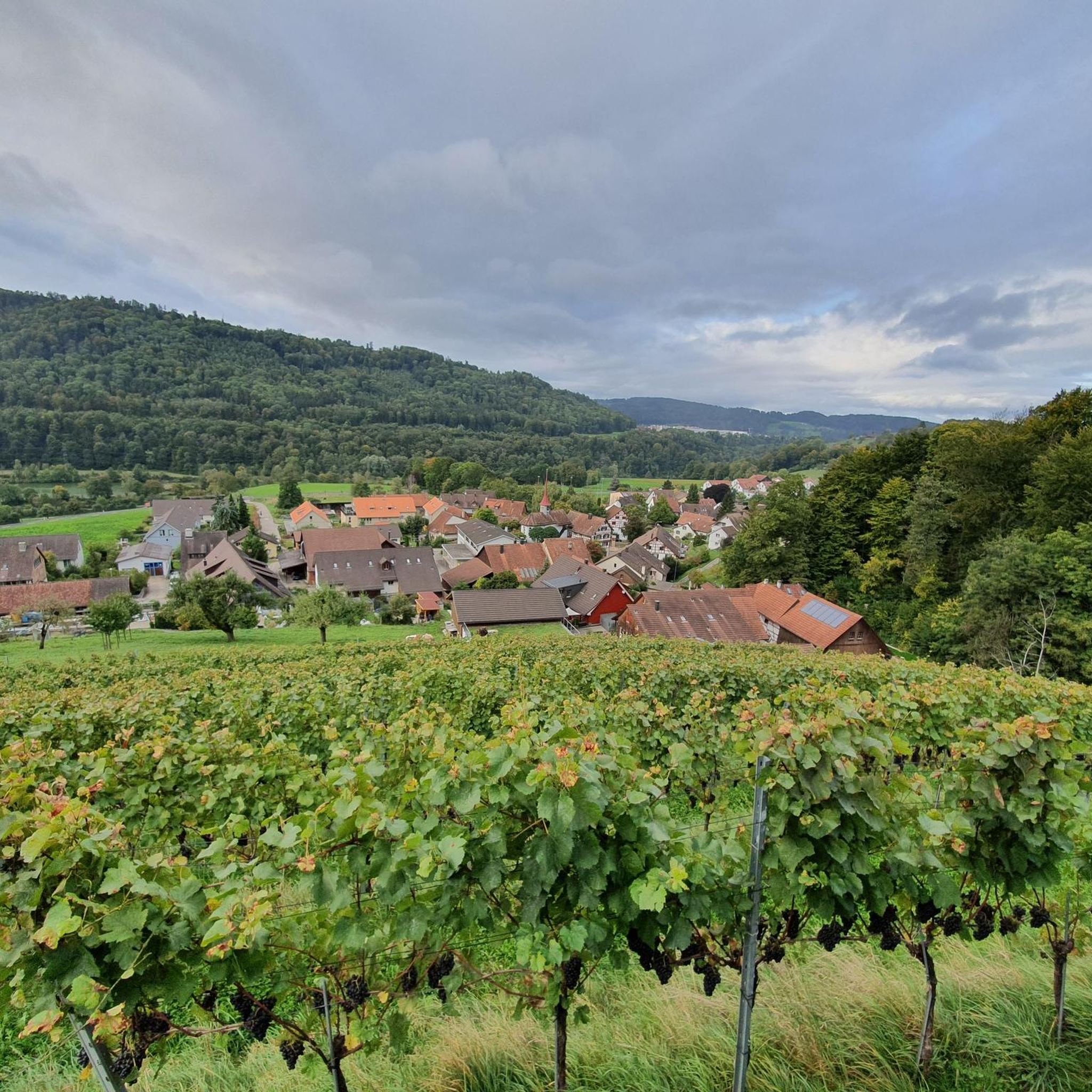
Road Cycling Routes around Dättlikon
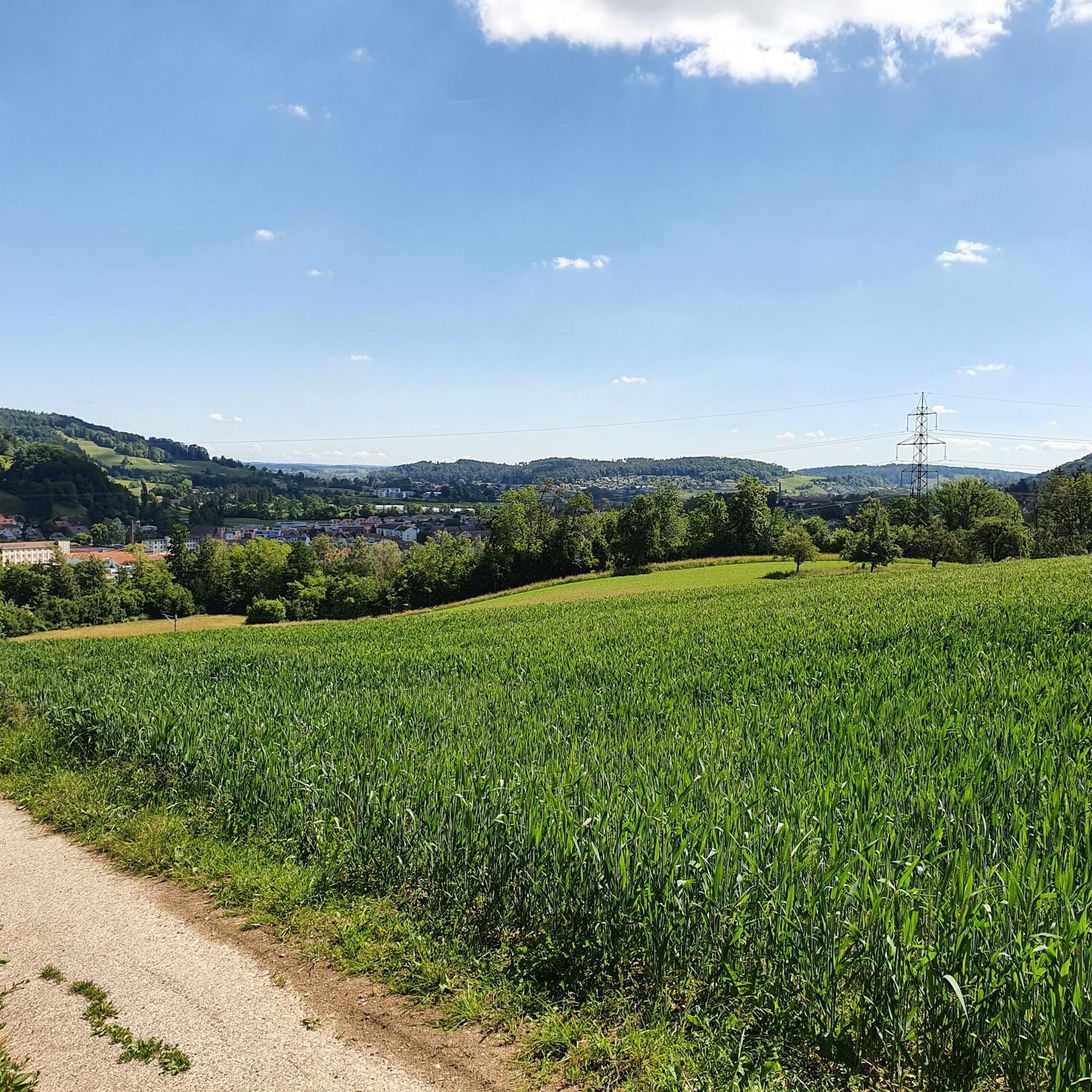
Road Cycling Routes around Pfungen
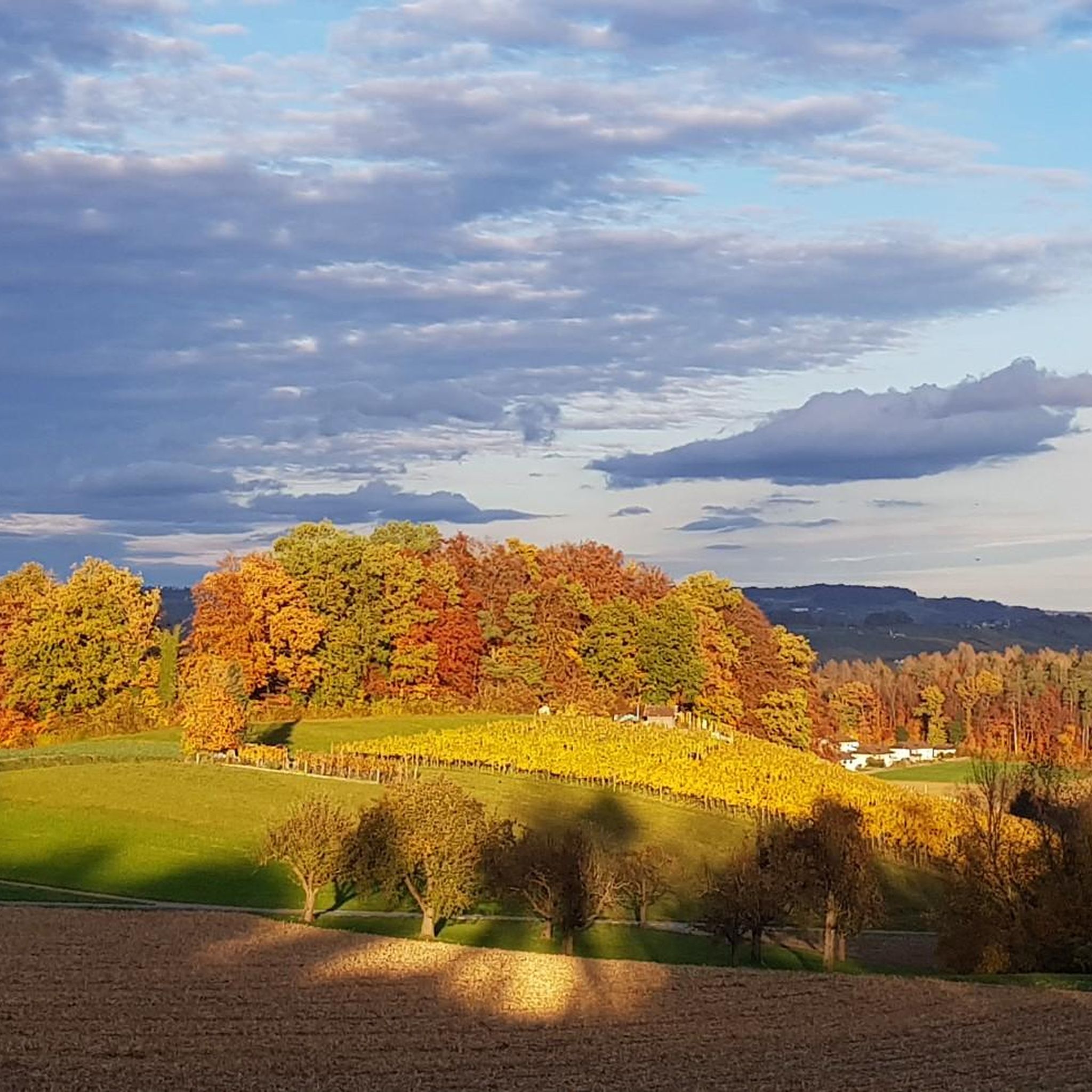
Road Cycling Routes around Dägerlen
Other adventures around Bezirk Winterthur


Tips from the Community

Super beautiful view over the Rhine
0
0
Good to know where the fountains are
0
0

Very nice viewpoint, also TCS parking lot.
0
0
Asphalt road on the slope (almost on the ridge), with a very beautiful view partly into the Zürcher Oberland/Tösstal area and partly into the Alps.
0
0

On Wednesdays, the restaurant Stierenberg is closed. Please also note the bus timetable. It is not very frequent.
0
0

The road can be quite busy, especially with trucks and agricultural vehicles. The cycle path was originally built primarily to secure the school route for secondary school students from the region.
1
0
Long cycle path, often separated from the main road, up the entire Tösstal from Sennhof to Gibswil. Quite busy.
1
0
Frequently Asked Questions
How many road cycling routes are available in Bezirk Winterthur?
Bezirk Winterthur offers a wide selection of road cycling routes, with over 400 tours available. These routes cater to various skill levels, from easy rides to more challenging ascents.
What kind of terrain will I encounter on road cycling routes in Bezirk Winterthur?
You can expect a diverse landscape for road cycling in Bezirk Winterthur. Routes traverse rolling hills, extensive forests, and picturesque river valleys along the Töss and Thur rivers. Some tours feature significant elevation changes, climbing hills like Schauenberg, while others offer gentler rides through the Zurich wine country or alongside waterways.
Are there road cycling routes suitable for beginners in Bezirk Winterthur?
Yes, Bezirk Winterthur has routes suitable for beginners. There are 59 easy-rated road cycling tours, often featuring mostly paved surfaces and gentler gradients. An example of a route with moderate difficulty that follows a scenic river path is the Töss River Cycle Path – Töss River Bike Path loop from Winterthur Seen.
What are some challenging road cycling routes for experienced riders in Bezirk Winterthur?
For experienced riders seeking a challenge, Bezirk Winterthur offers 57 difficult-rated routes with significant elevation gains. Many moderate routes also provide a good workout, such as the Sitzberg Village – Töss River Cycle Path loop from Winterthur Grüze, which includes over 760 meters of climbing over 54 kilometers.
Are there any circular road cycling routes around Winterthur?
Yes, many road cycling routes in Bezirk Winterthur are designed as loops, allowing you to start and end in the same location. Examples include the Näfbach – Wart Castle loop from Winterthur Wallrüti, which takes you past historic sites, or the Töss Valley Cycle Path – Winterthur Town Hall loop from Winterthur.
What scenic viewpoints can I reach by road bike in Bezirk Winterthur?
Road cycling in Bezirk Winterthur offers access to several scenic viewpoints. You can ride towards locations like the Schauenberg Ruins and Panoramic Viewpoint for expansive vistas, or the Eschenberg Tower, which provides a great view over Winterthur and its surrounding forests. The Irchel Tower also offers views of the wine country and, on clear days, the Alps.
What landmarks or attractions can I see along road cycling routes in Bezirk Winterthur?
Many road cycling routes pass by notable landmarks and natural features. You can cycle past historic sites like Wart Castle or the Liebenberg Castle Ruins. Natural attractions include the serene Töss River, the Thur River with its idyllic swimming spots, and beautiful waterfalls such as Hutziker Tobel Waterfalls or Bäntal Waterfall and Metal Staircase.
What is the best season for road cycling in Bezirk Winterthur?
The best time for road cycling in Bezirk Winterthur is generally from spring through autumn. During these seasons, the weather is most favorable for exploring the diverse terrain, from river valleys to rolling hills and vineyards. While some routes may be accessible in winter, conditions can be challenging due to cold weather or snow.
Are there road cycling routes in Bezirk Winterthur that pass by cafes or restaurants?
Yes, many routes, especially those following river paths like the Töss River Cycle Path, are known to have restaurants and cafes along the way. This allows cyclists to take breaks and refuel while enjoying the scenic surroundings. The region's charming villages and towns also offer various dining options.
What do other road cyclists enjoy most about road cycling in Bezirk Winterthur?
The komoot community highly rates road cycling in Bezirk Winterthur, with an average score of 4.6 stars from over 700 reviews. Cyclists often praise the region's diverse terrain, which offers a mix of challenging climbs and scenic river paths, as well as the well-maintained routes and the beautiful natural landscapes, including forests and vineyards.
Can I access road cycling routes in Bezirk Winterthur using public transport?
Yes, Bezirk Winterthur is well-connected by public transport, making it convenient to access many road cycling routes. Winterthur is a significant transport hub, and various train and bus lines serve the surrounding areas, allowing you to reach starting points for tours or return from your destination.
Most popular routes around Bezirk Winterthur
Most popular attractions around Bezirk Winterthur

Get inspired with the komoot mobile app


Didn’t find what you were looking for?
Check out more Road cycling routes throughout Bezirk Winterthur below and find the perfect route in your destination.
Explore more
Browse the best Road cycling routes in other regions.
