Attractions and Places To See around Escrick - Top 20
Best attractions and places to see around Escrick include a blend of historical landmarks, natural areas, and cultural points of interest in North Yorkshire. The village features sites like Escrick Hall and St Helen's Church, reflecting its rich history. Natural attractions such as Skipwith Common National Nature Reserve and the Solar System Greenway offer opportunities for outdoor exploration. The area provides a variety of experiences, from historical sites to scenic routes.
Best attractions and places to see around Escrick
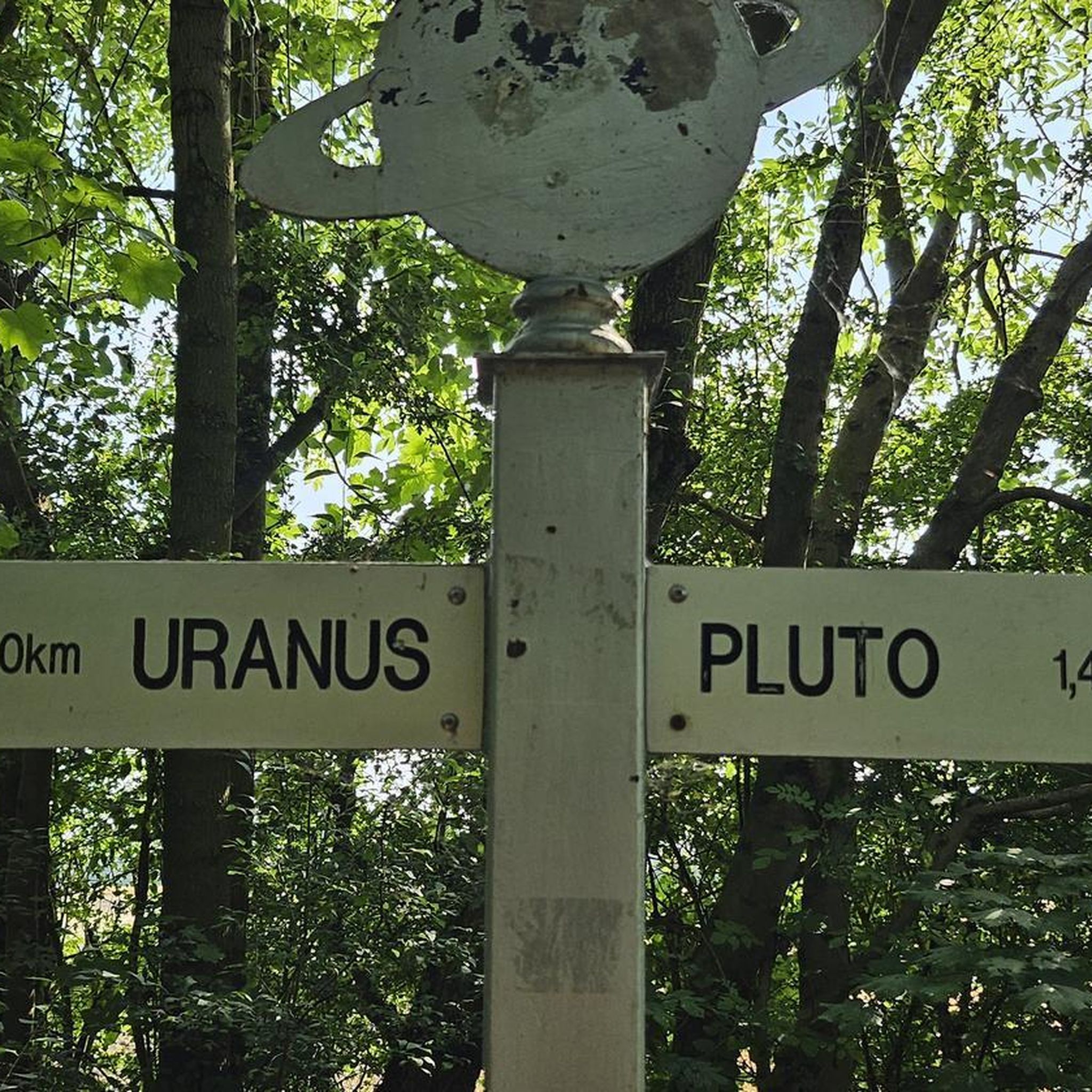
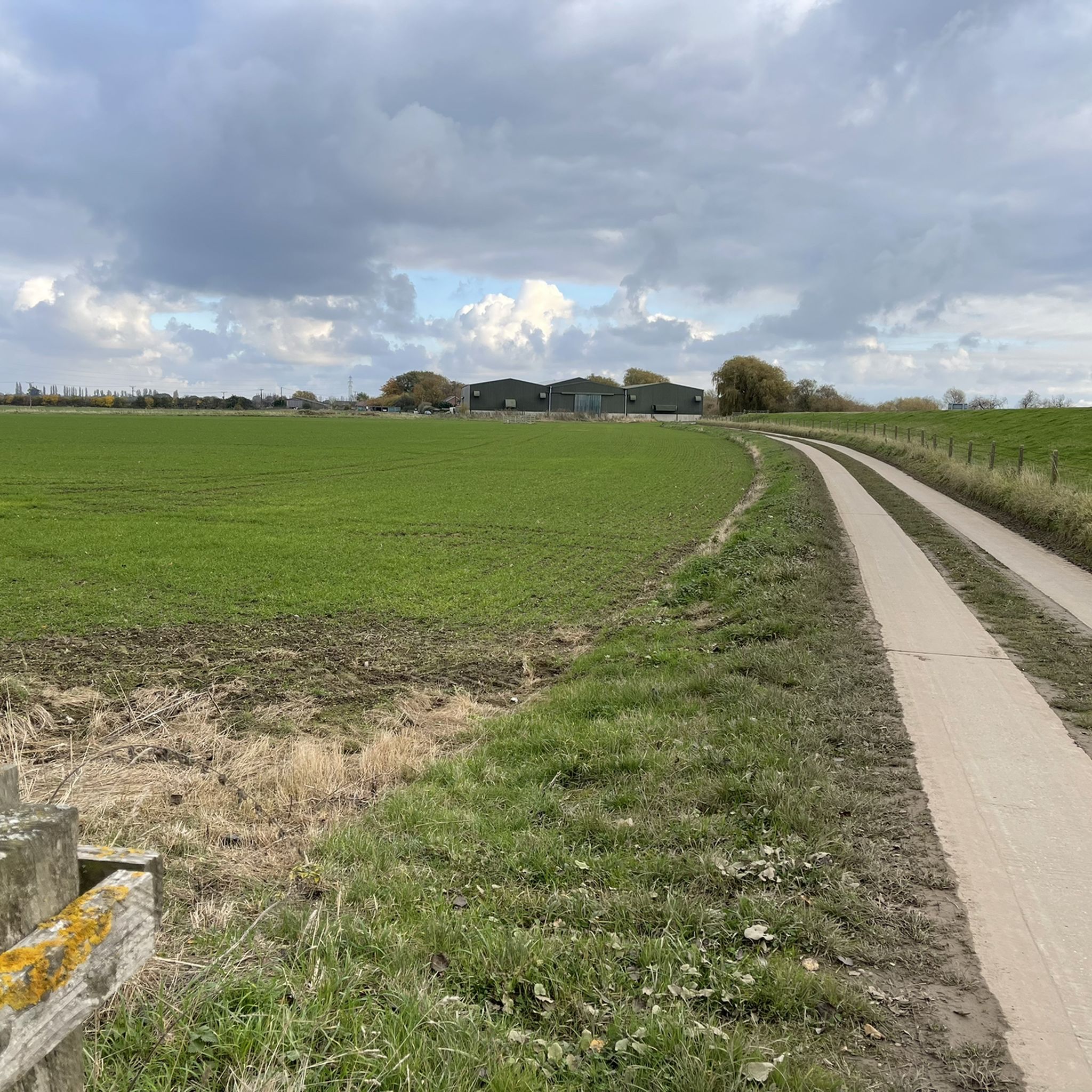
- The most popular attractions is The Sun – York Solar System Greenway (York End), an other man-made attraction that is the York end of a 6.4-mile cycleway featuring scale models of planets. This pan-flat disused railway line is suitable for cycling or walking.
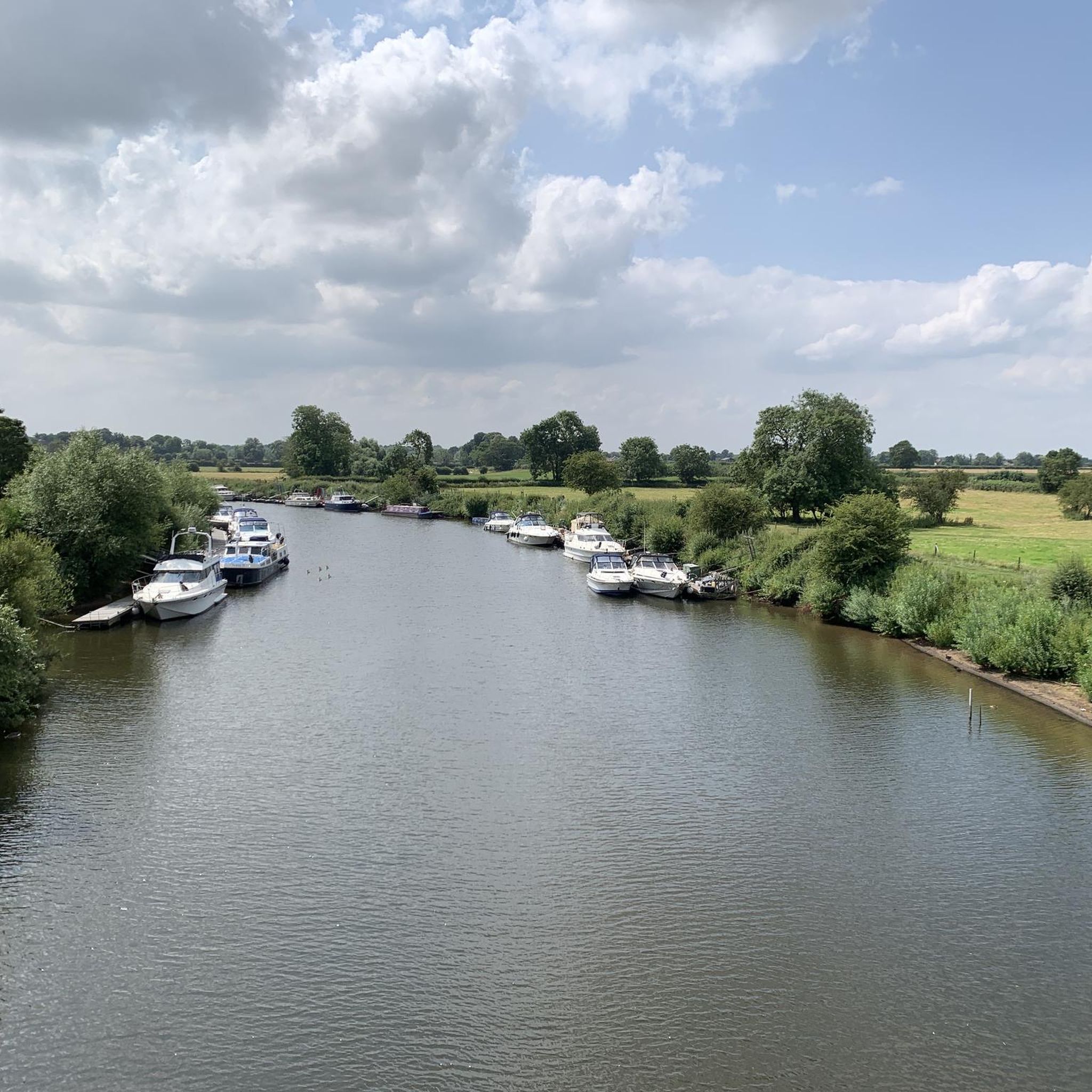
- Another must-see spot is York Millennium Bridge, a cycle way and bridge. This modern foot and cycle bridge offers a viewpoint and seating area for views along the River Ouse.
- Visitors also love Micklegate Bar, a historical site and one of York's main medieval gateways. This significant gate served as the primary entrance to the city from the South and has a rich history, including a small museum.
- Escrick is known for historical sites, natural reserves, and outdoor activities. The area offers a variety of attractions to see and explore, from ancient churches and country estates to unique cycle paths and nature reserves.
- The attractions around Escrick are appreciated by the komoot community, with more than 180 upvotes and 15 photos.
Last updated: August 12, 2026
The Sun – York Solar System Greenway (York End)
Highlight • Structure
It's a pan-flat disused railway with incredibly hard-packed gravel that's basically tarmac so any touring bike would cope. The whole stretch of the bike path is laid out like a scale model of the Solar System, with scale models of all the planets in our solar system on the edge of the track – naturally, in the order that you'd find them away from the sun. A really great educational addition to what is otherwise a beautiful, albeit quite standard, bike path!
Tip by

York Millennium Bridge
Highlight • Cycleway
Tip by

Sign up now to discover places like this
Get recommendations on the best single tracks, peaks, & plenty of other exciting outdoor places.
Sign up for free
Micklegate Bar
Highlight • Structure
Serving as the primary entrance to the city for those arriving from the South, this historic gate witnessed the passage of numerous reigning monarchs, who adhered to the tradition of seeking the Lord Mayor's permission before entering the city.
Tip by

Clifford's Tower
Highlight • Historical Site
Translated by Google •
Tip by

Walmgate Bar
Highlight • Historical Site
Translated by Google •
Tip by

Sign up for free to discover even more attractions around Escrick.
Sign up for free
Already have an account?
Start today with a free account
Your next adventure awaits.
Login or Signup
Tips from the Community

Built in 2001 for over £4m, the York Millennium Bridge is a pedestrian and cycle bridge over the River Ouse in York, England. It connects New Walk to Terry Avenue, south of the city centre, and is part of a popular circular walking route. The bridge was designed to shorten the walking and cycling routes for people in the South Bank area of the city to the University of York and the city centre. If you are a pedestrian, then keep your wits about you. Cyclists will not give you any room and will not slow down either.
1
0
Along with The Norman House near Stonegate, this is probably one of the oldest surviving buildings in York, and is the only Bar with its Barbican intact. Walmgate Bar consists of a passageway with arches at each end and a rectangular gatehouse of two storeys above. There are bartizans at the angles towards Lawrence Street, and at the rear is a timber-framed projection supported on two stone columns. The barbican, portcullis and wooden inner doors still remain. The Bar is built of magnesian limestone and was heavily restored in 1645–8. Its upper floors have been used by Gatehouse Coffee for a few years now, and were once a bookshop. Walmgate Bar is first mentioned in the mid 12th century. The earliest surviving masonry, the inner arch of the main gate, is of this date.
1
0
Old Norse "mykill" (great) and "gata" (street), the "gate" suffix being very common among York street names. You can also add the heads of Edmund, Earl of Rutland and Richard Neville, 5th Earl of Salisbury to the Bar, and some say that the Duke of York's participation in the Battle of Wakefield is the source of the phrase for remembering the traditional colours of the rainbow, Richard Of York Gave Battle in Vain...
1
0


The bridge over the River Ouse features a single leaning arch with cables fanned out like bicycle spokes, symbolizing its purpose as a key link for walkers and cyclists.
1
0

Micklegate Bar was the most important of York’s four main medieval gateways and the focus for grand events. The name comes from 'Micklelith', meaning great street. It was the main entrance to the city for anyone arriving from the South. At least half a dozen reigning monarchs have passed through this gate and by tradition they stop here to ask the Lord Mayor's permission to enter the city. The lower section of the bar dates from the 12th century, the top two storeys from the 14th. The building was inhabited from 1196. Like the other main gates, Micklegate Bar originally had a barbican built on the front, in this case demolished in 1826. For centuries the severed heads of rebels and traitors were displayed above the gate, the many victims include Sir Henry Purcey (Hotspur) in 1403 and Richard, Duke of York in 1460. The last of the severed heads was removed in 1754.
1
2

Micklegate Bar, the most significant among York's four primary medieval gateways, held a prominent role as the focal point for grand events. Its name, derived from 'Micklelith' meaning 'great street,' aptly reflects its significance. Serving as the primary entrance to the city for those arriving from the South, this historic gate witnessed the passage of numerous reigning monarchs, who adhered to the tradition of seeking the Lord Mayor's permission before entering the city.
3
1

In 1890, the prison commissioners agreed to declare Clifford's Tower a national monument and preserve it as a historic site. [112] In 1902, Clifford's Tower was given to York Corporation, along with a grant of £3,000 (equivalent to £320,000 in 2019) for conservation and repairs arranged by Lord Wenlock. The removal of rubble and damage to the castle's masonry in the 16th century placed excessive pressure on the retaining wall, leading to renewed subsidence in the 14th century. [117] Sir Basil Mott, a leading Victorian engineer, installed concrete underpinnings to stabilize the structure beneath the gatehouse. [117]In the early 20th century, Clifford's Tower was regularly open to visitors and in 1915 it was handed over to the Office of Works as a national monument (source: https://en.wikipedia.org/wiki/York_Castle).
5
0
Frequently Asked Questions
What natural attractions can I explore in Escrick?
Escrick offers several natural attractions. You can visit Skipwith Common National Nature Reserve, one of England's last remaining northern lowland heaths, home to diverse wildlife and ancient features. The Three Hagges Woodmeadow is another conservation area. Additionally, the extensive Escrick Park Estate Woodlands provide pleasant routes for walks, and the Solar System Greenway (York End) offers a unique, pan-flat path for cycling or walking.
Are there good cycling routes near Escrick?
Yes, a prominent cycling route is the Solar System Greenway (York End). This 6.4-mile cycleway, built on a disused railway line, features scale models of planets, making it an educational and enjoyable ride towards Selby. It's pan-flat with a hard-packed gravel surface, suitable for various bikes. For more cycling options, you can explore the gravel biking routes around Escrick.
What historical sites can I visit in Escrick village?
Within Escrick village, you can explore several historical sites. Escrick Hall, though now a school, is an impressive country house with a history dating back to 1323. St Helen's Church is a magnificent Grade II* Gothic Revival church with strong ties to the estate and village history. Other notable landmarks include the Jubilee Fountain (1897), the Coronation Memorial (1937), and the Queen Elizabeth II Memorial Garden.
Are there any significant historical landmarks in the wider Escrick area?
Yes, in the wider area, particularly towards nearby York, you can find significant historical landmarks. These include Micklegate Bar, one of York's main medieval gateways with a rich history and a small museum. Another is Clifford's Tower, the preserved keep of York Castle, offering historical insights and city views. Walmgate Bar is another medieval city gate, unique for retaining its barbican.
What walking trails are available around Escrick?
Escrick and its surroundings offer various walking opportunities. You can enjoy woodland walks within the Escrick Park Estate or explore the trails at Skipwith Common National Nature Reserve. The Solar System Greenway is also suitable for walking. For more structured options, you can find several easy hikes around Escrick, including loops through Skipwith Common.
Are there family-friendly activities or attractions around Escrick?
Absolutely. The Solar System Greenway is excellent for families, offering an educational and flat path for cycling or walking with planet models. Skipwith Common National Nature Reserve provides opportunities for wildlife spotting and exploring nature. In nearby York, Micklegate Bar has a small museum that can be interesting for older children, and Clifford's Tower offers a historical experience with great views.
When is the best time to visit Escrick for outdoor activities?
The best time to visit Escrick for outdoor activities is generally during the spring (April-May) and summer (June-August) months when the weather is milder and drier, making walking and cycling more pleasant. Autumn (September-October) also offers beautiful scenery with changing foliage. Some trails, like the Solar System Greenway, are accessible year-round due to their pan-flat, well-maintained surface.
Are there accessible trails or attractions in Escrick?
Yes, some attractions offer good accessibility. The Solar System Greenway is a pan-flat, disused railway line with a hard-packed gravel surface, making it suitable for wheelchairs and pushchairs. The York Millennium Bridge is also noted as wheelchair accessible, offering views along the River Ouse.
Where can I find a good viewpoint in the area?
For scenic views, the York Millennium Bridge offers a convenient viewpoint and seating area with excellent perspectives along the River Ouse. Additionally, climbing Clifford's Tower provides panoramic views over York's historic skyline, including its medieval buildings and the famous Minster.
What do visitors particularly enjoy about the attractions near Escrick?
Visitors appreciate the blend of history and nature. The Solar System Greenway is loved for its unique educational theme and smooth surface for cycling. The York Millennium Bridge is popular for its modern design and river views. Historical sites like Micklegate Bar are valued for their rich past and the opportunity to explore medieval architecture.
What is Skipwith Common National Nature Reserve like?
Skipwith Common National Nature Reserve is a significant natural attraction covering 265 hectares (660 acres). It's one of England's last remaining areas of northern lowland heath, featuring diverse habitats including wet and dry heathland and scrub woodland. It's a haven for rare plants, dragonflies, insects, and birds. You might also spot Hebridean sheep, Longhorn cattle, and Exmoor ponies grazing, which help maintain its unique ecosystem. The reserve also holds evidence of human use dating back 4,000 years, including Bronze and Iron Age features.
Are there opportunities for running trails around Escrick?
Yes, there are several running trails available. You can find various running routes around Escrick, ranging from moderate to difficult. These include routes that incorporate the Solar System Cycleway, offering flat and scenic paths, as well as longer, more challenging runs that explore the wider countryside.
Most popular attractions around Escrick

Get inspired with the komoot mobile app


Explore more
Still not found the Highlight you’re looking for? See guides of the top attractions in other regions:
