Top 6 Castles around Aber
Castles around Aber offer a diverse range of historical fortifications, from medieval ruins to grand estates. The term "Aber" can refer to regions like Aberdeenshire in Scotland, known for its "Castle Country," or Aberystwyth and Aber Valley in Wales, both rich in historic sites. These areas feature dramatic coastal fortresses, picturesque inland castles, and significant architectural examples. Visitors can explore structures that played crucial roles in historical events, set amidst varied natural landscapes.
Best castles around Aber
- The most popular…
Last updated: June 24, 2026
Beaumaris Castle
Highlight • Historical Site
Tip by

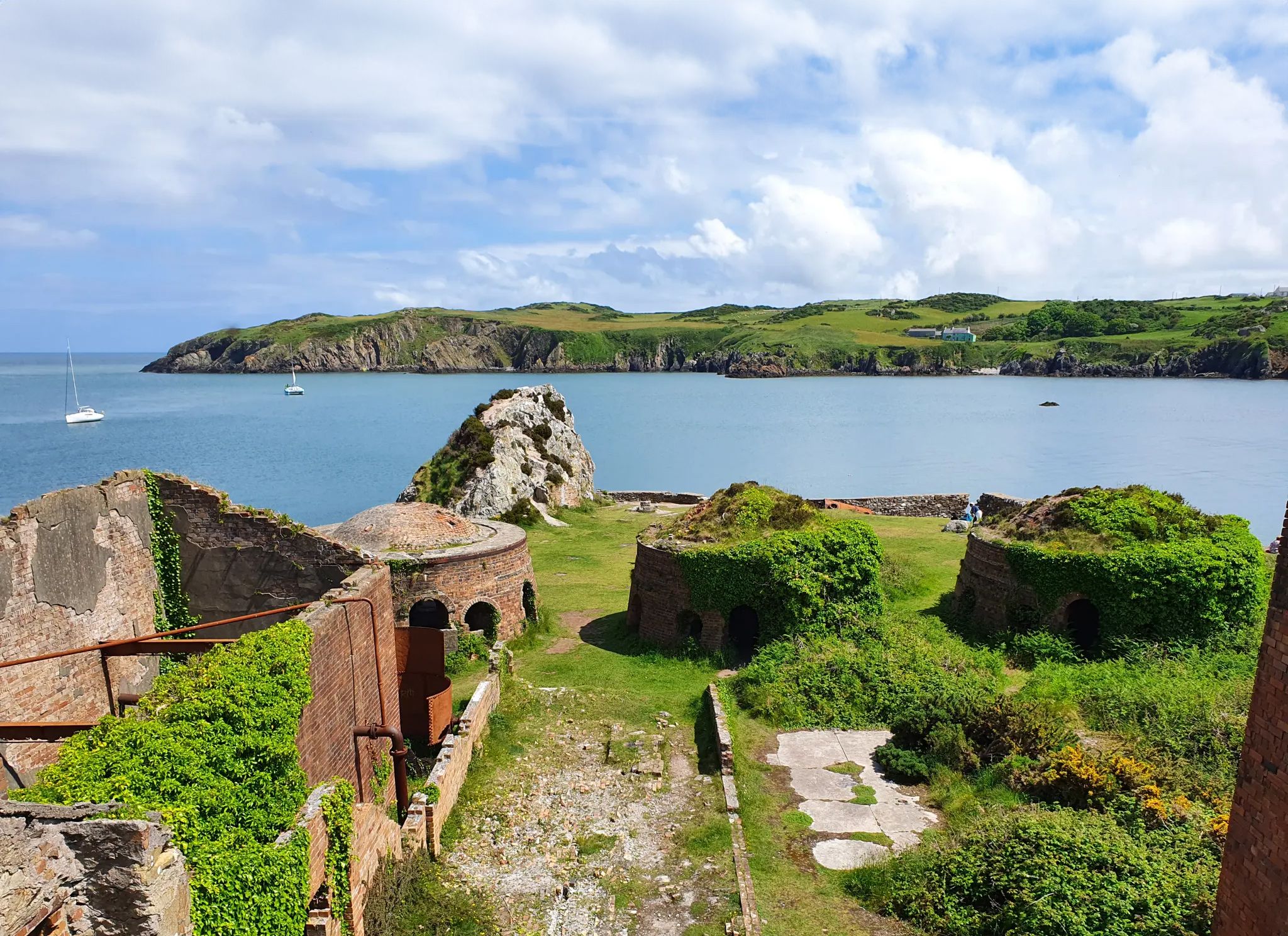
Castell Aberlleiniog
Highlight • Historical Site
Tip by
Sign up now to discover places like this
Get recommendations on the best single tracks, peaks, & plenty of other exciting outdoor places.
Sign up for free
Penrhyn Castle
Highlight • Viewpoint
Tip by

Sinadon
Highlight • Summit
Location: It sits atop Conwy Mountain, overlooking the town of Conwy, the Conwy Estuary, and the Irish …
Tip by

Slate splitting demonstration
Highlight • Monument
Translated by Google •
Tip by

Sign up for free to discover even more castles around Aber.
Sign up for free
Already have an account?
Start today with a free account
Your next adventure awaits.
Login or Signup


Tips from the Community

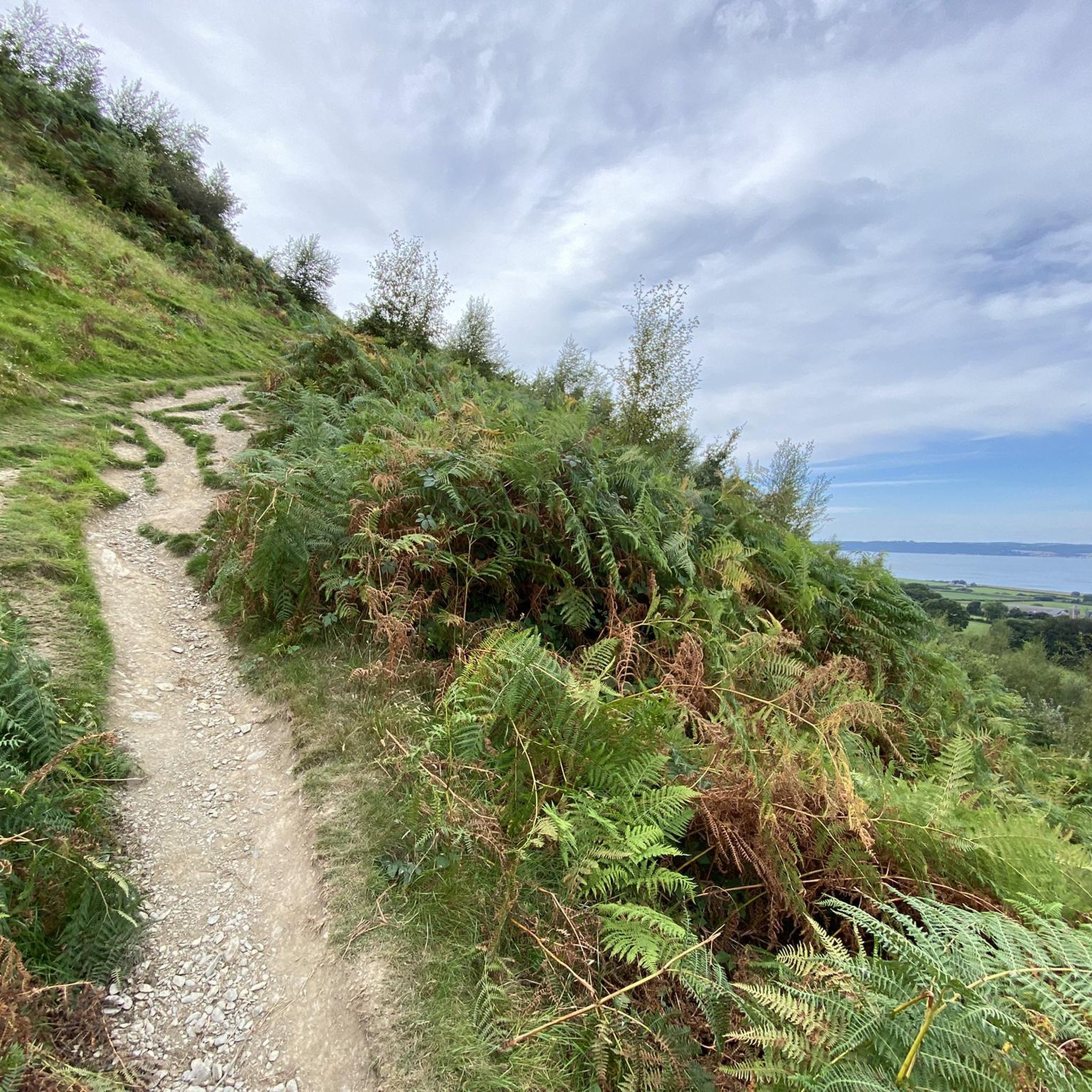
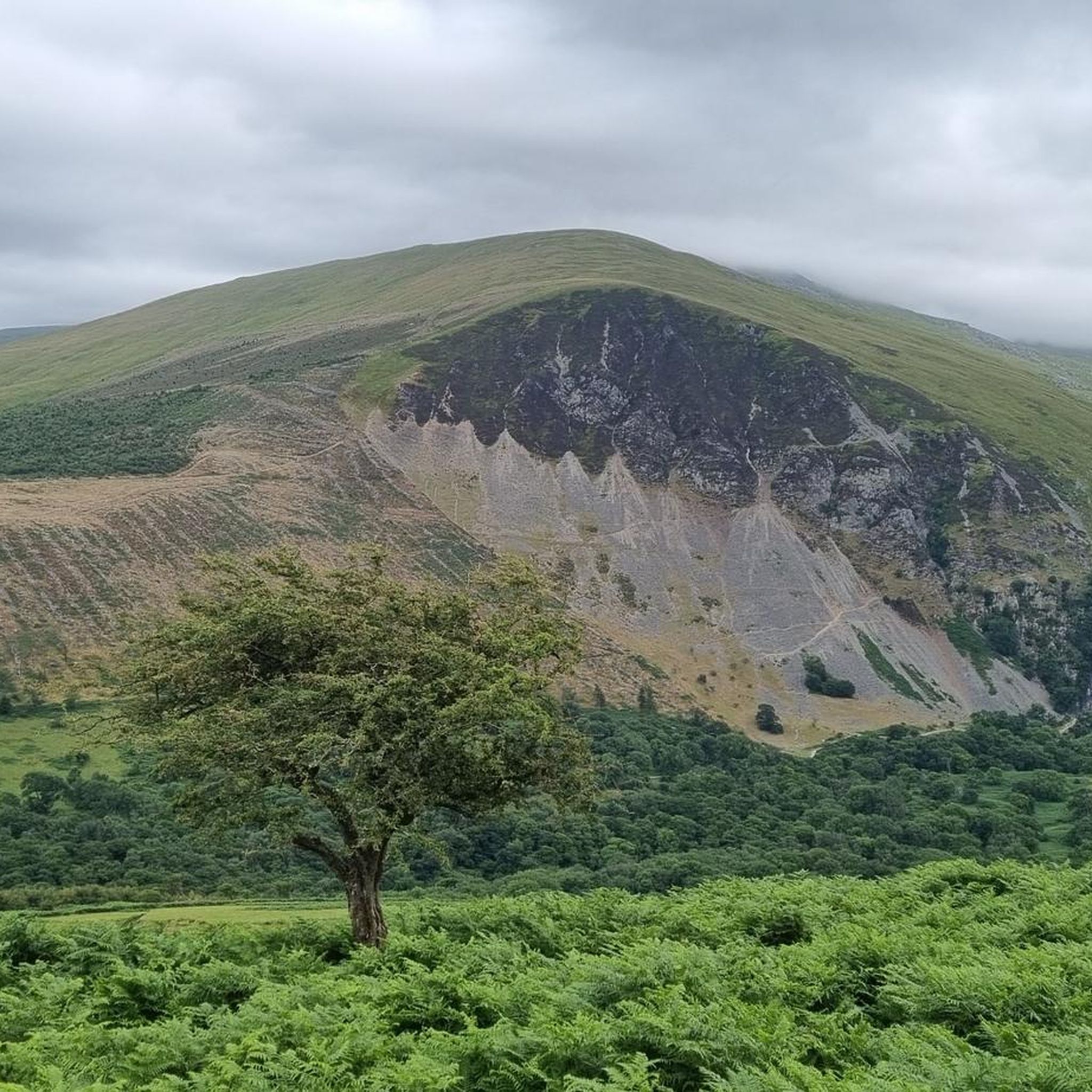
Ancient Hillfort: It is the well-preserved remains of an Iron Age fortified settlement. Location: It sits atop Conwy Mountain, overlooking the town of Conwy, the Conwy Estuary, and the Irish Sea. Time Period: The fort was likely occupied from at least the middle of the Iron Age, possibly between c. 300 BC and 78 AD, before the full Roman arrival in the area.
0
0

Penrhyn Castle’s dominant stone façade belies more than its internal red-brick construction. Built in the early 19th century, its formidable architecture, opulent interiors and art collection draw on a long history of sugar and slate fortunes, social unrest and the longest-running labour dispute in British history. Owned by the Pennant family, Penrhyn is a prime example of how wealth derived from slavery has shaped Welsh buildings and local labour history. Richard Pennant, a staunch anti-abolitionist, used his fortune – acquired from slave-owning sugar plantations in Jamaica – to fund roads, railways, schools, hotels, workers’ cottages, churches and farms in North Wales. The Penrhyn Slate Quarry and Port Penrhyn, founded by the Pennants, dominated the Welsh slate industry for almost 150 years. Penrhyn Castle’s vast rooms, rich neo-Norman architecture and opulent furnishings are steeped in this colonial history. Penrhyn Castle is situated on the Menai Strait, with the peaks of the Eryri (Snowdonia) in the background, overlooking the quarry and harbour from which the slate was exported all over the world. It is surrounded by wooded and open parkland, ideal for exploring, and a walled garden that predates the castle and provides a peaceful haven for relaxation. (National Trust)
4
0
While the National Slate Museum in Llanberis undergoes redevelopment, some of the museum’s activities will continue elsewhere. For example, the unique art of slate splitting and working will be demonstrated here at Penrhyn Castle for many years to come.
11
0

Beaumaris Castle (/bjuːˈmærɪs/ bew-MAR-is; Welsh: Castell Biwmares Welsh pronunciation: [kastɛɬ bɪuˈmaːrɛs]), in Beaumaris, Anglesey, was built as part of Edward I's campaign to conquer north Wales after 1282. Plans were probably first made to construct the castle in 1284, but this was delayed due to lack of funds and work only began in 1295 following the Madog ap Llywelyn uprising. A substantial workforce was employed in the initial years under the direction of James of St George. Edward's invasion of Scotland soon diverted funding from the project, however, and work stopped, only recommencing after an invasion scare in 1306. When work finally ceased around 1330 a total of £15,000 had been spent, a huge sum for the period, but the castle remained incomplete.
3
0

One of Edward I’s great Welsh fortresses, a notable landmark as you enter the town.
0
0

Cool castle with an exciting history. It's worth a visit and there are many corridors in the castle to explore.
2
0

Beaumaris is a great place to visit, lovely to walk round the town, easy to park and the castle is just something else!! Worth a visit and worth the entry fee for sure.
3
0

A beautiful castle to visit. Best to go early to avoid the crowds.
4
0
Frequently Asked Questions
What are the main regions referred to as 'Aber' when discussing castles?
The term 'Aber' commonly refers to Aberdeenshire in Scotland, known for its 'Castle Country,' and Aberystwyth and Aber Valley in Wales. Each region offers a distinct collection of historical fortifications, from dramatic coastal fortresses to picturesque inland castles.
Which castles in the 'Aber' regions are particularly significant for their history or architecture?
In Wales, Beaumaris Castle is a UNESCO World Heritage site, considered a prime example of late 13th-century military architecture. Penrhyn Castle is a notable 19th-century mock Norman castle with a complex history. In Aberdeenshire, Scotland, Dunnottar Castle is famed for its dramatic clifftop setting, while Craigievar Castle is a fairytale-like example of Scottish Baronial architecture with its distinctive pink hue.
Are there family-friendly castles to visit in the 'Aber' areas?
Yes, several castles are suitable for families. Beaumaris Castle and Penrhyn Castle are both listed as family-friendly. Penrhyn Castle, in particular, offers beautiful gardens and a railway museum. Many castles in Aberdeenshire, like Crathes Castle with its walled gardens, also provide engaging experiences for all ages.
What kind of natural surroundings can I expect around these castles?
The castles are often set in diverse natural landscapes. Dunnottar Castle in Aberdeenshire is dramatically perched on a rugged clifftop overlooking the North Sea. In Wales, Castell Aberlleiniog is nestled within a serene woodland nature reserve, offering opportunities to enjoy wild garlic carpets and birdsong in spring. Aberystwyth Castle overlooks Cardigan Bay, providing scenic coastal views.
Can I find any hidden gems or less-known castles in the 'Aber' regions?
While not a hidden gem in the traditional sense, Castell Aberlleiniog offers an atmospheric experience within a quiet woodland nature reserve. Its motte and bailey ruins provide a peaceful historical exploration. In Aberdeenshire, Kildrummy Castle's sprawling ruins are a significant example of 13th-century design, offering extensive views of the highlands.
What outdoor activities are available near the castles around Aber?
Many castles are close to excellent outdoor activity routes. For instance, near castles in the Welsh 'Aber' region, you can find various cycling and mountain biking trails. Options include road cycling routes like the 'North Wales Coast Path – Conwy Castle loop' or mountain biking trails such as the 'Druid's Stone Circle – North Wales Path Coastal Track loop'. You can explore more options on the Road Cycling Routes around Aber, Cycling around Aber, and MTB Trails around Aber guide pages.
Are there specific historical events associated with these castles?
Absolutely. Dunnottar Castle in Aberdeenshire played a crucial role in safeguarding the Scottish Crown Jewels. In Wales, Beaumaris Castle was part of Edward I's campaign to conquer North Wales. Penrhyn Castle, while a 19th-century construction, is a poignant reminder of the profits from the slave trade and the longest industrial dispute in British history, the Great Penrhyn Quarry Strike.
What is the best time of year to visit castles in the 'Aber' regions?
Visiting during spring or autumn often provides pleasant weather for exploring outdoor ruins and grounds, with fewer crowds than peak summer. Spring offers blooming gardens and wildlife, while autumn showcases beautiful foliage. Winter visits can be atmospheric, especially for dramatic coastal castles like Dunnottar, but require appropriate warm clothing.
Is public transport available to reach castles in the Aberystwyth area?
While specific public transport routes vary, major towns like Aberystwyth often have bus services that can take you to or near some castle sites. For more remote locations, a car might be necessary. It's advisable to check local transport schedules for specific castles you plan to visit.
What unique features do some of the Aberdeenshire castles offer?
Aberdeenshire's castles are known for their distinct character. Craigievar Castle is famous for its pink stonework and 'Disneyesque' turrets. Crathes Castle boasts intricate painted ceilings and magnificent walled gardens with sculpted yew hedges. Fyvie Castle is renowned for its grand stone-wheel staircase and rich history, including tales of five famous ghosts.
What should I wear when visiting castles, especially those with outdoor elements?
Given that many castles, particularly ruins, involve significant outdoor exploration, comfortable walking shoes are highly recommended. Layers of clothing are also advisable, as weather conditions can change, especially in coastal or highland areas. A waterproof jacket is always a good idea, regardless of the season.
Are there any castles that offer insights into industrial history?
Yes, Penrhyn Castle in Wales provides a deep dive into industrial history. It was built with wealth derived from the slave trade and later became central to the Penrhyn Quarry Strike, one of Britain's longest industrial disputes. The castle also features a railway museum, connecting it to the region's slate industry.
Most popular routes around Aber
Most popular attractions around Aber

Get inspired with the komoot mobile app


Explore more
Looking for the best castles somewhere else? Discover other guides around Aber:
