Attractions and Places To See around Ballykelly - Top 10
Attractions and places to see around Ballykelly, a village in County Londonderry, Northern Ireland, offer a mix of historical sites and natural landscapes. The area features a rich history, from its Plantation settlement origins to its role in World War II. Visitors can explore diverse points of interest, including ancient earthworks, historical churches, and significant natural features like forests and loughs. This region provides opportunities to discover both cultural heritage and natural beauty.
Best attractions and places to see around Ballykelly
- The most popular attractions is Scarva Village, a historical site that is known for its annual "Sham Fight" Pageant. This village is also located on the Newry cycle path and features a World War II pillbox.
- Another must-see spot is Directional Sign at the Confluence of the Upper Bann River and Newry Canal, a viewpoint where a signpost marks directions to various towns. This location offers a peaceful atmosphere at the meeting point of the Upper Bann River and the Newry Canal.
- Visitors also love Lisnamintry Rath Entrance, a natural monument and archeological site. These circular structures with earth banks are remains of prehistoric dwellings, sometimes referred to as Fairy Forts.
- Ballykelly is known for its historical sites, natural features, and cultural points of interest. The area provides a variety of attractions to see and explore, from ancient earthworks to significant natural landscapes.
- The attractions around Ballykelly are appreciated by the komoot community, with more than 45 upvotes and 9 photos shared by explorers.
Last updated: May 17, 2026
Scarva Village
Highlight • Historical Site
Tip by

Moyallan Pillbox
Highlight • Historical Site
Protection of the River Bann was vital during the war, as it could provide access to the north to Nazi invaders.
This pillbox stands on a crest in a field opposite a petrol filling station near the roundabout linking the Gilford Road, Drumnacanvey Road and Mullahead Road.
Tip by

Sign up now to discover places like this
Get recommendations on the best single tracks, peaks, & plenty of other exciting outdoor places.
Sign up for free
Directional Sign at the Confluence of the Upper Bann River and Newry Canal
Highlight • Viewpoint
Tip by

Moneypenny's Lock and Canal Museum
Highlight • Monument
Tip by
Lisnamintry Rath Entrance
Highlight • Natural Monument
As the dwellings were not durable, sometimes referred to as as Fairy Forts ( also known as Lios or Raths from the Irish, referring to an earthen mound ) are the remains of stone circles, ringforts, hillforts, or other circular prehistoric dwellings in Ireland.
Tip by

Sign up for free to discover even more attractions around Ballykelly.
Sign up for free
Already have an account?
Start today with a free account
Your next adventure awaits.
Login or Signup


Tips from the Community

Along the picturesque route near the River Bann, you'll find the Moyallan Pillbox. Built around 1940 as part of Britain's coastal and inland defences, this compact bunker served as an observation post and machine gun nest. Strategically positioned to guard the river crossing and nearby roads, this robust structure is a reminder of a time when this peaceful landscape was on high alert. For the passing cyclist, it's an intriguing stop; its moss-green walls blend almost seamlessly with the surrounding nature, revealing the bunker's secrets only at the last moment. A raw piece of military heritage that sharply contrasts with the tranquility of the present-day countryside.
0
0
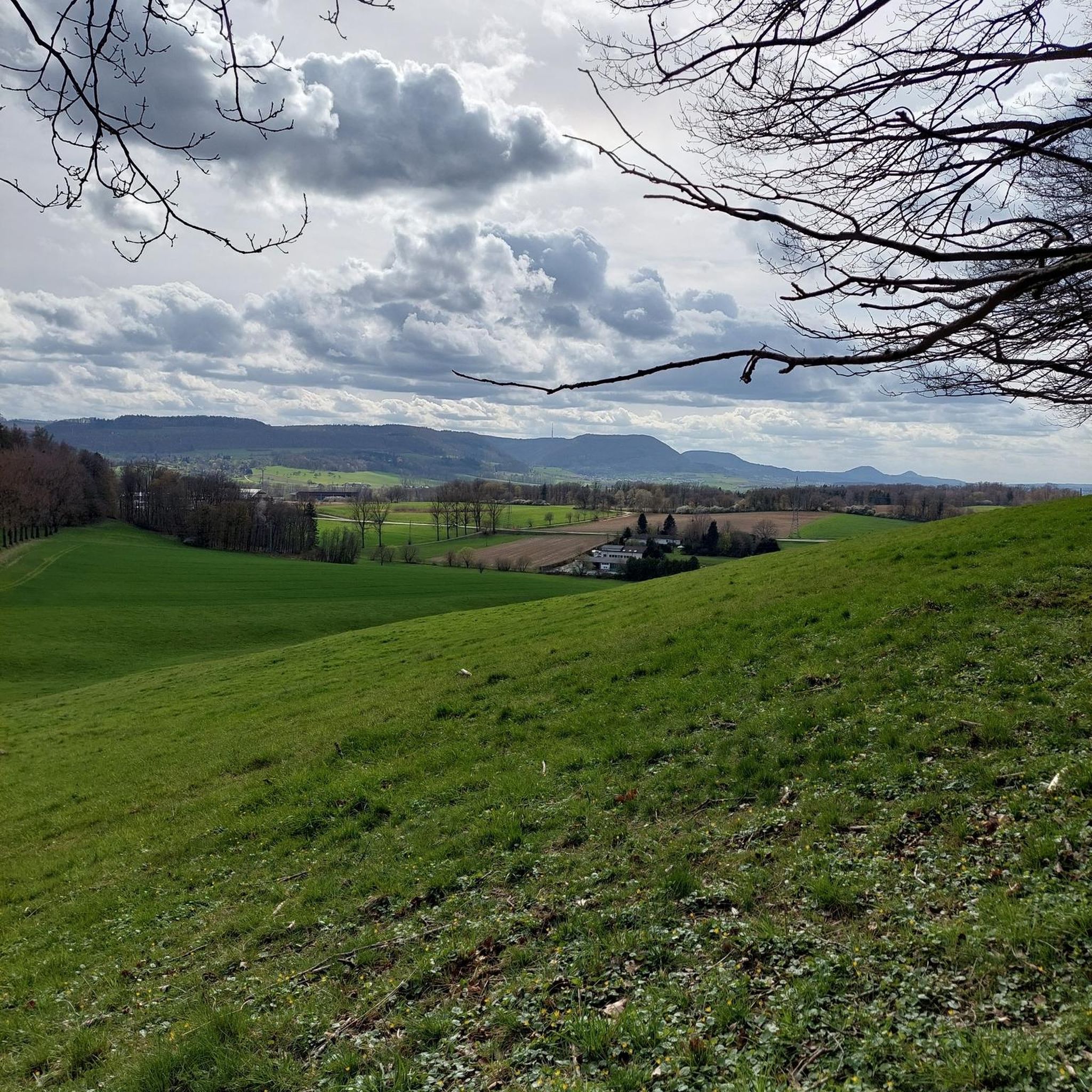
The entrance to Lisnamintry Rath (located on Ballygargan Road, near Portadown) is the gateway to one of the few officially protected archaeological monuments in this part of County Armagh. A rath is an early medieval fortified farmstead (c. 500–1000 AD) that formerly offered protection to families and their livestock against raiders. Not visible from the road.
1
0

Hollie Berrie is a good place for refreshments on the route at Scarva
0
1

The small town of Scarva, nestled between green meadows and the quiet canal, offers a welcome break on my bike tour through Northern Ireland. Here you cycle on well-maintained paths past historic bridges and small villages that give you the feeling that time has stood still. The British flags fluttering along the side of the road remind you that you are in a culturally special area - a detail that reflects the identity of the region. The route is easy to cycle, the surrounding landscape is gently rolling, which makes for pleasant cycling. The view of wide fields and rolling hills invites you to slow down now and then and take in the peace and quiet. A special feature of Scarva is the annual Orange Order March, which transforms the village into a kind of open-air stage once a year and keeps the traditions of this region alive.
1
0
The Moyallan Pillbox is an intriguing WWII relic that is an unexpected discovery along the River Bann. The old concrete structure, well camouflaged and reclaimed by nature, stands modestly on a hill overlooking the river. The views from here are particularly rewarding on a clear day when the Bann flows lazily across the landscape. It's hard to imagine that this tranquil scene was once strategically important in protecting access to the north from possible invasions. The Pillbox stands just opposite a petrol station, near the roundabout where several roads meet. The location may seem unspectacular, but with a little imagination you can glimpse the history. The concrete block quietly tells of times gone by as you pedal on, leaving the river behind. A quick stop is well worth it - not for the drama, but for the unassuming way in which history finds its place here.
1
0
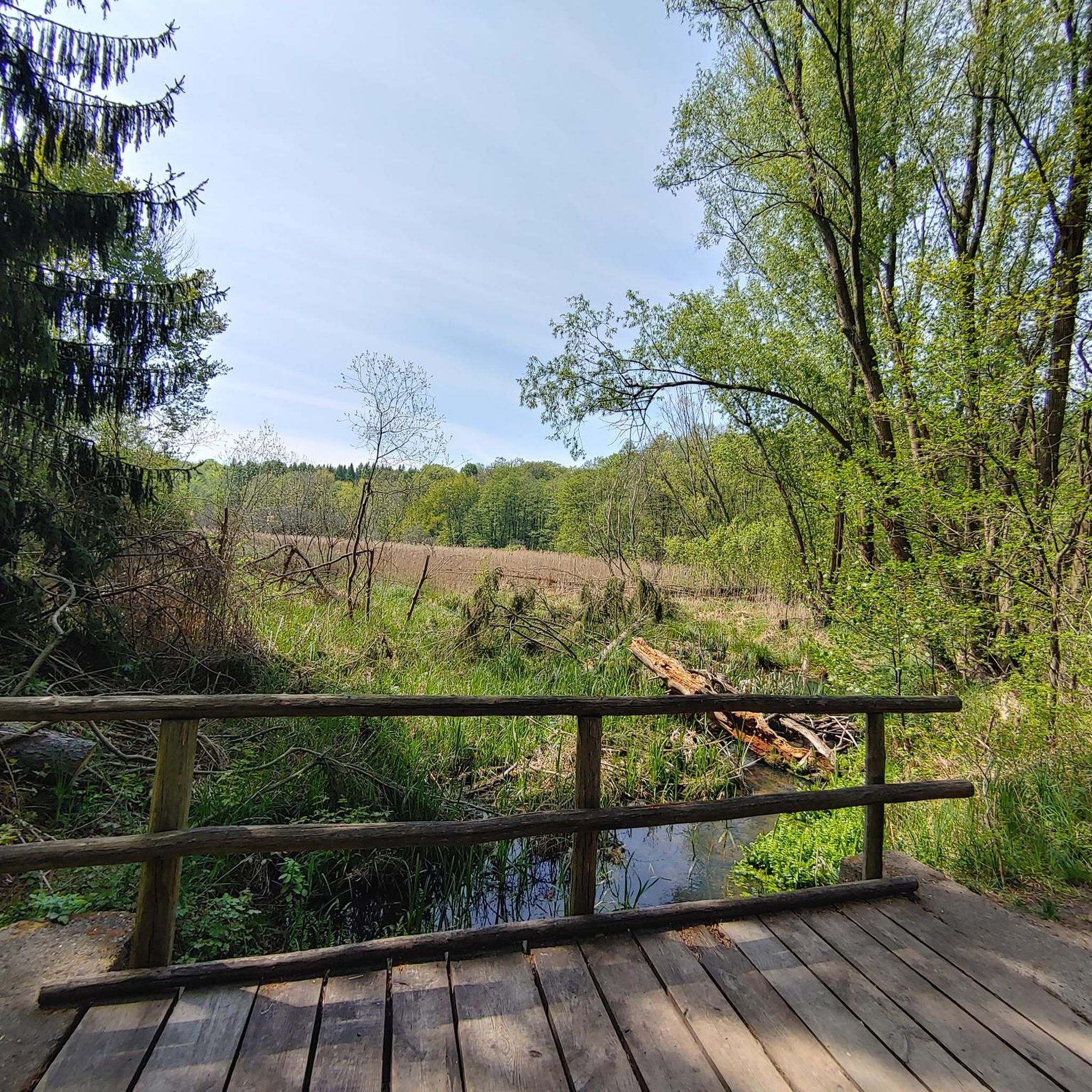
At the meeting point of the Upper Bann River and the Newry Canal stands this striking signpost - a simple yet interesting construction that shows you the way. It points to places like Scarva, Newry, Portadown and Oxford Island, while the water flows quietly, creating a peaceful atmosphere. It's a moment to pause and take in the surroundings. The flow of the river, the gentle murmur and the green of the banks invite you to leave the path for a while and enjoy the view. You notice that it's not just routes that are described here, but also the connections between the towns and nature - a little reminder that every walk is more than just the path you take.
2
0

From the late Iron Age to early Christian times, the island's occupants built circular structures with earth banks or ditches. These were sometimes topped with wooden palisades and wooden framed buildings. As the dwellings were not durable, sometimes referred to as as Fairy Forts ( also known as Lios or Raths from the Irish, referring to an earthen mound ) are the remains of stone circles, ringforts, hillforts, or other circular prehistoric dwellings in Ireland.
2
0
On the picturesque banks of the Newry Canal, not far from Portadown, lies a historical gem: Moneypenny's Lock. This lock house, whose history goes back to the beginning of the 19th century, has stood the test of time and today offers visitors a special insight into the past. When you enter the canal museum you feel like you have been transported to another era. The walls bear witness to the days when the lock house was still in full operation and run by the Money family. The constant rippling of the water, the passage through the lock chambers and the hustle and bustle of yesteryear are almost tangible. The exhibition tells the story of Moneypenny's Lock from its early days to the mid-20th century. Through lovingly compiled exhibits and information material, you get a feel for the importance of this place and the people who worked and lived here.
2
0
Frequently Asked Questions
What historical sites can I visit around Ballykelly?
Ballykelly and the surrounding area are rich in history. You can explore sites like the Ballykelly Presbyterian Church, an architectural example from the Plantation era, or the site of Tamlaghtfinlagan Parish Church, with ecclesiastical buildings dating back to 580 AD. Don't miss Rough Fort, one of Ulster's best-preserved earthworks, or the intriguing Moyallan Pillbox, a World War II relic offering commanding views. Another significant historical site is Scarva Village, known for its annual 'Sham Fight' Pageant and a World War II pillbox.
Are there any natural attractions or scenic viewpoints near Ballykelly?
Yes, the region boasts several natural attractions and scenic spots. You can enjoy views across Lough Foyle to Inishowen, explore Ballykelly Forest (Northern Ireland's first State Forest), or visit Binevenagh Mountain for magnificent vistas. Roe Valley Country Park, near Limavady, offers riverside views and woodland walks. For a unique viewpoint, check out the Directional Sign at the Confluence of the Upper Bann River and Newry Canal, which provides a peaceful atmosphere at the meeting point of two waterways.
What outdoor activities can I do near Ballykelly?
The area around Ballykelly offers various outdoor activities. You can enjoy walking trails in Ballykelly Forest and Roe Valley Country Park. For more structured routes, consider hiking or cycling. There are several routes available, such as the 'Moyallan Pillbox – Ground Espresso Bars Café loop' for hiking or the 'Scarva Village – Newry Canal Path loop' for road cycling. You can find more options for hiking, cycling, and road cycling in the dedicated guides.
Are there family-friendly attractions in the Ballykelly area?
Absolutely! Many attractions are suitable for families. Scarva Village is a family-friendly historical site. The Directional Sign at the Confluence of the Upper Bann River and Newry Canal offers a peaceful spot for a family outing. Lisnamintry Rath Entrance, an ancient archaeological site, can spark children's imagination. Additionally, Roe Valley Country Park and Ballykelly Forest provide excellent opportunities for family walks and exploring nature.
Where can I find ancient or archaeological sites around Ballykelly?
For those interested in ancient history, Ballykelly offers several sites. Rough Fort is a well-preserved Rath, over a thousand years old, and one of the first properties acquired by the National Trust in Northern Ireland. The Lisnamintry Rath Entrance is another example of these circular earthwork structures, sometimes referred to as Fairy Forts. The site of Tamlaghtfinlagan Parish Church also has ecclesiastical buildings dating back to an abbey founded around 580 AD.
What is the best time of year to visit Ballykelly for outdoor activities?
The spring and summer months (April to September) generally offer the most pleasant weather for outdoor activities like hiking and cycling, with longer daylight hours. However, coastal walks along Lough Foyle can be enjoyed year-round, though weather conditions can be unpredictable. Autumn brings beautiful foliage to areas like Ballykelly Forest and Roe Valley Country Park, making it a scenic time for walks.
Are there any dog-friendly walking trails near Ballykelly?
Yes, several areas are suitable for walking with dogs. Lisnamintry Rath Entrance is noted as dog-friendly. Ballykelly Forest and Roe Valley Country Park typically welcome dogs on leads, offering extensive trails for exploration. The Ballykelly Bank along Lough Foyle also provides an inspiring off-road walk with views, perfect for a dog walk.
Where can I learn about the local industrial or canal heritage?
To delve into the region's industrial and canal heritage, visit Moneypenny's Lock and Canal Museum. Situated on the Newry Canal, this lockhouse has been transformed into a museum, offering insights into its history from the early 1800s to the mid-20th century when it was operated by the Money family.
What kind of wildlife can I expect to see in Ballykelly Forest?
Ballykelly Forest, also known as Camman Wood, is home to a variety of wildlife. Visitors might spot red squirrels, badgers, foxes, and numerous bird species. It's a great place for nature observation and enjoying the local ecosystem.
Are there any World War II historical sites near Ballykelly?
Yes, the area played a role in World War II. The Moyallan Pillbox is an intriguing relic, strategically important for protecting access to the north from potential invasions. Additionally, Shackleton Barracks, formerly RAF Ballykelly, was an airfield that played a significant role during the war.
Can I find any unique natural features like lakes or mountains?
Certainly. The area features Binevenagh Mountain, which marks the western extent of the Antrim Plateau and offers magnificent views. On its cliff-top, you'll find Binevenagh Lake, an artificial lake popular for angling and picnics, overlooking Benone Strand. Lough Foyle itself is a significant natural feature, a Ramsar site and RSPB reserve, known for wintering birds and breeding seals.

Get inspired with the komoot mobile app


Explore more
Still not found the Highlight you’re looking for? See guides of the top attractions in other regions:
