The best running trails around Dunster
5.0
(1)
101
runners
19
runs
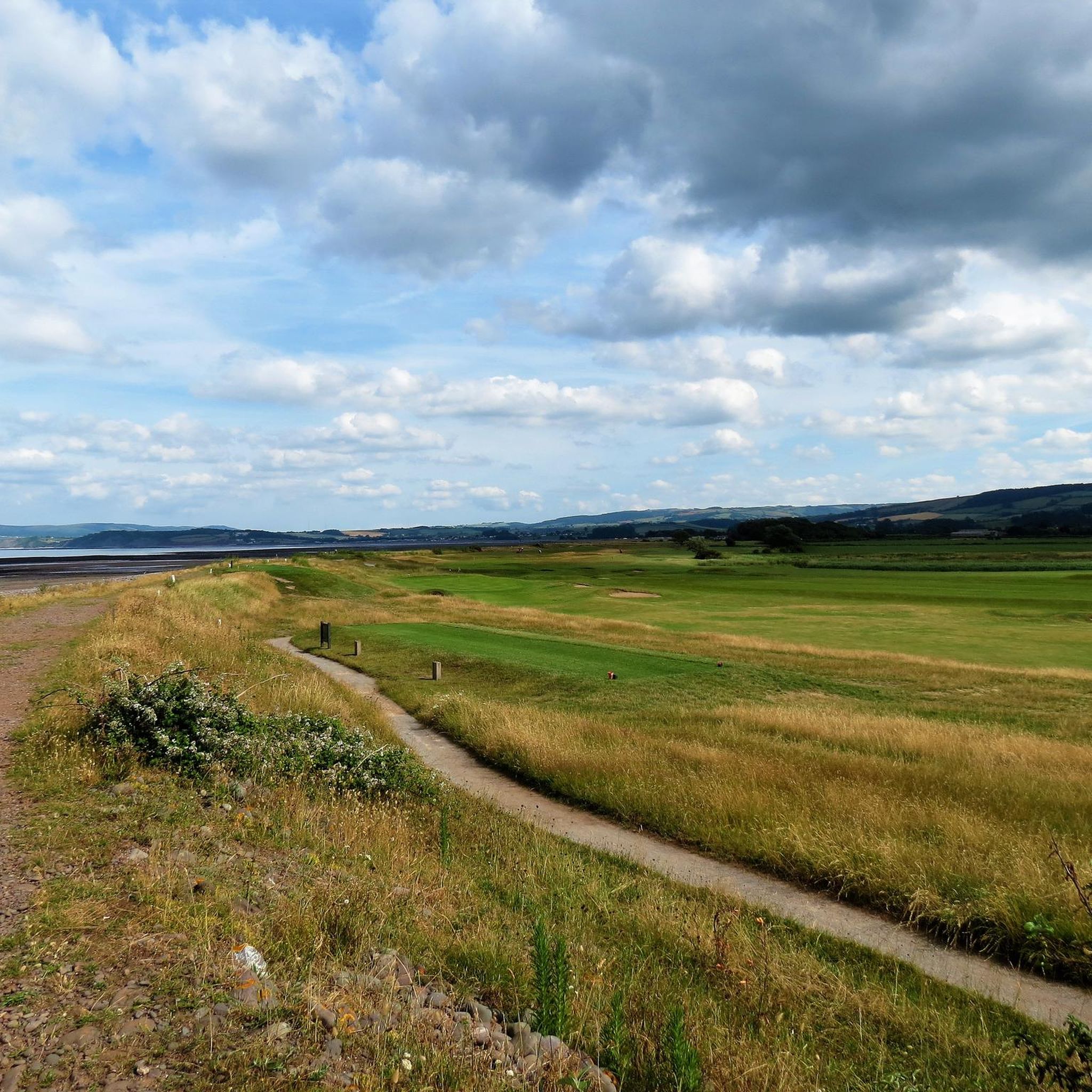
Jogging around Dunster offers a diverse landscape for runners, situated within the north-eastern boundary of Exmoor National Park. The region features the Avill valley, surrounded by wooded slopes and prominent hills like Grabbist Hill. Runners can explore varied terrains, from riverside paths along the River Avill to coastal stretches near Dunster Beach. This area provides a mix of challenging ascents and gentler routes through historic parkland and natural features.
Best jogging routes around Dunster
- The most popular jogging route is…
Last updated: July 1, 2026
1
runners
6.79km
00:51
210m
210m
Moderate run. Good fitness required. Mostly paved surfaces. Suitable for all skill levels.
18
runners
15.3km
01:36
60m
60m
Hard run. Very good fitness required. Mostly paved surfaces. Suitable for all skill levels.

Sign up for free
5.0
(1)
13
runners
9.58km
01:02
80m
90m
Moderate run. Good fitness required. Mostly paved surfaces. Suitable for all skill levels.
17
runners
49.0km
06:13
1,460m
1,460m
Hard run. Very good fitness required. Mostly paved surfaces. Suitable for all skill levels.
11
runners
25.4km
02:57
350m
350m
Hard run. Very good fitness required. Mostly paved surfaces. Suitable for all skill levels.
Get access to more routes and recommendations from other explorers.
Sign up for free
Already have an account?
Our route recommendations are based on thousands of hikes, rides, and runs completed by other people on komoot.
Start today with a free account
Your next adventure awaits.
Login or Signup
Other adventures around Dunster

Tips from the Community


very nice hike with a view of the sea
1
0

Almost nothing reliable is known about the life of Saint George, to whom this church was dedicated, but veneration of him stretches back to early Christianity. A martyr identified with George is said to have lived in the third century. The legend of Saint George as the dragon slayer, however, is quite well known and widespread; he is often depicted—in paintings or statues—as the conqueror of the monster, often as a knight on horseback. The feast day of the very popular Saint George in the calendar of saints is celebrated on April 23rd in both the Roman Catholic and Anglican churches. Among other things, he is the patron saint of the English kingdom, and some of the orders and decorations awarded there bear his name.
0
0

There are so many beautiful, colorful plants to admire here in May; it's simply a beautiful place! The water garden with its exotic trees and the medieval watermill are highlights!
0
0


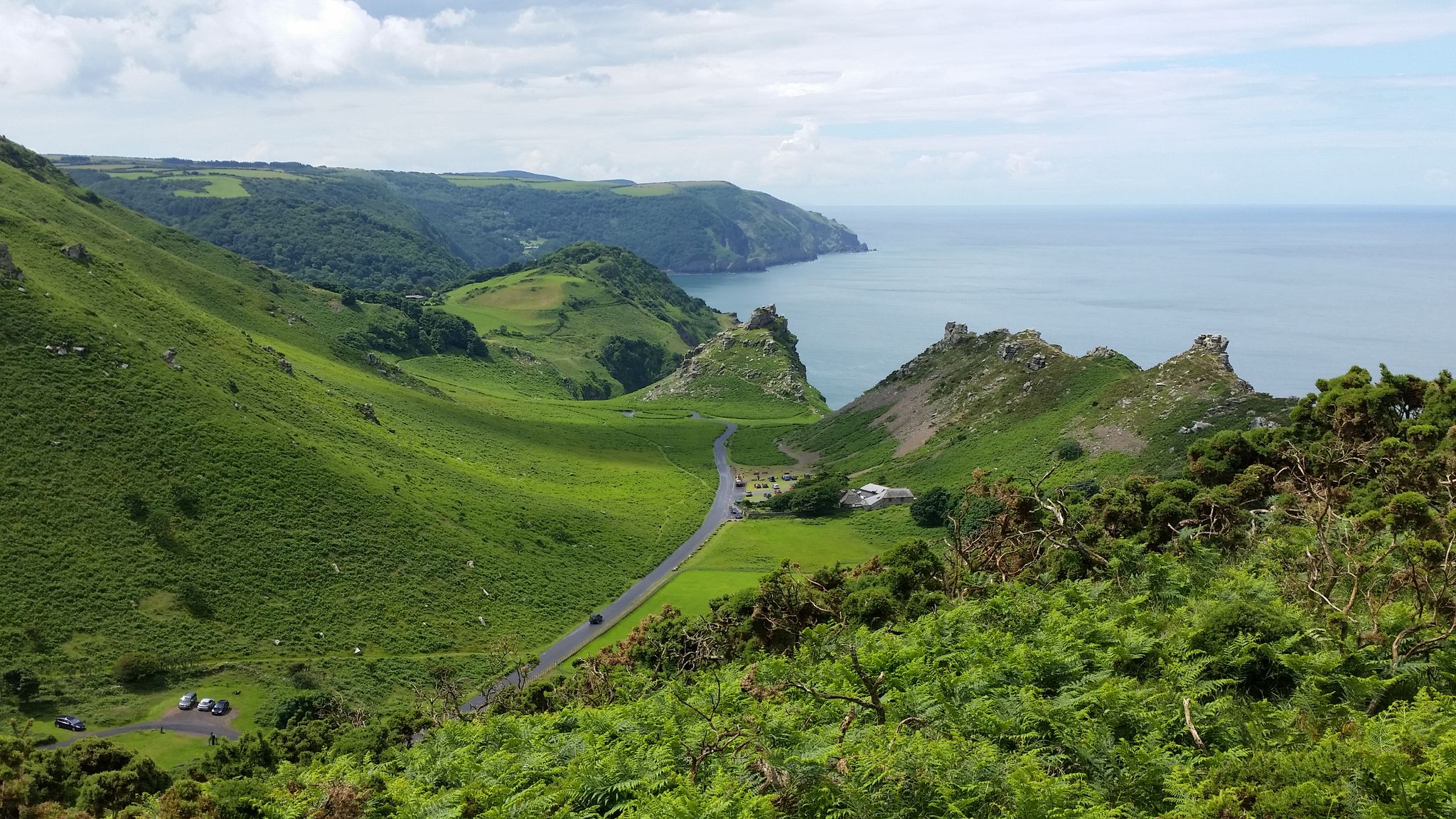
Wonderful views over the coast and to Wales. I came up some hike a bike crazy bridleway but I'm sure there is easier ways to ascend before you get ready for the crazy single track descent.
0
0
Almost nothing reliable is known about the life of Saint GEORGE, to whom the church of Dunster was dedicated, but the veneration of him goes back a long way to early Christianity. A martyr who is equated with George is said to have lived in the third century. The legend of Saint George as a dragon slayer is well known and widespread, however, and he is usually depicted - in paintings or as a statue - as the conqueror of the monster, often as a knight on horseback. The memorial day of the very popular George in the calendar of saints is celebrated on April 23rd in both the Roman Catholic and Anglican churches. Among other things, he is the patron saint of the English kingdom, and some of the orders and decorations awarded there also bear his name.
4
0
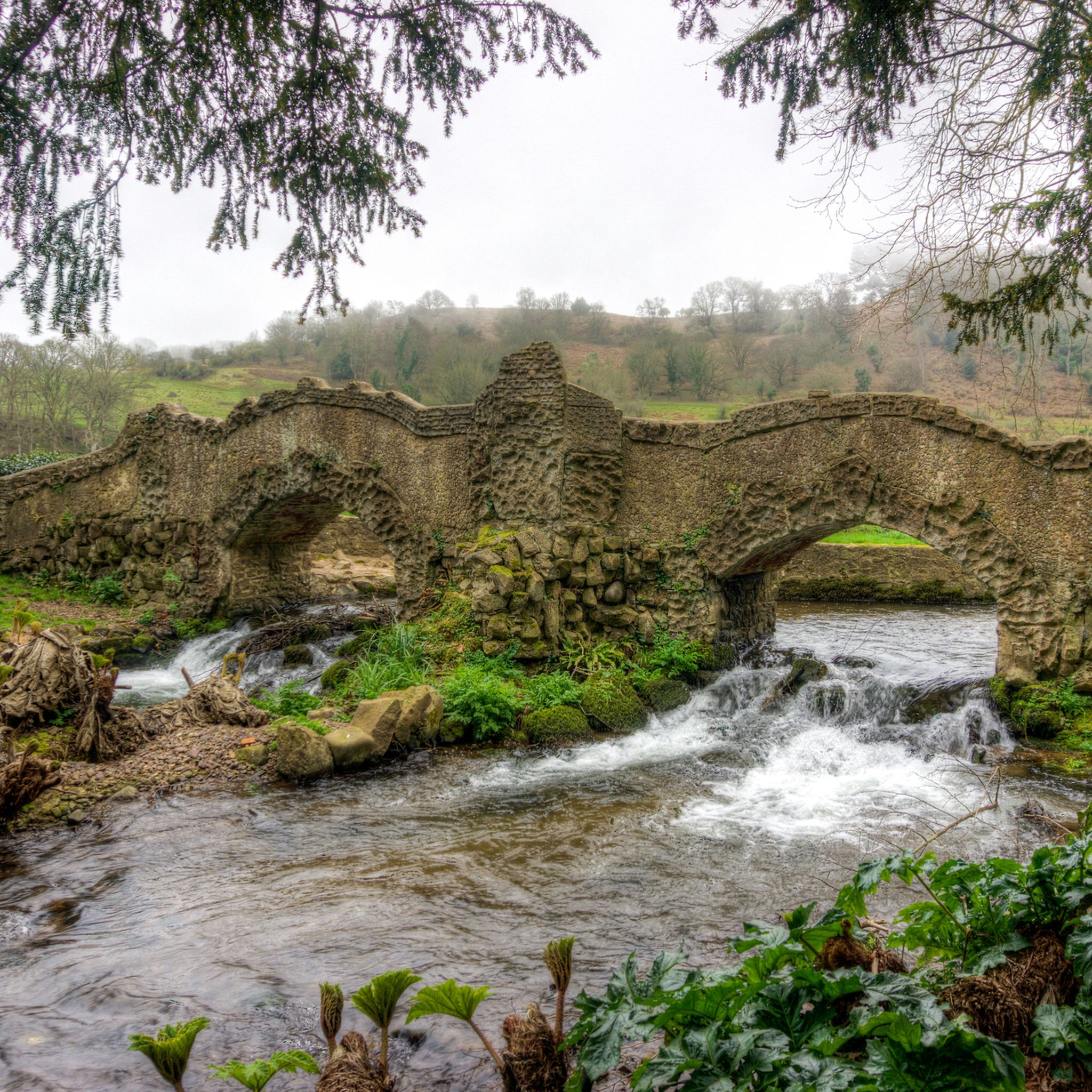
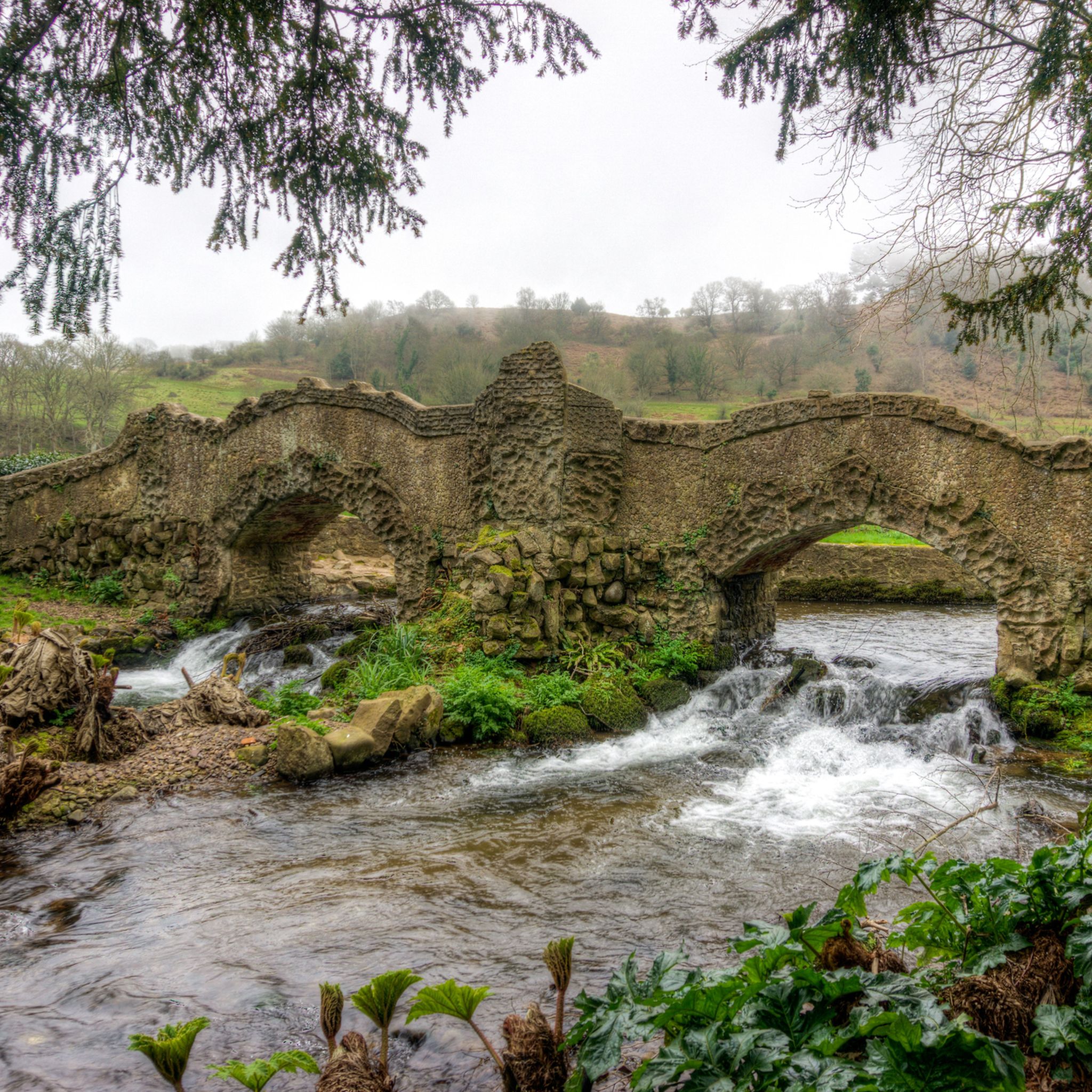
Using the power of moving water to drive a mill wheel is an ancient invention of the human spirit of discovery, the origins of which can be traced back to times long past. Thanks to such a construction, human or animal muscle power could be easily replaced by the power of the natural elements through a watercourse - natural or artificially created - in order to grind grain into corn or press oil from fruit, for example. There are essentially two different ways of driving watermills: * Either the flowing water simply hits the blades of the water wheel from below to set it in motion; or * the water is guided above the wheel - usually through a so-called "mill channel" - and falls onto the blades; this type of construction is more efficient due to natural gravity.
5
0
Frequently Asked Questions
How many running routes are available around Dunster?
Dunster offers a wide selection of running routes, with over 20 trails available for you to explore. These routes cater to various fitness levels, from gentle riverside jogs to challenging hill climbs within Exmoor National Park.
Are there easy running routes suitable for beginners in Dunster?
Yes, Dunster provides several easier running options. While many routes involve some elevation, you can find gentler paths along the River Avill or within the historic parkland. Look for routes marked as 'easy' or 'moderate' for a less strenuous experience.
Are there family-friendly jogging routes in Dunster?
Absolutely. Many of Dunster's paths, particularly those along the River Avill or through the lower sections of Dunster Park, are suitable for families. These routes often feature wide, well-maintained paths, such as the 'Tall Trees Trail' in Nutcombe Bottom, making them enjoyable for all ages. Consider routes that pass by landmarks like the Dunster Watermill – Gallox Bridge loop from Dunster for a scenic and engaging family outing.
Can I bring my dog on the running trails near Dunster?
Yes, Dunster and the surrounding Exmoor National Park are generally very dog-friendly. Many trails welcome well-behaved dogs, provided they are kept under control, especially near livestock or wildlife. Always check local signage for specific restrictions, particularly in nature reserves or during nesting seasons.
Which running routes offer the best views or scenic landscapes?
For breathtaking views, consider routes that ascend hills like Grabbist Hill or those around Dunster Castle. These often provide panoramic vistas across the Bristol Channel and the diverse Exmoor landscape. The Minehead Bay – View of Minehead Beach loop from Dunster also offers expansive coastal scenery.
What historical landmarks or natural features can I see while jogging in Dunster?
Dunster's routes are rich in history and natural beauty. You can jog past the iconic Dunster Castle, the picturesque Gallox Bridge, and the historic Dunster Watermill. Natural features include the ancient trees of Nutcombe Bottom, the winding River Avill, and the dramatic hills of Exmoor. Highlights like the Dunkery Beacon Summit or Selworthy Beacon offer stunning natural monuments.
What kind of terrain can I expect on the jogging routes around Dunster?
The terrain around Dunster is incredibly varied. You'll encounter everything from gentle riverside paths along the Avill, through ancient woodlands with steeply wooded slopes, to open moorland and coastal stretches near Dunster Beach. Expect a mix of well-maintained paths, gravel tracks, and natural trails, often with significant elevation changes on the hills.
Is parking available near the jogging routes in Dunster?
Yes, Dunster has several public car parks, including options within the village and near key attractions like Dunster Castle. These provide convenient access points for many of the local running routes. It's advisable to arrive early during peak season to secure a spot.
How accessible are the jogging routes in Dunster by public transport?
Dunster village is served by local bus routes, connecting it to nearby towns like Minehead and Taunton. While public transport can get you to the village, access to specific trailheads further afield might require a short walk or a taxi. Always check current bus schedules when planning your trip.
What are the best times of year to go jogging in Dunster, and what about winter?
Spring and autumn are often considered ideal for jogging in Dunster, with pleasant temperatures and beautiful scenery as the seasons change. Summer offers longer daylight hours but can be busier. Winter jogging is possible, but trails can be muddy and slippery, especially on higher ground. Always check weather conditions and wear appropriate gear, as Exmoor weather can be unpredictable.
What do other runners enjoy most about jogging in Dunster?
The komoot community highly rates the running experience in Dunster, with an average score of 5.0 stars. Runners frequently praise the diverse landscapes, the historical charm of the village and castle, and the variety of routes that cater to different abilities. The stunning views across Exmoor and the Bristol Channel are also a consistent highlight.
Are there any long-distance running challenges around Dunster?
For those seeking a significant challenge, Dunster serves as a gateway to longer routes within Exmoor National Park. The Selworthy Beacon – Dunkery Beacon Summit loop from Dunster, for instance, is a demanding 49 km trail that takes you to the highest point on Exmoor, offering an epic long-distance running experience.
Most popular routes around Dunster
Most popular attractions around Dunster

Get inspired with the komoot mobile app


Explore more
Browse the best Running Trails & Routes in other regions.
