Attractions and Places To See around Ballymagaughey - Top 20
Best attractions and places to see around Ballymagaughey include a mix of historical landmarks and natural green spaces. The region offers diverse landscapes, from island castles to serene parks, providing opportunities for exploration and outdoor activities. Ballymagaughey is situated in an area known for its lough views and historical significance, making it a destination for those interested in both heritage and nature. Visitors can find a variety of attractions suitable for different interests.
Best attractions and places to see around…
Last updated: May 9, 2026
Sketrick Castle
Highlight • Castle
Tip by

Nendrum Monastery Ruins
Highlight • Historical Site
Tip by

Sign up now to discover places like this
Get recommendations on the best single tracks, peaks, & plenty of other exciting outdoor places.
Sign up for free
Kilmood Church
Highlight • Historical Site
Tip by
Orangefield Park
Highlight • Settlement
Tip by

The Comber Greenway
Highlight (Segment) • Cycleway
Tip by
Sign up for free to discover even more attractions around Ballymagaughey.
Sign up for free
Already have an account?
Start today with a free account
Your next adventure awaits.
Login or Signup
Tips from the Community


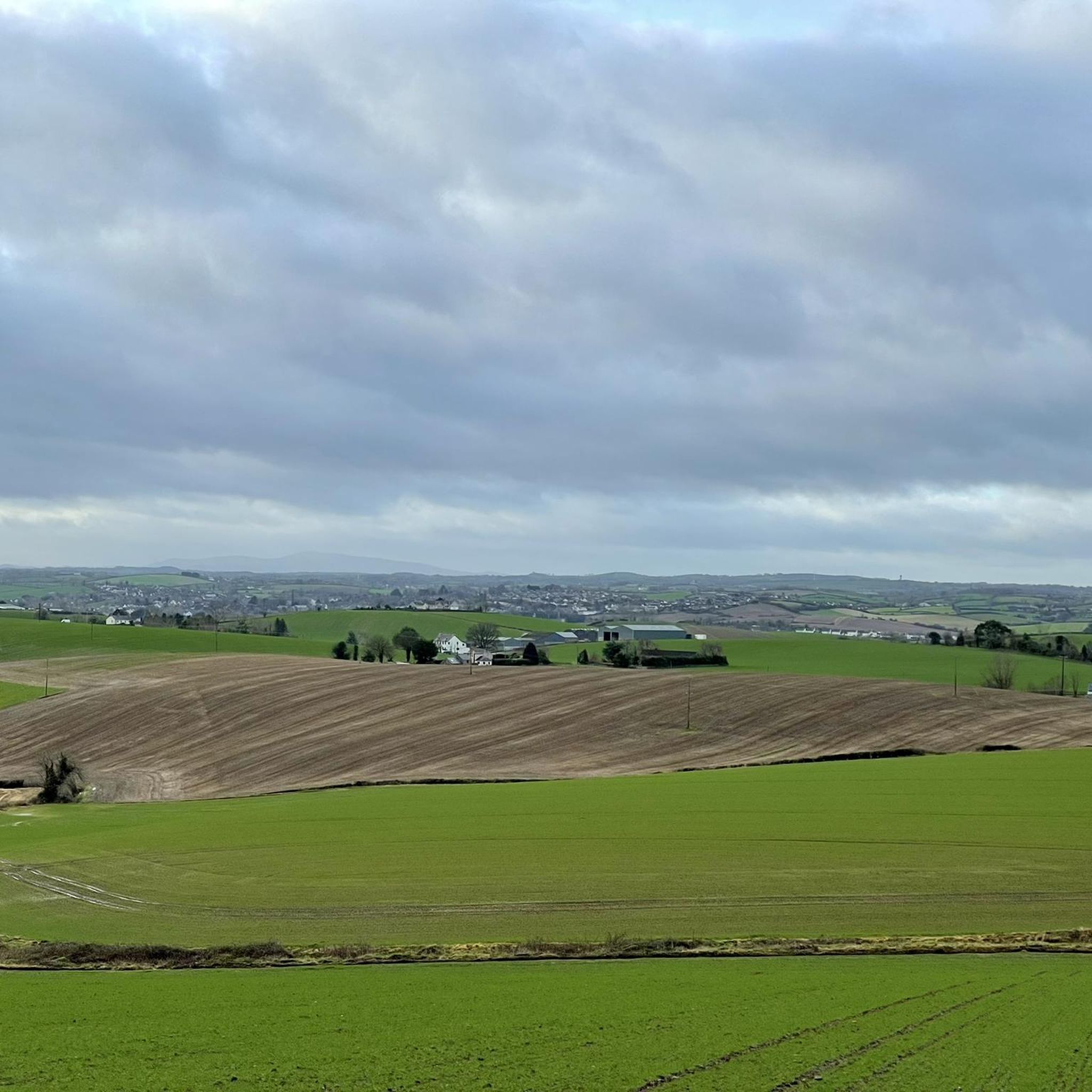
The paths meander through lush greenery that makes you feel like you're far away from the city. A well-kept park that offers space for both exercise and relaxed rolling. The tree-lined avenues are particularly beautiful - perfect for cycling in the interplay of light and shadow. The route also runs along the Connswater Community Greenway, a green corridor through Belfast that beautifully connects Orangefield Park with other green areas of the city. The evening atmosphere with the play of light on the manicured lawn and the clouds over Belfast is definitely worth a moment to pause - a calm contrast to the otherwise busy city. Ideal for a relaxed ride in the early morning or to wind down in the evening without being too far away.
1
0

Nendrum Monastery was a Christian monastery founded in the 5th century. The monastery finished somewhere between 974 and 1178, but the church survived until the 15th century. You can visit the ruins if you're riding past.
0
0

Sketrick Castkle is a historic landmark situated on Sketrick Island near Whiterock. The castle dates back to the 12th century and the grounds are free to explore.
1
0

This large tower house was built in the mid 15th century and was actively involved in warfare during the 16th century. It would have originally been four storeys high with a boat bay and subterranean passage. There were four chambers at ground level, the largest had a vault built on wicker centring and two ovens. The small unlighted room could have been a lock up or treasury. The tower-house was relatively complete until half of it collapsed in a storm in 1896. Part of the bawn wall survives to the north and east of the castle.
0
0
This is the best example in Northern Ireland of a pre Norman ecclesiastical enclosure with its buildings. Nendrum is associated with St Mochaoi who died at the end of the 5th century, and is linked with St Patrick in a much later source. Notices of Nendrum clergy, including three bishops, begin in the 7th century and the excavation of a sophisticated tide mill on the shore near the site has shown that the mill was active in the early 7th century, which underlines the early importance of Nendrum. References continue until a fire in 976, perhaps a Viking raid, when the head of the church (erenagh) was burned in his house. In the late 12th century a small Benedictine monastic cell was founded on the site, but by 1302–1306 this was the parish church, abandoned for Tullynakill on the mainland in the 15th century. H.C. Lawlor excavated the site from 1922 to 1924, when enclosure walls, church and round tower were restored. The glacial hill is crowned with three concentric walled enclosures, irregularly oval in plan. Little is known of the outer cashel, only partly in state care. In the middle cashel on the south-west side are circular platforms for huts, which excavation suggested were craft workshops, and a rectangular building known as the ‘schoolhouse’, also a workshop. In the inner cashel were the most important buildings, including the church with its graveyard and the base of a round tower north-west of the church. The west wall of the church was rebuilt in the 1920s, incorporating a reconstructed sundial at the south-west corner. Finds from the 1920s excavation, including the well-known bell of Nendrum, are in the Ulster Museum and Down Museum at Downpatrick. Underwater archaeological work in the 1990s showed that there is a stone jetty south-east of the enclosure, now inundated in the lough, and medieval pottery was found close by. ( source: department of communities )
0
0
Perfect way to get out to Comber. Connecting easily with nearby tours of Strangford Lough and Ards. You will be amazed just how quite things get, and all only 30 minutes from Belfast.
0
0
The park has an ecotrail, outdoor gym and children's playground. The park also contains Orangefield Playing Fields with a bowling green, tennis courts, soccer pitches and a Velodrome !
1
0
Frequently Asked Questions
What historical sites can I explore in Ballymagaughey?
Ballymagaughey is rich in history. You can visit Sketrick Castle, a historic 12th-century landmark on Sketrick Island with grounds free to explore. Another significant site is Nendrum Monastery Ruins, which dates back to the 5th century and offers insights into early monastic life. Additionally, Kilmood Church is a pretty historical church located on a rocky knoll.
Are there any ancient monastic ruins to visit in the area?
Yes, the Nendrum Monastery Ruins are a must-see. This significant historical site features remnants of a monastery active between 974 and 1178. Visitors can explore the ruins, including fragments of an early sundial, and enjoy scenic views of the Lough, especially when the tide is out, revealing traces of old salmon fisheries. There's also a picnic area available.
Where can I find peaceful green spaces for a walk or cycle in Ballymagaughey?
For peaceful green spaces, consider Orangefield Park, which offers well-maintained walking and cycling paths, vibrant wildflower beds, a nature pond, and a stream with various wildlife. Another excellent option is The Comber Greenway, a popular traffic-free route connecting Belfast city centre with Comber, perfect for walking and cycling amidst picturesque scenery.
Are there family-friendly attractions around Ballymagaughey?
Many attractions in Ballymagaughey are suitable for families. Sketrick Castle and Nendrum Monastery Ruins offer historical exploration. Orangefield Park features a play area, ecotrail, and wildlife spotting opportunities. The Comber Greenway is a safe, traffic-free path for family walks and bike rides.
What kind of outdoor activities can I do near Ballymagaughey's attractions?
The region around Ballymagaughey is ideal for outdoor enthusiasts. You can enjoy various activities such as hiking and cycling. For detailed routes and guides, explore the easy hikes around Ballymagaughey, road cycling routes, and general cycling guides available on komoot.
Are there easy hiking trails suitable for beginners around Ballymagaughey?
Yes, there are several easy hiking trails. Popular options include the Floodgates Walk, Killynether Wood and Scrabo Tower, and the Rough Island loop. You can find more details and other easy routes in the easy hikes around Ballymagaughey guide.
Can I find good cycling routes in the Ballymagaughey area?
Absolutely. Ballymagaughey offers a variety of cycling routes. For road cycling, you might enjoy routes like the Bike Path to Belfast – Peartree Hill Path loop or the Mahee Castle – Nendrum Monastery Ruins loop. For general cycling, the Strangford Lough Cycle Trail and the Comber to Mahee Island loop are popular. Explore these and more in the Road Cycling Routes around Ballymagaughey and Cycling around Ballymagaughey guides.
Where can I find scenic views of the Lough?
For stunning views of the Lough, visit Nendrum Monastery Ruins, where there's a park bench offering one of the best views. Sketrick Castle also provides scenic coastal views, and you might even spot seals and otters in the shallow waters.
What do visitors enjoy most about the attractions in Ballymagaughey?
Visitors particularly appreciate the blend of history and nature. They love exploring the ancient ruins of Nendrum Monastery and the historic Sketrick Castle. The peaceful atmosphere of Orangefield Park and the picturesque scenery along The Comber Greenway are also highly rated for getting fresh air and enjoying the countryside.
Are there places for a picnic near the attractions?
Yes, Nendrum Monastery Ruins offers a dedicated picnic area just to the side of the visitors' centre, making it a great spot to relax and enjoy the historical surroundings.
Can I spot wildlife in any of the parks?
Yes, Orangefield Park is known for its diverse wildlife. Its small nature pond and stream are home to various creatures, making it an ideal spot for nature observation, especially for children.
When is the best time to visit Ballymagaughey's attractions?
The best time to visit Ballymagaughey's attractions is generally during the spring and summer months (April to September) when the weather is milder and more conducive for outdoor activities like walking and cycling. The natural landscapes, like Orangefield Park and The Comber Greenway, are particularly vibrant during these seasons.
Most popular attractions around Ballymagaughey

Get inspired with the komoot mobile app


Explore more
Still not found the Highlight you’re looking for? See guides of the top attractions in other regions:
