The best cycling routes around Ballyedmond
4.4
(12)
714
riders
50
rides
Touring cycling routes around Ballyedmond are set within a diverse landscape, characterized by the Mourne Mountains and Carlingford Lough in County Down, Northern Ireland. The region features varied terrain including dense forests, open hills, and coastal paths. Kilbroney Park offers a network of trails, providing both challenging ascents and scenic descents. This area is part of the Mourne Area of Outstanding Natural Beauty, offering a range of elevations and natural features for cyclists.
Best touring cycling routes around Ballyedmond
- The most popular touring cycling route is Kilbroney Park – Rostrevor Forest loop from Killowen, a 14.3 miles (23.0 km) trail that takes 2 hours 32 minutes to complete. This difficult route navigates through forest paths and offers views of the surrounding area.
- Another top favourite among local touring cyclists is Crocknafeola Wood – Kilbroney Park loop from Rostrevor, a difficult 35.3 miles (56.9 km) path. This longer route traverses woodlands and parkland, presenting a significant challenge.
- Local touring cyclists also love the The Calvary of Omeath – View of Carlingford Lough loop from Carlingford, a 22.4 miles (36.1 km) trail leading through scenic areas with views of Carlingford Lough, often completed in about 2 hours 12 minutes.
- Touring cycling around Ballyedmond is defined by the Mourne Mountains, Carlingford Lough, and dense woodlands. The network offers options for different ability levels, from moderate paths to difficult ascents.
- The routes in Ballyedmond are highly rated by the komoot community with an average score of 4.3 stars from over 10 reviews. More than 800 touring cyclists have used komoot to explore Ballyedmond's varied terrain.
Last updated: June 27, 2026
123
riders
23.6km
02:37
730m
740m
Hard bike ride. Very good fitness required. Mostly paved surfaces. Suitable for all skill levels.
58
riders
56.9km
04:08
960m
960m
Hard bike ride. Very good fitness required. Mostly paved surfaces. Suitable for all skill levels.

Sign up for free
4.0
(2)
32
riders
37.2km
02:16
280m
280m
Moderate bike ride. Good fitness required. Mostly paved surfaces. Suitable for all skill levels.
20
riders
12.2km
01:30
540m
540m
Hard bike ride. Very good fitness required. Mostly paved surfaces. Suitable for all skill levels.
26
riders
Moderate bike ride. Good fitness required. Mostly paved surfaces. Suitable for all skill levels.
Get access to more routes and recommendations from other explorers.
Sign up for free
Already have an account?
Our route recommendations are based on thousands of hikes, rides, and runs completed by other people on komoot.
Start today with a free account
Your next adventure awaits.
Login or Signup


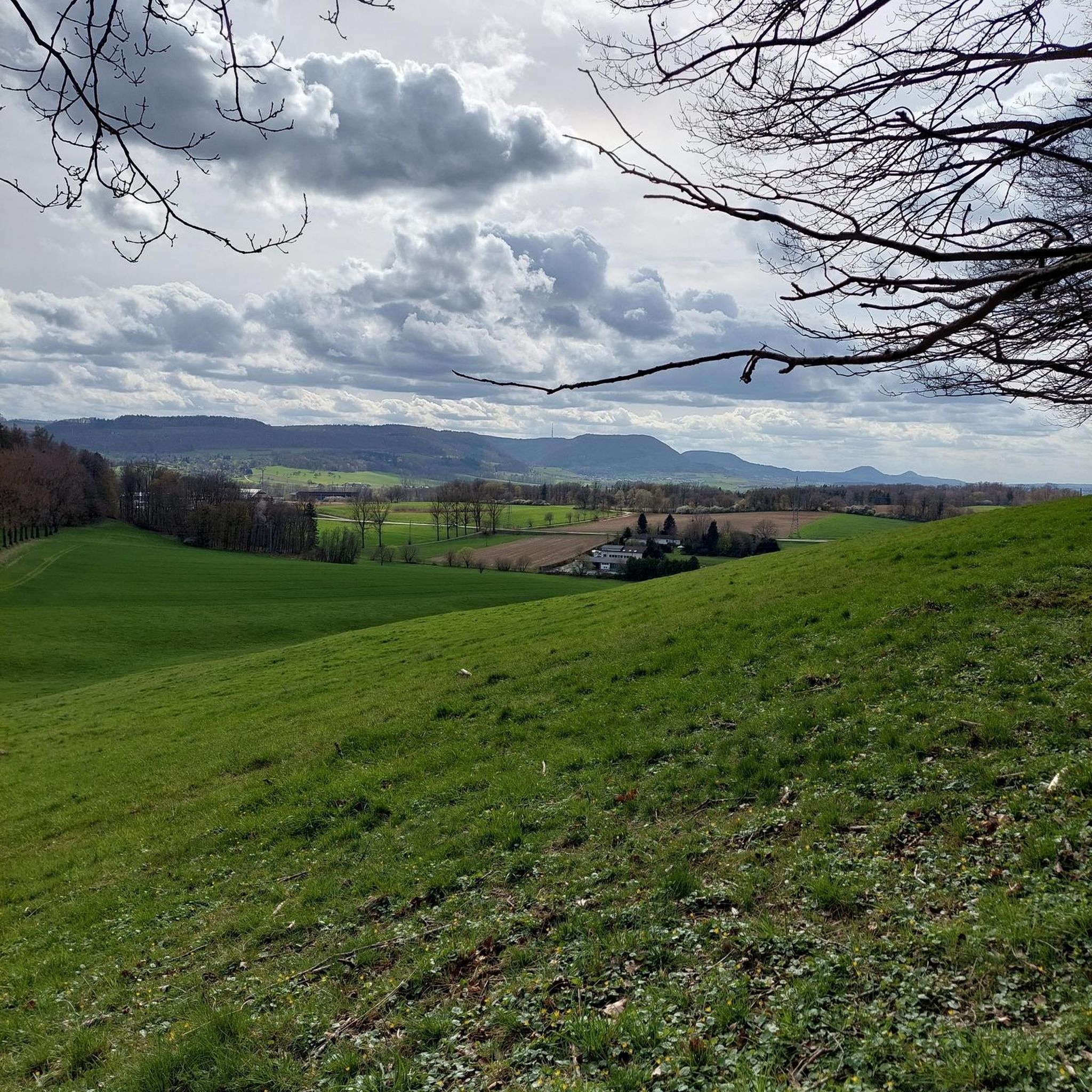
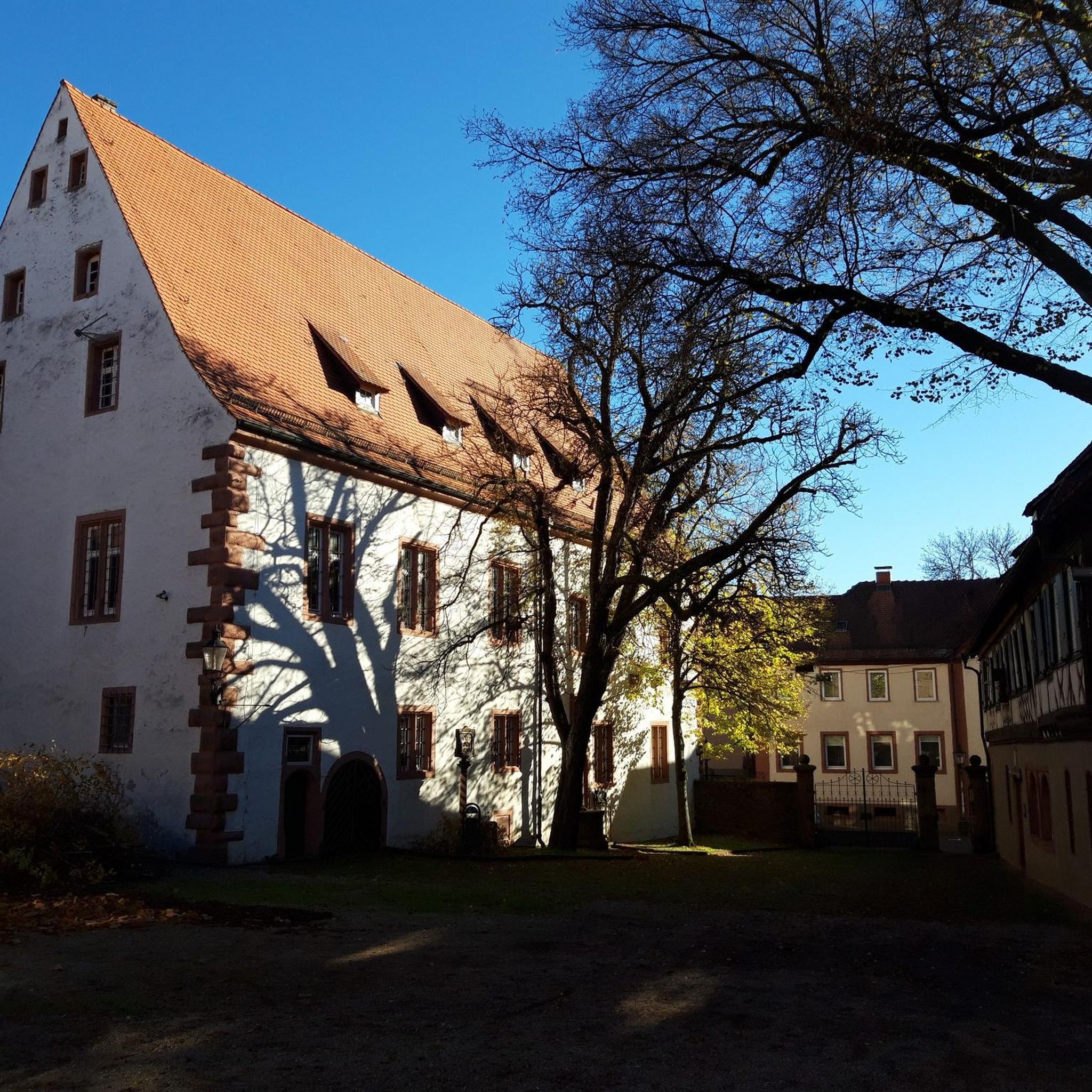

Tips from the Community

This charming seaside town overlooks the Mourne Mountains, whose silhouette rises along the coast of Northern Ireland. Carlingford is very lively at weekends thanks to its many pubs and restaurants, which attract visitors from the north, and is famous for its oysters. The village has several historical sights, such as the small King John's Castle, with its romantic silhouette overlooking the sea, and Taaffe's Castle, a former 16th-century merchant's house located a little further from the quay.
6
0
The Tholsel is undoubtedly one of the most unique structures in the heart of Carlingford. This medieval city gate, originally built in the 15th century, is the only remaining gate from the original town wall and served for centuries as the ceremonial and administrative entrance to the town.
6
1
Above the medieval street pattern, which dominates the silhouette of Carlingford, stands the imposing ruin of Carlingford Castle, also known as King John’s Castle. This castle was built around 1190 by the Norman knight Hugh de Lacy and was for centuries the strategic key to the entrance of Carlingford Lough.
5
1
Small, elevated Calvary hill on the edge of Omeath, with a short path leading up to a series of white crosses on an open grassy plateau. The spot offers a quiet moment above the village, with clear views towards Carlingford Lough and the surrounding hills.
6
0
Taaffe's Castle is a fortified merchant's house dating from the early 16th century, built by the wealthy Taaffe family, who later became the Earls of Carlingford. Situated near the old harbour, the building originally served as a trading post on the ground floor with residential floors above. The architecture displays typical defensive features such as machicolations, narrow loopholes, spiral staircases, and multi-level garderobes. [curiousireland.ie], [castles.nl], [carlingfor...centre.com] The main structure is a four-storey rectangular tower, later extended with a 16th-century northern extension. Its location and construction clearly demonstrate Carlingford's importance as a thriving trading town during that period. After the 17th century, it fell into disuse, and eventually fell into disuse. Today, it forms part of a pub complex and remains a striking example of medieval urban defensive architecture in Carlingford.
6
1

Added to the collection: komoot.com/de-de/collection/3600632/-naturdenkmaeler-besondere-baeume-und-weitere-schaetze-der-natur
0
0

Carlingford Castle, also known as King John’s Castle, is a striking 12th-century fortress overlooking the charming medieval town of Carlingford and its scenic harbour. Built by Hugh de Lacy to guard the strategic Lough, the castle has a commanding presence with its weathered stone walls and rugged silhouette against the water. Though partially in ruins, it still captures the atmosphere of Ireland’s Norman past, and its elevated position offers sweeping views of the surrounding mountains and coastline.
2
2

This forest of around five hectares consists of a mixture of scrubland, Douglas fir and spruce. The well-maintained paths lead you through dense forest and offer striking views of the surrounding countryside, including the villages of Attical and Slieemageogh. However, some sections are slippery in wet weather, so care must be taken. A particular highlight is the proximity to Banns Road, a historic path that takes you further into the Mourne Mountains.
1
0
Frequently Asked Questions
How many touring cycling routes are available around Ballyedmond?
There are over 50 touring cycling routes around Ballyedmond, offering a wide range of options for different skill levels and preferences. These routes navigate through diverse landscapes, including the Mourne Mountains and Carlingford Lough.
Are there touring cycling routes suitable for beginners or families in Ballyedmond?
Yes, Ballyedmond offers several routes suitable for beginners and families. There are 8 easy routes and 23 moderate routes. While specific family-friendly routes are not detailed, areas like Kilbroney Park provide a versatile environment with facilities that can accommodate a more relaxed cycling experience, though some trails within the park can be challenging.
What kind of terrain can I expect on touring cycling routes in Ballyedmond?
The terrain around Ballyedmond is highly varied. You can expect routes that traverse dense forests, open hills, and coastal paths along Carlingford Lough. The region is part of the Mourne Area of Outstanding Natural Beauty, meaning many routes feature significant elevation changes, offering both challenging ascents and scenic descents.
Are there any circular touring cycling routes in the Ballyedmond area?
Yes, many touring cycling routes in Ballyedmond are designed as loops. For example, the Kilbroney Park – Rostrevor Forest loop from Killowen is a popular circular route, as is the longer Crocknafeola Wood – Kilbroney Park loop from Rostrevor. These circular routes allow you to start and finish in the same location, often passing through varied scenery.
What are some notable natural landmarks or attractions I can see while cycling?
While cycling around Ballyedmond, you can encounter several significant natural landmarks. The iconic Cloughmore Stone, a massive erratic boulder with panoramic views of Carlingford Lough, is a memorable sight. You'll also enjoy views of the majestic Mourne Mountains and the picturesque Carlingford Lough itself. For those seeking a challenge, the Slieve Foye Summit offers breathtaking vistas.
Are there any historical or cultural points of interest along the touring cycling routes?
Yes, the historic village of Carlingford, situated on Carlingford Lough, is a significant cultural point of interest. It features attractions such as King John's Castle (in ruins), a Dominican monastery, and the Tower House. Cycling routes like The Calvary of Omeath – View of Carlingford Lough loop from Carlingford can take you through this scenic area.
What facilities are available at Kilbroney Park for cyclists?
Kilbroney Park is a well-equipped hub for outdoor activities. It offers a visitor center, a cafe, and parking facilities. The park also features riverside walks, an arboretum, and forest paths, making it a convenient stop for cyclists looking for amenities or a break.
What do other touring cyclists say about the routes in Ballyedmond?
The touring cycling routes in Ballyedmond are highly regarded by the komoot community, holding an average rating of 4.3 stars from over 10 reviews. Cyclists often praise the diverse terrain, the stunning views of the Mourne Mountains and Carlingford Lough, and the variety of routes available for different skill levels.
Is public transport an option for accessing touring cycling routes in Ballyedmond?
While specific public transport links directly to trailheads are not detailed, Ballyedmond and nearby towns like Rostrevor are generally accessible by local bus services. It is advisable to check local transport schedules and policies regarding bicycles before planning your trip.
Are there options for advanced touring cyclists seeking a challenge?
Absolutely. Ballyedmond offers a significant number of challenging routes, with 24 classified as difficult. These routes often feature substantial elevation gains and cover longer distances, such as the Crocknafeola Wood – Kilbroney Park loop from Rostrevor, which spans nearly 57 km with considerable climbing, providing a rewarding experience for experienced touring cyclists.
What is the best time of year to go touring cycling in Ballyedmond?
The region's natural beauty can be enjoyed year-round, but spring and summer typically offer the most favorable weather conditions for touring cycling, with milder temperatures and longer daylight hours. Autumn also provides stunning scenery with changing foliage. It's always a good idea to check the local weather forecast before heading out, as conditions in mountainous areas can change rapidly.
Most popular attractions around Ballyedmond

Get inspired with the komoot mobile app


Explore more
Browse the best Cycling routes in other regions.
