Attractions and Places To See around Drumaness - Top 18
Best attractions and places to see around Drumaness include a blend of natural beauty, historical sites, and remnants of its mill heritage. The village developed around a spinning mill on the River Cumber, with its industrial past still visible in the architecture and millpond. The wider County Down area offers natural features like forests and significant peaks. Visitors can explore a variety of landscapes and historical landmarks.
Best attractions and places to see around Drumaness
- The most popular attractions is Slieve Croob Summit, a viewpoint and natural monument that stands at 534m, offering expansive views across County Down and towards the Mourne mountain range. It is the highest peak of the Dromara Hills.
- Another must-see spot is Clough Castle Ruins, a historical site featuring a 12th-century Anglo-Norman motte and bailey castle. Visitors can explore the ruins and appreciate its strategic position overlooking historical routes.
- Visitors also love Dundrum Castle, a historical site located on a hilltop near Dundrum village. This 13th-century castle provides panoramic views across Dundrum, the Carrigs Estuary, and the Mourne Mountains.
- Drumaness is known for its historical sites, natural viewpoints, and woodland trails. The area offers a variety of attractions, from ancient castles to scenic summits and forest reserves.
- The attractions around Drumaness are appreciated by the komoot community, with more than 10 photos and 15 upvotes.
Last updated: June 24, 2026
Slieve Croob Summit
Highlight • Viewpoint
Tip by

Finnis Road
Highlight • Climb
Tip by

Sign up now to discover places like this
Get recommendations on the best single tracks, peaks, & plenty of other exciting outdoor places.
Sign up for free
Bannanstown Road Climb
Highlight • Trail
Tip by
Clough Castle Ruins
Highlight • Castle
When you climb the motte you realise what an important position the castle is in, over looking the routes east to Downpatrick, south to Dundrum and north to Belfast Lough. The views from the top of the motte west to Slieve Croob are particularly fine.
Tip by

Dundrum Castle
Highlight • Historical Site
Tip by
Sign up for free to discover even more attractions around Drumaness.
Sign up for free
Already have an account?
Start today with a free account
Your next adventure awaits.
Login or Signup
Tips from the Community

This historic 12th century building is a typical example of an Anglo-Norman motte with a kidney-shaped bailey. The 7.6m high mound, which once housed a wooden tower, was later replaced by a stone tower house, the ruins of which can still be seen today. Access is via Clough's main road; there is a small car park, but it is not always well signposted. Access is usually permitted. The surrounding countryside, with views of the Mourne Mountains, offers a tranquil atmosphere that invites you to linger.
1
0


The motte and bailey dates to c.1200 and is an excellent example of an Anglo-Norman earthwork castle. The taller mound, the motte, was built of earth to provide a look-out position and the central defence. Excavations at the top of the motte during the 1950s uncovered a wooden palisade which originally extended around the summit. When you climb the motte you realise what an important position the castle is in, over looking the routes east to Downpatrick, south to Dundrum and north to Belfast Lough. The views from the top of the motte west to Slieve Croob are particularly fine.
1
0

The beautiful Dundrum Castle is located on a hilltop near Dundrum village. Its elevated position provides fantastic panoramic views across Dundrum, the Carrigs Estuary, the Mourne Mountain range and out to the Irish Sea. The castle itself was constructed by John de Courcy at the beginning of the 13th century. It's a fine example of a historic medieval castle of its time.
2
0
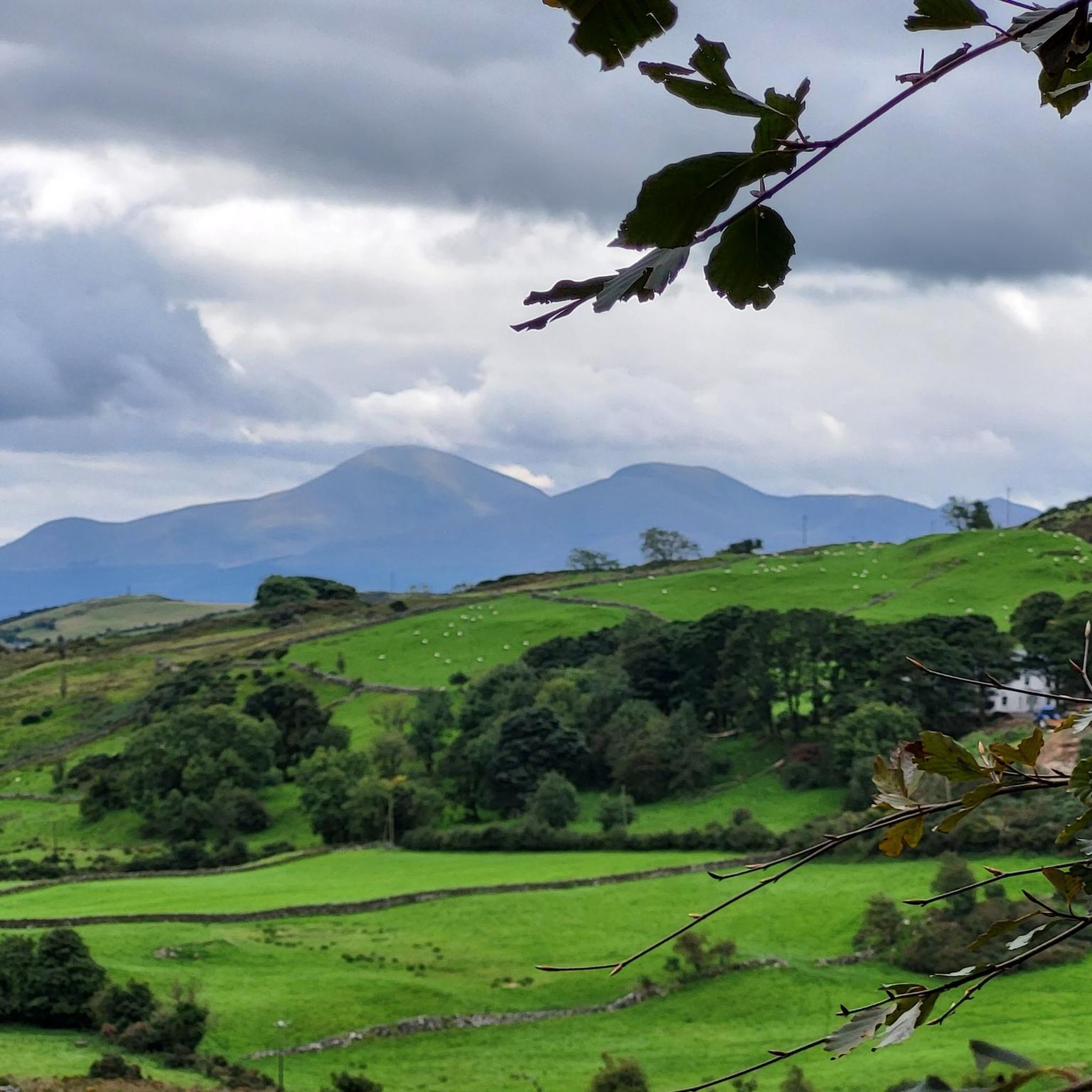
Slieve Croob stands at 534m and is the highest peak of the Dromara Hills, situated just north of the Mourne Mountains. From the summit, you can enjoy expansive views across County Down and toward the Mourne mountain range, a designated Area of Natural Beauty.
2
0

what a great day spent up slieve croob weather was fabulous.. handy enuff on a nice path even saw a few cyclists 👍
0
1

Tough climb to the summit, try and go on a clear day to get the best veiws.
1
0

One for the climbers this, nice long climb through woods and opens out at the top with great views across County Down
1
0
Frequently Asked Questions
What natural features and viewpoints can I explore around Drumaness?
The area around Drumaness is rich in natural beauty. You can visit Slieve Croob Summit, the highest peak of the Dromara Hills, offering expansive views across County Down and towards the Mourne Mountains. Another option is Bohill Forest Nature Reserve, known for its coniferous forest and as a habitat for the rare holly blue butterfly, red deer, and various woodland birds. Tievenadarragh Wood also provides 6km of waymarked trails with panoramic views of the countryside.
Are there historical sites to visit near Drumaness?
Yes, Drumaness and its surroundings boast significant historical sites. Explore Clough Castle Ruins, an excellent example of a 12th-century Anglo-Norman motte and bailey castle. Another must-see is Dundrum Castle, a 13th-century castle offering panoramic views over Dundrum, the Carrigs Estuary, and the Mourne Mountains. The village of Drumaness itself retains its mill heritage, with the Dan Rice Memorial Hall and the visible architecture of its former spinning mill.
What kind of hiking trails are available near Drumaness?
You'll find a variety of hiking trails around Drumaness. For easy walks, consider routes like those in Drumkeeragh Forest or the Dundrum Coastal Path. More challenging options include the climb to Slieve Croob Summit, which offers rewarding views. Tievenadarragh Wood also features 6km of waymarked trails suitable for exploring the forest. You can find more details on specific routes in the Hiking around Drumaness guide.
Are there any family-friendly attractions in the Drumaness area?
Yes, families can enjoy several attractions. Clough Castle Ruins is considered family-friendly, offering an engaging historical experience. Nature reserves like Bohill Forest and Tievenadarragh Wood provide opportunities for walks and exploring the outdoors, which can be enjoyable for all ages.
Where can I go road cycling near Drumaness?
The Drumaness area offers several road cycling routes. You can embark on longer rides like the Strangford Ferry Terminal loop or the Daft Eddy's Coffee Shop loop. There are also easier options such as the Picnic Café – Down Cathedral loop. For detailed routes and difficulty levels, refer to the Road Cycling Routes around Drumaness guide.
What is the significance of Drumaness's mill heritage?
Drumaness developed around a spinning mill established on the banks of the River Cumber in 1850, which was the village's main employer until 1968. The legacy of this industrial past is still visible in the village's architecture, including listed terraces of mill buildings, alleyways, courtyards, and a distinctive millpond. The Dan Rice Memorial Hall, a listed building, now serves as a community hub, reflecting this history.
Can I bring my dog to attractions near Drumaness?
Yes, Clough Castle Ruins is noted as dog-friendly. Many of the natural areas and trails, such as those in Bohill Forest and Tievenadarragh Wood, are generally suitable for dog walking, but it's always advisable to keep dogs on a lead and check for any specific local restrictions.
What are the views like from <a href="https://www.komoot.com/highlight/1279695" target="_blank" rel="noopener">Slieve Croob Summit</a>?
From Slieve Croob Summit, which stands at 534m, you can enjoy expansive panoramic views across County Down and towards the majestic Mourne mountain range, a designated Area of Natural Beauty. Visitors often describe the views as stunning, especially on a clear day.
Are there any easy walks or trails suitable for beginners near Drumaness?
Yes, there are several easy walks. The Easy hikes around Drumaness guide lists options like the Drumkeeragh Forest loops and the Dundrum Coastal Path, which are generally considered easy and suitable for those looking for a less strenuous outdoor experience.
What is Bohill Forest Nature Reserve known for?
Bohill Forest Nature Reserve is a small coniferous forest managed by Forest Service Northern Ireland. It is particularly notable for protecting the habitat of the rare holly blue butterfly. The forest features a mix of deciduous and coniferous trees, including holly, oak, birch, rowan, and hazel, and is home to red deer and various woodland birds.
What do visitors enjoy most about the attractions around Drumaness?
Visitors appreciate the blend of historical sites, natural viewpoints, and woodland trails. The area offers a variety of experiences, from exploring ancient castles like Clough Castle Ruins and Dundrum Castle, to enjoying the scenic beauty and challenging climbs of Slieve Croob Summit. The stunning views and the tranquil atmosphere of the countryside are frequently highlighted.
Can I find cafes or pubs in Drumaness village?
While specific establishments are not detailed in the provided information, Drumaness is a local community with a strong village spirit. It's reasonable to expect local amenities such as cafes or pubs within the village or nearby, catering to residents and visitors.
Most popular routes around Drumaness
Most popular attractions around Drumaness

Get inspired with the komoot mobile app


Explore more
Still not found the Highlight you’re looking for? See guides of the top attractions in other regions:
