Attractions and Places To See around Ballyrolly - Top 7
Best attractions and places to see around Ballyrolly include sites of historical and cultural significance. Located near Millisle in County Down, Northern Ireland, Ballyrolly is notable for its role as a "Safe Haven" during and after World War II. The area features landmarks connected to this period, alongside other historical sites and natural viewpoints. Visitors can explore a range of attractions that reflect the region's heritage and landscape.
Best attractions and places to see around Ballyrolly
- The most popular attractions is Ballycopeland Windmill, a man-made monument that is the only remaining working windmill in East Down. It was built in the late 18th or early 19th century and was restored to full working order between 1950 and 1978.
- Another must-see spot is Donaghadee Lighthouse, a viewpoint and historical site. From Donaghadee, visitors can see across the Irish Sea, with views towards Scotland on clear days.
- Visitors also love Grey Abbey Ruins, a religious building and historical site. These are the ruins of a 12th-century Cistercian monastery, considered one of the best examples of Anglo-Norman Cistercian architecture in Ulster.
- Ballyrolly is known for its historical sites, man-made monuments, and cultural landmarks. The area offers a variety of attractions to see and explore, including those related to its "Safe Haven" history.
- The attractions around Ballyrolly are appreciated by the komoot community, with 14 photos and 42 upvotes.
Last updated: May 20, 2026
Ballycopeland Windmill
Highlight • Monument
Tip by

Donaghadee Lighthouse
Highlight • Viewpoint
Tip by

Sign up now to discover places like this
Get recommendations on the best single tracks, peaks, & plenty of other exciting outdoor places.
Sign up for free
Grey Abbey Ruins
Highlight • Religious Site
Tip by
Mount Stewart House
Highlight • Historical Site
Translated by Google •
Tip by

Carrowdore Castle Gate
Highlight • Other
Tip by

Sign up for free to discover even more attractions around Ballyrolly.
Sign up for free
Already have an account?
Start today with a free account
Your next adventure awaits.
Login or Signup

Tips from the Community

Carrowdore Castle Gate is one of the original 19th-century entrance lodges to the Carrowdore Castle estate in County Down. Built in a Gothic style, it features a castellated parapet and turret-like details that echo the look of the main house. Today it stands as one of the most distinctive remnants of the castle complex, marking the historic gateway to the estate.
1
0

Both the park and the Mount Stewart House itself are outstanding attractions.
2
0

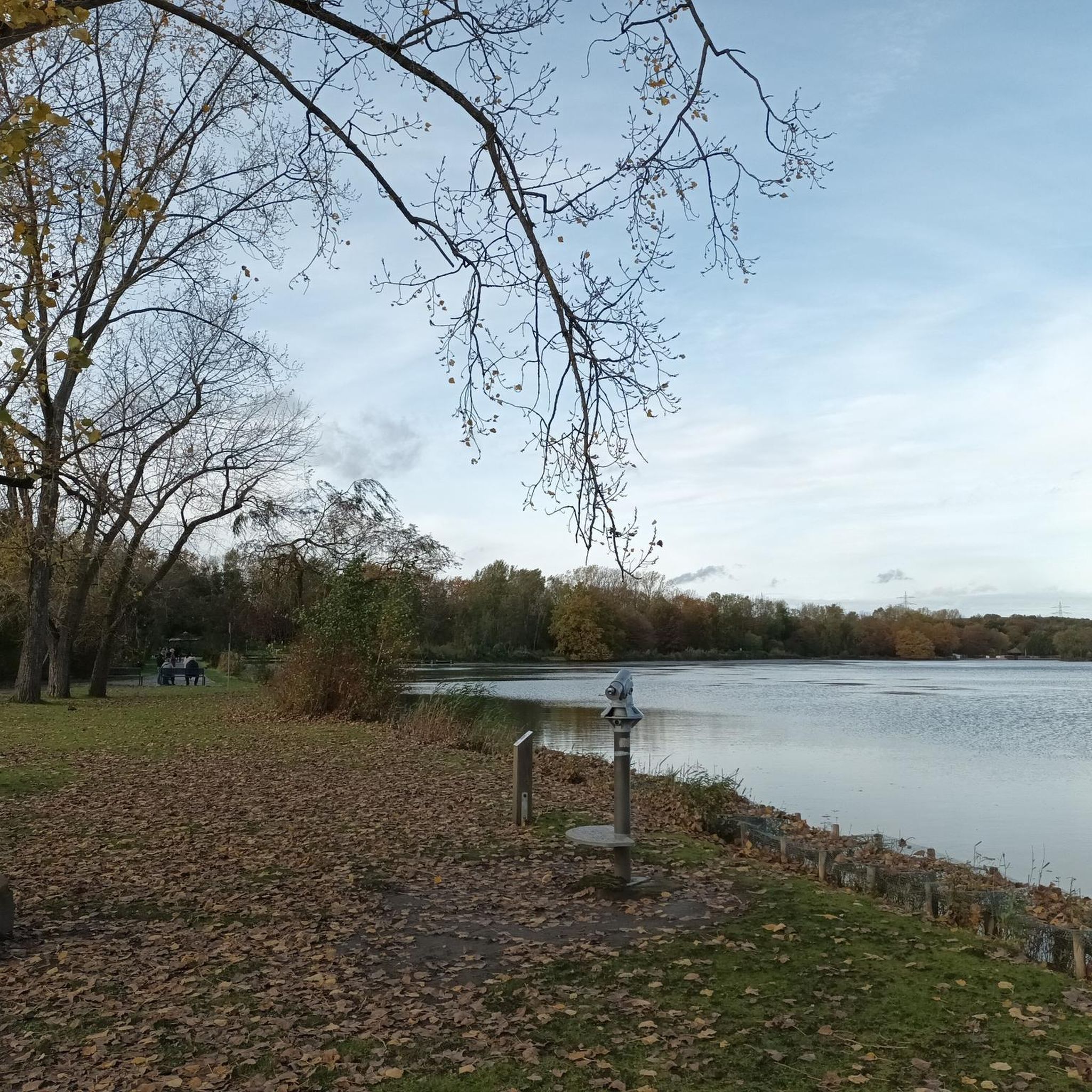
From Donaghadee visitors can enjoy spectacular views across the Irish Sea, where on a clear day you can see all the way to Scotland, only 20 miles away by sea. It was the province’s principle port before Belfast developed. The Harbour was built in 1820's to the design of John Rennie and is part built of limestone from Wales known as "Anglesea marble". On the harbour is Donaghadee's impressive lighthouse, which was built in 1836 and was the first lighthouse in Ireland to be lit by electricity. Sit and rest in the harbour with a bag of chips from Rainy's on the High Street ( on the hill as you roll in to town from Millisle ) Best fryers in the town. Perfect recovery after a long cycle, Irelands oldest Pub - Grace Neills, is only around the corner.
0
0
The house was built in 1818, set in parkland with shelter from woodland trees. There are fine exotic trees and cultivated ornamental gardens sloping gently to a lake. The interior is still largely intact, though some rooms to the rear of the house have been altered in recent times The three-storey tower to the south has a Jacobean-Gothic feel and appears to be largely intact; whilst the similar (but much smaller) three-storey gazebo to the east of the house is now in a ruinous condition. About 1992 a new residence was built a short distance from the original castle. Carrowdore Castle estate is now in private residence.
0
0
Ballycopeland Windmill is the only remaining working windmill in East Down. It was built in the late 18th or early 19th century and was worked until the First World War when it fell into disrepair. It was gradually restored between 1950 and 1978 to full working order.
0
0
Just down the road is the old 'Carrowdore 100' motor bike circuit. Now very popular with cyclists, the route plays host to the Carrowdore road bike race. 5.3 odd miles circuit that starts on Main Street - near the petrol station in the centre of Carrowdore. ( I will put a map of it up soon )
0
0
Lovely place to rest. There are tables arranged outside to the right of the Abbey. Grab some supplies from the shop just up the road in the village, and enjoy the atmosphere. The Abbey is open 24 / 7. Grey Abbey is one of the best examples of Anglo-Norman Cistercian architecture in Ulster, and was the daughter house of Holm Cultram (Cumbria). It was founded in 1193 by Affreca, wife of John de Courcy, the Anglo-Norman invader of East Ulster. The remains, in the beautiful parkland setting of the nearby grand house of Rosemount, consist of the church with cloister and surrounding buildings to the south.
0
0
A small visitor centre is located inside the Millers house with a Cafe onsite open to the public. Disabled access is not possible within the windmill. This is a group of traditional buildings on a sloping site with changes of level. Wheelchair users can gain access to the exhibition but may find this difficult. Some parts of the complex are inaccessible for wheelchairs. Please note: Online booking is essential. A limited number of tickets may be available on the day however cannot be guaranteed. Tours of the windmill can now be booked on the official Ballycopeland Windmill website https://www.ballycopelandwindmill.com .
0
0
Frequently Asked Questions
What is the historical significance of Ballyrolly?
Ballyrolly is historically significant as a "Safe Haven" during and after World War II. Ballyrolly Farm provided sanctuary for an estimated 300 Jewish children and adults fleeing persecution. The area also features the "Safe Haven" Holocaust Memorial Garden at Millisle Primary School, commemorating these humanitarian efforts.
What historical landmarks can I visit around Ballyrolly?
Beyond Ballyrolly's unique "Safe Haven" history, you can explore several historical landmarks. These include the ruins of a 12th-century Cistercian monastery at Grey Abbey Ruins, the only remaining working windmill in East Down at Ballycopeland Windmill, and the impressive Donaghadee Lighthouse, built in 1836.
Are there family-friendly attractions near Ballyrolly?
Yes, several attractions around Ballyrolly are suitable for families. Ballycopeland Windmill offers an educational experience, while Donaghadee Lighthouse provides scenic views and a chance to see boats. The historic Grey Abbey Ruins and Mount Stewart House are also considered family-friendly.
What kind of natural features or viewpoints can I find?
For natural features and viewpoints, Donaghadee Lighthouse offers spectacular views across the Irish Sea, with Scotland visible on clear days. The surrounding coastal areas provide opportunities to enjoy the natural landscape of County Down.
What outdoor activities are available near Ballyrolly's attractions?
The area around Ballyrolly offers various outdoor activities. You can find numerous running trails, including routes like the "View of the Sea at Donaghadee loop," which you can explore further on the Running Trails around Ballyrolly guide. For hiking, consider routes such as the "Boundary Walk, Mount Stewart" or loops around Donaghadee Lighthouse, detailed in the Hiking around Ballyrolly guide.
Are there cycling routes in the Ballyrolly area?
Yes, road cycling is popular in the Ballyrolly area. You can find routes like "Views at Strickies – Ballycopeland Windmill loop" or longer rides such as "Ballywalter Beach – Grey Abbey Ruins loop." More options are available in the Road Cycling Routes around Ballyrolly guide.
What do visitors enjoy most about the attractions around Ballyrolly?
Visitors particularly enjoy the historical depth and scenic beauty. For instance, Ballycopeland Windmill is appreciated as the only working windmill in East Down, offering a unique glimpse into history. The views from Donaghadee Lighthouse across the Irish Sea are also a highlight, and the tranquil setting of Grey Abbey Ruins is valued for its historical atmosphere.
Can I visit Ballyrolly Farm or Ballyrolly House?
While the original stone Ballyrolly House and its outbuildings remain, the site is primarily a historical landmark. The temporary dormitories from its "Safe Haven" period are no longer present. For more information on its historical significance, you can refer to local heritage resources.
Is <a href="https://www.komoot.com/highlight/424009" target="_blank" rel="noopener">Ballycopeland Windmill</a> accessible for all visitors?
Access within Ballycopeland Windmill itself is not possible for disabled visitors due to the nature of the historic building. The site has changes in level, and while wheelchair users can access the exhibition, some parts of the complex are inaccessible. Online booking is essential for tours, which can be made via the official Ballycopeland Windmill website.
Where can I find information about the Carrowdore Castle estate?
The Carrowdore Castle Gate is one of the original 19th-century entrance lodges to the Carrowdore Castle estate. The estate itself is now in private residence, but the gate remains a distinctive historical remnant. The area is also popular with cyclists, featuring the Carrowdore road bike race circuit.
Are there any religious or spiritual sites to visit?
Yes, the Grey Abbey Ruins are the remains of a 12th-century Cistercian monastery, offering a significant historical and spiritual experience. It's considered one of the best examples of Anglo-Norman Cistercian architecture in Ulster and is open 24/7, with a small visitor's centre open on weekends.
What is <a href="https://www.komoot.com/highlight/4265450" target="_blank" rel="noopener">Mount Stewart House</a> known for?
Mount Stewart House is known for its outstanding architecture, including the 18th-century Temple of the Winds, and its important art collection. Both the house and its surrounding park are considered significant attractions in the area.
Most popular routes around Ballyrolly

Get inspired with the komoot mobile app


Explore more
Still not found the Highlight you’re looking for? See guides of the top attractions in other regions:
