The best road cycling routes around Greifensee
4.4
(804)
16,355
riders
256
rides
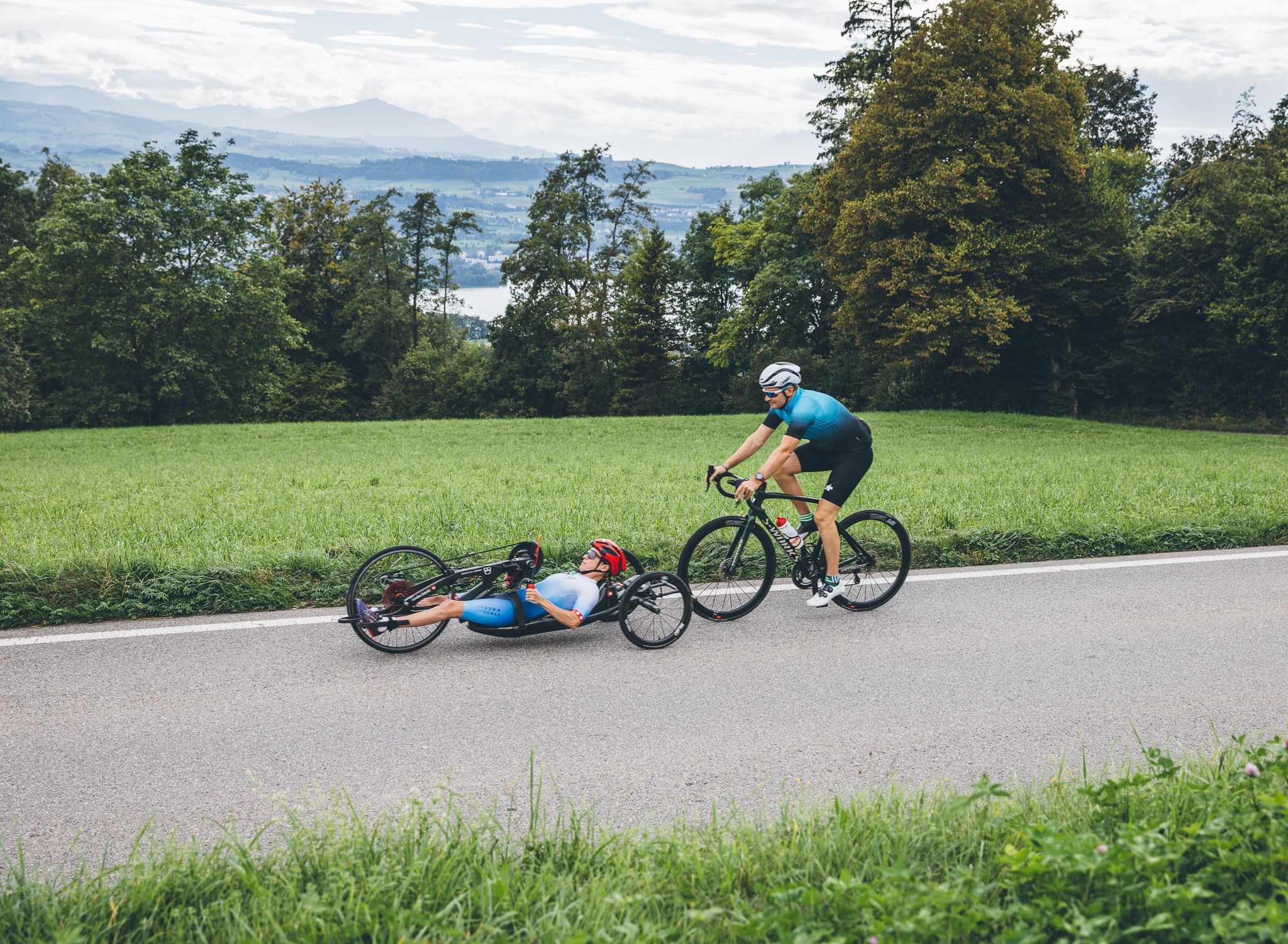
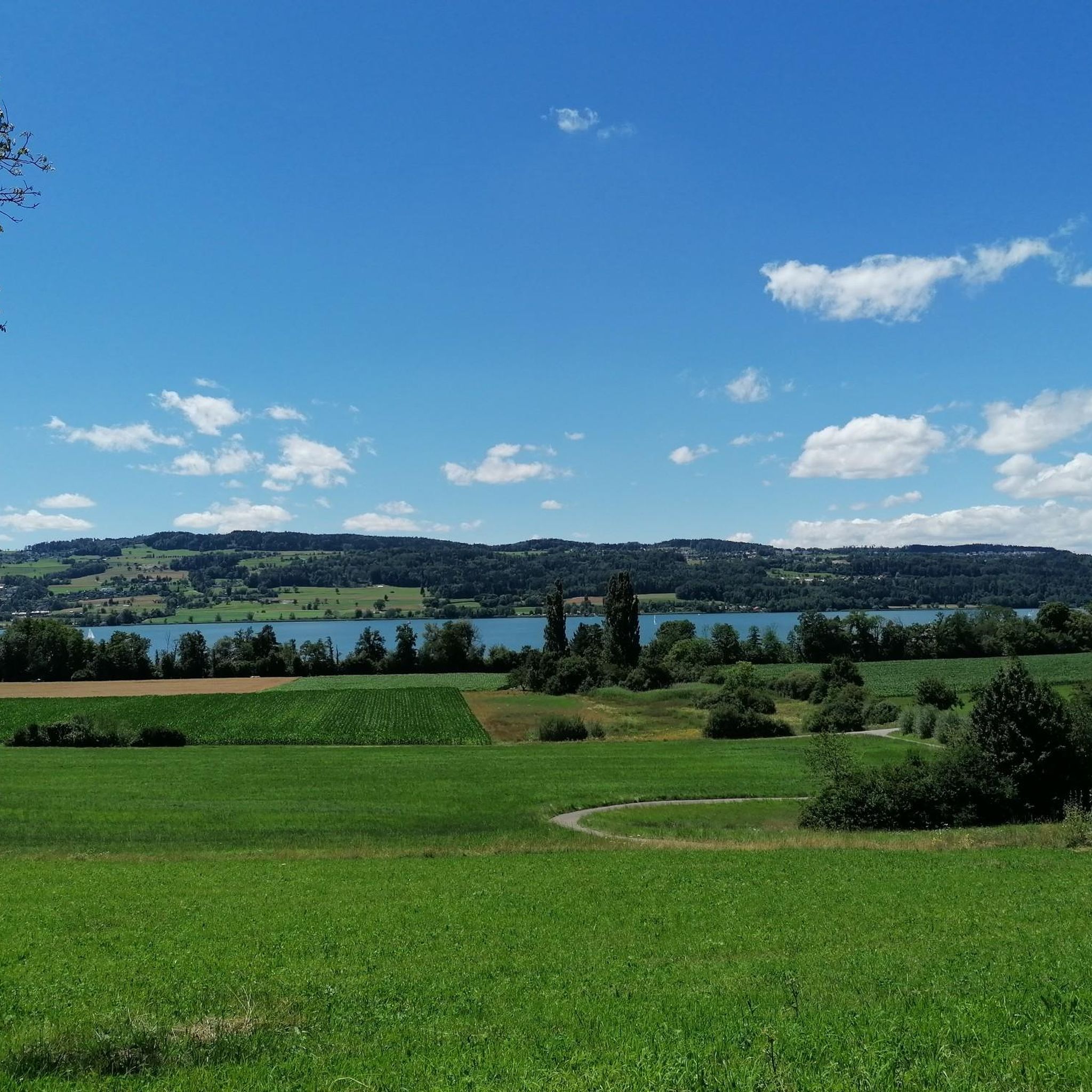
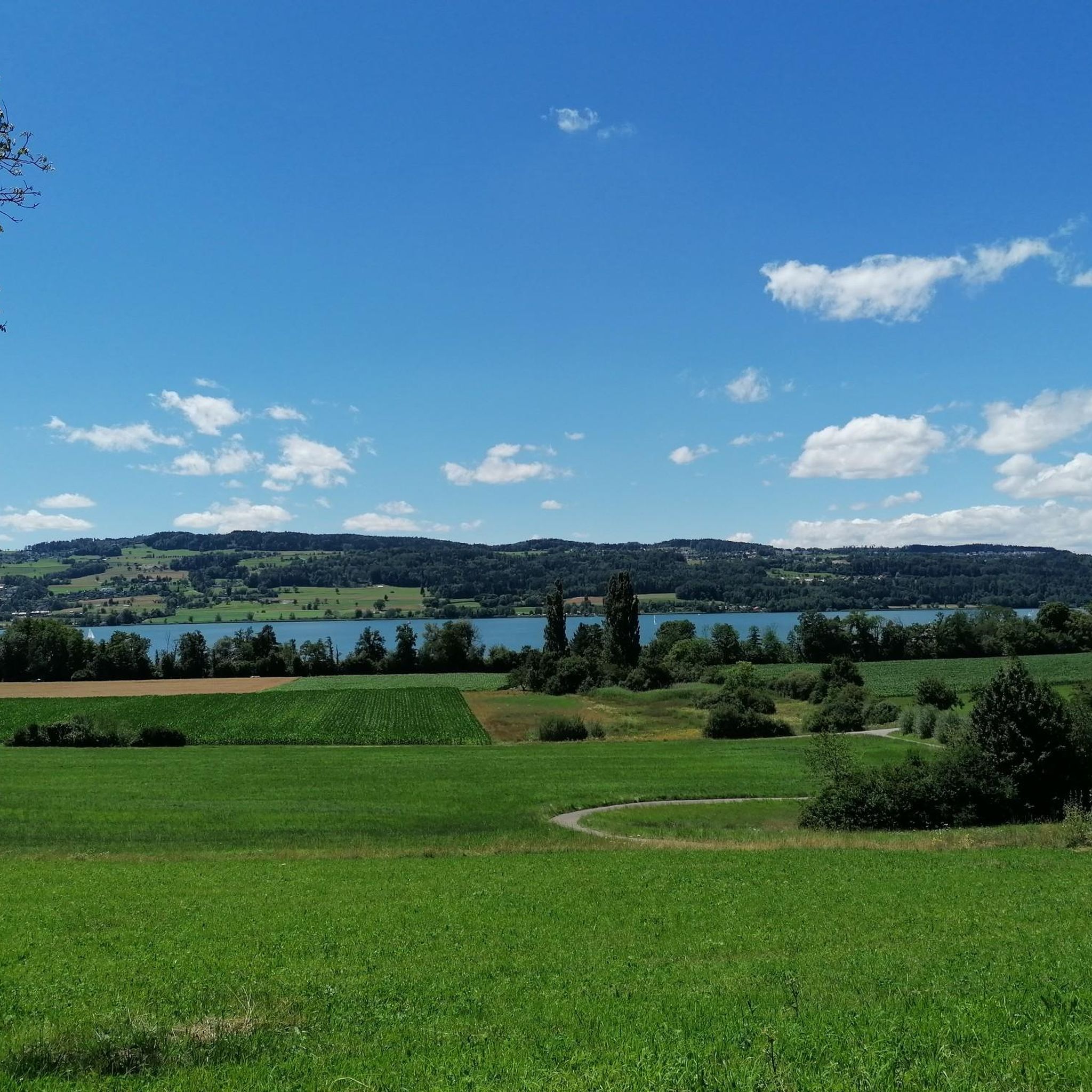
Road cycling around Greifensee is characterized by its protected natural landscape, centered around the whale-shaped lake. The region features green countryside, flat moors, and reed belts, with views of distant mountains including the Alps. Road cycling routes predominantly utilize well-maintained asphalted trails and quieter paths that traverse fields, forests, and small villages. The terrain is mostly flat and accessible, with some routes offering more significant elevation gains.
Best road cycling routes around Greifensee
- The most popular road cycling route is…
Last updated: October 1, 2026
4.5
(41)
445
riders
43.7km
01:47
260m
260m
Easy road ride. Great for any fitness level. Mostly well-paved surfaces and easy to ride.
4.5
(18)
366
riders
47.2km
02:02
410m
410m
Moderate road ride. Good fitness required. Some segments of this route may be unpaved and difficult to ride.

5.0
(1)
55
riders
83.6km
04:13
1,380m
1,380m
Hard road ride. Very good fitness required. Mostly well-paved surfaces and easy to ride.
4.5
(4)
105
riders
Easy road ride. Great for any fitness level. Mostly well-paved surfaces and easy to ride.
5.0
(2)
40
riders
66.4km
03:25
1,130m
1,130m
Hard road ride. Very good fitness required. Some segments of this route may be unpaved and difficult to ride.
Get access to more routes and recommendations from other explorers.
Already have an account?
Our route recommendations are based on thousands of hikes, rides, and runs completed by other people on komoot.
Start today with a free account
Your next adventure awaits.
Other adventures around Greifensee

Tips from the Community

Super route, great landscape
0
0
Wonderfully beautiful road, admittedly a bit steep, but worth the climb
0
0
Incredibly beautiful landscape unbelievably beautiful
0
0
Wonderfully beautiful view towards the mountains
0
0

On Wednesdays, the restaurant Stierenberg is closed. Please also note the bus timetable. It is not very frequent.
0
0

A popular, easily accessible lake that can also be easily circumnavigated.
1
0
Frequently Asked Questions
What is the general terrain like for road cycling around Greifensee?
Road cycling around Greifensee is predominantly flat and accessible, featuring well-maintained asphalted trails and quieter paths through fields, forests, and small villages. While many routes are easy, some do offer more significant elevation gains for those seeking a challenge.
How many road cycling routes are available in the Greifensee region?
There are over 260 road cycling routes around Greifensee documented on komoot, catering to various skill levels. This includes approximately 23 easy routes, 162 moderate routes, and 75 difficult routes.
Are there road cycling routes suitable for beginners or families?
Yes, Greifensee offers several easy routes perfect for beginners or families. A popular choice is the 21.4 km Greifensee circular route, which is mostly paved and takes about an hour and 13 minutes. Another option is the Extended Greifensee-Lützelsee loop, an easy 43.7 km route offering diverse scenery.
What kind of natural features or landmarks can I expect to see along the road cycling routes?
The routes offer stunning views of the 'whale-shaped' Greifensee, which is nestled within a protected nature reserve. You'll encounter green countryside, flat moors, and reed belts, with distant views of the Alps. Points of interest include the historic Greifensee Castle and the Naturstation Silberweide. You might also spot some of the over 120 species of migratory birds that inhabit the area.
Are there challenging road cycling routes for experienced riders?
Absolutely. For experienced riders seeking more elevation, routes like the Sternenberg Viewpoint – Ascent to Sternenberg loop from Schwerzenbach offer a significant challenge. This route covers 83.3 km with substantial elevation gain, typically completed in about 4 hours and 11 minutes.
Can I combine cycling with other activities, such as visiting waterfalls?
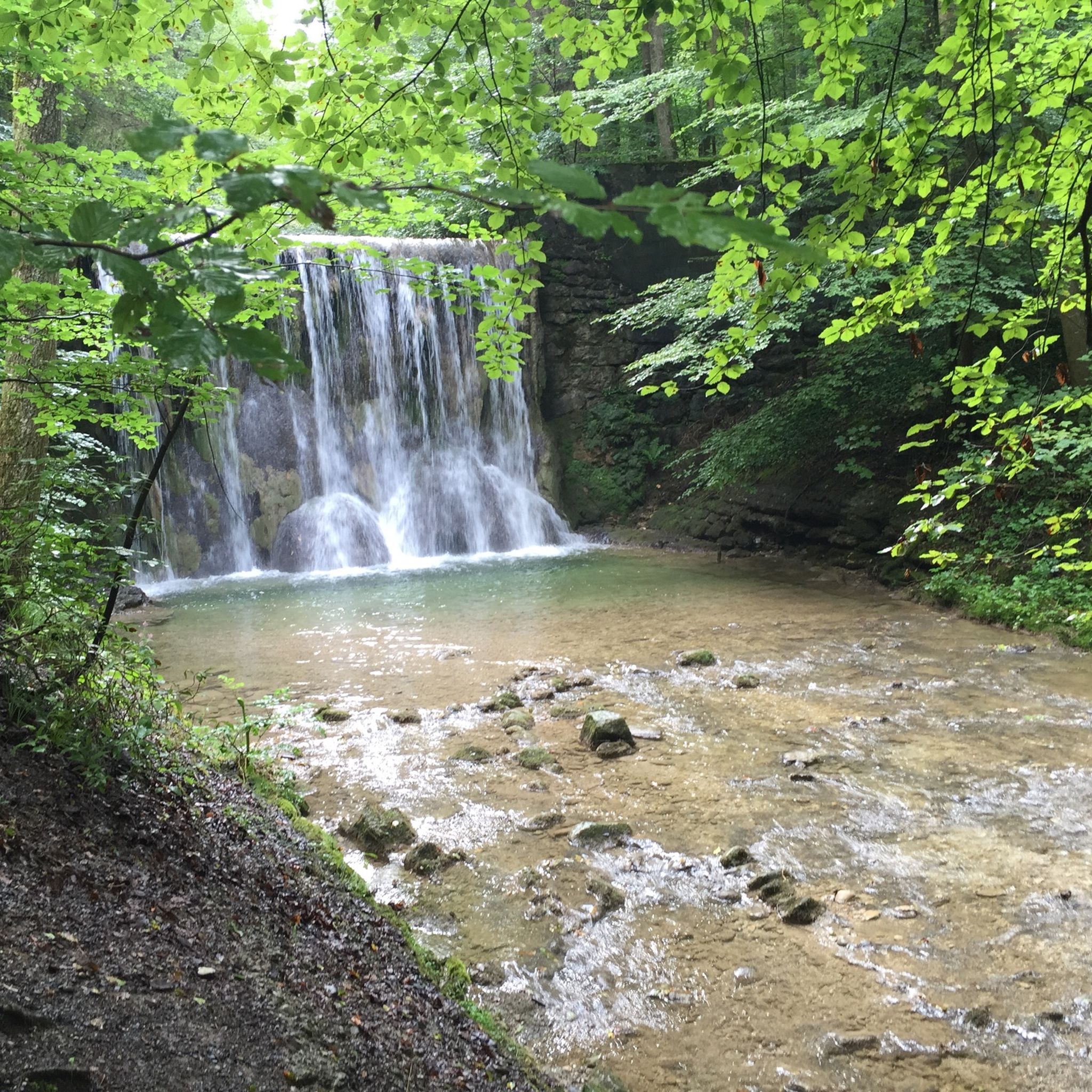
Yes, the Greifensee region is close to several beautiful waterfalls. While cycling, you could plan a stop to visit highlights such as the Küsnacht Gorge Waterfalls or the Meilen Village Stream Waterfall, which are accessible nearby.
What do other cyclists say about road cycling in Greifensee?
The road cycling routes in Greifensee are highly rated by the komoot community, with an average score of 4.5 stars from over 590 reviews. Cyclists often praise the diverse scenery, well-maintained paths, and the beautiful lake and mountain views.
Is there a ferry service on Greifensee that transports bicycles?
Yes, a ferry service operates on Greifensee that can transport bicycles between Maur and Uster. This offers excellent flexibility to customize your rides, allowing you to shorten or vary your route as desired.
What are some other notable road cycling routes in the area?
Beyond the main loop, you can explore routes like the Tösstal loop, a moderate 47.2 km path with varied terrain, or the Old Town Fountain, Pfäffikon – View of the Hinwil Countryside loop from Schwerzenbach, an easy 44.6 km route.
Are there any specific viewpoints along the Greifensee cycle routes?
Many routes offer picturesque views of the lake and distant Alps. The Sternenberg Viewpoint – Ascent to Sternenberg loop from Schwerzenbach specifically highlights a viewpoint, and the largely undeveloped shoreline provides numerous scenic spots for relaxation and enjoying the natural beauty.
Can I find places to eat or stay near the cycling routes?
Yes, the charming town of Uster, located near Greifensee, offers various shops, cafes, and accommodation options. Additionally, there are numerous picnic sites and bathing areas along the lakeshore, perfect for a break during your ride.
Most popular routes around Greifensee
Most popular attractions around Greifensee

Get inspired with the komoot mobile app


Explore more
Browse the best Road cycling routes in other regions.
