Routes

Planner

Features

Updates

App

Login or Signup

Get the App

Login or Signup

Login or Signup

Routes
Places to see
United Kingdom
England
East Of England
Suffolk
St Edmundsbury

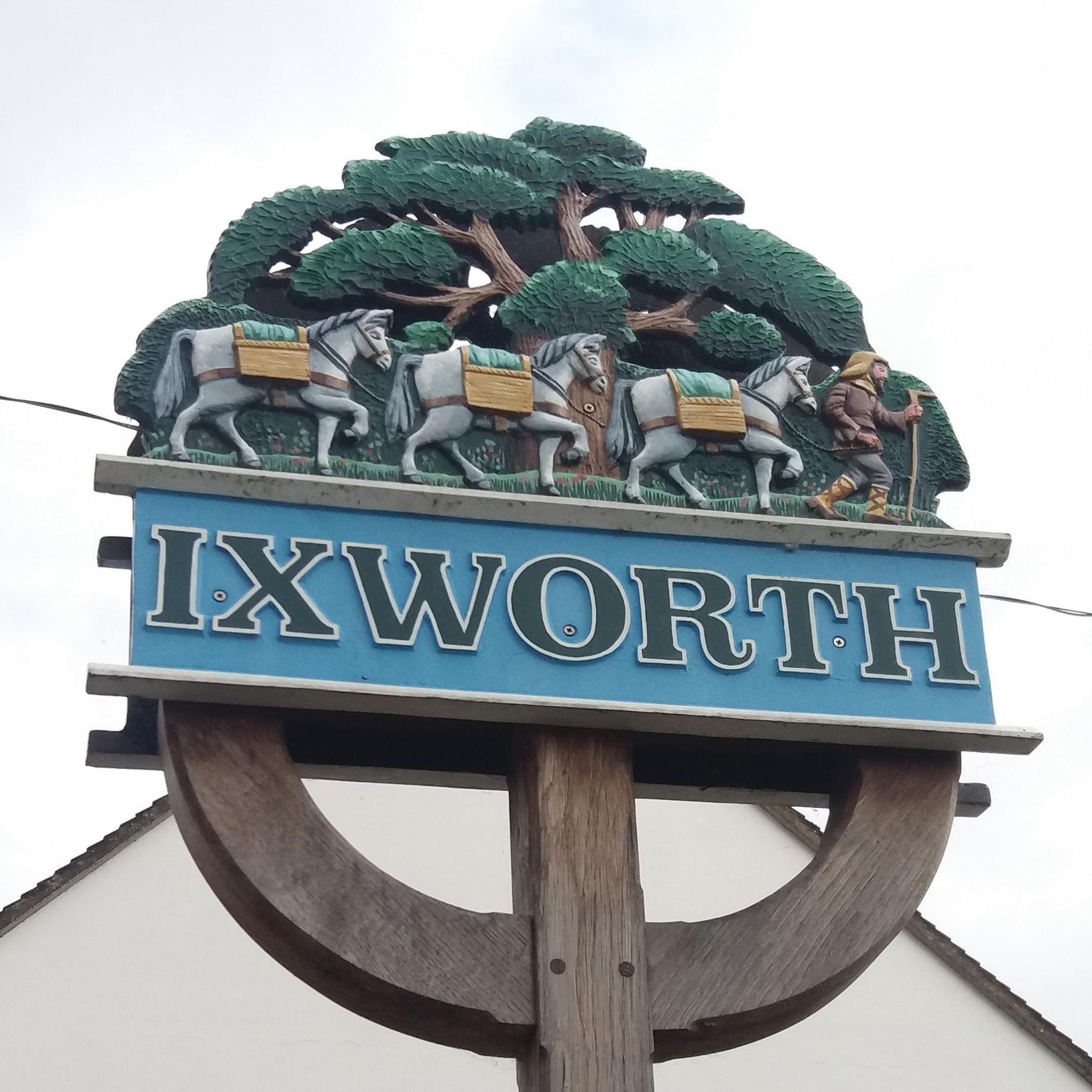
Ixworth

Attractions and Places To See around Ixworth - Top 20

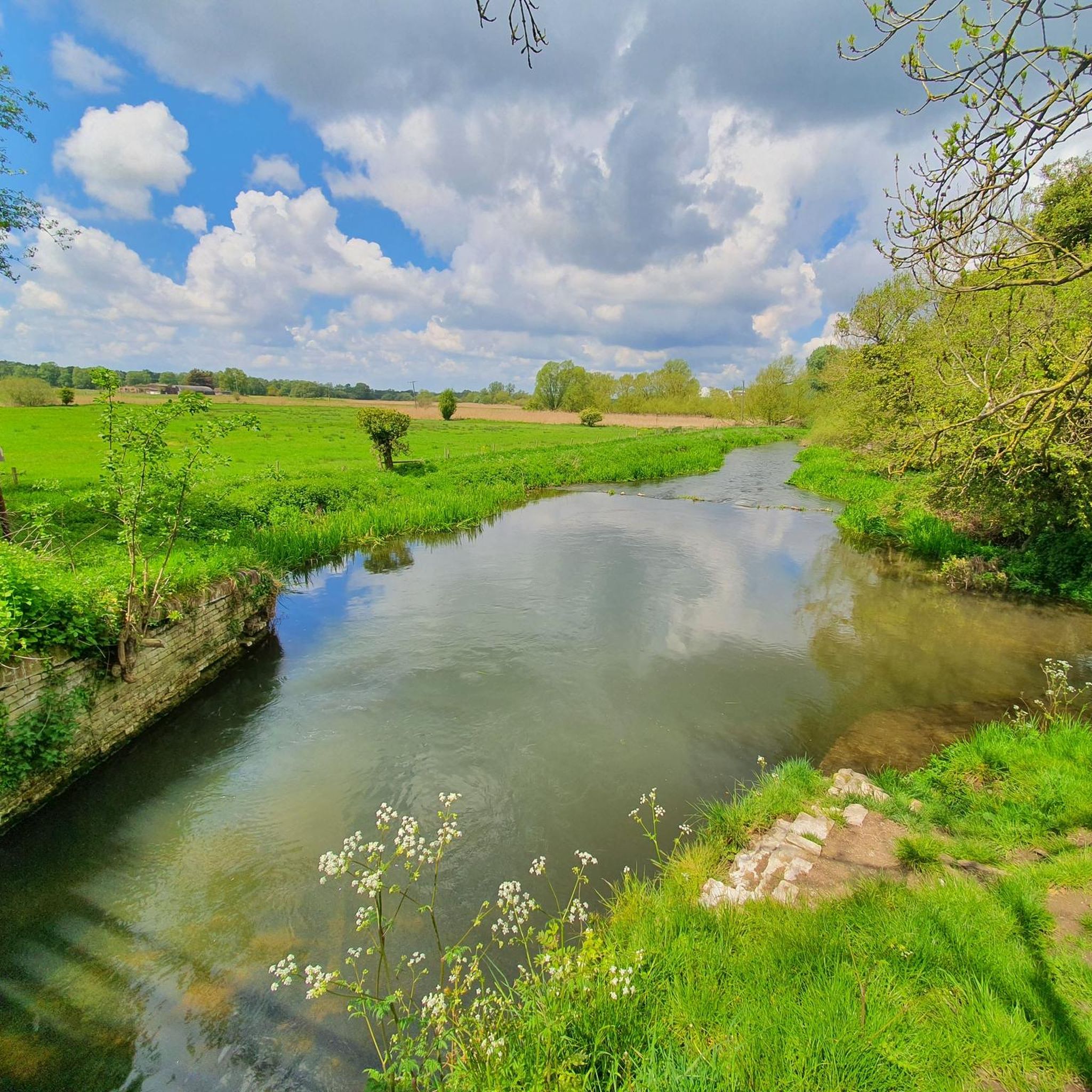
Best attractions and places to see around Ixworth include a blend of historical sites, cultural insights, and access to natural beauty. The village, located in Suffolk, England, features historical architecture along its High Street and significant landmarks like the site of a Roman Fort and Ixworth Priory. The area also provides access to natural features such as the Peddars Way, an ancient Roman road now used as a long-distance trail.

Best attractions and places to see around Ixworth

  • The most popular attractions is St Edmundsbury Cathedral, a religious building that originated in the 11th century and was rebuilt multiple times before becoming a cathedral in 1914. It has been considerably enlarged in recent decades.
  • Another must-see spot is Gravel Track by Livermere Lake, a trail offering diverse terrains and forest sections near Livermere Lake. This trail provides opportunities to explore the local landscape.
  • Visitors also love Peddars Way Trail, an ancient Roman road, now a long-distance hiking and cycling trail. It runs for 48 miles from near Thetford to the North Norfolk coast, offering opportunities to explore wildlife and history.
  • Ixworth is known for its historical sites, religious buildings, and walking trails. Visitors can explore a variety of attractions, from ancient Roman history to medieval churches and scenic routes.
  • The attractions around Ixworth are appreciated by the komoot community, with 97 upvotes and 48 photos shared across the highlights.

Last updated: May 4, 2026

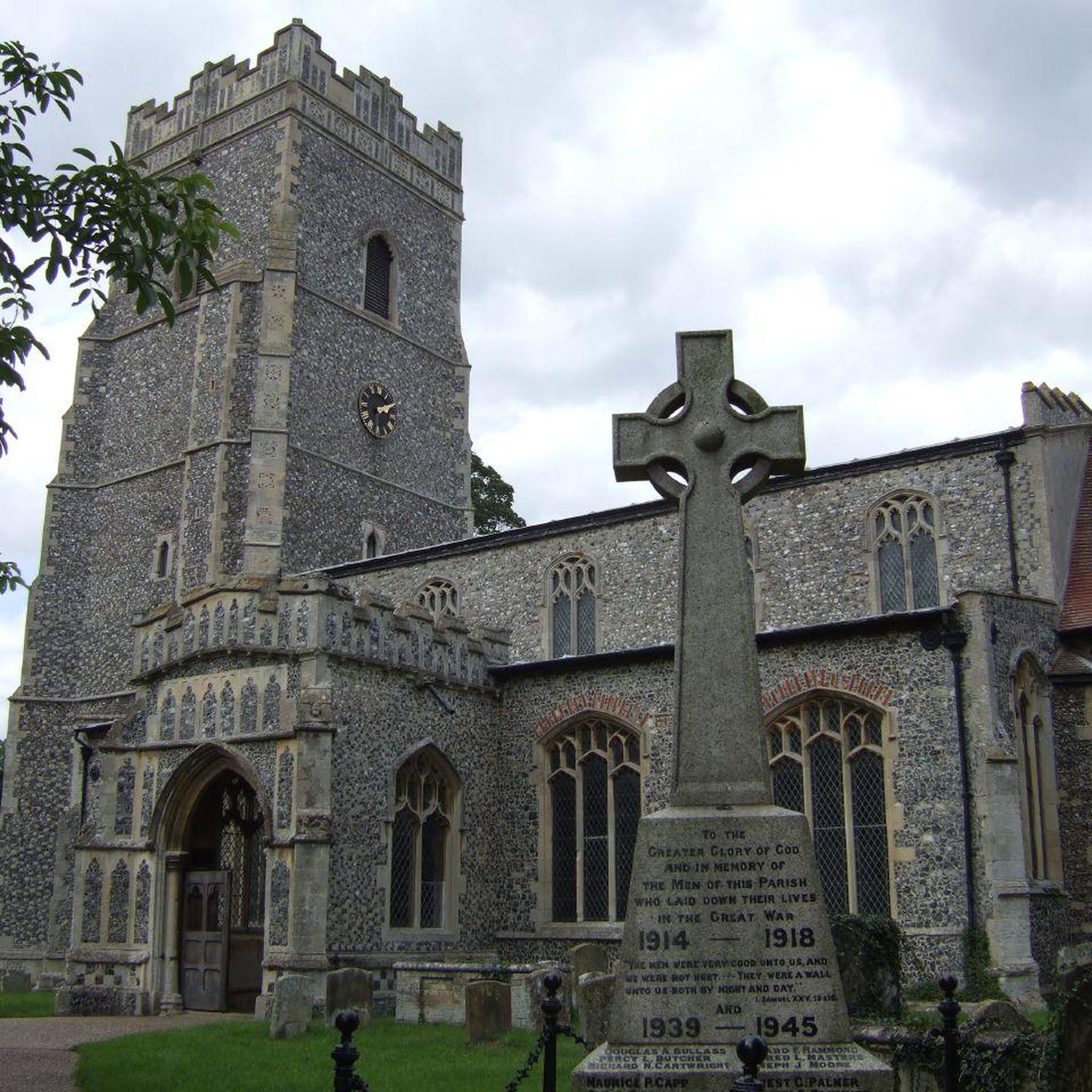
St Edmundsbury Cathedral

Highlight • Religious Site

The church with almost 1000 years of history was part of the abbey and has been extended and rebuilt several times in its history.

Tip by

See rides here

Send to Phone

Save

Abbey Gate, Bury St Edmunds

Highlight • Historical Site

The Angel Hotel, a Georgian building on Angel Hill, was used by Charles Dickens while giving readings in the nearby Athenaeum and mentioned in The Pickwick Papers. Angelina Jolie also used the hotel as a base during the filming of Tomb Raider. A coaching inn has stood on this spot since the 15th century.

(en.wikipedia.org/wiki/Bury_St_Edmunds)

Tip by

Save

Sign up now to discover places like this

Get recommendations on the best single tracks, peaks, & plenty of other exciting outdoor places.

Sign up for free

St Mary's Church, Woolpit

Highlight • Historical Site

15th century double-hammerbeam angel roof

The church of The Blessed Virgin Mary in Woolpit is one of the great medieval churches of Suffolk, a county blessed with some of the finest country churches in England. Like so many other Suffolk villages Woolpit owes its superb church to the wealth of the medieval wool trade, but there was a church on this spot centuries before Suffolk wool merchants gained their wealth.

The earliest record of a church at Woolpit comes from AD 1005 when the Earl of the East Angles gave the church and manor here to the Shrine of St Edmund at Beodricsworth (Bury St Edmunds). The church remained the property of the Abbey until the Dissolution of the Monasteries. The Woolpit church originally sent 10 marks worth of tithes to support the monks of Bury, but at some point in the medieval period this sum claimed by the crown.

The monks of St Edmundsbury Abbey were furious, and determined to seek reparation. Two monks disguised themselves as Scottish pilgrims and without permission left the abbey and made the long journey to Rome, where they sought and obtained a Papal charter affirming their right to the money.

They were attacked and robbed on their return journey, but one of the monks hid the charter in his mug, and so preserved it. The pair's belongings had been stolen, so they had no choice but to beg their way back to the abbey. The Papal charter did the trick, however, and Woolpit's tithe once more went to help maintain sick monks.

Shortly before 1087, a new church was built at the behest of Abbot Baldwin. The only remaining feature of this Norman building is the priest's door in the south wall of the chancel.

The double-hammerbeam angel roof

OUR LADY OF WOOLPIT

Woolpit became a destination for pilgrims during the medieval period, when it held a richly decorated statue of Our Lady in its own chapel. No trace of this chapel now survives but it was probably on the north side of the chancel, where the vestry now stands.

Alternatively, it may have stood at the east end of the south aisle. Pilgrims began arriving at least as early as 1211 when the Bishop of Norwich ordered that their offerings be given to St Edmundsbury Abbey.

The Shrine of Our Lady of Woolpit became extremely popular during the 15th and 16th centuries. Henry VI visited twice, and Queen Elizabeth of York, wife of Henry VII, ordered that a pilgrimage be made on her behalf in 1501. In 1538 Henry VIII ordered that Catholic images be destroyed, and it seems likely that the statue was pulled down at that time. in 1551 the Court of Augmentation ordered that the chapel itself be pulled down and the material sold.

A curious scene took place at Woolpit during the tumult of the English Civil War. The incumbent rector was John Watson, and when he was ordered to accept the new Puritan style of worship he refused. He was removed from his living, and the Earl of Manchester sent armed men to enforce the order. The village split into two factions, and a furious melee broke out in the church. The rector was removed, and retired to Norfolk where he died shortly after.

St Mary's is worth visiting for its superb double-hammerbeam roof, decorated with carved figures of angels. Iconoclast William Dowsing did his best to destroy the angels in 1644. His deputy found 80 'superstitious Pictures' some of which he destroyed and others he ordered to be taken down. Many of the angel's heads were defaced but these were sensitively restored in the 19th century.

Other highlights include beautifully carved medieval bench ends decorated with a wide variety of carved figures. These figures probably survived because the Puritans considered them heraldic symbols rather than religious. Eye-catching figures include griffins and a very mournful looking dog.

Another highlight is a finely crafted south porch dating to 1430-1455. Over the porch arch is a parvise, a small chamber possibly used for storing important documents. The porch roof is vaulted with exceptionally detailed lierne vaulting and decorated bosses.

The eagle lectern is a rare early Tudor relic, made around 1520 and one of just 20 surviving examples made to accept a chained Bible. A local tradition suggests that Elizabeth I gave the lectern to the church, though there is no proof of this. The queen did visit nearby Haughley Park in 1600 and sent one of her knights to visit Woolpit on her behalf. It is certainly possible that he gave the parishioners money that was used to buy the lectern.

The screen is 15th century, though the gates are Jacobean. The screen is painted and gilded and retains the medieval beam made to hold the rood, or crucifix. The base of the screen is painted with figures of saints including St Withburga, St Edmund, St Etheldreda, and St Felix. The face of St Felix is actually a portrait of Henry Page, the serving rector at the time of the Victorian restoration. Over the arch is a beautifully vaulted painted dedication board, decorated with figures of angels.

The large east window is a beautiful example of Decorated Gothic style, with reassembled fragments of medieval glass in the upper lights.

Each end of the chancel choir stalls has a bench end with an intricate figure of a Green Man. Set against the wall is a fascinating carving of a woodwose, a wild man of the woods figure found throughout East Anglia.

Most of the building is Perpendicular Gothic, dating from the mid-15th century but the chancel and south aisle are 14th century. The tower and spire were added in the 1850s by architect Richard Phipson after the medieval originals were damaged by lightning. This is actually the third tower; the first was damaged in a thunderstorm in 1602 and the second was blown down in a hurricane in 1703.

Tip by

Save

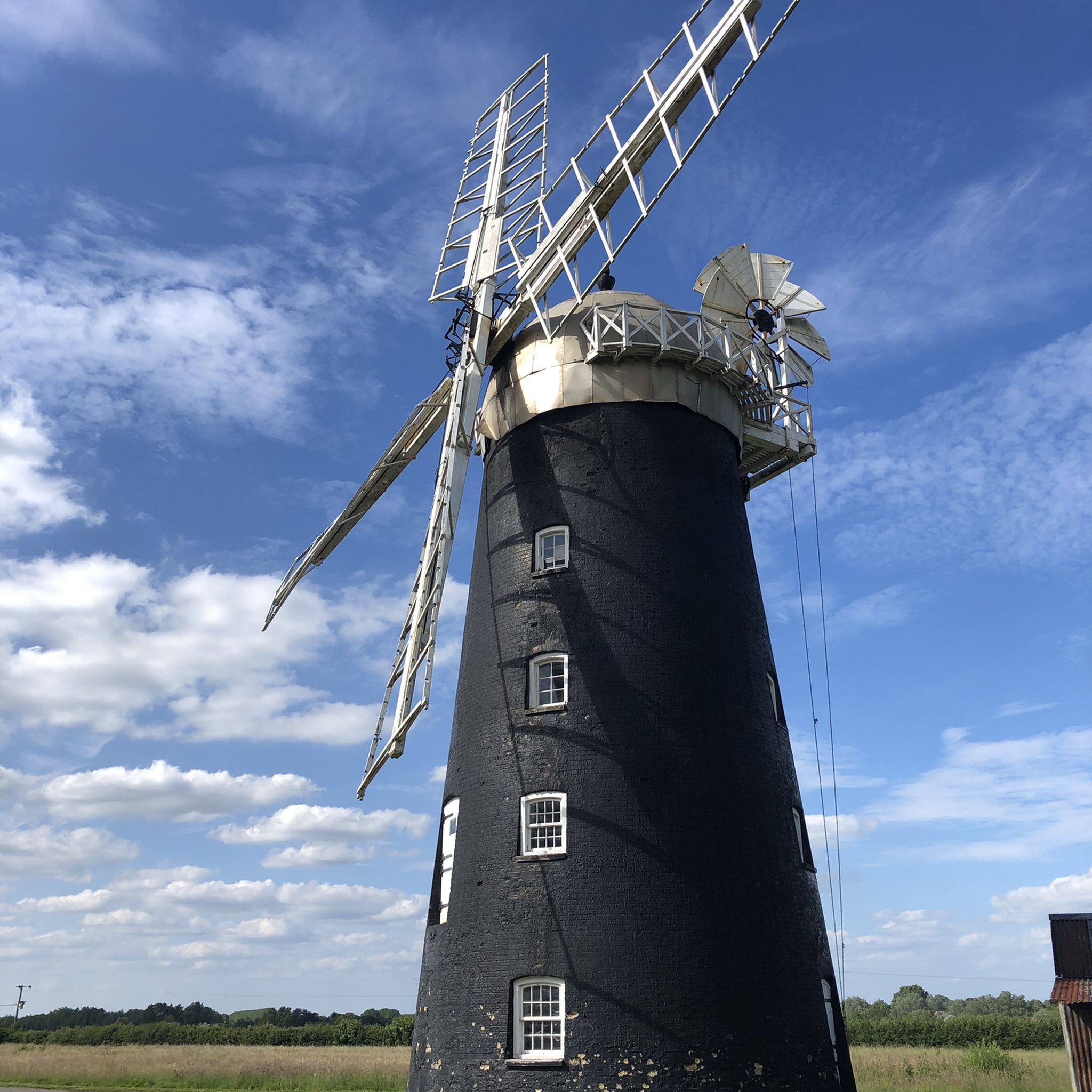
Thelnetham Windmill

Highlight • Historical Site

Built in the early 1800s, Thelnetham Mill stands by the side of the Angles Way below Blo’ Norton and is one of the few tower windmills still preserved in Suffolk. After a period of near-dereliction, this beautiful mill was lovingly restored by a group of local enthusiasts and is now a fantastic example of this type of windmill.

Still milling flour today, you can visit the mill and take a tour on select days each year for a small entry fee. Even if you pass by when the tours aren’t running, the windmill is still a beautiful site and harks of times gone by.

Tip by

Save

Peddars Way Trail

Highlight • Trail

This is the start of the Peddars Way, a 46 mile (74 km) long distance hiking and cycling trail from near Thetford close to the Norfolk/Suffolk border, to the North Norfolk coast at Hunstanton.

Mostly following ancient Roman routes, the trail has the characteristic straight trajectory that’s associated with this era.

The Peddars Way is for you if you love wildlife, history and the great British Countryside, which it has all three in spades. Explore ancient castles and ruins, look out for wildlife among glacial wetlands and coastal marshes and enjoy the expansive arable landscape that’s so typical of this county.

Tip by

Save

Sign up for free to discover even more attractions around Ixworth.

Sign up for free

Already have an account?

Start today with a free account

Your next adventure awaits.

Login or Signup
Popular around Ixworth

Running Trails around Ixworth

MTB Trails around Ixworth

Road Cycling Routes around Ixworth

Hiking around Ixworth

Cycling around Ixworth

Gravel biking around Ixworth

Tips from the Community

Gimble Thoroughfare
June 1, 2025, Peddars Way Trail

Get ready to drift in the summer sand

0

0

The present building is a cathedral. The abbey that preceded it was shut down after the reformation and only its ruins remain.

0

0

Site of BCQ202 from British Cycle Quest

0

0

Old Church

Translated by Google

0

0

This beautiful cathedral was originally built as a church in the early 13th century and became a cathedral for the newly established Diocese of St Edmundsbury and Ipswich in 1914. It has some beautiful characteristics including a large rose window, detailed stone carvings, fantastic gardens and the notable Abbey Gate.

1

0

Occupies the site of the old abbey with a very scenic set-paved road taking you past the front.

0

0

Genteel market town with plenty of scenic buildings and cafes but the one-way system can be a bit tortuous to navigate.

0

0

Lovely spit for a coffee stop or lunch. If you're lucky you can pop into the cathedral and hear the choir practicing!

0

0

Frequently Asked Questions

What historical sites can I explore in and around Ixworth?

Ixworth itself boasts a rich history, with the site of an ancient Roman Fort and the remains of the Augustinian Ixworth Priory. You can also visit St Mary's Church, a Grade I listed building from the late 14th century. Nearby, you'll find the impressive St Edmundsbury Cathedral in Bury St Edmunds, which has origins in the 11th century, and St Mary's Church, Woolpit, known for its medieval angel roof.

Are there any Roman historical sites near Ixworth?

Yes, Ixworth is home to the site of an ancient Roman Fort, believed to have been constructed in response to Boudicca's revolt. Archaeological features and foundations of a Roman building have been identified there. Additionally, the Peddars Way Trail, an ancient Roman road, starts near Ixworth and offers a long-distance route to explore.

What outdoor activities and trails are available around Ixworth?

The area around Ixworth offers various outdoor opportunities. You can explore the Peddars Way Trail, an ancient Roman road now a long-distance hiking and cycling path. For more local walks, consider routes like the Gravel Track by Livermere Lake. There are also several hiking and MTB routes available, such as those found in the Hiking around Ixworth and MTB Trails around Ixworth guides.

Are there family-friendly attractions in the Ixworth area?

Many historical sites like St Edmundsbury Cathedral and St Mary's Church, Woolpit are listed as family-friendly. The Peddars Way Trail and other local walking routes also provide opportunities for family outings in nature. For a broader experience, nearby attractions like Banham Zoo are popular with families.

Where can I find easy walking trails near Ixworth?

For easy walks, you can explore routes like the 'Gravel Track by Livermere Lake – Livermere Gravel Track loop from Great Livermere' or 'St Edmundsbury Cathedral – Abbey Gate, Bury St Edmunds loop from Bury St Edmunds'. More options are available in the Easy hikes around Ixworth guide.

What is the best time of year to visit Ixworth for outdoor activities?

The spring and summer months generally offer the most pleasant weather for outdoor activities like hiking and cycling along the Peddars Way Trail or around Livermere Lake. These seasons are ideal for enjoying the British countryside and wildlife.

Can I find accommodation and dining options in Ixworth?

Yes, Ixworth village offers typical amenities including shops, a post office, and inns. You can find local pubs like The Pykkerell Inn, The Dog & Duck, and Six Bells Inn, as well as various accommodation options including the Dog and Partridge by Greene King Inns.

What is the significance of the Ixworth Cross?

The Ixworth Cross is a significant 7th-century gold pectoral cross adorned with garnets, discovered in 1856 in what is believed to be an Anglo-Saxon cemetery near Ixworth. This important artifact, showcasing intricate cloisonné work, is now housed in the Ashmolean Museum in Oxford.

Are there any notable natural features or nature reserves in the wider Suffolk area?

While Ixworth itself is a village, the wider Suffolk area, known as 'High Suffolk,' features a clay plateau and chalk landscapes. Notable nature reserves include the RSPB site at Minsmere and Trimley Marshes, offering opportunities for birdwatching and enjoying diverse ecosystems.

What is the Ixworth Cockerel?

The Ixworth Cockerel is a specific breed of chicken that was first developed in the village of Ixworth in the 1930s, giving the village a unique claim in poultry history.

How can I get to St Edmundsbury Cathedral from Ixworth?

St Edmundsbury Cathedral is located in Bury St Edmunds, which is a short distance from Ixworth. Public transport options are available to connect Ixworth with Bury St Edmunds. For specific routes and schedules, it's advisable to check local bus services.

What are some unique architectural features to look for in Ixworth?

Ixworth's High Street features many houses dating from the 14th to 16th centuries, offering a glimpse into historical architecture. Look out for examples like Tollgate Cottage and the half-timbered Bridge Farm. The village is also noted for having some of the earliest rural council housing in England, built in 1893–94.

Most popular routes around Ixworth

Running Trails around Ixworth

Store rating

Get inspired with the komoot mobile app

With a free komoot account, you can easily find, customize, and navigate endless outdoor adventures.

or

Join komoot Now

Store rating

Explore more

Still not found the Highlight you’re looking for? See guides of the top attractions in other regions:

West StowBarnhamWordwellCulfordBrockleyEustonWhepsteadTrostonLittle LivermereCavendishBradfield Combust With StanningfieldDenhamBarrowGreat LivermereBradfield St ClareThe SaxhamsFakenham MagnaInghamGreat BradleyGreat WhelnethamClareRisbyLackfordDepdenHoningtonCowlingeChevingtonWestleyHengraveWithersfieldFlemptonFornham All SaintsFornham St. GenevieveBurton GreenTimworthBury St. EdmundsHargraveLittle ThurlowHaverhillFornham St MartinIckworthLittle BradleyIxworth ThorpeAmptonBradfield St GeorgeGreat BartonGreat ThurlowBardwellWickhambrookConey WestonGreat WrattingStansfieldHorringerStradishallPakenhamPoslingfordSapistonRedeKedingtonStantonHepworthKnettishallLidgateLittle WrattingBarnardistonRushbrooke With RoughamWixoeThelnethamOusdenBarninghamDenstonStoke-By-ClareHundonMarket WestonHawkedonHoptonNowtonHawsteadChedburghLittle Whelnetham

Nearby adventure guides

Things to Do around Ixworth Thorpe

background

Get ready to conquer new peaks

Sign up for Free

Explore
RoutesRoute plannerFeaturesHikesMTB TrailsRoad cycling routesBikepackingSitemap
Download the app
Follow Us on Socials

© komoot GmbH

Privacy Policy