Attractions and Places To See around Swerford - Top 20
Best attractions and places to see around Swerford include a variety of historical sites and natural features within the picturesque Cotswold Hills of Oxfordshire. The village is characterized by its tranquil atmosphere, rich history, and distinctive architecture built from local iron-tinted lias stone. Situated on the River Swere, the area offers gently undulating, wooded countryside with shallow valleys and tall hedgerows. This region provides a blend of ancient landmarks and charming natural surroundings for exploration.
Best attractions and places to see around Swerford
- The most popular attractions is The King Stone, a man-made monument that is a standing stone dating back to the Bronze Age. It was likely erected as a permanent memorial to a Bronze Age round cairn.
- Another must-see spot is The Rollright Stones Stone Circle, a historical site. This ceremonial stone circle was erected around 2,500BC and consists of seventy-odd stones of local oolitic limestone.
- Visitors also love St Nicholas Church, Chadlington, a religious building with Norman origins. It features 13th-century aisles and a 14th-century bell tower, having been a central part of village life for almost a thousand years.
- Swerford is known for historical sites, ancient monuments, and religious buildings. The area offers a variety of attractions to see and explore, from prehistoric stone circles to medieval churches.
- The attractions around Swerford are appreciated by the komoot community, with 57 photos and 127 upvotes.
Last updated: June 22, 2026
The King Stone
Highlight • Monument
Tip by

The Rollright Stones Stone Circle
Highlight • Historical Site
The number of stones has changed over the years. Legends refer to stones having been taken away (to make bridges and the like), and it is likely that this created most of the gaps now visible. The stones are famously uncountable, but originally may have numbered about 105 standing shoulder to shoulder.
Tip by

Sign up now to discover places like this
Get recommendations on the best single tracks, peaks, & plenty of other exciting outdoor places.
Sign up for free
St Nicholas Church, Chadlington
Highlight • Religious Site
Tip by

St Peter and St Paul Church and Lychgate, Long Compton
Highlight • Monument
Tip by
Banbury Cross
Highlight • Historical Site
The English nursery rhyme "Ride a cock horse to Banbury Cross", in its several forms, may refer to one of the crosses destroyed by Puritans in 1600.[50] In April 2005, Princess Anne unveiled a large bronze statue depicting the Fine Lady upon a White Horse of the nursery rhyme.[51] It stands on the corner of West Bar and South Bar, just yards from the present Banbury Cross.
(en.wikipedia.org/wiki/Banbury#Banbury_Cross)
Tip by

Sign up for free to discover even more attractions around Swerford.
Sign up for free
Already have an account?
Start today with a free account
Your next adventure awaits.
Login or Signup
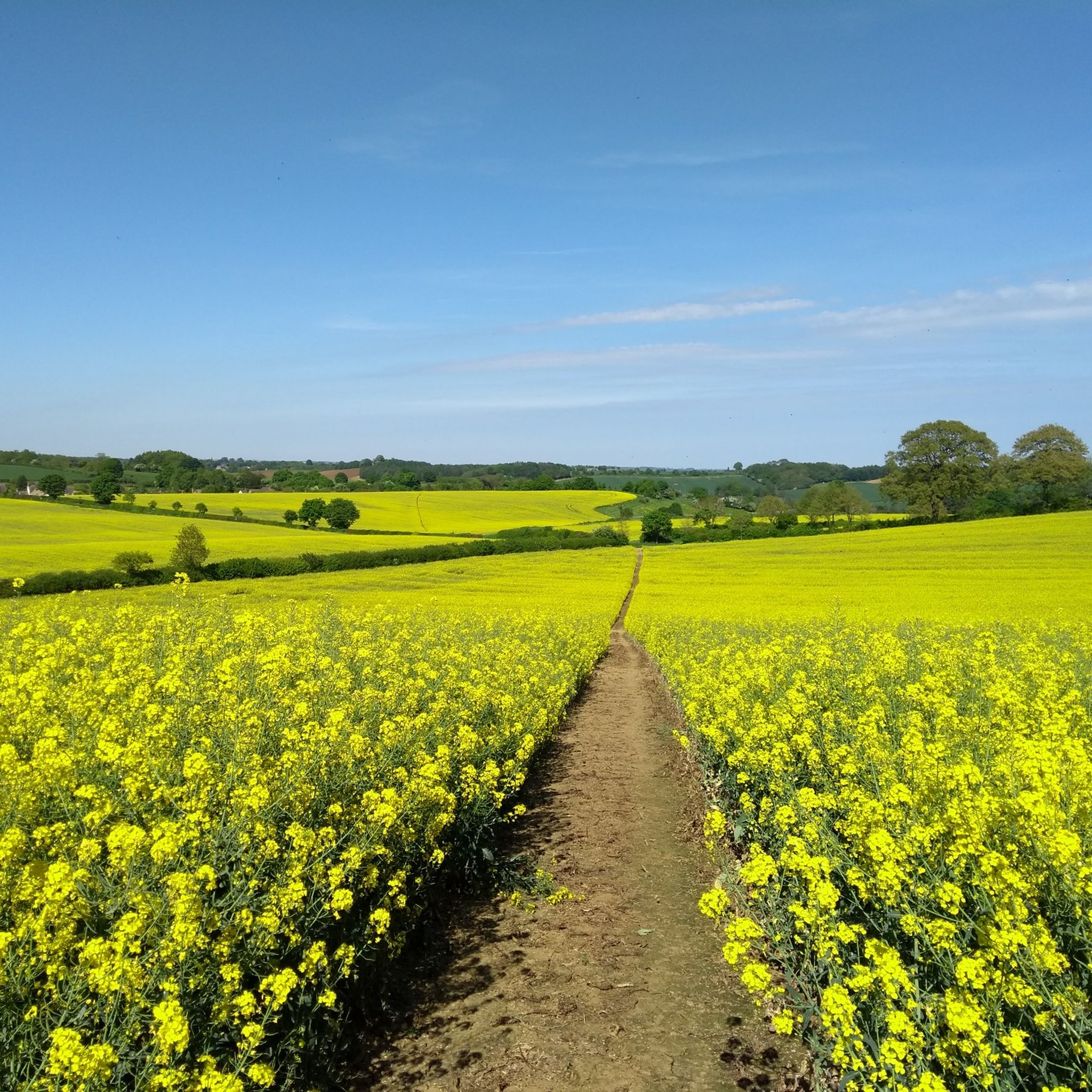
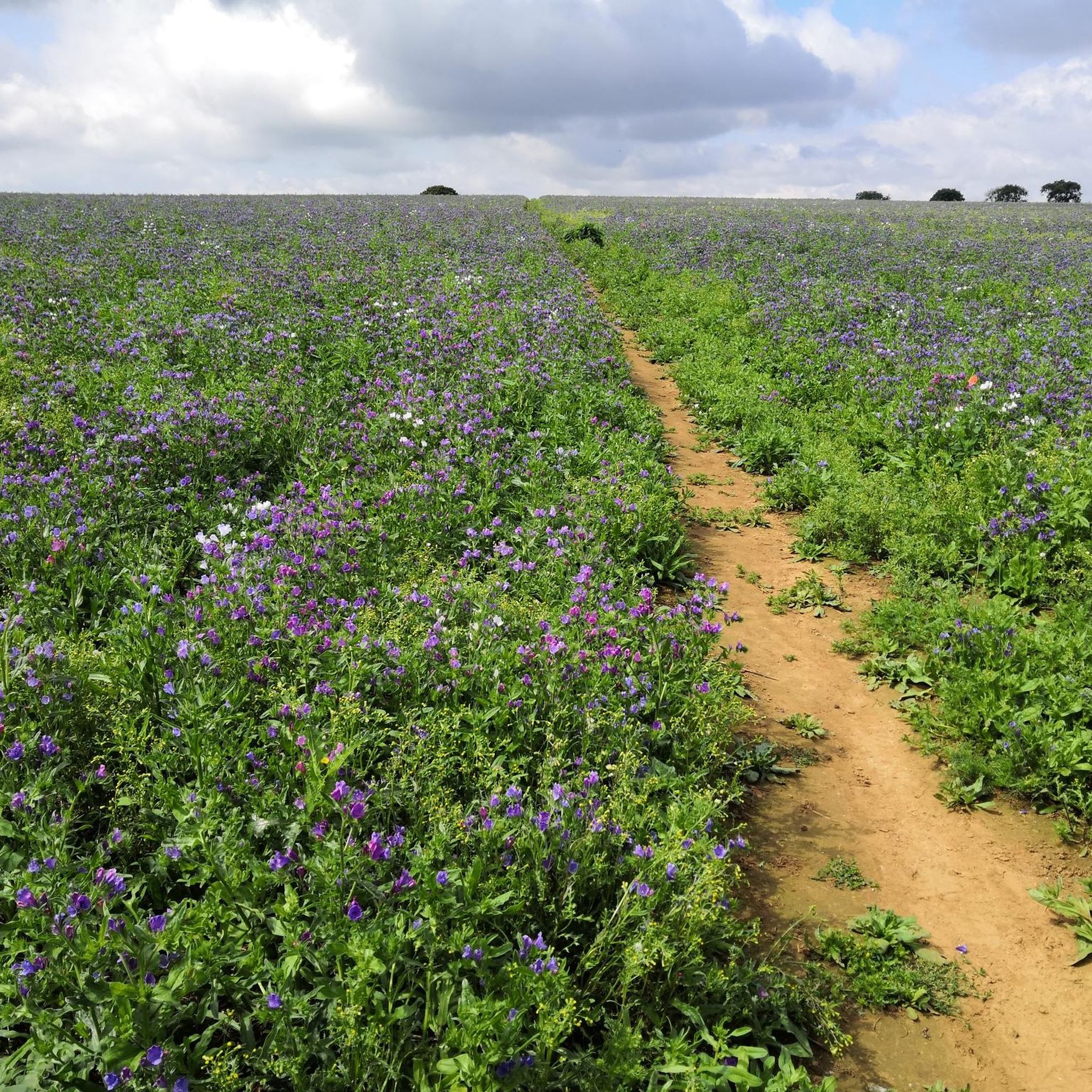

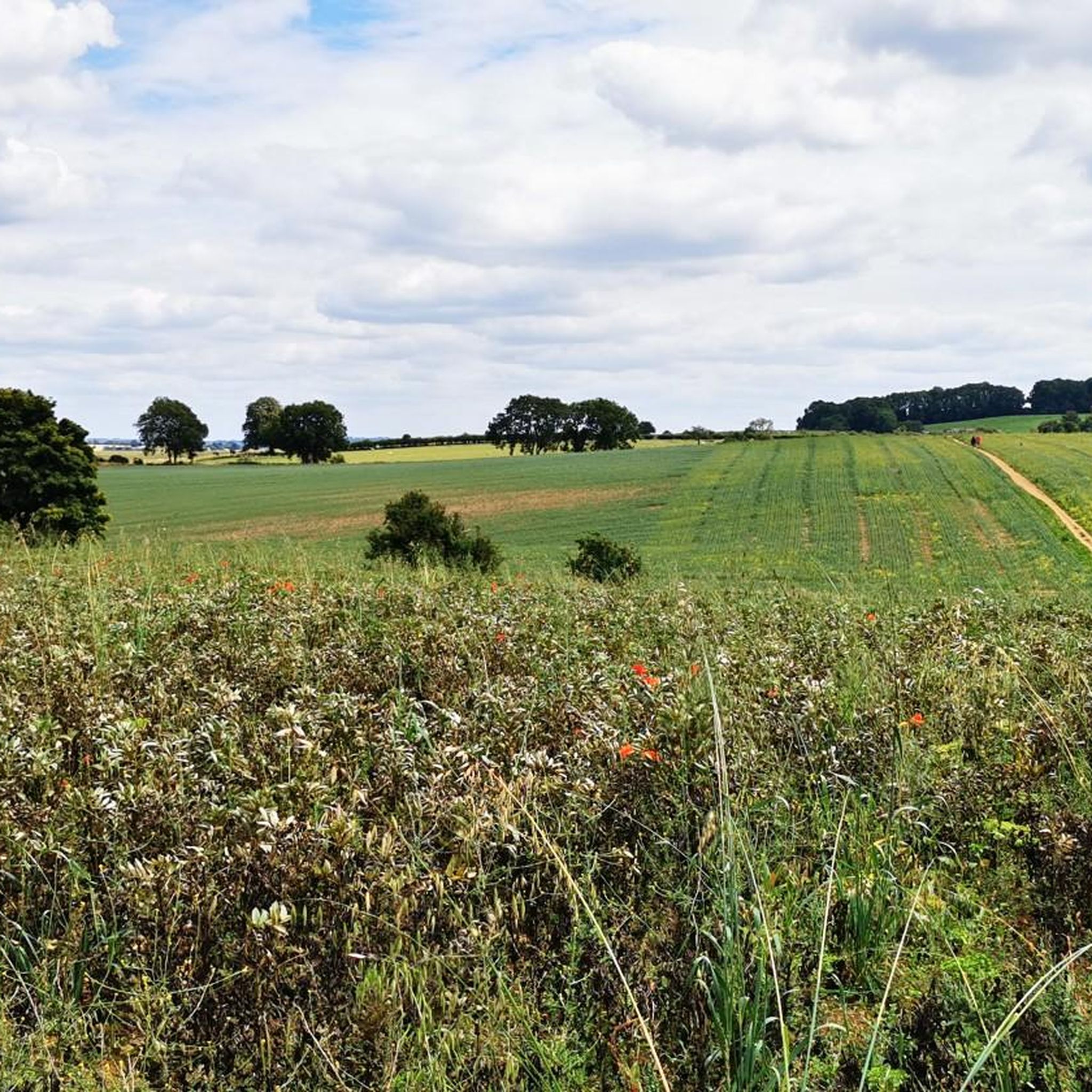

Tips from the Community

If we read the legends of St. Nicholas, he is portrayed as an angel on earth, as a helper in times of need, as a savior in many moments. He is glorified, like many other saints. There are no such people today, or maybe there are? Yes, there are still such people today who do good in secret. They too are today the hidden saviors, the helpers in times of need. I meet such people again and again in my work, (...). Even if they would not call themselves St. Nicholas, they are, like the saint, there for other people. They see the need and alleviate it. So "he" still exists today - we don't need Santa Claus. Thank God! (Text: Michael Inden, Diocesan President of the KAB)
0
0

"The tower has a ring of six bells. Abraham I Rudhall of Gloucester cast the second and third bells in 1714. William Taylor of Loughborough cast the fifth and tenor bells in 1846 at the bell foundry he then had in Oxford. Thomas Bond of Burford cast the fourth bell in 1911. The Whitechapel Bell Foundry cast the present tenor bell in 2006. There is also a Sanctus bell that Thomas Bond cast in 1911. In 2001, the Church of England Benefice of Ascott-under-Wychwood, Chadlington and Spelsbury merged with that of Enstone and Heythrop to form the Chase Benefice. The Parsonage was designed by William Wilkinson and built in 1863. It is now Chadlington House." Source: Wikipedia
0
0
"The Church of England parish church of Saint Nicholas was originally Norman. It is extremely likely, however, that a church, probably of timber, stood on the site by the late Anglo-Saxon period at the latest. In the 13th century, Early English Gothic north and south aisles were added, with four-bay arcades linking the aisles with the nave. Both aisles still retain some lancet windows from this period. The bell tower was built early in the 14th century in the Decorated Gothic style. A chapel was added at the east end of the north aisle. The chapel's east and north windows in the Transitional style between Decorated and Perpendicular Gothic date it to the chancel about tchancel about the middle of the 14th century. Later pure Perpendicular Gothic additions include the windows and north door in the north aisle, the present clerestory and nave roof and the chancel arch. In 1870, the Gothic Revival architect Charles Buckeridge completely rebuilt the chancel. St. Nicholas' church is a Grade II listed building." Source: Wikipedia
0
0

St. Peter and St. Paul Church of England is a historic parish church located in the charming Cotswold village of Northleach. The church dates back to the 12th century and features beautiful stained glass windows and intricate carvings.
2
0
The King Stone is a standing stone in the Cotswolds, England, which dates back to the Bronze Age. It is believed to have been a marker for ancient trade routes or a ceremonial site.
1
0

At one time Banbury had many crosses (the High Cross, the Bread Cross and the White Cross), but these were destroyed by Puritans in 1600.[7][50] Banbury remained without a cross for more than 250 years until the current Banbury Cross was erected in 1859 at the centre of the town to commemorate the marriage of Victoria, Princess Royal (eldest child of Queen Victoria) to Prince Frederick of Prussia. The current Banbury Cross is a stone, spire-shaped monument decorated in Gothic form. Statues of Queen Victoria, Edward VII and George V were added in 1914 to commemorate the coronation of George V. The cross is 52 feet 6 inches (16 m) high, and topped by a gilt cross. Towns with crosses in England before the reformation were places of Christian pilgrimage. The English nursery rhyme "Ride a cock horse to Banbury Cross", in its several forms, may refer to one of the crosses destroyed by Puritans in 1600.[50] In April 2005, Princess Anne unveiled a large bronze statue depicting the Fine Lady upon a White Horse of the nursery rhyme.[51] It stands on the corner of West Bar and South Bar, just yards from the present Banbury Cross. (https://en.wikipedia.org/wiki/Banbury#Banbury_Cross)
3
0

Remember to always keep a pace when going up a big hill
0
0

The King Stone was erected in early to middle Bronze Age, probably around 1,500 BC. Rather than relating directly to the much older Neolithic Stone Circle, the King Stone was likely erected as a permanent memorial to the Bronze Age round cairn 17m across with a central chamber, which lies immediately to the north-east set exactly on the top the ridge.
1
0
Frequently Asked Questions
What historical sites can I explore in and around Swerford?
Swerford itself is home to the earthworks of a 12th-century Swerford Castle, a significant motte-and-bailey site, and the historic St. Mary's Church, dating back to the early 13th century. Nearby, you can visit the ancient The King Stone and The Rollright Stones Stone Circle, both Neolithic and Bronze Age megalithic monuments rich in folklore. Other notable historical attractions include St Peter and St Paul Church and Lychgate, Long Compton, and Banbury Cross.
Are there any natural features or scenic viewpoints to enjoy near Swerford?
The village of Swerford is nestled in the picturesque Cotswold Hills, characterized by gently undulating, wooded countryside, shallow valleys, and tall hedgerows. The River Swere flows through the village, contributing to its tranquil atmosphere. While specific viewpoints are not highlighted, the general landscape offers scenic beauty, especially around the ancient sites like The Rollright Stones Stone Circle, which is noted for its great views and picnic spots.
What outdoor activities, like walking or cycling, can I do near Swerford?
The area around Swerford is excellent for outdoor activities. You can find various routes for different sports. For running, consider the moderate 7.9 km 'Swerford Castle loop from Hook Norton'. Mountain biking enthusiasts can explore routes like the 'Chipping Norton to Charlbury loop – The Cotswolds' (34.7 km, moderate). Road cyclists have options such as the 'Roadbike loop from Hook Norton' (22.6 km, easy). You can find more details and routes on the dedicated guides for Running Trails around Swerford, MTB Trails around Swerford, and Road Cycling Routes around Swerford.
Are there family-friendly attractions or activities in the Swerford area?
Yes, several attractions are suitable for families. The ancient megalithic sites like The King Stone and The Rollright Stones Stone Circle offer an engaging historical experience for all ages. Nearby, St Nicholas Church, Chadlington, and St Peter and St Paul Church and Lychgate, Long Compton, provide interesting cultural stops. For a broader family day out, the Cotswold Wildlife Park and Gardens, though a bit further afield, is a popular choice.
What is the best time of year to visit Swerford for outdoor activities?
The Cotswold region, including Swerford, is beautiful year-round. Spring and summer offer pleasant weather for walking, cycling, and exploring the natural landscape and historical sites. The gently undulating, wooded countryside is particularly vibrant during these seasons. Autumn brings stunning foliage, while winter can offer crisp, quiet walks, though some paths might be muddy.
Are there any unique architectural features in Swerford village?
Swerford is known for its distinctive architecture, with many buildings constructed from the local iron-tinted lias stone, also known as 'marlstone'. This gives the village a consistent and attractive aesthetic. Notable examples include the historic St. Mary's Church and the 18th-century Old Clock Cottage.
Where can I find local amenities like cafes or pubs in Swerford?
Within Swerford village, the former Masons Arms, once a public house, now operates as a restaurant that has received a Michelin Bib Gourmand, indicating its culinary quality. For more traditional pub experiences or cafes, you might explore nearby market towns like Chipping Norton or Hook Norton, which are a short drive away.
What do visitors particularly enjoy about the attractions around Swerford?
Visitors appreciate the rich historical significance and tranquil beauty of the area. For instance, The Rollright Stones Stone Circle is loved for its historical depth and offers a 'great view' and 'nice place for a picnic'. The ancient sites provide a sense of wonder, while the charming village and surrounding Cotswold landscape offer a peaceful escape.
Are there any accessible trails or attractions for visitors with mobility considerations?
While many of the historical sites like the Swerford Castle earthworks and ancient stone circles involve natural terrain, Banbury Cross is noted as being wheelchair accessible. For specific trail accessibility, it's advisable to check local conditions, as the Cotswold landscape can be undulating.
What are some notable nearby towns or day trip destinations from Swerford?
Swerford is ideally located for exploring the wider Cotswolds. Nearby market towns include Chipping Norton, known for its traditional Cotswold stone buildings. For significant historical sites, Blenheim Palace, a UNESCO World Heritage Site and the birthplace of Winston Churchill, is a major attraction. Other options include Upton House & Gardens, Broughton Castle, and the picturesque ruins of Minster Lovell Hall & Dovecote.
Can I find accommodation options directly in Swerford village?
Swerford is a quiet village, and while specific accommodation options are not detailed, the surrounding Cotswolds region offers a variety of choices, from charming B&Bs to country hotels in nearby towns like Chipping Norton or Hook Norton. It's recommended to check local listings for the most current availability.
How can I learn more about the history of Swerford Castle?
Swerford Castle is a 12th-century motte-and-bailey castle, believed to have been built during the civil war between Empress Matilda and King Stephen. Its earthworks are a scheduled monument. You can find more historical context about the castle on Wikipedia.
Most popular attractions around Swerford

Get inspired with the komoot mobile app


Explore more
Still not found the Highlight you’re looking for? See guides of the top attractions in other regions:
