Attractions and Places To See around Charlbury - Top 20
Best attractions and places to see around Charlbury include historical sites and natural landscapes within the Oxfordshire Cotswolds. This region offers a mix of grand estates and ancient ruins, providing insights into local history. Visitors can explore various points of interest, from monumental architecture to serene river settings. The area is suitable for those seeking cultural exploration and gentle outdoor activities.
Best attractions and places to see around Charlbury
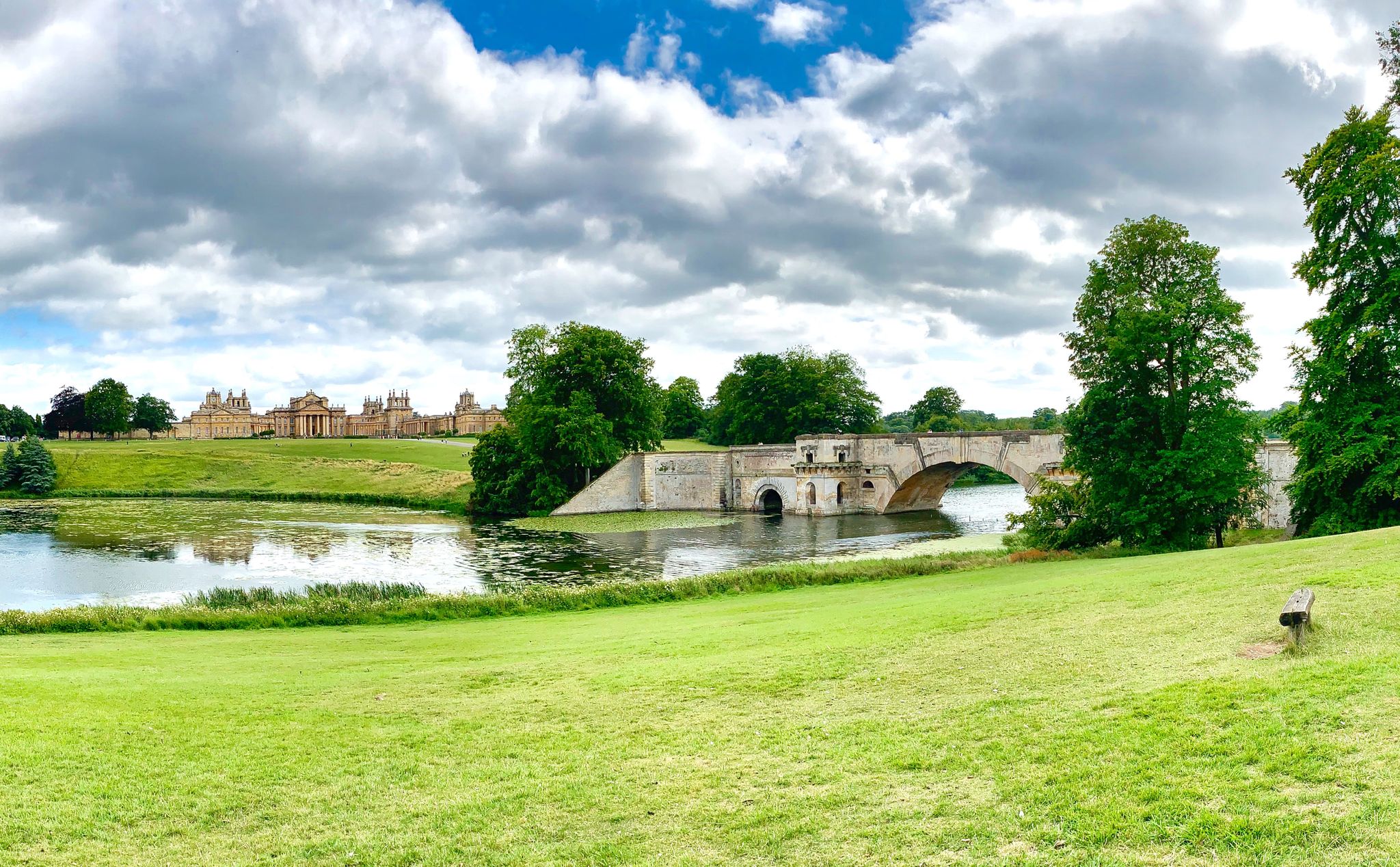
- The most popular attractions is Grand Bridge at Blenheim Palace, a bridge that was designed to be a spectacular crossing over a marshy brook, containing 30 rooms. This monumental structure was later partially submerged with the creation of Blenheim's Lake.
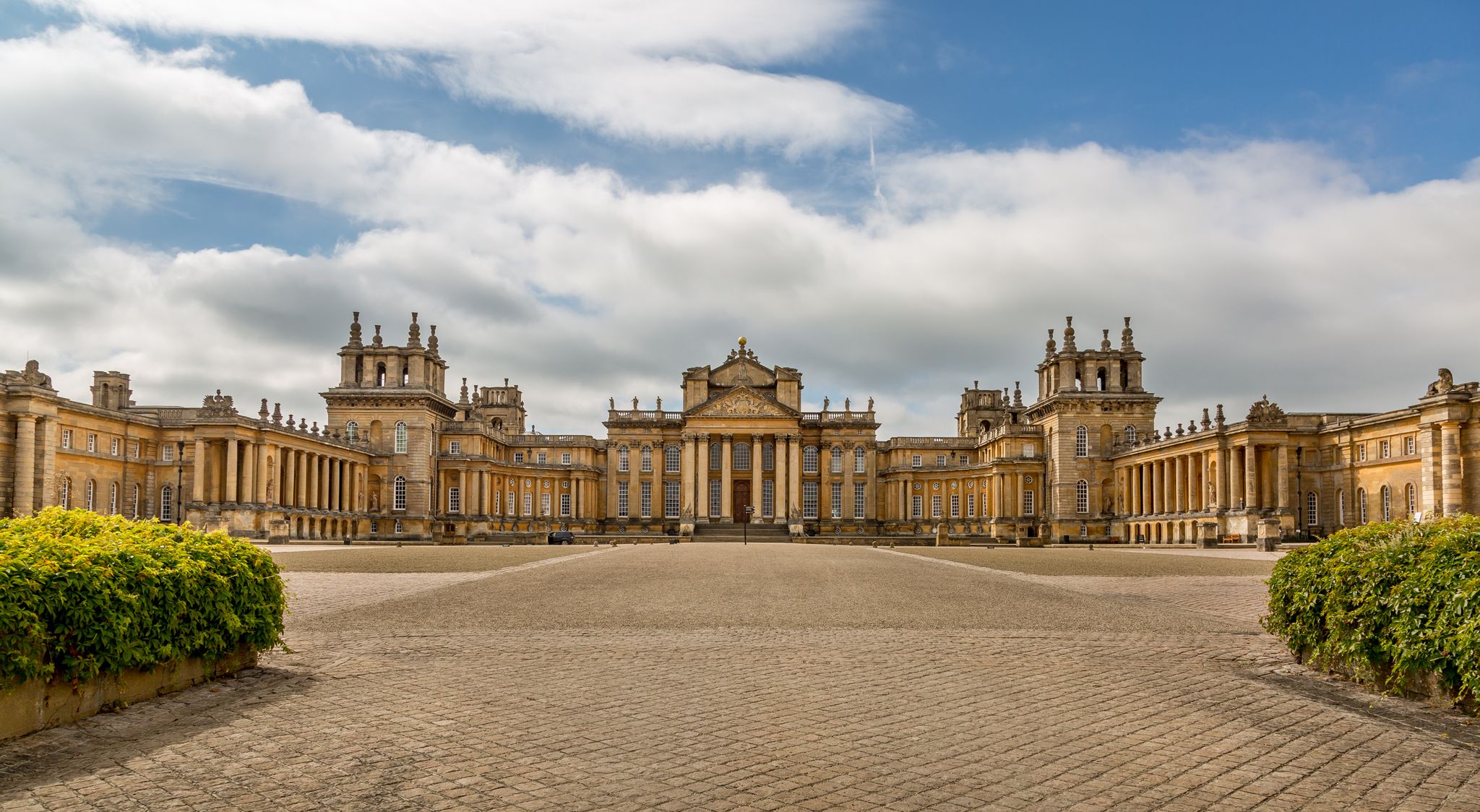
- Another must-see spot is Blenheim Palace — UNESCO World Heritage Site, a historical site and the principal residence of the Dukes of Marlborough. Visitors can explore this large baroque-style country house, which is also notable as the birthplace of Winston Churchill.
- Visitors also love Minster Lovell Hall Ruins, a historical site by the River Windrush. These ruins are the remains of a manor house built around 1440, offering a glimpse into medieval architecture and local legends.
- Charlbury is known for its historical sites, religious buildings, and pubs. The area provides a variety of attractions to see and explore, from ancient ruins to places for family friendly walks.
- The attractions around Charlbury are appreciated by the komoot community, with 74 upvotes and 14 photos shared by visitors.
Last updated: October 5, 2026
Grand Bridge at Blenheim Palace
Highlight • Bridge
In 1764, 'Capability' Brown set about improving and landscaping the grounds. His most notable work was the creation of Blenheim's Lake, which submerged the lower stories of the bridge.
Tip by

Blenheim Palace — UNESCO World Heritage Site
Highlight • Historical Site
The palace, one of England's largest houses, was built between 1705 and circa 1722. It was designated a UNESCO World Heritage Site in 1987.
blenheimpalace.com
Tip by

Sign up now to discover places like this
Get recommendations on the best single tracks, peaks, & plenty of other exciting outdoor places.
Minster Lovell Hall Ruins
Highlight • Historical Site
Minster Lovell Hall was built by William Lovell around 1440. As Minster Lovell was one of the earliest estates held by the Lovell family and one of their main residences it was at least the second building occupying this site.
In 1747 large parts of the buildings were dismantled. By the early nineteenth century, the ruins of Minster Lovell Hall were thought to have been the buildings of an alien priory.
Legend
According to one report, a skeleton was discovered in the basement of Minster Lovell Hall in 1718 and was thought to be that of Francis Lovell who had hidden there after the Battle of Stoke and had died of starvation. Unfortunately, it seems unlikely this is the case. Francis Lovell spent little time in Minster Lovell and therefore would have no faithful servant there who could hide and feed him for years.
en.wikipedia.org/wiki/Minster_Lovell_Hall
Tip by

Church of St Giles, Hampton Gay
Highlight • Religious Site
Tip by

Holy Cross Church, Shipton-on-Cherwell
Highlight • Religious Site
Tip by
Sign up for free to discover even more attractions around Charlbury.
Already have an account?
Start today with a free account
Your next adventure awaits.
Popular around Charlbury
West Midlands Cycle Route – Where history comes alive
Hike Oxfordshire’s beautiful Cotswolds — Wychwood Way
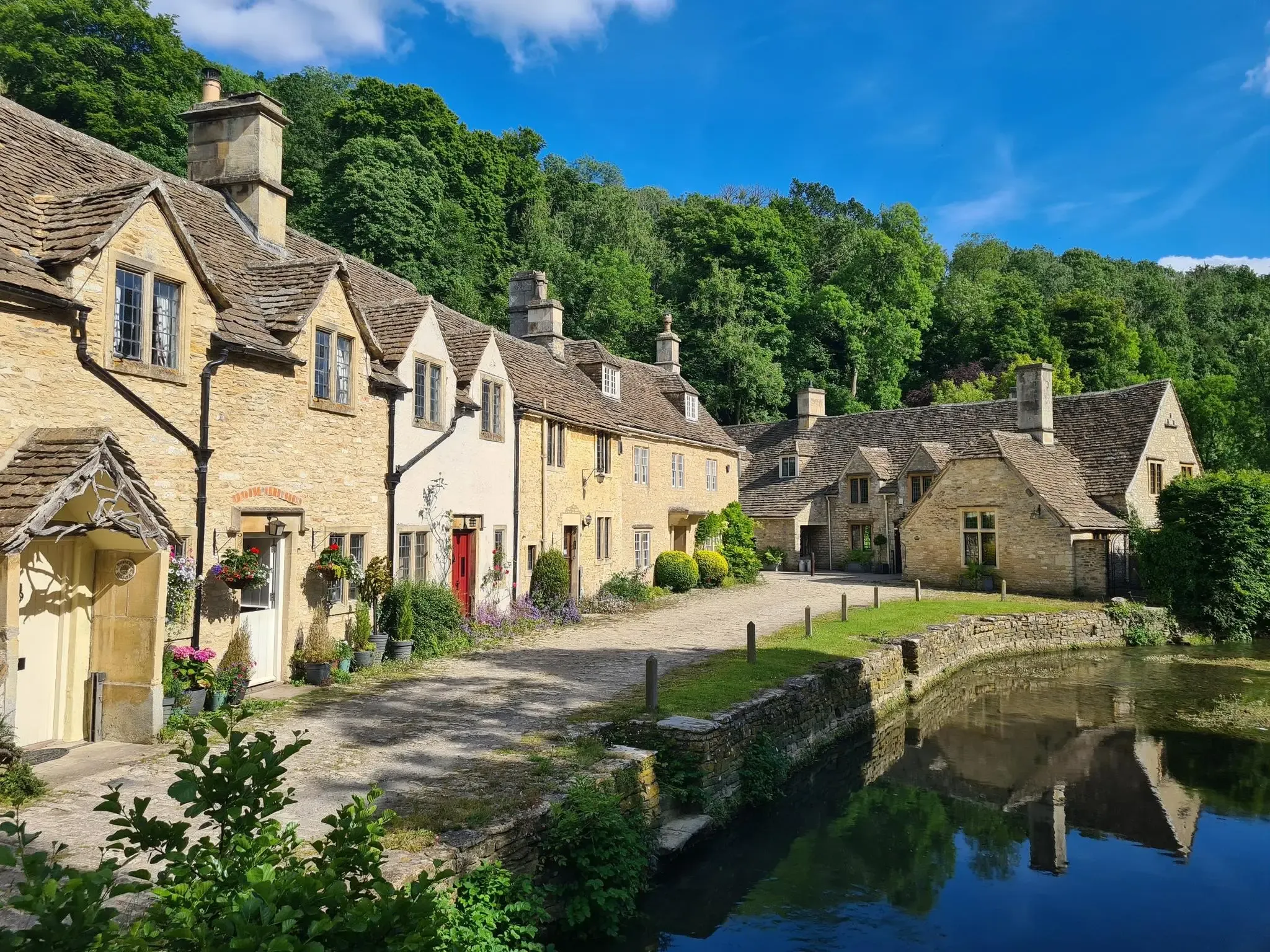
Cycling in the Cotswolds – endless beauty and history
Hiking around Charlbury
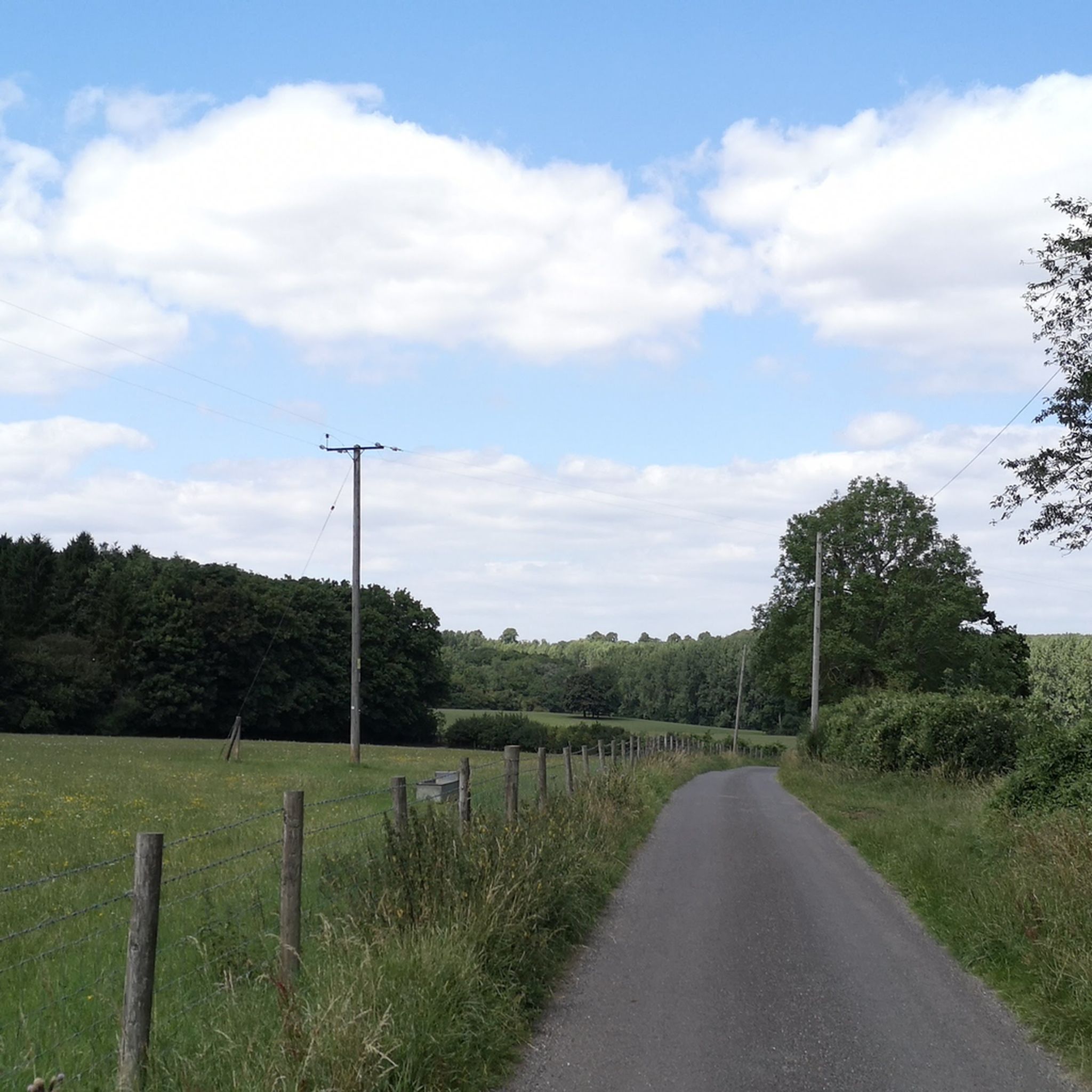
Running Trails around Charlbury
Road Cycling Routes around Charlbury
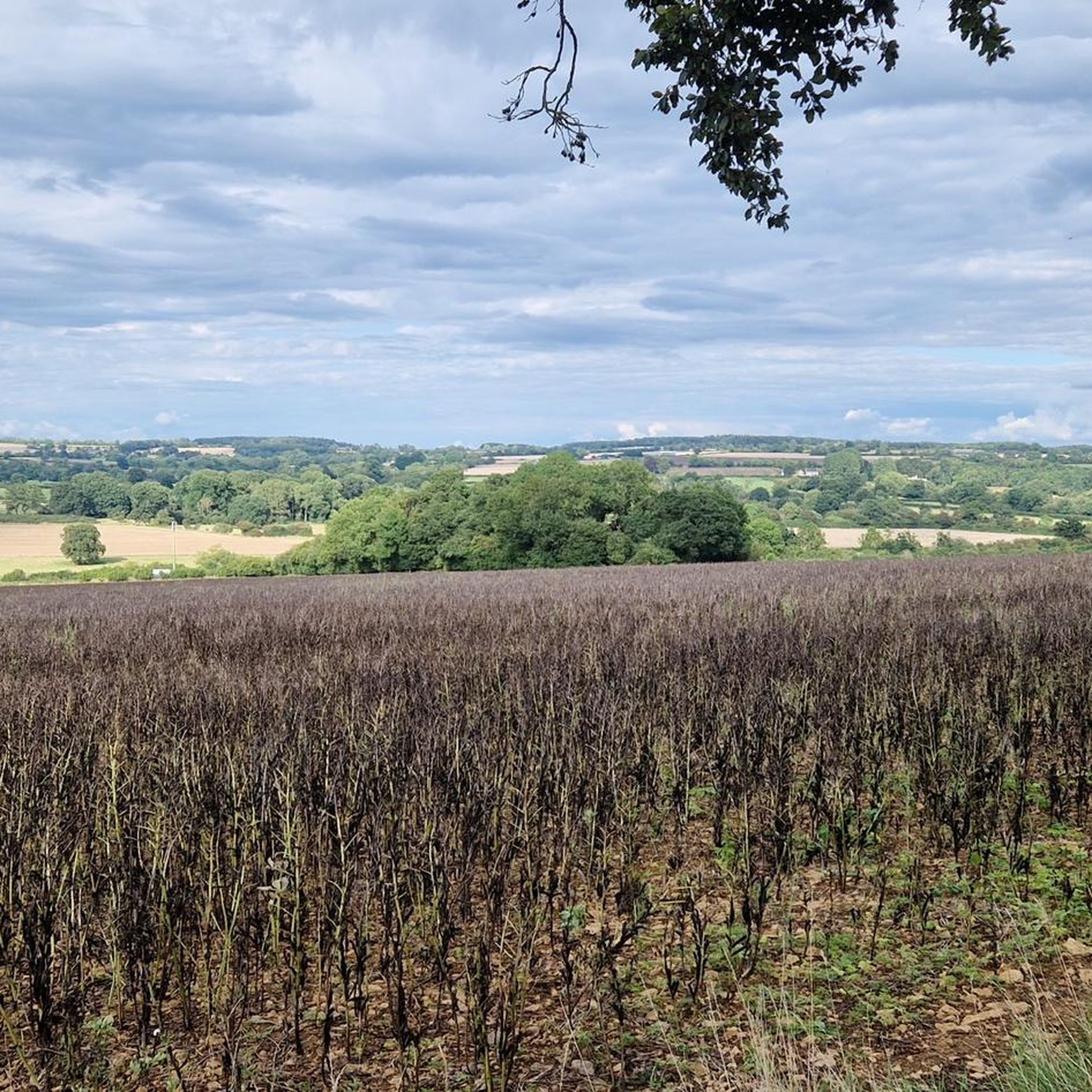
MTB Trails around Charlbury
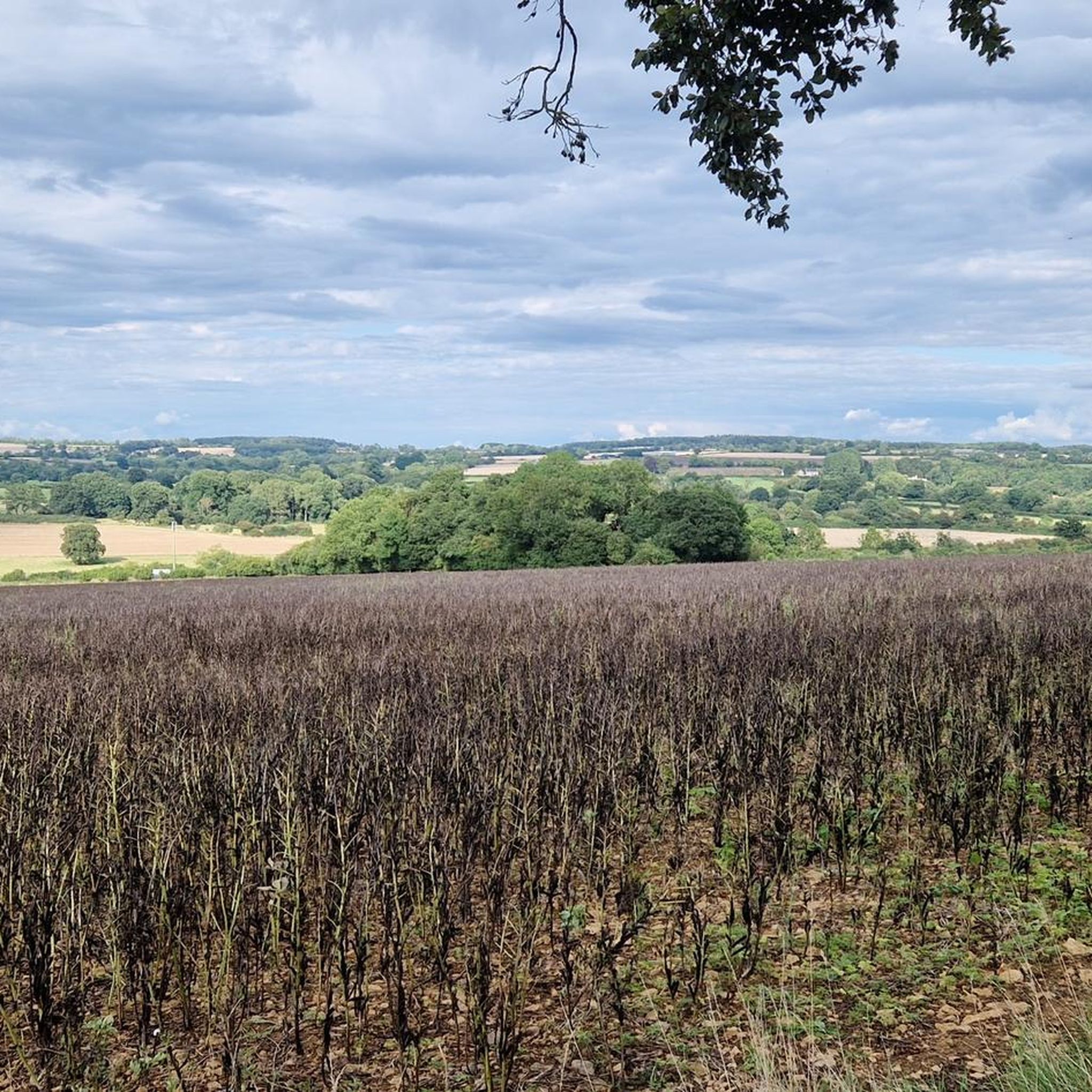
Cycling around Charlbury

Gravel biking around Charlbury


Tips from the Community

In addition to a tour of the baroque-style castle, there is also an interesting and recommendable exhibition about the British politician Winston Churchill.
3
0

This is amazing love place. I love to go this kind of place. https://www.health-insurancemarket.com
0
0

This church, which is dedicated to the Holy Cross (Latin "Santa Croce"), takes its patronage from the cross on which Jesus Christ died. The veneration of the Holy Cross goes back in large part to Saint Helena, who was the mother of Emperor Constantine the Great (who recognized Christianity as a religion after his victory at the "Milvian Bridge" in front of Rome and ended the long period of persecution with the "Edict of Toleration" of Milan in 312). In the early fourth century, she made a pilgrimage to the Holy Land (Israel / Palestine) and brought numerous relics back to Europe, including the "True Cross" on which Jesus Christ was crucified. Helena is therefore often depicted with a cross as an attribute. The church celebrates the feast of the discovery, public presentation and veneration of the Holy Cross - called the "Exaltation of the Cross" - on September 14th.
1
0

Church. Medieval; rebuilt and west tower added in 1831 by William Turner; minor restoration by J. Buckeridge, 1869. Squared and coursed limestone with ashlar dressings; stone-coped gabled stone slate roof. Nave, chancel and west tower. Gothic Revival style. One-bay chancel has offset corner buttresses, 3-light Decorated-style east window and 2-light side windows. Two-bay south side of nave has hood mould over chamfered pointed-arched blocked doorway, and label moulds over 2-light ogee-headed cinquefoiled windows; to north side are similar windows flanking early C14 reset Decorated porch, which has hood mould with rosettes and unusually primitive head corbels over hollow-chamfered pointed-arched doorway with rosettes; Cl9 pointed-arched inner doorway. Three-stage west tower has hood moulds over cinquefoiled windows and battlemented parapet with corner gargoyles. Interior: arch-braced roof throughout, with moulded beams, wind braces and king posts, set on plain corbels adorned with arms of past vicars and lords of the manor. Chancel has mid C19 Minton tile floor, and early C14 reset cinquefoiled tomb recess. Double-chamfered chancel arch has traceried Decorated-style panels flanking brattished Perpendicular-style traceried wood screen made in 1896. Nave has wood traceried pulpit set on stone base, C18 parish chest, C11 tub font reset on late C19 piers and C19 west door. Late C19 stained glass throughout. Memorials: in chancel are wall tablets to John Rathbone, d.1613, set in coloured moulded architrave, Stephen Pomfrett, d.1713, with carved stall and hourglass set above roundel , and Gothic-style memorial to William Turner. Also in chancel is medieval child's coffin. Ledger stone in nave to Edward Egleton, d,1722. Pictures of church before restoration show that chancel had north chapel (whence tomb recess was moved) and that present C14 porch lay to south. William Turner was an Oxford watercolourist and his uncle William Turner of The Manor (q.v.) provided the money for restoration. (Buildings of England: Oxfordshire: pp757-8; Information from VCH National Monuments Record; Bodleian Library, Topographical Drawings)
2
0
Church. Medieval; rebuilt 1767-72 for Reverend Thomas Hinds; restored 1860 by Reverend F.C. Hingeston. Squared and coursed limestone with ashlar quoins; coursed limestone rubble with north wall and west tower. Gabled stone slate roof. Nave, chancel and west tower. East window of graduated C13-style lancets. Two-bay side walls have classical moulded cornice and pointed lancets; hood mould over mid C19 pointed arched chamfered doorway with plank door. Medieval 2-storey west tower; mid C19 Norman-style west doorway with nailhead decoration; C18 semi-circular arched belfry windows with key and impost blocks; crenellated parapet; pyramidal-roof has large ball finial and wrought-iron weathervane. Interior: mid C18 panelled pulpit; mid C19 pews; mid C18 gallery with panelled font set on slender octagonal shaft. Mid C18 plaster ceiling, with moulded cornice and square panels and central roundel. Monuments: south wall has white marble architectural monument with shield set in broken pediment and fluted Ionic pilasters to Thomas Hindes, d.1718, and wife Elizabeth, d.1761; two C20 wall tablets set in architectural frame. North side: architectural wall monument to Reverend Thomas Hindes, d.1768, with shield set in broken pediment and fluted pilasters; large fine architectural coloured monument to Vincent Barry, d.1615, his wife and daughter Lady Katherine, d.1663. 3 shields surmount inscription flanked by putti; Corinthian columns flank figures kneeling at prayer desks, with children below, set in segmental-arched recess with rosettes. Church stands in isolated position in fields, with deserted medieval village to south. (Buildings of England: Oxfordshire: p630; VCH: Oxfordshire: Vol VI, pp158-9; National Monuments Record)
1
0

In 1704, Blenheim architect John Vanbrugh set out to create something spectacular across what was then just a marshy brook. The Grand Bridge was the outcome, containing no less than 30 rooms. In 1764, 'Capability' Brown set about improving and landscaping the grounds. His most notable work was the creation of Blenheim's Lake, which submerged the lower stories of the bridge.
1
0

Minster Lovell Hall is a ruin in Minster Lovell, an English village in the Oxfordshire Cotswolds. The ruins are situated by the River Windrush. Minster Lovell Hall was built by William Lovell around 1440. As Minster Lovell was one of the earliest estates held by the Lovell family and one of their main residences it was at least the second building occupying this site. In 1747 large parts of the buildings were dismantled. By the early nineteenth century, the ruins of Minster Lovell Hall were thought to have been the buildings of an alien priory. Legend According to one report, a skeleton was discovered in the basement of Minster Lovell Hall in 1718 and was thought to be that of Francis Lovell who had hidden there after the Battle of Stoke and had died of starvation. Unfortunately, it seems unlikely this is the case. Francis Lovell spent little time in Minster Lovell and therefore would have no faithful servant there who could hide and feed him for years. https://en.wikipedia.org/wiki/Minster_Lovell_Hall
2
0
Everything about the bridge is extraordinary and much of it is puzzling. No ground plan has survived. All we have is an elevation showing the proposed superstructure in the manner of a viaduct or of the Pont du Garde. Sarah 1st Duchess of M Marlborough vetoed the arcade. ÒI made Mr Vanbrugh my enemy', she wrote, Òby the constant disputes I had with him to prevent his extravagance.' The immensity of the Grand Bridge and its cost was one of the main subjects of their dispute. The Duchess scathingly told a friend that she had counted thirty-three rooms in it, that there was a house at each corner and that what made it so much prettier than London Bridge was that you might Òset in six rooms and look out at the window' while the coaches rumbled over your head. Vanbrugh in its defence went so far as to assure her that if, when it was finished, she found a house inside it she would go and live in it. Nothing was more unlikely; and indeed there is no evidence that it was ever lived in, though some rooms have fireplaces and chimneys, and one large windowless chamber has been plastered and fitted with an elliptical arch as though for a theatre. Old guidebooks describe the bridge as a cool retreat in summer, and no doubt many a picnic was enjoyed in the sunnier rooms. Unfortunately, it is no longer safe to enter now. http://www.camelotintl.com/heritage/historichouses/south_east/blenheim_palace/bpbridge.html
2
0
Frequently Asked Questions
What historical sites can I visit around Charlbury?
The area around Charlbury is rich in history. You can explore the magnificent Blenheim Palace — UNESCO World Heritage Site, a grand Baroque country house and the birthplace of Winston Churchill. Nearby, the Grand Bridge at Blenheim Palace is an architectural marvel with a fascinating history. For a glimpse into medieval times, visit the atmospheric Minster Lovell Hall Ruins by the River Windrush. Additionally, the Holy Cross Church, Shipton-on-Cherwell offers insight into local religious history with its medieval origins and Gothic Revival style.
Are there family-friendly attractions near Charlbury?
Yes, several attractions around Charlbury are suitable for families. Blenheim Palace and its extensive grounds are very family-friendly, offering plenty of space to explore. The Grand Bridge at Blenheim Palace is also part of this experience. The Minster Lovell Hall Ruins provide an engaging historical setting for children to imagine medieval life. For a relaxing stop, The Swan Inn is a family-friendly pub with a beer garden.
What outdoor activities can I do near Charlbury?
Charlbury is an excellent base for outdoor activities. You can find numerous routes for hiking, mountain biking, and road cycling. For hiking, explore trails like the 'Charlbury to Wychwood Forest loop' or the 'View of the River Evenlode – Cornbury Deer Park loop'. Mountain bikers can enjoy routes such as 'Charlbury Village – Diddly Squat Farm Shop loop'. Road cyclists have options like the 'Radcliffe Camera – Carfax Tower loop'. More details on these activities can be found in the respective guides for Hiking around Charlbury, MTB Trails around Charlbury, and Road Cycling Routes around Charlbury.
Are there easy walks or circular routes around Charlbury?
Yes, Charlbury offers several easy and circular walks. The 'Charlbury railway station – Charlbury Village loop' is a moderate 8.3 km hike, and the 'The Old Shed Café – Muddy Path with Puddles loop' is another moderate 8.6 km option. These routes provide a good way to experience the local countryside. You can find more hiking options in the Hiking around Charlbury guide.
Where can I find parking for attractions or walks in Charlbury?
Parking availability varies by attraction. For example, The Swan Inn has parking for about six or seven cars, making it convenient for a stop before or after a walk. For larger attractions like Blenheim Palace, dedicated parking facilities are available on-site. When planning a walk, it's advisable to check specific starting points for local parking options.
What is the best time to visit Charlbury for walks and attractions?
The Oxfordshire Cotswolds, including Charlbury, are beautiful year-round. Spring and summer offer pleasant weather for exploring historical sites and enjoying walks, with lush greenery and longer daylight hours. Autumn brings stunning foliage, while winter can offer crisp, quiet walks, though some paths might be muddy. Always check opening times for specific attractions, as these can vary seasonally.
Are there any pubs or cafes with viewpoints in the Charlbury area?
While specific cafes with dedicated viewpoints are not highlighted, The Swan Inn in Ascott-under-Wychwood is a charming pub with an 'ole worlde' atmosphere, exposed wooden beams, and a large beer garden, perfect for a refreshing drink or meal. Blenheim Palace also offers various dining options within its grounds, some with views of the estate.
What natural features can I see around Charlbury?
The area around Charlbury is characterized by the picturesque Oxfordshire Cotswolds. You can experience the serene River Windrush near the Minster Lovell Hall Ruins. Blenheim Palace features a magnificent lake, created by 'Capability' Brown, which partially submerges the lower stories of the Grand Bridge, offering beautiful waterside views. The surrounding countryside provides rolling hills and woodlands typical of the Cotswolds.
What do visitors enjoy most about the attractions around Charlbury?
Visitors appreciate the blend of historical grandeur and natural beauty. The monumental architecture of Blenheim Palace and its unique Grand Bridge are highly regarded. The atmospheric Minster Lovell Hall Ruins are loved for their historical intrigue and riverside setting. The area's charm is also found in its traditional pubs like The Swan Inn, offering a taste of local life.
Are there options for public transport to reach attractions near Charlbury?
Charlbury has a railway station with connections to Oxford and London Paddington, making it accessible by train. Local bus services also operate in the area, connecting Charlbury to nearby villages and towns. For specific attractions like Blenheim Palace, dedicated bus services or connections from nearby transport hubs are often available. It's recommended to check local bus schedules and train times for the most up-to-date public transport information when planning your visit.
Are there any hidden gems or lesser-known places to discover near Charlbury?
Beyond the major landmarks, the charm of the Charlbury area lies in its quaint villages and historical churches. The Holy Cross Church, Shipton-on-Cherwell, for instance, is a medieval church with a rich history and interesting architectural details, offering a quieter, reflective experience away from larger crowds. Exploring the numerous footpaths and bridleways can also lead to discovery of secluded spots and scenic views.
Most popular routes around Charlbury
Most popular attractions around Charlbury

Get inspired with the komoot mobile app


Explore more
Still not found the Highlight you’re looking for? See guides of the top attractions in other regions:
