Filkins And Broughton Poggs
Filkins And Broughton Poggs
Attractions and Places To See around Filkins And Broughton Poggs - Top 20
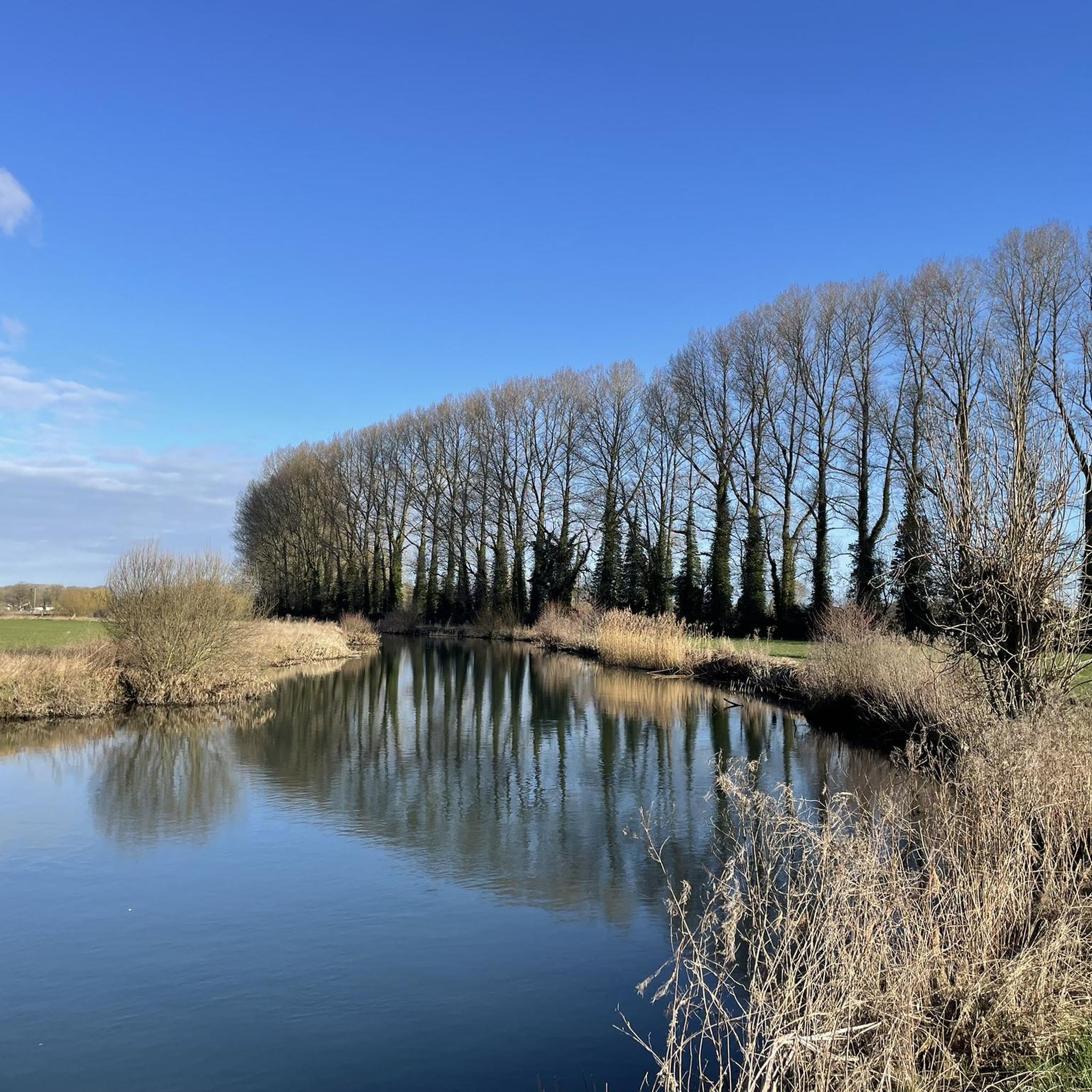
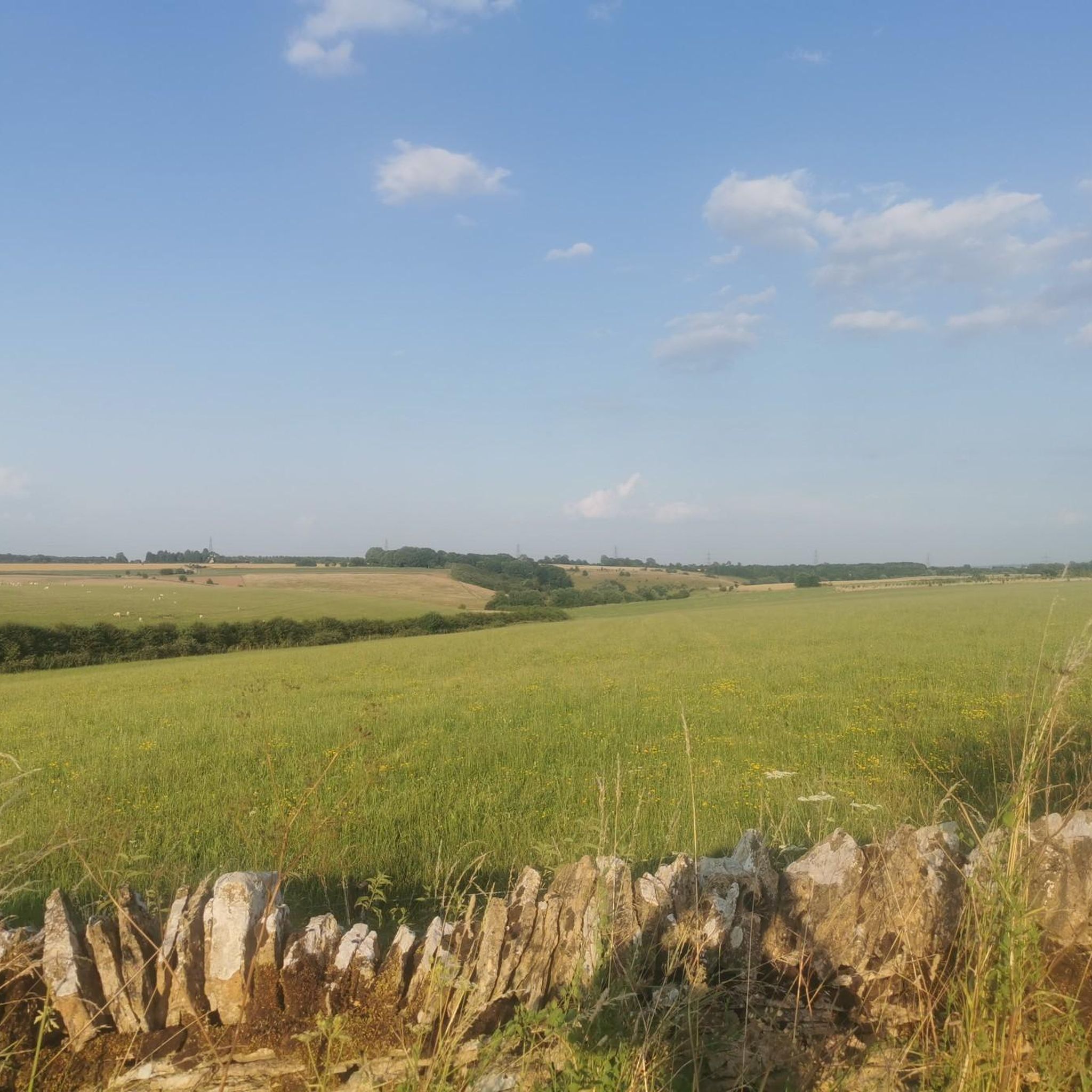
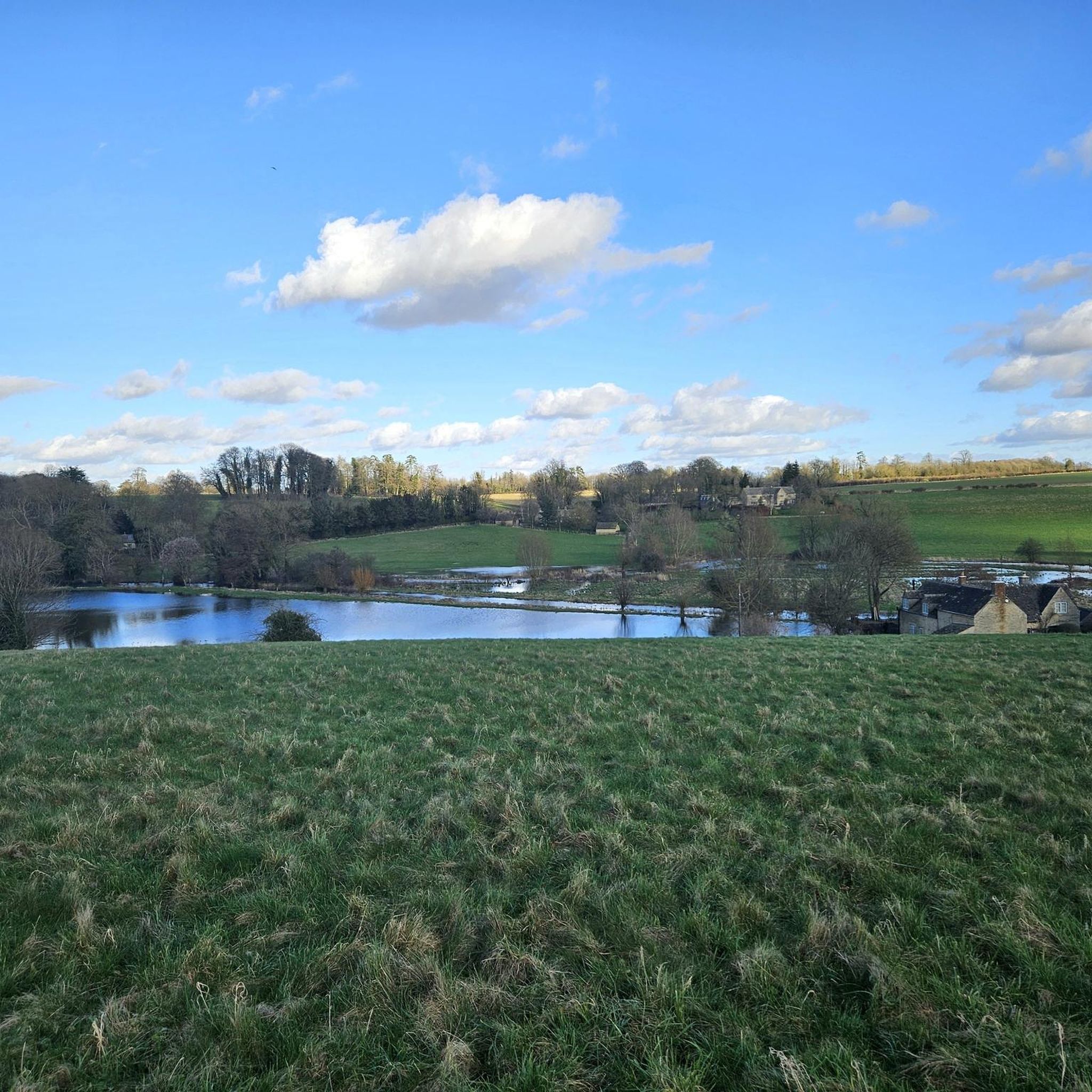
Best attractions and places to see around Filkins And Broughton Poggs include picturesque Cotswold villages characterized by honey-coloured stone houses. The area is defined by the Broadwell Brook, which separates the two villages, and features expansive floodplain pasture and flat vale farmland. Visitors can explore historic sites, cultural experiences, and natural landscapes, offering a glimpse into the region's heritage and scenic beauty.
Best attractions and places to see around Filkins And Broughton Poggs
- The most popular attractions is Arlington Row,…
Last updated: July 6, 2026
Arlington Row, Bibury
Highlight • Monument
Tip by

Arlington Row, Bibury
Highlight • Monument
Tip by

Sign up now to discover places like this
Get recommendations on the best single tracks, peaks, & plenty of other exciting outdoor places.
Sign up for free
St Mary's Church, Bibury
Highlight • Historical Site
Tip by

Minster Lovell Hall Ruins
Highlight • Historical Site
Minster Lovell Hall was built by …
Tip by

Shilton War Memorial
Highlight • Historical Site
Tip by

Sign up for free to discover even more attractions around Filkins And Broughton Poggs.
Sign up for free
Already have an account?
Start today with a free account
Your next adventure awaits.
Login or Signup
Tips from the Community

You feel like you've been transported back a few centuries and are reminded of Little Lord Fauntleroy...
0
0

Beautiful, peaceful church with a long and fascinating history, first established in 899 and now a Grade I-listed Anglo-Saxon church built in the 11th century and added to over the centuries.
1
0

Very popular with tourists. In particular those from Japan as apparently Emperor Hirihito once stayed in Bibury as he conducted his European tour.
1
0
"Bibury is a village and civil parish in Gloucestershire, England. It is on the River Coln, a Thames tributary that rises in the same (Cotswold) District. The village centre is 6+1⁄2 miles (10.5 kilometres) northeast of Cirencester. Arlington Row is a nationally notable architectural conservation area depicted on the inside cover of some British passports. It is a major destination for tourists visiting the traditional rural villages, tea houses and many historic buildings of the Cotswold District; it is one of six places in the country featured in Mini-Europe, Brussels. In the Domesday Book (1086), a record of survey done under William the Conqueror, the place is named Becheberie, and it is recorded that the lands and church in Bibury were held by St. Mary's Priory at Worcester, from whom it passed in 1130 to the Abbey of Osney, near Oxford: the Abbey continued to hold it until its dissolution in 1540." Source: Wikipedia https://en.m.wikipedia.org/wiki/Bibury
1
0
"The Cotswolds is home to some fine churches, and Bibury is no exception. The first church in Bibury was established in 899 and the Grade I listed Anglo-Saxon church which stands today was built in the middle to late 11th century with further work in subsequent centuries. Bibury is best known for Arlington Row and the Bibury Trout Farm, but make sure you wander down the river, past the almshouses, and make your way to the oldest part where you will find the Church. This lovely church, away from the honeypot of Arlington Row, can feel like an oasis of calm where you can take in Norman doorway arches, a 13th century font, Saxon chancel columns, capitals and gravestones, 17th-century table tombs a 15th-century roof and 18th-century wall monuments." Source: Explore Bibury
1
0

This is amazing love place. I love to go this kind of place. https://www.health-insurancemarket.com
0
0

As a memorial to the many dead, such memorials - usually called "war memorials" in English - are still very important today. "Now, Lord, you let your servant depart in peace, as you have said..." says the so-called "Hymn of Simeon" (Luke's Gospel, Chapter 2, Verse 29). However, the people commemorated here did not depart in peace, but became victims of war and tyranny. This is why the term "dead soldiers' memorial" is now sometimes used in German instead of the previously most common "war memorial". However, such a war memorial, which one encounters so often on the road, regardless of nationality, language and name, is always a testimony - still significant and current today - to the horror of war and tyranny. They all have two essential functions, and this for each generation anew: -1- Commemorate and remember the victims -2- Remind people to keep the peace
0
0

Bibury is often titled the most beautiful village in the whole of the UK, and for good reason, Its idyllic beauty and quintessential British charm make it really stand out from the crowd. Perhaps the most iconic feature of this delightful little village is Arlington Row, a row of 17th century cottages which overlook the tranquil River Coln.
3
0
Frequently Asked Questions
What historical sites can I explore in Filkins and Broughton Poggs?
The villages offer a rich history. You can visit the Minster Lovell Hall Ruins, a 15th-century manor house by the River Windrush. Within Filkins, the Swinford Museum, located in a 17th-century cottage, showcases local heritage. Broughton Poggs features a historic Norman Parish Church, accessible via footpaths. Nearby, you can also find St Mary's Church, Bibury, a Grade I-listed Anglo-Saxon church with a fascinating history, and St John the Baptist Church, Inglesham, a medieval church lovingly restored by William Morris.
Are there any cultural attractions or unique local experiences?
Yes, the area is known for its cultural offerings. The Swinford Museum in Filkins provides a glimpse into local domestic, agricultural, trade, and craft tools. Historically, the Cotswold Woollen Weavers in Filkins showcased the region's wool trade, though it is closing in March 2026. A major attraction is the Broughton Poggs & Filkins Gardens, a group opening of around 12 diverse gardens, including the grand Filkins Hall and smaller, intricately designed spaces like Pigeon Cottage and Broughton Poggs Mill.
What natural features and outdoor activities are available?
The Broadwell Brook naturally separates the two villages, contributing to a pastoral landscape of floodplain pasture and flat vale farmland. For outdoor enthusiasts, the D'Arcy Dalton Way, a 65-mile long walk across Oxfordshire, passes through Filkins and Broughton Poggs, offering excellent hiking opportunities. You can also find numerous easy hikes, running trails, and gravel biking routes in the surrounding area. For example, explore the 'Eastleach Turville & Southrop loop' for an easy hike or the 'Eastleach Turville – Eastleach Turville loop' for running. Discover more routes on the easy hikes, running trails, and gravel biking guide pages.
What are some family-friendly attractions near Filkins and Broughton Poggs?
Families have several options. The Arlington Row, Bibury, is a picturesque village that charms visitors of all ages. The Minster Lovell Hall Ruins offer an engaging historical exploration. For animal lovers, the Cotswold Wildlife Park and Gardens is about 2.7 miles away, and Farmer Gow's Activity Farm, around 8.4 miles distant, provides various activities for children.
When is the best time to visit Filkins and Broughton Poggs?
The villages are particularly charming during spring and summer, especially when the Broughton Poggs & Filkins Gardens hold their open garden events. This allows visitors to experience the diverse and flourishing gardens, including the grand Filkins Hall and the historically significant Little Peacocks garden, which was the home of landscape architect Brenda Colvin.
Are there any accessible attractions or gardens in the area?
Yes, Filkins features a community Platinum Jubilee Garden designed to be accessible and wildlife-friendly, offering a pleasant and inclusive outdoor space for visitors.
What makes Arlington Row, Bibury, a must-see attraction?
Arlington Row, Bibury, is often celebrated as one of the most beautiful villages in the UK. Its iconic 17th-century weavers' cottages, overlooking the tranquil River Coln, are a quintessential Cotswold sight and a nationally notable architectural conservation area. It's a major destination for tourists seeking traditional rural charm, tea houses, and historic buildings.
What do visitors enjoy most about the attractions around Filkins and Broughton Poggs?
Visitors frequently appreciate the idyllic beauty and quintessential British charm of the Cotswold villages, particularly the picturesque architecture and tranquil natural settings. The historical sites, such as the Minster Lovell Hall Ruins and ancient churches, offer a deep dive into the region's past. The area's appeal is reflected in the komoot community's engagement, with 152 upvotes and 95 photos shared by visitors.
Can I find easy walking trails near Filkins and Broughton Poggs?
Yes, the area offers several easy walking trails suitable for a leisurely exploration of the countryside. You can find routes like the 'Eastleach Turville & Southrop loop' which is just over 4 km, or the 'Eastleach Turville Village – Eastleach Turville loop' at around 4.3 km. These trails allow you to enjoy the tranquil watercourses and meadow pasture. More options are available on the easy hikes guide page.
What kind of architecture can I expect to see in the villages?
Filkins and Broughton Poggs are characterized by their distinctive honey-coloured stone houses. You'll observe traditional Cotswold architectural features like slab fencing and stone 'slats' used for boundaries and roofs. Notable examples include Filkins Farmhouse, an 18th-century farmhouse with early 19th-century remodelling, and the grand Filkins Hall and Broughton Hall, which showcase the area's historic estates.
Are there any notable churches to visit?
Yes, the villages and surrounding area feature several historic churches. Filkins has St. Peter's Church, a 19th-century structure. Broughton Poggs is home to an older Norman Parish Church, accessible via footpaths. Further afield, St Mary's Church, Bibury, is a Grade I-listed Anglo-Saxon church dating back to 899, and St John the Baptist Church, Inglesham, boasts Anglo-Saxon origins and medieval features, lovingly restored by William Morris.
What are some hidden gems or lesser-known spots to discover?
Beyond the main attractions, consider exploring the smaller, intricately designed gardens during the Broughton Poggs & Filkins Gardens open events, such as Pigeon Cottage or Pip Cottage. The historic Broughton Hall, now divided into residences, features distinctive ponds thought to be medieval fish ponds. The Platinum Jubilee Garden in Filkins is also a charming, wildlife-friendly community space.
Most popular routes around Filkins And Broughton Poggs
Most popular attractions around Filkins And Broughton Poggs

Get inspired with the komoot mobile app


Explore more
Still not found the Highlight you’re looking for? See guides of the top attractions in other regions:
