Attractions and Places To See around Aston-Le-Walls - Top 20
Best attractions and places to see around Aston-Le-Walls, a village in West Northamptonshire, England, include a mix of historical sites, natural features, and equestrian facilities. The area is characterized by its rural landscape, offering insights into local history and opportunities for outdoor activities. Visitors can explore ancient churches, diverse meadows, and significant equestrian centers.
Best attractions and places to see around Aston-Le-Walls
- The most popular attractions is Edge Hill Climb from Kineton, a climb known for its challenging sections…
Last updated: July 2, 2026
Canons Ashby House and Priory Church
Highlight • Castle
Built by the Drydens using the remains of a medieval priory, the …
Tip by

All Saints' Church, Burton Dassett
Highlight • Historical Site
Tip by

Sign up now to discover places like this
Get recommendations on the best single tracks, peaks, & plenty of other exciting outdoor places.
Sign up for free
Holy Well, Burton Dassett
Highlight • Historical Site
Tip by

Edge Hill Climb from Kineton
Highlight (Segment) • Climb
Tip by

Church of St John the Baptist, Hornton
Highlight • Religious Site
Tip by
Sign up for free to discover even more attractions around Aston-Le-Walls.
Sign up for free
Already have an account?
Start today with a free account
Your next adventure awaits.
Login or Signup

Tips from the Community

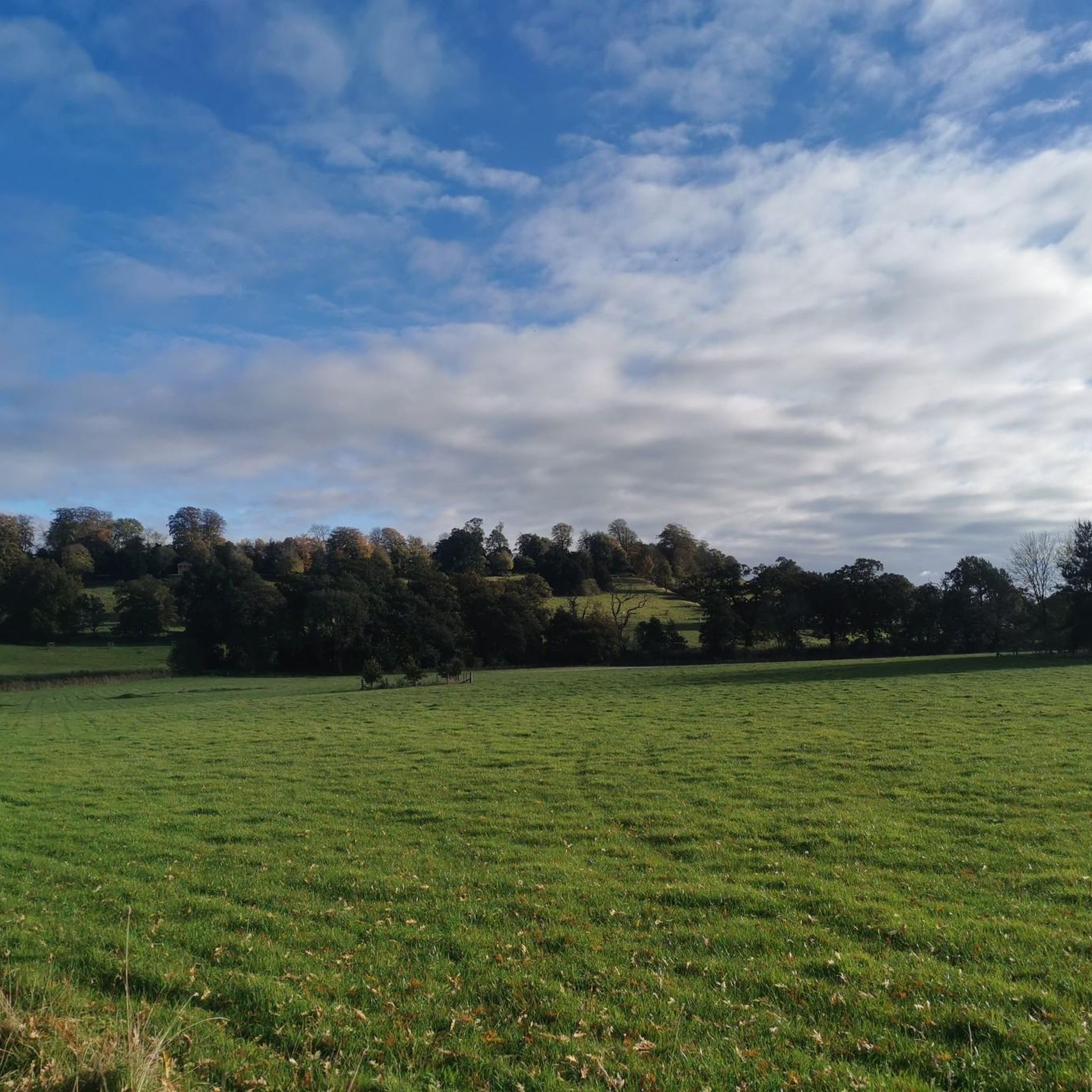
Edgehill is a great little climb. Steady, never too steep (max about 11%), good road and few cars.
0
0
Nice and steady climb up the edge 😉. About a kilometer of steady 10-14%. Smooth road, modest traffic. Great threshold climb for training.
0
0


Great to walk around looks very impressive
0
0

Currently no. 136 in the best road climbs of the country list this climb on the B4086 near the village of Ratley is a steady 10% gradient for just over 1km. It does ramp up a bit to a max of 13%.
1
0

"A tranquil Tudor manor house set in rare terraced gardens, with the 'antient' Dryden family at its heart Built by the Drydens using the remains of a medieval priory, the house and gardens have survived largely unaltered since 1710 and are presented as they were during the Victorian era. The warm, welcoming house features grand rooms, stunning tapestries and Jacobean plasterwork, contrasting with the domestic detail of the servants' quarters. Stroll in the historic parkland and catch glimpses of early medieval landscapes, while a wander through the priory church reveals the story of the canons of Canons Ashby." Cit. https://www.nationaltrust.org.uk/canons-ashby#Overview
2
0

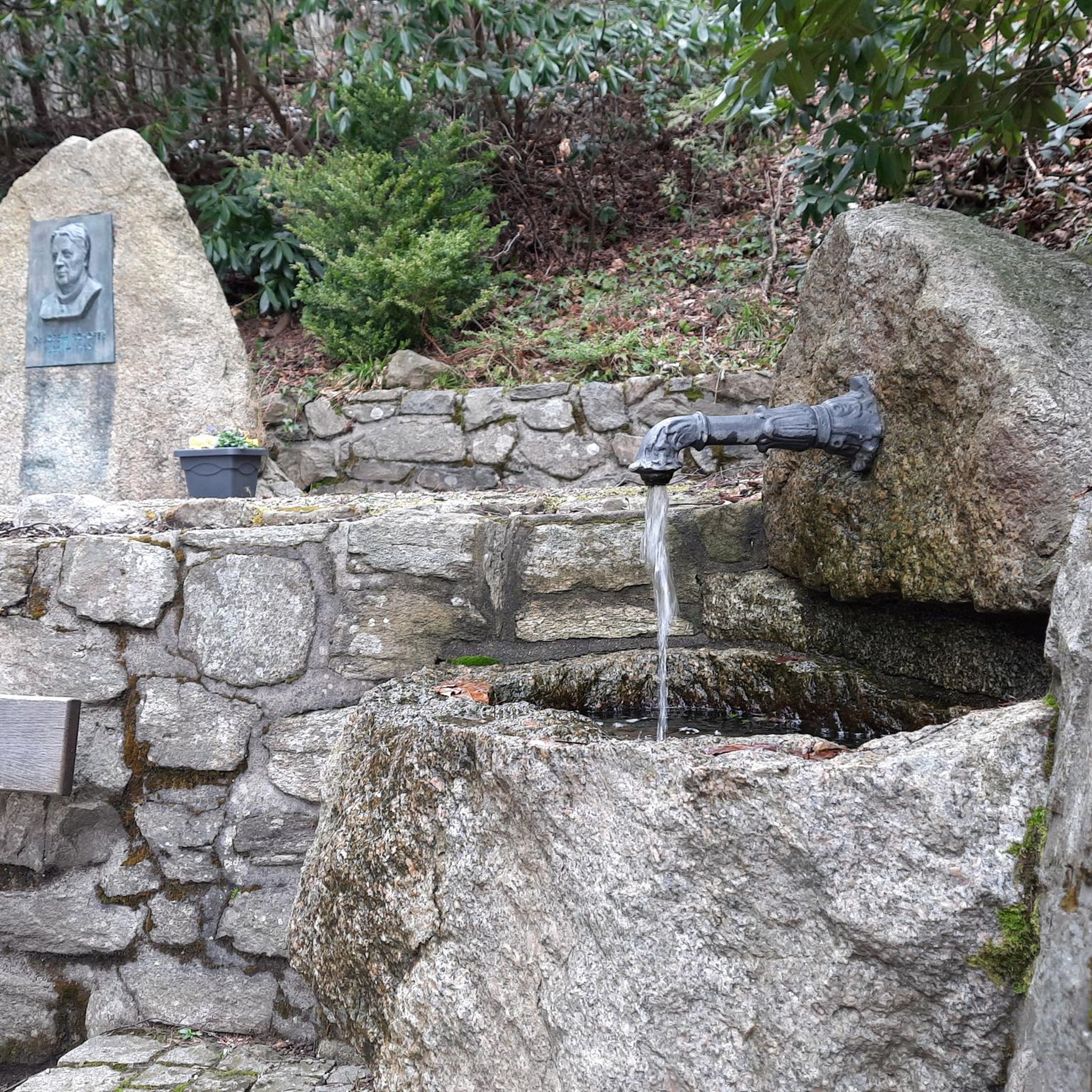
This well is a bit of an enigma, in the deserted Burton Dassett village in Northend, is found a substantial well head which has claims to be a ‘Holy Well’ although the provenance is unclear. Burgess (1876) in his Warwickshire History simply notes that it was used for baptism and immersion. Whilst Bord and Bord (1985) Sacred Waters appear to be earliest to refer to it as such stating: “the holy well with its stone cover will be seen on the left-hand side of the lane as you approach the church”. The present stone well house is of a considerable size being constructed of local red sandstone around 1840 in a Grecian style. The central doorway is party below ground level and has steps down into a square chamber. Over the stone lintel but the worn instruction is an inscription with carved flowers. It possibly states 1534 but it was not clear. It is evident that the well was part of an estate improvement but when and by whom? And did it exist before? If it does say 1534 that is an early date for a landed estate improvement. It certainly is still visited by well wishers as coins are found in its waters. Sadly, despite a substantial water supply it did not stop the demise of the village and now only the substantial church remains, which incidentally is worthy of a visit.
0
0

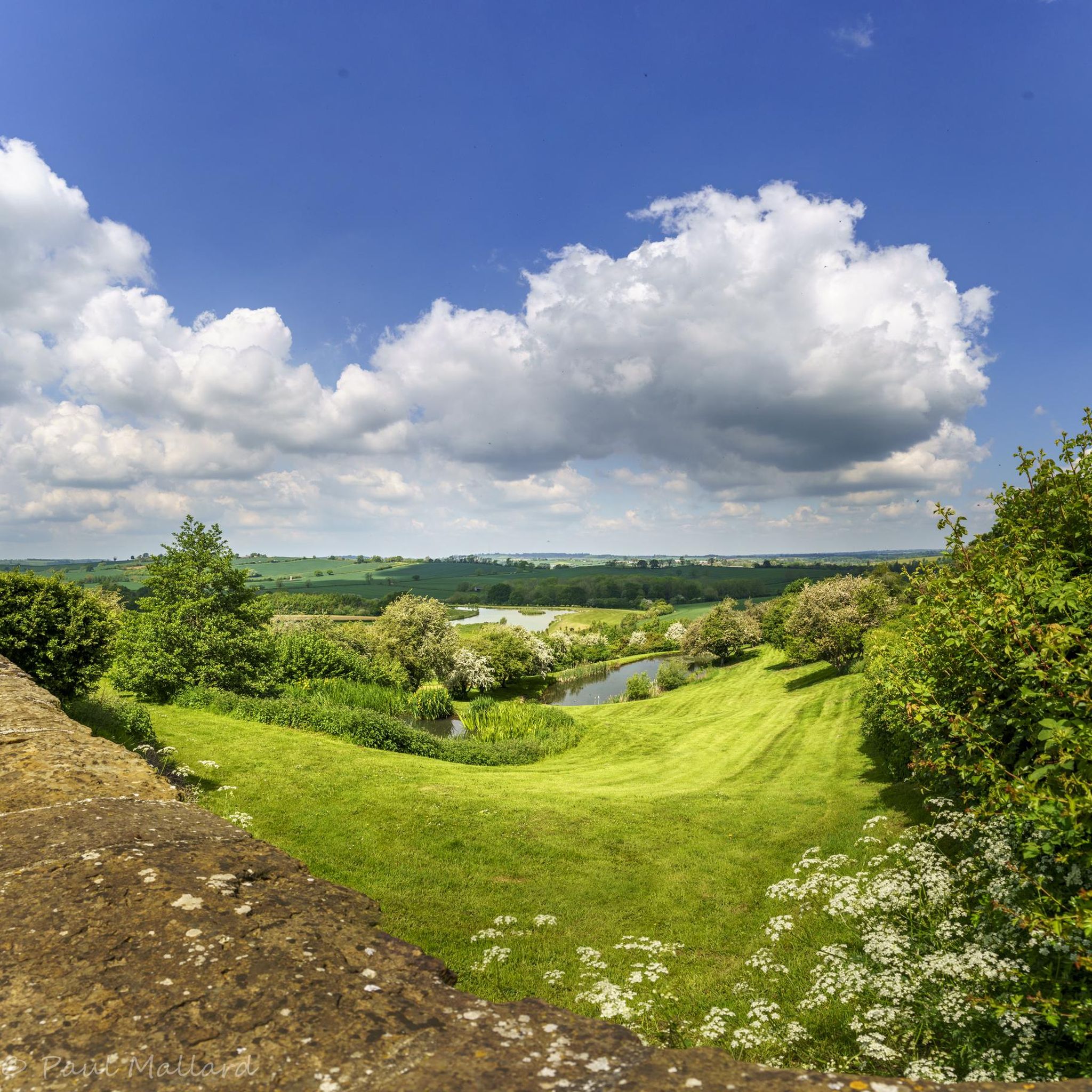
All Saints is a Grade I-listed church in a picturesque setting on the Burton Dassett Hills. The church has 12th-century origins. However, the chancel and transepts are early 13th century and the tower and porch are early 14th century. Inside, you can observe 13th-century wall paintings, medieval tiles and tombs from the 16th and 17th centuries.
1
0
Frequently Asked Questions
What historical and cultural sites can I visit around Aston-Le-Walls?
The area is rich in history, featuring several ancient churches. You can explore All Saints' Church, Burton Dassett, a Grade I-listed church with 12th-century origins, 13th-century wall paintings, and medieval tiles. Another significant site is the Church of St John the Baptist, Hornton, showcasing transitional Norman and Early English architectural styles. Also, consider St Mary's Church, Canons Ashby, part of a former Augustinian priory, and St Mary the Virgin Church, Cropredy, a large and imposing building constructed from local ironstone. Within Aston-Le-Walls itself, St Leonard's Church dates back to the 13th century, and the Sacred Heart and Our Lady Catholic Church was built in 1827.
Are there any natural features or wildlife spotting opportunities nearby?
Yes, the region offers several natural havens. You can visit Boddington Meadow, a rare fragment of meadowland rich with wildflowers and butterflies. Woodford Halse features old railway cuttings that are now important refuges for birds and butterflies. Farthinghoe, a former landfill site, has been transformed into an oasis for wildflowers and insects. High Wood and Meadow provides ancient woodland and diverse wildlife, while Ramsden Corner is a secluded reserve known for its variety of habitats.
What kind of outdoor activities can I do around Aston-Le-Walls?
The area is excellent for various outdoor pursuits. For cycling enthusiasts, there are numerous routes, including moderate loops like the 'Quiet Back Lane to Culworth – Forge Coffee Culworth loop'. Hikers can enjoy easy to moderate trails such as the 'Cropredy Wharf – Hell Hole loop' or the 'St James' Church – Cropredy Wharf loop'. Mountain biking is also popular, with routes like the 'Track Leading to the Salt Way – Madmarston Hill Roman Road loop from Banbury'. You can find more details on these activities in the dedicated guides for MTB Trails around Aston-Le-Walls, Hiking around Aston-Le-Walls, and Cycling around Aston-Le-Walls.
Are there any challenging climbs for cyclists in the area?
Yes, cyclists looking for a challenge can tackle the Edge Hill Climb from Kineton. It's known for its demanding sections but also offers opportunities for recovery within the ascent, making it a rewarding experience for many riders.
What is the best time of year to visit Aston-Le-Walls for outdoor activities?
The spring and summer months are ideal for enjoying the natural features like Boddington Meadow and High Wood and Meadow, when wildflowers are in bloom and wildlife is most active. The weather is also generally more favorable for hiking, cycling, and mountain biking during these seasons. However, the historical sites are accessible year-round.
Are there family-friendly attractions or activities in the Aston-Le-Walls area?
Many of the historical churches, such as All Saints' Church, Burton Dassett and St Mary's Church, Canons Ashby, are listed as family-friendly. Exploring the natural meadows and woodlands like Boddington Meadow or High Wood and Meadow can also be an enjoyable outing for families, offering opportunities for gentle walks and wildlife spotting.
What unique points of interest are there in Aston-Le-Walls?
Aston-Le-Walls is particularly known for Washbrook Farm, a world-renowned equestrian eventing center. It provides competition and training facilities, including all-weather and grass cross-country courses, and hosts various equestrian events throughout the year. This offers a unique insight into the equestrian world.
What do visitors enjoy most about the attractions around Aston-Le-Walls?
Visitors frequently appreciate the historical depth of the churches, with many highlighting the unspoiled nature and spiritual tranquility of places like All Saints' Church, Burton Dassett, and the architectural details of Church of St John the Baptist, Hornton. Cyclists particularly enjoy the challenge and rewarding experience of climbs like Edge Hill Climb from Kineton.
Are there any easy walking routes suitable for a leisurely stroll?
Yes, there are several easy walking routes. For example, the 'Cropredy Wharf – Hell Hole loop from Cropredy' is an easy 4.5 km hike, and the 'Oxford Canal at Cropredy – Cropredy Wharf loop from Cropredy' is another easy option at just under 5 km. These routes are perfect for a relaxed exploration of the local scenery.
Where can I find more information about the history of Aston-Le-Walls?
For broader historical context about the village, you can refer to external resources such as the Wikipedia page for Aston-Le-Walls, which provides details on its heritage and development.
Are there any viewpoints or scenic spots in the area?
While specific designated viewpoints are not highlighted, the picturesque setting of All Saints' Church, Burton Dassett on the Burton Dassett Hills offers scenic vistas. Additionally, exploring the natural features like High Wood and Meadow or Ramsden Corner will provide tranquil and visually appealing landscapes.
Most popular attractions around Aston-Le-Walls

Get inspired with the komoot mobile app


Explore more
Still not found the Highlight you’re looking for? See guides of the top attractions in other regions:
