Attractions and Places To See around North Aston - Top 20
Best attractions and places to see around North Aston include a blend of historical sites and natural beauty. This village, situated on the western slopes of the Cherwell valley in Oxfordshire, offers diverse points of interest. Visitors can explore historical landmarks, significant architectural structures, and serene natural landscapes. The region provides opportunities to discover both cultural heritage and the verdant Oxfordshire countryside.
Best attractions and places to see around North Aston
- The most popular attractions is Upper Heyford village and…
Last updated: July 2, 2026
Diamond Jubilee Obelisk, Tusmore Park
Highlight • Historical Site
Tip by

Tusmore House
Highlight • Monument
The house …
Tip by

Sign up now to discover places like this
Get recommendations on the best single tracks, peaks, & plenty of other exciting outdoor places.
Sign up for free
Flora Thompson's Childhood Home
Highlight • Historical Site
Tip by
Oxford Canal Towpath Between Tackley and Lower Heyford
Highlight • Bridge
Tip by

Upper Heyford village and carved tree trunk
Highlight • Settlement
Tip by
Sign up for free to discover even more attractions around North Aston.
Sign up for free
Already have an account?
Start today with a free account
Your next adventure awaits.
Login or Signup


Tips from the Community

A beautiful park with an obelisk as the centrefold, built in 2012 to mark the Queen's Diamond Jubilee.
3
0
If you know the English novelist Flora Thompson, you may enjoy this stop at her childhood home.
3
0

After Tackley and Kirtlington, there is a 3-mile (4.8 km) stretch of the Oxford Canal with no settlements until you reach the Heyfords. The walk along the towpath here is much loved by the folk of Oxford, who use train the stations at Tackley and Lower Heyford and walk between the two. Aside from the occasional train rattling along the nearby tracks and the chugging of passing canal barges, this section is characterised by peace, serenity and birdsong. The canal and River Cherwell both provide a habitat for a number of bird species.
1
0
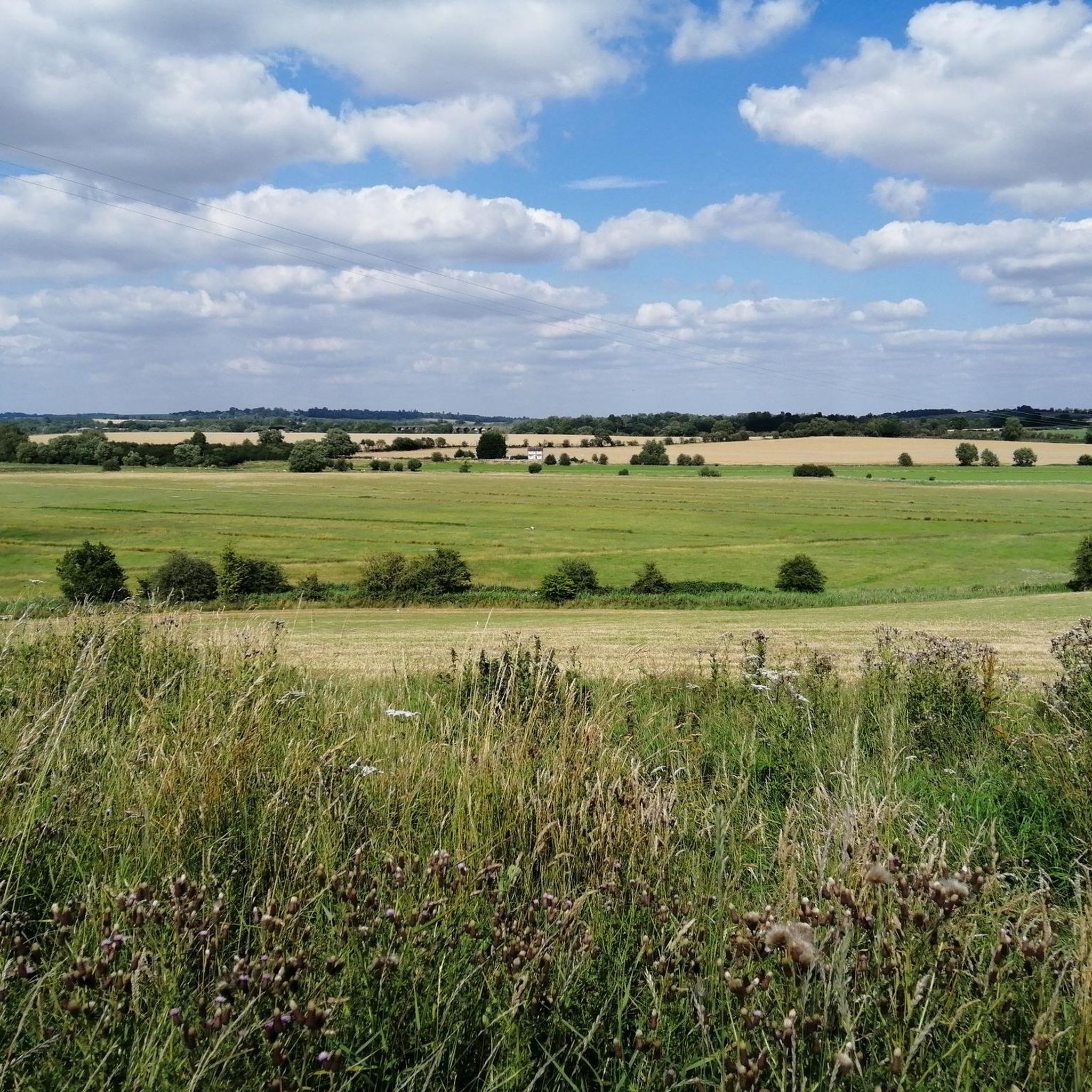
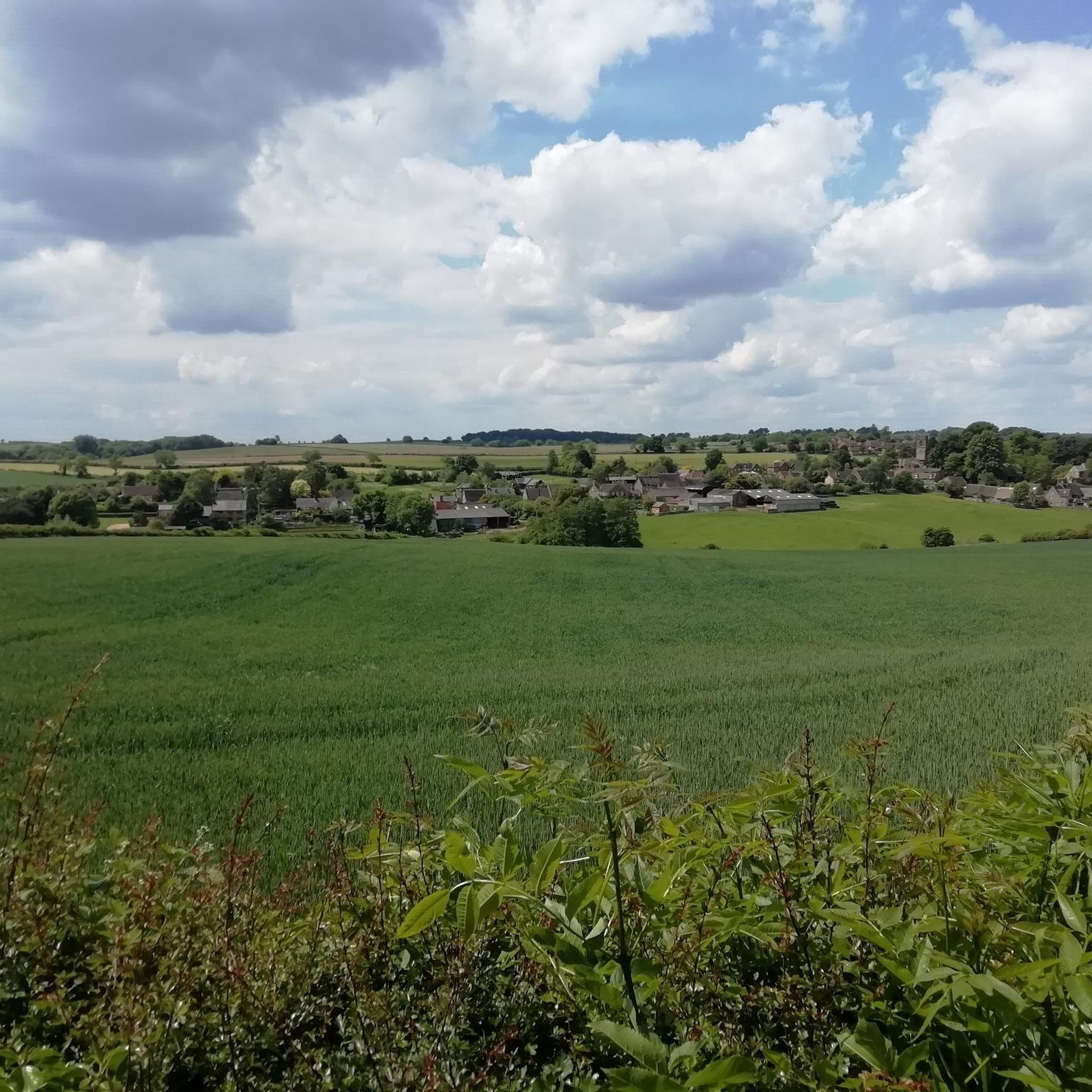
A mile north of Lower Heyford is its twin village Upper Heyford. Its location in the Cherwell Valley gives it excellent access to the verdant Oxfordshire countryside. There are plenty of local trails to explore. The Barley Mow pub is a good lunch option. The nearby RAF base was decommissioned in 1993 and many of its buildings are now listed as scheduled monuments. The site is popular with local urban explorers.
2
0

Flora Thompson (née Timms) (1876 – 1947) was a self-taught English novelist, who wrote about the decay of Victorian agrarian England. She is best known for her semi-autobiographical trilogy "Lark Rise to Candleford". "Laura's parents ... thought the house was well worth the rent, for it was two small thatched cottages made into one, with two bedrooms and a good garden. Of course, as they said, it had not the conveniences of a town house. Until they themselves had bought an oven grate and put it in the second cottage downstairs room, known as 'the wash-house', there was nowhere to bake the Sunday joint, and it was tiresome to have to draw water up from a well and irritating in wet weather to have to walk under an umbrella half way down the garden to the earth closet. But the cottage living-room was a pleasant place, with its well-polished furniture, shelves of bright crockery, and red-and-black rugs laid down to 'take the tread' on the raddled tile floor. In summer the window stood permanently open and hollyhocks and other tall flowers would push their way in and mingle with the geraniums and fuchsias on the window-sill. This room was the children's nursery ... [and ] had one advantage over most nurseries. The door opened straight out on to the garden path and in fine weather the children were allowed to run in and out as they would. Even when it rained and a board was slipped, country fashion, into grooves in the doorposts to keep them in, they could still lean out over it and feel the rain splash on their hands and see the birds flicking their wings in the puddles and smell the flowers and wet earth while they sang: 'Rain, rain, go away, Come again another day.'" From Flora Thompson's "Lark Rise to Candleford"
2
0

Sturdy footwear needed, but accessible in all weathers.
0
1

Flora Thompson (5 December 1876 – 21 May 1947) was an English novelist and poet best known for her semi-autobiographical trilogy about the English countryside, Lark Rise to Candleford. Verse Bog Myrtle and Peat (1921) Novels Lark Rise (1939) Over to Candleford (1941) Candleford Green (1943) Lark Rise to Candleford (1945, the above three novels published as a trilogy) Still Glides the Stream (1948, published posthumously) Heatherley (1944, published posthumously first in A Country Calendar 1979 along with some Peverel Papers and some poems; then as a single volume in 1998) Gates of Eden (serialised in The Peverel Monthly edited by Thompson in the late 1920s but never published as a separate volume) Dashpers (unfinished, unpublished novel) https://en.wikipedia.org/wiki/Flora_Thompson
3
0
Tusmore House in Oxfordshire, built for Wafic Said, the Syrian-born millionaire, has been declared the best new building in the classical tradition at the annual Georgian Group awards. The house is on the scale of the great houses of the 18th century. Its portico of solid stone rivals that of the church of St Martin-in-the-Fields in London. The quality of the scagliola columns in the central rotunda has been compared with the finest craftsmanship of the imperial palaces of St Petersburg. The owner and architects refused to be drawn on costs but the house has been valued at £35 million. https://www.telegraph.co.uk/news/uknews/1475634/The-English-country-house-rises-once-more.html
2
0
Frequently Asked Questions
What historical sites can I explore in and around North Aston?
North Aston is rich in history. You can visit St Mary's Church, which dates back to at least 1151, featuring 14th-century Gothic architecture and a late 15th-century alabaster tomb. Nearby, explore the extensive earthworks of Deddington Castle, an 11th-century motte and bailey castle. Another significant historical landmark is the Diamond Jubilee Obelisk, Tusmore Park, erected in 2012 to commemorate the Queen's Diamond Jubilee. Additionally, the former RAF base at Upper Heyford village has many buildings listed as scheduled monuments.
Are there any notable architectural landmarks in the area?
Yes, North Aston features several impressive architectural sites. North Aston Hall is a large Jacobethan country house with parts dating back to the 17th century, later modified in the 18th and 19th centuries. Tusmore House is another impressive estate, recognized for its classical architectural style that echoes the grandeur of 18th-century mansions.
Where can I enjoy nature and scenic walks near North Aston?
The region offers beautiful natural settings. The River Cherwell and Cherwell Valley form the parish's eastern boundary, providing a rich habitat for various bird species. You can also enjoy a peaceful walk along the Oxford Canal Towpath Between Tackley and Lower Heyford, a 3-mile section known for its serenity and birdsong. The verdant Oxfordshire countryside surrounding North Aston also offers numerous trails for walking and cycling.
What outdoor activities are available around North Aston?
The area around North Aston is ideal for outdoor enthusiasts. You can find numerous routes for hiking, cycling, and mountain biking. For hiking, consider routes like the 'Lower Heyford Village – Oxford Canal at Lower Heyford loop from Upper Heyford' which is an easy 4.4 km walk. Cyclists can explore routes such as 'Bike loop from Deddington' which is an easy 12.8 km ride. For more options, refer to the dedicated guides for hiking, cycling, and MTB trails around North Aston.
Are there any family-friendly attractions in the North Aston area?
Yes, several attractions are suitable for families. The Upper Heyford village and carved tree trunk is considered family-friendly, offering access to the Oxfordshire countryside. The Diamond Jubilee Obelisk, Tusmore Park, is also listed as a family-friendly historical site, set within a beautiful park.
What is the significance of Flora Thompson's Childhood Home?
The Flora Thompson's Childhood Home is a historical site dedicated to the English novelist and poet Flora Thompson (1876–1947). She is best known for her semi-autobiographical trilogy 'Lark Rise to Candleford,' which vividly describes Victorian agrarian England. Visiting her childhood home offers insight into the inspirations behind her acclaimed works.
Can I find easy walking trails near North Aston?
Yes, there are easy walking trails available. For instance, the 'Lower Heyford Village – Oxford Canal at Lower Heyford loop from Upper Heyford' is an easy 4.4 km hiking route. The Oxford Canal Towpath Between Tackley and Lower Heyford also offers a peaceful and relatively flat walk, suitable for those seeking a serene environment.
What do visitors particularly enjoy about the attractions around North Aston?
Visitors appreciate the blend of historical significance and natural beauty. The peace, serenity, and birdsong along the Oxford Canal Towpath are frequently highlighted. The historical depth of sites like St Mary's Church and the architectural grandeur of Tusmore House also receive positive feedback, as does the access to the verdant Oxfordshire countryside from places like Upper Heyford village.
Are there any pubs or cafes near the attractions in North Aston?
While specific cafes and pubs are not detailed for every attraction, Upper Heyford village, a short distance from North Aston, is noted to have 'The Barley Mow pub' as a good lunch option. The wider region offers various establishments, and exploring the villages around North Aston will likely reveal more options.
What is the best way to experience the Cherwell Valley near North Aston?
To best experience the Cherwell Valley, consider walking or cycling along the River Cherwell and the Oxford Canal. The Oxford Canal Towpath Between Tackley and Lower Heyford provides direct access to this scenic area, allowing you to enjoy the rich habitat for various bird species and the peaceful countryside. Many local trails also offer views and access to the valley's lush landscapes.
Can I find routes with elevation gain for more challenging walks?
While many walks in the immediate vicinity are relatively gentle, the broader Oxfordshire countryside offers varied terrain. For more challenging routes, you might explore longer hiking or cycling trails that traverse the rolling hills of the region. Guides for hiking and cycling around North Aston include routes with moderate and difficult ratings, such as 'Start of Loop Walk loop from Deddington' (9.8 km, moderate hiking) or 'The Old Fire Station Café loop from Cherwell District' (52.7 km, difficult cycling).

Get inspired with the komoot mobile app


Explore more
Still not found the Highlight you’re looking for? See guides of the top attractions in other regions:
