Attractions and Places To See around Merton - Top 20
Best attractions and places to see around Merton include a variety of historical sites and natural landscapes. The region offers opportunities to explore ancient structures and serene waterways. Visitors can discover a mix of architectural heritage and scenic routes. This area provides diverse points of interest for outdoor enthusiasts.
Best attractions and places to see around Merton
- The most popular attractions is Brill Windmill, a viewpoint that offers spectacular views across Oxfordshire. The mill dates back to the 17th…
Last updated: October 5, 2026
Brill Windmill
Highlight • Viewpoint
Tip by

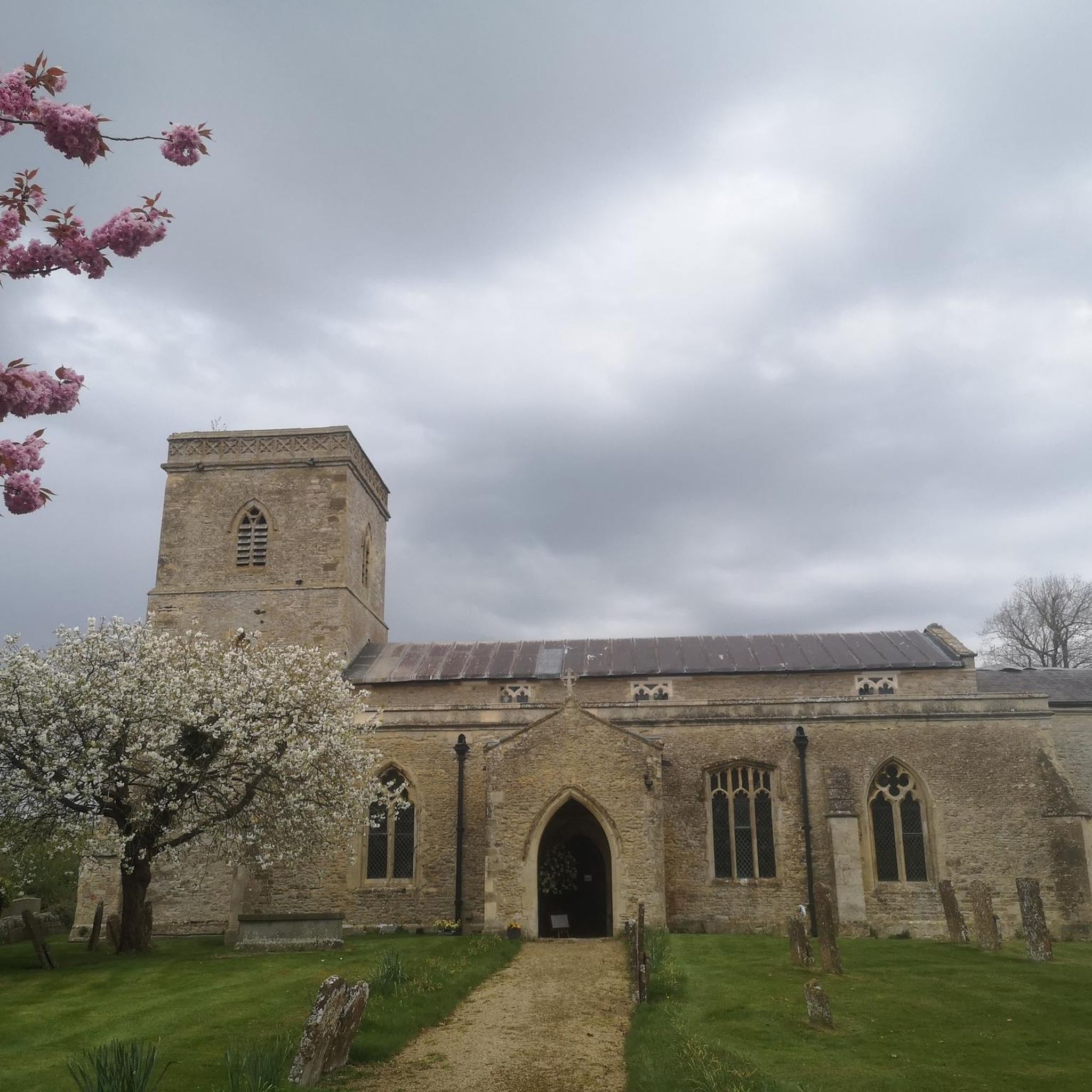
St Mary’s Church, Hampton Poyle
Highlight • Religious Site
Tip by

Sign up now to discover places like this
Get recommendations on the best single tracks, peaks, & plenty of other exciting outdoor places.
Church of St Giles, Hampton Gay
Highlight • Religious Site
Tip by
Holy Cross Church, Shipton-on-Cherwell
Highlight • Religious Site
Tip by
Oxford Canal Towpath Between Tackley and Lower Heyford
Highlight • Bridge
Tip by

Sign up for free to discover even more attractions around Merton.
Already have an account?
Start today with a free account
Your next adventure awaits.
Tips from the Community

This church, which is dedicated to the Holy Cross (Latin "Santa Croce"), takes its patronage from the cross on which Jesus Christ died. The veneration of the Holy Cross goes back in large part to Saint Helena, who was the mother of Emperor Constantine the Great (who recognized Christianity as a religion after his victory at the "Milvian Bridge" in front of Rome and ended the long period of persecution with the "Edict of Toleration" of Milan in 312). In the early fourth century, she made a pilgrimage to the Holy Land (Israel / Palestine) and brought numerous relics back to Europe, including the "True Cross" on which Jesus Christ was crucified. Helena is therefore often depicted with a cross as an attribute. The church celebrates the feast of the discovery, public presentation and veneration of the Holy Cross - called the "Exaltation of the Cross" - on September 14th.
1
0

J. R . R. Tolkien often visited Brill when he lived in Oxford, and used it as his basis of Bree where beloved character Frodo Baggins meets Aragorn for the first time.
0
0

The roads on the west of the Mill are the easiest to ascent, the steepest is for descending is to the south towards Oakley
1
1

Church. Medieval; rebuilt and west tower added in 1831 by William Turner; minor restoration by J. Buckeridge, 1869. Squared and coursed limestone with ashlar dressings; stone-coped gabled stone slate roof. Nave, chancel and west tower. Gothic Revival style. One-bay chancel has offset corner buttresses, 3-light Decorated-style east window and 2-light side windows. Two-bay south side of nave has hood mould over chamfered pointed-arched blocked doorway, and label moulds over 2-light ogee-headed cinquefoiled windows; to north side are similar windows flanking early C14 reset Decorated porch, which has hood mould with rosettes and unusually primitive head corbels over hollow-chamfered pointed-arched doorway with rosettes; Cl9 pointed-arched inner doorway. Three-stage west tower has hood moulds over cinquefoiled windows and battlemented parapet with corner gargoyles. Interior: arch-braced roof throughout, with moulded beams, wind braces and king posts, set on plain corbels adorned with arms of past vicars and lords of the manor. Chancel has mid C19 Minton tile floor, and early C14 reset cinquefoiled tomb recess. Double-chamfered chancel arch has traceried Decorated-style panels flanking brattished Perpendicular-style traceried wood screen made in 1896. Nave has wood traceried pulpit set on stone base, C18 parish chest, C11 tub font reset on late C19 piers and C19 west door. Late C19 stained glass throughout. Memorials: in chancel are wall tablets to John Rathbone, d.1613, set in coloured moulded architrave, Stephen Pomfrett, d.1713, with carved stall and hourglass set above roundel , and Gothic-style memorial to William Turner. Also in chancel is medieval child's coffin. Ledger stone in nave to Edward Egleton, d,1722. Pictures of church before restoration show that chancel had north chapel (whence tomb recess was moved) and that present C14 porch lay to south. William Turner was an Oxford watercolourist and his uncle William Turner of The Manor (q.v.) provided the money for restoration. (Buildings of England: Oxfordshire: pp757-8; Information from VCH National Monuments Record; Bodleian Library, Topographical Drawings)
2
0
Church. Medieval; rebuilt 1767-72 for Reverend Thomas Hinds; restored 1860 by Reverend F.C. Hingeston. Squared and coursed limestone with ashlar quoins; coursed limestone rubble with north wall and west tower. Gabled stone slate roof. Nave, chancel and west tower. East window of graduated C13-style lancets. Two-bay side walls have classical moulded cornice and pointed lancets; hood mould over mid C19 pointed arched chamfered doorway with plank door. Medieval 2-storey west tower; mid C19 Norman-style west doorway with nailhead decoration; C18 semi-circular arched belfry windows with key and impost blocks; crenellated parapet; pyramidal-roof has large ball finial and wrought-iron weathervane. Interior: mid C18 panelled pulpit; mid C19 pews; mid C18 gallery with panelled font set on slender octagonal shaft. Mid C18 plaster ceiling, with moulded cornice and square panels and central roundel. Monuments: south wall has white marble architectural monument with shield set in broken pediment and fluted Ionic pilasters to Thomas Hindes, d.1718, and wife Elizabeth, d.1761; two C20 wall tablets set in architectural frame. North side: architectural wall monument to Reverend Thomas Hindes, d.1768, with shield set in broken pediment and fluted pilasters; large fine architectural coloured monument to Vincent Barry, d.1615, his wife and daughter Lady Katherine, d.1663. 3 shields surmount inscription flanked by putti; Corinthian columns flank figures kneeling at prayer desks, with children below, set in segmental-arched recess with rosettes. Church stands in isolated position in fields, with deserted medieval village to south. (Buildings of England: Oxfordshire: p630; VCH: Oxfordshire: Vol VI, pp158-9; National Monuments Record)
1
0
On the edge of the village, surrounded by fields grazed by sheep and horses, St Mary’s Hampton Poyle enjoys one of the loveliest settings of any church in Oxfordshire. Built of local stone around the same time as St Mary’s Kidlington, it has many interesting features inside and out. Small and simple Two stone corbels greet you at the large oak entrance door, which opens into the south aisle. The core of the church is a simple 13th-century chapel, consisting of a nave and chancel. The north and south aisles were added in the 14th century and the double bellcote at the west end is thought to date from the early 18th century. The chancel The chancel contains some fine features from the 13th-century ‘Early English’ period, including a lancet window and a priest’s door on the south side. The three-light east window, with its geometric tracery, dates from the late 13th century. The glass was renewed in the Victorian period. Medieval stained glass from about 1400 survives in the lights at the top of the window in the north side. They represent the symbols of the four Evangelists. The ornate marble reredos behind the altar, and the tiles at the side, were added in the Victorian period. The north aisle The two recumbent effigies in the north aisle are said to represent Walter de la Poyle, who became Lord of the Manor in 1267, and Catherine, Lady of the Manor, who died in 1489. The window on the left of the north wall shows the arms of Walter de la Poyle, and the brass fixed to the wall represents John Poyle (d. 1424) and his wife Elizabeth. Low down towards the east end of the wall there is a niche containing what is thought to be a ‘heart-stone’ for the separate burial of a heart. Interlocking arms Between the nave and north aisle is an octagonal pillar with a capital showing the upper halves of four figures with their arms linked. This style of 14th-century sculpture is more common in churches further north in Oxfordshire, including Adderbury and Bloxham. The Parish Previously a parish in its own right, Hampton Poyle has been served by the Kidlington Team Ministry for a number of years and was united with the Parish in 1997. Condemned clergy Hampton Poyle’s 16th-century priest Richard Thomason was allegedly condemned to hang in chains from Duns Tew steeple for his opposition to the first prayer book of Edward VI. The 17th-century rector Edward Fulham was forced to resign and flee abroad on account of his strong Royalist views and his opposition to Puritanism.
1
0

Great spot to stop, lovely views and quite a few benches to have a rest.
2
0

After Tackley and Kirtlington, there is a 3-mile (4.8 km) stretch of the Oxford Canal with no settlements until you reach the Heyfords. The walk along the towpath here is much loved by the folk of Oxford, who use train the stations at Tackley and Lower Heyford and walk between the two. Aside from the occasional train rattling along the nearby tracks and the chugging of passing canal barges, this section is characterised by peace, serenity and birdsong. The canal and River Cherwell both provide a habitat for a number of bird species.
1
0
Frequently Asked Questions
What green spaces and parks can I explore in Merton?
Merton boasts several expansive green spaces perfect for relaxation and outdoor activities. You can visit Morden Hall Park, a National Trust site with riverside paths, rose gardens, and wetlands along the River Wandle. Wimbledon Common offers over 1,100 acres of woodlands, heathland, and ponds, ideal for walking and wildlife spotting. Other notable parks include Mitcham Common, Wimbledon Park Lake, and Cannizaro Park with its ornamental gardens.
Are there good walking and cycling trails in Merton?
Yes, Merton offers excellent options for walking and cycling. The Wandle Trail is a scenic path following the River Wandle for approximately 10 miles, connecting various green spaces and heritage sites like Merton Abbey Mills. For more structured outdoor activities, you can find numerous hiking routes around Merton, including easy loops like the "Jubilee Lake – Standing Stones loop from Bicester." Cyclists can explore various cycling routes around Merton, such as the "Oxford Canal – View of RSPB Otmoor loop."
Where can I enjoy riverside walks and spot wildlife in Merton?
The River Wandle is a focal point for nature and wildlife in Merton. You can take peaceful riverside walks through Morden Hall Park or along the Wandle Trail. The Wandle Meadow Nature Park, situated on the trail, is known for its small ponds supporting diverse insect, amphibian, and bird life, including kingfishers and grey wagtails. Keep an eye out for wildlife along the riverbanks and in the surrounding green spaces.
What historical landmarks can I visit in Merton?
Merton is rich in history. Explore the ruins of Merton Priory, founded in 1114, which played a significant role in British history and now features an underpass museum displaying excavated medieval remains. The Wimbledon Windmill, opened in 1816, now serves as a museum within Wimbledon Common. You can also visit Merton Abbey Mills, a historic craft village on the River Wandle, and the charming Wimbledon Village with its old houses and St Mary's Church.
Are there any significant religious sites in Merton?
Yes, Merton has several notable religious sites. Merton Priory, though largely in ruins, was a significant Augustinian priory. St Mary's Church, Merton Park, is a historic parish church founded in the 12th century. Additionally, Wat Buddhapadipa is a beautiful Buddhist temple located in Merton, offering a unique cultural experience.
Where can I learn about Merton's local history and heritage?
To delve into Merton's past, visit the Museum of Wimbledon, an independent, volunteer-run museum showcasing the area's history. The Merton Heritage Centre also offers temporary exhibitions and access to a wide range of historical resources, including maps and photographs. The Wandle Industrial Museum is dedicated to the industrial heritage of the Wandle Valley.
What family-friendly attractions are available in Merton?
Families visiting Merton have several engaging options. Morden Hall Park offers plenty of space for children to run and explore, with riverside paths and open lawns. Deen City Farm provides an opportunity to learn about farm life in an urban setting, complete with an onsite riding school and cafe. Many of the green spaces, like Wimbledon Common, are also excellent for family outings and picnics.
What can I do on a rainy day in Merton?
On a rainy day, you can explore Merton's indoor cultural attractions. Visit the Wimbledon Lawn Tennis Museum for insights into the sport's heritage. Catch a performance at the New Wimbledon Theatre, or immerse yourself in local history at the Museum of Wimbledon or the Merton Heritage Centre. The underpass museum at Merton Priory also offers an indoor historical experience.
Are there any wheelchair accessible attractions in Merton?
While specific accessibility details vary, Morden Hall Park, a National Trust property, generally offers accessible paths and facilities. Many of the main paths through Wimbledon Common and along the Wandle Trail are relatively flat, though conditions can vary with weather. It's always advisable to check specific venue websites for detailed accessibility information before your visit.
What do visitors enjoy most about the attractions around Merton?
Visitors particularly appreciate the blend of historical significance and natural beauty in Merton. Highlights like Brill Windmill are loved for their spectacular views and historical context. The serene settings of religious buildings such as Holy Cross Church, Shipton-on-Cherwell, and St Mary’s Church, Hampton Poyle, are also highly valued. The komoot community has given these spots over 260 upvotes, highlighting their diverse appeal.
Can I find cafes or places to eat near Merton's attractions?
Yes, many attractions in Merton have nearby cafes or dining options. Merton Abbey Mills is a craft village with various artisan stalls and eateries. Wimbledon Village offers charming pubs and boutique shops. Morden Hall Park has its own cafe, and Deen City Farm also features an onsite cafe. You'll find numerous options for refreshments and meals conveniently located near popular sites.
What are some lesser-known or 'hidden gems' to explore in Merton?
Beyond the main attractions, Merton offers some delightful hidden gems. The Merton Priory Chapter House, with its underpass museum, reveals fascinating medieval remains beneath a modern setting. Wandle Meadow Nature Park, while part of the larger Wandle Trail, is a tranquil spot for nature lovers. Exploring the quieter sections of the Wandle Trail itself can also lead to unexpected discoveries of local wildlife and heritage.
Are there opportunities for mountain biking around Merton?
Yes, for mountain biking enthusiasts, there are several MTB trails around Merton. You can find routes like the "Bicester Village loop to Ambrosden" which is an easy 22 km ride, or more moderate options such as the "Ancient Lime Tree – Tusmore House loop from Bicester North." These trails offer a great way to experience the local landscape on two wheels.

Get inspired with the komoot mobile app


Explore more
Still not found the Highlight you’re looking for? See guides of the top attractions in other regions:
