Attractions and Places To See around Pulloxhill - Top 20
Best attractions and places to see around Pulloxhill include a blend of historical sites and natural landscapes. This Bedfordshire village is situated on high ground, surrounded by rolling hills and countryside between the River Flit and Ivel valleys. The area features historic buildings, ancient meadows, and a Site of Special Scientific Interest, offering diverse points of interest. Evidence of human habitation dates back to the Iron Age, adding to its historical significance.
Best attractions and places to see around Pulloxhill
…Last updated: June 22, 2026
Icknield Way Trail – Pegsdon Hills
Highlight (Segment) • Forest
Tip by

Houghton House Ruins
Highlight • Viewpoint
Tip by

Sign up now to discover places like this
Get recommendations on the best single tracks, peaks, & plenty of other exciting outdoor places.
Sign up for free
St Peter's Church, Lilley
Highlight • Historical Site
Tip by

Ampthill Market Square
Highlight • Cafe
Tip by

Wardown Park
Highlight • Bridge
Tip by

Sign up for free to discover even more attractions around Pulloxhill.
Sign up for free
Already have an account?
Start today with a free account
Your next adventure awaits.
Login or Signup
Tips from the Community

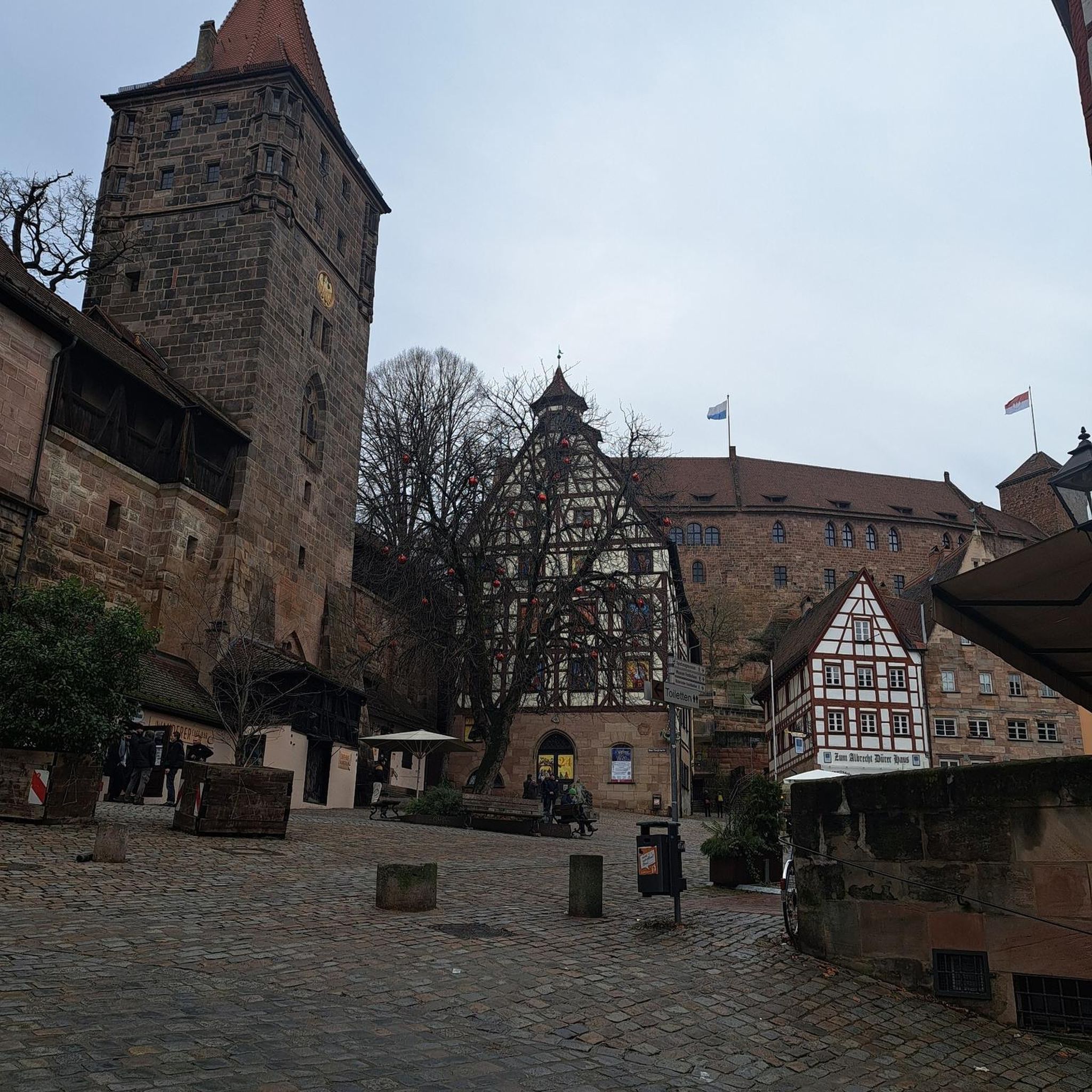
In the accounts of the Evangelists, who describe the events in the life of Jesus and his disciples in the New Testament, we find a very nuanced picture of the Apostle Saint Peter, to whom the patronage of this church in Lilley is entrusted. On the one hand, we encounter the convinced and resolute disciple of Jesus, who, for example, attended the Transfiguration on Mount Tabor; but on the other hand, he is not free from human weakness. The latter becomes very clear in the events of Holy Week: In the Garden of Gethsemane, he falls asleep—as do the other disciples—when Jesus, after the Last Supper, addresses God the Father and asks the disciples to pray as well; and after Jesus' arrest, Peter, out of fear, even denies three times that he knows him at all. But he also weeps over his weakness and, upon encountering the risen Christ, professes his love and loyalty to him. His real name is Simon, but Jesus gives him the name Peter (the word means 'rock'), upon which the Church is to be built, and gives him – according to the Gospel of Matthew – the "keys to the Kingdom of Heaven." His feast day – together with that of Saint Paul – is celebrated on June 29th in all Christian denominations.
0
0

Great spot to spend an hour or two. Plenty of wildlife to see and the museum has a cafe with rather unique decoration that's worth visiting.
0
0

Wardown Park is the jewel in the crown of Luton’s parks with outstanding features, such as the fountain and boating lake, and a rich history. It is one of seven district parks in Luton, providing a green refuge within walking distance of the town centre. The park provides the setting for Wardown Park Museum and offers a wide range of opportunities for formal and informal recreational activities. The historic significance of the park is acknowledged by its inclusion as Grade II on the English Heritage Register of Historic Parks and Gardens, particularly due to the rarity of the combination of Victorian and Edwardian purpose-built design features that make-up the Park.
0
0

On the climb, make sure to admire the amazing tree canopy as well. :)
0
0
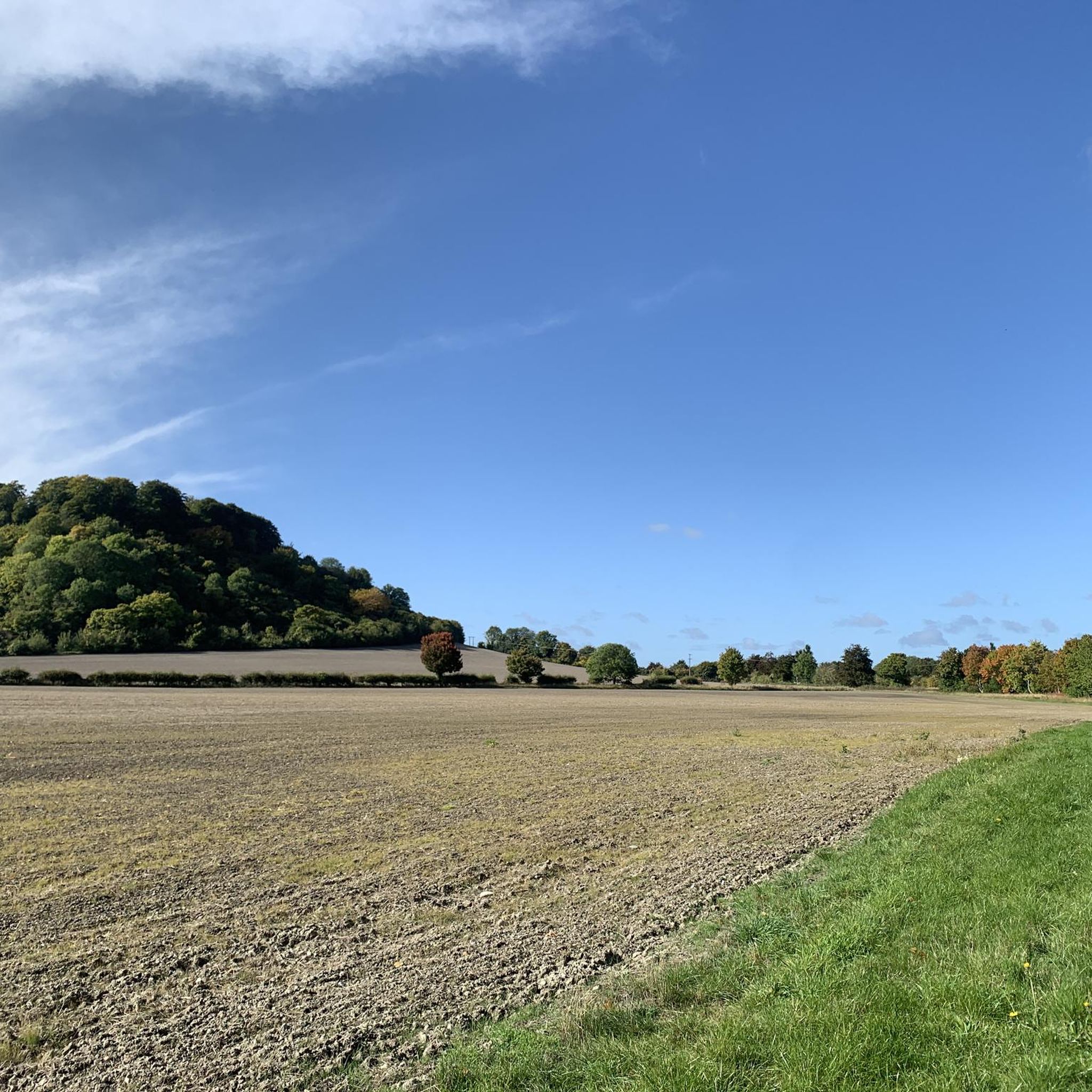
Beautiful woodland part of the Icknield Way in this area, with a climb & descent around Telegraph Hill
0
0

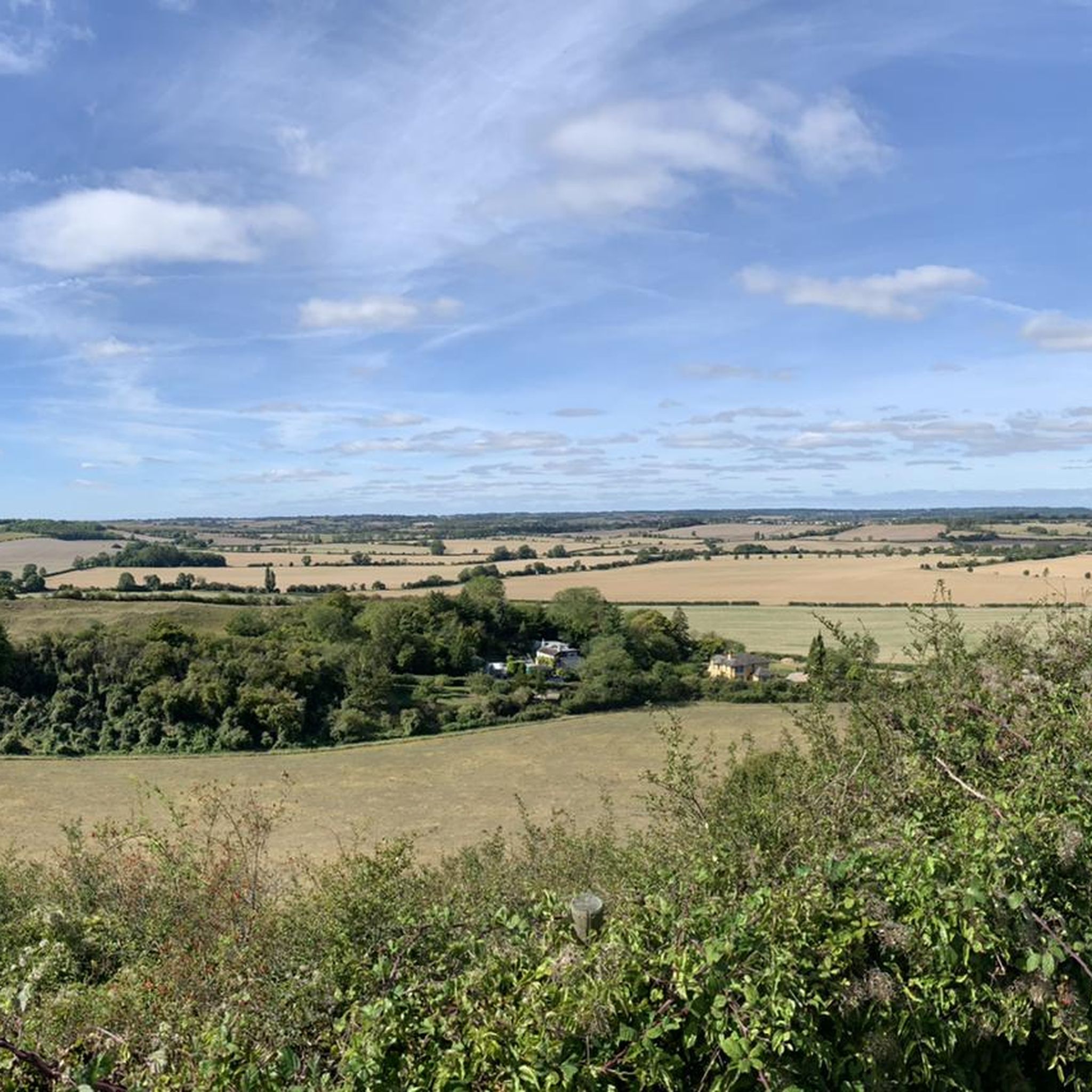
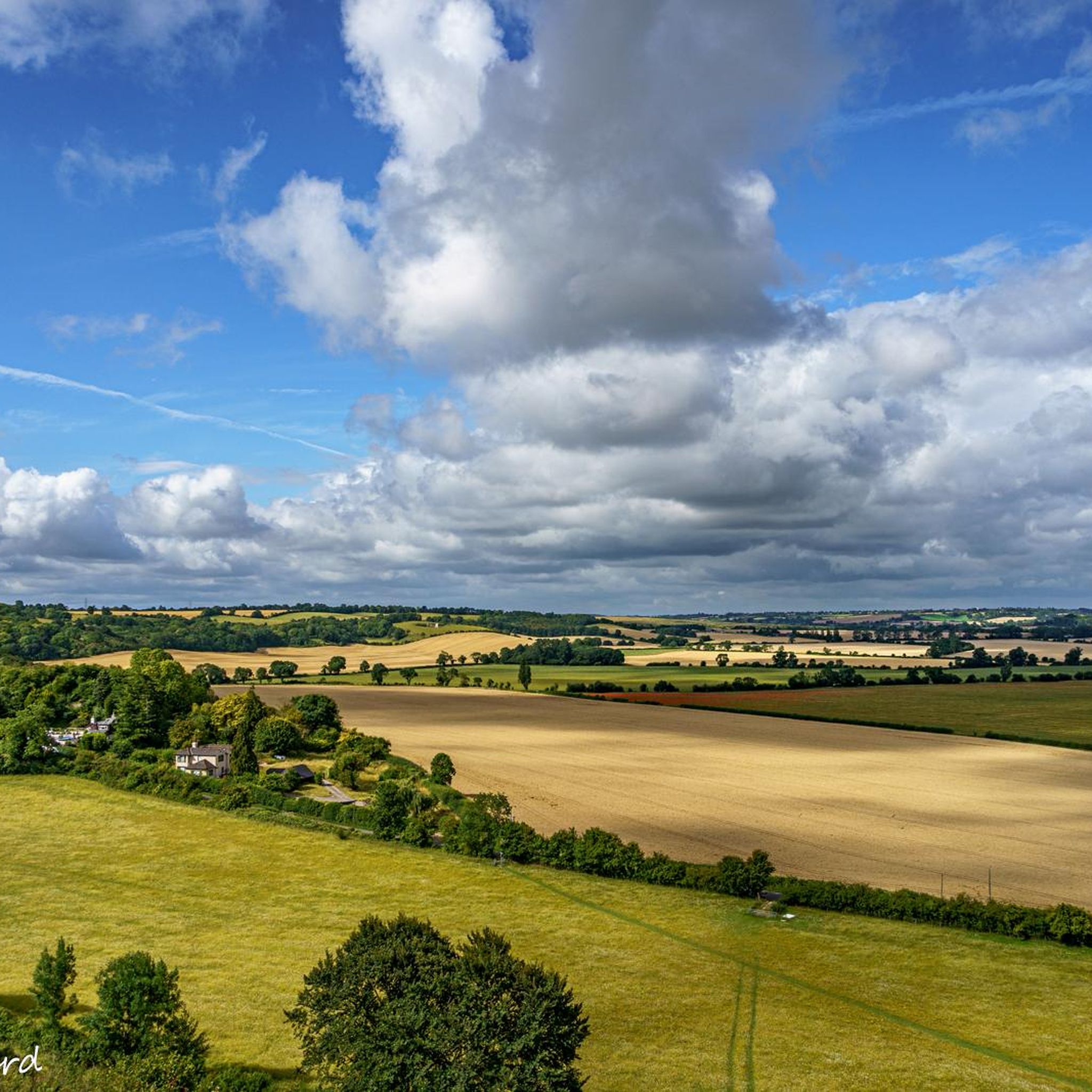
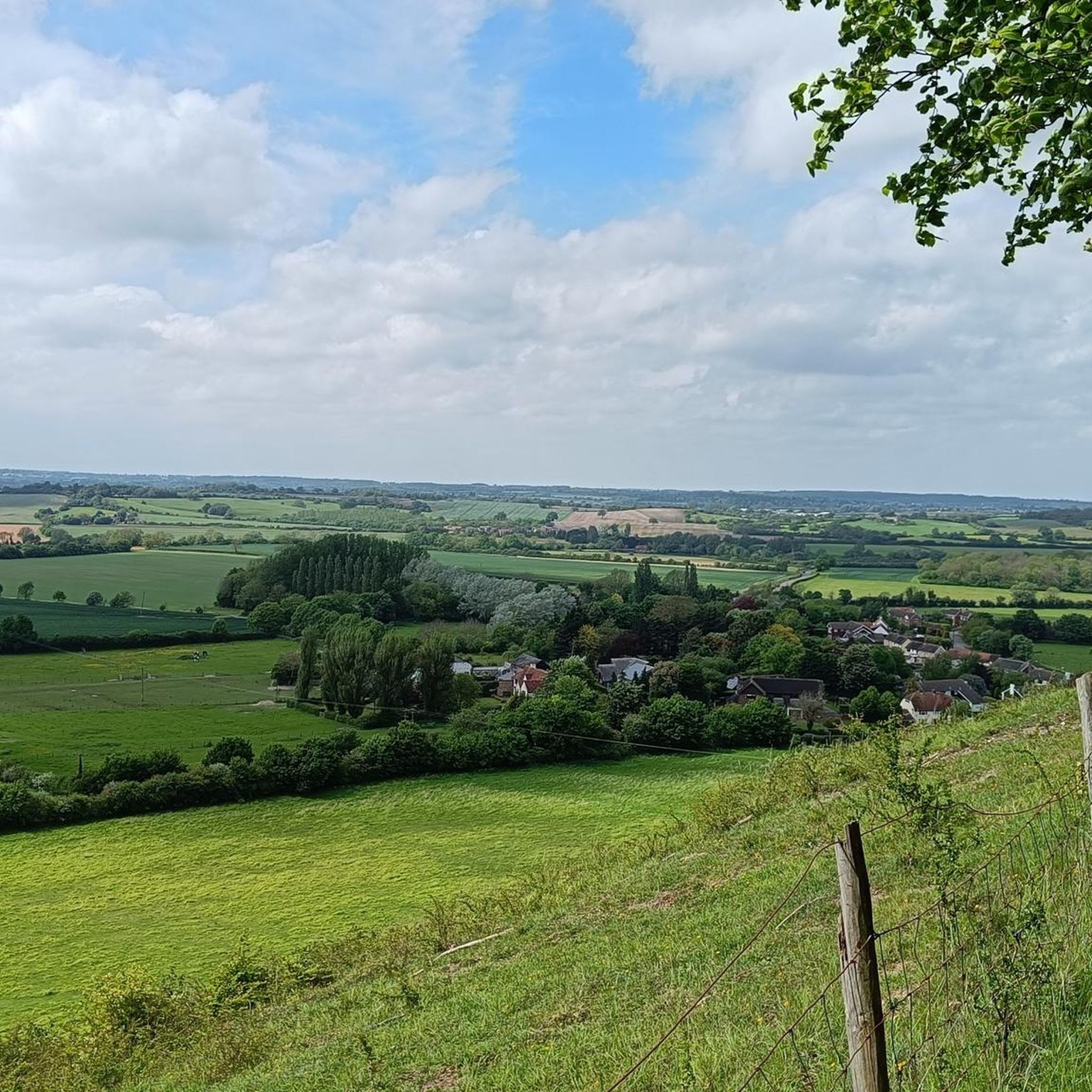
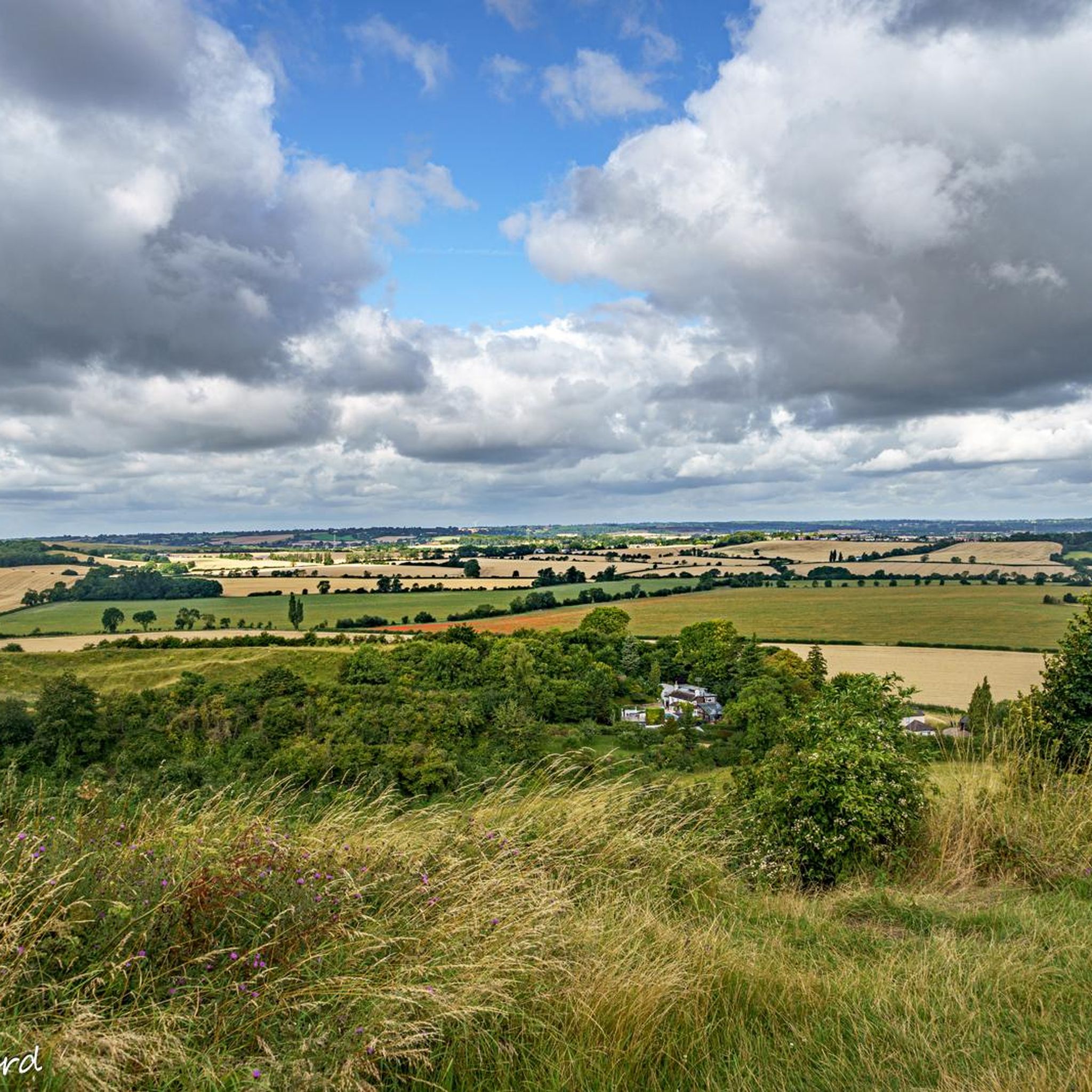
we love this stretch some great views over the plains
0
0
Frequently Asked Questions
What historical sites can I explore in Pulloxhill?
Pulloxhill is rich in history. You can visit the historic St. James Church, consecrated in 1219, which retains medieval elements despite being rebuilt. The village also features several listed buildings like The Old Rectory (17th century), The Grange (circa 1700), Rectory Farm (16th century), and Pond Farm (17th century). Additionally, the ruins of Houghton House, a 17th-century mansion, offer a glimpse into the past and are managed by English Heritage.
Are there natural attractions or viewpoints near Pulloxhill?
Yes, Pulloxhill offers several natural points of interest. Pulloxhill Marsh is a 5.1-hectare biological Site of Special Scientific Interest (SSSI) with diverse plant species, viewable from Church Road. Rushymeade is an ancient meadow and wildlife area with marvelous views, rich in wildlife, and historical ridge-and-furrow patterns. You can also enjoy scenic views from the Houghton House Ruins, overlooking the surrounding countryside.
What kind of walking trails are available around Pulloxhill?
The area around Pulloxhill offers a variety of walking trails. You can find routes like the Icknield Way Trail – Pegsdon Hills, which is a forest trail with a wide, hard-pack path and a steady incline. For more options, explore the hiking routes around Pulloxhill, which include moderate and difficult trails, or check out easy hikes such as the Plum Pudding Hill loops.
Are there any family-friendly attractions or activities near Pulloxhill?
Yes, there are family-friendly options. Houghton House Ruins is a historical site that families can explore. Rushymeade, an ancient meadow, has picnic tables and benches, making it suitable for family outings. Additionally, Wardown Park in Luton offers a boating lake, museum, and various recreational activities, making it a great family destination.
Where can I find places to eat or drink near Pulloxhill?
Pulloxhill has a history of traditional public houses, including The Red Lion, The White Horse, The Chequers, and The Cross Keys. For more options, Ampthill Market Square is a picturesque Georgian town with various cafes and pubs offering food and drink, including The White Hart and Surtin Café.
What is the significance of St. James Church in Pulloxhill?
St. James Church is a central landmark in Pulloxhill, consecrated in 1219. While largely rebuilt in 1845-1846, it retains significant medieval elements, including an ancient font and stained-glass windows. Its churchyard also hosts the Pulloxhill War Memorial, making it a site of both historical and community importance.
Can I find easy walking trails suitable for beginners near Pulloxhill?
Yes, there are easy walking trails available. You can find several easy hikes around Pulloxhill, such as the Plum Pudding Hill – View of Barton Hills loop from Barton-le-Clay, which is approximately 4.3 km long. For more options, refer to the easy hikes guide for the area.
What cycling routes are available around Pulloxhill?
Pulloxhill is part of the Chilterns cycle route. The Icknield Way Trail – Pegsdon Hills is a popular segment for cyclists. For dedicated road cycling, you can explore various road cycling routes around Pulloxhill, including moderate and easy options like the New Water End Lane loop or The Stone Jug – Downhill Section loop.
What makes Rushymeade a notable natural area?
Rushymeade is an ancient meadow and wildlife area located on the south-eastern slopes of Pulloxhill. It is notable for its marvelous views, rich biodiversity, and historical elements like 13th and 14th-century ridge-and-furrow patterns. It offers open meadowland, boggy ground, and shrubby areas, providing a habitat for a wide variety of plants, animals, and over thirty recorded bird species. Picnic tables and benches are available for visitors.
Are there any historical religious buildings to visit besides St. James Church?
Yes, St Peter's Church, Lilley is another historical religious building situated in pleasant countryside. Built in the 12th century and rebuilt in 1871, it retains original features such as a 15th-century octagonal clunch font and stained-glass windows from 1891.
What is the historical significance of Pulloxhill village itself?
Pulloxhill village has a deep historical past, being mentioned in the Domesday Book of 1086. It is also known as one of the oldest homes of the Bunyan family, with connections to John Bunyan. Archaeological evidence suggests human habitation dates back to the Iron Age, with discoveries of late Neolithic to early Bronze Age pottery and a ring ditch.
What do visitors enjoy most about the attractions around Pulloxhill?
Visitors appreciate the blend of historical sites and natural landscapes. The komoot community has shared 17 photos and given 46 upvotes for the attractions, highlighting the scenic views from places like Houghton House Ruins and the well-maintained trails such as the Icknield Way Trail – Pegsdon Hills.
Most popular attractions around Pulloxhill

Get inspired with the komoot mobile app


Explore more
Still not found the Highlight you’re looking for? See guides of the top attractions in other regions:
