Attractions and Places To See around Kintbury - Top 20
Best attractions and places to see around Kintbury include a mix of natural beauty, historical landmarks, and cultural sites. The village is situated within the North Wessex Downs, an Area of Outstanding Natural Beauty, providing a scenic backdrop. The River Kennet and the Kennet and Avon Canal are central features, offering rich ecosystems and historical significance. Kintbury's historic village layout and various listed buildings reflect its long history, including evidence of Roman occupation.
Best attractions and places to see around Kintbury
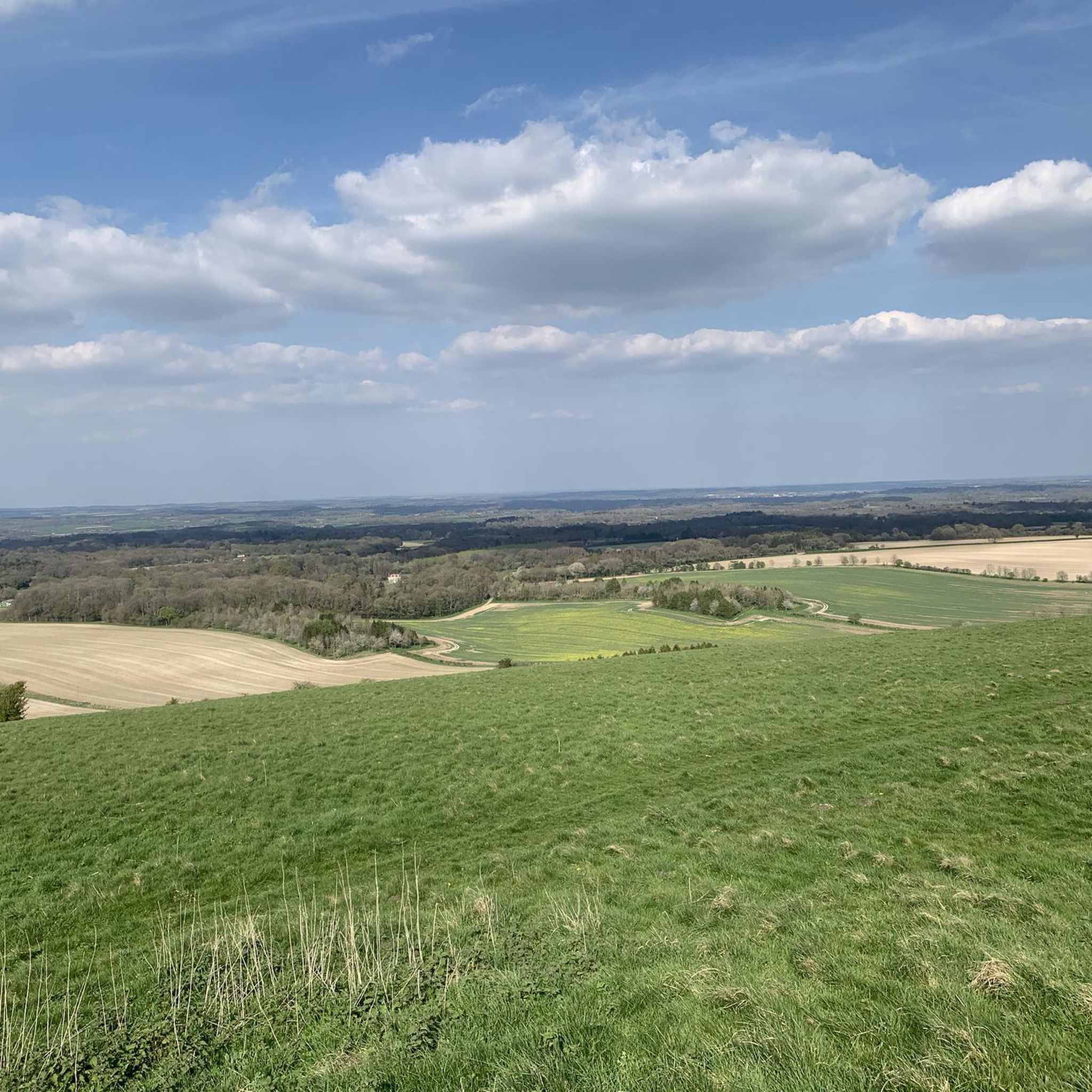
- The most popular attractions is Combe Gibbet, a man_made_monument that was erected in 1676 to display bodies as a warning. It offers extensive views from its location on Gallows Down.
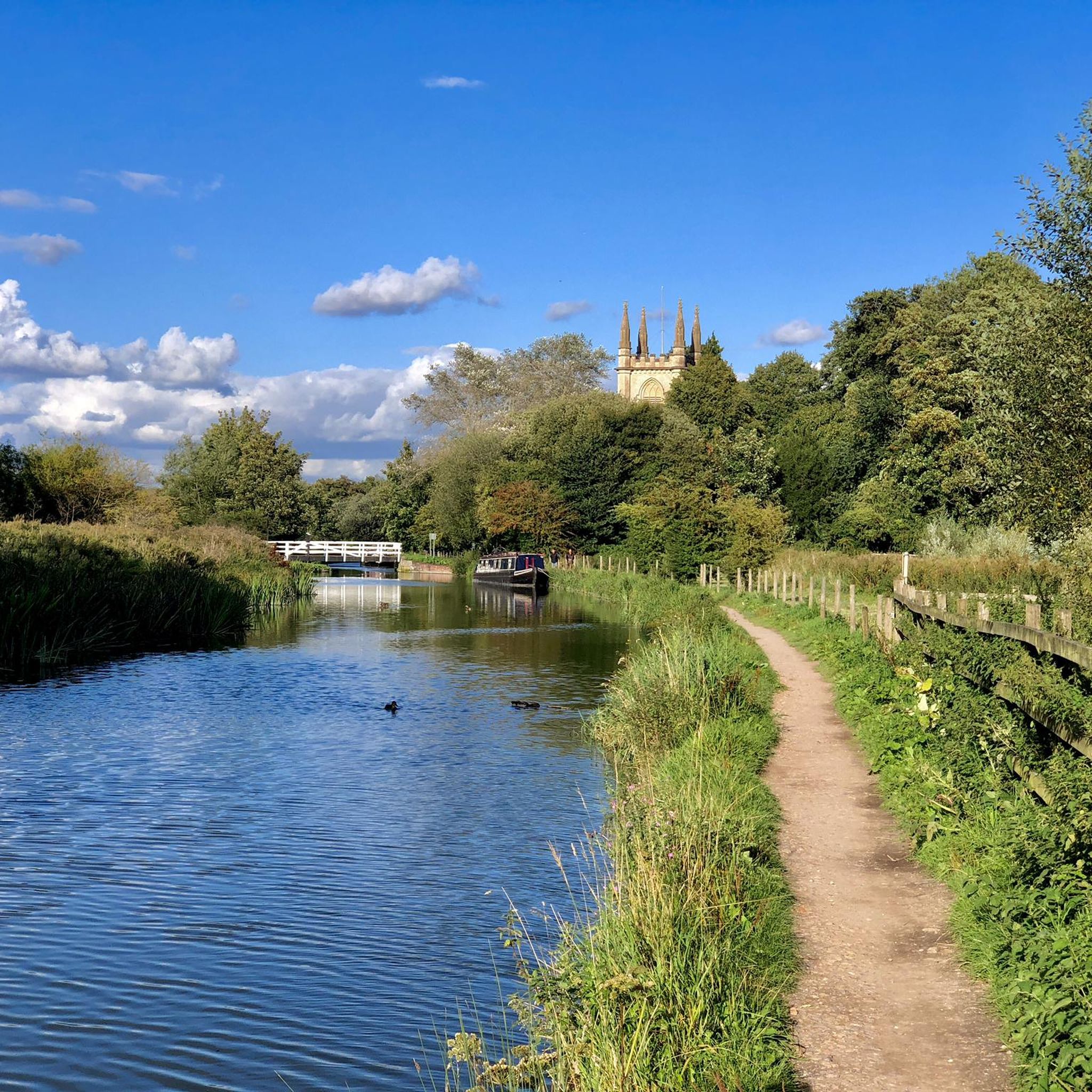
- Another must-see spot is Crofton Locks and Pumping Station, a set of nine locks on the Kennet and Avon Canal. Visitors can explore the historic pumping station, which includes a cafe and gift shop, and observe local wildlife.
- Visitors also love Greenham Common Control Tower, a man_made_monument that serves as a museum and visitor centre. This site holds historical significance from both the Cold War and WW2 eras, offering panoramic views from its observation deck.
- Kintbury is known for its historical sites, natural features, and canal features. The area provides a variety of attractions to see and explore, from ancient churches to nature reserves.
- The attractions around Kintbury are appreciated by the komoot community, with 92 upvotes and 43 photos shared by visitors.
Last updated: October 18, 2026
Combe Gibbet
Highlight • Monument
Tip by

Crofton Locks and Pumping Station
Highlight • Rest Area
The area also provides important habitat for wildlife and is home to lots of swans, ducks, moorhens, thrushes and even common lizards and and slow worms.
Tip by

Sign up now to discover places like this
Get recommendations on the best single tracks, peaks, & plenty of other exciting outdoor places.
St Michael and All Angels Church, Lambourn
Highlight • Religious Site
The first written record of a church at Lambourn is from 1032, in a charter of Cnut, but it seems highly likely there was a Saxon church here several centuries earlier. Charters in 934 and 955 mention Lambourn, and Alfred the Great mentions a royal manor at Lambourn in his will. Though circumstantial, these documents suggest that an important Saxon church, perhaps a minster, stood here at least as early as the 9th century (a minster acted as a ‘mother’ church for a region, and may have had resident priests who traveled out from their base to preach and minister to their far-flung flocks). The circular shape of the churchyard suggests that the site may have been in use in Roman times, or even earlier.
The current church of St Michael and All Angels was begun in the 12th century, with major rebuilding in the 13t, 15th, and 19th centuries. The core of the building dates to about 1180, and is constructed on a cruciform plan. To the 12th century core was added a pair of transepts in the 13th century, several 14th century chantry chapels, and the chancel and upper portion of the tower were rebuilt in the 16th century."
Cit. lambourn.org/st-michael-and-all-angels
Tip by

Holy Cross Church, Ramsbury
Highlight • Religious Site
The building is of flint with limestone dressings, and the chancel is finished in roughcast. The west tower is described as "massive" and has substantial corner buttresses.
The collection of stone fragments held in the church includes four which appear to be Norman. The font bowl is 12th century. The interior fittings, which include two brass chandeliers dated 1751, are described by Pevsner as "quite an uncommon wealth". The tower has six bells, five of them dated 1708 and made by the elder Abraham Rudhall. The church was recorded as Grade I listed in 1966."
Cit. en.wikipedia.org/wiki/Ramsbury
Tip by
Greenham Common Control Tower
Highlight • Monument
Tip by

Sign up for free to discover even more attractions around Kintbury.
Already have an account?
Start today with a free account
Your next adventure awaits.
Tips from the Community


Replacements and Legacy: The original gibbet from 1676 eventually deteriorated. The current gibbet is actually the seventh to stand on the site. Previous versions were replaced due to rotting, being struck by lightning, vandalism, or being blown down by strong winds. The current replica was erected in 1992. While the gibbet was only ever used for the display of George Bromham and Dorothy Newman, its grim history has made it a local landmark and a popular spot for walkers, hang-gliders, and paragliders, offering expansive views across Berkshire, Hampshire, and Wiltshire. The story of the murders even inspired a 1948 silent film called "The Black Legend," made by a young John Schlesinger.
2
0
The Gibbet's Purpose: After their execution, their bodies were brought back to Inkpen and prepared for public display. A large, double gibbet was hastily erected on the long barrow. The bodies of George and Dorothy, bound in chains, were then displayed on either side of the gibbet on March 6, 1676, as a stark and gruesome warning to the local community to deter similar crimes. The location was chosen due to its prominence and being on the border of the two parishes, as there was a dispute over which parish should bear the cost of the gibbet.
2
0
The Murders and Gibbeting: The Crime: George Bromham, a married farm labourer from Combe, and Dorothy Newman, a widow from Inkpen, were having an illicit affair. To be together, they murdered George's wife, Martha Bromham, and their son, Robert. Accounts vary, but it's believed they waylaid Martha and Robert and beat them to death with staves near where the gibbet now stands. One dramatic, though likely far-fetched, version suggests George killed his wife by thrusting her head into a hornet's nest. The Witness: The crime was reportedly witnessed by a villager known as "Mad Thomas," who alerted the authorities. Trial and Execution: George Bromham and Dorothy Newman were tried at Winchester Assizes. They were found guilty and hanged in Winchester on March 3, 1676.
2
0


Greenham Common Control Tower is a museum and visitor centre. The control tower has major historical significance, playing an important role in both the Cold War and WW2 era. Visitors can explore the rich history of this building whilst taking in panoramic views at the observation desk. There is a café on site too where you can grab a hot drink or bite to eat.
1
0
Crofton Pumping Station advertises that it has the oldest working steam engine in the world. The idea was actually to route the canal through a mountain at a lower altitude using a tunnel. But this project was too expensive and too complex. That's why the pumping station was built. It once reliably filled the canal with water at the geographically highest points of the route.
0
0

"The Church of England parish church of the Holy Cross was begun in the 13th century and enlarged later that century or in the early 14th. In the 15th century the chancel was lengthened and re-roofed. In 1891–2 the aisles were rebuilt and the south porch rebuilt. The building is of flint with limestone dressings, and the chancel is finished in roughcast. The west tower is described as "massive" and has substantial corner buttresses. The collection of stone fragments held in the church includes four which appear to be Norman. The font bowl is 12th century. The interior fittings, which include two brass chandeliers dated 1751, are described by Pevsner as "quite an uncommon wealth". The tower has six bells, five of them dated 1708 and made by the elder Abraham Rudhall. The church was recorded as Grade I listed in 1966." Cit. https://en.wikipedia.org/wiki/Ramsbury
2
0
Frequently Asked Questions
What natural features can I explore around Kintbury?
Kintbury is nestled within the North Wessex Downs, an Area of Outstanding Natural Beauty. You can explore the scenic River Kennet and the historic Kennet and Avon Canal, which are central features of the village. The Crofton Locks and Pumping Station offers a chance to observe local wildlife, including swans and various birds. Additionally, the Kintbury Newt Ponds are a local nature reserve known for rare great crested newts, and Catmore and Winterly Copses are designated Sites of Special Scientific Interest.
What historical landmarks or sites are there in Kintbury?
Kintbury boasts several historical sites. St. Mary's Church, dating back to the 12th century, is a Grade II* listed building with a 13th-century tower. The Kennet and Avon Canal, opened to Kintbury by 1797, features Kintbury Lock and World War II pillboxes along its towpath. You can also find the Grade II listed Old Vicarage, where Jane Austen was a frequent guest, and the Kintbury Vicarage Footbridge. Evidence of a Romano-British site, likely a villa and bath house, was discovered near the canal.
Are there any notable viewpoints in the Kintbury area?
Yes, Combe Gibbet offers extensive views from its location on Gallows Down. Another excellent spot for panoramic views is the observation deck at the Greenham Common Control Tower, which also serves as a museum.
Are there family-friendly attractions or activities in Kintbury?
The Crofton Locks and Pumping Station is considered family-friendly, offering a cafe, gift shop, picnic area, and opportunities to see wildlife. The Greenham Common Control Tower is also family-friendly, with a museum and cafe. Exploring the Kennet and Avon Canal towpath is a gentle activity suitable for families, and the Kintbury Jubilee Centre provides sports and leisure facilities.
What outdoor activities can I do near Kintbury's attractions?
Kintbury is an excellent starting point for various outdoor activities. You can find numerous road cycling routes, such as the 'Wooded Lanes West of Ramsbury' or 'Kintbury Canal Side' loops. There are also running trails, including a 'Running loop from Kintbury' and routes along the canal. For gravel biking, options like the 'River Lambourn at Bagnor' loop are available. You can find more details on these activities in the Road Cycling Routes around Kintbury, Running Trails around Kintbury, and Gravel biking around Kintbury guides.
Are there good walking or hiking trails near Kintbury's attractions?
Yes, the village's setting within the North Wessex Downs provides an excellent backdrop for walking and hiking. The Kennet and Avon Canal towpath offers a flat, scenic route. For more structured options, you can explore various running trails that are also suitable for walking, such as the 'Running loop from Kintbury' or the 'Kintbury Canal Side' route. The Kintbury Heritage Walk also highlights many historical points within the village and surrounding area.
What is the best time to visit Kintbury attractions?
The North Wessex Downs and canal paths are enjoyable year-round. Spring and summer offer pleasant weather for walks and outdoor activities, with lush greenery and opportunities to see wildlife. Autumn provides beautiful foliage, while winter can offer crisp, quiet walks. Some attractions, like the Crofton Pumping Station, may have seasonal operating hours, so it's advisable to check their schedules if planning a visit outside peak season.
What is Kintbury village known for historically?
Kintbury is known for its rich history, with a largely medieval layout and numerous buildings dating back to at least the 18th century. It has strong ties to the Kennet and Avon Canal, which significantly impacted its development. The village also has connections to Roman occupation, with a Romano-British site discovered nearby, and its St. Mary's Church dates back to the 12th century. Jane Austen was also a frequent guest at The Old Vicarage.
Are there places to eat and drink in Kintbury?
Yes, Kintbury has traditional pubs like The Blue Ball and The Dundas Arms, which offer local character and hospitality. Additionally, the Crofton Locks and Pumping Station and the Greenham Common Control Tower both have cafes on site where you can grab a hot drink or a bite to eat.
What do visitors enjoy most about the attractions around Kintbury?
Visitors appreciate the blend of natural beauty and historical significance. The extensive views from places like Combe Gibbet and the panoramic vistas from the Greenham Common Control Tower are highly rated. The historic engineering marvel of Crofton Locks and Pumping Station, with its cafe and wildlife, is also a popular highlight. The overall charm of Kintbury's historic village architecture and its setting within the North Wessex Downs are frequently mentioned.
Can I find information about the Kintbury Heritage Walk?
Yes, Kintbury offers a heritage walk that highlights many of its historical points, including St. Mary's Church, the Old Vicarage, canal features, and sites of Roman activity. You can find detailed information and maps for the Kintbury Heritage Walk through resources like the West Berkshire Heritage website, which provides downloadable guides such as Kintbury Heritage Walk or Kintbury Heritage Walk V2.
Most popular routes around Kintbury
Most popular attractions around Kintbury

Get inspired with the komoot mobile app


Explore more
Still not found the Highlight you’re looking for? See guides of the top attractions in other regions:
