The best walks and hikes around Aldworth
4.6
(1157)
7,001
hikers
455
hikes
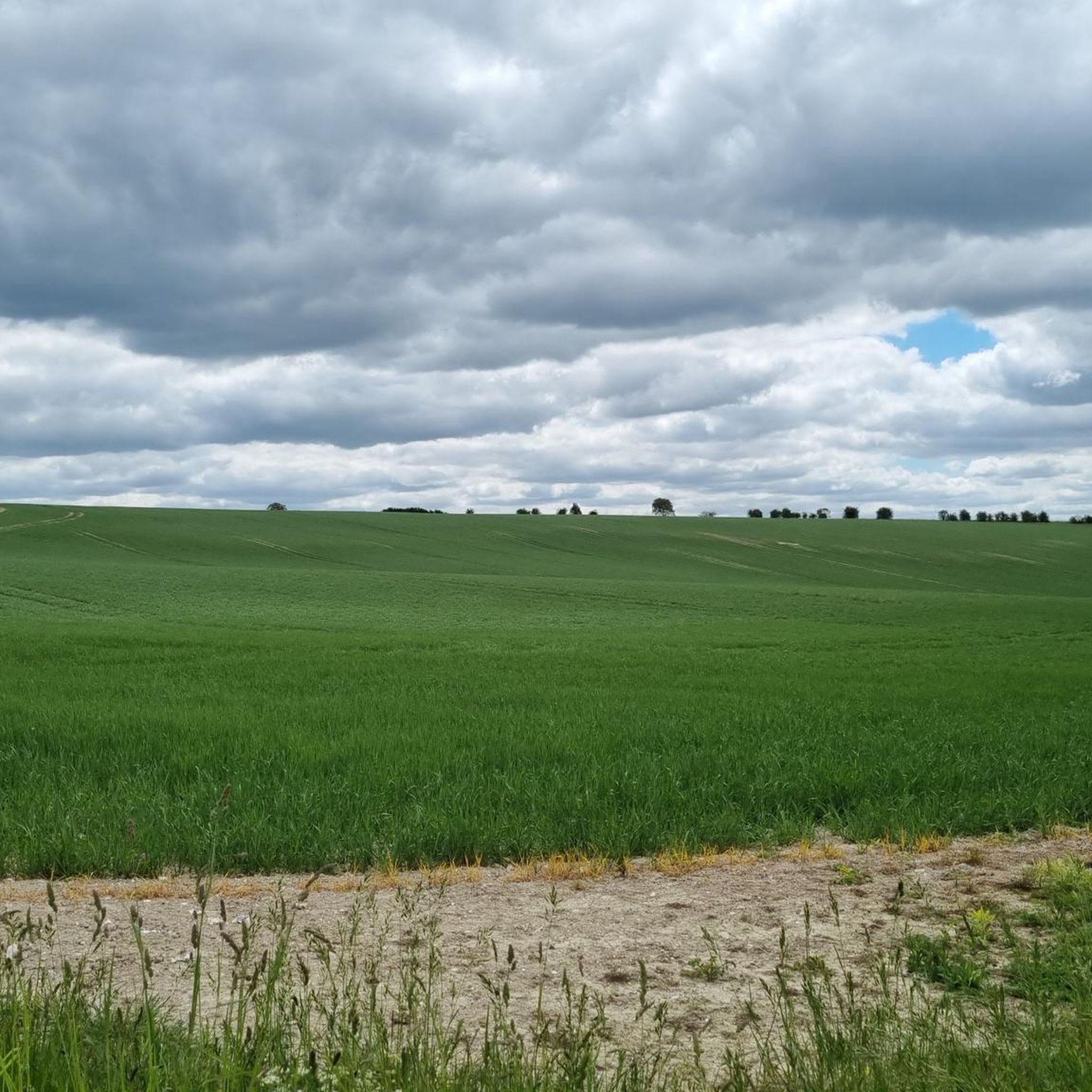
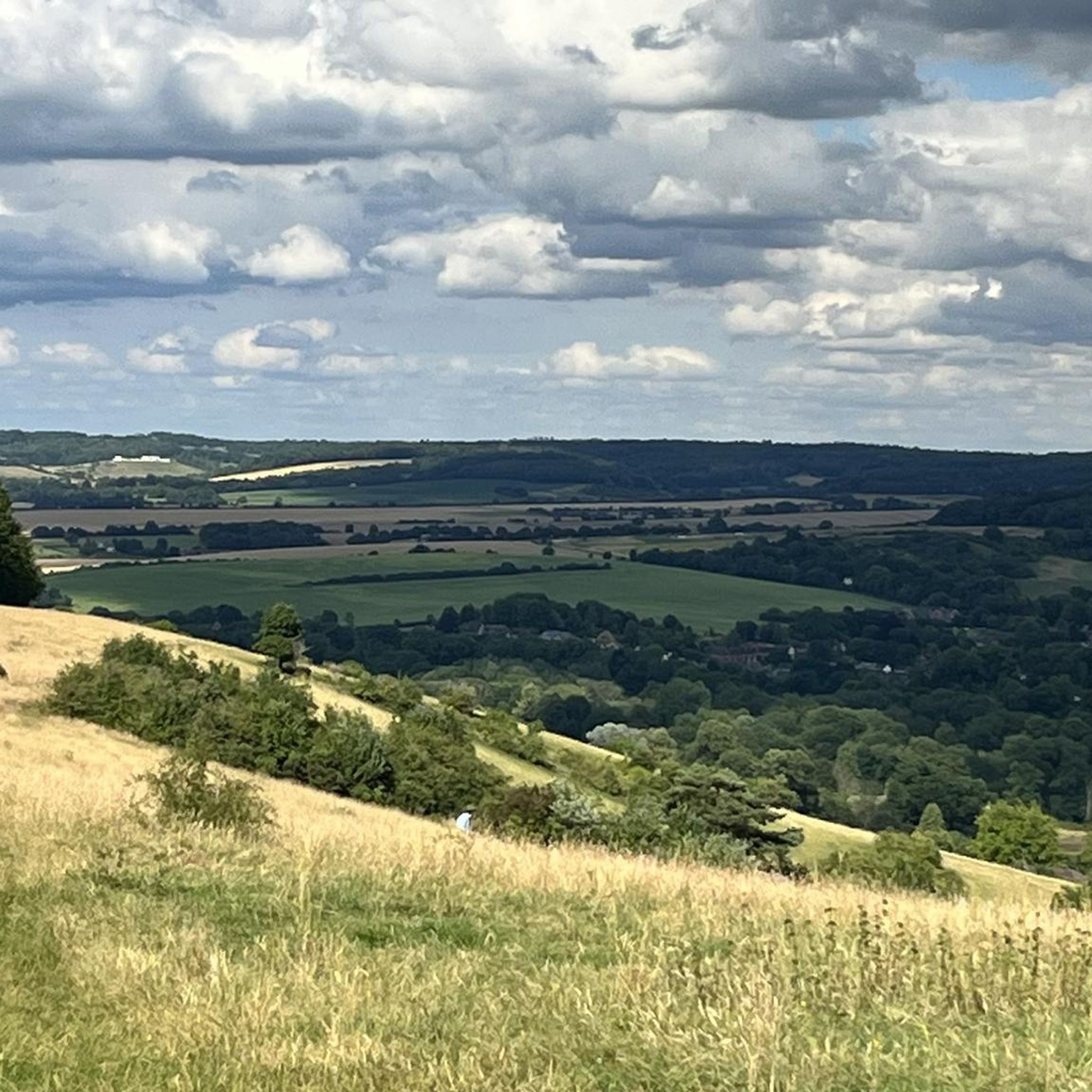
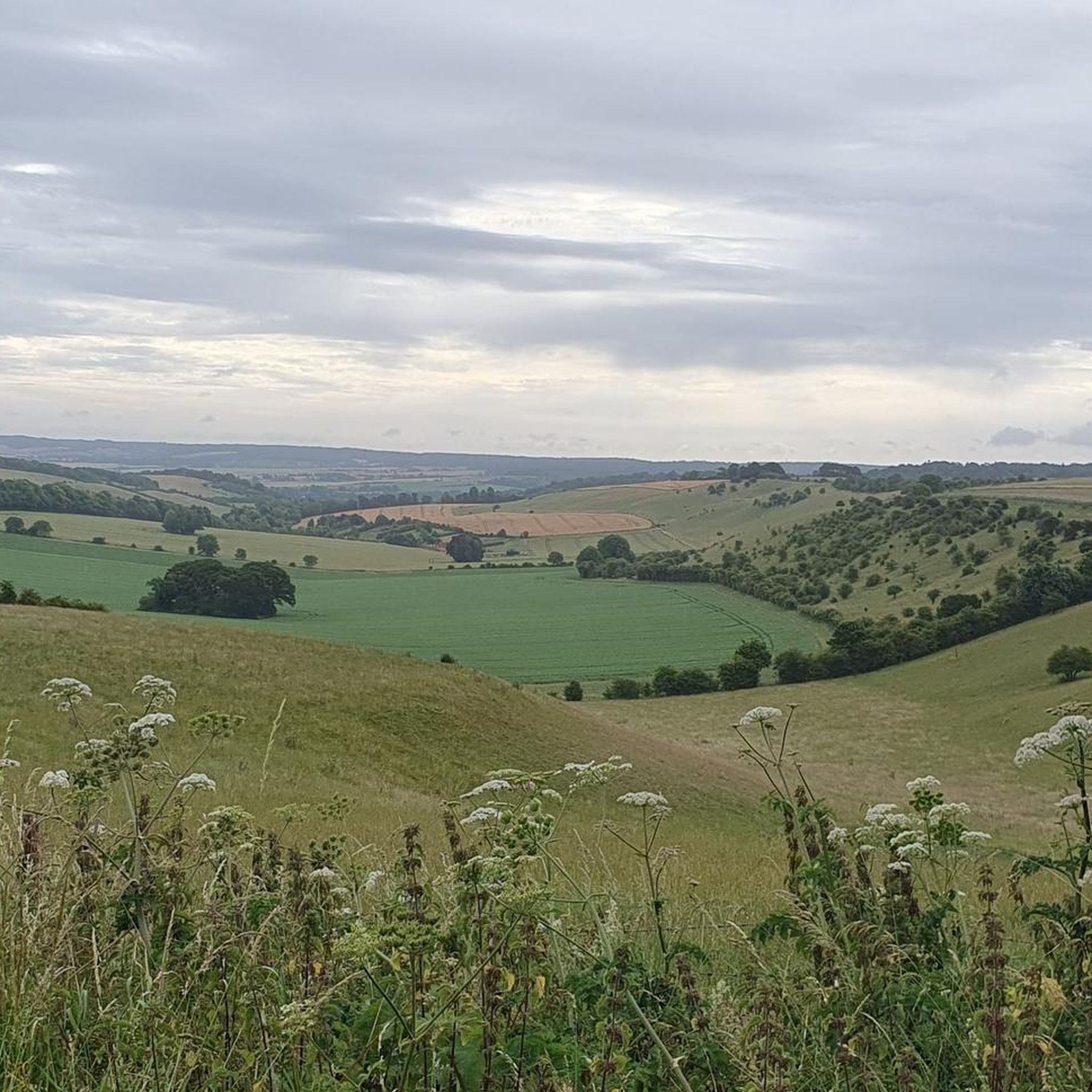
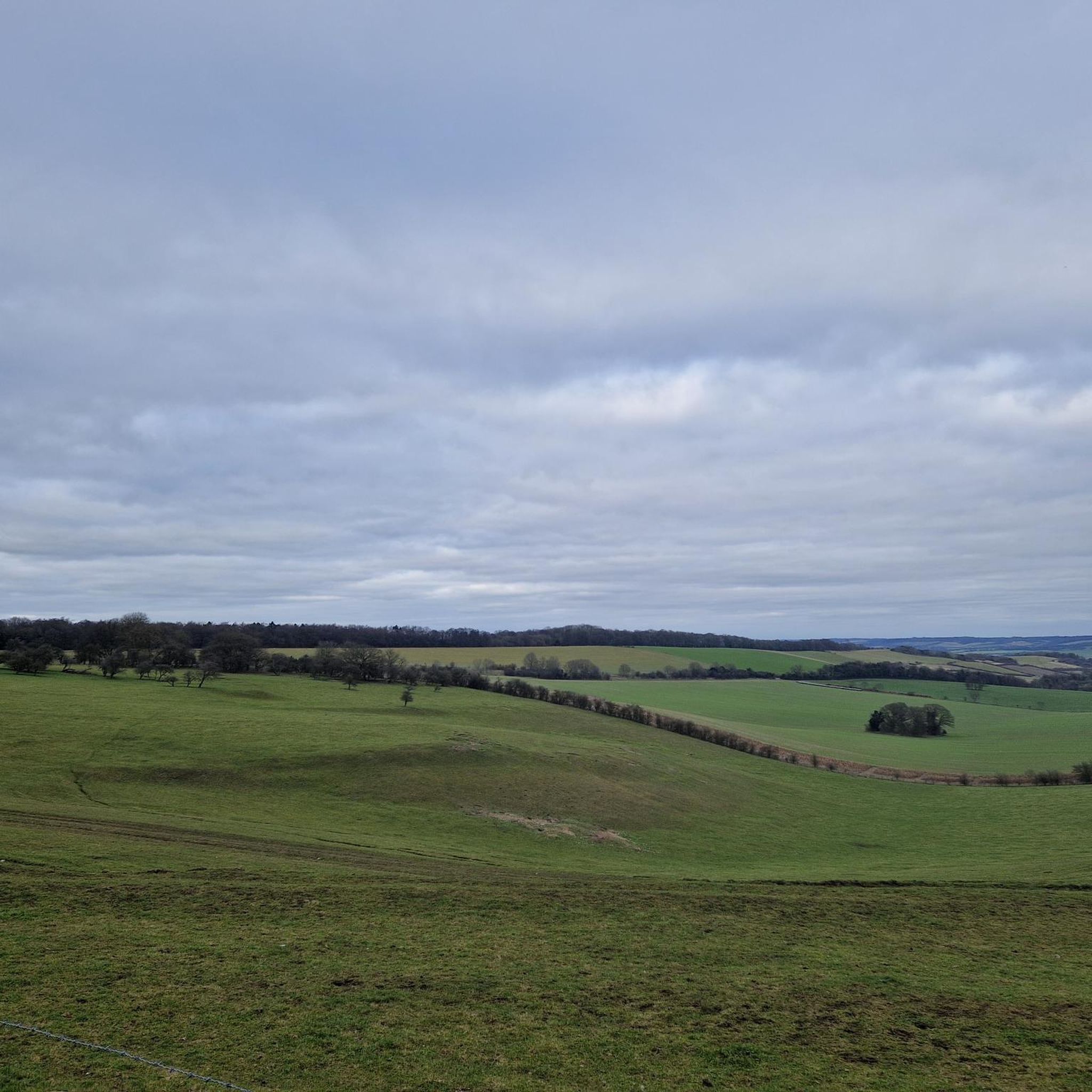
Hikes around Aldworth explore the rolling chalk downlands of the North Wessex Downs National Landscape. The terrain is characterized by open fields, sections of woodland, and ancient tracks like The Ridgeway path. Routes in the area feature gentle ascents to viewpoints such as Lowbury Hill, offering expansive views across the Berkshire countryside.
Best hiking trails around Aldworth
- The most popular hiking route is View Towards Streatley – The Bell Inn, Aldworth loop from Aldworth, a 5.0 mile (8.1 km) trail that takes about 2 hours 10 minutes to complete. This moderate loop includes views toward the village of Streatley and passes the historic Bell Inn.
- Another top favourite among local hiking enthusiasts is Aldworth Ancient Yew Tree – The Bell Inn, Aldworth loop from Aldworth, a moderate 7.2 mile (11.6 km) path. The route features a visit to the ancient yew tree at St Mary's Church.
- Local hiking enthusiasts also love the The Bell Inn, Aldworth – The Bell Inn loop from Aldworth, a 2.5 mile (4.0 km) trail leading through the fields surrounding the village, often completed in about 1 hour 5 minutes.
- Hiking around Aldworth is defined by its rolling chalk hills, sections of The Ridgeway National Trail, and paths through open farmland. The network of trails provides a range of options suitable for different fitness levels.
- The routes in Aldworth are highly rated by the komoot community with an average score of 4.6 stars from over 840 reviews. More than 5,400 hikers have used komoot to explore Aldworth's varied terrain.
Last updated: June 22, 2026
4.9
(8)
29
hikers
Moderate hike. Good fitness required. Easily-accessible paths. Suitable for all skill levels.
4.5
(4)
21
hikers
15.4km
04:16
280m
280m
Moderate hike. Good fitness required. Easily-accessible paths. Suitable for all skill levels.

Sign up for free
5.0
(3)
18
hikers
4.00km
01:04
50m
40m
Easy hike. Great for any fitness level. Easily-accessible paths. Suitable for all skill levels.
11
hikers
Moderate hike. Good fitness required. Easily-accessible paths. Suitable for all skill levels.
5.0
(3)
11
hikers
12.0km
03:08
80m
80m
Moderate hike. Good fitness required. Easily-accessible paths. Suitable for all skill levels.
Get access to more routes and recommendations from other explorers.
Sign up for free
Already have an account?
Our route recommendations are based on thousands of hikes, rides, and runs completed by other people on komoot.
Start today with a free account
Your next adventure awaits.
Login or Signup
Tips from the Community


Rivers and canals crisscross the country, as they were – especially in the early days of industrialisation – a very essential part of the transport infrastructure. After all, the factories needed the delivery of raw materials in previously unknown quantities, and the finished goods then had to find their way to the traders. Many of the canals originate from this era. Later, the railways and, later still, trucks took over the task of transporting goods. However, when building the artificial waterways and making the rivers navigable, it had to be taken into account that differences in altitude always had to be overcome, and so locks are often lined up along the canals and rivers – at more or less large intervals, depending on the local situation. Shipping could only be made possible with their help.
0
0

A church was recorded here in the the Domesday Book (1086) but the oldest surviving part of the current church is the 15th century west tower. In 1864–65, the main body of the church was almost entirely rebuilt by architect Charles Buckeridge in a neo-Gothic style. During this work, original 13th-century flint and stone were reused.
1
0

Despite the fact that it's a smart restaurant, the staff are equally welcoming to wet and muddy hikers!
0
0


Mention should be made of the Norman ‘flower-pot’ font. These are fairly common in Berkshire and the design was probably copied from the Jewish stone jars used for ritual washing in the time of Jesus, and referred to in the Gospel of St John at the wedding in Cana of Galilee. Today a similar jar can be seen in the Orthodox Church in Cana.
0
0
Laurence Binyon, 1869-1943, whose ashes are buried with those of his wife Cicily by the beech hedge bounding the churchyard, is especially remembered for the words of his poem “For the Fallen”, quoted at Remembrance Day Services: “They shall grow not old, as we that are left grow old: Age shall not weary them, nor the years condemn. At the going down of the sun and in the morning We will remember them.” Those from the village who gave their lives in the two World Wars are remembered in the east window and on the Memorial on the outside wall.
0
0
Frequently Asked Questions
Are the hiking trails around Aldworth suitable for dogs?
Yes, the area around Aldworth is generally dog-friendly. The trails often cross open farmland and use public footpaths where dogs are welcome. However, you will likely encounter livestock, so it's essential to keep your dog on a lead in these areas. Always be prepared with water for your dog, especially on the more exposed sections of the chalk downlands.
What are the trail conditions and difficulty levels like around Aldworth?
The hikes are mostly moderate, with some easier options available. The terrain consists of rolling chalk downlands, which means you'll encounter gentle but steady climbs rather than steep, technical ascents. Paths are a mix of grassy tracks, ancient byways like The Ridgeway, and some quiet country lanes. After rain, the chalk and clay sections can become slippery.
Can I go on a good pub walk in the area?
Absolutely. The Bell Inn in Aldworth is a historic, highly-regarded pub that serves as the start and end point for many excellent walks. For a longer outing that takes in the classic downland scenery, the The Bell Inn, Aldworth – View of the North Wessex Downs loop from Aldworth is a great choice. It offers expansive views and brings you right back to the village for well-earned refreshments.
Are there any family-friendly or easy walks near Aldworth?
Yes, there are several easier walks perfect for a family outing. These routes typically stick to flatter ground and are shorter in length. A great example is the The Bell Inn, Aldworth – The Bell Inn loop from Aldworth, a short 2.5-mile (4 km) circuit through the fields surrounding the village. It's a manageable distance for most abilities and offers a lovely taste of the local countryside.
Where is the best place to park for a hike in Aldworth?
Most hikers find on-street parking within the village of Aldworth. Please park considerately, as it is a small residential village. The Bell Inn is a popular starting point, and while it has a car park, it is primarily for patrons. It's best to arrive, park respectfully in the village, and then enjoy the pub after your walk.
What makes hiking in the North Wessex Downs National Landscape special?
Hiking in the North Wessex Downs offers a unique sense of tranquility and history. The landscape is defined by its vast, rolling chalk hills, providing wide-open views and a feeling of remoteness. It's an Area of Outstanding Natural Beauty, rich in archaeology, with ancient tracks like The Ridgeway allowing you to walk through a landscape that has been travelled for thousands of years.
Can I hike along The Ridgeway National Trail from Aldworth?
Yes, several trails incorporate sections of The Ridgeway, known as Britain's oldest road. You can experience this ancient path on routes heading out from the village. The Compton Village Highlights – The Ridgeway Trail loop from Blewbury is a moderate hike that includes a significant stretch of this historic trail, offering classic Ridgeway views and passing through nearby villages.
What do other hikers say about the trails around Aldworth?
The hiking routes around Aldworth are highly rated by the komoot community, with over 5,400 visitors exploring the area. Reviewers frequently praise the stunning, expansive views from the top of the downs and the peaceful atmosphere of the trails. The mix of open countryside, woodland paths, and historic sites is a recurring highlight.
What historical points of interest can I see on a walk?
The area is rich in history. Within Aldworth village, you can visit St Mary's Church to see the famous 'Aldworth Giants'—impressive 14th-century stone effigies—and a magnificent yew tree estimated to be over 1,000 years old. Many trails also lead towards Lowbury Hill, the site of a Romano-Celtic temple and an Anglo-Saxon burial mound.
How many hiking trails are available around Aldworth?
There are over a dozen curated hiking routes starting from or passing through Aldworth. These range from short, easy loops around the village to more challenging moderate hikes that explore deeper into the North Wessex Downs, with options to suit most fitness levels.
Are there many road-walking sections on the trails?
Most routes are primarily on off-road public footpaths, bridleways, and farm tracks. However, some sections may involve walking along quiet country lanes to link up different paths. These roads are generally not busy, but it's always wise to be aware of traffic.
Most popular attractions around Aldworth

Get inspired with the komoot mobile app


Explore more
Browse the best Hikes in other regions.
